
Choose a reading route before choosing a new look
Hair care and styling choices are easier to compare when you identify the decision you actually need to make. If your main concern is where the hair ends, start with Cuts & length. If the outline already works but the shade does not, use Colour & upkeep. Texture & roots covers changes to movement or side control. Everyday care focuses on handling, while Daily & occasion styling considers how you wear the finished hair.
Write one sentence describing the change and one describing what must stay usable. For example, you might want a shorter outline while keeping enough reach for a comfortable ponytail. That leads to the bob-or-lob and workweek-cut articles before a colour discussion. Someone who likes their length but dislikes a visible root boundary has a different route: grey blending, root refresh and colour maintenance are more relevant than a complete haircut redesign.
Treat reference photographs as separate pieces of information rather than a single instruction. Mark the end point you like, the front pieces you want to preserve and the finish you could reproduce. A photograph may combine a cut with carefully shaped hair and a colour effect. Comparing those elements separately helps you use this collection to prepare questions, rather than expecting one image to explain every part of the appointment.
Use an ordinary wash day as your starting point
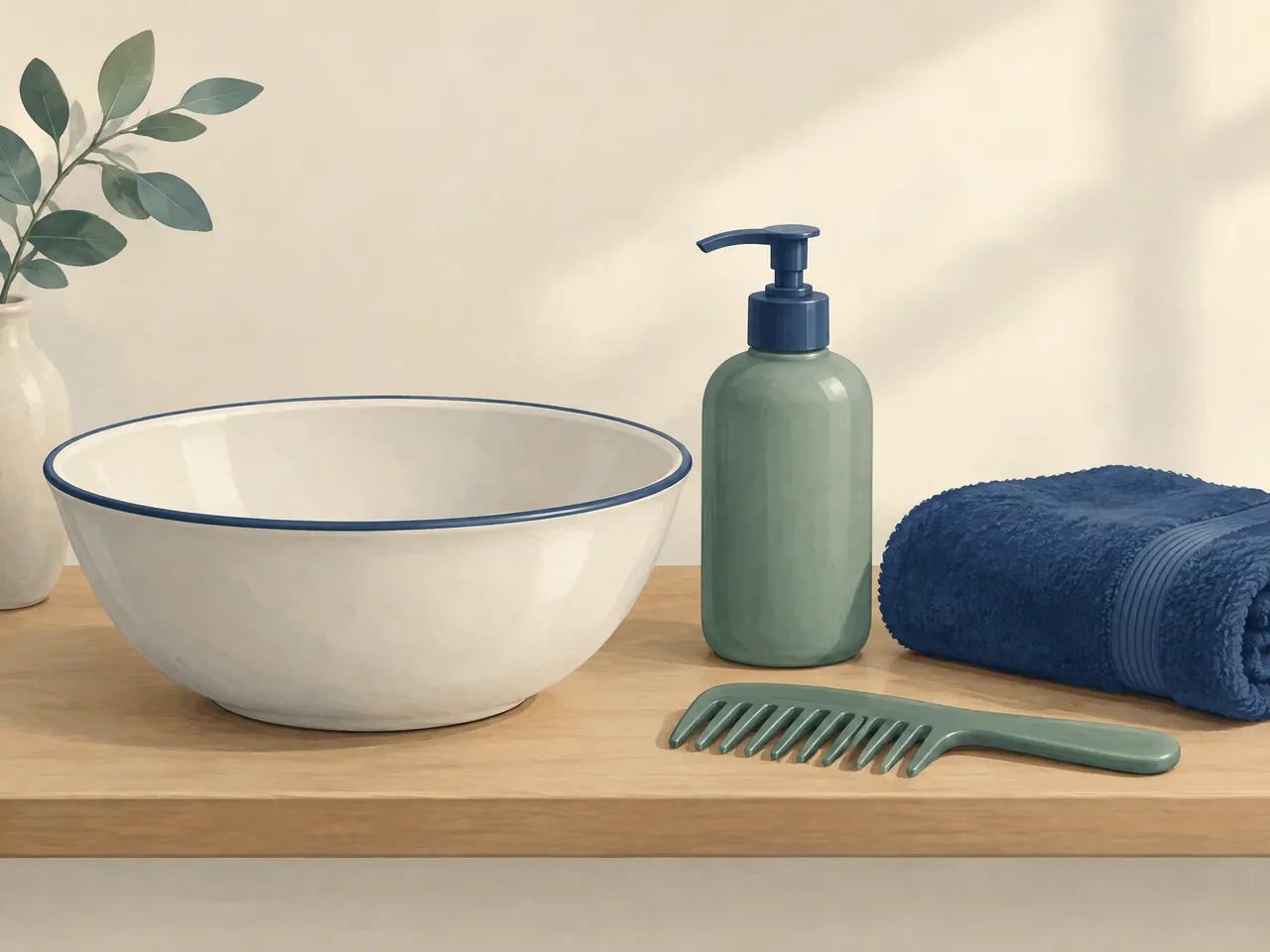
Before changing several things at once, describe your current wash-day routine. Note when you wash, which products touch the scalp or lengths, how you remove moisture and what happens before the hair is fully dry. Include the less polished version you wear when there is no time to reshape it. These observations help you decide whether your next reading should concern cleansing, dry-length care, a different outline or styling effort.
The American Academy of Dermatology recommends washing according to how dirty or oily the hair becomes, applying shampoo mainly to the scalp and using conditioner after washing. It distinguishes conditioner placement for fine or straight hair from dry or curly hair. This is a reason to describe your own hair rather than copy someone else's schedule. The academy also recommends gently absorbing moisture with a towel or T-shirt instead of rubbing vigorously. [1]
For an active routine, record what you do after exercise as well as on quieter days. Ask whether the extra step you are considering addresses a specific handling problem or simply adds another product. The active-routine scalp-care article is useful for organising that discussion; the smoother-feel article considers conditioning without treating it as straightening. If discomfort persists, move beyond cosmetic routine comparisons and seek medical advice rather than repeatedly adding salon care.
Separate drying time from the work of shaping hair
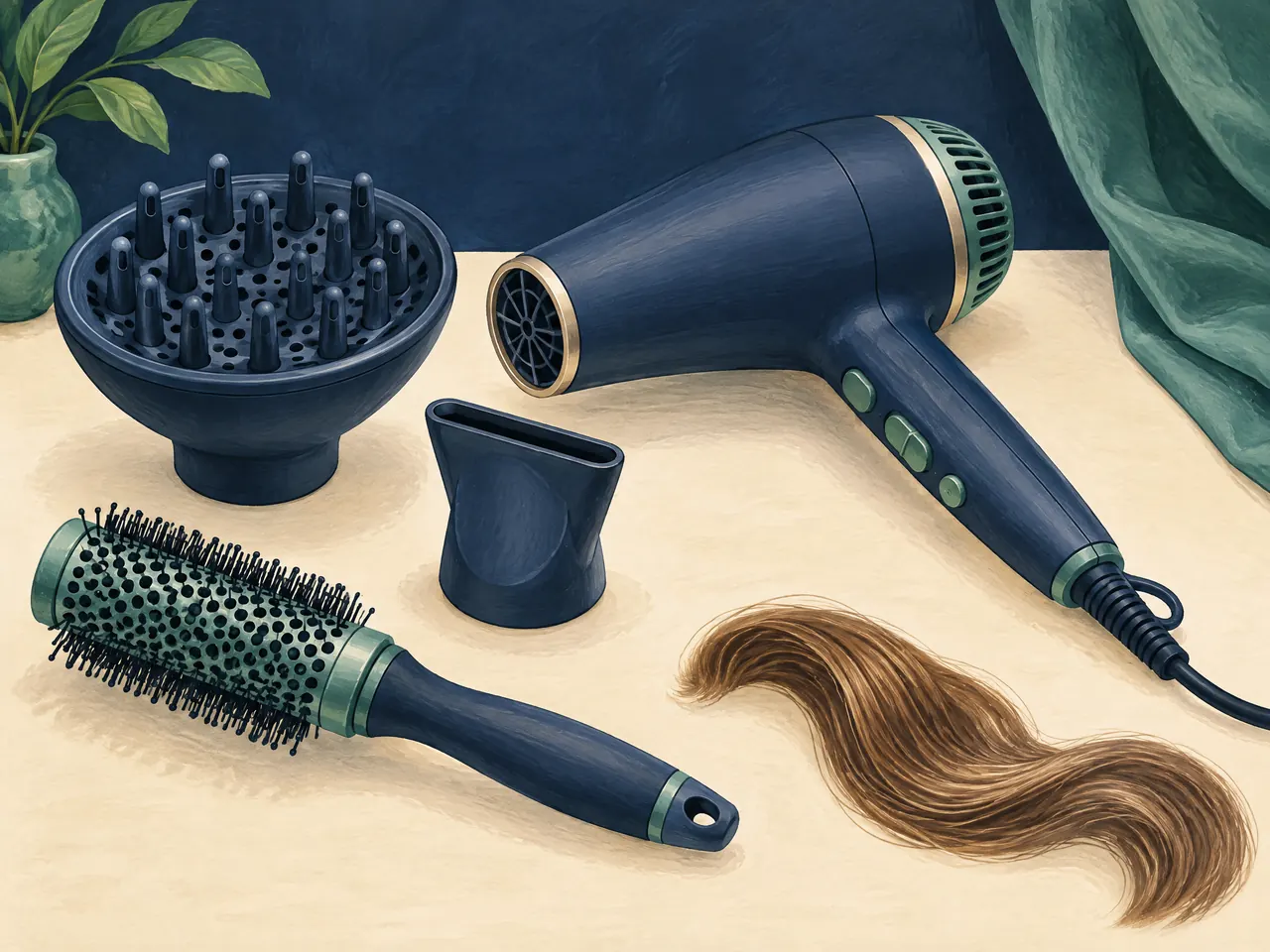
A finish can look simple while requiring several actions you rarely perform. Separate removing moisture from shaping the fringe, directing the ends and resetting the sides. Record which of those actions you can comfortably repeat on a busy morning. A dryer, nozzle, diffuser and brush are useful discussion objects, but owning the equipment does not establish that the finished style will fit your time or skill.
When looking through the workweek-cut, natural-wave or short-textured-hair articles, compare the ordinary finish with the photographed finish. Ask which parts of the outline remain visible without careful shaping and which depend on a particular tool. If a stylist demonstrates a technique, ask to see the specific hand movement and the stage at which it is used. You can then decide whether that step belongs in your routine instead of agreeing to an unfamiliar method by name.
The American Academy of Dermatology advises limiting excessive heat, using low or medium heat settings and a heat-protective product. Those recommendations do not make repeated heating harmless or guarantee a particular finish. [1] Build a fallback into the choice: a looser outline, a comfortable clip arrangement or a version with less precise shaping. A style that still meets your practical needs on a rushed day gives you a clearer comparison than an ideal finish you cannot reproduce.
Check the front pieces against your everyday movements
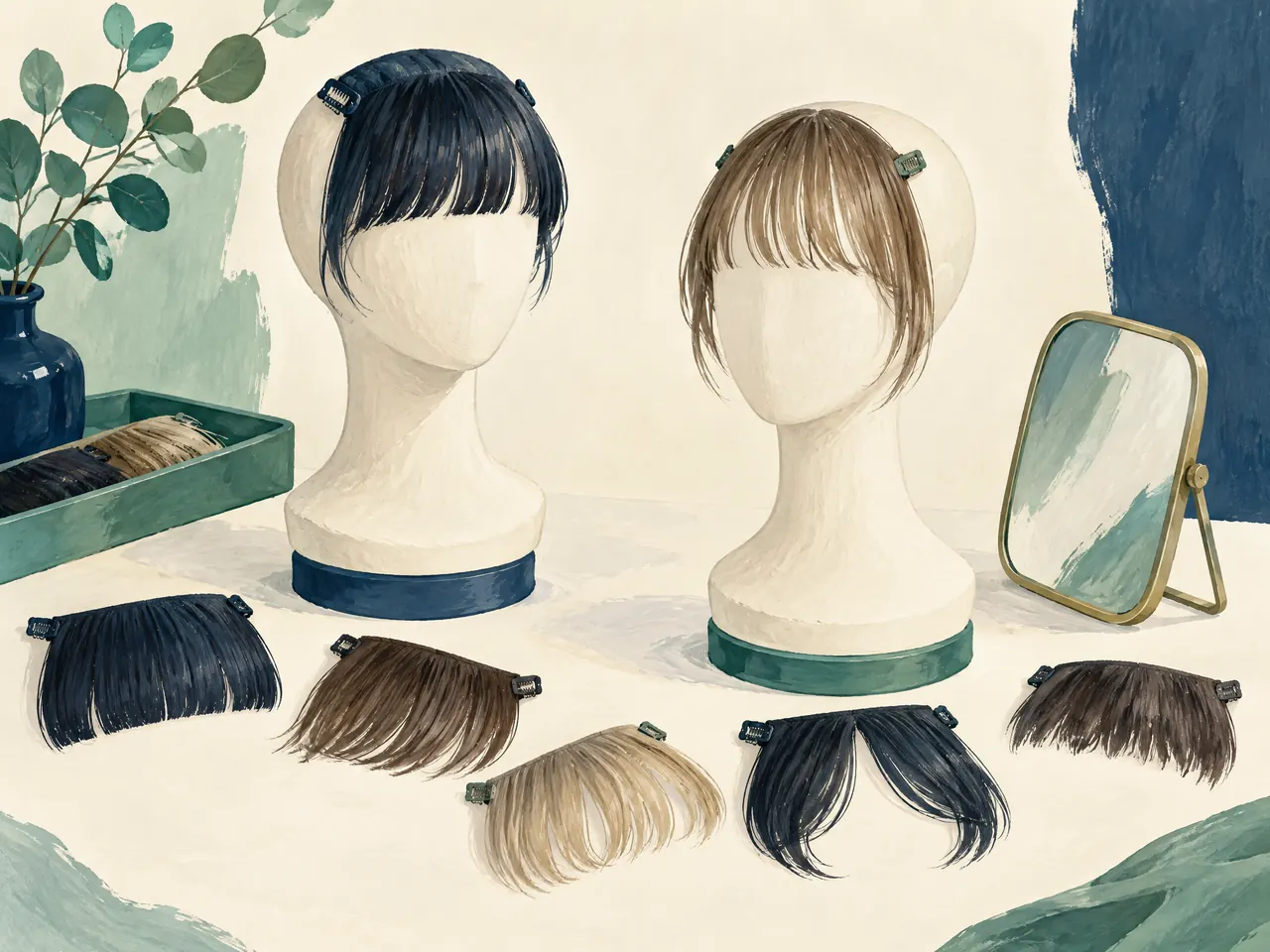
Front pieces deserve their own decision because they interact with your eyes, glasses and usual parting. Before choosing a fringe or face-framing shape, observe where the hair falls when you read, bend forward or put on glasses. Note whether you usually tuck it behind an ear or gather it with the rest of your hair. A front view taken while standing still does not answer all of those practical questions.
Use the face-framing article to compare movement around the face, and the bob-or-lob or workweek-cut articles to consider how much reach you need. Explain the shortest piece you would be comfortable wearing loose, rather than relying only on a style label. If you are growing out a short cut, the pixie-transition article offers a different starting point: preserving a coherent outline while the front and sides reach more useful lengths.
Bring a photograph showing your usual parting as well as the desired front shape. Ask what the fringe would require after your normal wash routine, whether a different parting is essential and how you could keep it out of the way without pulling it tightly. Decide which requirement takes priority if the answers conflict. This turns a broad preference such as softer framing into a discussion about length, placement and a realistic fallback between visits.
Compare a colour preference with the starting hair
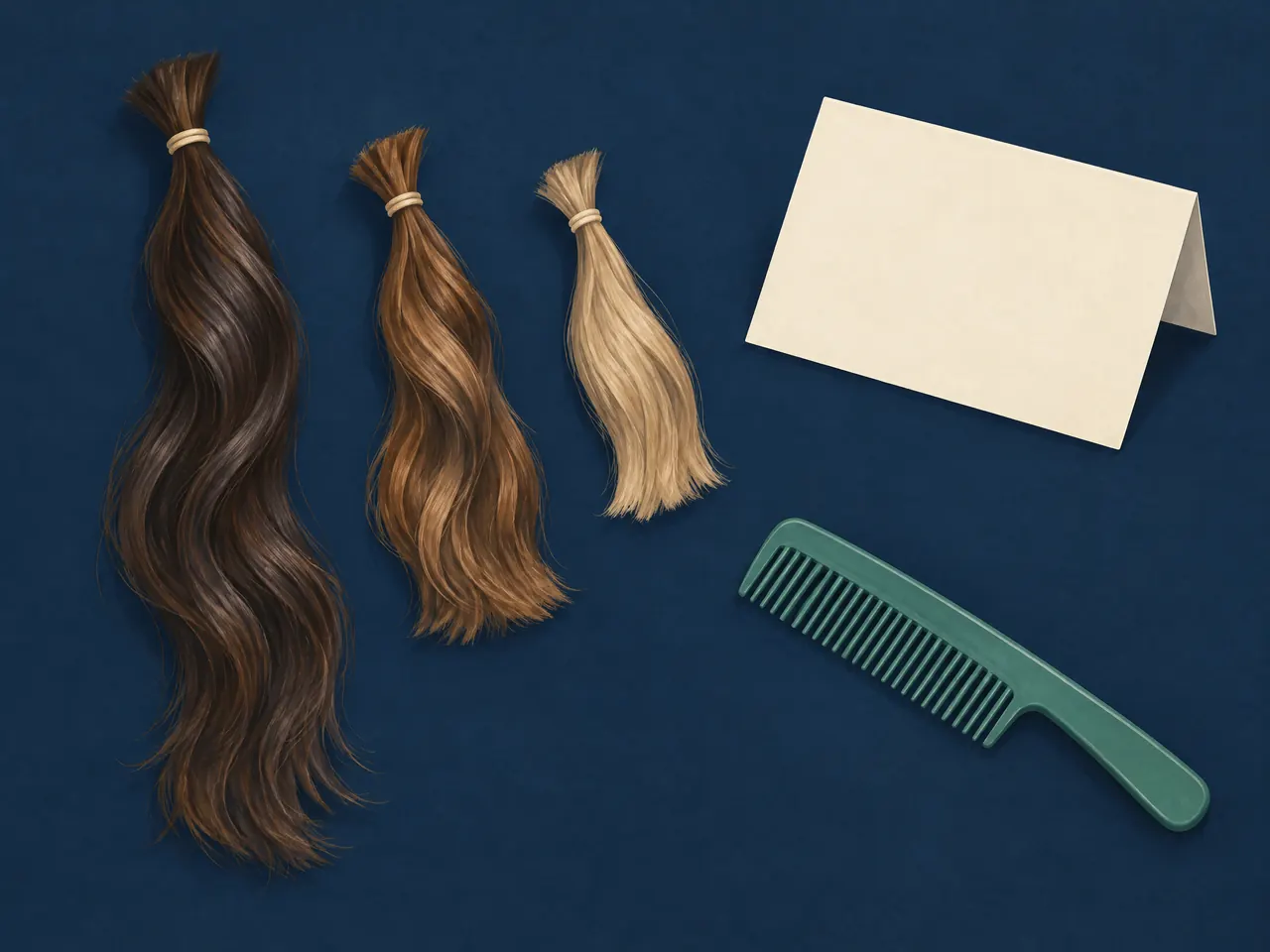
Separate the colour you like from the work needed to approach it. The warm-or-cool-brown article helps you compare appearance in different lighting, while no-bleach colour, grey blending and dark-hair gradients ask different questions about the starting point and visible contrast. Review a reference in ordinary daylight as well as the indoor light where you expect to wear it. A sample or screen image is a discussion aid, not a guaranteed match.
Make a short history of the hair you still have, including home colour and earlier lightening, perming or straightening. Note where each process was applied; roots and ends may have different histories. Then describe both your eventual goal and a first result you would accept if the larger change needs reconsideration. The larger-colour-change article is useful for appointment planning, while the roots-or-lengths article helps separate regrowth from faded colour instead of treating every refresh as identical.
Keep skin-reaction questions separate from shade selection. The NHS advises following dye instructions and stopping use if you feel unwell or have a reaction after a patch or strand test. Prior dye reactions should be disclosed before planning another application. [2] The American Academy of Dermatology notes that colouring and perming can leave hair dry and brittle. [3] A softer feel after conditioning therefore should not be taken as proof that another chemical service is suitable.

Distinguish natural texture, handling and chemical change
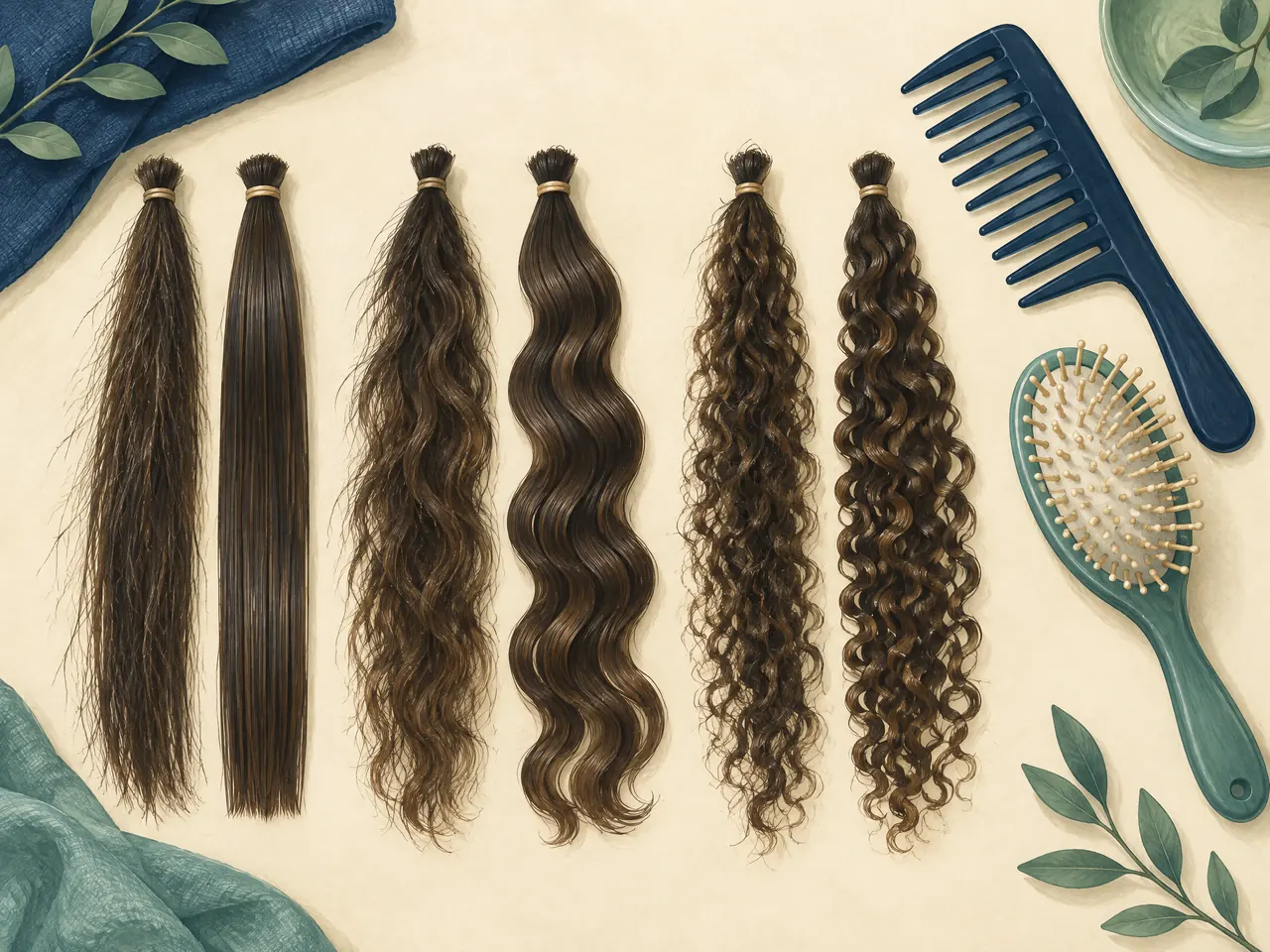
Describe what your hair does without deliberate reshaping before deciding whether to change its texture. Notice where waves form, how the sides sit and which areas need the most detangling. The natural-wave and short-textured-cut articles consider shape around existing movement. Partial or full perms and straightening address different choices. Reading those routes separately helps you avoid asking a conditioning service to do the job of a cut or chemical process.
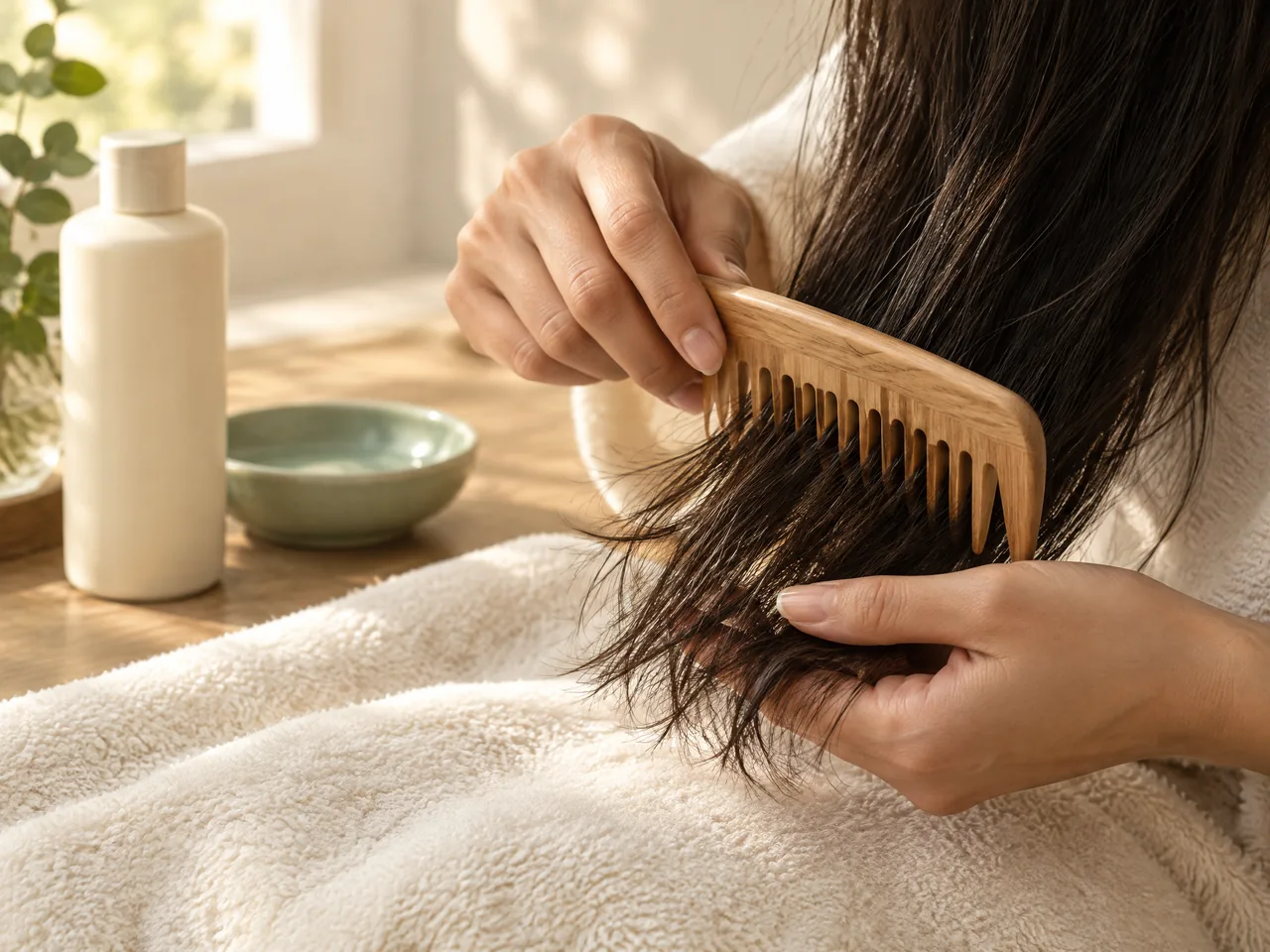
Handling also varies with texture. The American Academy of Dermatology recommends gentle detangling with a wide-tooth comb, starting at the ends and working upwards. It advises allowing straight hair to dry a little before combing, while thick curly hair can be combed in the shower before rinsing out conditioner. [1] These distinctions make your normal handling method a useful part of the conversation; there is no need to force every texture into the same brushing routine.
If you are considering a texture service, identify the area you want to change and the areas you want to leave alone. Top movement, side control and a straightened length are not interchangeable goals. Share the chemical history of those areas and ask what the daily routine would involve afterwards. The perm-length and new-growth-boundary articles can help organise those questions. Existing dryness or difficult handling calls for assessment, not an assumption that another process will solve it.
Turn the reading into a focused appointment discussion
Take a small set of notes to the next discussion: the change you want, the function you need to preserve and the routine you can maintain. Add relevant hair history and mark the parts of each reference photograph that matter. If several services are under consideration, ask which decision should be assessed first and which can wait. Confirm whether the appointment reserves an assessment or actual work rather than assuming that a booking enquiry commits the salon to a transformation.
For an occasion, explain the whole day rather than only the first photograph. Consider clothes that must pass over the head, accessories that need placement and whether the hair must change between activities. The event-transition article compares a blow-dry with more structured styling; the extensions-and-cut-balance article helps frame questions when extra length or fullness is being considered. Ask about the proposed scope, preparation and later upkeep directly without assuming that a technique name describes everything included.
Keep beauty decisions within their proper scope. This collection is about appearance and everyday routines, and the same-owner Vit So website remains separate from Chinese medicine care. A haircut or cosmetic scalp service is not a diagnosis or a treatment for hair loss. If a dye reaction is worsening, seek medical advice; breathing difficulty or sudden swelling of the mouth or throat needs emergency help. [2] Do not let an event deadline override a need to stop and reassess.
Supplemental references
- [1] American Academy of Dermatology: Tips for healthy hair
Washing according to dirt and oil; shampoo mainly on scalp; conditioner placement by texture; gentle moisture absorption; texture-sensitive detangling; limiting heat and using low or medium settings and heat protection. Does not support a fixed wash schedule, product endorsement or guaranteed salon result.
- [2] NHS: Hair dye reactions
Follow product instructions; do not continue dye use after a reaction or feeling unwell; prior reaction context; worsening reactions require medical advice and breathing difficulty or sudden mouth/throat swelling requires emergency help. No local treatment availability or guarantee that testing excludes all reactions is claimed.
- [3] American Academy of Dermatology: Coloring and perming tips for healthier-looking hair
Colouring and perming can damage hair and leave it dry or brittle. Does not establish individual chemical suitability, a service sequence or a maintenance interval.