
TCM Lab · Health reading
When to See a Doctor for Period Pain: When Should I See a Doctor for Period Pain, and Should I See a Doctor if Period Pain Is Getting Worse?
Published Updated
Period cramps can be familiar and still deserve attention when the pattern changes. Arrange a medical assessment if pain becomes more severe, lasts differently, prevents ordinary activities, or no longer improves with the approach that used to help. Heavy or unexpected bleeding also needs discussion. Sudden intense pain, fainting, high fever, persistent vomiting, or pain and bleeding when pregnancy is possible are reasons to seek urgent care rather than wait for a routine consultation.
Appointments are confirmed through WhatsApp. If you have language requirements, please mention them in your enquiry.
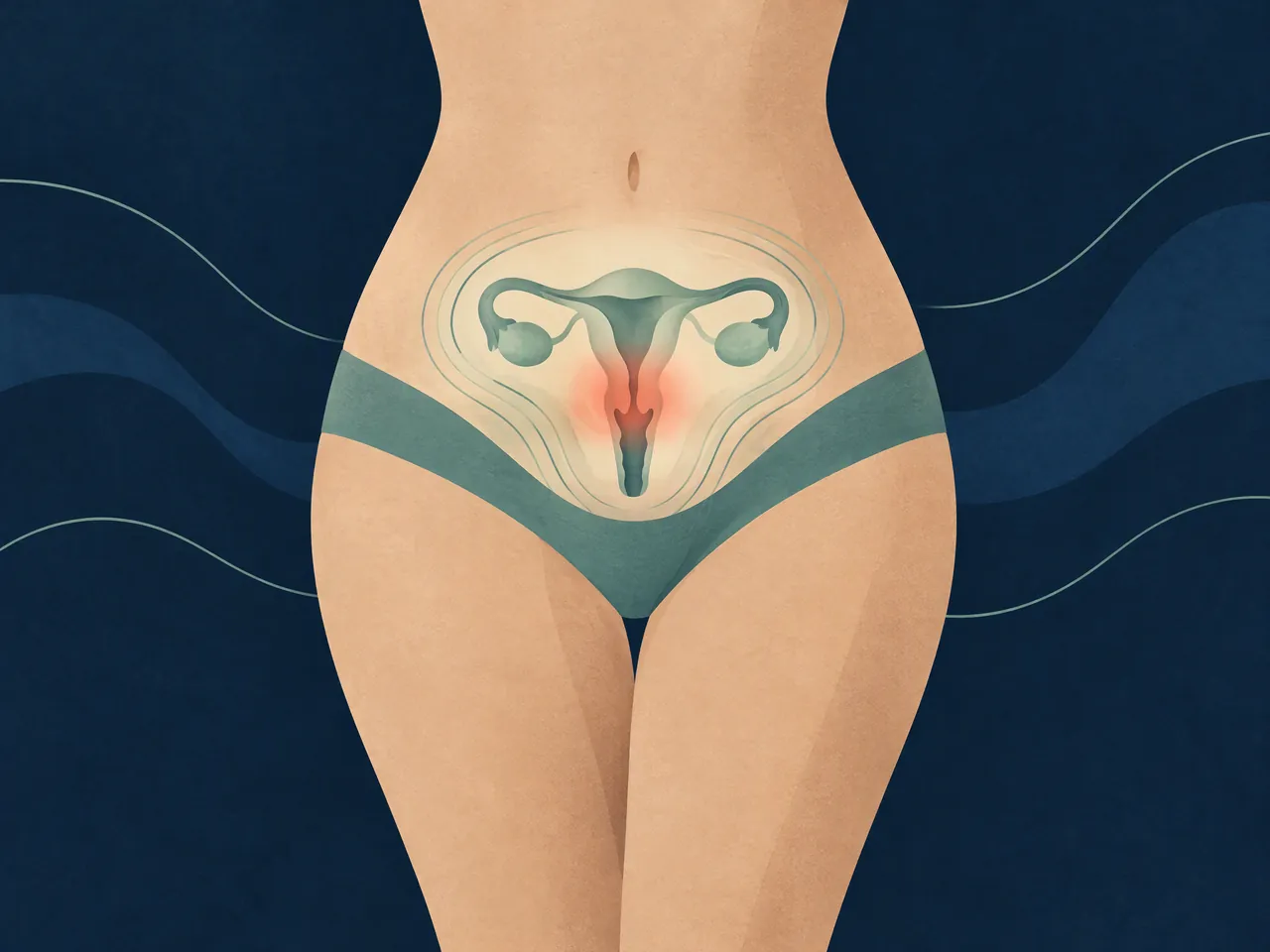
The short answer
See a doctor for period pain when it is worsening, disrupting work, study or sleep, or when usual pain relief no longer helps. Book an assessment for heavier, irregular or between-period bleeding, pain during sex, or pain when passing urine or stool. Seek urgent medical care for sudden severe or one-sided pelvic pain, fainting, marked dizziness, high fever, persistent vomiting, uncontrolled bleeding, or pain and bleeding if pregnancy is possible. [1] [2] [4]
Transparent pricing
See the fees.
Choose your care.
Explore our complete official price list, including first-trial prices, regular prices, packages and branch-specific options.
Opening WhatsApp prepares an enquiry; it does not send a message, take payment or confirm an appointment. Suitability and individual arrangements are confirmed during consultation.
Pain care
All prices in HKDExtracorporeal shockwave treatment
Shockwave treatment for deep-tissue and fascial care. The Kwun Tong clinic offers the multi-area options shown below.
Priced by branch
Branch-specific pricing
Prince Edward: HK$250 per area
Kwun Tong: HK$250 for 1 area / HK$450 for 2 areas / HK$600 for 3 areas
Pain care (manual therapy)
Includes Chinese medicine musculoskeletal assessment, manual joint techniques and tui na.
HK$580 (single session)
Chinese medicine musculoskeletal assessment
Pain care (acupuncture and manual therapy)
Combines acupuncture and manual therapy.
HK$680 (single session)
Combined care
Hair and scalp
All prices in HKDScalp health and hair-loss management
Includes AI scalp analysis, deep scalp and follicle cleansing, and scalp oil-control care.
HK$380 (first trial)
Regular price: HK$680
- 6 sessions: HK$3,480 (HK$580 per session)
- 12 sessions: HK$5,760 (HK$480 per session)
- 20 sessions: HK$8,600 (HK$430 per session)
- 30 sessions: HK$11,400 (HK$380 per session)
Hair acupuncture and Chinese herbal medicine package
Includes scalp acupuncture and 3 days of Chinese herbal medicine that does not require decoction.
HK$580 (single session)
Registered Chinese Medicine Practitioner consultation
- 6 sessions: HK$3,180 (HK$530 per session)
- 12 sessions: HK$5,760 (HK$480 per session)
- 20 sessions: HK$8,600 (HK$430 per session)
- 30 sessions: HK$11,400 (HK$380 per session)
Combined hair and scalp treatment
Combines acupuncture and Chinese herbal medicine with salon-level scalp and follicle care. Packages include complimentary hair-care shampoo and serum.
HK$1,260 (single session)
Combined treatment
- 8 sessions: HK$8,640 (HK$1,080 per session)
- 16 sessions: HK$15,680 (HK$980 per session)
- 20 sessions: HK$18,600 (HK$930 per session)
- 30 sessions: HK$26,400 (HK$880 per session)
Weight management
All prices in HKDFull-body acupoint embedding for weight management
Includes full-body acupoint embedding. Packages include complimentary Chinese herbal medicine for weight management, with the number of included days scaled to the package. Embedding material and the individual treatment arrangement are confirmed during consultation; this is not a cosmetic thread lift.
HK$980 (single session)
No trial session
- 10 sessions: HK$7,800 (HK$780 per session)
- 20 sessions: HK$14,600 (HK$730 per session)
- 30 sessions: HK$20,400 (HK$680 per session)
Facial acupuncture
All prices in HKDFacial acupuncture (basic)
Includes facial acupuncture and meridian-based facial care, including care for facial puffiness.
HK$480 (first trial)
Regular price: HK$680
- 10 sessions: HK$5,200 (HK$520 per session)
- 20 sessions: HK$9,600 (HK$480 per session)
- 30 sessions: HK$13,500 (HK$450 per session)
Facial acupuncture (advanced)
Includes enhanced facial acupuncture with a specially formulated moisturising mask and serum.
HK$780 (first trial)
Regular price: HK$1,180
- 10 sessions: HK$9,000 (HK$900 per session)
- 20 sessions: HK$16,600 (HK$830 per session)
- 30 sessions: HK$23,400 (HK$780 per session)
Chinese medicine
All prices in HKDAcupuncture and Chinese herbal medicine package
Includes a Chinese medicine consultation with pulse assessment, body acupuncture and 3 days of Chinese herbal granules that do not require decoction.
HK$580 (single session)
Chinese medicine consultation with pulse assessment
when to see a doctor for period pain: when should I see a doctor for period pain — should I see a doctor if period pain is getting worse and Your Usual Pain Pattern
Many people have cramps near the start of a period. The discomfort may feel like a dull lower-abdominal ache or stronger waves of cramping, sometimes spreading to the back or thighs. Nausea, loose stools, headache or tiredness can occur alongside it. What is most useful is not comparing yourself with someone else’s period, but noticing your own baseline. A familiar pattern that is manageable and returns to baseline is different from pain that keeps escalating, arrives at a new point in the cycle, or changes the way you plan every month. The Hong Kong Family Health Service notes that period pain may range from mild to severe and that pain can accompany stomach upset. [1]
When people ask when to see a doctor for period pain, the practical answer is: do not wait for a crisis if the pain is taking away ordinary life. Missing class, cancelling work, being unable to sleep, avoiding movement, or needing to organise every outing around pain are meaningful impacts to describe. The NHS advises seeking assessment when pain stops usual daily activities or periods become more painful, heavier or irregular. [2] An appointment does not mean that a serious cause is assumed. It gives a clinician the chance to hear how the pattern developed, review relevant history and decide whether examination or testing is appropriate. For a focused prompt list, see how do I know if my period pain is serious.

Try to describe the pain in a way that someone who was not there can understand. Note whether it begins before bleeding, peaks on a particular day, remains after bleeding ends, or appears between periods. Record the site: central lower abdomen, one side, back, or a more widespread pelvic area. Words such as cramping, pressure, sharp, burning or dragging may be useful, but the effect matters too. Include whether you had to lie down, leave an activity, miss sleep or change how you eat. This detail helps distinguish a recurring pattern from a new development without asking you to diagnose yourself.
when to see a doctor for period pain: when should I see a doctor for period pain — should I see a doctor if period pain is getting worse and Common Cramping Patterns
A commonly reported cramping pattern begins shortly before bleeding or around the first day and settles as the period passes. That description alone cannot confirm a cause, and it is not a test of how much pain a person “should” tolerate. A more concerning pattern is pain that begins days earlier than before, persists after the period, grows worse cycle by cycle, or is no longer eased by measures that had previously been useful. In clinical language, painful periods are called dysmenorrhea. ACOG describes primary dysmenorrhea as cramping associated with menstruation, while secondary dysmenorrhea is linked to a disorder in the reproductive organs and can worsen over time or last longer than usual cramps. [3] The distinction is a reason for careful assessment, not a conclusion you can make from a checklist.

when to see a doctor for period pain: when should I see a doctor for period pain — should I see a doctor if period pain is getting worse and Keeping a Clear Symptom Record
A short diary for two or three cycles can turn a vague memory into useful clinical information. Mark the first and last day of bleeding, how the flow compares with your usual flow, and any bleeding outside the expected period. For pain, record a simple 0–10 score at its worst, the time it started, where it was felt and what you were doing when it limited you. Add associated symptoms, including fever, unusual discharge, bowel or bladder symptoms, nausea, dizziness, pain during sex, and any possibility of pregnancy. List medicines, supplements and what they did or did not change. The aim is not perfect data; it is an honest, dated picture that lets the clinician ask better follow-up questions.
Compare your options
| Pattern or situation | Practical next step | What to record or report |
|---|---|---|
| Familiar cramps near the period that remain manageable | Monitor the pattern and use clinician-appropriate self-care. | Timing, location, usual intensity and what provides relief. |
| Pain is getting worse, lasts differently, or disrupts normal activities | Book a medical or gynaecological assessment. | How the pattern changed, days missed, medicines tried and their effect. |
| Heavier flow, irregular cycles, bleeding between periods or after sex | Arrange medical review rather than assuming the change is normal. | Flow change, clots, cycle dates, bleeding outside the period and dizziness. |
| Sudden severe or one-sided pain, fainting, fever, persistent vomiting or uncontrolled bleeding | Seek urgent medical care. | Onset time, possible pregnancy, bleeding, fever, vomiting and medicines already taken. |
| Pain and bleeding when pregnancy is possible | Seek prompt urgent assessment. | Last period, pregnancy-test information if known, pain location and associated symptoms. |
On smaller screens, scroll the table sideways to compare all columns.
when to see a doctor for period pain: when should I see a doctor for period pain — should I see a doctor if period pain is getting worse When Pain Changes or Gets Worse
Should I see a doctor if period pain is getting worse? Yes—especially if “worse” means a clear break from your usual cycle, rather than one isolated difficult day. A rise in pain intensity, a longer duration, cramps outside the expected period, or a loss of response to a familiar approach should be brought to a doctor or gynaecological service. The same is true if the change accumulates quietly: perhaps you now take more time off, stop exercising because it hurts, or find that the pain continues after the bleeding stops. The NHS lists severe or worse-than-usual pelvic or period pain that has not improved with painkillers as a reason for urgent assessment. [2]
The consultation is an opportunity to discuss the whole pattern, not merely obtain a stronger pain reliever. A clinician may ask about when the symptoms started, cycles, bleeding, sexual health, contraception, prior operations, pregnancy plans, family history and medicines. Depending on the symptoms, an examination, pregnancy test, blood tests, ultrasound or referral may be considered. ACOG states that a pelvic examination may be recommended when needed and that an ultrasound examination may be used when pain is not relieved with medication. [3] These are decisions for the treating clinician; a normal or abnormal test cannot be inferred from the severity of cramps alone.

While waiting for a non-urgent appointment, preserve the details rather than trying to minimise them. Take the diary, a photo or note of any unexpected bleeding if you are comfortable doing so, and the names and doses of anything used for pain. Do not exceed a medicine’s label directions or combine medicines without advice from an appropriate clinician or pharmacist. Gentle movement, rest and heat may be part of self-care for some people, but they should not be used to postpone assessment when warning signs are present. You can compare day-to-day approaches in period pain relief options, while keeping an appointment focused on a changed pain pattern.
when to see a doctor for period pain: when should I see a doctor for period pain — should I see a doctor if period pain is getting worse with Heavier or Unexpected Bleeding
Bleeding changes give important context. Tell a clinician if the flow is clearly heavier or lasts longer than normal for you, if you pass large clots, need to change protection much more often, or bleed between periods or after sex. The Hong Kong Family Health Service describes heavy periods as an increase in the severity or duration of menstrual bleeding and advises medical review for heavy periods, suddenly irregular periods and bleeding between periods. [1] Also mention symptoms that can travel with blood loss or acute illness, such as unusual tiredness, breathlessness, dizziness, fever or foul-smelling discharge. These details do not identify the cause by themselves, but they affect how promptly the symptoms should be assessed.

when to see a doctor for period pain: when should I see a doctor for period pain — should I see a doctor if period pain is getting worse and Possible Underlying Causes
Period pain is not always caused by the same process. Conditions a clinician may consider include endometriosis, adenomyosis, fibroids and pelvic infection; bowel, urinary or other pelvic problems can also overlap with cycle-related pain. [2] [3] This list is not a self-diagnosis tool. For example, pain with sex, pain when passing urine or stool, a swollen abdomen, appetite changes or unexpected weight change are extra details that should be reported because they may guide the assessment. Ask what possibilities are being considered, what the next step is, and what should trigger earlier follow-up. A clear plan is more helpful than leaving with the vague instruction to “wait and see” when the symptoms are already changing.
when to see a doctor for period pain: when should I see a doctor for period pain — should I see a doctor if period pain is getting worse: Urgent Warning Signs and Complementary Support
Urgent care is different from booking a routine period-pain consultation. Seek urgent medical help for sudden, severe or rapidly worsening lower-abdominal or pelvic pain; one-sided pain; fainting or marked dizziness; persistent vomiting; high fever; or bleeding that feels uncontrolled. If pregnancy is possible, abdominal pain with vaginal bleeding needs prompt medical assessment even if a pregnancy test has not been positive. The NHS notes that lower one-sided tummy pain, bleeding, dizziness or fainting can occur with ectopic pregnancy and advises immediate emergency help for sudden intense pain together with severe dizziness or fainting. [4] Do not drive yourself if you feel faint or unsafe to travel.
It is understandable to wonder whether an intense episode is “just cramps.” In an urgent situation, do not rely on a heat pad, a new supplement, acupuncture, or an online symptom comparison to settle that question. Explain to the emergency service or clinician when the pain started, whether it is one-sided, the bleeding pattern, the date of the last period, possible pregnancy, fever, vomiting, known ovarian cysts or an IUD, and every medicine taken. If someone is with you, ask them to help communicate the timeline. The decision to use emergency services should be based on the symptoms and safety risk, not on whether the pain resembles a previous period.

After urgent causes have been addressed and a clinician has advised that outpatient care is appropriate, people may want to consider supportive ways to manage recurring symptoms. This can include discussing sleep, movement, heat, stress and clinician-advised medication, along with a plan for follow-up if the pattern changes. Review period pain warning signs before treating a new severe episode as routine. For those who wish to explore Chinese medicine after appropriate medical evaluation, TCM for period pain explains its complementary role and the need for an individual consultation.
when to see a doctor for period pain: when should I see a doctor for period pain — should I see a doctor if period pain is getting worse and When Urgent Care Is Needed
Choose the faster route when the symptom is abrupt, extreme, accompanied by signs of collapse or infection, or connected with possible pregnancy. High fever, repeated vomiting, very heavy bleeding, severe weakness, new confusion, shoulder-tip pain with possible pregnancy, or a sharp pain concentrated on one side should not be saved for the next available routine appointment. The purpose of urgent evaluation is to rule out time-sensitive causes and stabilise symptoms where necessary. If the pain is severe or worse than usual and usual pain relief has not helped, the NHS advises urgent assessment. [2] For less immediate but persistent concerns, make a non-urgent medical appointment and take your record rather than abandoning the issue because the pain later settles.

when to see a doctor for period pain: when should I see a doctor for period pain — should I see a doctor if period pain is getting worse and Discussing Complementary Care Safely
Chinese medicine should be discussed as complementary care, not as a substitute for urgent assessment or gynaecological diagnosis. In a TCM consultation, a registered Chinese medicine practitioner may ask about pain quality, timing, bleeding, clots, temperature preferences, sleep, digestion, stress and general health. Traditional pattern terms describe a TCM assessment and are not interchangeable with modern diagnoses such as endometriosis. Acupuncture, acupressure and nerve-stimulation therapies are listed by ACOG as approaches that may be useful for painful periods, but this does not promise benefit for every person or explain a worsening pattern. [3] Share all prescribed and over-the-counter medicines, supplements, pregnancy possibility and medical findings with every practitioner. Do not stop or alter prescribed treatment without the prescriber’s advice. If you are considering a visit, you can review the Chinese medicine clinic price list Hong Kong and ask about suitable appointment arrangements.
Care and health guide
Pain-care information
This directory brings together services, reading, and visit information related to pain care, to help you prepare questions for a consultation.
When pain care affects your day, noting when it occurs, its relation to activity, and what you have already tried can help prepare a consultation; Chinese medicine pain management Hong Kong is a relevant service or reading entry point.
Individual circumstances differ, and acupuncture Hong Kong offers related information to help you understand options and prepare questions.


Your questions, answered
Frequently asked questions
When should I see a doctor for period pain?
Should I see a doctor if period pain is getting worse even though I can still cope?
Yes. A gradual worsening pattern, pain that starts earlier or lasts longer than before, or pain that no longer responds to an approach that once helped is useful clinical information. An appointment can explore possible causes and decide whether tests or referral are needed.
When is period pain an emergency?
Can I see a Chinese medicine practitioner for period pain?
You may discuss Chinese medicine as a complementary option after urgent problems have been excluded and appropriate medical assessment is underway. Tell the practitioner about your symptoms, medical findings, pregnancy possibility and all medicines. Do not stop prescribed treatment without advice from the clinician who prescribed it.
Sources and further information
- [1] [1] Family Health Service, Department of Health, Hong Kong: All about periods
Referenced for: Period pain patterns, heavy or irregular periods, bleeding between periods, and circumstances for medical review.
- [2] [2] NHS: Period pain
Referenced for: When worsening pain, altered bleeding or associated symptoms should be assessed; common causes and urgent advice.
- [3] [3] American College of Obstetricians and Gynecologists: Dysmenorrhea: Painful Periods
Referenced for: Primary and secondary dysmenorrhea, clinical assessment, potential causes and complementary approaches.
- [4] [4] NHS: Ectopic pregnancy
Referenced for: Urgent assessment of pain and bleeding when pregnancy is possible, including emergency warning signs.