
TCM Lab · Health reading
Tarsal Tunnel Syndrome Foot Pain: Understand the Symptoms and Next Steps
Published Updated
A burning sole, pins and needles near the inner ankle, or numb toes can make people search for tarsal tunnel syndrome foot pain. The term describes a possible nerve-compression pattern, but it is not a diagnosis to make from a symptom list. The useful next step is to map exactly where the sensation starts, when it appears and what changes it. That record helps distinguish a nerve-like pattern from heel, arch or load-related pain and makes a medical or complementary consultation more focused.
Appointments are confirmed through WhatsApp. If you have language requirements, please mention them in your enquiry.
The short answer
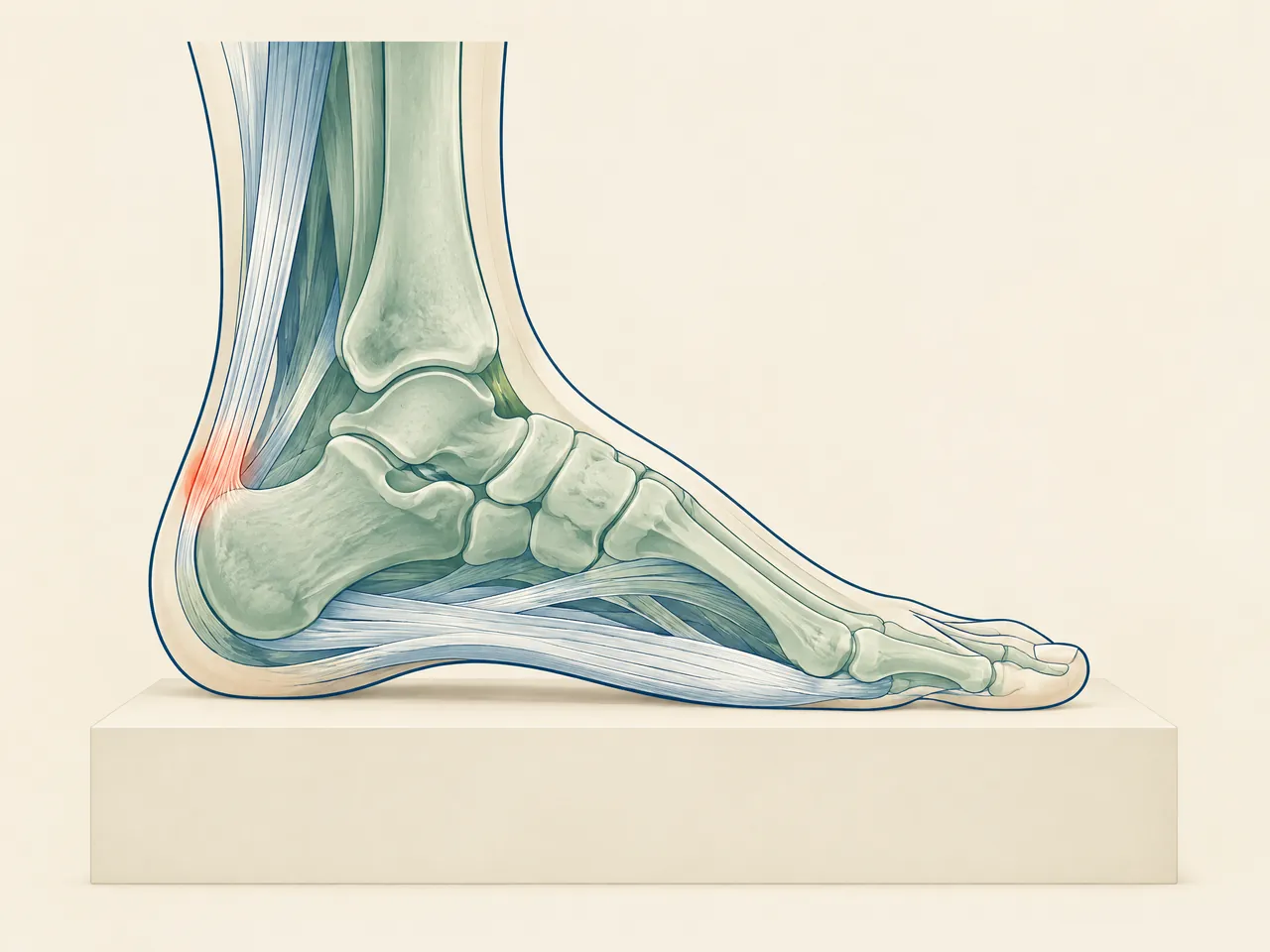
Tarsal tunnel syndrome foot pain may feel like burning, tingling, numbness or shooting discomfort in the sole, arch, ankle or toes. These symptoms can have several causes, so they need assessment rather than self-diagnosis. Note the precise distribution, first-step pattern, footwear, recent injury, standing or walking load, and whether sleep is affected. Seek prompt medical assessment for inability to bear weight, serious swelling after injury, a wound or infection signs, or worsening numbness.
Transparent pricing
See the fees.
Choose your care.
Explore our complete official price list, including first-trial prices, regular prices, packages and branch-specific options.
Opening WhatsApp prepares an enquiry; it does not send a message, take payment or confirm an appointment. Suitability and individual arrangements are confirmed during consultation.
Pain care
All prices in HKDExtracorporeal shockwave treatment
Shockwave treatment for deep-tissue and fascial care. The Kwun Tong clinic offers the multi-area options shown below.
Priced by branch
Branch-specific pricing
Prince Edward: HK$250 per area
Kwun Tong: HK$250 for 1 area / HK$450 for 2 areas / HK$600 for 3 areas
Pain care (manual therapy)
Includes Chinese medicine musculoskeletal assessment, manual joint techniques and tui na.
HK$580 (single session)
Chinese medicine musculoskeletal assessment
Pain care (acupuncture and manual therapy)
Combines acupuncture and manual therapy.
HK$680 (single session)
Combined care
Hair and scalp
All prices in HKDScalp health and hair-loss management
Includes AI scalp analysis, deep scalp and follicle cleansing, and scalp oil-control care.
HK$380 (first trial)
Regular price: HK$680
- 6 sessions: HK$3,480 (HK$580 per session)
- 12 sessions: HK$5,760 (HK$480 per session)
- 20 sessions: HK$8,600 (HK$430 per session)
- 30 sessions: HK$11,400 (HK$380 per session)
Hair acupuncture and Chinese herbal medicine package
Includes scalp acupuncture and 3 days of Chinese herbal medicine that does not require decoction.
HK$580 (single session)
Registered Chinese Medicine Practitioner consultation
- 6 sessions: HK$3,180 (HK$530 per session)
- 12 sessions: HK$5,760 (HK$480 per session)
- 20 sessions: HK$8,600 (HK$430 per session)
- 30 sessions: HK$11,400 (HK$380 per session)
Combined hair and scalp treatment
Combines acupuncture and Chinese herbal medicine with salon-level scalp and follicle care. Packages include complimentary hair-care shampoo and serum.
HK$1,260 (single session)
Combined treatment
- 8 sessions: HK$8,640 (HK$1,080 per session)
- 16 sessions: HK$15,680 (HK$980 per session)
- 20 sessions: HK$18,600 (HK$930 per session)
- 30 sessions: HK$26,400 (HK$880 per session)
Weight management
All prices in HKDFull-body acupoint embedding for weight management
Includes full-body acupoint embedding. Packages include complimentary Chinese herbal medicine for weight management, with the number of included days scaled to the package. Embedding material and the individual treatment arrangement are confirmed during consultation; this is not a cosmetic thread lift.
HK$980 (single session)
No trial session
- 10 sessions: HK$7,800 (HK$780 per session)
- 20 sessions: HK$14,600 (HK$730 per session)
- 30 sessions: HK$20,400 (HK$680 per session)
Facial acupuncture
All prices in HKDFacial acupuncture (basic)
Includes facial acupuncture and meridian-based facial care, including care for facial puffiness.
HK$480 (first trial)
Regular price: HK$680
- 10 sessions: HK$5,200 (HK$520 per session)
- 20 sessions: HK$9,600 (HK$480 per session)
- 30 sessions: HK$13,500 (HK$450 per session)
Facial acupuncture (advanced)
Includes enhanced facial acupuncture with a specially formulated moisturising mask and serum.
HK$780 (first trial)
Regular price: HK$1,180
- 10 sessions: HK$9,000 (HK$900 per session)
- 20 sessions: HK$16,600 (HK$830 per session)
- 30 sessions: HK$23,400 (HK$780 per session)
Chinese medicine
All prices in HKDAcupuncture and Chinese herbal medicine package
Includes a Chinese medicine consultation with pulse assessment, body acupuncture and 3 days of Chinese herbal granules that do not require decoction.
HK$580 (single session)
Chinese medicine consultation with pulse assessment
Tarsal Tunnel Syndrome Foot Pain: What the Pattern May Suggest
The tarsal tunnel is a narrow passage at the inside of the ankle. It contains the posterior tibial nerve and other structures. When that nerve is compressed or irritated in this area, symptoms may be felt beyond the ankle in the plantar foot. Johns Hopkins describes tarsal tunnel syndrome as compression of the posterior tibial nerve and lists pain, tingling and numbness in the foot among the possible effects [1]. The label explains a possible mechanism; it does not identify why a particular person has symptoms.
Location and behaviour give more useful clues than intensity alone. For example, a person may notice a line of tingling from the inner ankle toward the arch after a long walk, whereas another may have one tender point beneath the heel on getting out of bed. Both may call it “bottom of foot pain,” yet they raise different questions. Our guide to bottom of foot pain causes shows why pinpointing the painful or altered-sensation area matters before assuming one familiar diagnosis.

Tarsal Tunnel Syndrome Foot Pain and Burning, Tingling or Numbness
A nerve-type description can include burning, electric or shooting discomfort, tingling, reduced feeling, or a sense that the sole is “asleep.” The distribution may involve the heel, arch, sole, toes, or an area close to the inner ankle. Symptoms can be intermittent. They may show up during prolonged standing or walking, after activity, or at night. StatPearls notes that symptoms can vary with the site and cause of compression and may worsen with prolonged walking, standing or physical activity [2].
That variation is exactly why a one-word description such as “numb” should be expanded. Is numbness present only after a commute? Does it spread into particular toes? Does it settle after sitting, or interrupt sleep? Is there ankle swelling after a twist? Also note whether the other foot is involved. This is not a home test for tarsal tunnel syndrome; it is a practical account a clinician can use alongside examination and, when indicated, further medical testing.
Tarsal Tunnel Syndrome Foot Pain Compared with Heel or Arch Pain
Heel and arch pain can overlap with a tarsal tunnel search, but the pattern may differ. Plantar heel pain is often described as a local heel-to-arch ache and may be conspicuous on first steps after rest. In contrast, a spreading burning or tingling sensation raises the question of nerve involvement. A hard-floor ache directly beneath the heel, forefoot pressure, a recent training increase, and tenderness following an injury each deserve their own assessment rather than being folded into one diagnosis.
Use comparisons as a conversation starter, not a verdict. The table below separates details that are useful to report. If your main concern is a first-step heel pattern, see plantar heel pain and our explanation of plantar fasciitis symptoms. A clinician may also consider ankle injury, tendon or joint problems, stress injury, peripheral neuropathy and other sources of foot symptoms. Medical assessment is particularly important where sensation changes are persistent or progressing.
Compare your options
| What you notice | A useful detail to record | Why it matters for the consultation |
|---|---|---|
| Burning or tingling | Exact route from ankle to arch, sole or toes; day versus night | Helps describe whether altered sensation follows a nerve-like distribution. |
| Pain after rest | Whether the first steps are worst and whether walking changes it | Separates a first-step pattern from symptoms that build with prolonged activity. |
| Symptoms with load | Walking distance, standing time, hills, running, work surface and recovery | Shows what provokes the problem and what modification is realistic. |
| Footwear response | Shoe type, fit, inner-ankle pressure, insoles and any change after wearing them | Makes footwear discussion more specific than a general request for support. |
| Injury or visible change | Ankle twist, swelling, wound, warmth, colour change or inability to bear weight | May point to a need for timely medical assessment rather than self-care alone. |
On smaller screens, scroll the table sideways to compare all columns.
Tarsal Tunnel Syndrome Foot Pain: How a Consultation Starts
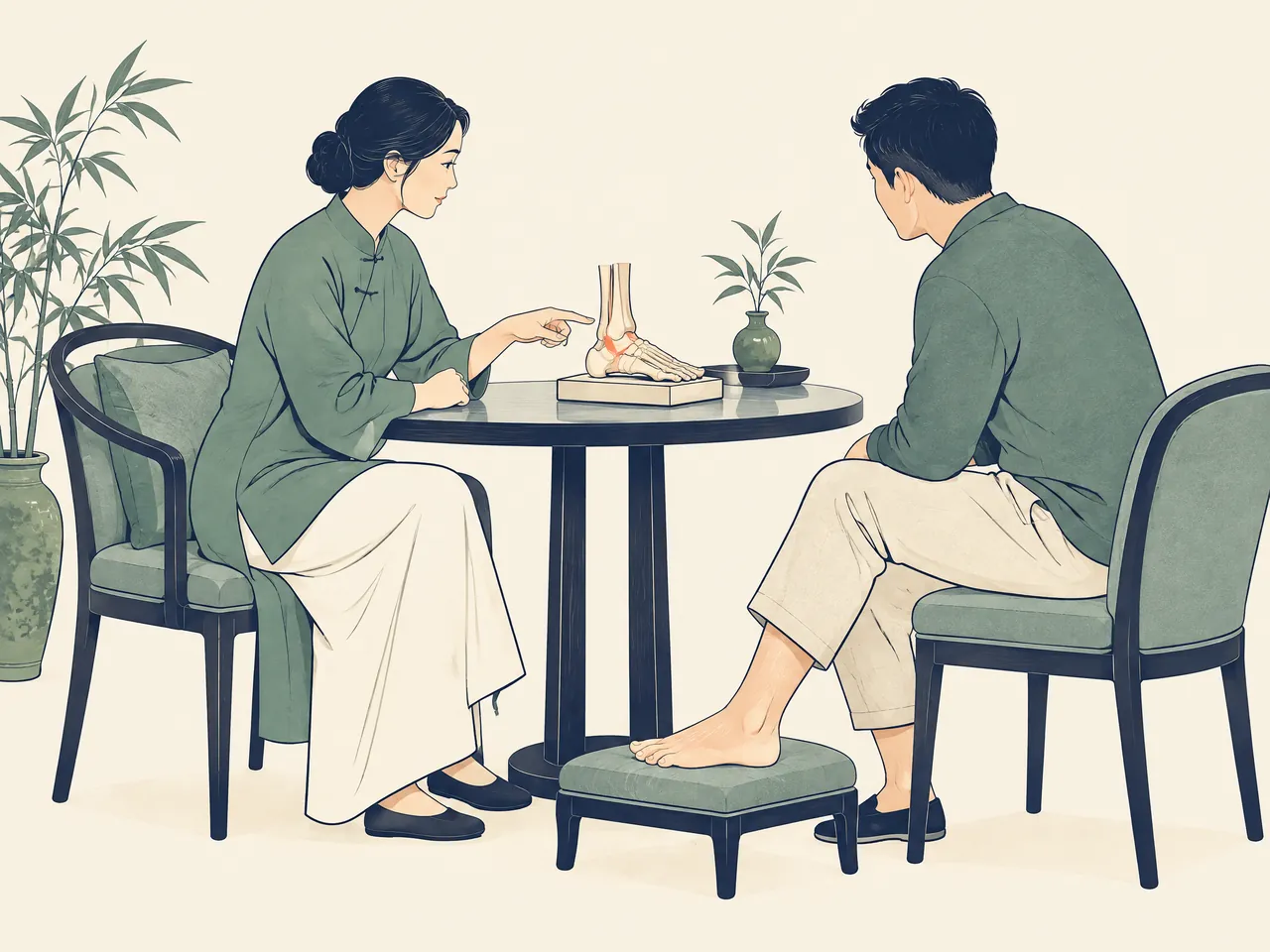
A good consultation does not begin by trying to confirm a search result. It begins with the story of the symptom: the earliest episode, changes since then, activity and work demands, shoe choices, ankle injuries, medical history and what the foot stops you doing. The aim is to understand whether the concern sounds local, mechanical, neurological, inflammatory or injury-related, and whether medical investigation should take priority.
For suspected tarsal tunnel syndrome, diagnosis is usually clinical and may be supported by tests rather than settled by one sign. The NCBI clinical review says no test specifically evaluates tarsal tunnel syndrome and that imaging or nerve studies may help support the diagnosis or exclude other conditions [2]. Johns Hopkins similarly lists clinical examination, full medical history, electrical testing and imaging as elements that may be used in a diagnostic work-up [1].
Tarsal Tunnel Syndrome Foot Pain and the Details to Record
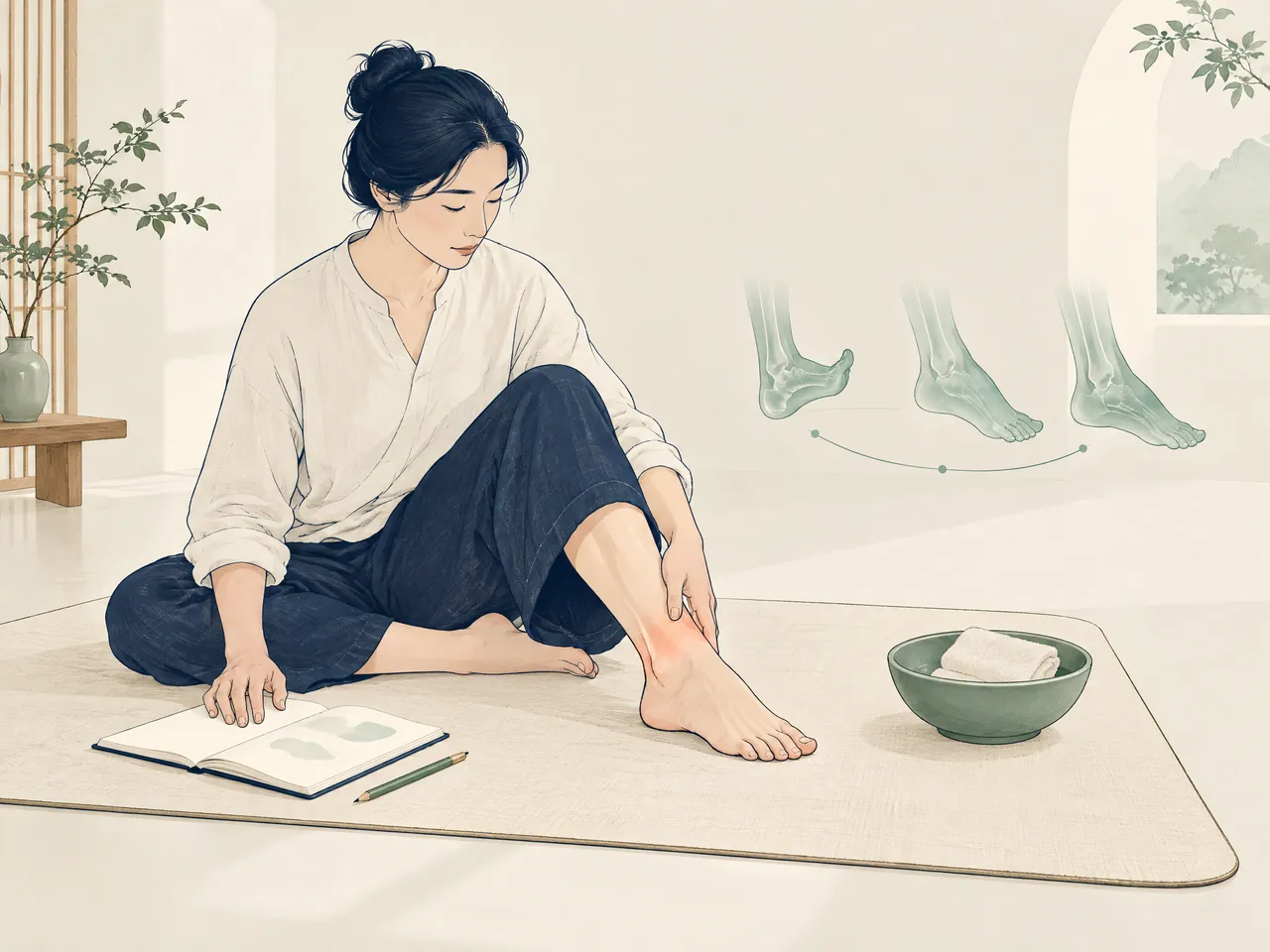
Bring a short, factual symptom log rather than trying to remember everything under pressure. Mark the starting point on a foot sketch: inner ankle, heel, arch, centre of sole, ball of foot or toes. Add the sensation—ache, sharp pain, burning, tingling or loss of feeling—and rate its effect in ordinary terms such as “I needed to sit after walking from the MTR” or “I woke because the sole was burning.” Include the first-step experience after sleep and the response after a period of sitting.
Record context as well. List a recent fall, ankle sprain, change in sport, increase in walking, long standing shift, pregnancy-related swelling if relevant, and changes in footwear or insoles. Note visible swelling, skin change, wounds, balance difficulty or toe weakness. Bring a list of existing conditions and medicines, especially diabetes or arthritis, because these may be relevant to foot and nerve symptoms. The record does not diagnose the condition; it prevents important details from being lost.
Tarsal Tunnel Syndrome Foot Pain: Traditional Chinese Medicine Assessment
A Registered Chinese Medicine Practitioner can ask about the same practical details—location, timing, aggravating load, footwear, injury, numbness and daily limitation—then discuss whether Chinese medicine is an appropriate complementary option after assessment. Traditional Chinese medicine also uses its own pattern-assessment approach, considering broader features such as sleep, appetite, temperature preference and general wellbeing. That traditional approach is not the same as a modern medical diagnosis of nerve entrapment.
If acupuncture is discussed, it should not be presented as a confirmed treatment for tarsal tunnel syndrome. The supplied systematic review concerns plantar fasciitis, not tarsal tunnel syndrome; it found that evidence was insufficient for a definitive conclusion about longer-term acupuncture effectiveness for plantar fasciitis [4]. For a person with marked numbness, new weakness, significant swelling or an uncertain cause, the priority is appropriate medical assessment. Complementary care should sit alongside, not delay, that decision.
Tarsal Tunnel Syndrome Foot Pain: Practical Daily Care and Red Flags
While arranging advice, aim to reduce obvious provocation without treating the foot as fragile. Avoid a sudden jump in running, jumping, hill walking or hours on your feet when these reliably bring on symptoms. Break long standing into shorter spells where possible. Choose the least aggravating way to stay mobile, and stop an activity if it clearly increases burning, tingling, numbness or pain afterwards. The point is to observe the response, not push through a changing nerve symptom.
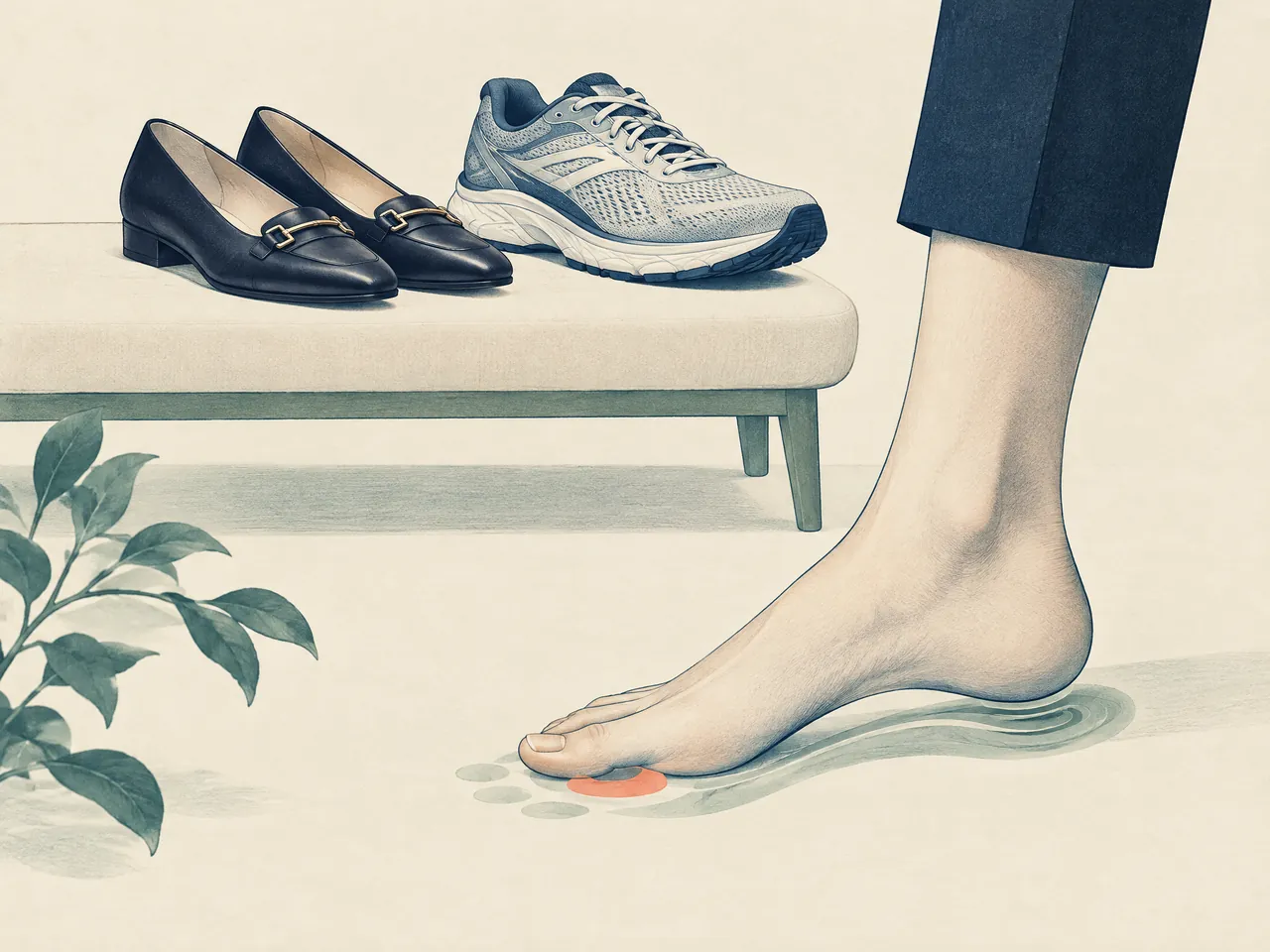
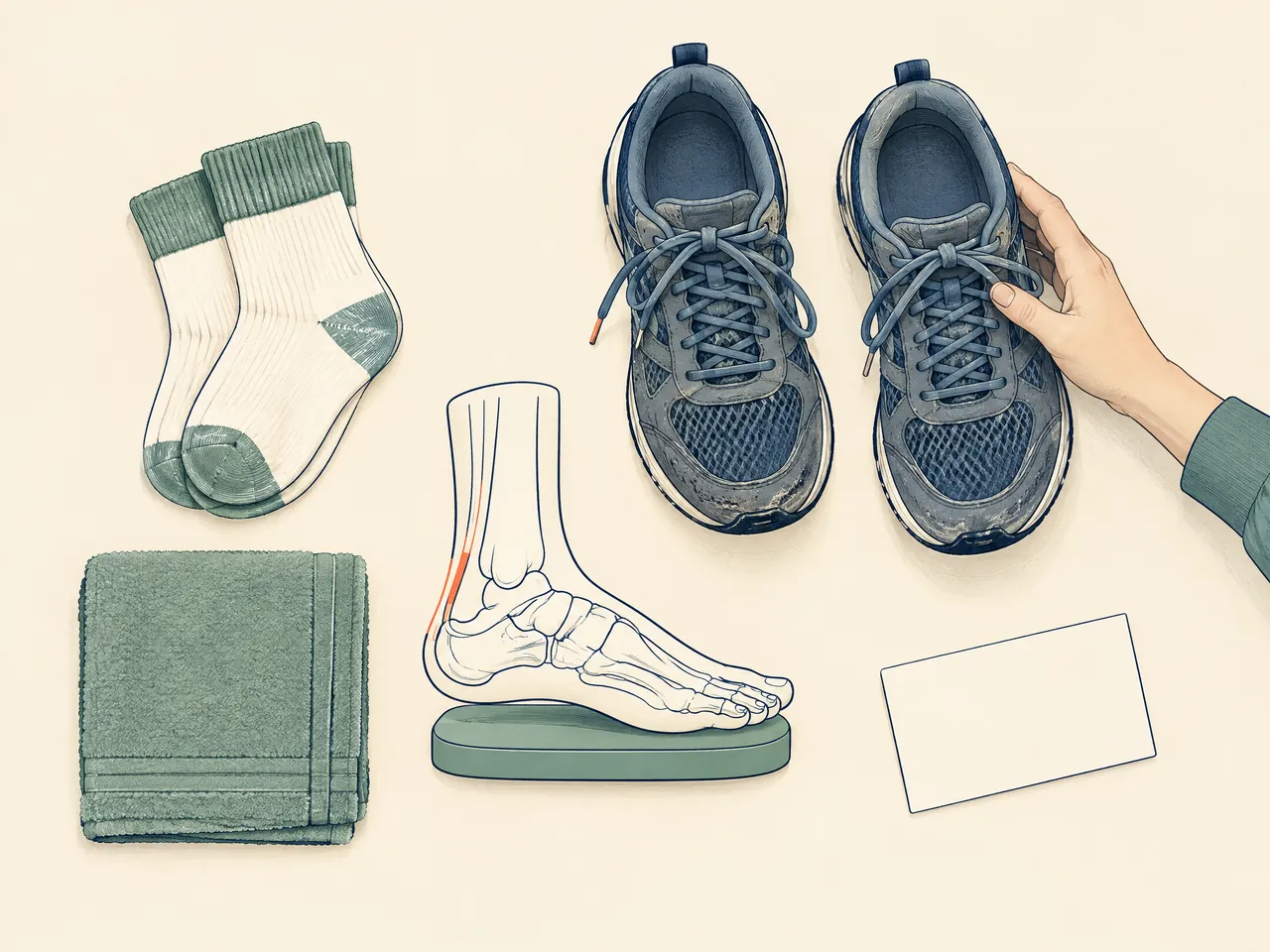
Simple measures are most useful when they are specific to the pattern. A soft, well-fitting, supportive shoe may be more sensible than continuing in a worn-out pair that rubs or permits the foot to slide; it is not proof that a shoe has corrected a nerve problem. Where walking aggravates symptoms, the NCBI review notes that appropriate footwear with arch support may help minimise symptoms, alongside activity modification and calf stretching in conservative management [2]. If a recommendation makes symptoms worse, pause and seek advice.
Tarsal Tunnel Syndrome Foot Pain, Footwear and Gentle Stretching
Check shoes at the end of the day as well as first thing in the morning. They should have enough room for the toes, a secure heel and a sole that feels stable for the activity. Notice whether a particular shoe presses the inner ankle, whether a very flat shoe worsens standing discomfort, and whether a change in work footwear coincided with the problem. Keep the useful details in your symptom log instead of repeatedly buying new products in search of one solution.
Gentle movement may be reasonable if it does not reproduce sharp pain or increasing altered sensation. A calm calf and ankle range-of-motion routine can be easier to tolerate before the first walk of the day or after sitting. Keep it controlled; do not force the foot into a position that causes tingling down the sole. For general ideas that can be adapted with professional guidance, read foot pain stretches and foot and ankle stretching exercises.

Tarsal Tunnel Syndrome Foot Pain: When to Seek Medical Assessment
Seek immediate medical attention for serious pain or swelling after an injury, inability to walk or put weight on the foot, an open wound, signs of infection such as warmth or colour change, or a foot wound in a person with diabetes. Mayo Clinic also advises arranging an appointment for burning pain, numbness or tingling that involves most or all of the sole, swelling that does not settle, or pain that does not improve over several weeks [3]. These are safety signals, not conditions to monitor indefinitely at home.
Arrange assessment sooner if numbness spreads, the foot feels weak or clumsy, your gait changes, or symptoms repeatedly wake you. Explain the complete pattern rather than saying only that you have “foot pain.” If you would like to ask whether a complementary consultation is suitable once urgent issues are addressed, contact TCM Lab by WhatsApp at +852 6940 5663 and state your symptoms and any language needs. Appointments may be arranged at the Kwun Tong Chinese medicine clinic or Chinese medicine clinic Prince Edward.
Care and health guide
Foot discomfort: care information
This directory brings together services, reading, and visit information related to foot discomfort, to help you prepare questions for a consultation.
When foot discomfort affects your day, noting when it occurs, its relation to activity, and what you have already tried can help prepare a consultation; acupuncture for foot pain is a relevant service or reading entry point.
Individual circumstances differ, and acupuncture Hong Kong offers related information to help you understand options and prepare questions.


Your questions, answered
Frequently asked questions
Can tarsal tunnel syndrome cause toe numbness?
It can be associated with numbness, tingling, burning or shooting pain in the foot, and the sensation may reach the toes. But toe numbness has more than one possible cause. Record which toes are involved, when it happens and whether it is changing, then seek professional assessment instead of assuming the cause.
Is tarsal tunnel syndrome the same as plantar fasciitis?
No. Tarsal tunnel syndrome describes compression involving the posterior tibial nerve near the inner ankle. Plantar fasciitis concerns the plantar fascia and commonly presents as heel or arch pain. Symptoms can overlap, so pain location and quality alone cannot reliably distinguish them.
Should I keep walking when the sole is tingling?
Avoid pushing through activity that consistently increases tingling, numbness, burning or pain. Scale back the provoking load and observe the response. If there is inability to bear weight, progressive sensation change, weakness, serious swelling after injury or a wound, obtain medical advice promptly.
Can acupuncture confirm or cure tarsal tunnel syndrome?
No. Acupuncture cannot confirm a nerve-compression diagnosis and should not be described as a cure. A Chinese medicine practitioner can discuss whether it is an appropriate complementary option after assessment, but medical investigation takes priority when red flags or an uncertain nerve-related pattern are present.
Sources and further information
- [1] [1] Johns Hopkins Medicine — Tarsal Tunnel Syndrome
Referenced for: Symptoms, posterior tibial nerve compression, causes and components of diagnostic work-up.
- [2] [2] NCBI Bookshelf — Posterior Tarsal Tunnel Syndrome
Referenced for: Symptom distribution, clinical evaluation limits and conservative-management context.
- [3] [3] Mayo Clinic — Foot pain
Referenced for: Foot-pain warning signs and when to seek urgent or routine medical care.
- [4] [4] Singapore Medical Journal — How effective is acupuncture for reducing pain due to plantar fasciitis?
Referenced for: Evidence limits for acupuncture in plantar fasciitis; not evidence for tarsal tunnel syndrome.