
TCM Lab · Health reading
Chinese medicine health topics: traditional Chinese medicine guide to traditional Chinese medicine wellness
Published Updated
Chinese medicine health topics are most useful when they help you turn a broad interest in traditional Chinese medicine wellness into a clearer next question. This guide brings together everyday routines, seasonal changes, upper-back comfort and emotional balance in one place. It explains how these subjects are commonly discussed in a traditional Chinese medicine guide, while leaving diagnosis and treatment decisions to a personal consultation. Read by starting point rather than trying to apply every idea at once: notice what changes your day, what has persisted, and what information a practitioner would need to understand your situation.
Appointments are confirmed through WhatsApp. If you have language requirements, please mention them in your enquiry.
The short answer
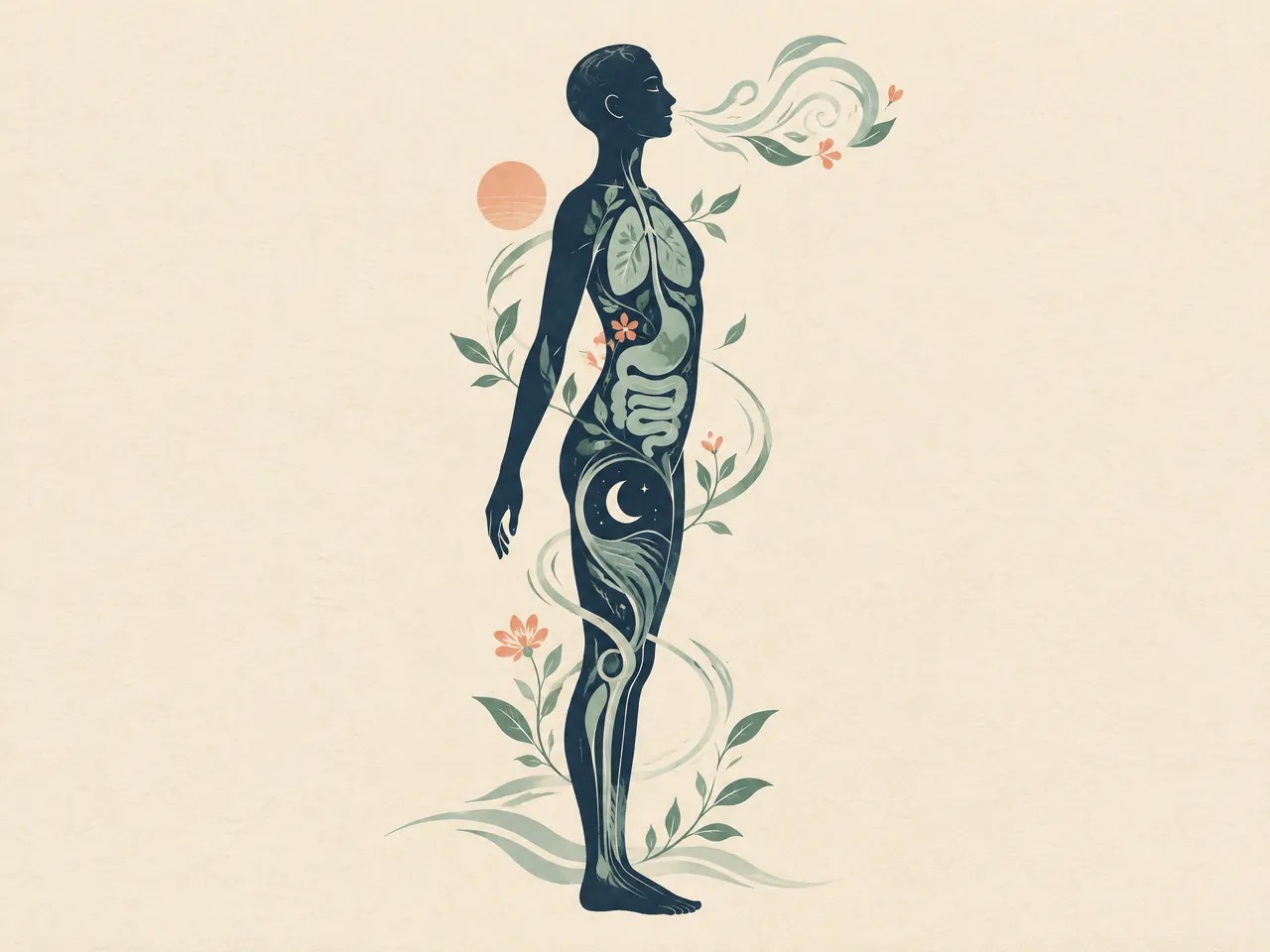
This traditional Chinese medicine guide groups practical Chinese medicine health topics around daily habits, seasonal transitions, upper-back comfort and emotional balance. Use it to identify a concern, record its pattern and prepare useful questions for a consultation. Traditional Chinese medicine wellness is not a single routine or a substitute for urgent care; the most suitable discussion depends on symptoms, medical history, medicines, priorities and an in-person assessment.
Transparent pricing
See the fees.
Choose your care.
Explore our complete official price list, including first-trial prices, regular prices, packages and branch-specific options.
Opening WhatsApp prepares an enquiry; it does not send a message, take payment or confirm an appointment. Suitability and individual arrangements are confirmed during consultation.
Chinese medicine
All prices in HKDAcupuncture and Chinese herbal medicine package
Includes a Chinese medicine consultation with pulse assessment, body acupuncture and 3 days of Chinese herbal granules that do not require decoction.
HK$580 (single session)
Chinese medicine consultation with pulse assessment
Hair and scalp
All prices in HKDScalp health and hair-loss management
Includes AI scalp analysis, deep scalp and follicle cleansing, and scalp oil-control care.
HK$380 (first trial)
Regular price: HK$680
- 6 sessions: HK$3,480 (HK$580 per session)
- 12 sessions: HK$5,760 (HK$480 per session)
- 20 sessions: HK$8,600 (HK$430 per session)
- 30 sessions: HK$11,400 (HK$380 per session)
Hair acupuncture and Chinese herbal medicine package
Includes scalp acupuncture and 3 days of Chinese herbal medicine that does not require decoction.
HK$580 (single session)
Registered Chinese Medicine Practitioner consultation
- 6 sessions: HK$3,180 (HK$530 per session)
- 12 sessions: HK$5,760 (HK$480 per session)
- 20 sessions: HK$8,600 (HK$430 per session)
- 30 sessions: HK$11,400 (HK$380 per session)
Combined hair and scalp treatment
Combines acupuncture and Chinese herbal medicine with salon-level scalp and follicle care. Packages include complimentary hair-care shampoo and serum.
HK$1,260 (single session)
Combined treatment
- 8 sessions: HK$8,640 (HK$1,080 per session)
- 16 sessions: HK$15,680 (HK$980 per session)
- 20 sessions: HK$18,600 (HK$930 per session)
- 30 sessions: HK$26,400 (HK$880 per session)
Weight management
All prices in HKDFull-body acupoint embedding for weight management
Includes full-body acupoint embedding. Packages include complimentary Chinese herbal medicine for weight management, with the number of included days scaled to the package. Embedding material and the individual treatment arrangement are confirmed during consultation; this is not a cosmetic thread lift.
HK$980 (single session)
No trial session
- 10 sessions: HK$7,800 (HK$780 per session)
- 20 sessions: HK$14,600 (HK$730 per session)
- 30 sessions: HK$20,400 (HK$680 per session)
Facial acupuncture
All prices in HKDFacial acupuncture (basic)
Includes facial acupuncture and meridian-based facial care, including care for facial puffiness.
HK$480 (first trial)
Regular price: HK$680
- 10 sessions: HK$5,200 (HK$520 per session)
- 20 sessions: HK$9,600 (HK$480 per session)
- 30 sessions: HK$13,500 (HK$450 per session)
Facial acupuncture (advanced)
Includes enhanced facial acupuncture with a specially formulated moisturising mask and serum.
HK$780 (first trial)
Regular price: HK$1,180
- 10 sessions: HK$9,000 (HK$900 per session)
- 20 sessions: HK$16,600 (HK$830 per session)
- 30 sessions: HK$23,400 (HK$780 per session)
Pain care
All prices in HKDExtracorporeal shockwave treatment
Shockwave treatment for deep-tissue and fascial care. The Kwun Tong clinic offers the multi-area options shown below.
Priced by branch
Branch-specific pricing
Prince Edward: HK$250 per area
Kwun Tong: HK$250 for 1 area / HK$450 for 2 areas / HK$600 for 3 areas
Pain care (manual therapy)
Includes Chinese medicine musculoskeletal assessment, manual joint techniques and tui na.
HK$580 (single session)
Chinese medicine musculoskeletal assessment
Pain care (acupuncture and manual therapy)
Combines acupuncture and manual therapy.
HK$680 (single session)
Combined care
Chinese medicine health topics: traditional Chinese medicine guide for everyday traditional Chinese medicine wellness
Everyday traditional Chinese medicine wellness begins with noticing the conditions around a concern, not with choosing a label for yourself. A late dinner after a long commute, several nights of broken sleep, a busy family schedule or a stretch of sedentary desk work can each be a useful starting point for observation. The aim is to see a pattern: when the issue is most noticeable, what seems to accompany it, and how it affects appetite, rest, mood or movement. That practical record gives general reading a purpose and keeps a broad wellness topic connected to your real day rather than an idealised routine.
Think of this page as a map of questions. The wider Chinese medicine health information collection can help you move from a general interest to a more focused subject, while a consultation considers the details that an overview cannot supply. In Hong Kong, official resources distinguish Chinese medicine services, public health information and lists of registered practitioners; they also point readers to clinic information by area, service and hours.[1] That makes it sensible to separate learning about a topic from deciding whether a particular service or practitioner is appropriate for you.
A short observation note is more useful than a perfect wellness plan. For three or four ordinary days, record when you wake and sleep, when the concern appears, what you were doing before it, and whether it changes after food, movement, rest or a demanding interaction. Include what did not change as well. For example, if neck and shoulder tightness is present only at the end of computer-heavy days but not on a walking day, that context is worth sharing. If it appears regardless of activity or is becoming more intense, the note still helps because it shows why an assessment should not be postponed. Avoid making several major changes at once; it becomes difficult to tell which condition changed and whether a pattern is genuine.

Chinese medicine health topics and traditional Chinese medicine guide to daily traditional Chinese medicine wellness
A daily TCM-oriented discussion often uses ideas such as balance, constitution, rest, food and emotional state to organise a conversation about wellbeing. Constitution should not be treated as a fixed online personality type or a diagnosis. It is a way of asking more tailored questions: Do you tend to feel different when meals are irregular? Is a demanding period affecting sleep? Has your energy changed after illness, travel or a change in activity? UCLA Health describes lifestyle counselling, dietary recommendations and stress-management tools among practices associated with TCM, which helps explain why ordinary routines can be relevant to a wellbeing conversation.[6]
Finding relevant Chinese medicine health topics in a traditional Chinese medicine guide for traditional Chinese medicine wellness
Choose a topic according to the decision you need to make. If food timing, appetite or everyday meal choices are central, begin with Chinese medicine dietary recommendations and note any dietary restrictions or diagnosed conditions. If you are unsure whether a concern warrants a visit, read when should I see a Chinese medicine practitioner alongside your own symptom timeline. The Chinese Medicine Regulatory Office publishes public information on health maintenance, consultation and the proper use of Chinese medicines.[2] It is a reminder that good preparation includes both your goals and the safety information that may change the conversation.
Compare your options
| Your starting point | What to notice before reading further | A focused next question |
|---|---|---|
| Daily routine feels unsettled | Sleep timing, meal pattern, workload, movement and recent changes | Which small routine change is realistic, and what information belongs in a consultation? |
| A seasonal transition affects comfort | Weather exposure, indoor cooling, travel, activity and whether the change persists | Is this a short-lived adjustment or a concern that needs assessment? |
| Upper-back discomfort | Location, timing, triggers, movement limits, injury and any associated symptoms | Are there warning signs that mean I should seek medical care promptly? |
| Stress or emotional strain | Sleep, concentration, appetite, daily function and available support | What kind of support would be most appropriate alongside a wellbeing discussion? |
| Considering herbs or a TCM treatment | All medicines, supplements, allergies, pregnancy status and diagnosed conditions | What safety questions and practitioner credentials should I check first? |
On smaller screens, scroll the table sideways to compare all columns.
Chinese medicine health topics: traditional Chinese medicine guide to seasonal traditional Chinese medicine wellness
Seasonal traditional Chinese medicine wellness is less about following a rigid calendar than about observing transition. Hong Kong weather, air-conditioned workplaces, rain, heat, travel and changes in daylight can alter clothing choices, outdoor movement, meal timing and sleep. A seasonal check-in can therefore be modest and specific: consider whether your room temperature, workload, hydration habits, rest or activity has shifted, then decide which adjustment is realistic for the coming days. This approach avoids treating a season as a diagnosis and makes space for the fact that people experience the same weather differently.
In TCM language, adapting to time and environment is often part of health-maintenance thinking. The Hong Kong Health Bureau includes health maintenance and preventive care among the disease categories covered by Chinese medicine clinical services, alongside episodic and chronic conditions.[4] For a reader, that is useful context rather than a promise that a seasonal habit prevents illness. A helpful question is simply whether a change in routine has made you less comfortable or less able to keep up with ordinary activity. If it has, record the change and discuss it in the appropriate care setting.

Seasonal Chinese medicine health topics in a traditional Chinese medicine guide to traditional Chinese medicine wellness
Use the season as a prompt to review your baseline, not to collect a long list of rules. Someone who feels drained after successive late nights may first focus on a steadier wind-down routine. Someone whose commute alternates between outdoor heat and strong indoor cooling may look at practical comfort, layers and breaks from a fixed posture. Someone returning from travel may observe how meal times and sleep have moved. These are ordinary details, but they can make a consultation more precise. If a symptom is new, persistent or limiting, write down when it began and what was happening around that time rather than assuming it is only seasonal.

Lifestyle choices across Chinese medicine health topics, traditional Chinese medicine guide principles and traditional Chinese medicine wellness
Lifestyle choices work best when they are small enough to repeat. Try connecting one change to an existing cue: pause and move after a focused work block, set a more consistent stopping point for screens, or plan a simple meal before a late meeting. These are not prescriptions and they do not replace assessment for a health problem. They can, however, give a practitioner a clearer picture of what has been tried and what is sustainable. If you are considering herbal products, include every medicine and supplement in that discussion. NCCIH notes that Chinese herbal products may raise safety concerns and advises people to discuss TCM with their health-care providers rather than use it to replace or delay conventional care.[3]
Chinese medicine health topics: traditional Chinese medicine guide for balanced traditional Chinese medicine wellness
Balanced traditional Chinese medicine wellness does not mean feeling exactly the same every day. It means having a workable way to respond when your body, attention or mood is under strain. A whole-person discussion may connect posture, work pace, sleep, meals, movement and emotional demands because these parts of life often overlap. That perspective is useful when it leads to clearer observations and care choices, not when it encourages you to explain every symptom with one concept. Keep the ordinary facts in view: what you feel, where you feel it, what worsens or eases it, and whether it is changing.
Emotional balance deserves the same practical attention as physical comfort. Rather than trying to judge whether a feeling is 'good' or 'bad,' notice its effect on sleep, concentration, appetite, patience and daily relationships. A short note after a difficult week can help distinguish a temporary response from a recurring pattern. If stress, low mood, anxiety, sleep disruption or pain is becoming hard to manage, seek suitable professional support. The information here can prepare a conversation, but it cannot determine the cause of emotional or physical symptoms from a description alone.
A balanced approach also makes room for care coordination. Bring a medication list rather than relying on memory, particularly if you use prescribed medicine, over-the-counter products, vitamins or herbal preparations. Tell each relevant health-care provider about the approaches you use so that important information is not isolated in separate conversations. The need is especially clear when a symptom has an existing diagnosis, follows an injury, occurs during pregnancy or breastfeeding, or is affecting a child or older relative. In those situations, a general wellness article can help frame questions, but it should not be used to decide whether to start, stop or replace care. Clear communication is part of a safer and more useful traditional Chinese medicine wellness discussion.

Upper-back comfort among Chinese medicine health topics: traditional Chinese medicine guide and traditional Chinese medicine wellness perspectives
Upper-back discomfort is a good example of why an overview must stay careful. In TCM, local discomfort may be discussed in relation to the flow of qi and blood and to meridian pathways, while a modern daily account may include prolonged sitting, repetitive tasks, training load, sleep position or a recent strain. Neither description should replace assessment. Start with concrete details: the exact area, the quality of the discomfort, whether movement changes it, how long it has been present and whether it interrupts work or sleep. The NHS advises assessment when back pain does not improve after a few weeks, limits daily activity, worsens at night or comes from the top of the back between the shoulders; sudden severe or rapidly worsening pain and certain neurological symptoms need urgent help.[5] Chest pain, serious injury, new weakness or numbness and bladder or bowel changes should not wait for a wellness discussion.[5]

Consultation questions about Chinese medicine health topics, traditional Chinese medicine guide information and traditional Chinese medicine wellness
Bring a concise story rather than trying to diagnose yourself. Useful questions include: What details matter most for this concern? Are there activities, food products, supplements or prescribed medicines I should mention? What should make me seek another type of care? How will we review change over time? If you want to check qualifications, use the official registers and learn how to identify a registered Chinese medicine practitioner Hong Kong; you can also read about Chinese medicine practitioner registration Hong Kong before arranging a visit. For a local conversation, TCM Lab has a Kwun Tong Chinese medicine clinic and a Chinese medicine clinic Prince Edward. Availability and the most appropriate next step should be confirmed directly, especially when symptoms, medicines or communication needs are involved.
Care and health guide
Health service information
This directory brings together services, reading, and visit information related to health services, to help you prepare questions for a consultation.
If you are organising health questions, acupuncture Hong Kong is a starting point for learning about related services and preparing for a consultation.
People have different needs; Chinese medicine pain management Hong Kong provides further reading to help you understand options in your own context.


Your questions, answered
Frequently asked questions
Are Chinese medicine health topics a diagnosis tool?
No. They are an educational way to organise questions about wellbeing, routines and care options. Diagnosis depends on a qualified clinician’s assessment of your symptoms, history and relevant examination or tests.
How should I prepare for a traditional Chinese medicine wellness consultation?
Prepare a short timeline of your main concern, what changes it, your medical history, medicines and supplements, allergies, relevant reports and your goals. Mention pregnancy, breastfeeding or a child’s care needs before considering herbs or treatments.
Can this traditional Chinese medicine guide tell me what herbs to take?
No. Herbal products can interact with medicines or be unsuitable in particular circumstances. Discuss products and your full medication list with an appropriate qualified practitioner and your other health-care providers.
When should upper-back discomfort not wait for a Chinese medicine wellness discussion?
Seek urgent medical help for chest pain, symptoms after a serious accident, new weakness or numbness, loss of feeling around the genitals or anus, or new bladder or bowel changes. Prompt assessment is also important when severe pain begins suddenly or worsens quickly.
Sources and further information
- [1] [1] GovHK — Chinese Medicine
Referenced for: Official Hong Kong information on Chinese medicine clinics, practitioner registers, alerts and public health information.
- [2] [2] Chinese Medicine Regulatory Office — Public-health pamphlets
Referenced for: Official Hong Kong public information on health maintenance, consultations and safe use of Chinese medicines.
- [3] [3] NCCIH — Traditional Chinese Medicine: What You Need To Know
Referenced for: Consumer guidance on TCM approaches, evidence limitations, herbal-product safety and coordination with health-care providers.
- [4] [4] Hong Kong Health Bureau — Chinese Medicine Clinical Services
Referenced for: Official terminology for Chinese medicine clinical services, health maintenance and preventive care.
- [5] [5] NHS — Back pain
Referenced for: Public-health guidance on back-pain warning signs and when urgent or emergency assessment is needed.
- [6] [6] UCLA Health — Traditional Chinese Medicine basics and how they support well-being
Referenced for: Academic health-system overview of TCM practices, including lifestyle counselling, dietary recommendations and stress-management tools.