
TCM Lab · Health reading
Chinese medicine hair loss treatment safety: Who should avoid plum blossom needle treatment?
Published Updated
Safety is the first question to settle when you are considering a Chinese medicine approach for hair thinning. A plum blossom needle, sometimes called a dermal hammer, taps the scalp with a cluster of fine points; it is not simply a relaxing scalp massage. Because the skin may be punctured or irritated, the right starting point is an assessment of the hair-loss pattern, the condition of the scalp, medicines and relevant health history. Brief redness, tenderness, pinpoint bleeding or light bruising can occur, but worsening pain, spreading redness or discharge need a different response. This page explains who should postpone a session, what to disclose before treatment and how to distinguish sensible aftercare from a reason to seek medical help.
Appointments are confirmed through WhatsApp. If you have language requirements, please mention them in your enquiry.
The short answer
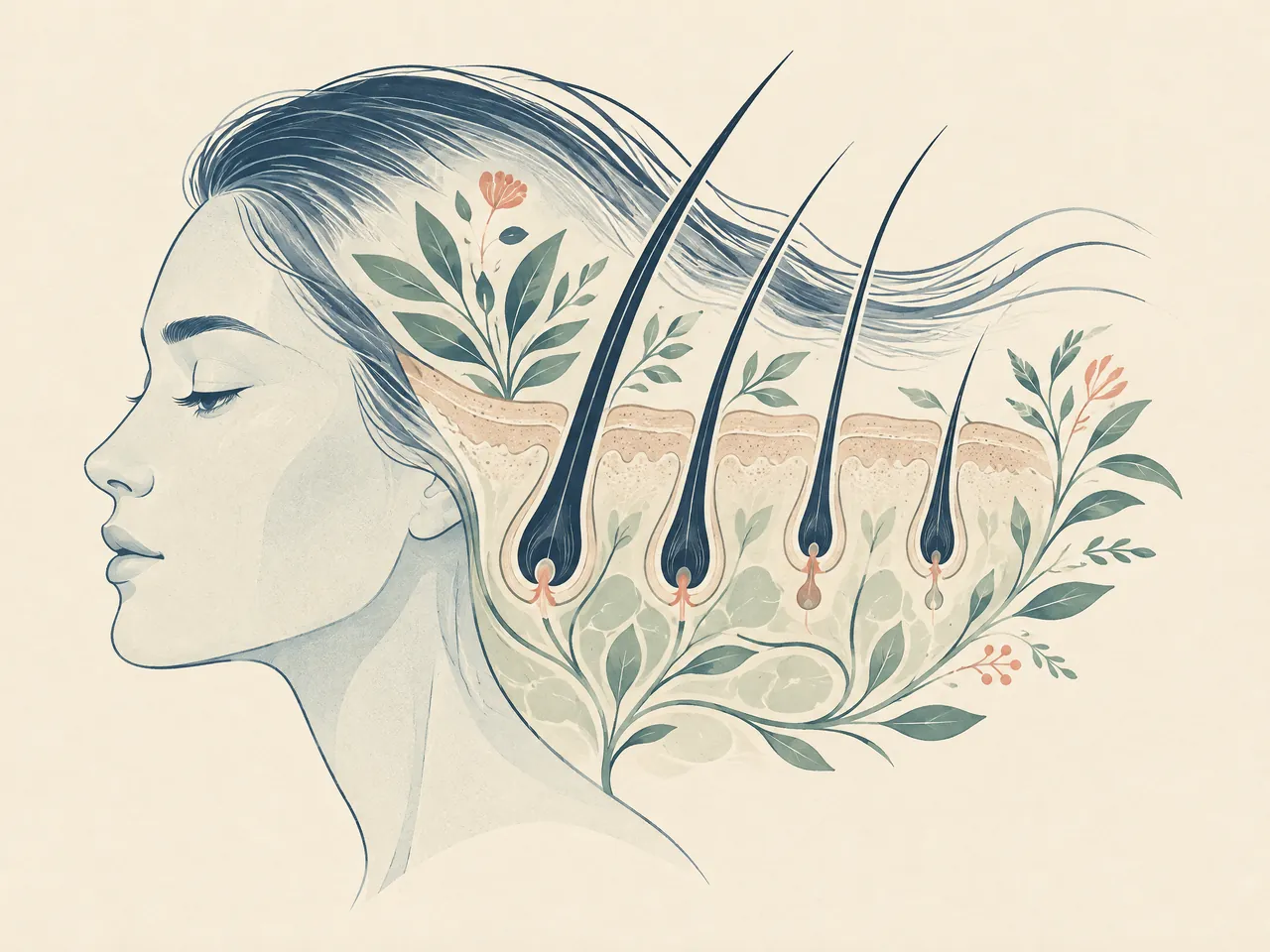
Chinese medicine hair loss treatment safety depends on the cause of hair loss, scalp condition, treatment hygiene and your medical history. Plum blossom needle treatment can leave temporary redness, tenderness, pinpoint bleeding or bruising. Postpone it if the scalp has an open wound, active infection or severe inflammation. People with a bleeding disorder, anticoagulant medicine, pregnancy, allergies or serious illness should discuss suitability individually before any scalp-tapping treatment.
Transparent pricing
See the fees.
Choose your care.
Explore our complete official price list, including first-trial prices, regular prices, packages and branch-specific options.
Opening WhatsApp prepares an enquiry; it does not send a message, take payment or confirm an appointment. Suitability and individual arrangements are confirmed during consultation.
Hair and scalp
All prices in HKDScalp health and hair-loss management
Includes AI scalp analysis, deep scalp and follicle cleansing, and scalp oil-control care.
HK$380 (first trial)
Regular price: HK$680
- 6 sessions: HK$3,480 (HK$580 per session)
- 12 sessions: HK$5,760 (HK$480 per session)
- 20 sessions: HK$8,600 (HK$430 per session)
- 30 sessions: HK$11,400 (HK$380 per session)
Hair acupuncture and Chinese herbal medicine package
Includes scalp acupuncture and 3 days of Chinese herbal medicine that does not require decoction.
HK$580 (single session)
Registered Chinese Medicine Practitioner consultation
- 6 sessions: HK$3,180 (HK$530 per session)
- 12 sessions: HK$5,760 (HK$480 per session)
- 20 sessions: HK$8,600 (HK$430 per session)
- 30 sessions: HK$11,400 (HK$380 per session)
Combined hair and scalp treatment
Combines acupuncture and Chinese herbal medicine with salon-level scalp and follicle care. Packages include complimentary hair-care shampoo and serum.
HK$1,260 (single session)
Combined treatment
- 8 sessions: HK$8,640 (HK$1,080 per session)
- 16 sessions: HK$15,680 (HK$980 per session)
- 20 sessions: HK$18,600 (HK$930 per session)
- 30 sessions: HK$26,400 (HK$880 per session)
Weight management
All prices in HKDFull-body acupoint embedding for weight management
Includes full-body acupoint embedding. Packages include complimentary Chinese herbal medicine for weight management, with the number of included days scaled to the package. Embedding material and the individual treatment arrangement are confirmed during consultation; this is not a cosmetic thread lift.
HK$980 (single session)
No trial session
- 10 sessions: HK$7,800 (HK$780 per session)
- 20 sessions: HK$14,600 (HK$730 per session)
- 30 sessions: HK$20,400 (HK$680 per session)
Facial acupuncture
All prices in HKDFacial acupuncture (basic)
Includes facial acupuncture and meridian-based facial care, including care for facial puffiness.
HK$480 (first trial)
Regular price: HK$680
- 10 sessions: HK$5,200 (HK$520 per session)
- 20 sessions: HK$9,600 (HK$480 per session)
- 30 sessions: HK$13,500 (HK$450 per session)
Facial acupuncture (advanced)
Includes enhanced facial acupuncture with a specially formulated moisturising mask and serum.
HK$780 (first trial)
Regular price: HK$1,180
- 10 sessions: HK$9,000 (HK$900 per session)
- 20 sessions: HK$16,600 (HK$830 per session)
- 30 sessions: HK$23,400 (HK$780 per session)
Pain care
All prices in HKDExtracorporeal shockwave treatment
Shockwave treatment for deep-tissue and fascial care. The Kwun Tong clinic offers the multi-area options shown below.
Priced by branch
Branch-specific pricing
Prince Edward: HK$250 per area
Kwun Tong: HK$250 for 1 area / HK$450 for 2 areas / HK$600 for 3 areas
Pain care (manual therapy)
Includes Chinese medicine musculoskeletal assessment, manual joint techniques and tui na.
HK$580 (single session)
Chinese medicine musculoskeletal assessment
Pain care (acupuncture and manual therapy)
Combines acupuncture and manual therapy.
HK$680 (single session)
Combined care
Chinese medicine
All prices in HKDAcupuncture and Chinese herbal medicine package
Includes a Chinese medicine consultation with pulse assessment, body acupuncture and 3 days of Chinese herbal granules that do not require decoction.
HK$580 (single session)
Chinese medicine consultation with pulse assessment
Chinese medicine hair loss treatment safety: Who should avoid plum blossom needle treatment? — Start with an assessment
A safety conversation begins before any instrument touches the scalp. Hair shedding and thinning are descriptions, not one diagnosis. Family-pattern thinning, a recent illness, stress, weight change, low iron, a medication change and scalp disease can all lead people to notice more hair in the brush or a wider parting. The NHS advises getting an idea of what is causing hair loss before attending a commercial hair clinic [2]. That is useful advice even when your interest is Chinese medicine: an assessment should make room for concerns that need medical investigation rather than assuming every case is suitable for a local treatment.
Bring a simple timeline. Note when shedding or thinning began, whether it is diffuse or in patches, whether the scalp itches, burns, flakes or hurts, and whether there has been a recent illness, dietary change, pregnancy, new medicine or major stress. If possible, take the names or photographs of medicine labels rather than relying on memory. This is not about creating a perfect self-diagnosis. It gives a registered Chinese medicine practitioner a clearer basis for deciding whether a tapping approach can be discussed, should wait, or should be secondary to medical care. It also prevents the pressure to proceed on the day merely because you made an appointment.
Chinese medicine hair loss treatment safety: Who should avoid plum blossom needle treatment? — Check the cause of hair loss
Ask what the working explanation for the hair loss is and what would change that explanation. Patchy loss, rapid change, broken hairs, scalp pain or a rash may need a medical opinion before a hair-focused procedure is considered. Likewise, a person who has recently started a medicine, recovered from illness or changed weight may benefit from discussing the timing with the clinician already managing that issue. Assessment is not a promise that one treatment will restore hair. It is a way to avoid masking a potentially treatable cause or delaying appropriate care. If hair loss is worrying or affecting wellbeing, it is reasonable to seek medical advice rather than treating the concern as purely cosmetic [2].
It also helps to separate a scalp procedure from broader Chinese medicine care. An appointment may include questions about sleep, appetite, stress, skin changes and current treatments, but that does not remove the need to check a sudden or unusual hair-loss pattern through the appropriate medical route. Readers who want a plain explanation of the technique can compare it with plum blossom needle for hair loss. The purpose of that comparison is informed consent: understand what is being proposed, what the skin may experience and why individual suitability matters before deciding whether to proceed.
Chinese medicine hair loss treatment safety: Who should avoid plum blossom needle treatment? — Discuss health conditions and medicines
Say clearly if you have a bleeding disorder, bruise easily, take an anticoagulant or antiplatelet medicine, or have been told to avoid procedures that may cause bleeding. Do not stop prescribed medicine in order to make a session possible. NHS Wales notes that people with a bleeding disorder or anticoagulant medicine should talk with their doctor or acupuncture practitioner before acupuncture [3]. A scalp-tapping treatment may not be identical to conventional needle acupuncture, but the practical safety issue is similar: the practitioner needs to know about a higher bleeding risk before deciding whether any skin contact is appropriate.
Pregnancy, a history of fainting with needles, metal sensitivity, immune suppression, diabetes-related wound-healing concerns, serious ongoing illness and recent skin reactions are also worth raising. Pregnancy is not a label that automatically answers every question, but it should be disclosed before any treatment; NHS Wales specifically says that some acupuncture points cannot be used safely during pregnancy [3]. The same principle applies to topical products. Tell the practitioner about shampoos, dyes, medicated lotions, essential oils and herbal preparations that have caused itching or rash. A careful plan may mean postponing, changing the approach or asking you to obtain advice from another clinician first.
Compare your options
| Situation | What to raise or do | Why it changes the next step |
|---|---|---|
| Open cut, weeping rash, active infection or severe scalp inflammation | Postpone tapping and seek appropriate assessment for the scalp condition. | Treating through damaged or infected skin may add irritation and can complicate assessment. |
| Bleeding disorder, easy bruising, anticoagulant or antiplatelet medicine | Name the condition and medicines before treatment; do not alter prescribed medicine yourself. | Even minor skin trauma may need an individual risk discussion. |
| Pregnancy, serious illness, immune suppression or prior needle fainting | Tell the practitioner before a plan is made and ask whether another route is safer. | Health circumstances and point selection can affect suitability. |
| Mild local redness or tenderness after treatment | Follow individual aftercare advice, avoid rubbing and observe whether it settles. | A short-lived local reaction differs from a worsening change. |
| Increasing heat, swelling, pain, pus, fever or feeling unwell | Seek prompt medical advice rather than waiting for the next treatment. | These symptoms need clinical assessment and should not be assumed to be routine. |
On smaller screens, scroll the table sideways to compare all columns.
Chinese medicine hair loss treatment safety: Who should avoid plum blossom needle treatment? — Understand possible reactions
It is helpful to distinguish an expected local response from a warning sign, without assuming that every mark after treatment is harmless. Light tapping can leave transient redness, a warm or prickly sensation, tenderness, tiny blood spots or a small bruise. These changes may be more noticeable on sensitive skin or when the scalp has already been rubbed, dyed or exposed to a strong product. They should be discussed before treatment so you know what the practitioner expects in your case and what contact route to use if you are unsure afterwards. The NHS Wales overview lists pain at the needle site, bleeding and bruising among possible mild, short-term effects of acupuncture [3].
The tool and the setting matter. A responsible conversation includes how instruments are handled, whether skin-penetrating needles are sterile and single-use where applicable, and how the area is cleaned. The NIH’s National Center for Complementary and Integrative Health says that complications have resulted from nonsterile needles and improper delivery of acupuncture, and notes the FDA requirement that acupuncture needles be sterile and labelled for single use [1]. This does not predict an infection for an individual visit. It explains why hygiene is a practical question, not an awkward one, whenever a procedure may break the skin.
Chinese medicine hair loss treatment safety: Who should avoid plum blossom needle treatment? — Short-lived scalp redness and tenderness
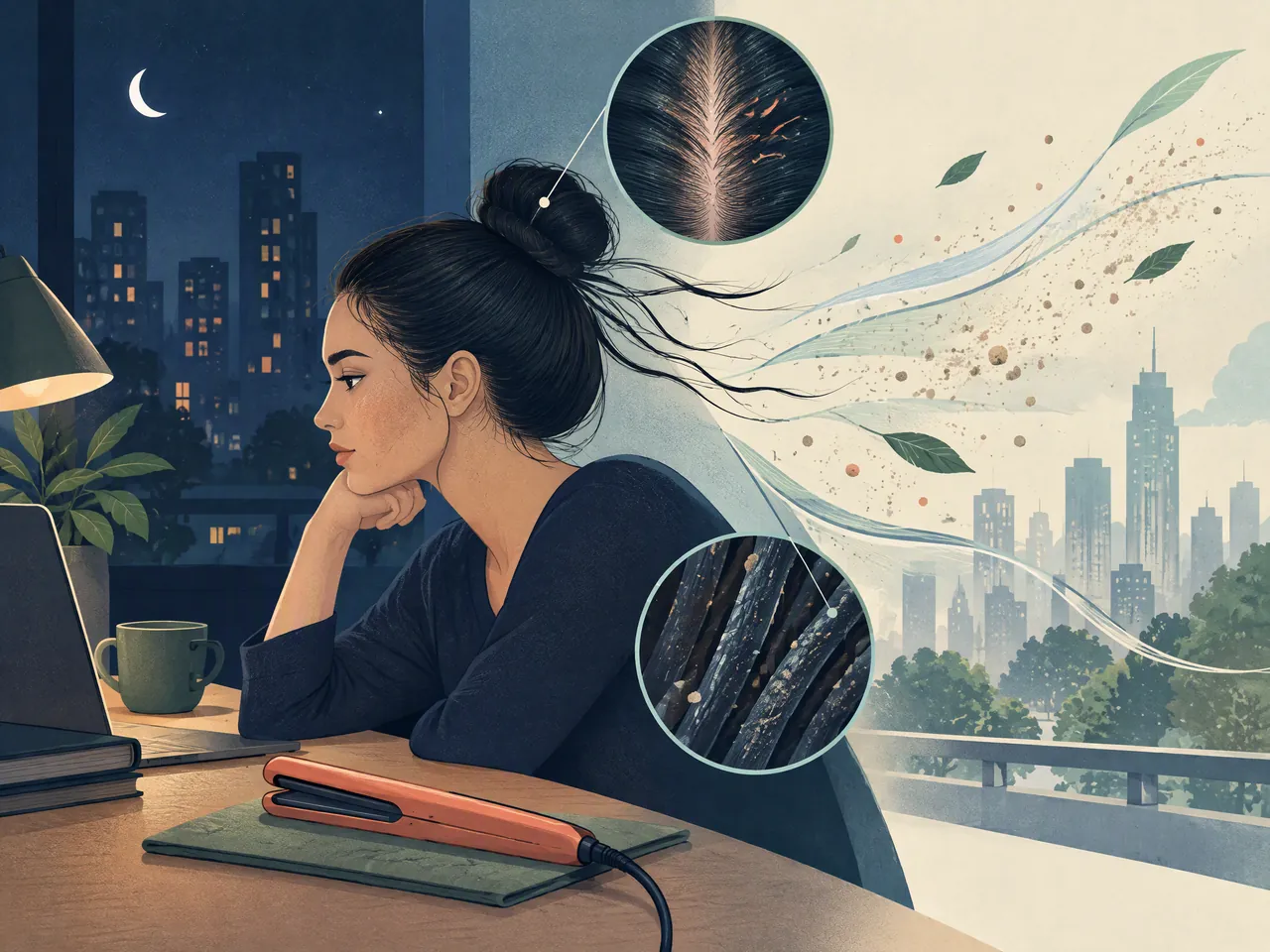
Before you leave, ask what degree of tenderness or redness would be expected for the method used, how long you should observe it, and whether there are products or activities to avoid that day. That gives you a baseline instead of asking the internet to interpret every pink patch. Avoid vigorous scalp massage, scratching, tight headwear that rubs the area, or a new styling product on freshly treated skin unless the practitioner says otherwise. If you use hair camouflage fibres, sprays or dye, mention them at the consultation because product residue and friction can complicate an already irritated scalp.
A bruise or pinpoint bleeding can be more relevant for a person who already bruises easily. Photographing the area for your own day-to-day comparison can be more useful than repeatedly touching it; use consistent lighting and do not share images unless you choose to. If discomfort is clearly increasing rather than settling, contact a healthcare professional. A concise review of related considerations is available through dermal hammer side effects, but online reading cannot determine whether a particular scalp change is normal for you.
Chinese medicine hair loss treatment safety: Who should avoid plum blossom needle treatment? — Infection and sensitivity risks
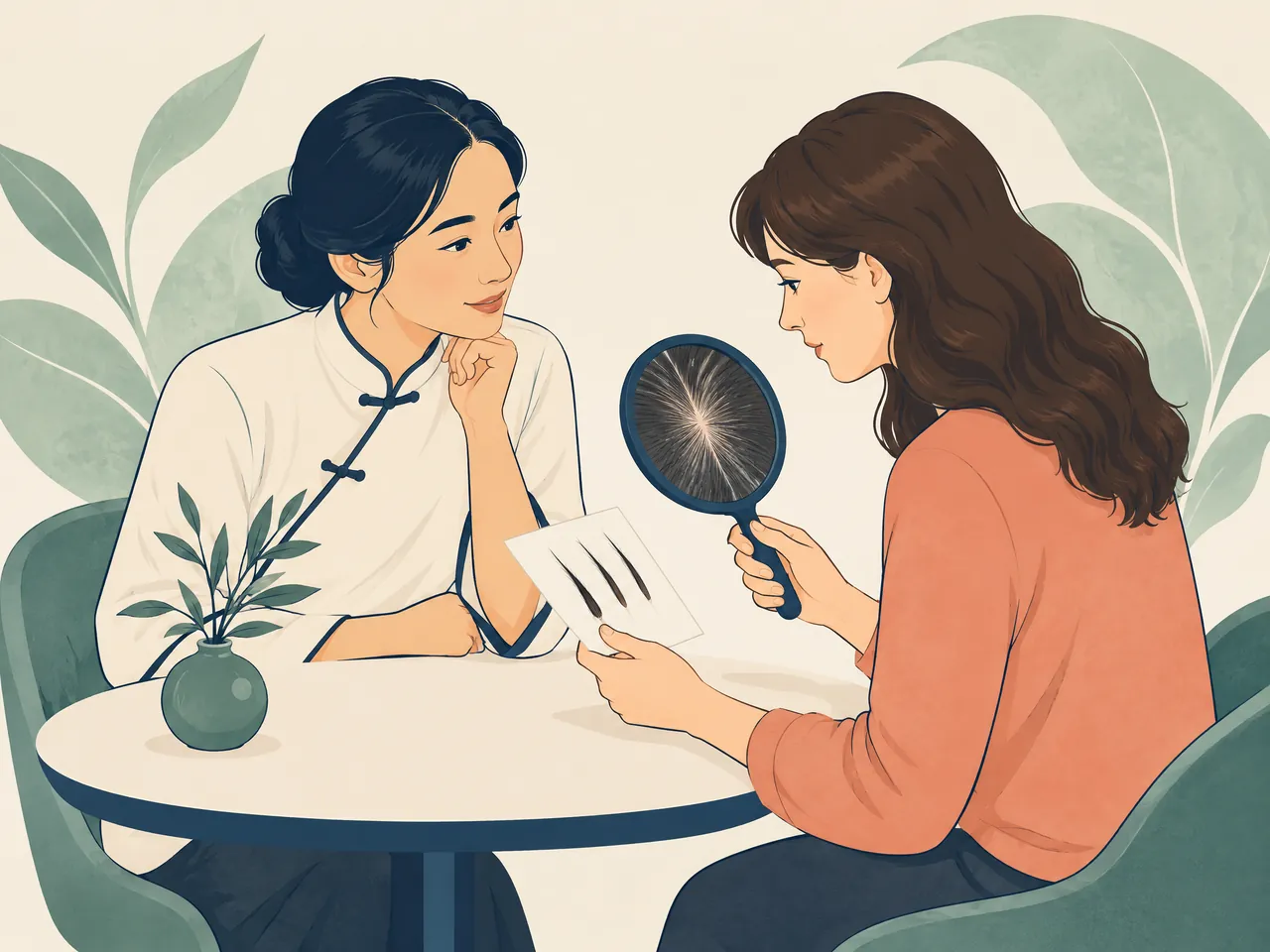
Do not arrange tapping over an open cut, weeping dermatitis, a suspected fungal or bacterial infection, markedly inflamed follicles, or a scalp that is already painful and swollen. This is a pause, not a failure. The priority is to protect the skin barrier and establish what is causing the problem. NHS Wales advises against acupuncture in an area with infection [3], while NCCIH identifies infection as a possible serious adverse effect when acupuncture is improperly delivered [1]. A plum blossom device used on the scalp should prompt the same common-sense response: an active local infection needs clinical assessment, not more mechanical irritation.
Sensitivity may also come from what is placed on the scalp before or after the session. A person can react to fragrance, preservatives, botanical extracts, hair dye or adhesive even if the tapping itself felt tolerable. Share previous reactions and avoid introducing several new products at once; otherwise it becomes hard to identify what caused a rash. Itching with a spreading rash, hives, facial swelling or breathing difficulty needs urgent medical attention. For a rash limited to the scalp, increasing soreness, oozing or yellow crusting are reasons to seek timely assessment rather than wait for a scheduled follow-up.
Chinese medicine hair loss treatment safety: Who should avoid plum blossom needle treatment? — Aftercare and next steps
Aftercare should be specific to the procedure used and to your scalp. Before treatment, ask when you may wash your hair, whether swimming or a sweaty workout should wait, and whether your usual shampoo, leave-in product or medicated lotion should be paused. Do not invent a standard timetable from another person’s experience. The practical aim is simple: minimise rubbing and contamination while the skin settles, then return to your routine as advised. Keep your hands clean, do not pick at tiny spots or scabs, and do not squeeze a tender follicle. These choices reduce extra irritation without claiming to prevent every complication.
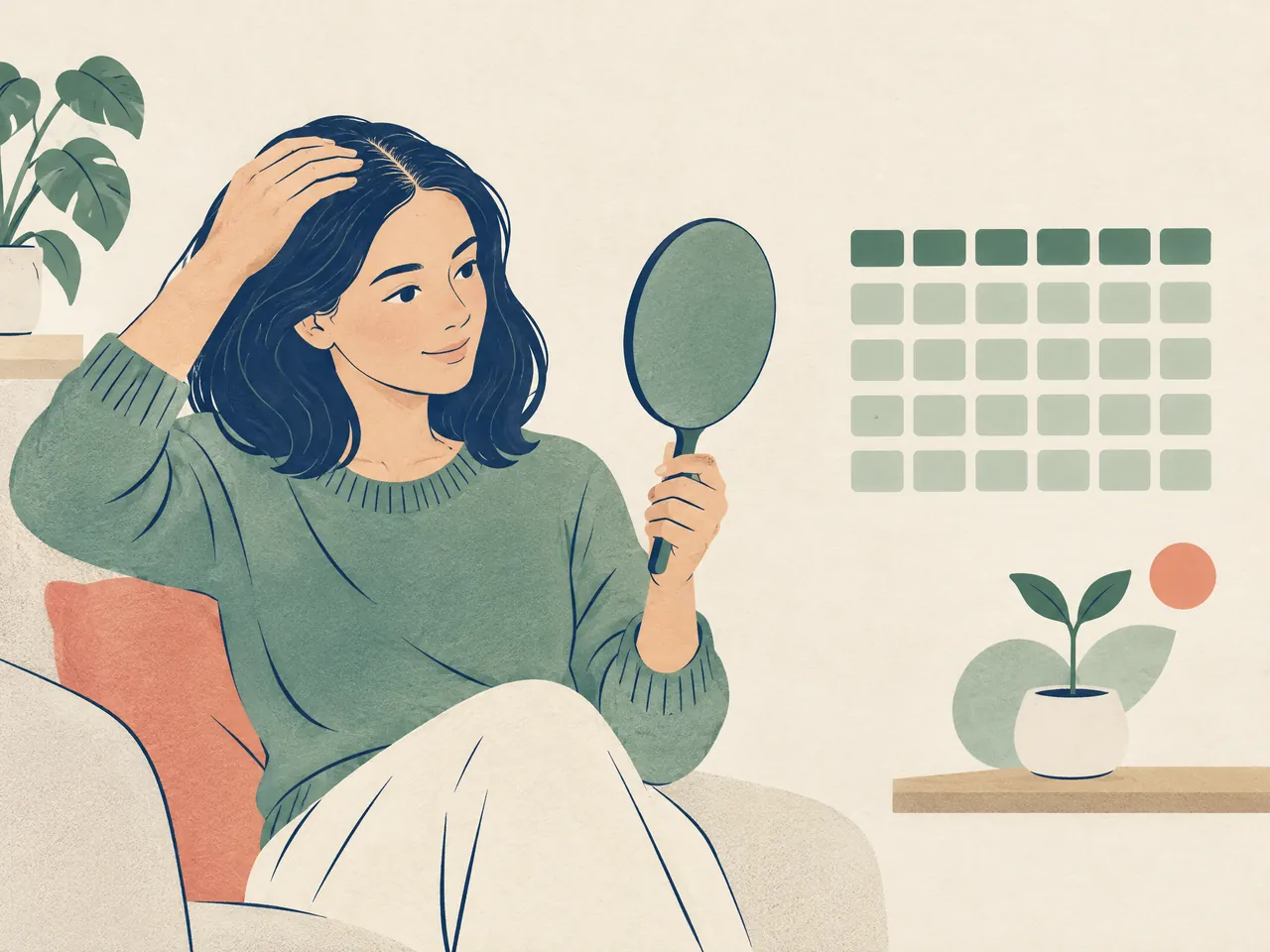
Credential checking is a reasonable part of aftercare planning as well as first-contact planning. GovHK links to current lists of registered Chinese medicine practitioners [4]. Registration is a checkable professional status; it is not a guarantee of a particular hair result or a substitute for medical care when there are concerning symptoms. Ask who will perform the procedure, how your history will be reviewed, what hygiene steps apply and how to contact the clinic if the scalp changes. If cost information influences your decision, read the Chinese medicine clinic price list Hong Kong and confirm the current arrangement before committing.
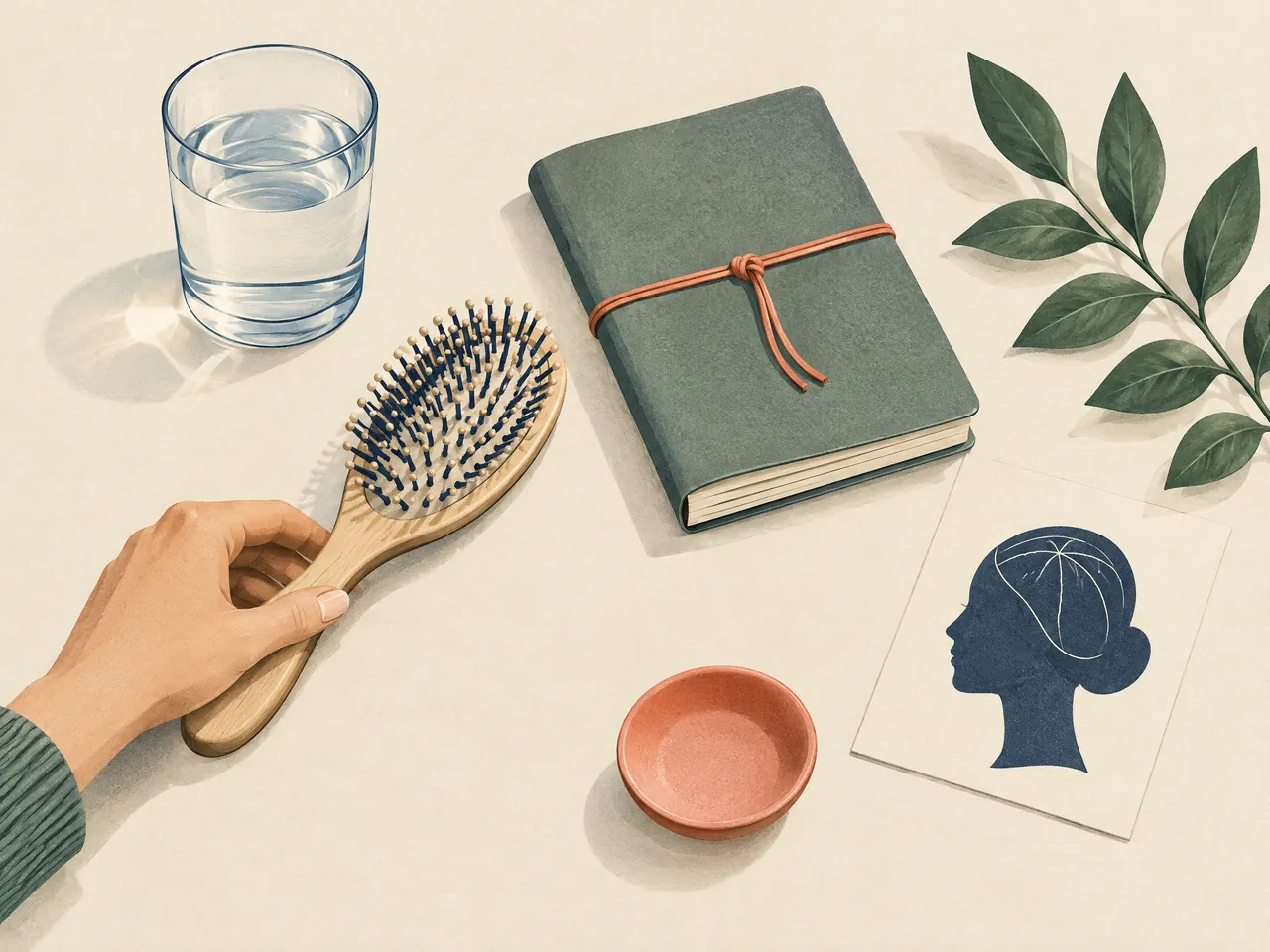
Chinese medicine hair loss treatment safety: Who should avoid plum blossom needle treatment? — Keep the treated scalp clean and dry
Plan around ordinary Hong Kong routines. A shower after a humid commute, gym session or weekend swim can be easy to overlook, so ask before you leave the clinic rather than guessing later. If the practitioner advises a short pause in hair washing or swimming, arrange the appointment around that constraint where possible. A clean pillowcase, a gentle approach to brushing and hands off the scalp are practical measures. They are not a replacement for clinical care if there is increasing redness, swelling, pus, fever or significant pain.

Chinese medicine hair loss treatment safety: Who should avoid plum blossom needle treatment? — Know when to seek medical advice
Seek prompt medical advice for redness that expands, escalating pain, marked swelling, pus or other discharge, fever, or feeling unwell after a scalp procedure. Get urgent help for breathing difficulty, facial or throat swelling, fainting that does not quickly resolve, or a severe allergic-type reaction. Do not cover an infected-looking area with cosmetics and wait for the next hair appointment. These symptoms do not establish the cause by themselves, but they deserve a clinician’s assessment. NCCIH also advises people not to use acupuncture to postpone seeing a healthcare provider about a health problem [1].
For non-urgent decisions, use a short checklist: What is the likely reason for my hair loss? Is my scalp intact and calm today? Which medicines and conditions must be disclosed? What mild reaction has been explained to me, and which changes require contact? Who should I call if I am worried? You can ask about an assessment at a Kwun Tong Chinese medicine clinic or a Chinese medicine clinic Prince Edward. An enquiry can clarify appointment arrangements, but suitability should be decided in consultation, not assumed from a web page.
Care and health guide
Hair and scalp care information
This directory brings together services, reading, and visit information related to hair and scalp care, to help you prepare questions for a consultation.
For questions about hair or scalp care, noting the everyday concerns and service questions you want to discuss can help prepare a consultation; Chinese medicine for hair loss is a relevant service or reading entry point.
People may have different priorities, and acupuncture Hong Kong offers related information to help you understand options and prepare questions.
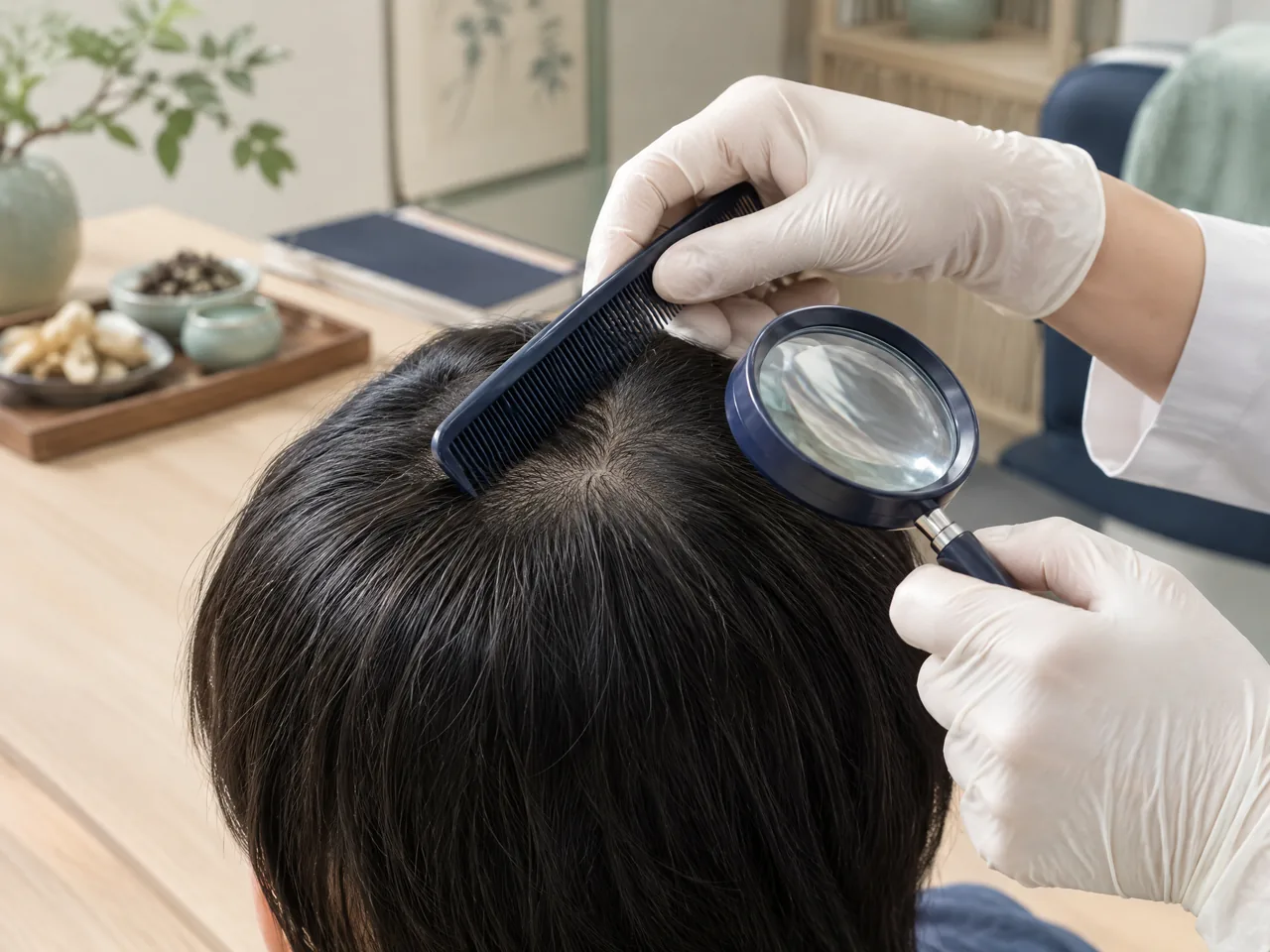

Your questions, answered
Frequently asked questions
Who should avoid plum blossom needle treatment on the scalp?
Postpone treatment if there is an open wound, suspected infection, weeping dermatitis or severe active inflammation on the scalp. A person with a bleeding disorder, anticoagulant or antiplatelet medicine, pregnancy, serious illness, skin sensitivity or a history of fainting should disclose it and receive individual assessment first. Do not stop prescribed medicine to proceed with treatment.
What reactions can happen after plum blossom needle treatment?
Short-lived redness, warmth, tenderness, pinpoint bleeding or light bruising can occur after scalp tapping. The concern is a change that is worsening rather than settling: expanding redness, increasing pain, marked swelling, discharge, fever or feeling unwell should be assessed promptly by a healthcare professional.
How can I lower the risk of infection or irritation?
Do not have the area treated if the scalp is broken, infected or severely inflamed. Discuss hygiene, the handling of skin-penetrating instruments, your allergies and every scalp product you use. Afterwards, follow the practitioner’s washing instructions, avoid scratching and dirty water, and do not add several new scalp products while the skin is settling.
Should I see a doctor before trying Chinese medicine for hair loss?
It is sensible to seek medical advice if the hair loss is new, rapid, patchy, painful, associated with a rash or causing distress. Hair loss has different possible causes, and assessment can identify concerns that should not be managed as a cosmetic problem. A Chinese medicine consultation can then be considered with that information in view.
Sources and further information
- [1] NIH NCCIH — Acupuncture: Effectiveness and Safety
Referenced for: Authoritative safety information on sterile single-use acupuncture needles, infection risk from improper delivery, and not delaying healthcare assessment.
- [2] NHS — Hair loss
Referenced for: Official guidance on different possible causes of hair loss and seeking clinical advice on the cause before attending a commercial hair clinic.
- [3] NHS 111 Wales — Acupuncture
Referenced for: Official safety information on mild short-term effects, bleeding disorders or anticoagulants, infection in the treatment area and pregnancy disclosure.
- [4] GovHK — Chinese Medicine
Referenced for: Official Hong Kong page linking the public to current lists of registered Chinese medicine practitioners.