
TCM Lab · Health reading
is acupuncture effective for heel pain: can I have acupuncture for foot pain while having physiotherapy — evidence, assessment and coordinated care
Published Updated
Heel pain can make the first few steps of the day surprisingly difficult, yet the same area can hurt for very different reasons. Is acupuncture effective for heel pain? It may be considered as one part of symptom management after an individual assessment, not as a guaranteed cure or a substitute for finding the cause. Can I have acupuncture for foot pain while having physiotherapy? Often this can be discussed, provided both practitioners know about the full plan and advice is coordinated around your symptoms, loading and day-to-day function.
Appointments are confirmed through WhatsApp. If you have language requirements, please mention them in your enquiry.
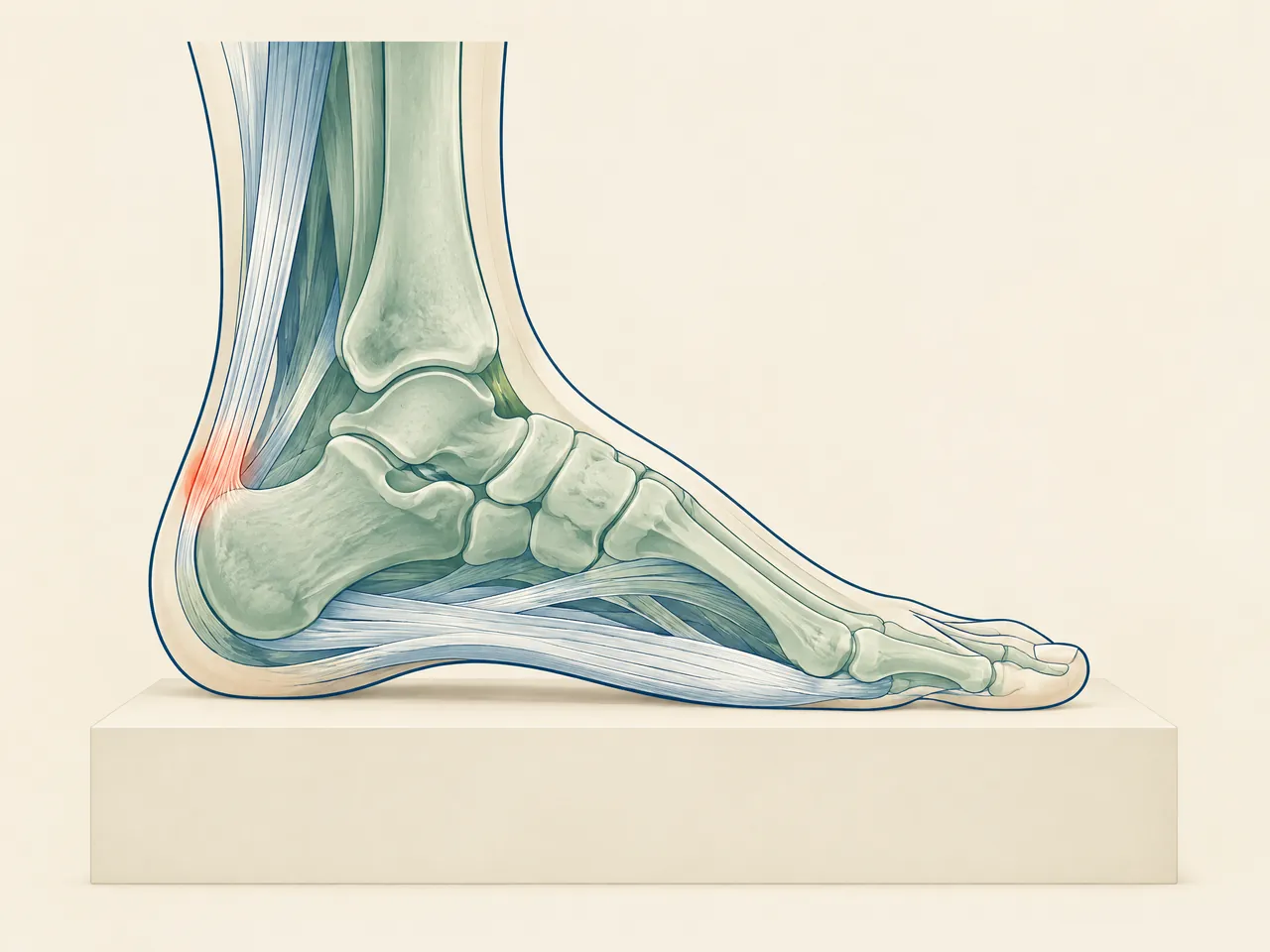
The short answer
Acupuncture may be discussed as an adjunct for heel or foot pain, including suspected plantar fasciitis, but the current research does not show that it works for everyone or provides a cure. If you are having physiotherapy, tell the physiotherapist and Chinese medicine practitioner about all care, exercises and medicines. Keep the active rehabilitation plan visible, monitor how the foot responds, and seek medical assessment promptly for red-flag symptoms or an unclear diagnosis.
Transparent pricing
See the fees.
Choose your care.
Explore our complete official price list, including first-trial prices, regular prices, packages and branch-specific options.
Opening WhatsApp prepares an enquiry; it does not send a message, take payment or confirm an appointment. Suitability and individual arrangements are confirmed during consultation.
Pain care
All prices in HKDExtracorporeal shockwave treatment
Shockwave treatment for deep-tissue and fascial care. The Kwun Tong clinic offers the multi-area options shown below.
Priced by branch
Branch-specific pricing
Prince Edward: HK$250 per area
Kwun Tong: HK$250 for 1 area / HK$450 for 2 areas / HK$600 for 3 areas
Pain care (manual therapy)
Includes Chinese medicine musculoskeletal assessment, manual joint techniques and tui na.
HK$580 (single session)
Chinese medicine musculoskeletal assessment
Pain care (acupuncture and manual therapy)
Combines acupuncture and manual therapy.
HK$680 (single session)
Combined care
Hair and scalp
All prices in HKDScalp health and hair-loss management
Includes AI scalp analysis, deep scalp and follicle cleansing, and scalp oil-control care.
HK$380 (first trial)
Regular price: HK$680
- 6 sessions: HK$3,480 (HK$580 per session)
- 12 sessions: HK$5,760 (HK$480 per session)
- 20 sessions: HK$8,600 (HK$430 per session)
- 30 sessions: HK$11,400 (HK$380 per session)
Hair acupuncture and Chinese herbal medicine package
Includes scalp acupuncture and 3 days of Chinese herbal medicine that does not require decoction.
HK$580 (single session)
Registered Chinese Medicine Practitioner consultation
- 6 sessions: HK$3,180 (HK$530 per session)
- 12 sessions: HK$5,760 (HK$480 per session)
- 20 sessions: HK$8,600 (HK$430 per session)
- 30 sessions: HK$11,400 (HK$380 per session)
Combined hair and scalp treatment
Combines acupuncture and Chinese herbal medicine with salon-level scalp and follicle care. Packages include complimentary hair-care shampoo and serum.
HK$1,260 (single session)
Combined treatment
- 8 sessions: HK$8,640 (HK$1,080 per session)
- 16 sessions: HK$15,680 (HK$980 per session)
- 20 sessions: HK$18,600 (HK$930 per session)
- 30 sessions: HK$26,400 (HK$880 per session)
Weight management
All prices in HKDFull-body acupoint embedding for weight management
Includes full-body acupoint embedding. Packages include complimentary Chinese herbal medicine for weight management, with the number of included days scaled to the package. Embedding material and the individual treatment arrangement are confirmed during consultation; this is not a cosmetic thread lift.
HK$980 (single session)
No trial session
- 10 sessions: HK$7,800 (HK$780 per session)
- 20 sessions: HK$14,600 (HK$730 per session)
- 30 sessions: HK$20,400 (HK$680 per session)
Facial acupuncture
All prices in HKDFacial acupuncture (basic)
Includes facial acupuncture and meridian-based facial care, including care for facial puffiness.
HK$480 (first trial)
Regular price: HK$680
- 10 sessions: HK$5,200 (HK$520 per session)
- 20 sessions: HK$9,600 (HK$480 per session)
- 30 sessions: HK$13,500 (HK$450 per session)
Facial acupuncture (advanced)
Includes enhanced facial acupuncture with a specially formulated moisturising mask and serum.
HK$780 (first trial)
Regular price: HK$1,180
- 10 sessions: HK$9,000 (HK$900 per session)
- 20 sessions: HK$16,600 (HK$830 per session)
- 30 sessions: HK$23,400 (HK$780 per session)
Chinese medicine
All prices in HKDAcupuncture and Chinese herbal medicine package
Includes a Chinese medicine consultation with pulse assessment, body acupuncture and 3 days of Chinese herbal granules that do not require decoction.
HK$580 (single session)
Chinese medicine consultation with pulse assessment
is acupuncture effective for heel pain: symptom patterns and assessment — can I have acupuncture for foot pain while having physiotherapy
Describe the pain precisely rather than call every sore sole plantar fasciitis. Note whether it sits directly under the heel, runs into the arch, appears near the back of the heel, or is felt in the forefoot. Record whether it is sharp, aching, burning or associated with tingling. The NHS describes plantar fasciitis as pain on the bottom of the foot around the heel and arch; it is commonly worse when walking after sleep or rest and may worsen again after prolonged standing, walking or running [1]. That pattern makes a symptom diary more useful than a single pain score. For a broader overview, see acupuncture for foot pain.
Location alone does not settle the question. Heel-pad problems can be uncomfortable on hard ground; nerve irritation may bring numbness, pins and needles or burning; and a local bone injury can need a different assessment. Record recent changes in walking, running, work shifts, floor surface and footwear, plus prior injury, diabetes and altered sensation. A Chinese medicine consultation may use a traditional assessment approach, but that is not the same as a modern medical diagnosis. Persistent or uncertain pain should not be labelled from that pattern alone.

is acupuncture effective for heel pain when pain is worst on the first step — can I have acupuncture for foot pain while having physiotherapy
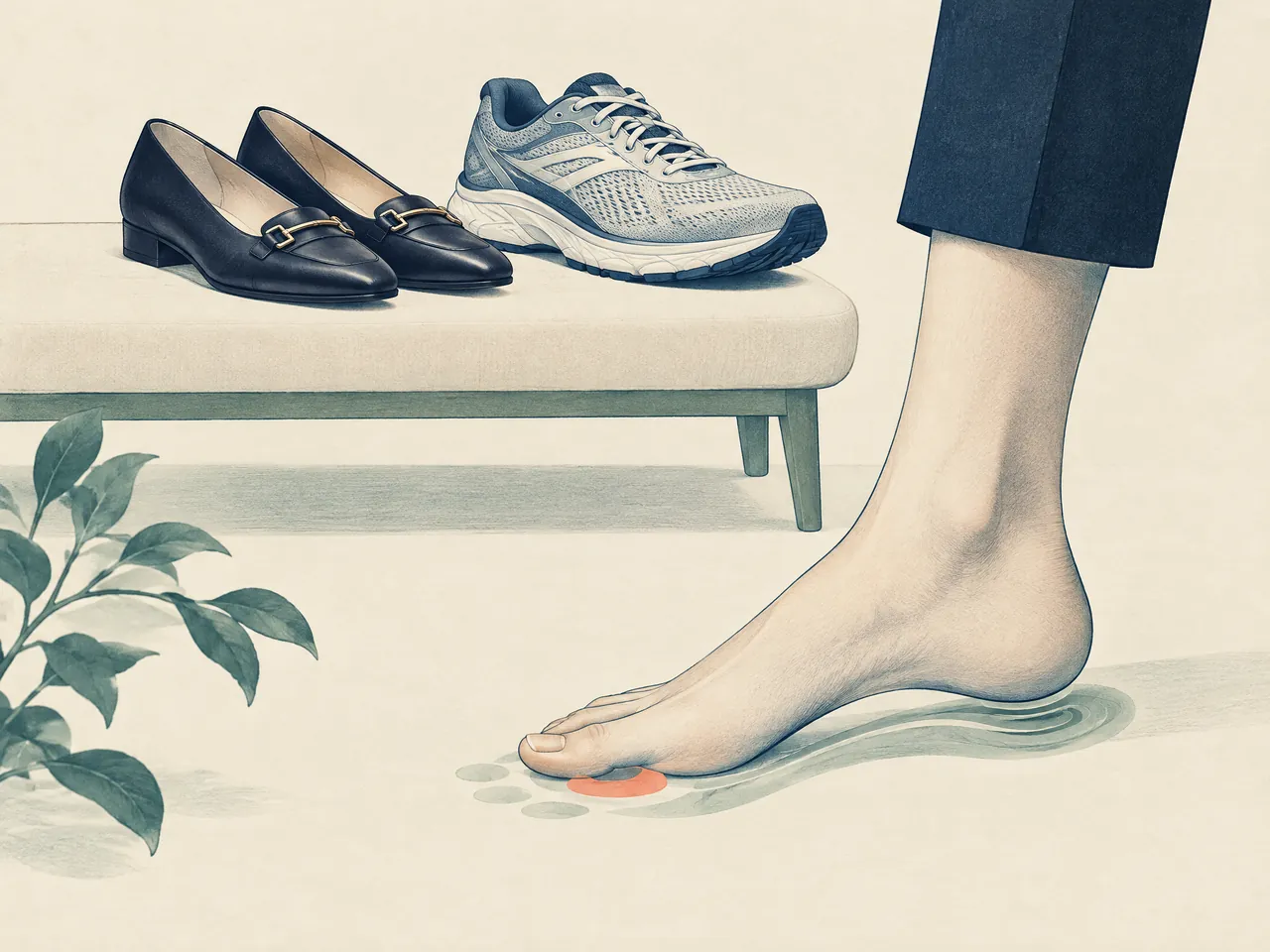
First-step pain is one reason people ask about acupuncture, but it is also a reason to look at the full loading pattern. The plantar fascia is stressed by the first steps after rest and by repeated time on the feet. If symptoms ease as you move but return after a long day, the timing may be as informative as the intensity. The NHS lists gentle stretching of the sole and heel, shoes with cushioned heels and good arch support, and reducing long periods of standing or walking among self-care measures for plantar fasciitis [1]. These are practical topics to bring into a coordinated plan rather than background advice to ignore.
Consider the morning routine as well as treatment visits. Keep supportive footwear within reach, avoid a sudden rush barefoot across a hard floor if that predictably hurts, and follow the exercise approach your physiotherapist has taught. A practitioner considering acupuncture can use the pattern, examination findings and your goals to decide whether it is reasonable to discuss as an adjunct. Meaningful progress may look like getting out of bed with less guarding, tolerating a work commute more comfortably or recovering more predictably after a walk. It should not be presented as a promise that every first step will become pain-free.
is acupuncture effective for heel pain when the cause is still unclear — can I have acupuncture for foot pain while having physiotherapy
When the cause is unclear, assessment comes before a treatment timetable. Explain whether pain started suddenly or gradually, whether there was a fall or training change, and whether it is settling, stable or escalating. Mention pain at rest or at night, marked focal swelling, fever, colour change, wounds, altered sensation and inability to bear weight. Severe pain that stops normal activity, worsening or recurrent pain, tingling or loss of feeling, and foot pain in someone with diabetes are all reasons the NHS advises seeking medical help [1]. Acupuncture should not postpone that assessment.
This distinction matters if you are trying to combine care. Physiotherapy may focus on movement, strength, load tolerance and footwear or orthotic advice; a medical clinician may decide whether imaging, medication review or referral is needed; acupuncture, if appropriate, can sit alongside rather than displace those steps. Be open about prior injections, blood-thinning medicines, pregnancy, bleeding concerns and immune or skin issues so the practitioner can assess suitability. If the pain is principally in the arch, the related discussion of acupuncture for arch pain may help you frame more specific questions for your appointment.
Compare your options
| What to review | Useful observation or question | How it guides the next step |
|---|---|---|
| Pain pattern | Is pain under the heel or arch, worst on first steps, after standing, or associated with burning or tingling? | Helps decide whether a plantar-fasciitis-like pattern is plausible or whether further assessment is needed. |
| Physiotherapy plan | Which exercises, loading changes and footwear advice are already in place, and what happens the next day? | Lets acupuncture be discussed as an adjunct without accidentally replacing active rehabilitation. |
| Response to care | Are ordinary walking, standing and first steps changing over days or weeks rather than only immediately after treatment? | Keeps the focus on function and prompts review if progress is absent or symptoms worsen. |
| Safety and escalation | Is there inability to bear weight, marked swelling, numbness, diabetes-related concern, a wound or rapid deterioration? | Prioritises medical or urgent assessment rather than adding another symptom-management option. |
On smaller screens, scroll the table sideways to compare all columns.
is acupuncture effective for heel pain: evidence limits and treatment discussions — can I have acupuncture for foot pain while having physiotherapy
The balanced answer is that acupuncture may reduce pain for some people in the short term, but that is not proof of a reliable long-term or curative effect. A systematic review in the Singapore Medical Journal identified four relevant studies and concluded that study heterogeneity left insufficient evidence for a definitive longer-term conclusion [2]. Acupuncture is therefore a possible adjunct to assess, not a replacement for assessment, rehabilitation or sensible load management. No responsible practitioner should promise a fixed number of sessions or recovery date.
Acupuncture is not risk-free simply because it is used for pain. The U.S. National Center for Complementary and Integrative Health notes that serious complications can result from nonsterile needles or improper treatment, and advises people to discuss complementary approaches with health care providers [3]. Choose an appropriately qualified practitioner and disclose your health history, physiotherapy exercises, medicines and recent changes in the foot.
is acupuncture effective for heel pain as an adjunct rather than a guaranteed cure — can I have acupuncture for foot pain while having physiotherapy
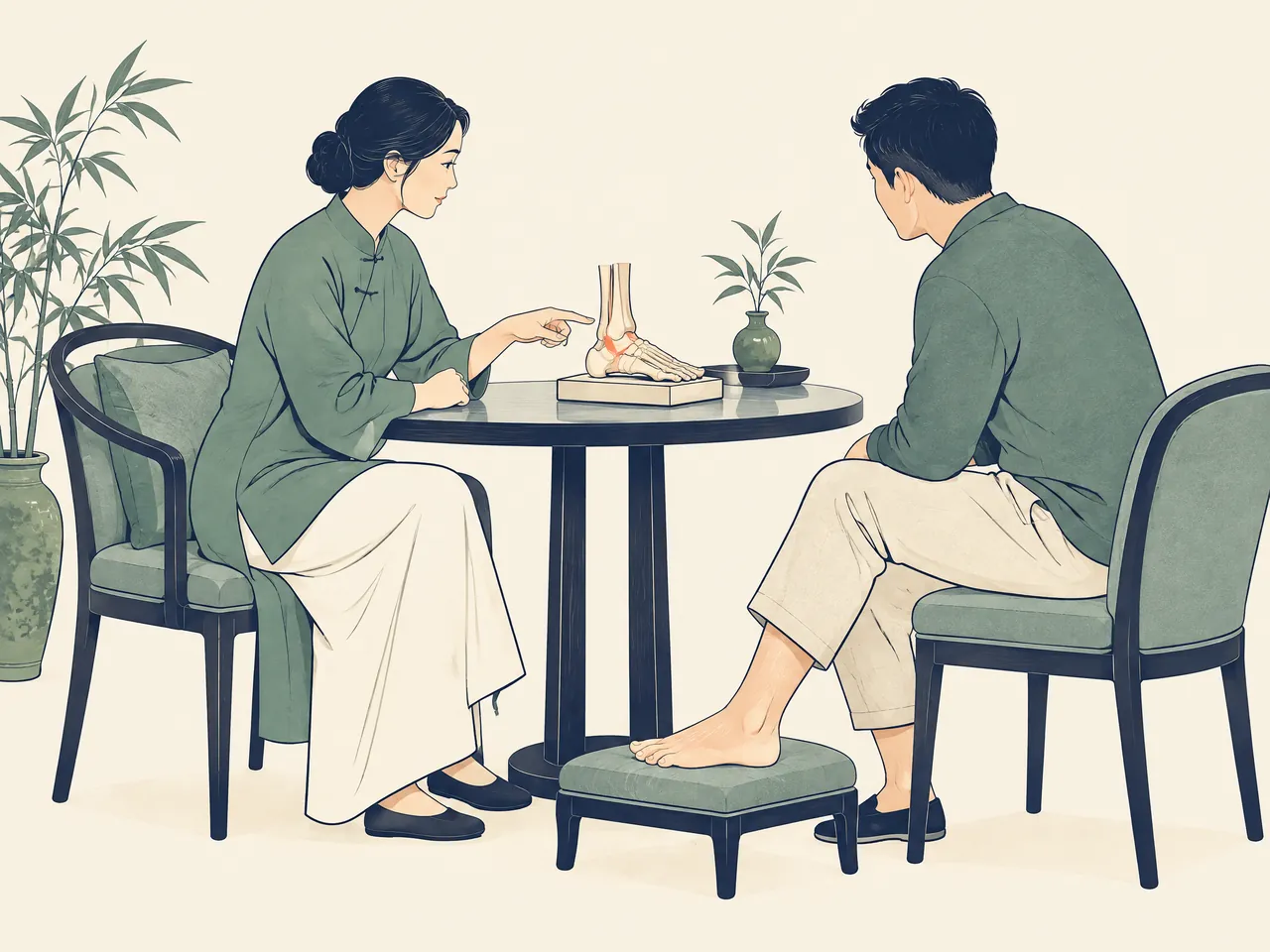
Calling acupuncture an adjunct has a practical meaning: it is added to, rather than substituted for, the parts of care that are already relevant. For a person with a well-assessed plantar-fasciitis-like presentation, that may include a graded physiotherapy programme, gentle stretching, activity modification and footwear attention. The acupuncture discussion can then focus on whether it supports symptom management while those foundations continue. The research review found short-term findings but not enough consistent longer-term evidence for a definitive conclusion [2]. Therefore, it is reasonable to review usefulness against function, not to assume it is universally effective.
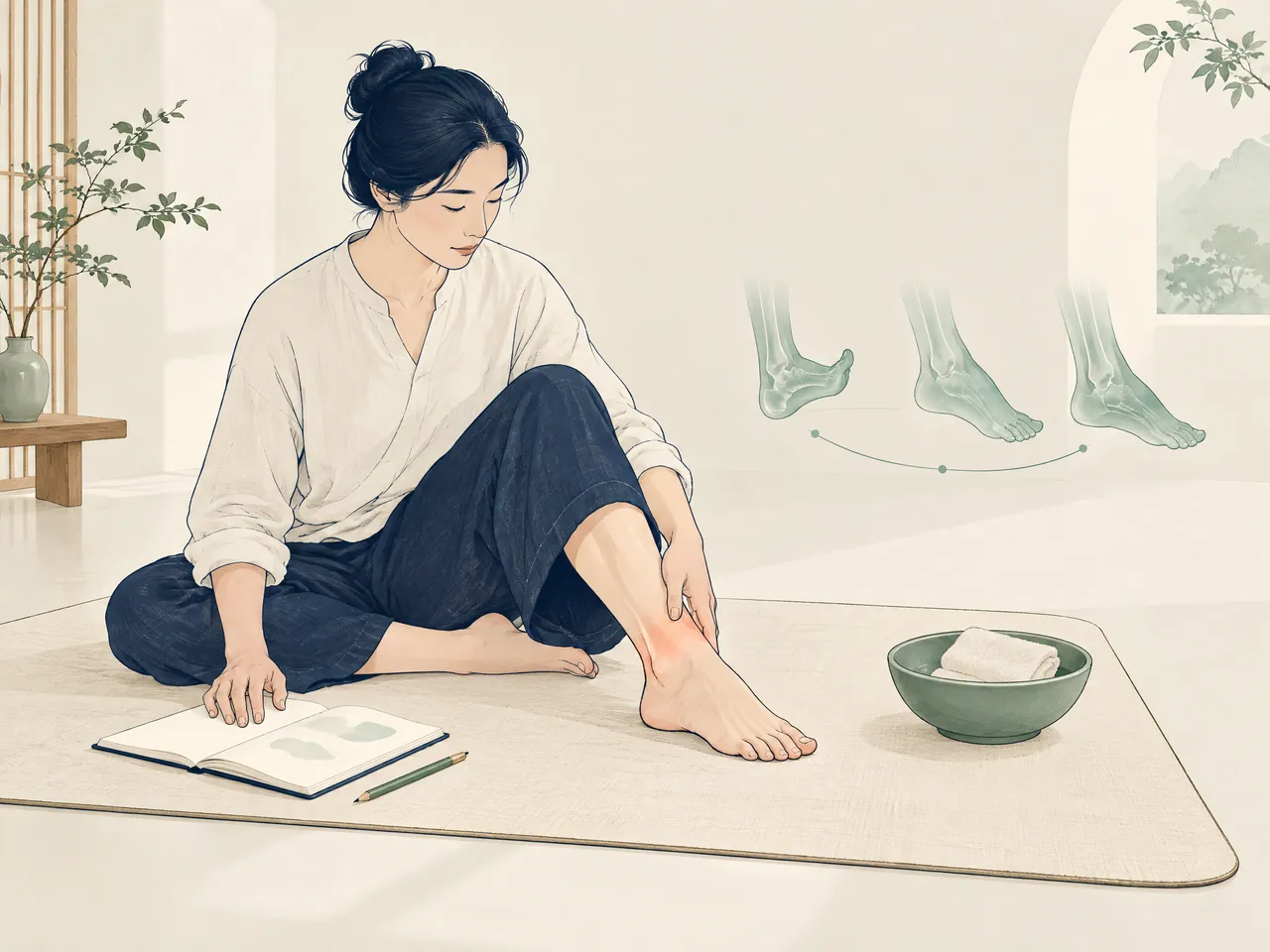
Avoid evaluating an adjunct by the treatment-room experience alone. Instead, compare the following day and the following week: first steps, ability to complete ordinary work tasks, recovery after activity and adherence to the agreed exercise plan. A change in one measure is information, not proof of a cure. If pain flares after a session or after exercises, report the sequence rather than pushing through without advice. The page on plantar fasciitis acupuncture offers another focused starting point for questions when plantar fasciitis has been discussed, while still not replacing diagnosis.
is acupuncture effective for heel pain with coordinated professional advice — can I have acupuncture for foot pain while having physiotherapy
You can ask about acupuncture while having physiotherapy, but coordination should be deliberate. Tell each practitioner who else is involved and what has been recommended. Give the physiotherapist the date of acupuncture and report any soreness, change in symptoms or difficulty completing exercises. Tell the Chinese medicine practitioner which activities have been advised, what you have already tried and whether the physiotherapist has raised concern about another cause. This is not about one discipline supervising the other; it is about avoiding conflicting messages, duplicate advice and unrecognised warning signs.
A workable plan often keeps changes small. For example, continue the established physiotherapy exercises unless your physiotherapist changes them, add no new high-impact activity merely because pain seems quieter, and keep footwear choices consistent long enough to judge comfort. If you have questions about the broader evidence, does acupuncture help foot pain explains why an individual response cannot be assumed from a general pain label. Seek further medical input rather than coordinating treatment yourself if there is progressive numbness, significant swelling or a sudden inability to load the foot.
is acupuncture effective for heel pain: practical support and safety — can I have acupuncture for foot pain while having physiotherapy
Daily choices can reduce avoidable irritation while an assessment and rehabilitation plan are under way. Consider hard floors, unbroken periods of standing, worn shoes and whether activity increased too abruptly. For plantar fasciitis, the NHS advises avoiding long periods of walking or standing, high heels, tight pointed shoes, flip-flops or backless slippers, and barefoot walking on hard surfaces [1]. These are prompts for a footwear and load discussion, not a one-size-fits-all shoe prescription.
Keep the plan manageable on a workday. Break a long standing task into shorter blocks when possible, choose lower-impact movement if it is more tolerable, and use stretches or exercises a qualified professional has demonstrated. Do not force a stretch through sharp pain, numbness or a marked flare. When practical, change one major variable at a time so you can describe the response clearly to both practitioners.
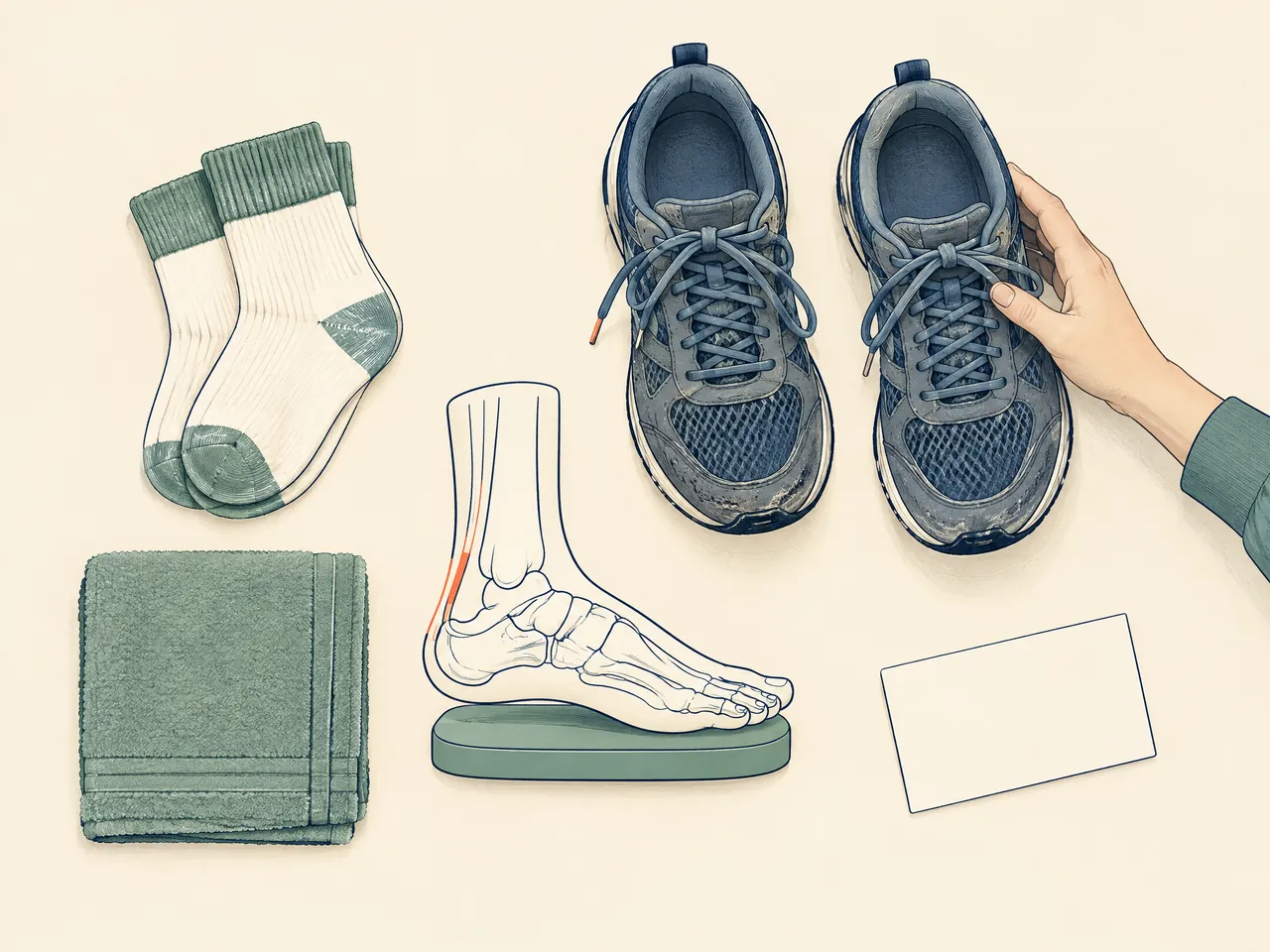
Prepare a short list for a consultation: where and when it hurts, what changes it, current exercises or treatments, relevant health conditions, and what you need to return to. At TCM Lab, a Registered Chinese Medicine Practitioner can discuss whether acupuncture is an appropriate complementary option after assessment and whether further medical evaluation is more appropriate. See the Chinese medicine clinic Prince Edward or Kwun Tong Chinese medicine clinic pages for location details.
is acupuncture effective for heel pain alongside stretching, activity changes and suitable footwear — can I have acupuncture for foot pain while having physiotherapy
Stretching, load changes and footwear are not interchangeable tasks. Stretching addresses flexibility and can be prescribed in a particular way; load management looks at the amount and type of time on the foot; footwear aims to make daily contact and support more tolerable. If you are seeing a physiotherapist, ask which of these matters most now and how to progress it. Acupuncture, if selected, belongs alongside that clear plan rather than becoming a reason to skip the slower work of graded recovery. The NHS notes that a physiotherapist can demonstrate exercises and a podiatrist can advise on insoles, shoes or night splints if plantar fasciitis does not improve [1].
Use your activity diary to make decisions with care. A brief walk that is comfortable during the activity but causes a marked next-morning flare may be more useful information than a single good hour. Conversely, a gradual increase in tolerance can support a planned progression. Footwear should fit the activity and your comfort, not simply follow an online trend. If you are considering costs before arranging a discussion, the Chinese medicine clinic price list Hong Kong gives the current service information; suitability still requires an individual consultation.

is acupuncture effective for heel pain and knowing when to seek further assessment — can I have acupuncture for foot pain while having physiotherapy
Arrange further assessment rather than waiting on complementary care when pain is severe enough to stop normal activities, is getting worse or repeatedly returning, or has not improved with appropriate self-care. Seek prompt advice for tingling or loss of feeling, and take particular care with any foot problem if you have diabetes [1]. A sudden injury, inability to bear weight, marked swelling, a hot or red foot, a wound or signs of infection also need timely medical attention. These signs do not identify the cause by themselves, but they change the priority from treatment selection to medical assessment.
For non-urgent but stubborn symptoms, reassessment is still productive. Review the original diagnosis, the activity pattern, shoe wear, exercise technique and any treatment response with the appropriate professional. Be candid if you have reduced exercises because they hurt, doubled activity after a better day, or used pain relief to push through more loading than usual. Acupuncture can remain a conversation after this review, but it should never be used to delay care for a concerning change. A coordinated plan gives you a clearer route forward than trying to solve every type of heel pain with one approach.
Care and health guide
Foot discomfort: care information
This directory brings together services, reading, and visit information related to foot discomfort, to help you prepare questions for a consultation.
When foot discomfort affects your day, noting when it occurs, its relation to activity, and what you have already tried can help prepare a consultation; acupuncture for foot pain is a relevant service or reading entry point.
Individual circumstances differ, and acupuncture Hong Kong offers related information to help you understand options and prepare questions.


Your questions, answered
Frequently asked questions
Is acupuncture effective for heel pain, and how quickly should I expect results?
Acupuncture may be discussed as an adjunct for symptom management, but it is not a guaranteed treatment and no fixed number of sessions or recovery time can be promised. The published review cited on this page found limited short-term evidence and insufficient evidence for a definitive conclusion about longer-term effectiveness. Review function, not only immediate sensations after treatment, with your practitioner.
Can I have acupuncture for foot pain while having physiotherapy?
You can discuss combining them. Tell both practitioners about all treatment, exercises, medicines and any changes in symptoms. Keep the physiotherapy plan active unless the relevant professional changes it, and avoid making several major changes at once. Coordinated information helps identify a flare, a safety concern or an issue needing further assessment.
Can Chinese medicine cure plantar fasciitis?
No cure can be promised. A Registered Chinese Medicine Practitioner may discuss acupuncture after assessment as a complementary option, but plantar fasciitis-like pain often also needs attention to load, stretching, footwear and the diagnosis itself. If the problem persists, worsens or is unclear, seek further medical assessment rather than relying on one treatment alone.
When should I get medical advice for heel or sole pain?
Seek medical advice if pain is severe or stops normal activities, gets worse or keeps returning, or has not improved after self-care. Tingling or loss of feeling, inability to bear weight, marked swelling, a wound, redness or heat, and any diabetes-related foot concern also warrant prompt assessment. Acupuncture should not delay evaluation of these changes.
Sources and further information
- [1] [1] NHS — Plantar fasciitis
Referenced for: Symptoms, self-care, physiotherapy and podiatry pathways, and when to seek medical advice for plantar-fasciitis-type foot pain.
- [2] [2] Singapore Medical Journal — How effective is acupuncture for reducing pain due to plantar fasciitis?
Referenced for: Systematic review describing short-term findings and limits of evidence for longer-term effectiveness of acupuncture for plantar fasciitis.
- [3] [3] National Center for Complementary and Integrative Health — Acupuncture: What You Need To Know
Referenced for: Acupuncture safety, use of sterile needles, and discussing complementary approaches with health care providers.