
TCM Lab · Health reading
Chinese medicine sports injury: assessment and care options
Published Updated
A sports injury is not automatically a problem to push through, nor is it automatically a reason for one particular treatment. Chinese medicine sports injury care starts by establishing what happened, where it hurts, what movement is limited, how the problem affects ordinary life and whether there are signs that need prompt medical assessment. That conversation can help a Registered Chinese Medicine Practitioner decide whether acupuncture or Tui Na is reasonable to discuss, whether another service should lead the next step, or whether referral is more appropriate. The aim is a considered plan for the actual injury and training situation, rather than a promise that every strain, fall or recurring ache responds in the same way.
Appointments are confirmed through WhatsApp. If you have language requirements, please mention them in your enquiry.
The short answer
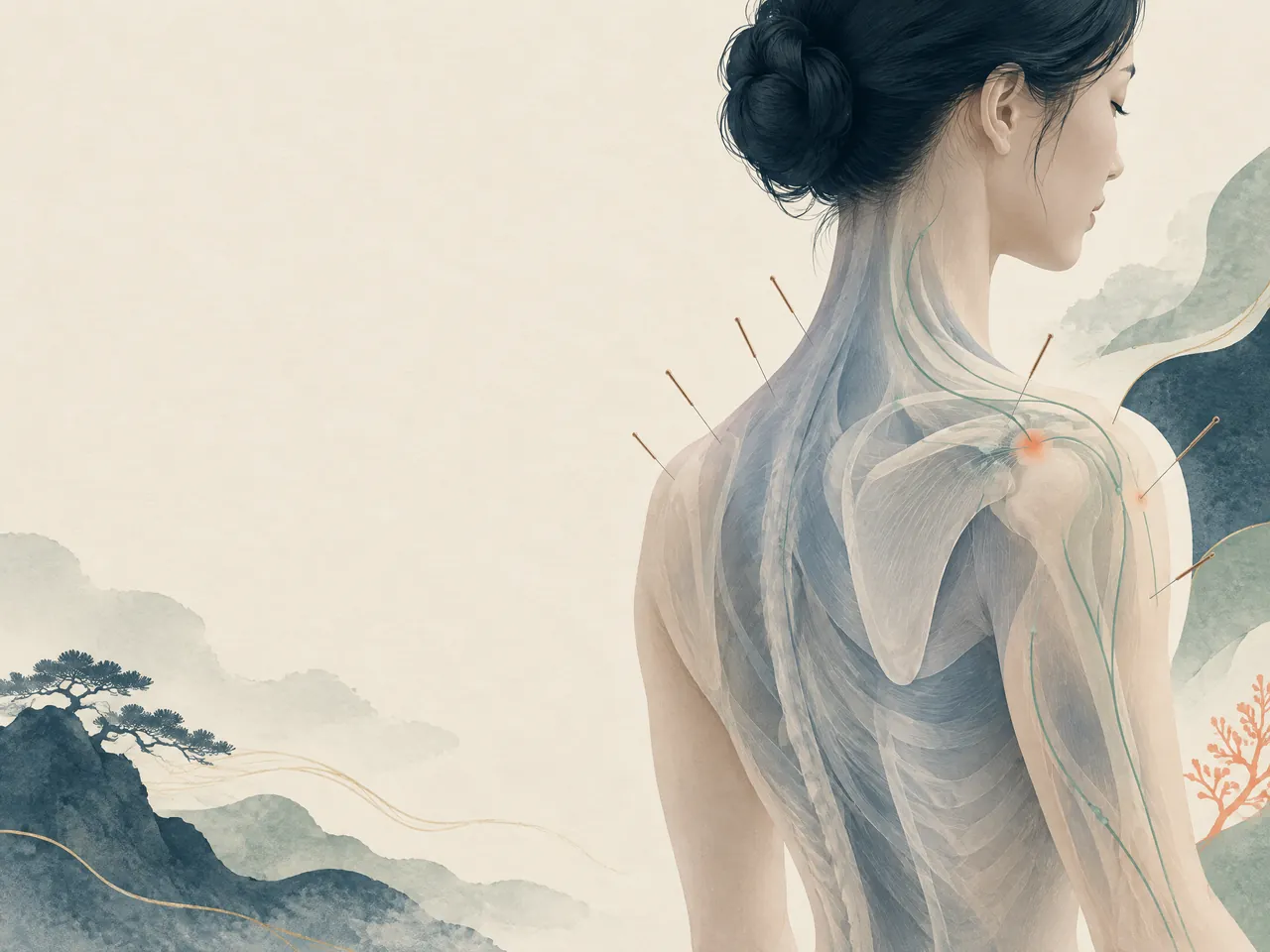
Chinese medicine sports injury assessment begins with the injury mechanism, pain pattern, movement limits, training load, relevant health history and warning signs. After an individual assessment, acupuncture or Tui Na may be discussed as options for some people, while suspected serious injury or worsening symptoms may need prompt medical care or referral. Online information cannot determine whether a painful ankle, knee, shoulder or back problem is safe to train through or suitable for a particular treatment.
Transparent pricing
See the fees.
Choose your care.
Explore our complete official price list, including first-trial prices, regular prices, packages and branch-specific options.
Opening WhatsApp prepares an enquiry; it does not send a message, take payment or confirm an appointment. Suitability and individual arrangements are confirmed during consultation.
Chinese medicine
All prices in HKDAcupuncture and Chinese herbal medicine package
Includes a Chinese medicine consultation with pulse assessment, body acupuncture and 3 days of Chinese herbal granules that do not require decoction.
HK$580 (single session)
Chinese medicine consultation with pulse assessment
Hair and scalp
All prices in HKDScalp health and hair-loss management
Includes AI scalp analysis, deep scalp and follicle cleansing, and scalp oil-control care.
HK$380 (first trial)
Regular price: HK$680
- 6 sessions: HK$3,480 (HK$580 per session)
- 12 sessions: HK$5,760 (HK$480 per session)
- 20 sessions: HK$8,600 (HK$430 per session)
- 30 sessions: HK$11,400 (HK$380 per session)
Hair acupuncture and Chinese herbal medicine package
Includes scalp acupuncture and 3 days of Chinese herbal medicine that does not require decoction.
HK$580 (single session)
Registered Chinese Medicine Practitioner consultation
- 6 sessions: HK$3,180 (HK$530 per session)
- 12 sessions: HK$5,760 (HK$480 per session)
- 20 sessions: HK$8,600 (HK$430 per session)
- 30 sessions: HK$11,400 (HK$380 per session)
Combined hair and scalp treatment
Combines acupuncture and Chinese herbal medicine with salon-level scalp and follicle care. Packages include complimentary hair-care shampoo and serum.
HK$1,260 (single session)
Combined treatment
- 8 sessions: HK$8,640 (HK$1,080 per session)
- 16 sessions: HK$15,680 (HK$980 per session)
- 20 sessions: HK$18,600 (HK$930 per session)
- 30 sessions: HK$26,400 (HK$880 per session)
Weight management
All prices in HKDFull-body acupoint embedding for weight management
Includes full-body acupoint embedding. Packages include complimentary Chinese herbal medicine for weight management, with the number of included days scaled to the package. Embedding material and the individual treatment arrangement are confirmed during consultation; this is not a cosmetic thread lift.
HK$980 (single session)
No trial session
- 10 sessions: HK$7,800 (HK$780 per session)
- 20 sessions: HK$14,600 (HK$730 per session)
- 30 sessions: HK$20,400 (HK$680 per session)
Facial acupuncture
All prices in HKDFacial acupuncture (basic)
Includes facial acupuncture and meridian-based facial care, including care for facial puffiness.
HK$480 (first trial)
Regular price: HK$680
- 10 sessions: HK$5,200 (HK$520 per session)
- 20 sessions: HK$9,600 (HK$480 per session)
- 30 sessions: HK$13,500 (HK$450 per session)
Facial acupuncture (advanced)
Includes enhanced facial acupuncture with a specially formulated moisturising mask and serum.
HK$780 (first trial)
Regular price: HK$1,180
- 10 sessions: HK$9,000 (HK$900 per session)
- 20 sessions: HK$16,600 (HK$830 per session)
- 30 sessions: HK$23,400 (HK$780 per session)
Pain care
All prices in HKDExtracorporeal shockwave treatment
Shockwave treatment for deep-tissue and fascial care. The Kwun Tong clinic offers the multi-area options shown below.
Priced by branch
Branch-specific pricing
Prince Edward: HK$250 per area
Kwun Tong: HK$250 for 1 area / HK$450 for 2 areas / HK$600 for 3 areas
Pain care (manual therapy)
Includes Chinese medicine musculoskeletal assessment, manual joint techniques and tui na.
HK$580 (single session)
Chinese medicine musculoskeletal assessment
Pain care (acupuncture and manual therapy)
Combines acupuncture and manual therapy.
HK$680 (single session)
Combined care
Chinese medicine sports injury assessment: what to discuss first
The useful starting point is the story of the injury, not the name of a treatment. Say whether pain followed a twist, collision, fall, sudden acceleration, repetitive drills, a change in shoes or surface, or a gradual rise in training volume. Mention the moment symptoms began if you remember it, but also explain what you were able to do immediately afterwards and what has changed since. A runner with pain that appears late in a session, a badminton player with discomfort on an overhead reach, and a gym user who cannot grip after a lift may all need different questions, even if each describes a sore arm or leg.
Location alone is not enough. Note whether discomfort is sharp, aching, pulling, stiff, burning or cramping; whether it stays local or travels; and whether there is swelling, bruising, weakness, altered sensation, catching, giving way or loss of confidence in the joint. Explain the practical impact: walking downstairs, lifting a bag, turning in bed, sitting through work, driving, climbing stairs or performing a particular sporting movement. These observations do not diagnose a tear, fracture or tendon problem, but they give the assessment a clearer account of function than a pain score by itself.

Chinese medicine sports injury history, pain and movement review
Before attending, make a short timeline. Include the first episode, any moment when pain suddenly changed, days when it settles, and the activities that reliably bring it back. For an overuse pattern, record recent changes such as extra distance, hills, court time, resistance, class frequency, a new role at work or less recovery between sessions. For an acute incident, describe the direction of force, whether you heard or felt a pop or crack, and whether you could continue. A simple phone note is usually more useful than trying to reconstruct several weeks of training from memory in the room.
Movement review is not a test to force at home. Instead, notice what you can and cannot do safely in daily life: put weight through the foot, raise the arm, bend the knee, turn the neck, hold a bottle, get in and out of a chair, or sleep on one side. Say what stops the movement: pain, stiffness, a blocked feeling, fear of giving way, weakness or tingling. If a movement seems to worsen symptoms, do not repeat it just to demonstrate commitment to training. The aim is to understand the pattern while avoiding unnecessary irritation of an already painful area.
It is also helpful to separate the immediate goal from the longer-term goal. Someone may want enough comfort to manage a work shift this week, while another person is deciding whether it is sensible to join a race or return to a team session. Be specific about the sport and the movement that matters. A discussion about sports injury acupuncture Hong Kong can then be tied to your actual activity limits and health history rather than to a generic label. It may also identify when rehabilitation or an assessment from another health professional should be part of the next step.
Chinese medicine sports injury red flags and appropriate referral
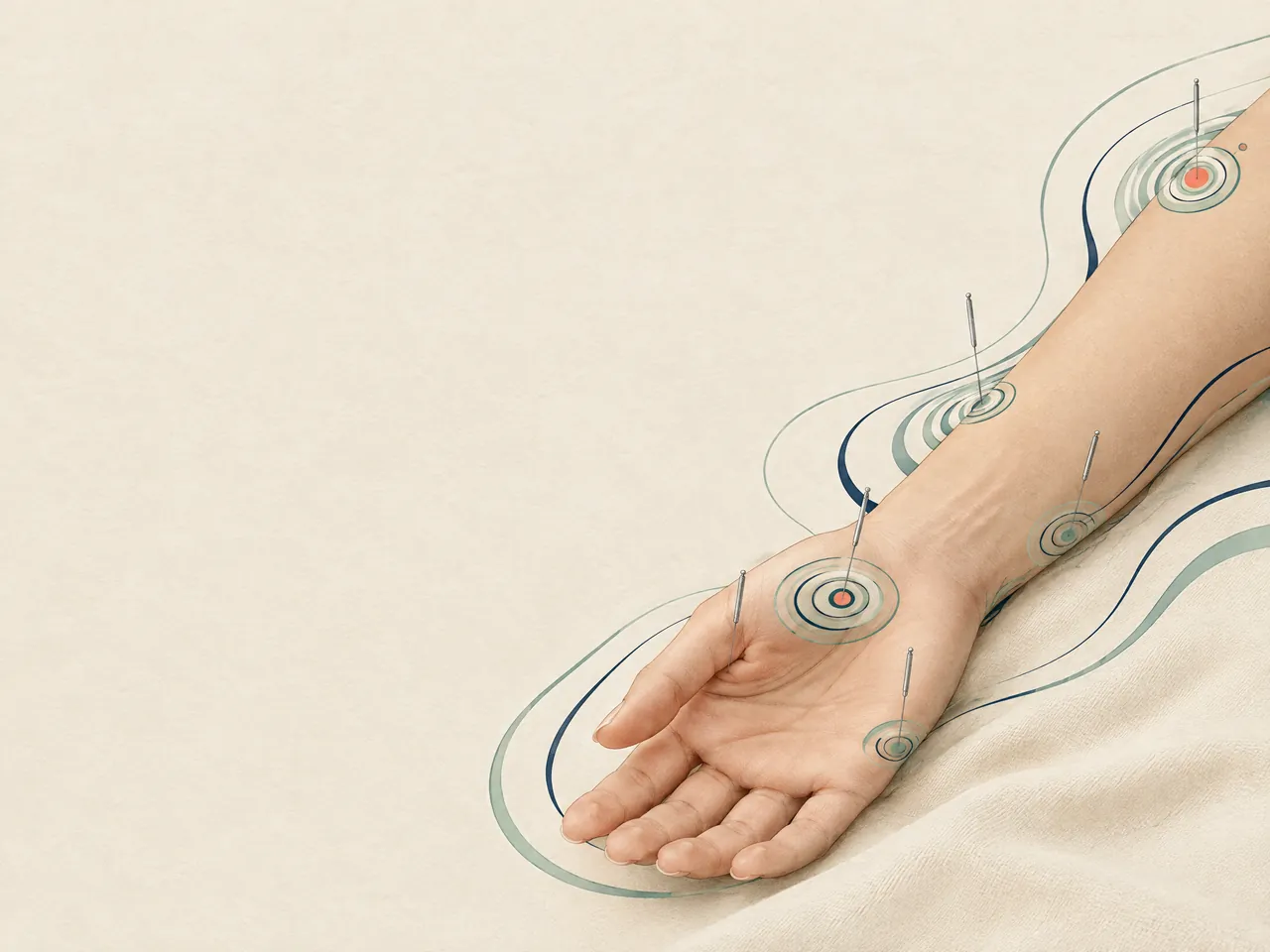
Some presentations should not wait for a routine treatment enquiry. Seek prompt medical attention for an obvious deformity, a limb or joint that has changed shape, an inability to bear weight, severe or increasing pain, major or worsening swelling or bruising, or pain and swelling that do not improve after a few days. The NHS also lists a crack at the time of injury, numbness or pins and needles, and skin that is blue, grey or cold as reasons for emergency assessment because a fracture or another serious injury may be possible [2].
New weakness, loss of coordination, persistent loss of feeling, a fever or feeling systemically unwell alongside an injured area, chest pain, breathing difficulty, or rapidly deteriorating symptoms are also reasons to seek urgent medical advice rather than wait to see whether hands-on care helps. The correct route depends on the symptom and local service, but the key point is not to let a planned clinic conversation delay emergency or urgent evaluation. If you are uncertain, describe the symptoms plainly when seeking medical advice rather than minimising them because they happened during sport.
Compare your options
| What to notice | Why it helps the assessment | What may be the sensible next step |
|---|---|---|
| How the injury started | A twist, fall, impact, sudden effort or gradual overload gives important context. | Describe the event and any immediate loss of function; seek medical help promptly if there is deformity, a crack or inability to bear weight. |
| Pain, swelling and movement | The location, pain quality, bruising, weakness and tasks that are limited show the functional pattern. | Discuss whether an assessment, activity adjustment, medical review or rehabilitation should lead before any treatment choice. |
| Training and daily load | Recent changes in distance, intensity, surface, equipment, work tasks or recovery can reveal a repeated aggravating factor. | Temporarily stop the movement that provokes pain and plan a gradual return with appropriate professional guidance. |
| Health history and current care | Medicines, bleeding risk, pregnancy, surgery, skin concerns, prior treatment and existing reports can affect safety and planning. | Share this information before acupuncture or Tui Na is considered and ask whether referral or coordination with another clinician is needed. |
On smaller screens, scroll the table sideways to compare all columns.
Chinese medicine sports injury approaches: acupuncture and Tui Na
Once serious injury has been considered and the problem has been assessed, the conversation may turn to options rather than assumptions. Chinese medicine may frame pain and movement restriction in its own clinical terms, while a practical plan still needs to account for the body part involved, the injury history, irritability of symptoms, activity demands and safety information. Acupuncture, Tui Na, activity modification, home-care advice or referral are not interchangeable items on a menu. The proposed approach should make sense for the individual findings and should be reviewed if the response or symptoms change.
Acupuncture involves the insertion of fine needles into the skin. It is often asked about for pain, but evidence should not be overstretched into a claim for every sports injury. The U.S. National Center for Complementary and Integrative Health says research suggests acupuncture may be helpful for several pain conditions, including some back or neck pain and knee osteoarthritis, while evidence and effects differ by condition [3]. Those findings do not diagnose an acute injury or establish that acupuncture is the right option for a particular ankle, shoulder, muscle or ligament problem.

Chinese medicine sports injury acupuncture as an assessed option
If acupuncture is being considered, ask what concern is being addressed and what the session is intended to contribute to the broader recovery plan. It is reasonable to ask where treatment may be applied, what you might feel, what short-term reactions you should report, and what aftercare or activity adjustment is suggested. Share any history of fainting with needles, bleeding disorders, medicines that affect bleeding, implanted electronic devices, pregnancy, skin infection or irritation near a possible treatment area. These facts can change the discussion and should be raised before treatment begins, not after an appointment has started.
Chinese medicine sports injury Tui Na and hands-on care considerations
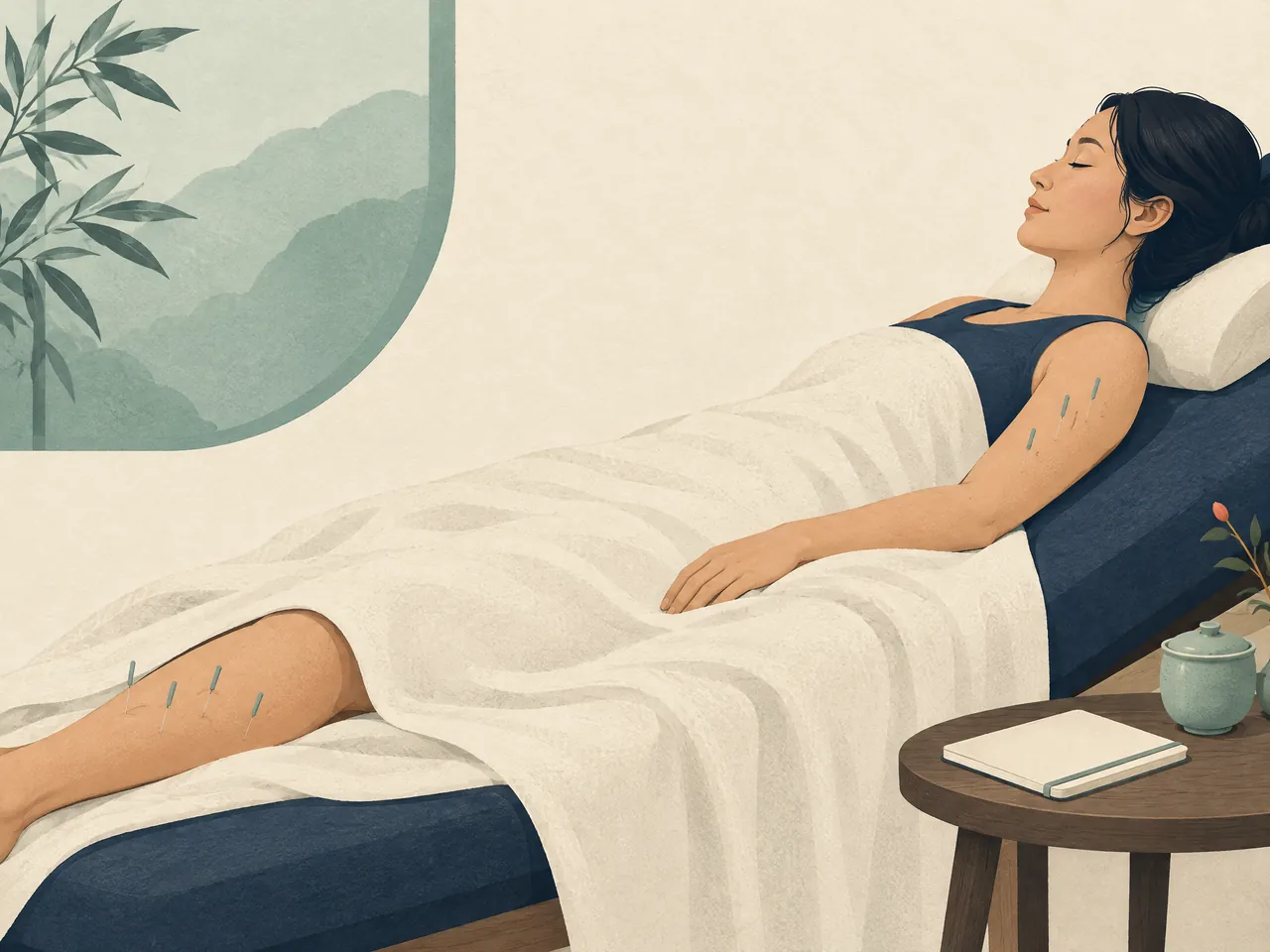
Tui Na and other hands-on approaches call for clear communication during the session. Describe the pressure that feels tolerable, whether a position recreates the familiar pain, and any sudden sharp pain, tingling, dizziness or feeling unwell. More pressure is not automatically more useful. The aim of a hands-on discussion may be to explore comfort and movement in an assessed context, not to force a stiff joint or to press through guarding after a recent injury. A practitioner can adjust, pause or decide that another pathway is safer when your symptoms or history indicate it.
Timing matters. A fresh injury with substantial swelling or bruising is different from a recurring tight feeling around a movement that has been medically assessed. It is sensible to explain exactly how recent the incident is, whether you have used a brace, and whether symptoms increase after walking, stairs, a training session or touch. If an activity has triggered pain repeatedly, the answer is not automatically to keep treating the same spot. Training load, technique, recovery time, footwear or a needed medical assessment may all be relevant to the broader plan.
Chinese medicine sports injury recovery: daily habits and next steps
Recovery is usually easier to manage when the plan respects both symptoms and the demands waiting outside the clinic. The injured area may need a period away from the movement that provokes pain, while ordinary activity may still need adjustment rather than complete withdrawal. The NIAMS advises not to work through pain from a particular movement or activity and explains that rehabilitation can rebuild strength and range of motion before return to the activity that caused the injury [1]. What that looks like should be individual, especially after trauma or when a diagnosis remains uncertain.
In the early period after a minor sprain or strain, the NHS describes protection, rest, ice, compression and elevation as self-care measures used to reduce swelling and support the injury. It also advises moving the area when pain no longer prevents movement, to avoid stiffness [2]. This is general information, not a home diagnosis or a substitute for care after a serious mechanism, major symptoms or persistent loss of function. Follow advice that matches the actual injury and any treatment already prescribed.

Chinese medicine sports injury activity, posture and gradual self-care
Use symptoms as information, not as a challenge to defeat. If a drill, run, serve, squat or carry task clearly provokes pain, stop that task and note what happened rather than repeatedly testing it. Keep a brief activity record: the movement, duration or load, symptoms during it, and how you feel later and the next day. This gives an assessment a concrete account of tolerance. It is more useful than alternating between complete rest and an abrupt return to the exact session that first triggered the problem.
Return to training should be gradual and linked to function, not only to the calendar. Consider whether normal walking, stairs, sleep, work tasks and the first easy version of the sport movement are manageable before progressing intensity, speed, range, contact or volume. Suitable equipment, technique and gradual increases in intensity are among the prevention steps highlighted by NIAMS [1]. A practitioner may discuss these habits alongside Chinese medicine care, but a sport-specific rehabilitation plan may need input from the relevant medical or rehabilitation professional.
Chinese medicine sports injury follow-up and treatment planning
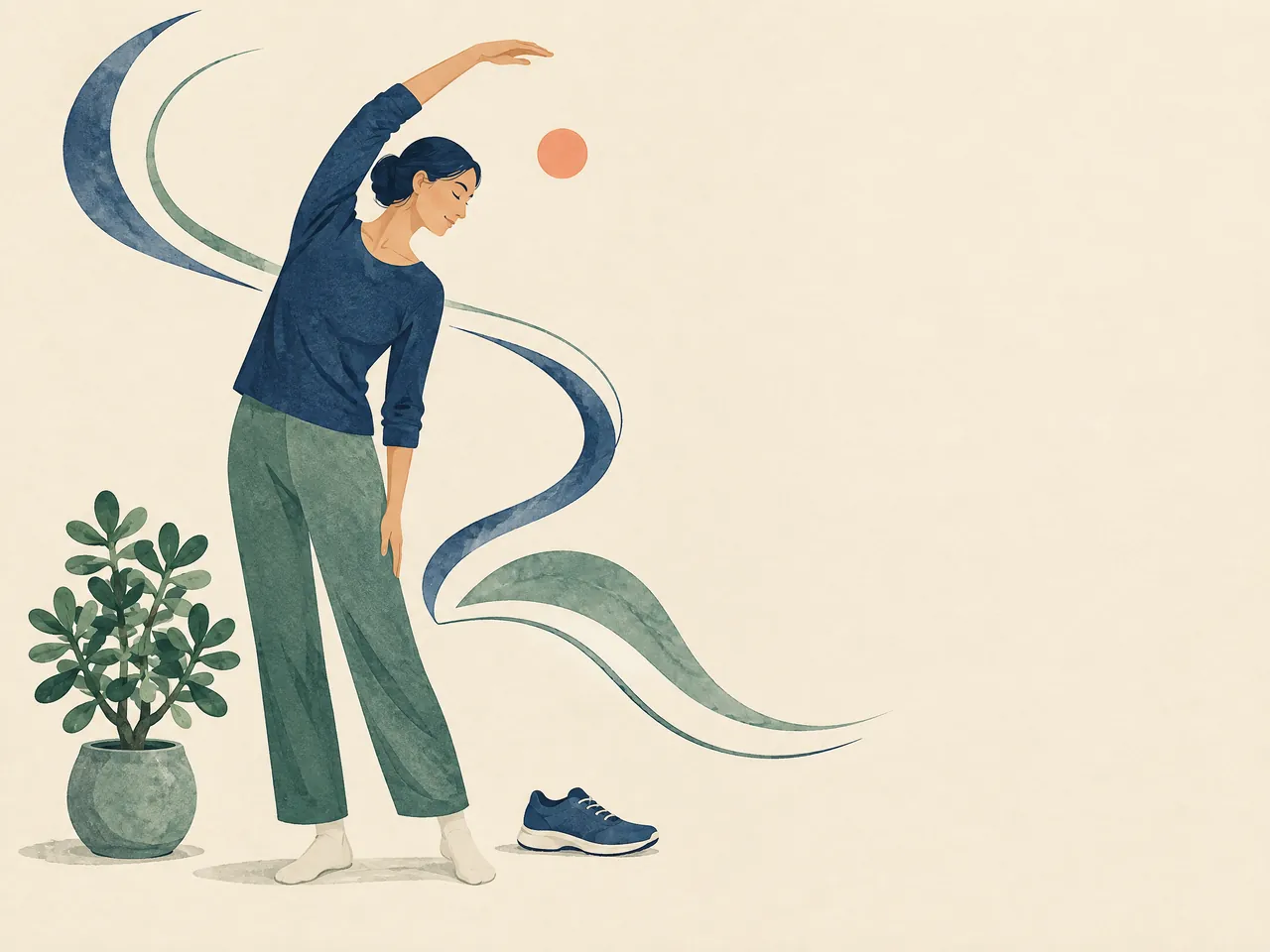
At follow-up, report both change and non-change. Explain whether pain occurs less often, whether the movement range feels different, whether you can do more in ordinary life, and whether symptoms return after a particular load. Also report new swelling, numbness, weakness, pain at rest, night pain or a decline in function. A useful plan is responsive: it can be continued, modified, paused or referred onward according to current findings. There is no fixed number of sessions that suits every sports injury, because the diagnosis, severity, goals and response vary.
Choose logistics that make it possible to communicate and follow through. TCM Lab has locations that can be explored through the acupuncture clinic Prince Edward page and the Kwun Tong Chinese medicine clinic page. When messaging, state the affected area, how the injury occurred, whether any urgent warning sign is present, what you hope to discuss and which location is more practical. Availability and the appropriate appointment arrangement should be confirmed directly rather than assumed from a web page.
Care and health guide
Health service information
This directory brings together services, reading, and visit information related to health services, to help you prepare questions for a consultation.
If you are organising health questions, Chinese medicine clinic Hong Kong is a starting point for learning about related services and preparing for a consultation.
People have different needs; acupuncture Hong Kong provides further reading to help you understand options in your own context.


Your questions, answered
Frequently asked questions
When should I seek urgent medical attention for a sports injury?
Seek urgent medical advice for severe or worsening pain, major or worsening swelling or bruising, inability to bear weight, marked stiffness or difficulty moving, or symptoms that do not improve. Emergency assessment is important if there is a deformity, a crack at the time of injury, numbness or tingling, or skin that is cold or changes blue or grey. Chest pain, breathing difficulty, fever with worsening symptoms, or rapidly increasing weakness also need prompt medical attention.
Is Chinese medicine suitable for every sports injury?
No. The injury mechanism, symptoms, movement limits, medical history and warning signs need individual assessment. Acupuncture or Tui Na may be discussed in some situations, but a suspected fracture, severe acute injury, neurological symptoms, infection, unexplained worsening or a need for imaging may make medical evaluation or referral the more appropriate next step.
What should I tell the practitioner before acupuncture or Tui Na?
Explain how the injury happened, what tasks or sport movements are limited, when symptoms occur, and what treatments you have already tried. Mention medicines, including those that affect bleeding, pregnancy, bleeding disorders, surgery, implanted devices, allergies, skin infection or irritation, and previous reactions to needles or hands-on treatment. Bring relevant scan or medical reports where available.
How soon can I return to sport after an injury?
There is no single timetable for all injuries. Return should reflect the diagnosis, severity, healing, strength, movement, sport demands and professional advice. Do not use the absence of pain during one easy session as proof that full intensity is safe. Build activity gradually and seek reassessment if pain, swelling, instability, weakness or altered sensation returns or worsens.
Sources and further information
- [1] NIAMS — Sports Injuries: Diagnosis, Treatment, and Steps to Take
Referenced for: U.S. National Institutes of Health guidance on sports-injury assessment, serious-injury symptoms, rehabilitation and gradual return to activity.
- [2] NHS — Sprains and strains
Referenced for: Public-health guidance on common sprain and strain symptoms, early self-care and urgent or emergency warning signs.
- [3] NCCIH — Acupuncture: Effectiveness and Safety
Referenced for: U.S. National Institutes of Health information on acupuncture, the condition-specific scope of pain research and safety context.