
TCM Lab · Health reading
Children's Tui Na Massage, Chinese Pediatric Massage & Chinese Paediatric Massage Explained
Published Updated
When a parent searches for children’s tui na massage, Chinese pediatric massage or Chinese paediatric massage, they are usually trying to work out whether the names describe the same kind of child-focused appointment and what to ask next. In everyday use, they largely point to Paediatric Tui Na, with American and British spelling accounting for much of the difference. The useful next step is not to assume a one-size-fits-all session, but to ask how a practitioner would discuss your child’s situation, comfort and appointment arrangements.
Appointments are confirmed through WhatsApp. If you have language requirements, please mention them in your enquiry.

The short answer
Children’s tui na massage, Chinese pediatric massage and Chinese paediatric massage are closely related English search terms for a child-focused Tui Na approach. “Pediatric” is the American spelling and “paediatric” is the British spelling. Before arranging a visit, parents can ask about the practitioner’s credentials, what information to bring, how a child’s comfort will be handled, and whether a suitable appointment is available at the Prince Edward or Kwun Tong clinic.
Transparent pricing
See the fees.
Choose your care.
Explore our complete official price list, including first-trial prices, regular prices, packages and branch-specific options.
Opening WhatsApp prepares an enquiry; it does not send a message, take payment or confirm an appointment. Suitability and individual arrangements are confirmed during consultation.
Chinese medicine
All prices in HKDAcupuncture and Chinese herbal medicine package
Includes a Chinese medicine consultation with pulse assessment, body acupuncture and 3 days of Chinese herbal granules that do not require decoction.
HK$580 (single session)
Chinese medicine consultation with pulse assessment
Hair and scalp
All prices in HKDScalp health and hair-loss management
Includes AI scalp analysis, deep scalp and follicle cleansing, and scalp oil-control care.
HK$380 (first trial)
Regular price: HK$680
- 6 sessions: HK$3,480 (HK$580 per session)
- 12 sessions: HK$5,760 (HK$480 per session)
- 20 sessions: HK$8,600 (HK$430 per session)
- 30 sessions: HK$11,400 (HK$380 per session)
Hair acupuncture and Chinese herbal medicine package
Includes scalp acupuncture and 3 days of Chinese herbal medicine that does not require decoction.
HK$580 (single session)
Registered Chinese Medicine Practitioner consultation
- 6 sessions: HK$3,180 (HK$530 per session)
- 12 sessions: HK$5,760 (HK$480 per session)
- 20 sessions: HK$8,600 (HK$430 per session)
- 30 sessions: HK$11,400 (HK$380 per session)
Combined hair and scalp treatment
Combines acupuncture and Chinese herbal medicine with salon-level scalp and follicle care. Packages include complimentary hair-care shampoo and serum.
HK$1,260 (single session)
Combined treatment
- 8 sessions: HK$8,640 (HK$1,080 per session)
- 16 sessions: HK$15,680 (HK$980 per session)
- 20 sessions: HK$18,600 (HK$930 per session)
- 30 sessions: HK$26,400 (HK$880 per session)
Weight management
All prices in HKDFull-body acupoint embedding for weight management
Includes full-body acupoint embedding. Packages include complimentary Chinese herbal medicine for weight management, with the number of included days scaled to the package. Embedding material and the individual treatment arrangement are confirmed during consultation; this is not a cosmetic thread lift.
HK$980 (single session)
No trial session
- 10 sessions: HK$7,800 (HK$780 per session)
- 20 sessions: HK$14,600 (HK$730 per session)
- 30 sessions: HK$20,400 (HK$680 per session)
Facial acupuncture
All prices in HKDFacial acupuncture (basic)
Includes facial acupuncture and meridian-based facial care, including care for facial puffiness.
HK$480 (first trial)
Regular price: HK$680
- 10 sessions: HK$5,200 (HK$520 per session)
- 20 sessions: HK$9,600 (HK$480 per session)
- 30 sessions: HK$13,500 (HK$450 per session)
Facial acupuncture (advanced)
Includes enhanced facial acupuncture with a specially formulated moisturising mask and serum.
HK$780 (first trial)
Regular price: HK$1,180
- 10 sessions: HK$9,000 (HK$900 per session)
- 20 sessions: HK$16,600 (HK$830 per session)
- 30 sessions: HK$23,400 (HK$780 per session)
Pain care
All prices in HKDExtracorporeal shockwave treatment
Shockwave treatment for deep-tissue and fascial care. The Kwun Tong clinic offers the multi-area options shown below.
Priced by branch
Branch-specific pricing
Prince Edward: HK$250 per area
Kwun Tong: HK$250 for 1 area / HK$450 for 2 areas / HK$600 for 3 areas
Pain care (manual therapy)
Includes Chinese medicine musculoskeletal assessment, manual joint techniques and tui na.
HK$580 (single session)
Chinese medicine musculoskeletal assessment
Pain care (acupuncture and manual therapy)
Combines acupuncture and manual therapy.
HK$680 (single session)
Combined care
Children's Tui Na Massage, Chinese Pediatric Massage & Chinese Paediatric Massage: What the Terms Mean
The three phrases are best treated as related search names rather than as promises of three separate treatments. “Children’s tui na massage” is a plain-English phrase many parents type when they are looking for a traditional Chinese medicine manual approach for a child. “Chinese pediatric massage” uses American spelling; “Chinese paediatric massage” uses British spelling, which is common in Hong Kong English. “Tui Na”, “Tuina” and “tui na” may also appear with different spacing or capitalisation. What matters is confirming what a particular clinic means by the label, who would see the child and whether the appointment is appropriate to discuss in the first place. Hong Kong clinic pages use both “Paediatric Tui Na” and “Pediatric Tui Na Massage”, illustrating the naming variation rather than a reliable distinction in outcome or scope. [4] [5]
The word “massage” can make the search feel familiar, but it should not lead a parent to assume that every session follows a standard spa sequence or has a predictable result. The U.S. National Center for Complementary and Integrative Health includes Tuina among massage traditions derived from Eastern cultures. [3] In a TCM setting, a practitioner may frame the conversation through traditional Chinese medicine concepts and consider the child’s history before discussing any hands-on approach. That is different from claiming that a web-page phrase diagnoses a concern or replaces ordinary medical assessment. If your child is unwell, injured, has a worrying new symptom, or you are uncertain about what is safe, seek appropriate medical advice rather than letting any complementary appointment delay needed care. [3]
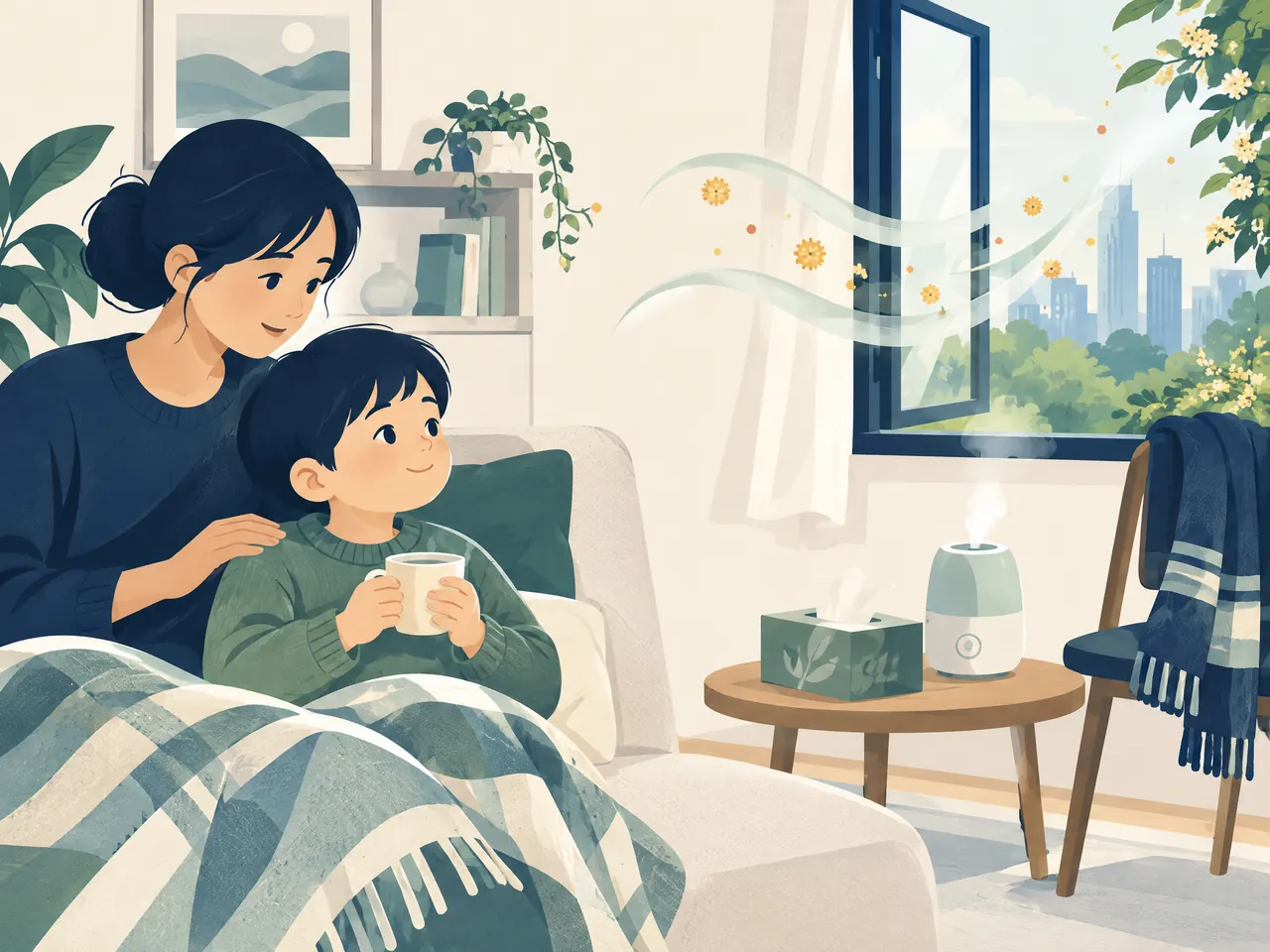
Children's Tui Na Massage, Chinese Pediatric Massage & Chinese Paediatric Massage as Search Names
Search language often reflects a parent’s starting point, not a settled decision. Someone may begin with “children’s tui na massage” because they heard the phrase from family, then search “Chinese paediatric massage” after seeing the British spelling on a local site. Another parent may prefer “Chinese pediatric massage” because that is the spelling used by an overseas source. These routes can all lead to the same practical questions: Is the service child-focused? Is there time to discuss the child before any manual work? What does the practitioner need to know? For a shorter overview of the terminology, see what is paediatric tui na. Treat wording as a way to find information, then use the enquiry to establish the actual service, boundaries and availability for your own family.

Children's Tui Na Massage, Chinese Pediatric Massage & Chinese Paediatric Massage in a Traditional Chinese Medicine Context
Credentials are a sensible part of that conversation. In Hong Kong, the Department of Health says that Chinese medicine practitioners are among the healthcare professionals who must be registered with their respective boards or councils before practising; it identifies the Chinese Medicine Council of Hong Kong for this profession. [1] The Chinese Medicine Regulatory Office also describes registration and the Council’s licensing examination within the regulatory approach. [2] These sources support checking professional status; they do not establish that a particular treatment will help a particular child. You can ask who is scheduled to see your child and what information they need before confirming an appointment.
Compare your options
| Name a parent may see | What the wording usually signals | Useful question before arranging an appointment |
|---|---|---|
| Children’s tui na massage | A plain-English search for a child-focused Tui Na discussion | How would you assess whether it is appropriate to discuss for my child? |
| Chinese pediatric massage | The American spelling of pediatric used with a Chinese medicine manual-therapy term | Who would meet my child, and what health information should I send first? |
| Chinese paediatric massage | The British spelling of paediatric, commonly seen in Hong Kong English | Can a parent remain present, and how would you handle a child who is uncomfortable? |
| Paediatric Tui Na or paediatric tuina | A TCM-oriented name with alternate spacing or capitalisation | Which clinic location and appointment arrangement can you confirm for our family? |
On smaller screens, scroll the table sideways to compare all columns.
Children's Tui Na Massage, Chinese Pediatric Massage & Chinese Paediatric Massage: What Parents Can Expect
A well-prepared enquiry makes a first visit less rushed. Before contacting a clinic, note your child’s age, the reason you are considering a consultation, relevant diagnoses or injuries, current medicines or supplements, allergies or skin sensitivities, and any care already being provided. Mention whether the child finds unfamiliar touch difficult, needs a parent beside them, or has a time of day when they are more settled. These are not details that parents need to interpret medically; they are practical context for a practitioner to consider. Loose, comfortable clothing can make it easier to discuss what is comfortable, but do not assume that any particular area of the body will be involved. Ask first what the proposed process would be and how privacy and comfort are approached.
Children vary widely in how they respond to an unfamiliar clinical setting. A useful appointment should leave room for a parent to ask what will happen before it happens, and for the child’s response to be observed throughout. You can ask whether the child may remain with a parent, how consent and assent are handled in age-appropriate ways, and what happens if the child becomes upset or says no. A parent is not being difficult by slowing the conversation down. The general massage guidance from NCCIH recommends asking about training, experience and credentials and says massage should not be used to postpone seeing a health-care provider about a medical problem. [3] This is a practical safety principle, not a judgement on a family’s interest in TCM.
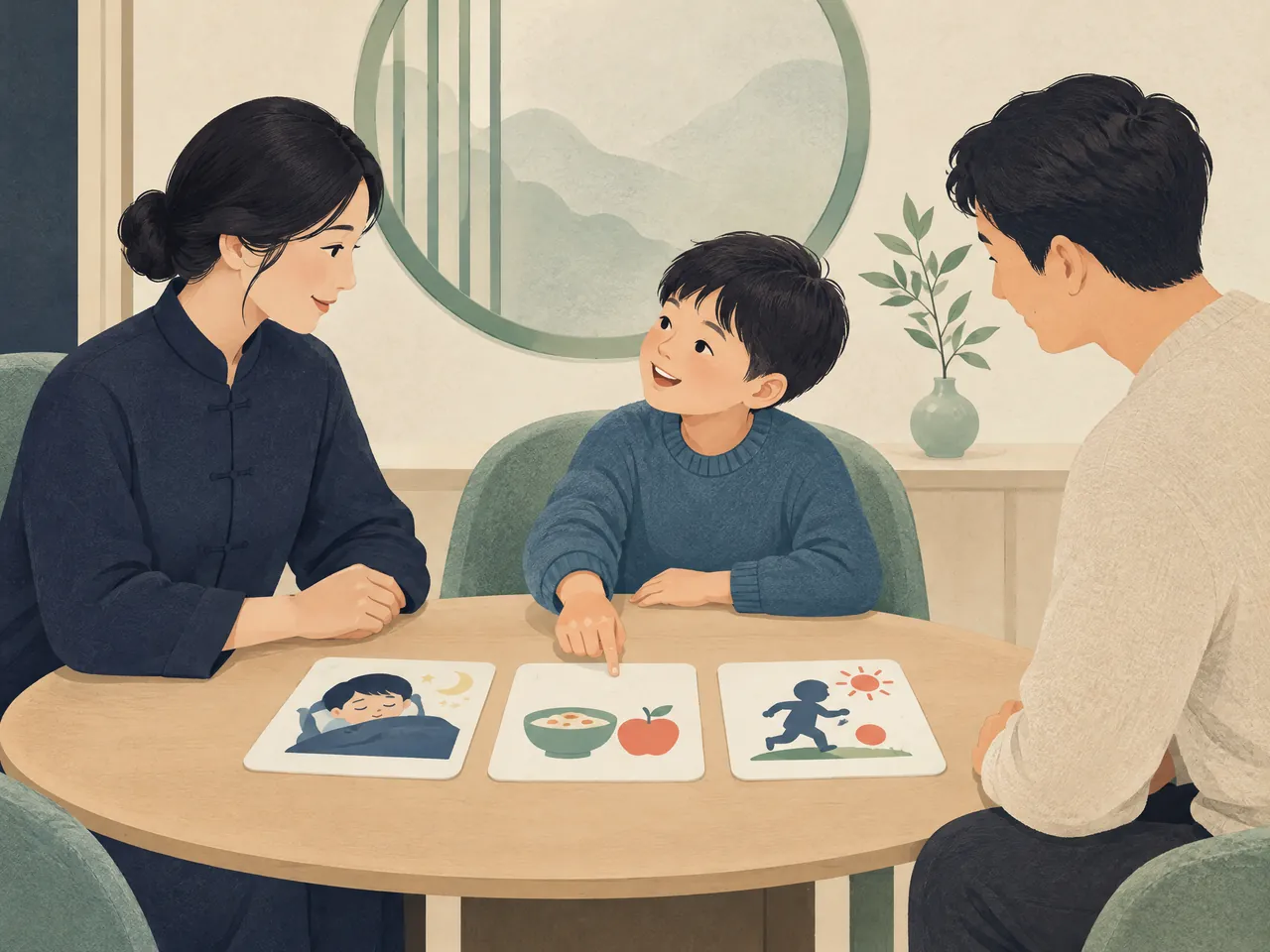
Children's Tui Na Massage, Chinese Pediatric Massage & Chinese Paediatric Massage: Discussing a Child's Needs
The discussion of a child’s needs should be specific enough to guide a decision, yet calm enough that a parent does not feel obliged to present a diagnosis. Start with what you have observed and when it began. Explain whether the issue is changing, whether your child has already been assessed elsewhere, and whether anything makes it better or worse. Give a complete account of medicines and other health care so the practitioner has the right context. If a child has fever, severe pain, breathing difficulty, a significant injury, marked lethargy, dehydration, or another urgent concern, contact an appropriate medical service promptly instead of waiting for a Tui Na enquiry. An appointment conversation is not a substitute for urgent assessment.
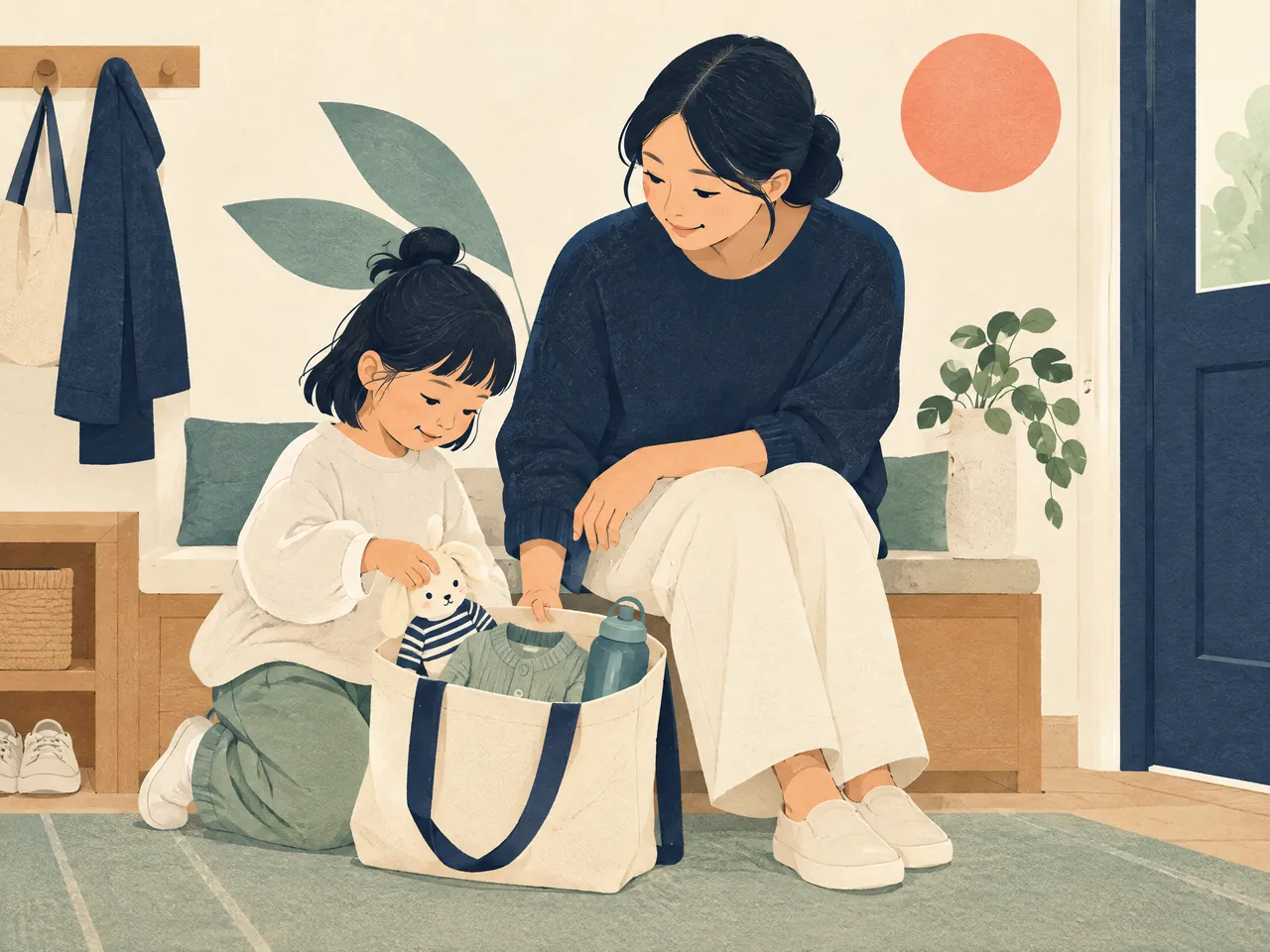
Children's Tui Na Massage, Chinese Pediatric Massage & Chinese Paediatric Massage: Session Questions to Ask
Good questions are short, concrete and focused on your child. Ask who will conduct the appointment and whether that person is a Registered Chinese Medicine Practitioner. Ask what information should be supplied in advance, whether a parent stays with the child, and how the practitioner explains the proposed approach before beginning. Ask how the child can signal discomfort and whether the session can pause or stop if they become distressed. It is reasonable to ask about expected appointment length, but do not assume a duration seen on another clinic’s website applies to TCM Lab. You may also ask about the consultation fee and any potential next steps before consenting to anything beyond the initial discussion.
Children's Tui Na Massage, Chinese Pediatric Massage & Chinese Paediatric Massage: Enquiries in Hong Kong
For a Hong Kong enquiry, give the clinic enough information to check arrangements rather than asking for a generic “children’s massage” slot. A WhatsApp message can state your child’s age, the main reason you want to speak with a practitioner, whether there are health details to flag, your preferred location and any language needs. TCM Lab can be contacted on WhatsApp at +852 6940 5663. Appointments are arranged with the practitioner, so a message is an enquiry rather than an automatic booking or confirmation. The clinics operate from 11:00 to 21:00, subject to appointment arrangements. If you need a particular day or a quieter time for a child, say so and ask what may be possible rather than assuming a regular paediatric schedule.
There are two confirmed physical clinic locations: Prince Edward at 1/F, 27 Ki Lung Street, Prince Edward, and Kwun Tong at Room 03, 21/F, 50 Hoi Yuen Road, Kwun Tong. Choosing between them can be a family logistics decision: travel time, school pick-up, lift access, a familiar route and whether a child is likely to cope better before or after a meal or rest. Those factors are worth mentioning because a workable appointment is part of a calm first encounter. They are not clinical measures of suitability. If the child’s condition changes before the visit, update the clinic and seek appropriate medical help where needed rather than relying on an earlier enquiry.
Children's Tui Na Massage, Chinese Pediatric Massage & Chinese Paediatric Massage at Prince Edward or Kwun Tong
Parents near Kowloon can enquire about a preferred location without presuming that a specific practitioner or service is available there at a certain time. The location pages for Chinese medicine clinic Prince Edward and Kwun Tong Chinese medicine clinic can help with the basic clinic reference points. In your message, state that the enquiry concerns children’s tui na massage or Chinese paediatric massage, identify the child’s age, and ask whether a suitable consultation can be arranged. If you are comparing descriptions, the page on paediatric tuina gives another route into the terminology. Confirmation should come from the clinic, not from a search result or a prior experience at a different location.

Children's Tui Na Massage, Chinese Pediatric Massage & Chinese Paediatric Massage and Home Visit Enquiries
A family outside Prince Edward or Kwun Tong can ask about a home visit, but should treat it as an enquiry, not as a stated service guarantee or evidence of a nearby branch. Include the district, building access considerations, the child’s age, the reason for contacting the clinic and any relevant timing needs. The clinic can then advise whether a home-visit arrangement is available to discuss. A home setting may feel more familiar to a child, yet it still requires the same careful conversation about health history, comfort, consent and whether another form of care is more appropriate. Parents should not delay seeking medical help for an urgent concern while waiting for a reply about travel arrangements.
Before agreeing to any home or clinic appointment, confirm the practical details in writing: proposed date and time, who is expected to attend, how to notify the practitioner if the child is unwell, and the best way to reschedule. Share any language preference so the clinic can say what arrangements may be possible; the website does not promise an English-speaking consultation. Be cautious of pages that make broad claims about what Chinese pediatric massage can achieve. For a parent, the more useful standard is whether the practitioner answers your questions clearly, respects your child’s responses and explains when conventional medical assessment should take priority. That conversation is the foundation for an informed decision.
Care and health guide
Pain-care information
This directory brings together services, reading, and visit information related to pain care, to help you prepare questions for a consultation.
When pain care affects your day, noting when it occurs, its relation to activity, and what you have already tried can help prepare a consultation; Chinese medicine pain management Hong Kong is a relevant service or reading entry point.
Individual circumstances differ, and acupuncture Hong Kong offers related information to help you understand options and prepare questions.


Your questions, answered
Frequently asked questions
Are children’s tui na massage, Chinese pediatric massage and Chinese paediatric massage different treatments?
They are commonly related names for a child-focused Tui Na enquiry. “Pediatric” and “paediatric” are American and British spellings of the same word. “Massage” is a plain-English term, but the exact assessment and any proposed approach should be confirmed with the practitioner rather than assumed from the label.
What should I tell the practitioner before a children’s Tui Na appointment?
Share your child’s age, the reason for the enquiry, relevant diagnoses, injuries, medicines, allergies or skin sensitivities, other care being received and any difficulty with unfamiliar touch. Also mention practical needs such as a parent staying in the room, your preferred clinic, timing and language preference.
When should I seek medical care rather than wait for a Tui Na enquiry?
Seek appropriate medical care promptly for urgent or concerning symptoms, significant injury, breathing difficulty, severe pain, marked lethargy, dehydration, or any situation that worries you. Complementary care should not postpone assessment of a medical problem. [3]
Where can I enquire about Chinese paediatric massage in Hong Kong?
Contact TCM Lab on WhatsApp at +852 6940 5663 to ask about appointment availability at Prince Edward or Kwun Tong. For other districts, you may ask whether a home-visit arrangement can be discussed. An enquiry is not an automatic booking; the clinic must confirm the practical arrangements.
Sources and further information
- [1] Hong Kong Department of Health — Registration of Healthcare Professionals
Referenced for: [1] Supports the statement that Chinese medicine practitioners are among Hong Kong healthcare professionals required to register with their respective boards or councils, and identifies the Chinese Medicine Council of Hong Kong.
- [2] Chinese Medicine Regulatory Office — Regulation of Chinese Medicine Practitioner
Referenced for: [2] Supports the description of Hong Kong’s Chinese medicine practitioner regulatory and licensing approach.
- [3] NCCIH — Massage Therapy: What You Need To Know
Referenced for: [3] Supports the identification of Tuina as an Eastern-derived massage tradition and general guidance on credentials, medical care and massage safety; it does not support child-specific treatment claims.
- [4] Eu Yan Sang Clinic Hong Kong — Paediatric Tui Na
Referenced for: [4] Supports the observed use of the term Paediatric Tui Na and the convention of pre-session history discussion and availability enquiry on a Hong Kong clinic page; no clinical claims are adopted.
- [5] Oriental Health Hong Kong — Pediatric Tui Na Massage
Referenced for: [5] Supports the observed American-spelling label Pediatric Tui Na Massage on a Hong Kong clinic page; no clinical claims are adopted.