
TCM Lab · Health reading
Acupuncture for Hay Fever: Acupuncture and Antihistamines and Acupuncture and Steroid Nasal Spray
Published Updated
Hay fever can make a short MTR journey, a meeting in an air-conditioned office, or a night’s sleep feel much harder when repeated sneezing, nasal itch, clear discharge and congestion take over. For an adult with confirmed or likely allergic rhinitis, acupuncture may be worth discussing as an adjunct, not a replacement for assessment and usual treatment. The practical question is not whether to choose acupuncture or medicine in isolation, but how to identify the pattern, keep prescribed treatment safe, and decide whether an additional option is reasonable.
Appointments are confirmed through WhatsApp. If you have language requirements, please mention them in your enquiry.
The short answer
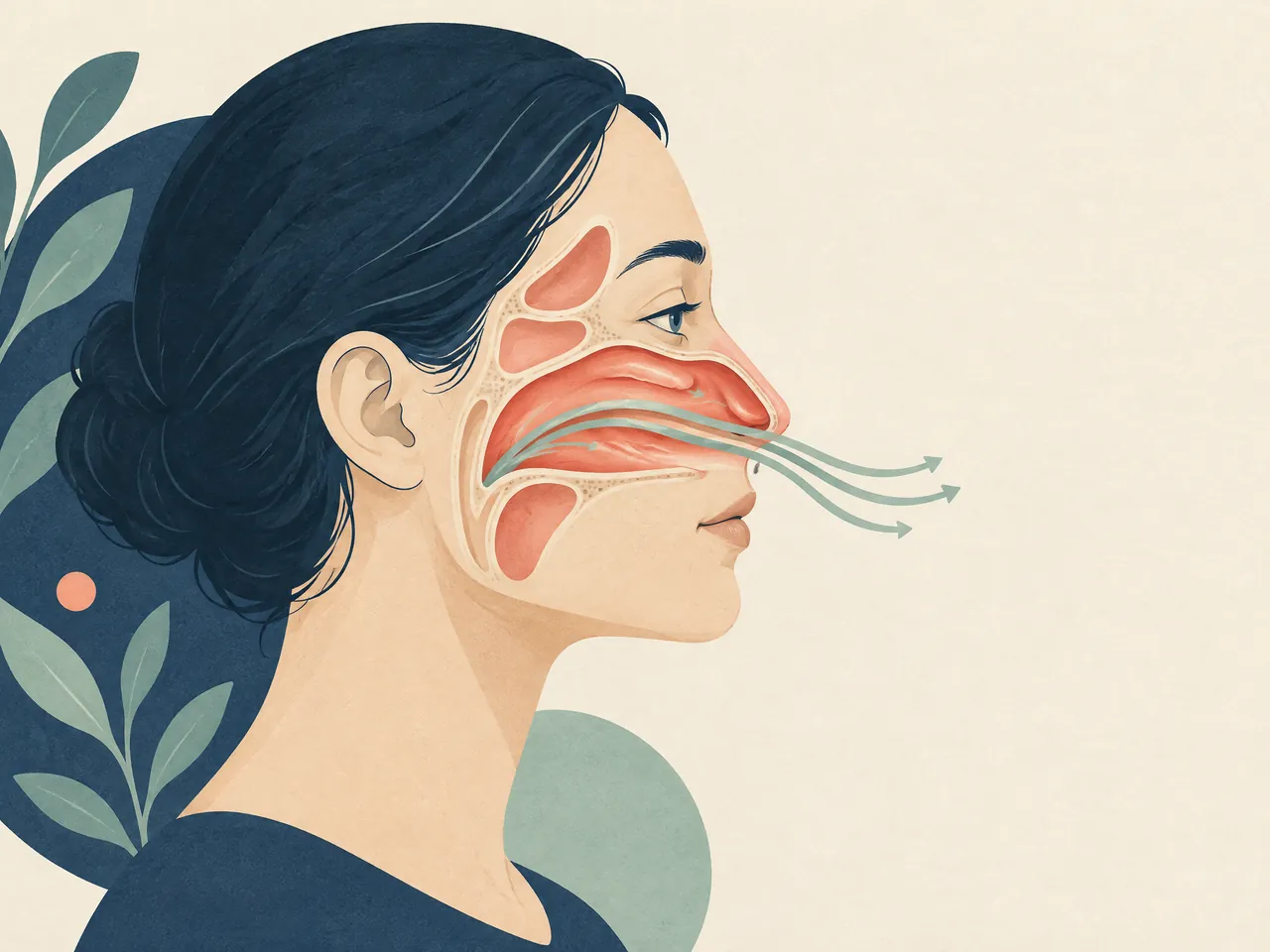
Acupuncture for hay fever may be considered as an adjunct for adults with allergic rhinitis, but it is not a substitute for identifying triggers or using prescribed care. A systematic review found possible adult symptom and quality-of-life benefit, while important limitations and unclear child effects remain [2]. Do not stop antihistamines or a steroid nasal spray because you begin acupuncture. Discuss medicines with the prescriber and seek medical review when symptoms are uncontrolled, disrupt sleep, or occur with worsening asthma.
Transparent pricing
See the fees.
Choose your care.
Explore our complete official price list, including first-trial prices, regular prices, packages and branch-specific options.
Opening WhatsApp prepares an enquiry; it does not send a message, take payment or confirm an appointment. Suitability and individual arrangements are confirmed during consultation.
Chinese medicine
All prices in HKDAcupuncture and Chinese herbal medicine package
Includes a Chinese medicine consultation with pulse assessment, body acupuncture and 3 days of Chinese herbal granules that do not require decoction.
HK$580 (single session)
Chinese medicine consultation with pulse assessment
Hair and scalp
All prices in HKDScalp health and hair-loss management
Includes AI scalp analysis, deep scalp and follicle cleansing, and scalp oil-control care.
HK$380 (first trial)
Regular price: HK$680
- 6 sessions: HK$3,480 (HK$580 per session)
- 12 sessions: HK$5,760 (HK$480 per session)
- 20 sessions: HK$8,600 (HK$430 per session)
- 30 sessions: HK$11,400 (HK$380 per session)
Hair acupuncture and Chinese herbal medicine package
Includes scalp acupuncture and 3 days of Chinese herbal medicine that does not require decoction.
HK$580 (single session)
Registered Chinese Medicine Practitioner consultation
- 6 sessions: HK$3,180 (HK$530 per session)
- 12 sessions: HK$5,760 (HK$480 per session)
- 20 sessions: HK$8,600 (HK$430 per session)
- 30 sessions: HK$11,400 (HK$380 per session)
Combined hair and scalp treatment
Combines acupuncture and Chinese herbal medicine with salon-level scalp and follicle care. Packages include complimentary hair-care shampoo and serum.
HK$1,260 (single session)
Combined treatment
- 8 sessions: HK$8,640 (HK$1,080 per session)
- 16 sessions: HK$15,680 (HK$980 per session)
- 20 sessions: HK$18,600 (HK$930 per session)
- 30 sessions: HK$26,400 (HK$880 per session)
Weight management
All prices in HKDFull-body acupoint embedding for weight management
Includes full-body acupoint embedding. Packages include complimentary Chinese herbal medicine for weight management, with the number of included days scaled to the package. Embedding material and the individual treatment arrangement are confirmed during consultation; this is not a cosmetic thread lift.
HK$980 (single session)
No trial session
- 10 sessions: HK$7,800 (HK$780 per session)
- 20 sessions: HK$14,600 (HK$730 per session)
- 30 sessions: HK$20,400 (HK$680 per session)
Facial acupuncture
All prices in HKDFacial acupuncture (basic)
Includes facial acupuncture and meridian-based facial care, including care for facial puffiness.
HK$480 (first trial)
Regular price: HK$680
- 10 sessions: HK$5,200 (HK$520 per session)
- 20 sessions: HK$9,600 (HK$480 per session)
- 30 sessions: HK$13,500 (HK$450 per session)
Facial acupuncture (advanced)
Includes enhanced facial acupuncture with a specially formulated moisturising mask and serum.
HK$780 (first trial)
Regular price: HK$1,180
- 10 sessions: HK$9,000 (HK$900 per session)
- 20 sessions: HK$16,600 (HK$830 per session)
- 30 sessions: HK$23,400 (HK$780 per session)
Pain care
All prices in HKDExtracorporeal shockwave treatment
Shockwave treatment for deep-tissue and fascial care. The Kwun Tong clinic offers the multi-area options shown below.
Priced by branch
Branch-specific pricing
Prince Edward: HK$250 per area
Kwun Tong: HK$250 for 1 area / HK$450 for 2 areas / HK$600 for 3 areas
Pain care (manual therapy)
Includes Chinese medicine musculoskeletal assessment, manual joint techniques and tui na.
HK$580 (single session)
Chinese medicine musculoskeletal assessment
Pain care (acupuncture and manual therapy)
Combines acupuncture and manual therapy.
HK$680 (single session)
Combined care
Acupuncture for Hay Fever, Acupuncture and Antihistamines, and Acupuncture and Steroid Nasal Spray: Understanding Symptoms and Triggers
Hay fever commonly means pollen-related seasonal allergic rhinitis, but allergic rhinitis can also occur year-round when indoor allergens are involved. The Hong Kong Department of Health lists dust mites, pollen, fungus and animal hair or fur among examples of triggers. Sneezing, an itchy or blocked nose, clear runny discharge, and itchy or watery eyes form a familiar cluster [1]. This helps frame acupuncture as an adjunct for allergic-rhinitis symptoms, not an assumption about every stuffy nose.
Symptoms may fluctuate with a bedroom, a pet, dampness, outdoor pollen, strong fragrance, air pollution, or sudden changes in temperature. A person can also have more than one contributor. For example, nasal irritation in an overly cold office does not prove a pollen allergy, and thick discoloured mucus or fever calls for a different conversation. Before considering acupuncture for hay fever, it is sensible to clarify the symptom pattern with a pharmacist or doctor when the cause is uncertain. Our related guide to runny nose when the weather changes explains why temperature-related nasal symptoms are not automatically the same as an allergy.
This distinction protects useful care from becoming an either-or choice. Allergic-rhinitis management can include reducing known triggers and medicines recommended by a pharmacist or prescriber. Acupuncture, if selected after individual discussion, sits beside those steps. A traditional Chinese medicine consultation may ask about nasal symptoms, sleep, appetite, temperature preference and general wellbeing. That approach does not replace allergy testing, a medical diagnosis, or evaluation for asthma and other respiratory conditions.

Acupuncture for Hay Fever, Acupuncture and Antihistamines, and Acupuncture and Steroid Nasal Spray: Recognising Allergic Rhinitis
Look for a repeatable relationship rather than one isolated bad day. Symptoms that recur in the same season, arrive after a likely allergen exposure, or settle away from a familiar environment are useful clues. Itchy eyes and an itchy nose can point more strongly toward allergic rhinitis than a simple cold, although no single symptom confirms it. A cough can accompany allergic rhinitis, and eczema or asthma may coexist [3]. In a child, tiredness, poor concentration and disrupted sleep deserve attention [1].
Hay fever can feel like congestion, sneeze-and-drip, eye irritation, or all of these at once. That description affects treatment questions. An antihistamine is often used for itching, sneezing and runny discharge, while a steroid nasal spray is used for its anti-inflammatory effect in the nose [1]. Describe what is most troublesome and when it occurs, rather than saying only that ‘the allergy is bad’. For broader day-to-day options, see allergic rhinitis symptom management.
Medical assessment should take priority if breathing is difficult, wheeze or chest tightness occurs, or asthma is getting worse. Arrange a review too when symptoms affect sleep or normal daily activity, pharmacy treatment is not helping, or the trigger is unclear [3]. These are reasons to check that the diagnosis and treatment plan are appropriate.
Acupuncture for Hay Fever, Acupuncture and Antihistamines, and Acupuncture and Steroid Nasal Spray: Keeping a Useful Symptom Record
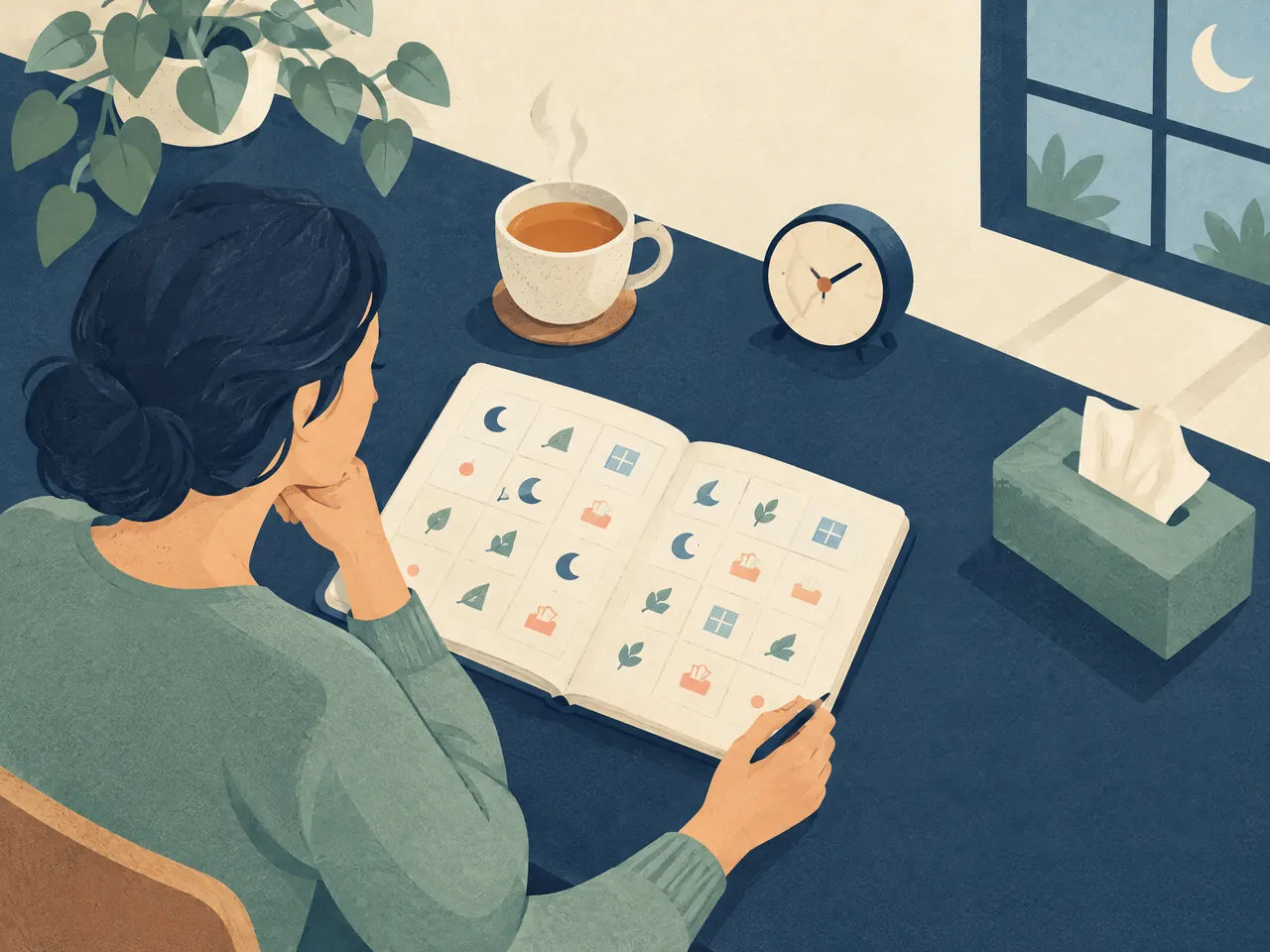
A short symptom record can make a consultation more concrete. On symptomatic days, note the main complaint, time, place, possible exposures and relief used. Include whether windows were open, bedding was changed, a pet was nearby, a room smelled strongly of fragrance or paint, or the weather changed abruptly. Record medicine names, nasal sprays, eye drops and supplements. This will not prove one trigger, but it can reveal patterns that are easy to forget after a difficult week.
Keep entries focused enough to use. ‘Morning: sneezing and watery eyes after making the bed; took usual antihistamine’ is more helpful than scoring every sensation. Note the impact too: waking at night, mouth breathing, poor concentration, avoiding a park or missing exercise. A consultation about seasonal allergic rhinitis acupuncture can then start with a clearer account of what is happening, not an expectation of a standard number of sessions.
For a child, a parent or carer can keep the diary, including school-day and weekend patterns. Bring diagnosed allergies, an asthma action plan, previous reactions and current medicines. If the child is frightened of needles or cannot tolerate a procedure, that response should be respected. A record should support informed decisions, not delay ordinary medical review.
Compare your options
| Option or step | What to discuss or record | Key safety or expectation point |
|---|---|---|
| Trigger review and home measures | Likely exposure to pollen, dust mites, mould, animal fur, fragrance, pollution or sudden temperature changes; note sleep and daily impact. | Reduce known exposures where practical. A trigger diary guides choices but does not diagnose an allergy by itself. |
| Antihistamines | Exact product, dose, timing, benefit and side effects; whether the main symptoms are itch, sneezing or runny nose. | Use as advised by a pharmacist or prescriber. Do not change a prescribed medicine because acupuncture begins. |
| Steroid nasal spray | Product name, technique, regularity of use and whether congestion or nasal inflammation is the major concern. | Ask the prescriber or pharmacist about correct use and any change. It is different from a short-term decongestant spray. |
| Acupuncture | Adult or child, diagnosis, symptom record, current medicines, health conditions, needle comfort and goals for review. | Adult evidence is limited and child effects are unclear [2]. Treat it as an adjunct after individual assessment, not a replacement for medical care. |
On smaller screens, scroll the table sideways to compare all columns.
Acupuncture for Hay Fever, Acupuncture and Antihistamines, and Acupuncture and Steroid Nasal Spray: Comparing Adult and Child Evidence
Evidence should shape expectations before anyone books acupuncture for hay fever. A 2022 systematic review and meta-analysis reported lower nasal-symptom severity and better quality of life for adults in comparisons with no intervention or sham acupuncture. However, acupuncture approaches, point selections, frequency and duration varied across trials. The review also identified important limitations, including serious risk of bias in trials comparing acupuncture with Western medicine [2]. This supports an honest discussion of a possible adjunct, not a cure or guaranteed response.

Medicine comparisons need particular care. The review concluded that effects of acupuncture and cetirizine or loratadine may be similar in its included evidence, but that does not mean an individual should exchange prescribed medicine for acupuncture [2]. Study settings do not replace personal diagnosis, medicine choice, nasal-spray technique or monitoring. In Hong Kong, allergen avoidance, antihistamines and steroid nasal spray are described as first-line treatment by the Department of Health [1].
Acupuncture for Hay Fever, Acupuncture and Antihistamines, and Acupuncture and Steroid Nasal Spray: What Adult Studies Suggest
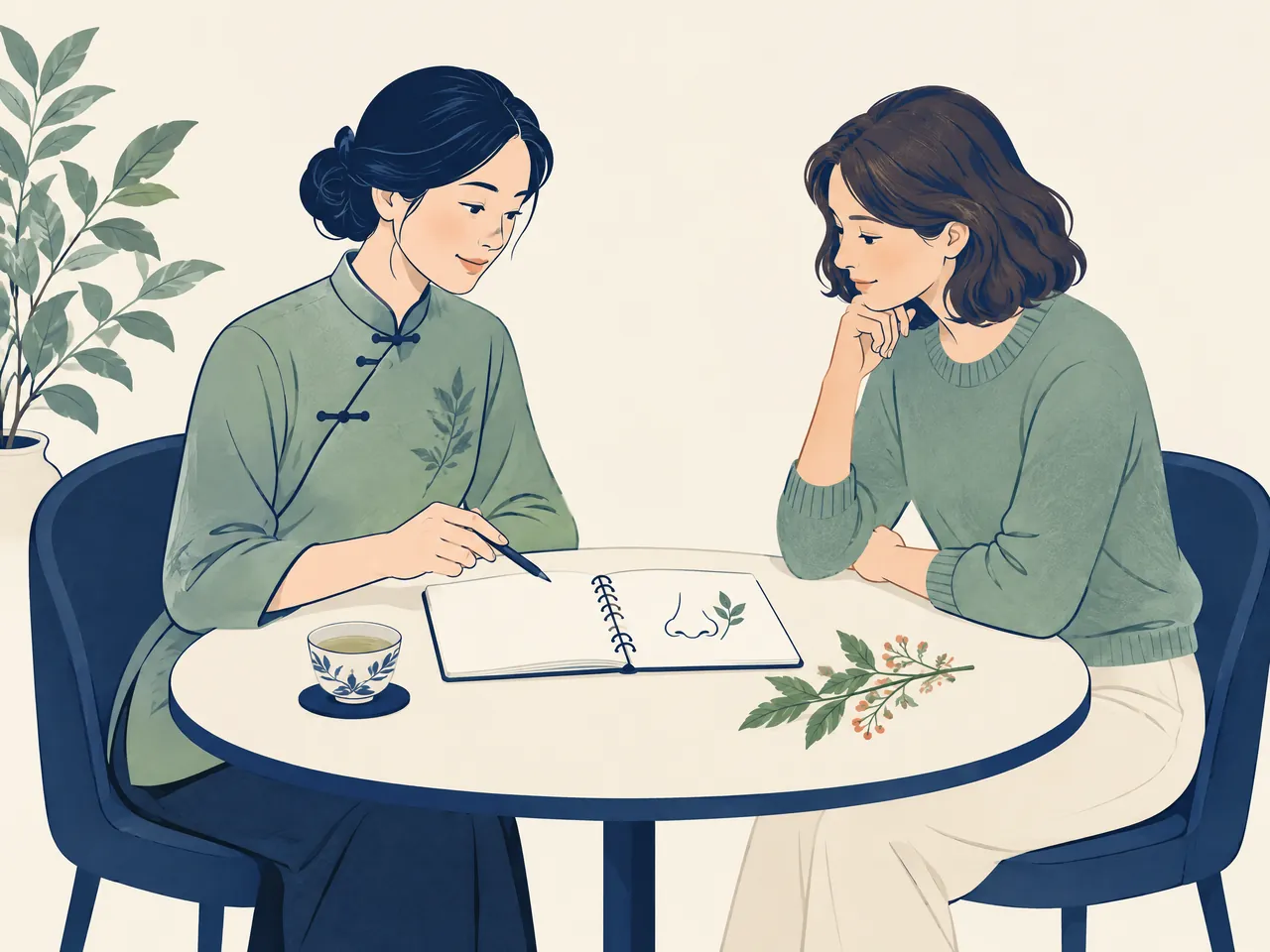
For an adult with persistent symptoms despite sensible trigger measures and usual treatment, acupuncture can be a reasonable subject to raise with a registered practitioner. The evidence supports only measured expectations: some adult studies suggest symptom or quality-of-life improvement, but results vary and cannot predict an individual response. A discussion should start with diagnosis, symptoms, medicines and priorities rather than a blanket treatment package [2].
An acupuncture consultation should cover practical details. Tell the practitioner about anticoagulants, bleeding disorders, a tendency to faint, pregnancy, skin infection or irritation near a proposed site, and all medicines. Ask what the visit involves, how progress will be reviewed, and what to do if symptoms worsen. A registered Chinese medicine practitioner can consider suitability; the prescribing doctor or pharmacist advises on changing prescribed medicine. For an evidence-focused overview, read acupuncture for allergic rhinitis.
A useful outcome is specific and patient-centred, not a promotional promise. Someone might track waking with congestion, leaving a dusty room, or concentrating through an afternoon without frequent sneezing. If there is no meaningful change, symptoms escalate, or treatment is burdensome, revisit the plan. Starting a treatment is not a reason to continue it without review.
Acupuncture for Hay Fever, Acupuncture and Antihistamines, and Acupuncture and Steroid Nasal Spray: Why Children Need Extra Caution
Children are not simply smaller adults in the evidence base. The same systematic review found that the effect of acupuncture for children with allergic rhinitis remained unclear because few studies assessed it [2]. A child may also find needling distressing, and nasal symptoms may be affecting sleep, school concentration or asthma control. For these reasons, a parent should not treat acupuncture as the default next step when hay-fever symptoms persist. Medical assessment, a clear medicine plan and trigger management come first.
If a family wishes to ask about acupuncture, share the child’s diagnosis, symptoms, allergy history, asthma treatment, medicines, sleep pattern and feelings about needles. The child should be able to ask age-appropriate questions, and the parent should understand that no fixed course can be promised. If the child is anxious or unwilling, that is important information. A qualified practitioner can assess suitability, while the child’s doctor remains central to diagnosis and medicine decisions.
Do not wait for an acupuncture appointment when a child has worsening wheeze, breathing difficulty, chest tightness, marked sleep disruption or trouble managing normal activities. Seek appropriate medical care. The Department of Health notes that poorly controlled allergic rhinitis can affect sleep, concentration, learning and daily function [1]. Addressing those effects early is more important than pursuing any single complementary option.
Acupuncture for Hay Fever, Acupuncture and Antihistamines, and Acupuncture and Steroid Nasal Spray: Coordinating Safe, Practical Care
Coordinated care begins with complete information. At an acupuncture visit, name every antihistamine, nasal spray, eye drop, inhaler, supplement and topical product, including items bought without a prescription. Tell the prescriber or pharmacist that you are considering acupuncture. This helps each professional focus on symptom control, sleep, function, safety and the possibility of another diagnosis.
The table below is not a ranking of treatments. It helps prepare for a balanced discussion. Antihistamines and steroid nasal spray are established options in official Hong Kong guidance [1]. Acupuncture has limited, mixed-quality adult evidence and unclear paediatric effects [2]. Environmental measures can reduce contact with known triggers when matched to real exposures.

Acupuncture for Hay Fever, Acupuncture and Antihistamines, and Acupuncture and Steroid Nasal Spray: Using Prescribed Medicines Responsibly
Do not stop, reduce, double or switch an antihistamine or steroid nasal spray on your own because acupuncture has started. Ask the prescribing clinician or pharmacist how to use the product correctly and what changes, if any, are appropriate for you. The Hong Kong Department of Health explains that oral antihistamines can reduce nasal dripping, itchiness and sneezing, and that steroid nasal spray has an anti-inflammatory effect [1]. The choice of medicine and the advice around it are individual, especially when asthma, pregnancy, other health conditions or several medicines are involved.
It also helps to distinguish a steroid nasal spray from a decongestant spray. They are not interchangeable. NHS guidance warns that over-the-counter nasal decongestant sprays should not be used for longer than five days because they can worsen blockage and make symptoms harder to improve [3]. If you are unsure which bottle you have, take a photo of its label to the pharmacist or consultation. This simple check is safer than relying on a colour, a remembered brand name, or advice from social media.
If symptoms improve while several changes have happened at once—such as cleaner bedding, a different season, an antihistamine and acupuncture—avoid assuming one change deserves all the credit. Continue the plan agreed with the clinician and review the symptom record. A medication change should be deliberate and supervised, not a test of loyalty to either conventional medicine or acupuncture.

Acupuncture for Hay Fever, Acupuncture and Antihistamines, and Acupuncture and Steroid Nasal Spray: Home Measures and When to Seek Review
Home measures work best when they fit a suspected trigger. Keep living spaces dry and well ventilated where dampness or mould is a concern. Reduce dust build-up, maintain air-conditioner filters as appropriate, and wash bedding regularly. The Department of Health also advises avoiding known allergens, strong scents and air pollution where possible, and notes that sudden weather change can worsen symptoms [1]. For pollen sensitivity, changing clothes after being outdoors and reviewing outdoor plans on high-pollen days may be practical.
Seek medical review when symptoms are getting worse, interfere with sleep or everyday life, asthma is worsening, the trigger remains unclear, or pharmacy treatments are not helping [3]. Urgent breathing symptoms, wheeze or chest tightness deserve prompt medical attention. If you are wondering about the threshold, When should I see a doctor for allergic rhinitis? offers a focused next step. Acupuncture should never delay assessment of respiratory symptoms.
For adults who have had appropriate assessment and wish to discuss acupuncture as part of a wider plan, TCM Lab can arrange an individual consultation. You can contact the Kwun Tong Chinese medicine clinic or use WhatsApp to explain symptoms and current medicines before an appointment. State language or mobility needs, and whether a child will attend, so arrangements can be confirmed.
Care and health guide
Health service information
This directory brings together services, reading, and visit information related to health services, to help you prepare questions for a consultation.
If you are organising health questions, Chinese medicine clinic Hong Kong is a starting point for learning about related services and preparing for a consultation.
People have different needs; acupuncture Hong Kong provides further reading to help you understand options in your own context.


Your questions, answered
Frequently asked questions
Is acupuncture for hay fever suitable for adults and children?
An adult with allergic rhinitis may discuss acupuncture as an adjunct after individual assessment, with limited evidence and no promise of benefit. Evidence for children is less certain, so a child needs especially careful assessment by an experienced registered practitioner alongside usual medical care. If symptoms affect sleep, school, asthma or daily activity, medical review should not wait.
What does limited evidence for acupuncture and hay fever mean?
It means research suggests possible symptom and quality-of-life benefit for adults, but the studies differ in techniques and schedules and include important risk-of-bias concerns [2]. Results do not establish a cure, a standard number of sessions, or a predictable response for one person. For children, the review found the effect unclear because there were few relevant studies.
Can I use acupuncture and antihistamines at the same time?
Acupuncture may be discussed alongside antihistamines, but do not stop, start, reduce or change a medicine without advice from the prescriber or pharmacist. Tell the acupuncture practitioner exactly what you take, including non-prescription products, nasal sprays, inhalers, eye drops and supplements. The aim is coordinated care, not choosing one form of care over another.
Can I have acupuncture while using a steroid nasal spray?
Potentially, but your steroid nasal spray should continue exactly as advised unless the clinician who manages it recommends a change. A steroid nasal spray is an anti-inflammatory treatment used in allergic-rhinitis care [1]. Bring the product name or a photograph of the label to appointments, and ask a pharmacist if you are unsure whether it is a steroid spray or a short-term decongestant.
Do home changes really matter for hay fever symptoms?
They can be a useful part of a plan when matched to a likely trigger. Keeping a home dry and ventilated, reducing dust, maintaining appliances, washing bedding regularly and avoiding strong scents or known allergens may help reduce exposure [1]. They do not replace medical assessment when symptoms are severe, unclear or linked with worsening asthma.
Sources and further information
- [1] [1] Hong Kong Department of Health — Allergic Rhinitis
Referenced for: Official Hong Kong guidance for allergic-rhinitis symptoms, common triggers, prevention, antihistamines and steroid nasal spray.
- [2] [2] Acupuncture for allergic rhinitis: a systematic review and meta-analysis
Referenced for: Peer-reviewed systematic-review evidence for cautious adult findings, limitations, and unclear paediatric effects.
- [3] [3] NHS — Allergic rhinitis
Referenced for: Public-health guidance on symptoms, triggers, medicine categories, decongestant duration and when to seek review.