
TCM Lab · Health reading
Stomach Bloating, Belching and Bloating, Indigestion and Bloating: What Your Pattern May Mean
Published Updated
A bloated, overfull feeling after lunch can be frustrating, especially when it comes with repeated burping or seems to happen after ordinary meals. Stomach bloating is a symptom pattern, not a diagnosis: the timing, foods and drinks, eating pace, upper-abdominal sensations, and bowel changes all matter. Indigestion can include early fullness, uncomfortable fullness after eating, bloating, nausea and belching, so it is worth noticing exactly which experience you mean [1]. Start with a short food-and-symptom record, make measured changes rather than cutting out everything at once, and arrange medical care promptly if warning signs are present.
Appointments are confirmed through WhatsApp. If you have language requirements, please mention them in your enquiry.
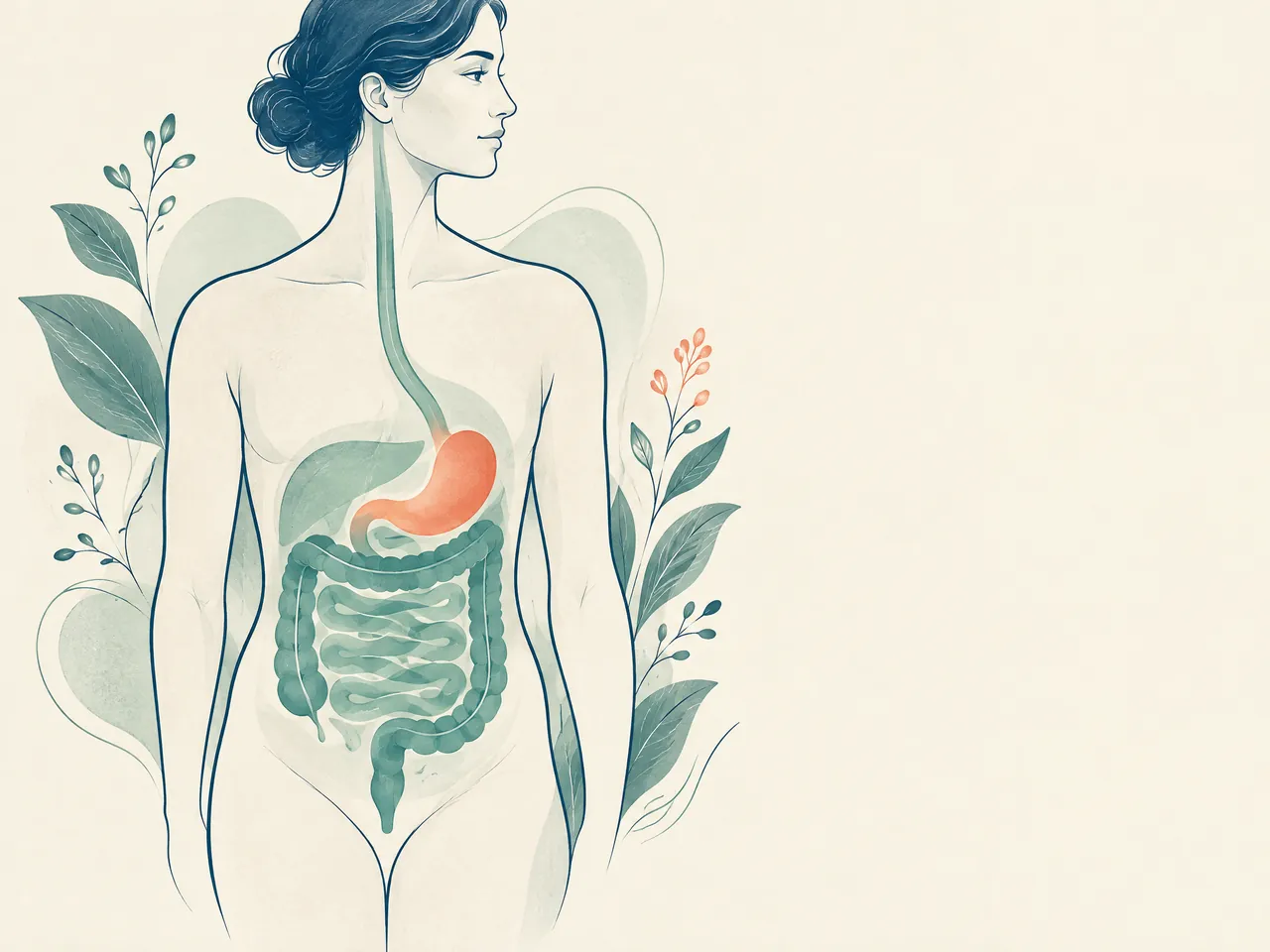
The short answer
Stomach bloating, belching and bloating, or indigestion and bloating may be linked to meal size, eating speed, swallowed air, particular foods, constipation, or another digestive issue. Record what and when you eat, when symptoms begin, and any bowel changes. Try one practical habit change at a time. Persistent, worsening, or alarming symptoms need medical assessment; a TCM consultation can explore the broader symptom pattern as complementary support after appropriate evaluation.
Transparent pricing
See the fees.
Choose your care.
Explore our complete official price list, including first-trial prices, regular prices, packages and branch-specific options.
Opening WhatsApp prepares an enquiry; it does not send a message, take payment or confirm an appointment. Suitability and individual arrangements are confirmed during consultation.
Chinese medicine
All prices in HKDAcupuncture and Chinese herbal medicine package
Includes a Chinese medicine consultation with pulse assessment, body acupuncture and 3 days of Chinese herbal granules that do not require decoction.
HK$580 (single session)
Chinese medicine consultation with pulse assessment
Hair and scalp
All prices in HKDScalp health and hair-loss management
Includes AI scalp analysis, deep scalp and follicle cleansing, and scalp oil-control care.
HK$380 (first trial)
Regular price: HK$680
- 6 sessions: HK$3,480 (HK$580 per session)
- 12 sessions: HK$5,760 (HK$480 per session)
- 20 sessions: HK$8,600 (HK$430 per session)
- 30 sessions: HK$11,400 (HK$380 per session)
Hair acupuncture and Chinese herbal medicine package
Includes scalp acupuncture and 3 days of Chinese herbal medicine that does not require decoction.
HK$580 (single session)
Registered Chinese Medicine Practitioner consultation
- 6 sessions: HK$3,180 (HK$530 per session)
- 12 sessions: HK$5,760 (HK$480 per session)
- 20 sessions: HK$8,600 (HK$430 per session)
- 30 sessions: HK$11,400 (HK$380 per session)
Combined hair and scalp treatment
Combines acupuncture and Chinese herbal medicine with salon-level scalp and follicle care. Packages include complimentary hair-care shampoo and serum.
HK$1,260 (single session)
Combined treatment
- 8 sessions: HK$8,640 (HK$1,080 per session)
- 16 sessions: HK$15,680 (HK$980 per session)
- 20 sessions: HK$18,600 (HK$930 per session)
- 30 sessions: HK$26,400 (HK$880 per session)
Weight management
All prices in HKDFull-body acupoint embedding for weight management
Includes full-body acupoint embedding. Packages include complimentary Chinese herbal medicine for weight management, with the number of included days scaled to the package. Embedding material and the individual treatment arrangement are confirmed during consultation; this is not a cosmetic thread lift.
HK$980 (single session)
No trial session
- 10 sessions: HK$7,800 (HK$780 per session)
- 20 sessions: HK$14,600 (HK$730 per session)
- 30 sessions: HK$20,400 (HK$680 per session)
Facial acupuncture
All prices in HKDFacial acupuncture (basic)
Includes facial acupuncture and meridian-based facial care, including care for facial puffiness.
HK$480 (first trial)
Regular price: HK$680
- 10 sessions: HK$5,200 (HK$520 per session)
- 20 sessions: HK$9,600 (HK$480 per session)
- 30 sessions: HK$13,500 (HK$450 per session)
Facial acupuncture (advanced)
Includes enhanced facial acupuncture with a specially formulated moisturising mask and serum.
HK$780 (first trial)
Regular price: HK$1,180
- 10 sessions: HK$9,000 (HK$900 per session)
- 20 sessions: HK$16,600 (HK$830 per session)
- 30 sessions: HK$23,400 (HK$780 per session)
Pain care
All prices in HKDExtracorporeal shockwave treatment
Shockwave treatment for deep-tissue and fascial care. The Kwun Tong clinic offers the multi-area options shown below.
Priced by branch
Branch-specific pricing
Prince Edward: HK$250 per area
Kwun Tong: HK$250 for 1 area / HK$450 for 2 areas / HK$600 for 3 areas
Pain care (manual therapy)
Includes Chinese medicine musculoskeletal assessment, manual joint techniques and tui na.
HK$580 (single session)
Chinese medicine musculoskeletal assessment
Pain care (acupuncture and manual therapy)
Combines acupuncture and manual therapy.
HK$680 (single session)
Combined care
Stomach Bloating, Belching and Bloating, Indigestion and Bloating: Recognising Different Patterns
The word “bloating” can describe pressure, a stretched feeling, visible enlargement of the abdomen, or a sense that food is sitting heavily. It is helpful to separate these experiences. Belching is gas released through the mouth, while indigestion is a group of upper-digestive symptoms that can include discomfort, early fullness, fullness after eating, nausea, bloating and belching [1]. A symptom that starts with the first few mouthfuls calls for a different conversation from lower-abdominal bloating that eases only after a bowel movement. Neither pattern should be self-diagnosed from a single meal.
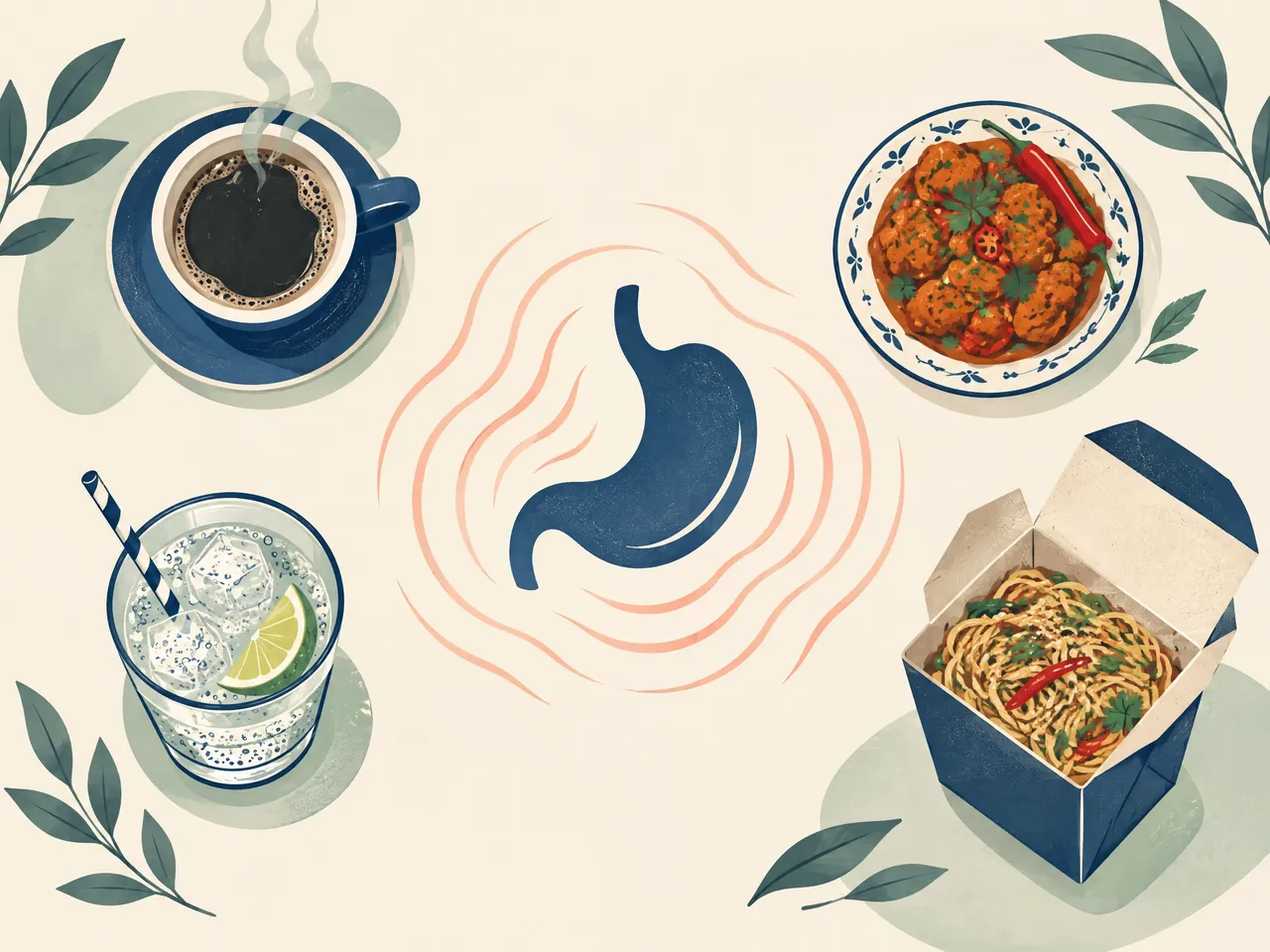
Stomach Bloating, Belching and Bloating, Indigestion and Bloating After Eating
Begin by locating the sensation in time. Some people feel comfortably hungry but become very full after a small amount. Others feel pressure soon after a rushed takeaway, then burp repeatedly during the afternoon. Another person may be fine until an evening meal, when rich, spicy, fatty, or carbonated choices seem to make symptoms more noticeable. This does not mean one food is universally “bad.” It gives you a practical question: did the discomfort follow a particular food, a large portion, a late meal, a fast eating pace, or a combination? The guide to functional dyspepsia symptoms may help you describe upper-digestive features more precisely before an assessment.
Swallowed air is one possible contributor to belching and bloating. Everyone swallows some air while eating and drinking, but chewing gum, sucking hard sweets, drinking fizzy beverages, smoking, and eating or drinking quickly can increase it [2]. Notice the setting as well as the menu: eating while answering messages, talking through a meal, rushing between meetings, or drinking carbonated beverages may be more informative than a vague note that “lunch caused gas.” If reflux-like burning or sour fluid coming into the mouth accompanies the symptoms, include that detail rather than labelling all upper discomfort as bloating.

Stomach Bloating, Belching and Bloating, Indigestion and Bloating With Bowel Changes
A second useful distinction is whether the fullness changes with bowel movements. If the abdomen feels more pressured when you have not opened your bowels, then eases after passing stool or gas, record frequency, stool consistency, straining, urgency, and whether the relief lasts. Constipation and functional digestive conditions can occur alongside gas symptoms; diarrhoea, abdominal pain, or weight loss alongside gas also deserve medical discussion [2]. A diary is not a diagnostic test, but it gives a clinician a clearer account than “my stomach is always bloated.”
Do not assume a lower-abdominal or bowel-related pattern is simply indigestion. Likewise, upper pain, burning, or severe cramping should not be explained away as trapped air. If discomfort is high in the abdomen, compare the details with upper abdominal pain and indigestion and tell a doctor or practitioner exactly where it occurs. Relevant background includes recent infection, travel, a new medicine or supplement, pregnancy, known digestive conditions, and any marked change from your usual bowel habit. Those facts help decide whether observation, routine medical review, or more urgent care is appropriate.
Compare your options
| What you notice | Details worth recording | Useful next conversation |
|---|---|---|
| Fullness soon after starting a meal | Meal size, when fullness began, appetite, nausea, pain, and whether it happens repeatedly | Discuss persistent early fullness or upper-digestive symptoms with a doctor; bring the pattern to a TCM consultation if appropriate. |
| Belching after meals or drinks | Eating pace, fizzy drinks, gum or sweets, smoking, talking while eating, and relief after belching | Test one air-swallowing habit at a time and mention ongoing or troublesome symptoms to a clinician. |
| Bloating that changes with bowel movements | Stool frequency and consistency, straining, urgency, lower-abdominal pain, relief after opening bowels | Discuss a new or persistent bowel change, particularly with pain, diarrhoea, constipation, or weight loss. |
| Symptoms after particular meals | Foods and drinks, portion, preparation, repeated reactions, sleep, stress, medicines, and timing | Use a short diary to guide a doctor, dietitian, or practitioner rather than making broad restrictions. |
On smaller screens, scroll the table sideways to compare all columns.
Stomach Bloating, Belching and Bloating, Indigestion and Bloating: Food and Lifestyle Factors
Food is often the first thing people blame, but a useful approach is more specific than avoiding every food that might produce gas. Gas may increase when bacteria in the large intestine break down carbohydrates that are not fully digested higher in the tract, and individual tolerance varies [2]. A pattern may involve beans, some vegetables, dairy, fruit, wheat-based foods, sweeteners, fried meals, coffee, alcohol, or fizzy drinks—or none of these consistently. Portion, preparation, meal timing, sleep, stress, medication, and constipation can change the picture. The goal is to identify a repeatable relationship, not to create an unnecessarily narrow diet.

Stomach Bloating, Belching and Bloating, Indigestion and Bloating Food Diary Basics
Make the diary short enough to maintain. At each meal, write the time, foods and drinks, approximate amount, whether you ate slowly or quickly, and anything unusual such as a carbonated drink or gum. Then record when the fullness, belching, pain, or visible distension began; how strong it felt in plain words; and when it settled. Add bowel movements and relevant context such as a late shift, a stressful presentation, poor sleep, or a new medicine. Photographing every meal is optional; a few clear notes are usually easier to review. Do not use the record to chase perfect eating or to score yourself.
After several days, look for a repeated sequence rather than an isolated reaction. For example, symptoms that occur after hurried desk lunches may support changing pace before removing a food group. A pattern after large restaurant meals may point to portion and richness rather than one ingredient. Symptoms after milk on several separate occasions may be worth discussing with a doctor or dietitian, particularly if loose stools occur too. If a food seems relevant, keep notes while making one modest change; avoid a prolonged elimination diet without professional guidance. The NHS also lists rich, spicy and fatty foods, as well as caffeine and alcohol, among factors that can worsen indigestion for some people [3].

Stomach Bloating, Belching and Bloating, Indigestion and Bloating and Eating Habits
Small behavioural changes are often easier to test than a dramatic dietary reset. Try sitting down for meals where possible, taking enough time to chew, and pausing between bites instead of finishing while walking, working, or talking continuously. Choose water or a non-fizzy drink if carbonated drinks reliably lead to burping. If evening symptoms are linked to lying down after dinner, note the interval between eating and bed rather than guessing at a cause. Regular gentle movement may feel more comfortable than remaining folded over a desk after a meal, but it is not a substitute for assessment of severe or persistent pain.
Approach stress with the same practical curiosity. Stress and anxiety can worsen indigestion in some people [3], yet “it is stress” is not a complete explanation for a new or changing symptom. Note whether meals are skipped, rushed, or eaten very late on demanding days, and whether sleep or bowel habits change at the same time. Continue prescribed treatment as directed and discuss any concern that a medicine is affecting your digestion with the prescriber or pharmacist. For a Chinese medicine perspective on supportive discussion, see Can Chinese medicine help with bloating?; it should not delay investigation when warning signs are present.
Stomach Bloating, Belching and Bloating, Indigestion and Bloating: TCM Assessment and Next Steps
When you bring stomach bloating to a TCM consultation, the most useful starting point is the lived pattern: meal timing, appetite, early fullness, belching, reflux-like symptoms, bowel habits, sleep, stress, temperature preferences, and current medicines or supplements. A Registered Chinese Medicine Practitioner may use the traditional four-examination approach and ask about the wider picture. Traditional pattern terms are part of TCM assessment; they are not a substitute for a biomedical diagnosis such as reflux disease, ulcer disease, intolerance, constipation, or another digestive condition. Mention existing diagnoses, test results, and treatment from other clinicians so that the discussion is safer and more coherent.

Stomach Bloating, Belching and Bloating, Indigestion and Bloating in a TCM Consultation
Bring the food-and-symptom record rather than trying to summarise weeks of discomfort from memory. A practitioner can ask whether fullness occurs before, during, or after food; whether belching brings relief; whether there is nausea, burning, pain, constipation or diarrhoea; and what has already been tried. This supports an individual discussion of appropriate next steps. Depending on the assessment, acupuncture or Chinese herbal medicine may be discussed as complementary options, but neither should be presented online as a guaranteed cure for every type of bloating. Treatment choice, if any, follows the consultation rather than a keyword or a generic internet checklist.
Medication safety needs an explicit conversation. Take or photograph a complete list that includes prescription medicines, over-the-counter indigestion products, pain relievers, vitamins, teas, powders, and other supplements. Do not stop antacids, acid-suppressing treatment, laxatives, or any other prescribed medicine on your own because you are considering TCM care. Ask the prescribing clinician before changing a medicine, especially if symptoms began after a new treatment. If you are researching options for a painful upper-abdominal complaint as well, stomach ache Chinese medicine explains why a careful assessment should come before assumptions about treatment.

Stomach Bloating, Belching and Bloating, Indigestion and Bloating: When to Seek Medical Care
Arrange medical assessment rather than relying only on food changes or complementary care if symptoms keep returning, change suddenly, interfere with daily eating, or come with abdominal pain, constipation, diarrhoea, or unintentional weight loss [2]. The urgency is greater with severe pain, persistent vomiting, difficulty swallowing, vomiting blood, blood in the stool or black stool, a noticeable abdominal lump, or marked unexplained weight loss. These features are listed by the NHS as reasons to seek GP advice for indigestion [3]. Seek urgent local medical care for a severe or rapidly worsening illness rather than waiting for a routine consultation.
If there are no red flags but the pattern has lasted, prepare for a clinician by writing a brief timeline, the diary, past digestive diagnoses, family history that seems relevant, and every medicine or supplement. Medical assessment may consider your symptoms, history, examination, and, when indicated, tests; NIDDK notes that dyspepsia evaluation can include testing such as endoscopy, imaging, or <em>H. pylori</em> testing depending on the clinical situation [1]. You can then discuss complementary support without postponing care that is needed. To plan a separate non-urgent TCM enquiry, review the Chinese medicine clinic price list Hong Kong and confirm arrangements directly with TCM Lab.
Care and health guide
Health service information
This directory brings together services, reading, and visit information related to health services, to help you prepare questions for a consultation.
If you are organising health questions, Chinese medicine clinic Hong Kong is a starting point for learning about related services and preparing for a consultation.
People have different needs; acupuncture Hong Kong provides further reading to help you understand options in your own context.


Your questions, answered
Frequently asked questions
What should I record for stomach bloating after meals?
Record the meal and drink, approximate portion, eating speed, symptom type, when it began, how long it lasted, and any bowel movement. Also note fizzy drinks, gum, alcohol, stress, poor sleep, new medicines, and whether a similar reaction happens again. This gives a clinician a usable pattern rather than a single food guess.
Can constipation be connected with belching and bloating?
Bloating that varies with bowel movements can occur alongside constipation or other functional digestive patterns, but it has more than one possible explanation. Note stool frequency, straining, stool consistency, pain and relief after opening your bowels. Seek medical advice if symptoms are new, persistent, troublesome, or associated with pain, diarrhoea, or weight loss.
Can I discuss indigestion and bloating with a TCM practitioner while taking medicine?
Yes. Bring a complete list of prescribed medicines, over-the-counter products, supplements, and herbs so that the practitioner can consider them in the discussion. Do not stop antacids, acid-suppressing medicines, laxatives, or other prescribed treatment yourself. Any medication change should be made with the prescribing clinician.
When is bloating a reason to seek medical care quickly?
Seek prompt medical advice for severe pain, persistent vomiting, trouble swallowing, vomiting blood, blood in the stool or black stool, a lump in the abdomen, significant unintentional weight loss, or a sudden and worrying change. Recurrent bloating that disrupts eating or daily life also deserves medical assessment even without an emergency sign.
Sources and further information
- [1] NIDDK — Indigestion (Dyspepsia)
Referenced for: Official U.S. government health information on dyspepsia symptoms, potential causes, evaluation, and diet-related discussion.
- [2] NIDDK — Symptoms & Causes of Gas in the Digestive Tract
Referenced for: Official U.S. government information on belching, bloating, swallowed air, gas-related factors, and symptoms that warrant medical discussion.
- [3] NHS — Indigestion
Referenced for: Official UK health guidance on common indigestion symptoms, factors that may worsen symptoms, and reasons to seek medical care.