
TCM Lab · Health reading
Acupuncture and Moxibustion: Chinese Medicine Services Hong Kong and Traditional Chinese Medicine Hong Kong
Published Updated
Acupuncture and moxibustion are often mentioned together, yet they are not the same procedure. Acupuncture involves stimulating selected points with needles; moxibustion is a warming method using moxa. In Chinese medicine services Hong Kong, a practitioner considers the reason for your concern, its pattern over time, your health background and current medicines before deciding whether either method deserves discussion. A useful first consultation is not a promise that one method will fit every symptom. It is a chance to describe what is happening, check for warning signs and agree on sensible next steps.
Appointments are confirmed through WhatsApp. If you have language requirements, please mention them in your enquiry.
The short answer
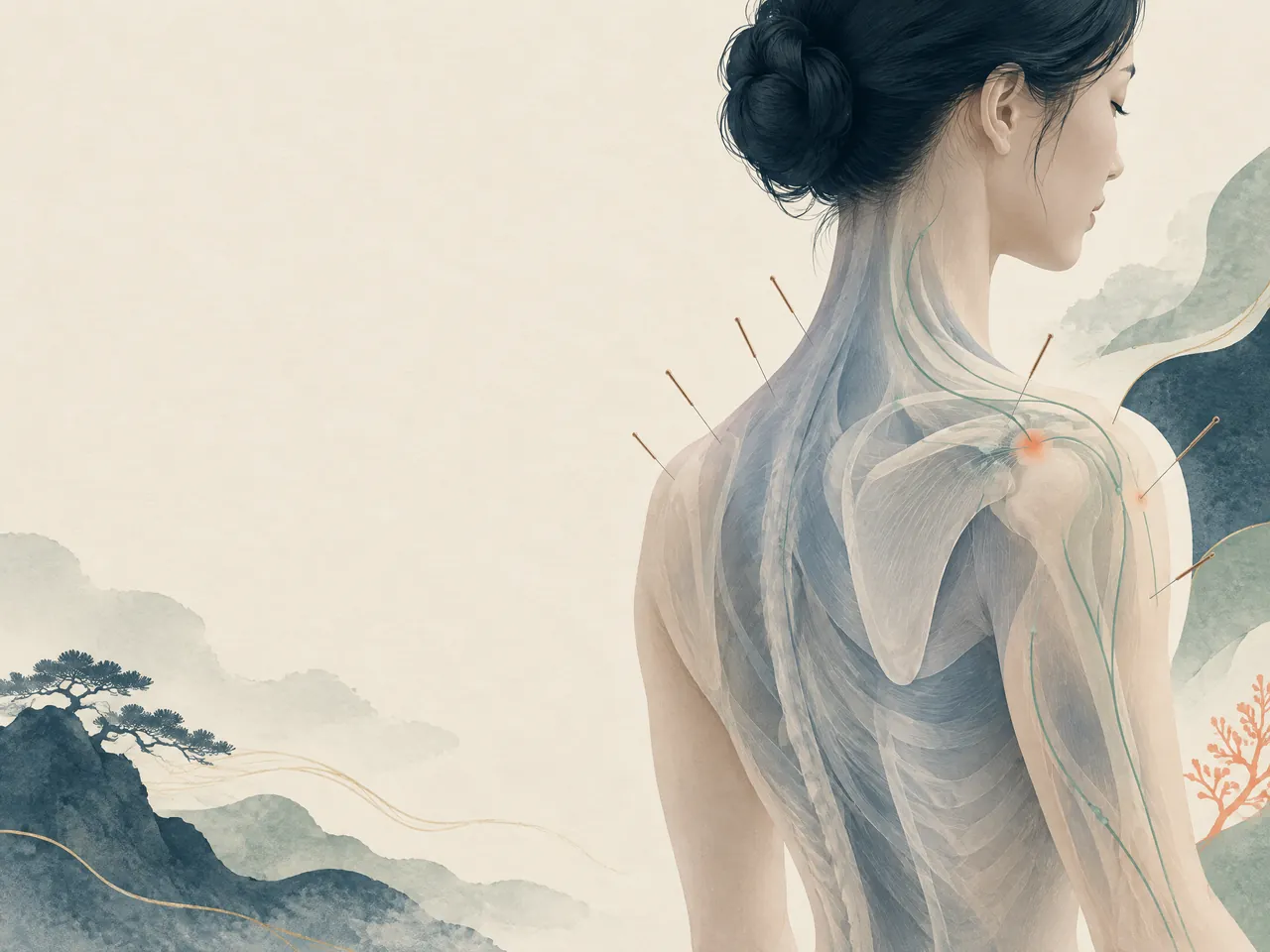
Acupuncture and moxibustion are separate traditional Chinese medicine methods that may be considered during a Chinese medicine assessment. Acupuncture uses needles at selected points, whereas moxibustion uses moxa for warmth. In Hong Kong, suitability should be decided after a practitioner has reviewed the symptom pattern, medical history, medicines, pregnancy status and relevant safety factors. Neither method should delay urgent medical assessment for severe, sudden or worsening symptoms.
Transparent pricing
See the fees.
Choose your care.
Explore our complete official price list, including first-trial prices, regular prices, packages and branch-specific options.
Opening WhatsApp prepares an enquiry; it does not send a message, take payment or confirm an appointment. Suitability and individual arrangements are confirmed during consultation.
Chinese medicine
All prices in HKDAcupuncture and Chinese herbal medicine package
Includes a Chinese medicine consultation with pulse assessment, body acupuncture and 3 days of Chinese herbal granules that do not require decoction.
HK$580 (single session)
Chinese medicine consultation with pulse assessment
Hair and scalp
All prices in HKDScalp health and hair-loss management
Includes AI scalp analysis, deep scalp and follicle cleansing, and scalp oil-control care.
HK$380 (first trial)
Regular price: HK$680
- 6 sessions: HK$3,480 (HK$580 per session)
- 12 sessions: HK$5,760 (HK$480 per session)
- 20 sessions: HK$8,600 (HK$430 per session)
- 30 sessions: HK$11,400 (HK$380 per session)
Hair acupuncture and Chinese herbal medicine package
Includes scalp acupuncture and 3 days of Chinese herbal medicine that does not require decoction.
HK$580 (single session)
Registered Chinese Medicine Practitioner consultation
- 6 sessions: HK$3,180 (HK$530 per session)
- 12 sessions: HK$5,760 (HK$480 per session)
- 20 sessions: HK$8,600 (HK$430 per session)
- 30 sessions: HK$11,400 (HK$380 per session)
Combined hair and scalp treatment
Combines acupuncture and Chinese herbal medicine with salon-level scalp and follicle care. Packages include complimentary hair-care shampoo and serum.
HK$1,260 (single session)
Combined treatment
- 8 sessions: HK$8,640 (HK$1,080 per session)
- 16 sessions: HK$15,680 (HK$980 per session)
- 20 sessions: HK$18,600 (HK$930 per session)
- 30 sessions: HK$26,400 (HK$880 per session)
Weight management
All prices in HKDFull-body acupoint embedding for weight management
Includes full-body acupoint embedding. Packages include complimentary Chinese herbal medicine for weight management, with the number of included days scaled to the package. Embedding material and the individual treatment arrangement are confirmed during consultation; this is not a cosmetic thread lift.
HK$980 (single session)
No trial session
- 10 sessions: HK$7,800 (HK$780 per session)
- 20 sessions: HK$14,600 (HK$730 per session)
- 30 sessions: HK$20,400 (HK$680 per session)
Facial acupuncture
All prices in HKDFacial acupuncture (basic)
Includes facial acupuncture and meridian-based facial care, including care for facial puffiness.
HK$480 (first trial)
Regular price: HK$680
- 10 sessions: HK$5,200 (HK$520 per session)
- 20 sessions: HK$9,600 (HK$480 per session)
- 30 sessions: HK$13,500 (HK$450 per session)
Facial acupuncture (advanced)
Includes enhanced facial acupuncture with a specially formulated moisturising mask and serum.
HK$780 (first trial)
Regular price: HK$1,180
- 10 sessions: HK$9,000 (HK$900 per session)
- 20 sessions: HK$16,600 (HK$830 per session)
- 30 sessions: HK$23,400 (HK$780 per session)
Pain care
All prices in HKDExtracorporeal shockwave treatment
Shockwave treatment for deep-tissue and fascial care. The Kwun Tong clinic offers the multi-area options shown below.
Priced by branch
Branch-specific pricing
Prince Edward: HK$250 per area
Kwun Tong: HK$250 for 1 area / HK$450 for 2 areas / HK$600 for 3 areas
Pain care (manual therapy)
Includes Chinese medicine musculoskeletal assessment, manual joint techniques and tui na.
HK$580 (single session)
Chinese medicine musculoskeletal assessment
Pain care (acupuncture and manual therapy)
Combines acupuncture and manual therapy.
HK$680 (single session)
Combined care
Acupuncture and Moxibustion in Chinese Medicine Services Hong Kong and Traditional Chinese Medicine Hong Kong: What the Methods Mean
People searching for acupuncture and moxibustion usually want a plain answer before they decide whether to enquire. In everyday terms, acupuncture uses fine needles to stimulate selected points on the body. Moxibustion uses moxa, a material traditionally associated with mugwort, to provide warmth near selected points. The methods can appear in the same discussion because both sit within Chinese medicine practice, but they are not simply two names for one treatment. The Hong Kong Health Bureau uses the service name “Acupuncture and Moxibustion in CM” for a specialised Chinese medicine service in which the two are main interventional measures [1].
Traditional Chinese medicine Hong Kong consultations are broader than choosing a technique from a menu. A practitioner may ask about the location and quality of discomfort, sleep, appetite, energy, digestion, work posture, activity level, menstrual or pregnancy history where relevant, and how a concern has changed. They may also ask what other clinicians have already found. This history helps determine whether supportive care can be discussed or whether examination, testing, emergency assessment or specialist review should come first.
The term Chinese medicine services Hong Kong covers more than needling or warming. Hong Kong’s official service descriptions also distinguish internal medicine, external medicine, gynaecology, paediatrics, orthopaedics and traumatology, alongside acupuncture and moxibustion [1]. For a broader view of traditional Chinese medicine treatments, it is more useful to compare the purpose and safety considerations of each approach than to assume that a single symptom has a single answer.

The Chinese Medicine Hospital of Hong Kong describes acupuncture and moxibustion in terms of the meridian system, acupoints, and a range of needling and moxibustion methods [2]. Those terms explain the approach used in Chinese medicine; they do not remove the need to identify potentially serious causes of symptoms. A consultation should make room for that decision rather than encouraging self-selection of a procedure.
Acupuncture and Moxibustion for Traditional Chinese Medicine Hong Kong Consultations and Chinese Medicine Services Hong Kong
A first conversation works best when the concern is described in context. Instead of saying only “my back hurts”, note when it started, whether it followed an injury or a change in exercise, where it travels, and whether it affects walking, sleep or work. Different daily demands can give the same symptom a different context. Include previous imaging or treatment if you have it, but do not assume an old result explains a new change.
It is also important to mention every medicine and supplement, including items bought without a prescription. Information about blood-thinning medicines, bleeding or bruising history, allergies, pregnancy, implanted devices, skin problems at a possible treatment area, and major long-term conditions may change the conversation. If herbs or other approaches are under consideration, coordinated disclosure matters as well. NCCIH advises people considering traditional Chinese medicine to discuss it with their health-care providers and not use it to replace or delay conventional care [3].
Acupuncture and Moxibustion Explained within Chinese Medicine Services Hong Kong and Traditional Chinese Medicine Hong Kong
A simple comparison can make an enquiry more focused. Acupuncture is the needle-based method; moxibustion is the warming method. Either may be raised as part of a practitioner’s clinical reasoning, and neither is automatically necessary because the other is being discussed. Ask what method is proposed, what area is involved, what you may reasonably notice during or after the session, and what signs would mean that you should contact a clinician. Clear answers are more useful than assurances about a uniform response.
The practical setting matters too. Comfort with needles, heat, smoke, clothing and privacy can affect the discussion. Say so before the session begins. A person can ask about the process without committing to treatment. If you are comparing locations or timing, the page for an acupuncture consultation Kwun Tong can help you frame location-specific questions, while the clinical decision should still depend on your own assessment rather than convenience alone.
Compare your options
| Situation or question | What to clarify at assessment | Why it matters before choosing an approach |
|---|---|---|
| A new or suddenly worse symptom | When it began, severity, injury, fever, weakness, numbness or other warning signs | The priority may be urgent or conventional medical assessment rather than a Chinese medicine procedure. |
| Considering acupuncture | Needle concerns, bleeding or bruising history, medicines, skin condition and prior reactions | These details can affect whether a needle-based method is suitable or needs modification. |
| Considering moxibustion | Sensitivity to smoke, asthma, skin condition, reduced sensation and heat concerns | A warming method has different practical and safety considerations from needling. |
| Using prescribed medicines or supplements | Names, doses, recent changes and the clinicians already involved | Complete information supports safer, coordinated discussion, especially if herbs are also considered. |
| A recurring concern already assessed elsewhere | Reports, diagnosis if given, previous care, response and goals for the visit | It helps the practitioner understand what has been checked and what support you are seeking. |
On smaller screens, scroll the table sideways to compare all columns.
Choosing Acupuncture and Moxibustion through Traditional Chinese Medicine Hong Kong Assessment and Chinese Medicine Services Hong Kong
Choosing between acupuncture, moxibustion, another Chinese medicine option, or a referral is not a matter of matching a popular method to a search phrase. Start with the question behind the enquiry: are you trying to understand a new symptom, manage a recurring problem that has already been assessed, or find supportive care while you continue another clinician’s plan? The answer changes the kind of information a practitioner needs. It may also change whether treatment is appropriate on that day, whether further medical evaluation is needed, or whether an approach should be deferred.
A short symptom diary can make assessment of recurring discomfort more precise. Record the date, pattern, severity in your own words, effects on sleep or movement, relevant activity, and what you tried. Include any associated numbness, weakness, dizziness, fever or change in function. It helps you communicate changes accurately without trying to diagnose yourself.
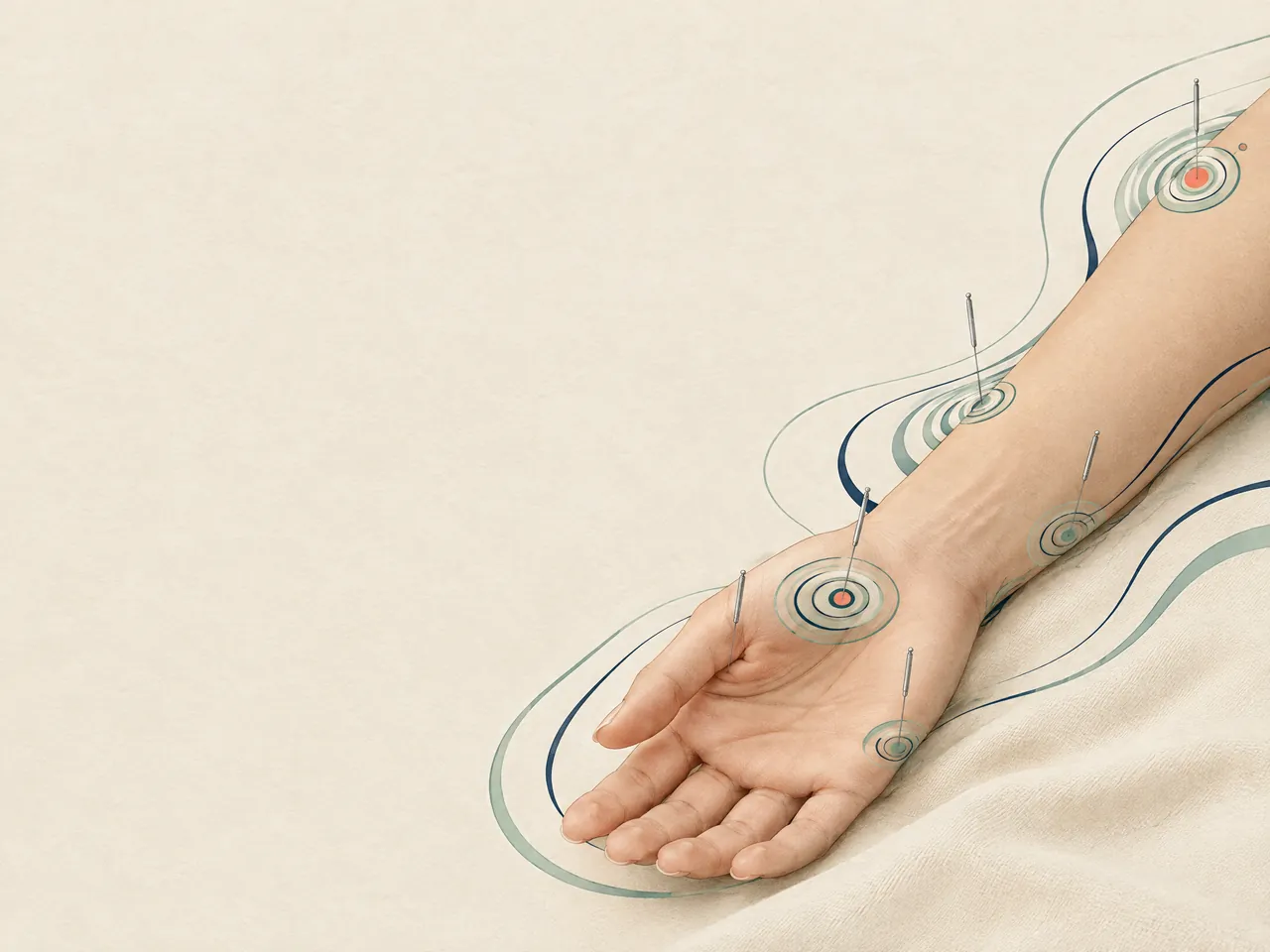
Expect questions that may not seem directly related to the body area you had in mind. In traditional Chinese medicine, consultation often considers the person as a whole rather than one symptom or organ in isolation; the Health Bureau describes this holistic approach in its overview of specialised CM services [1]. It means the history is used to decide what needs attention, what cannot be safely assumed, and which options can be discussed responsibly.

Acupuncture and Moxibustion and Chinese Medicine Services Hong Kong with Traditional Chinese Medicine Hong Kong: When Assessment Comes First
Assessment comes first when there is uncertainty about the cause, when the problem is new or changing, or when there are red flags. Examples include symptoms after a significant injury, progressive weakness, loss of sensation, unusual bleeding, or severe unfamiliar pain. In these situations, it is safer to ask where and how urgently to seek conventional medical care. Acupuncture and moxibustion should not be presented as substitutes for emergency services, diagnostic imaging when indicated, surgery, or specialist treatment.
Pregnancy, a tendency to bleed or bruise, active skin infection, a history of fainting with procedures, and serious chronic illness deserve particular attention before a needling or warming method is considered. The detail matters: for example, “I take medication for my heart” is less useful than sharing the medicine name and dose list. Bring the list rather than relying on memory. A careful practitioner can then discuss whether to proceed, modify an approach, postpone it, or advise you to speak with another clinician first.
Acupuncture and Moxibustion alongside Traditional Chinese Medicine Hong Kong and Chinese Medicine Services Hong Kong Care Options
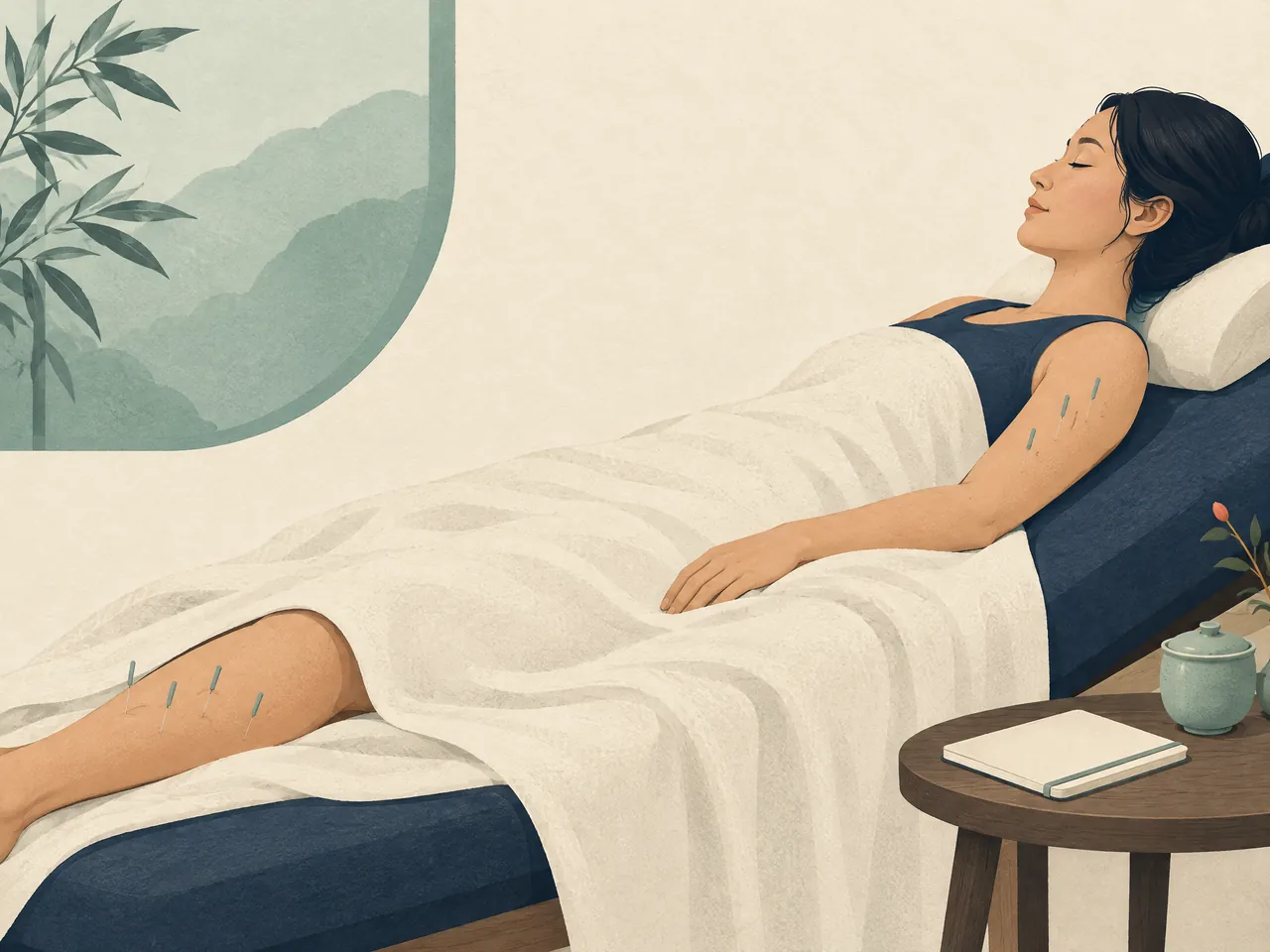
Care may involve more than the procedure someone first asks about. Depending on the assessment, the conversation might cover movement habits, rest, work setup, activity pacing, Chinese herbal medicine, external approaches, or follow-up with a doctor or allied health professional. These are possibilities for discussion, not a preset package. A useful plan sets a priority, fits with existing care and gives a clear review point.
Practical questions can keep the decision grounded. Ask what the appointment is for, what information you should bring, whether you can continue usual medicines, how to report an unexpected reaction, and what would prompt referral. If fees affect your choice, review acupuncture fees Hong Kong before you enquire, then confirm what applies to your individual consultation. For those considering the Prince Edward area, an acupuncture clinic Prince Edward enquiry can cover the practical route and appointment questions without assuming that a procedure will be recommended.
Safety, Limits and Enquiries about Acupuncture and Moxibustion, Chinese Medicine Services Hong Kong and Traditional Chinese Medicine Hong Kong
A balanced discussion of acupuncture and moxibustion includes safety, limits and what to do if your condition changes. Needle-based procedures are invasive, so cleanliness, appropriate technique and a clear health history matter. NCCIH notes that complications associated with acupuncture are relatively uncommon but can occur with nonsterile needles or improper delivery, including serious infection and injury [3]. This is why complete information and questions matter.
People may experience local soreness, minor bruising, temporary tiredness or light-headedness after a procedure, but individual experience varies. Tell the practitioner promptly if you have felt faint with previous procedures, if you have a bleeding issue, or if a symptom after treatment feels severe or unusual. Seek urgent medical care rather than waiting for a routine follow-up if you develop alarming symptoms, such as chest pain, trouble breathing, collapse, rapidly spreading redness with fever, or new severe weakness. A safety plan should be specific enough that you know whom to contact and when.

Moxibustion also needs sensible discussion because warmth and smoke may not suit every setting or every person. Mention asthma or sensitivity to smoke, damaged or inflamed skin, reduced sensation, or any concern about heat exposure. Do not try to reproduce a warming technique at home after seeing it described online. The location, method, distance from the skin and whether it is appropriate are clinical details, not a general DIY instruction. Advice against moxibustion can be a safety decision.
Acupuncture and Moxibustion Risks in Chinese Medicine Services Hong Kong and Traditional Chinese Medicine Hong Kong
Safety also includes looking beyond the procedure itself. Chinese herbal products and supplements may carry risks, including possible interactions or quality concerns. NCCIH reports that some Chinese herbal products have been found to contain undeclared materials, medicines, heavy metals, pesticides or incorrect herbs, and advises people to give all health-care providers a full picture of complementary approaches they use [3]. If you are prescribed medicines or use supplements, put them on the same list for your Chinese medicine consultation; do not leave out products because they are “natural”.
There are limits to what any consultation can conclude. A practitioner cannot responsibly guarantee relief, predict an exact number of sessions, or use a treatment plan to rule out a medical cause that needs testing. If symptoms persist, recur more often, interfere with daily life, or change in character, update the practitioner and your doctor rather than simply continuing the same approach. The strongest decision is often a coordinated one: enough information is shared, safety concerns are not minimised, and the next review point is clear.

Acupuncture and Moxibustion Enquiries for Traditional Chinese Medicine Hong Kong and Chinese Medicine Services Hong Kong
Before sending an enquiry, prepare three things: your main concern in one or two sentences, a timeline of changes, and your current medicine and supplement list. You can also mention whether you have reports available, whether you are pregnant or breastfeeding, and any known allergies or past reactions to needles, heat or herbs. This lets the clinic explain what an assessment can cover and whether another form of medical attention should take priority. It is reasonable to ask about appointment availability, what to wear, and how to reach the location, but no appointment message can replace the clinical assessment.
TCM Lab can be contacted by WhatsApp at +852 6940 5663 to ask about an assessment, a Prince Edward or Kwun Tong appointment, or a home-visit enquiry. If location is the main issue, consult the pages for a Kwun Tong Chinese medicine clinic and a Chinese medicine clinic Prince Edward before asking about practical arrangements. If your central question is eligibility, read is acupuncture suitable for everyone and bring the safety factors that apply to you. The most useful enquiry is honest about symptoms and medicines, leaves room for a different recommendation, and seeks urgent care first when warning signs are present.
Care and health guide
Health service information
This directory brings together services, reading, and visit information related to health services, to help you prepare questions for a consultation.
If you are organising health questions, Chinese medicine clinic Hong Kong is a starting point for learning about related services and preparing for a consultation.
People have different needs; acupuncture Hong Kong provides further reading to help you understand options in your own context.


Your questions, answered
Frequently asked questions
What is the difference between acupuncture and moxibustion?
Acupuncture is a needle-based method used to stimulate selected points. Moxibustion is a warming method using moxa near selected points. They may be discussed together in Chinese medicine, but they are distinct methods with different comfort, setting and safety considerations. An assessment determines whether either should be considered.
Is acupuncture suitable for everyone?
No. Suitability depends on the likely cause and severity of the concern, medical history, current medicines, pregnancy status, bleeding or bruising issues, skin condition and other risk factors. Share complete information rather than deciding from a symptom alone. Some symptoms need conventional medical assessment first.
What should I prepare for a first Chinese medicine consultation?
Prepare a short symptom timeline, relevant reports if you have them, and a full list of prescription medicines, over-the-counter products and supplements. Mention allergies, pregnancy or breastfeeding, long-term conditions, prior procedures and any past reaction to needles, heat or herbs.
Can I use Chinese herbal medicine with Western medicine?
Possible interactions and other safety issues need individual review. Do not stop or change prescribed medicine on your own. Tell the Chinese medicine practitioner and your other health-care providers about all medicines, herbs and supplements so that care can be coordinated.
When should I seek urgent medical care instead of booking acupuncture?
Seek urgent medical assessment for symptoms such as chest pain, severe breathing difficulty, fainting, sudden weakness, serious injury, rapidly worsening illness, or fever with marked deterioration. A booked consultation should not delay emergency or time-sensitive care.
Sources and further information
- [1] Hong Kong Health Bureau — Chinese Medicine Clinical Services
Referenced for: Supports Hong Kong’s service terminology, the role of acupuncture and moxibustion as main interventional measures within that service, and the description of a holistic consultation approach.
- [2] Chinese Medicine Hospital of Hong Kong — Acupuncture and Moxibustion in Chinese Medicine
Referenced for: Supports the explanation that the specialised service discusses meridians, acupoints, and needling and moxibustion methods; it does not establish an individual clinic’s services or outcomes.
- [3] NCCIH — Traditional Chinese Medicine: What You Need To Know
Referenced for: Supports safety and coordination points about acupuncture complications, Chinese herbal product concerns, and discussing complementary approaches with all health-care providers.