
TCM Lab · Health reading
Moxibustion vs Acupuncture: How the Methods Differ
Published Updated
Moxibustion and acupuncture are related Chinese medicine methods, yet the experience at a consultation is quite different. Moxibustion uses the controlled warmth of smouldering moxa near a chosen area or acupoint; acupuncture involves fine needles placed at selected points. Neither label tells the whole story of an individual plan. The useful first step is to understand what each method physically involves, what sensations you are comfortable discussing, and what health concern or daily limitation has brought you to a consultation. This guide compares moxibustion vs acupuncture in practical terms, including the questions that can make an enquiry in Hong Kong more focused.
Appointments are confirmed through WhatsApp. If you have language requirements, please mention them in your enquiry.
The short answer
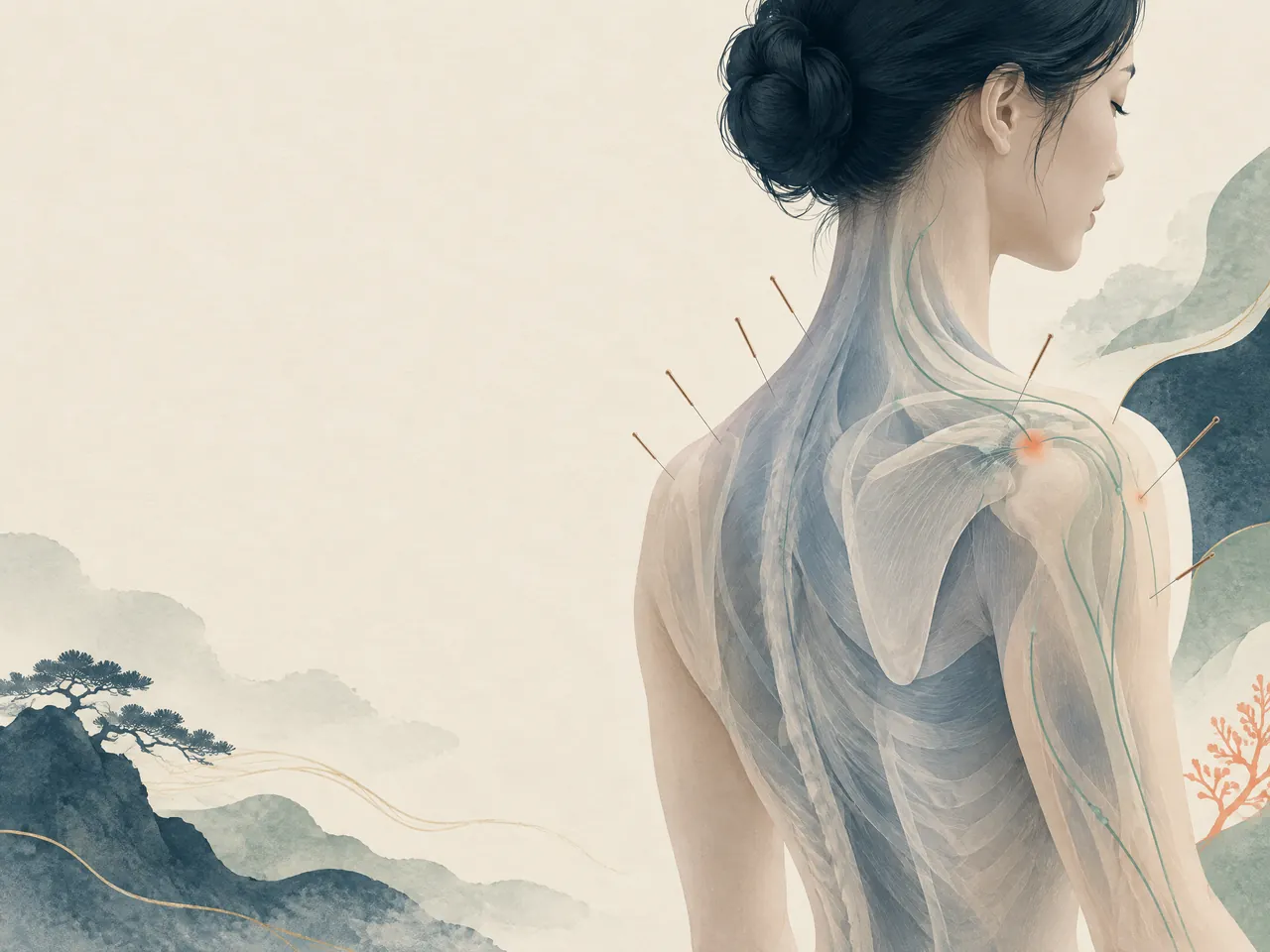
Moxibustion vs acupuncture comes down first to the form of stimulation: moxibustion applies controlled moxa warmth, while acupuncture uses fine needles at selected acupoints. They can be discussed as separate methods or as part of the same Chinese medicine consultation. A choice should take account of the person’s concern, skin and heat sensitivity, comfort with needles, medicines and relevant health history rather than assuming one option suits every situation.
Transparent pricing
See the fees.
Choose your care.
Explore our complete official price list, including first-trial prices, regular prices, packages and branch-specific options.
Opening WhatsApp prepares an enquiry; it does not send a message, take payment or confirm an appointment. Suitability and individual arrangements are confirmed during consultation.
Chinese medicine
All prices in HKDAcupuncture and Chinese herbal medicine package
Includes a Chinese medicine consultation with pulse assessment, body acupuncture and 3 days of Chinese herbal granules that do not require decoction.
HK$580 (single session)
Chinese medicine consultation with pulse assessment
Hair and scalp
All prices in HKDScalp health and hair-loss management
Includes AI scalp analysis, deep scalp and follicle cleansing, and scalp oil-control care.
HK$380 (first trial)
Regular price: HK$680
- 6 sessions: HK$3,480 (HK$580 per session)
- 12 sessions: HK$5,760 (HK$480 per session)
- 20 sessions: HK$8,600 (HK$430 per session)
- 30 sessions: HK$11,400 (HK$380 per session)
Hair acupuncture and Chinese herbal medicine package
Includes scalp acupuncture and 3 days of Chinese herbal medicine that does not require decoction.
HK$580 (single session)
Registered Chinese Medicine Practitioner consultation
- 6 sessions: HK$3,180 (HK$530 per session)
- 12 sessions: HK$5,760 (HK$480 per session)
- 20 sessions: HK$8,600 (HK$430 per session)
- 30 sessions: HK$11,400 (HK$380 per session)
Combined hair and scalp treatment
Combines acupuncture and Chinese herbal medicine with salon-level scalp and follicle care. Packages include complimentary hair-care shampoo and serum.
HK$1,260 (single session)
Combined treatment
- 8 sessions: HK$8,640 (HK$1,080 per session)
- 16 sessions: HK$15,680 (HK$980 per session)
- 20 sessions: HK$18,600 (HK$930 per session)
- 30 sessions: HK$26,400 (HK$880 per session)
Weight management
All prices in HKDFull-body acupoint embedding for weight management
Includes full-body acupoint embedding. Packages include complimentary Chinese herbal medicine for weight management, with the number of included days scaled to the package. Embedding material and the individual treatment arrangement are confirmed during consultation; this is not a cosmetic thread lift.
HK$980 (single session)
No trial session
- 10 sessions: HK$7,800 (HK$780 per session)
- 20 sessions: HK$14,600 (HK$730 per session)
- 30 sessions: HK$20,400 (HK$680 per session)
Facial acupuncture
All prices in HKDFacial acupuncture (basic)
Includes facial acupuncture and meridian-based facial care, including care for facial puffiness.
HK$480 (first trial)
Regular price: HK$680
- 10 sessions: HK$5,200 (HK$520 per session)
- 20 sessions: HK$9,600 (HK$480 per session)
- 30 sessions: HK$13,500 (HK$450 per session)
Facial acupuncture (advanced)
Includes enhanced facial acupuncture with a specially formulated moisturising mask and serum.
HK$780 (first trial)
Regular price: HK$1,180
- 10 sessions: HK$9,000 (HK$900 per session)
- 20 sessions: HK$16,600 (HK$830 per session)
- 30 sessions: HK$23,400 (HK$780 per session)
Pain care
All prices in HKDExtracorporeal shockwave treatment
Shockwave treatment for deep-tissue and fascial care. The Kwun Tong clinic offers the multi-area options shown below.
Priced by branch
Branch-specific pricing
Prince Edward: HK$250 per area
Kwun Tong: HK$250 for 1 area / HK$450 for 2 areas / HK$600 for 3 areas
Pain care (manual therapy)
Includes Chinese medicine musculoskeletal assessment, manual joint techniques and tui na.
HK$580 (single session)
Chinese medicine musculoskeletal assessment
Pain care (acupuncture and manual therapy)
Combines acupuncture and manual therapy.
HK$680 (single session)
Combined care
Moxibustion vs Acupuncture: The Basic Difference
The clearest distinction in moxibustion vs acupuncture is the treatment medium. Acupuncture is the insertion of fine needles into the skin, as described by the U.S. National Center for Complementary and Integrative Health (NCCIH). Moxibustion is a heat-based method: Hong Kong’s Health Bureau describes it as smouldering moxa puffs, pillars or sticks on a part of the body surface to give a warm stimulus. [1] [2] The names therefore describe different actions, even when the discussion includes the same area of the body.
That difference matters when someone is deciding what to ask for. A person who says they are looking for “acupuncture” may actually be interested in warmth, while another may expect needles and be surprised to hear moxa mentioned. It is better to name the experience you want to understand—warmth near the skin, needle placement, or both—than to rely on an umbrella term. Chinese medicine discussions may also refer to acupoints and meridians. Those are part of the traditional clinical language, but they do not turn the two procedures into identical treatments. The Chinese Medicine Hospital of Hong Kong presents needling and moxibustion as distinct methods within this field. [3]

Moxibustion vs Acupuncture: What Moxibustion Involves
Moxibustion involves moxa being smouldered so that warmth is directed toward a selected body area or point. The important practical feature is controlled heat, not needle insertion. The position of the moxa, the way warmth is delivered and whether it is used alongside another method are matters to clarify at the appointment. You may notice a herbal, smoky smell as well as warmth; ventilation and comfort are reasonable topics to raise before treatment begins. Because heat is involved, speak up promptly if the sensation feels sharp, excessive or simply uncomfortable. A considered conversation should include any history of skin sensitivity, reduced sensation, a recent skin injury or a reaction to smoke or scents. This is not a method to self-direct from a general comparison page.
It is also sensible to separate traditional explanations from promises about outcomes. A practitioner may use Chinese medicine terms to explain why a warming method is being considered, but the term “warming” does not predict how a particular symptom will respond. Research and clinical decisions differ by condition and person. For an enquiry, confirm that moxa means controlled warmth and share factors that may affect whether heat is appropriate. If you are comparing nearby options, the moxibustion Hong Kong page can help you frame a service-specific question without assuming the method will be recommended.
Moxibustion vs Acupuncture: What Acupuncture Involves
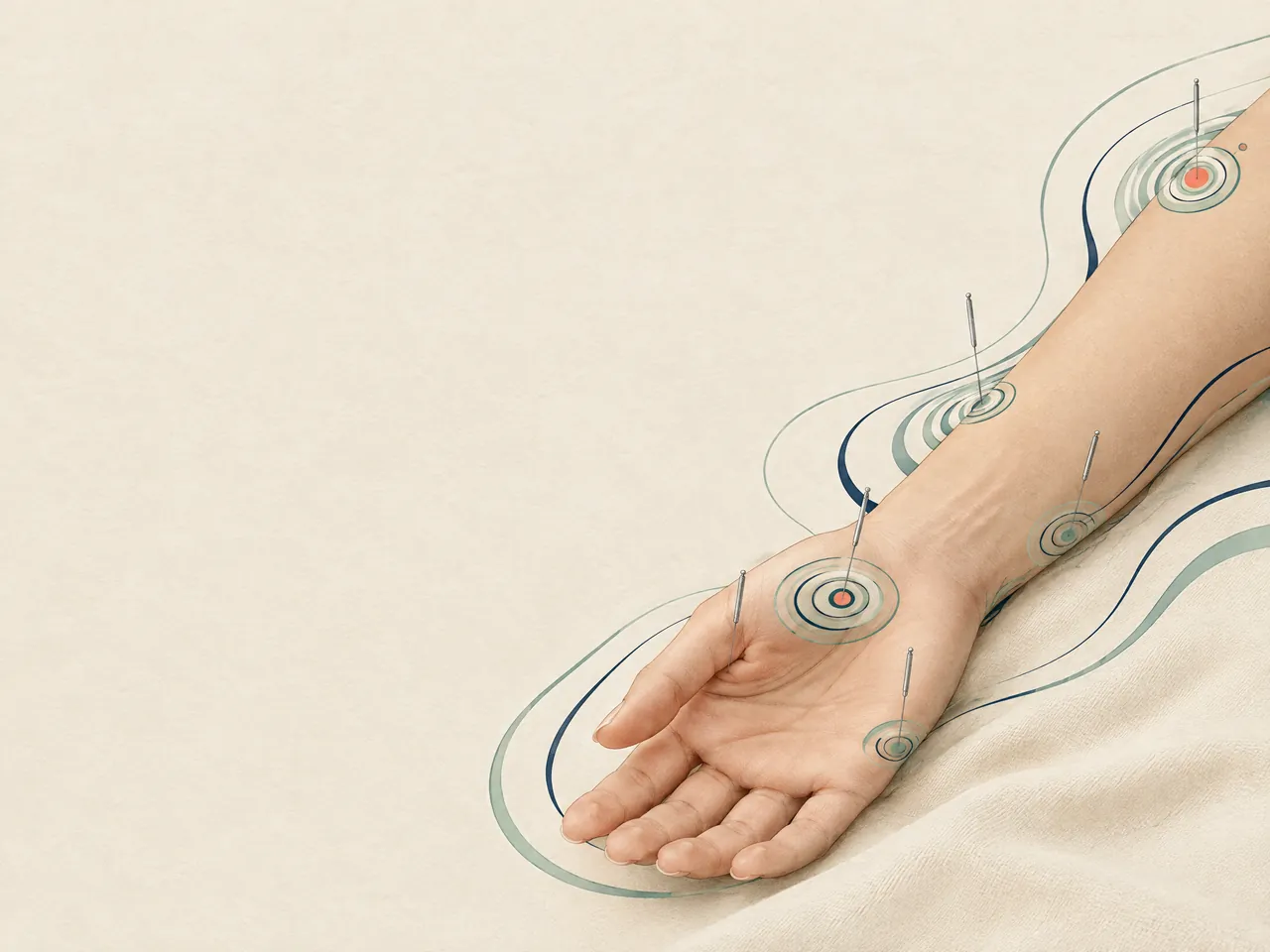
Acupuncture involves fine needles placed at selected points. Needle placement can be discussed before the session: tell the practitioner if you are nervous about needles, faint around medical procedures, have an area you do not want touched, or need to know how to position yourself comfortably. A consultation is also the place to mention medication, a bleeding or bruising concern, pregnancy, implanted devices, active infection, or other care you are receiving. These details are not a checklist for self-diagnosis; they help determine what needs individual attention before any procedure is considered.
The expected sensation should be explained in plain terms rather than guessed from another person’s experience. Needle sensation varies, and comfort is part of the discussion. NCCIH notes that complications are relatively uncommon but that nonsterile needles and improper delivery can cause serious harm; it also states that acupuncture needles regulated in the United States are sterile and labelled for single use. [1] Ask how hygiene, single-use equipment and consent are handled in the setting you are considering. That is a more useful comparison point than treating “needle-free” and “risk-free” as the same thing.
Compare your options
| Comparison point | Moxibustion | Acupuncture | Useful question |
|---|---|---|---|
| Main stimulus | Controlled warmth from smouldering moxa | Fine needles at selected points | Which method are we discussing today? |
| What to mention | Skin sensitivity, comfort with heat, reactions to smoke or scents | Needle anxiety, fainting history, medicines or bleeding concerns | What in my history needs consideration? |
| During the session | Warmth and comfort should be monitored | Positioning and needle sensation can be discussed | How should I signal discomfort or ask to pause? |
| How to compare | Ask what the warming method involves in your case | Ask what needle placement involves in your case | Why is this approach being considered for my concern? |
| Safety conversation | Ask about skin, heat and moxa-related considerations | Ask about hygiene, single-use needles and relevant precautions | What are the practical safety steps for me? |
On smaller screens, scroll the table sideways to compare all columns.
Moxibustion vs Acupuncture: Comparing the Treatment Approach
A useful moxibustion vs acupuncture comparison starts with what the practitioner is assessing, not with a fixed menu of techniques. A consultation may cover where the discomfort or limitation is felt, whether it is constant or linked to movement, how long it has been present, what has already been tried, and whether it disrupts sleep, commuting, training or desk work. Those specifics give a clearer picture than a broad label such as “sports pain” or “stress.” If a recent injury, sudden weakness, fever, chest symptoms or another urgent concern is involved, seek appropriate medical assessment rather than delaying it while choosing a complementary approach.
The methods may be discussed separately or together, but “combined” should not be taken to mean that both are automatically necessary. The Hong Kong Health Bureau says a Chinese medicine practitioner may choose or combine measures according to a patient’s overall condition and needs. [2] For a first visit, it can help to ask what each proposed method is intended to add to the consultation, what you may feel during it, and what alternatives are available if you prefer not to use heat or needles. A clear explanation gives you room to make an informed choice.

Moxibustion vs Acupuncture: Warming Methods and Moxa
When moxa is under discussion, the practical questions are about heat, distance from the skin, body position, odour, ventilation and monitoring. Do not assume that every moxibustion method feels the same or is used in the same place. Ask where warmth is proposed, how the practitioner checks your comfort and what you should say if it becomes too intense. Tell them about products or scents that have triggered a reaction in the past. NCCIH notes that moxibustion can cause allergic reactions, burns and infections, which is one reason to disclose relevant skin or sensitivity issues rather than minimising them. [4]
Warmth can sound appealing after long hours in air-conditioning, repetitive activity or a sedentary day, but comfort is not a diagnosis and it is not proof that moxa is the right response to every ache. Describe the pattern instead: which task brings it on, whether rest changes it, and what makes the area feel worse or better. For someone whose concern follows training, an article on Chinese medicine sports injury may provide useful language for the enquiry, while the consultation should remain focused on the current history rather than an online label.
Moxibustion vs Acupuncture: Needling Methods and Acupoints
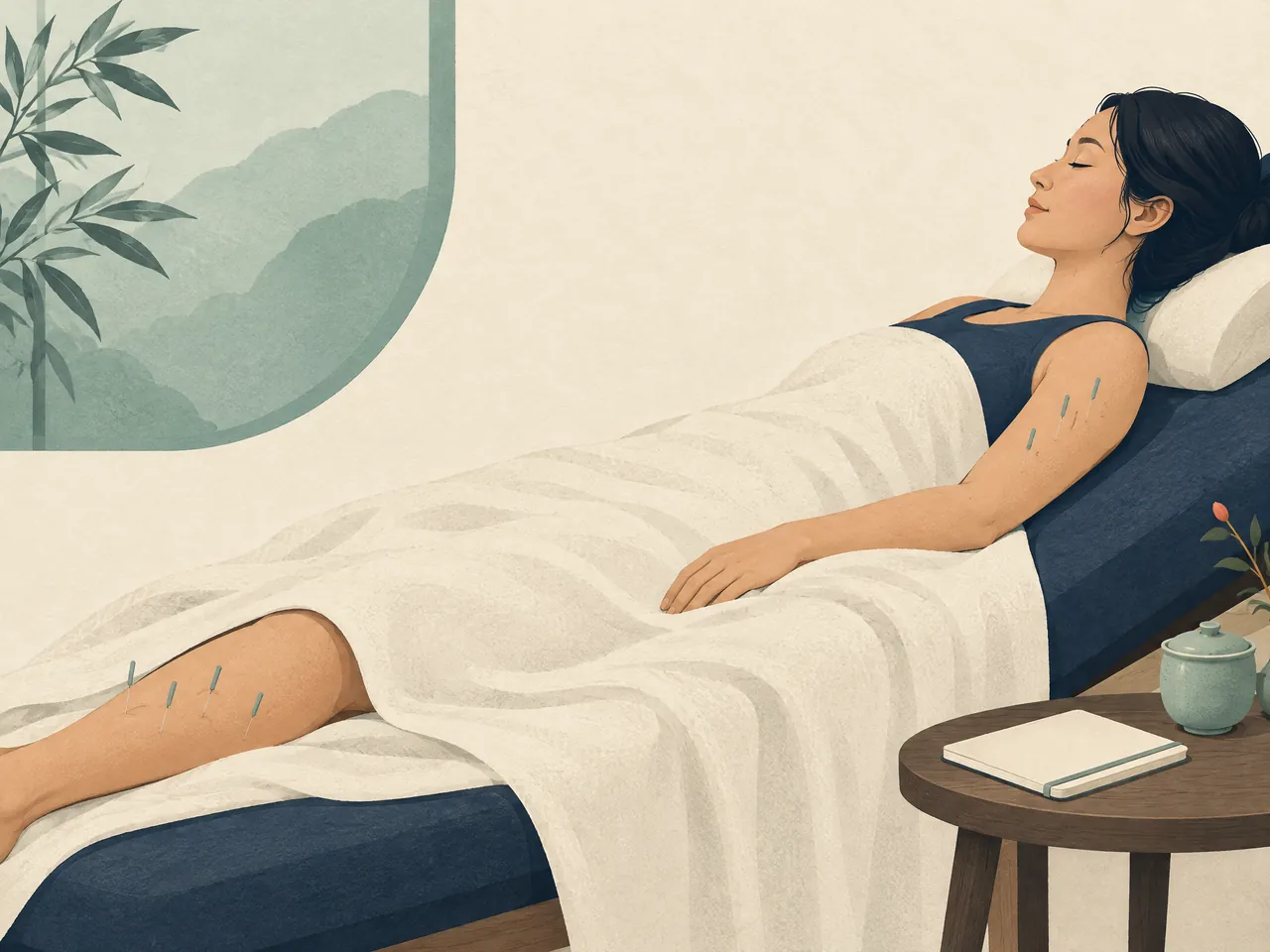
With acupuncture, selected acupoints are one element of a broader clinical conversation. It is reasonable to ask where needles may be placed, whether you need to expose a particular area, how long you are likely to be positioned, and what communication you can expect if you need a pause. Avoid trying to map an online list of points onto your own body and expecting an identical plan. People with similar discomfort can have different histories and preferences. The aim of an initial discussion is clarity and consent, not reproducing a routine seen on social media.
If your main hesitation is needle anxiety, say so directly. A practitioner can explain the method being considered and whether a needle-based approach is necessary to the discussion. You can also ask how the session will accommodate a person who is new to acupuncture. Readers who are deciding whether to raise this topic at all may find is acupuncture suitable for everyone a useful starting point for questions, not a substitute for an individual assessment. Do not let a desire for a quick answer stop you from mentioning conditions, treatments or symptoms that need attention first.
Moxibustion vs Acupuncture: Choosing a Consultation
Choosing a consultation does not require you to arrive having selected a method. It is often more productive to bring a concise description of your goal and constraints: the change you want to discuss, how it affects the day, prior treatment or assessment, your availability, and your preference about heat or needles. Add any medicines, allergies, pregnancy, skin issues or procedures that could be relevant. That gives the practitioner a starting point and gives you a way to assess whether the explanation is specific enough for you. You can ask about the proposed method without agreeing to it immediately.
Practical location can shape the enquiry too. Someone travelling from the east of Hong Kong may wish to ask about a Kwun Tong Chinese medicine clinic; another may prefer an acupuncture clinic Prince Edward discussion. Location pages can help you plan where to enquire, but they do not decide whether moxibustion or acupuncture is appropriate. The central question remains personal: what is being proposed, why is it being discussed in relation to your history, and what are the practical and safety considerations for you?
Moxibustion vs Acupuncture: Questions to Discuss First
Use the comparison to prepare questions that invite a clear answer. You might ask: Is the proposed method moxa warmth, needle stimulation, or both? What will happen first? What might I feel? Which information from my health history changes the discussion? How are skin comfort, smoke sensitivity or needle anxiety handled? What should I do if I am uncomfortable during the session? These questions are practical, not confrontational. They make space for consent and help distinguish an explanation of a method from a promise that it will solve a particular problem.
Also ask what follow-up, if any, makes sense after the consultation and what changes should prompt you to contact another healthcare professional. Complementary care should not replace evaluation of a new, severe or worsening health problem. NCCIH advises people not to use acupuncture to postpone seeing a healthcare provider about a health problem and to discuss complementary approaches with their healthcare providers. [1] This is especially relevant when you are comparing methods because the method choice is secondary to getting the right level of care for the problem.
Moxibustion vs Acupuncture: Enquiring at TCM Lab Hong Kong
To enquire at TCM Lab Hong Kong, contact WhatsApp at +852 6940 5663 and briefly describe the concern you wish to discuss. Include whether you are asking about moxa warmth, acupuncture needles or the difference between them, together with any scheduling and language needs. This is an enquiry route, not an automatic booking or a guarantee that a particular method will be used. Consultation times are arranged by appointment, so it is sensible to confirm the available arrangement before travelling. If you are considering a location near Mong Kok, the Chinese medicine clinic Prince Edward page has the address context for your planning.
A focused message can be short: describe the main concern, when it began, what makes it harder to manage, relevant care already received, and whether you have a preference or concern about heat, smoke or needles. That information helps start the right conversation without asking you to diagnose yourself. If the issue relates to an activity-related problem, you may also ask whether a discussion of can acupuncture help sports injuries is relevant to your questions. At the consultation, you can then ask for the proposed approach, its practical steps and any safety considerations to be explained in terms you understand.
Care and health guide
Health service information
This directory brings together services, reading, and visit information related to health services, to help you prepare questions for a consultation.
If you are organising health questions, Chinese medicine clinic Hong Kong is a starting point for learning about related services and preparing for a consultation.
People have different needs; acupuncture Hong Kong provides further reading to help you understand options in your own context.


Your questions, answered
Frequently asked questions
What is the main difference in moxibustion vs acupuncture?
Moxibustion uses controlled warmth from smouldering moxa near a selected body area or acupoint. Acupuncture uses fine needles placed at selected points. They may be discussed in the same Chinese medicine consultation, but they are different procedures with different practical considerations.
Can I choose moxibustion if I do not want needles?
You can say that you prefer to avoid needles and ask whether a moxa-based method is being considered. Do not assume that a preference determines the plan. Share relevant skin, heat, smoke or health considerations so the discussion can be individualised.
What should I tell a practitioner before acupuncture or moxibustion?
Mention your main concern, when it started, other care or medicines, allergies or sensitivity, pregnancy, skin concerns, a history of fainting or bruising, and what you are comfortable with. Also describe any new or worsening symptom that may need medical assessment.
How can I enquire about moxibustion vs acupuncture at TCM Lab Hong Kong?
Message TCM Lab Hong Kong on WhatsApp at +852 6940 5663. State whether you want to discuss moxa warmth, acupuncture needles or both, and include your main concern and location preference. Appointment availability and the appropriate approach need to be confirmed individually.
Sources and further information
- [1] NCCIH — Acupuncture: Effectiveness and Safety
Referenced for: Definition of acupuncture, research context, sterile single-use needle information and general safety considerations.
- [2] Hong Kong Health Bureau — Chinese Medicine Clinical Services: Interventions
Referenced for: Official Hong Kong descriptions distinguishing acupuncture needle penetration and moxibustion as a warm moxa stimulus.
- [3] Chinese Medicine Hospital of Hong Kong — Acupuncture and Moxibustion in Chinese Medicine
Referenced for: Hong Kong institutional context for acupoints, meridian theory and distinct needling and moxibustion methods.
- [4] NCCIH — Asthma and Complementary Health Approaches: What the Science Says
Referenced for: General moxibustion safety note on allergic reactions, burns and infections; not used as a claim about asthma treatment.