
TCM Lab · Health reading
What causes sudden lower back pain? | Should I use ice or heat for sudden lower back pain? | Should I rest in bed for acute low back pain? A Clear Guide for Sudden Lower Back Pain
Published Updated
A sudden low-back episode can be alarming, whether it arrives while lifting a delivery, turning out of a taxi, or simply standing up after a long day. A strain or muscle spasm is common, but disc, nerve, joint, fracture, infection and non-spinal problems can also be relevant. Start by checking for warning signs, record the pattern, and choose ice, heat and gentle movement only as comfort measures—not as a way to diagnose the cause. This guide explains when urgent assessment comes first and how a Chinese medicine consultation can fit alongside ordinary medical care.
Appointments are confirmed through WhatsApp. If you have language requirements, please mention them in your enquiry.
The short answer
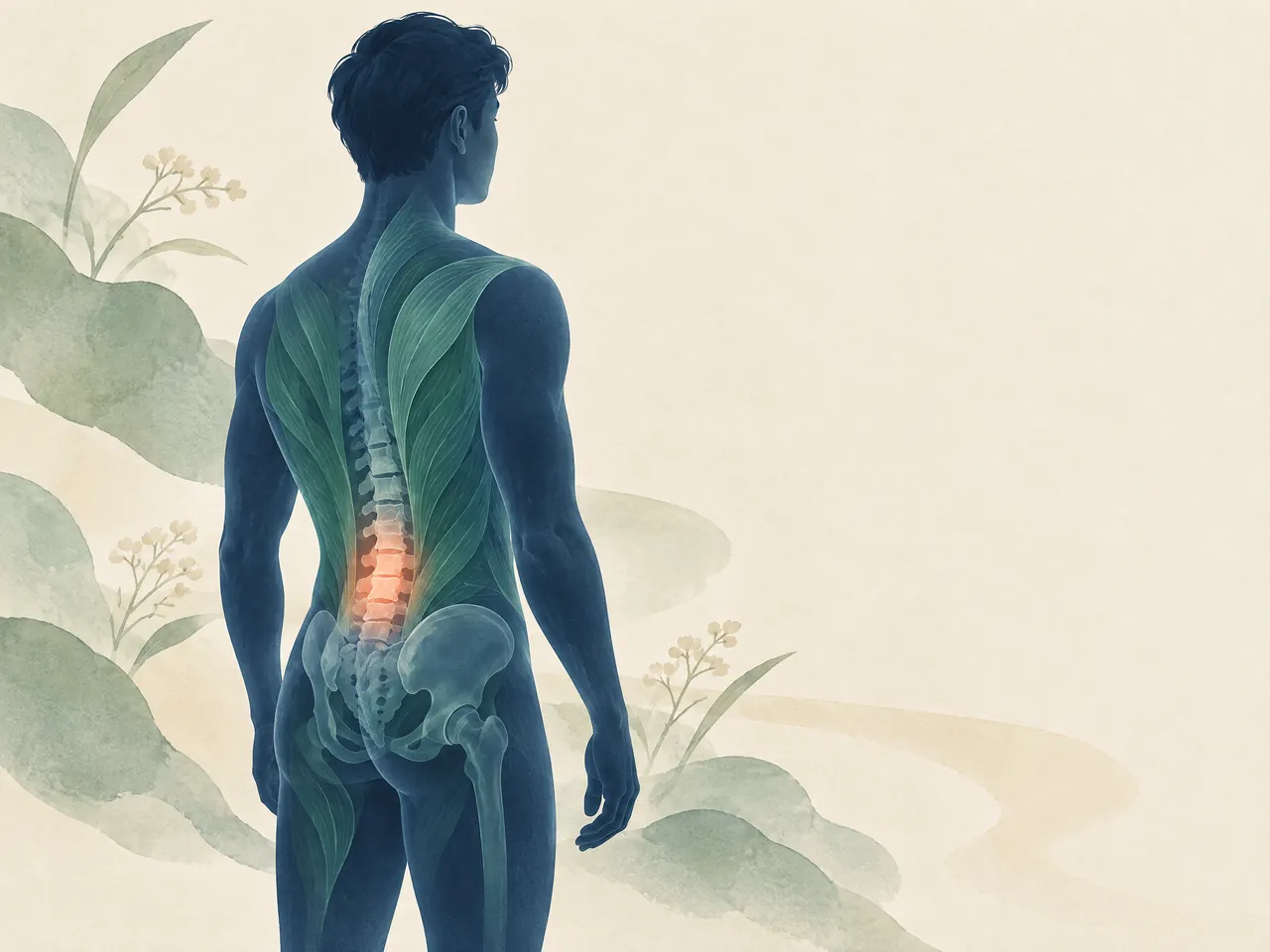
Sudden lower back pain often follows a muscle or ligament injury, spasm, awkward movement, or sometimes a disc or nerve-related problem; a single cause is not always clear. Use a wrapped cold pack or gentle heat only if it feels comfortable, and avoid long periods in bed. Keep lightly active within your tolerance. Seek urgent medical care for new weakness or numbness in both legs, altered feeling around the genitals or anus, bladder or bowel changes, chest pain, fever with feeling unwell, or pain after major trauma.
Transparent pricing
See the fees.
Choose your care.
Explore our complete official price list, including first-trial prices, regular prices, packages and branch-specific options.
Opening WhatsApp prepares an enquiry; it does not send a message, take payment or confirm an appointment. Suitability and individual arrangements are confirmed during consultation.
Pain care
All prices in HKDExtracorporeal shockwave treatment
Shockwave treatment for deep-tissue and fascial care. The Kwun Tong clinic offers the multi-area options shown below.
Priced by branch
Branch-specific pricing
Prince Edward: HK$250 per area
Kwun Tong: HK$250 for 1 area / HK$450 for 2 areas / HK$600 for 3 areas
Pain care (manual therapy)
Includes Chinese medicine musculoskeletal assessment, manual joint techniques and tui na.
HK$580 (single session)
Chinese medicine musculoskeletal assessment
Pain care (acupuncture and manual therapy)
Combines acupuncture and manual therapy.
HK$680 (single session)
Combined care
Hair and scalp
All prices in HKDScalp health and hair-loss management
Includes AI scalp analysis, deep scalp and follicle cleansing, and scalp oil-control care.
HK$380 (first trial)
Regular price: HK$680
- 6 sessions: HK$3,480 (HK$580 per session)
- 12 sessions: HK$5,760 (HK$480 per session)
- 20 sessions: HK$8,600 (HK$430 per session)
- 30 sessions: HK$11,400 (HK$380 per session)
Hair acupuncture and Chinese herbal medicine package
Includes scalp acupuncture and 3 days of Chinese herbal medicine that does not require decoction.
HK$580 (single session)
Registered Chinese Medicine Practitioner consultation
- 6 sessions: HK$3,180 (HK$530 per session)
- 12 sessions: HK$5,760 (HK$480 per session)
- 20 sessions: HK$8,600 (HK$430 per session)
- 30 sessions: HK$11,400 (HK$380 per session)
Combined hair and scalp treatment
Combines acupuncture and Chinese herbal medicine with salon-level scalp and follicle care. Packages include complimentary hair-care shampoo and serum.
HK$1,260 (single session)
Combined treatment
- 8 sessions: HK$8,640 (HK$1,080 per session)
- 16 sessions: HK$15,680 (HK$980 per session)
- 20 sessions: HK$18,600 (HK$930 per session)
- 30 sessions: HK$26,400 (HK$880 per session)
Weight management
All prices in HKDFull-body acupoint embedding for weight management
Includes full-body acupoint embedding. Packages include complimentary Chinese herbal medicine for weight management, with the number of included days scaled to the package. Embedding material and the individual treatment arrangement are confirmed during consultation; this is not a cosmetic thread lift.
HK$980 (single session)
No trial session
- 10 sessions: HK$7,800 (HK$780 per session)
- 20 sessions: HK$14,600 (HK$730 per session)
- 30 sessions: HK$20,400 (HK$680 per session)
Facial acupuncture
All prices in HKDFacial acupuncture (basic)
Includes facial acupuncture and meridian-based facial care, including care for facial puffiness.
HK$480 (first trial)
Regular price: HK$680
- 10 sessions: HK$5,200 (HK$520 per session)
- 20 sessions: HK$9,600 (HK$480 per session)
- 30 sessions: HK$13,500 (HK$450 per session)
Facial acupuncture (advanced)
Includes enhanced facial acupuncture with a specially formulated moisturising mask and serum.
HK$780 (first trial)
Regular price: HK$1,180
- 10 sessions: HK$9,000 (HK$900 per session)
- 20 sessions: HK$16,600 (HK$830 per session)
- 30 sessions: HK$23,400 (HK$780 per session)
Chinese medicine
All prices in HKDAcupuncture and Chinese herbal medicine package
Includes a Chinese medicine consultation with pulse assessment, body acupuncture and 3 days of Chinese herbal granules that do not require decoction.
HK$580 (single session)
Chinese medicine consultation with pulse assessment
What causes sudden lower back pain? | Should I use ice or heat for sudden lower back pain? | Should I rest in bed for acute low back pain? — Recognising Patterns, Causes, and Warning Signs
Sudden pain does not automatically reveal its source. It may begin as the supporting muscles or ligaments react to a lift, quick twist, slip, prolonged sitting or an unfamiliar exercise session. A cramp-like spasm can make straightening up difficult. Other possibilities include an irritated disc or nerve, and less commonly a fracture, infection, inflammatory condition or a problem outside the spine. MedlinePlus lists strains or tears, herniated discs and sciatica among possible causes of acute low back pain [1]. The sensible question is not only “what did I damage?” but also “what changed, and are there signs that need prompt assessment?”
Pain that stays around the belt line after a clear movement is different from pain travelling below the knee, pain with tingling, or pain that is paired with feeling unwell. A flare can be severe without being dangerous, but severity alone cannot sort every cause. The NHS notes that back pain is often not traceable to one obvious cause and may improve, while conditions such as a slipped disc or sciatica can also contribute [2]. Treat an online description as a prompt to observe and communicate, not a substitute for an examination.
What causes sudden lower back pain? | Should I use ice or heat for sudden lower back pain? | Should I rest in bed for acute low back pain? — How the Pain Started and What to Record
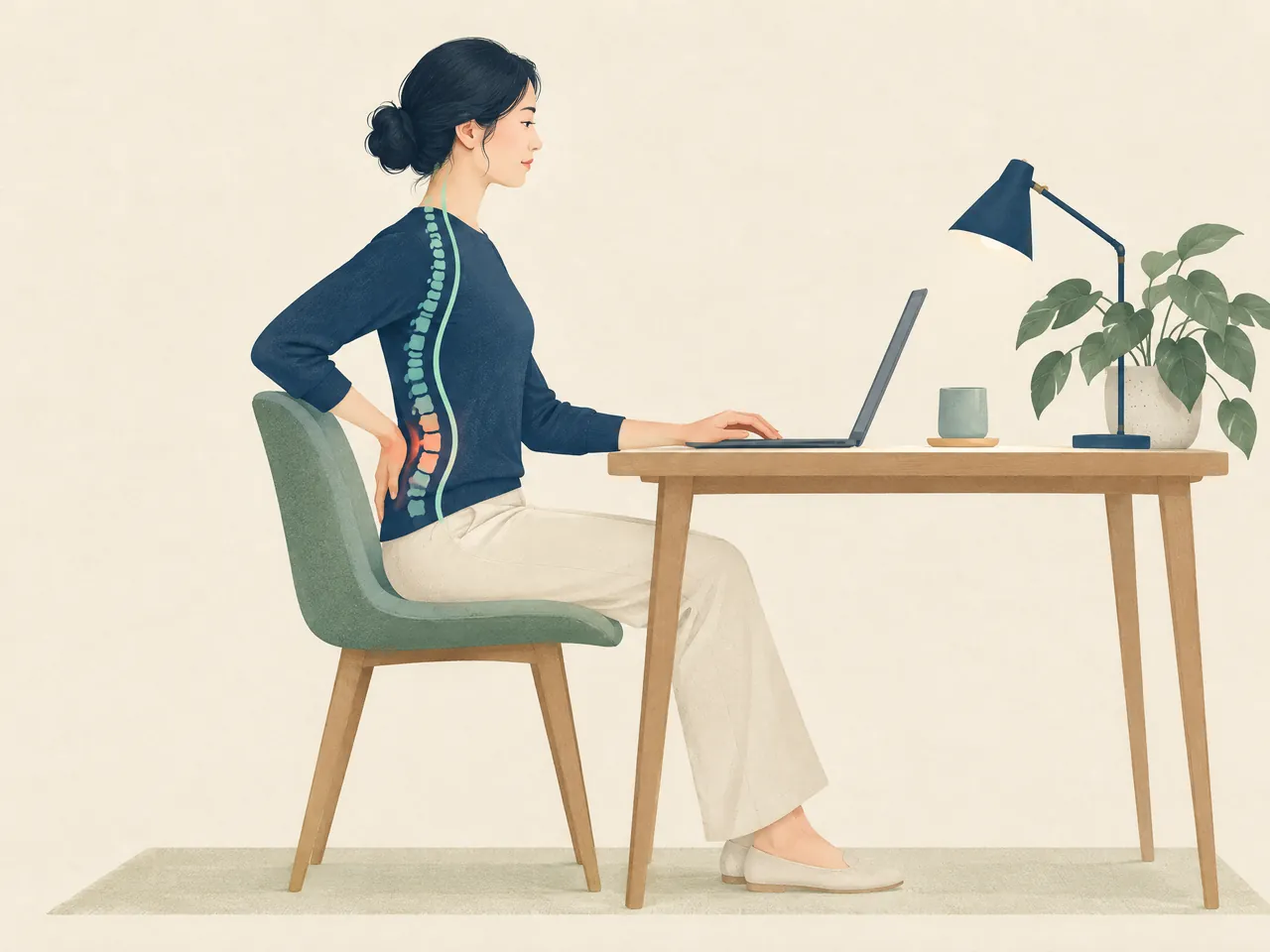
Make a short timeline while the episode is fresh. Record whether the pain appeared during lifting, bending, turning, coughing, a workout, a long drive, getting out of bed, or without an obvious event. Describe it in ordinary words: sharp, catching, tight, aching, burning or cramping. Mark whether it is central, one-sided, near the buttock, or runs down a leg. Include what you could do just before the pain and what is now difficult—putting on shoes, sitting at a desk, walking, sleeping, climbing stairs or caring for a child. This detail can help a clinician decide what to ask next more effectively than a guessed label such as “disc pain.”
Also note the direction of change. Is a short walk tolerable but sitting worse? Does changing position help? Does a cough or sneeze provoke pain? Have you already used a cold pack, heat, a pain medicine, massage, stretching or a support belt, and what happened afterwards? List current medicines and relevant conditions if you arrange an appointment. For a closer explanation of common triggers and assessment language, see acute low back pain causes. If leg symptoms are part of the picture, the overview of herniated disc symptoms in the lower back can help you frame questions, but it cannot establish that a disc is the cause.
What causes sudden lower back pain? | Should I use ice or heat for sudden lower back pain? | Should I rest in bed for acute low back pain? — Common Strains, Nerve Symptoms, and Red Flags
A low back pain muscle strain may follow a load or movement that the body was not ready for, but back pain often has no single visible structural explanation. Nerve irritation can bring pain, tingling, altered sensation or weakness into a leg or foot; this needs individual assessment rather than a self-test. Read low back pain muscle strain for a focused discussion of that pattern. Avoid assuming that an X-ray, scan or the location of pain alone gives the answer. NICE advises against routine imaging in a non-specialist setting and says specialist imaging should be considered when the result is likely to change management [3].
Some signs call for urgent medical assessment instead of home management or a routine complementary-care enquiry. Go to emergency care for pain, tingling, weakness or numbness in both legs; loss of feeling around the genitals or anus; new bladder or bowel changes; chest pain; or pain after a serious accident. Seek urgent advice for suddenly severe or quickly worsening pain with feeling hot, cold, shivery or generally unwell [2]. A high fever, unexplained weight loss, known cancer history, a significant fall, inability to get comfortable, or a new neurological change also merits timely medical review. Do not wait to see whether a heat pack changes these symptoms.
Compare your options
| Situation or goal | A cautious comfort choice | What to avoid or watch for |
|---|---|---|
| Pain after a recent aggravating movement, with no red flags | Try a cold pack wrapped in cloth if it feels soothing; remove it if it increases discomfort. | Do not place ice directly on skin or use cold to delay assessment of numbness, weakness or worsening pain. |
| Stiffness or protective muscle spasm | Try gentle wrapped heat if it is comfortable, then change position or take a short easy walk. | Avoid very hot packs, sleeping on a heat source, and forceful stretching while the pain is acute. |
| Painful sitting, commuting or desk work | Break up the position, stand carefully, adjust the task and use short, tolerable movement breaks. | Do not remain immobile for hours or return at once to heavy lifting and twisting. |
| A flare that limits normal tasks but has no urgent signs | Reduce the aggravating task briefly and resume simple daily activity gradually as tolerated. | Avoid prolonged bed rest; obtain advice if the pattern is worsening or stops you managing daily life. |
| Both-leg symptoms, saddle-area sensation change, bladder or bowel change, chest pain, fever with illness, or major trauma | Seek urgent or emergency medical assessment. | Do not try to manage this with heat, ice, massage, exercise or a routine clinic appointment. |
On smaller screens, scroll the table sideways to compare all columns.
What causes sudden lower back pain? | Should I use ice or heat for sudden lower back pain? | Should I rest in bed for acute low back pain? — Understanding Traditional Chinese Medicine Assessment
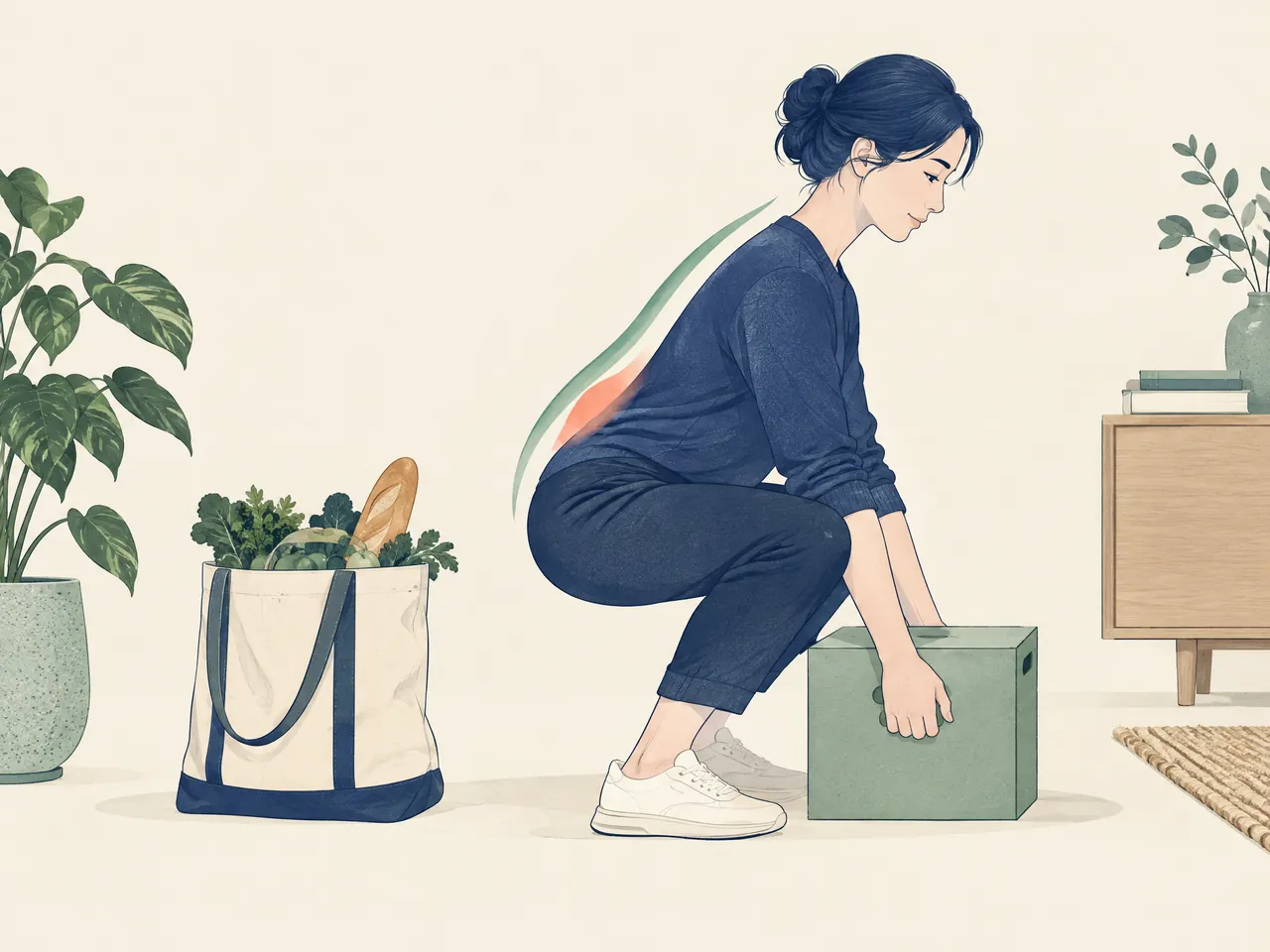
A Chinese medicine consultation can be a place to describe the episode in full: the first moment of pain, the movement involved, the quality and spread of symptoms, sleep disruption, work demands, past injuries, medical diagnoses and medicines. The aim is not to replace appropriate medical triage. Sudden back pain with the warning signs above needs urgent conventional assessment first. When no emergency sign is apparent, a Registered Chinese Medicine Practitioner may use the history and an in-person assessment to decide whether Chinese medicine care can be discussed, whether another clinician should be involved, or whether symptoms should be monitored.
What causes sudden lower back pain? | Should I use ice or heat for sudden lower back pain? | Should I rest in bed for acute low back pain? — What a Chinese Medicine Consultation Considers
In traditional Chinese medicine, the consultation commonly brings together observation, questioning and palpation with the person’s broader history. A practitioner may ask whether pain feels fixed or moves, whether it feels heavy, tight or stabbing, whether cold or warmth alters comfort, and how sleep, fatigue, digestion and daily workload have been affected. They may also ask about previous scans, physiotherapy, surgery, injury, pregnancy, anticoagulants and all current medicines. These questions matter because they give a fuller safety context, not because one descriptive word proves a traditional pattern or a medical diagnosis.
Local integrated-care terminology can be useful without overstating what any particular clinic provides. The Chinese Medicine Hospital of Hong Kong describes a low back pain programme in which Chinese medicine practitioners conduct systematic pattern identification and assessment, alongside an integrated Chinese-Western model [4]. That is not evidence that every sudden episode should receive the same approach, and it does not confirm availability at TCM Lab. It does illustrate why sharing medical reports, current treatment and new symptoms openly supports coordinated decisions rather than competing explanations.
What causes sudden lower back pain? | Should I use ice or heat for sudden lower back pain? | Should I rest in bed for acute low back pain? — How Traditional Pattern Identification Differs from Medical Diagnosis
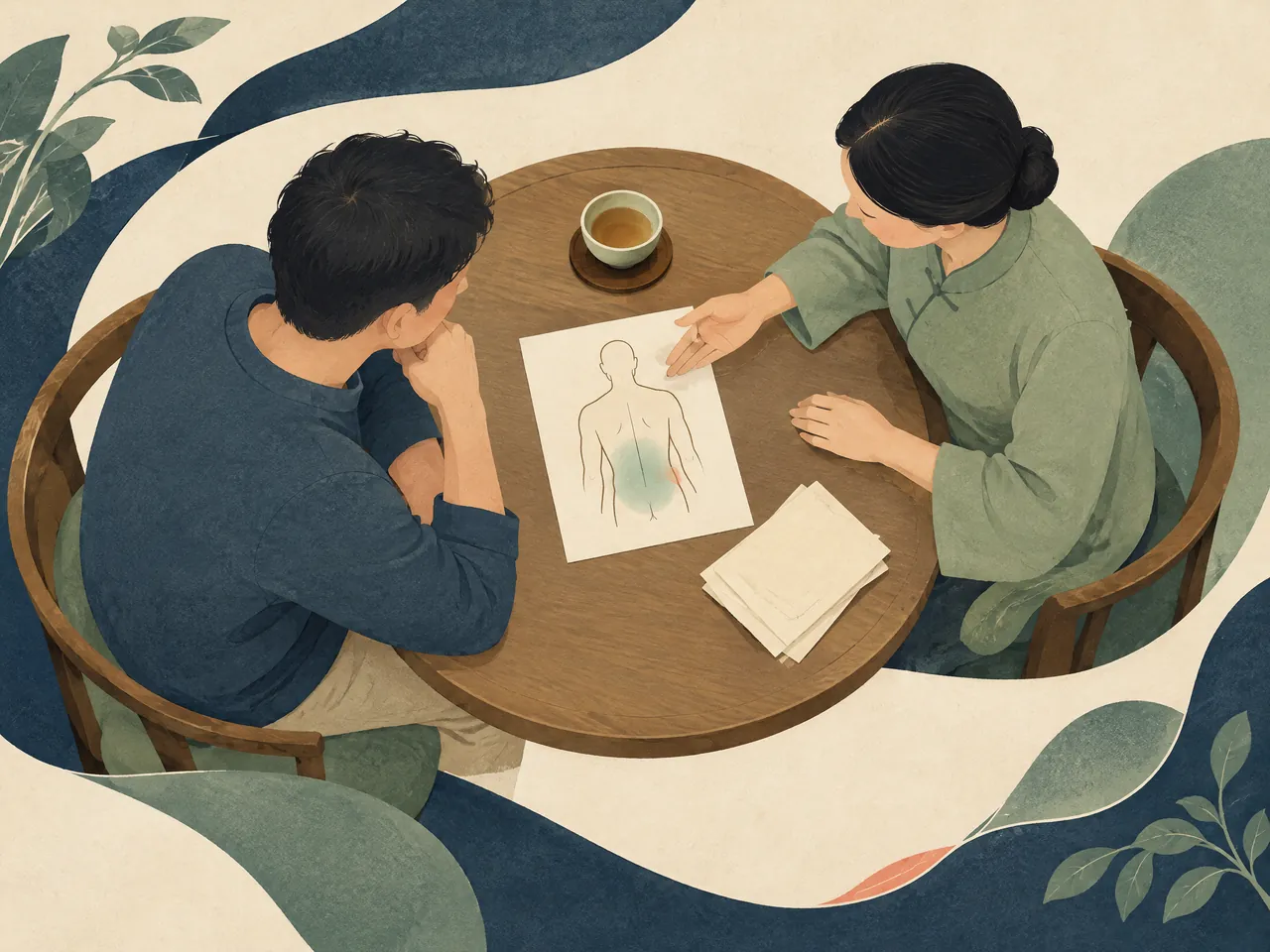
Traditional descriptions such as cold-damp obstruction, qi stagnation and blood stasis, or a kidney-deficiency pattern belong to a Chinese medicine interpretive system. They are not equivalent to a diagnosis of disc herniation, fracture, infection, cauda equina syndrome or sciatica in modern medicine. Nor should an imaging finding automatically be treated as the whole explanation for pain. Keep the two tasks separate: medical assessment identifies or rules out conditions that need urgent or specific management; traditional pattern identification may inform a Chinese medicine discussion after the relevant safety questions have been addressed.
This distinction keeps the consultation honest. You can ask what the practitioner is trying to understand, what findings would make another referral appropriate, and how any proposed care would sit alongside physiotherapy, prescribed medicines or other medical advice. Acupuncture is sometimes requested for nonspecific back pain, but major guidance is not uniform and NICE says not to offer acupuncture for low back pain with or without sciatica [3]. The page on nonspecific low back pain acupuncture gives further context. It should be discussed as an individual option, not promised as a cure or used to postpone investigation of red flags.
What causes sudden lower back pain? | Should I use ice or heat for sudden lower back pain? | Should I rest in bed for acute low back pain? — Practical Comfort and Activity Decisions
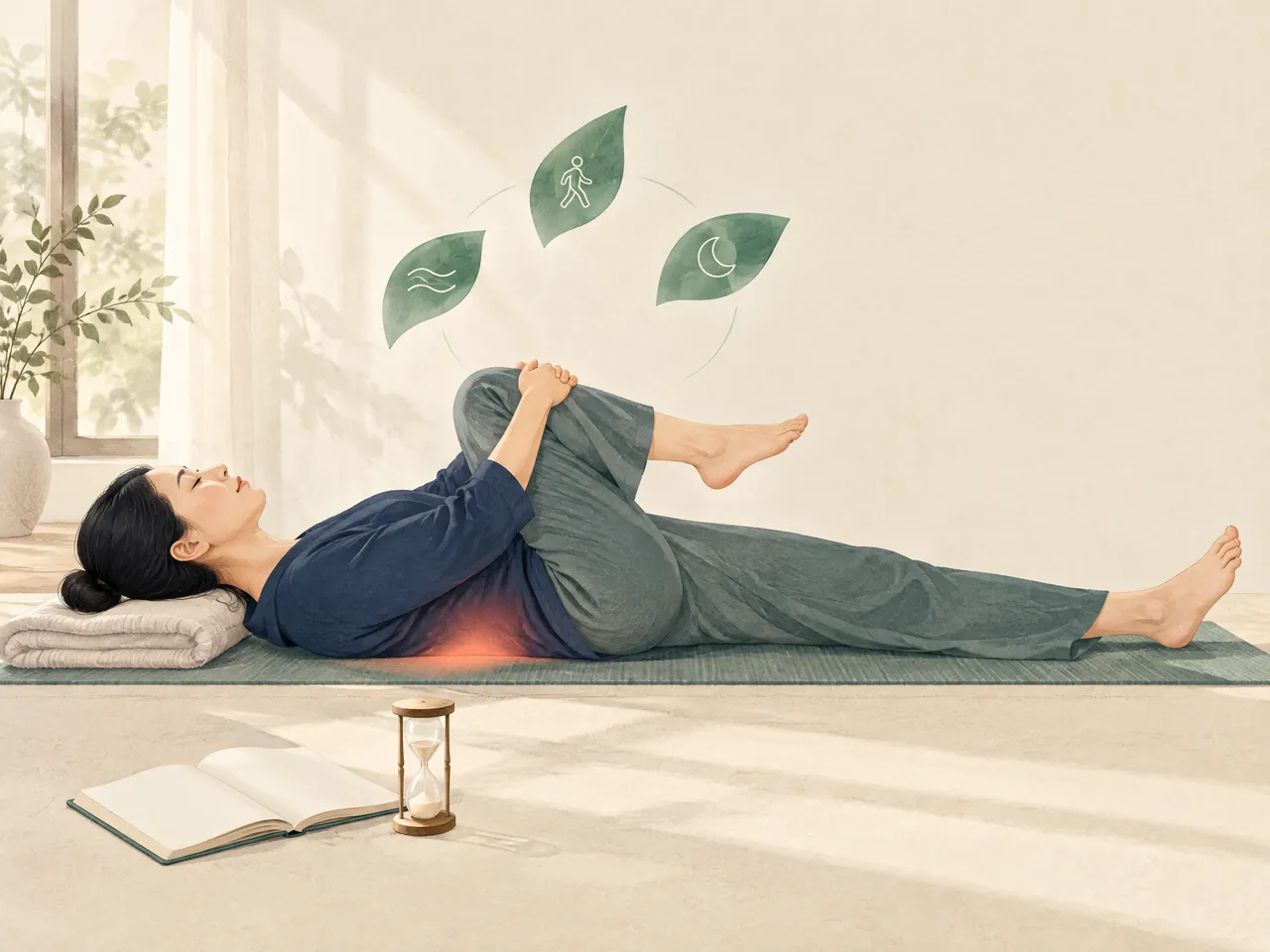
Once urgent warning signs have been excluded, early care is often about reducing irritations without withdrawing from ordinary life altogether. You may need to pause a lift, postpone a hard training session, change how you get in and out of a chair, or break a long commute into more frequent position changes. The goal is not to “push through” escalating pain and not to freeze in one posture either. NICE recommends advice tailored to the person’s needs and capabilities, including encouragement to continue normal activities [3]. Use comfort measures as a bridge while you observe the pattern and seek review if it is worsening or not settling.

What causes sudden lower back pain? | Should I use ice or heat for sudden lower back pain? | Should I rest in bed for acute low back pain? — Comparing Wrapped Ice and Gentle Heat for Comfort
Ice and heat are comfort choices, not tests that identify a strain, trapped nerve or other cause. A wrapped cold pack may feel soothing soon after an aggravating movement or when the area feels hot and tender. Gentle warmth may feel more comfortable when guarding, stiffness or spasm is the main complaint. The NHS suggests using an ice pack or heat pack wrapped in a towel, with ice for pain and swelling and heat for joint stiffness or muscle spasm [2]. Never apply either directly to skin, fall asleep on a heat source, or continue when skin becomes unusually pale, blotchy, painful or numb.
Try one option at a time and judge the immediate response rather than treating more intensity as better. Set up a supported position, use the pack briefly with a cloth barrier, then remove it and see whether getting up, taking a few steps or changing position feels easier, the same or worse. Stop if pain spreads, skin is irritated or you feel unwell. Avoid forceful stretching simply because warmth makes the area temporarily looser. If neither helps, that is not a sign that the problem is serious by itself; it simply means the measure is not useful for your comfort. The comparison table below can guide a calm, safe choice.
What causes sudden lower back pain? | Should I use ice or heat for sudden lower back pain? | Should I rest in bed for acute low back pain? — Why Prolonged Bed Rest Is Usually Not the First Step
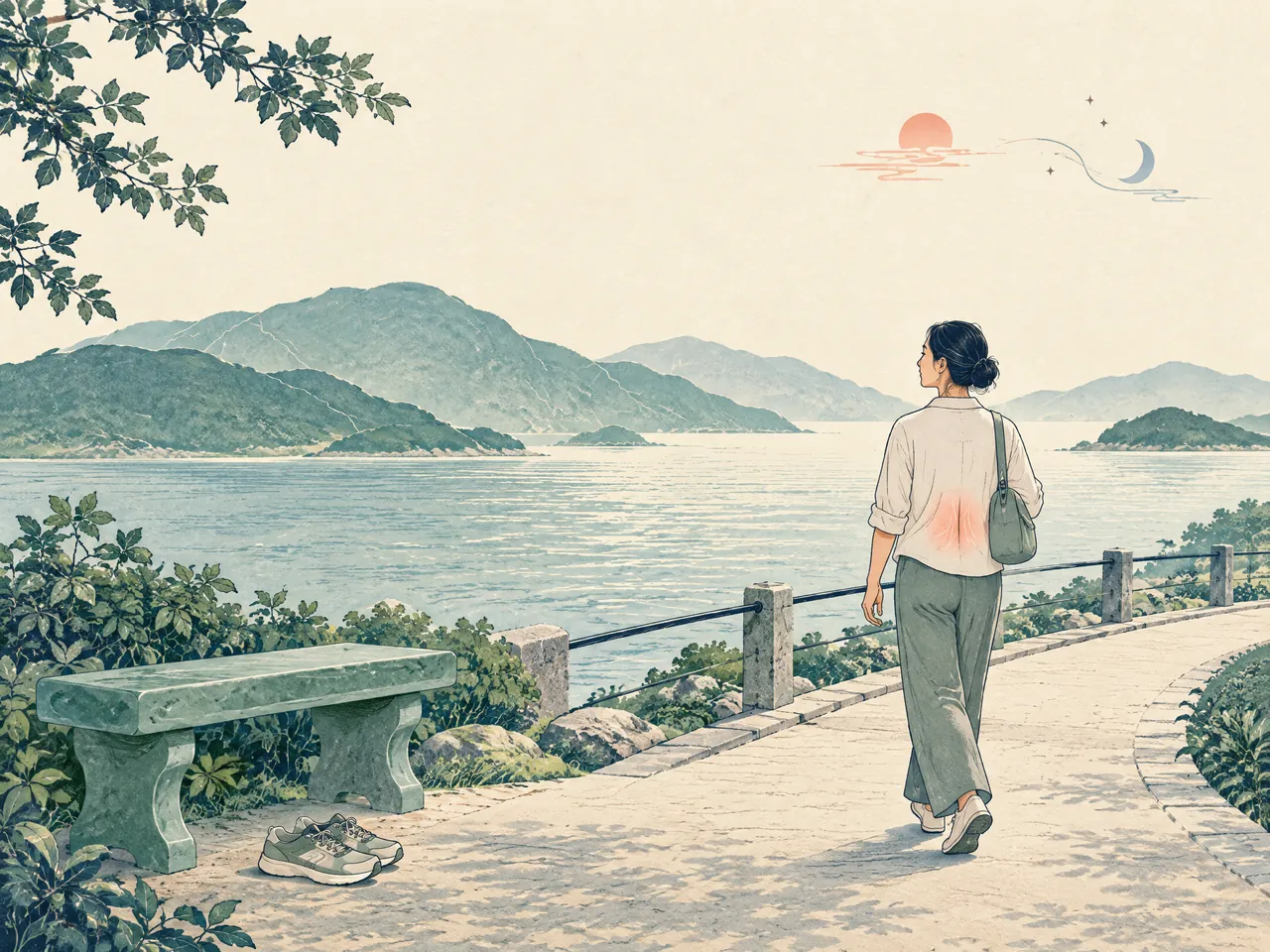
Complete bed rest can make a back feel more guarded and make returning to movement harder. MedlinePlus advises reducing normal activity for the first few days if needed but says long bed rest is not recommended when serious signs are absent; gradual return to usual activity is encouraged [1]. Think in small, repeatable doses: change position, walk a short flat route if it is safe, make a simple meal, or stand up regularly during desk work. Let symptoms guide the pace. A short pause after an aggravating activity is different from spending days almost entirely in bed.
Avoid two extremes: a punishing workout to prove you are fine, and total avoidance of every movement. If gentle activity causes steadily worsening leg weakness, new numbness, loss of balance, bladder or bowel changes, fever or severe deterioration, seek medical help rather than experimenting further. If you would like to ask about an in-person Chinese medicine assessment after appropriate triage, TCM Lab has a Kwun Tong Chinese medicine clinic and a Chinese medicine clinic Prince Edward. You can also review the Chinese medicine clinic price list Hong Kong before making an enquiry.
Care and health guide
Low back discomfort: care information
This directory brings together services, reading, and visit information related to low back discomfort, to help you prepare questions for a consultation.
When low back discomfort affects your day, noting when it occurs, its relation to activity, and what you have already tried can help prepare a consultation; acupuncture for low back pain is a relevant service or reading entry point.
Individual circumstances differ, and acupuncture Hong Kong offers related information to help you understand options and prepare questions.


Your questions, answered
Frequently asked questions
What causes sudden lower back pain when I have not lifted anything?
A clear lift is not required. Pain can begin after a small twist, sustained sitting, getting out of bed, a change in activity, muscle spasm, a disc or nerve-related problem, or a cause that is not obvious from symptoms alone. Record the onset and associated symptoms, and obtain assessment if the pain is severe, unusual, worsening or affecting your leg strength or sensation.
Should I use ice or heat for sudden lower back pain?
Choose the option that gives comfortable short-term relief: wrapped cold may suit a recently aggravated, tender area, while gentle wrapped heat may suit stiffness or spasm. Neither tells you the cause or fixes it. Keep a cloth between the pack and skin, avoid extreme temperatures, and stop if symptoms or skin changes worsen.
Should I rest in bed for acute low back pain?
Long bed rest is usually not the preferred approach. Briefly reduce an activity that clearly aggravates pain, then return to light, safe daily movement in small steps. Change positions often and avoid lifting or twisting that flares the pain. Seek clinical advice rather than forcing activity if the pain keeps worsening or neurological symptoms appear.
Can Chinese medicine or acupuncture be used for sudden low back pain?
A Registered Chinese Medicine Practitioner can discuss your history, safety considerations and whether Chinese medicine care is appropriate after an in-person assessment. Traditional pattern identification is not the same as a medical diagnosis, and it should not delay urgent evaluation. NICE does not recommend acupuncture for low back pain or sciatica; no consultation should promise a cure or a fixed response.
Sources and further information
- [1] MedlinePlus — Low back pain: acute
Referenced for: U.S. National Library of Medicine patient information on acute low back pain causes, symptoms, early activity and bed-rest advice.
- [2] NHS — Back pain
Referenced for: NHS patient guidance on causes, emergency signs, activity, wrapped cold and heat measures, and avoiding long bed rest.
- [3] NICE NG59 — Low back pain and sciatica in over 16s
Referenced for: NICE recommendations on assessment, imaging, staying active, self-management and acupuncture for low back pain and sciatica.
- [4] Chinese Medicine Hospital of Hong Kong — Low Back Pain Care Programme
Referenced for: Official Hong Kong service-page context for Chinese medicine pattern identification and integrated Chinese-Western low-back-pain care terminology.