
TCM Lab · Health reading
A practical guide to allergic rhinitis dust mites and mould, allergic rhinitis sneezing and runny nose, and seasonal allergic rhinitis and weather changes
Published Updated
Repeated morning sneezing, a clear runny nose and a blocked nose can make it tempting to blame a single cause. In Hong Kong, the useful question is usually whether symptoms follow time spent in a bedroom, a damp room, an air-conditioned office, a change in weather, outdoor pollen or another repeated exposure. Allergic rhinitis dust mites and mould can matter indoors, while seasonal allergic rhinitis and weather changes can shape when symptoms flare. This guide explains how to notice a pattern without guessing, what to record, and when sneezing and congestion need medical assessment rather than another round of self-management.
Appointments are confirmed through WhatsApp. If you have language requirements, please mention them in your enquiry.
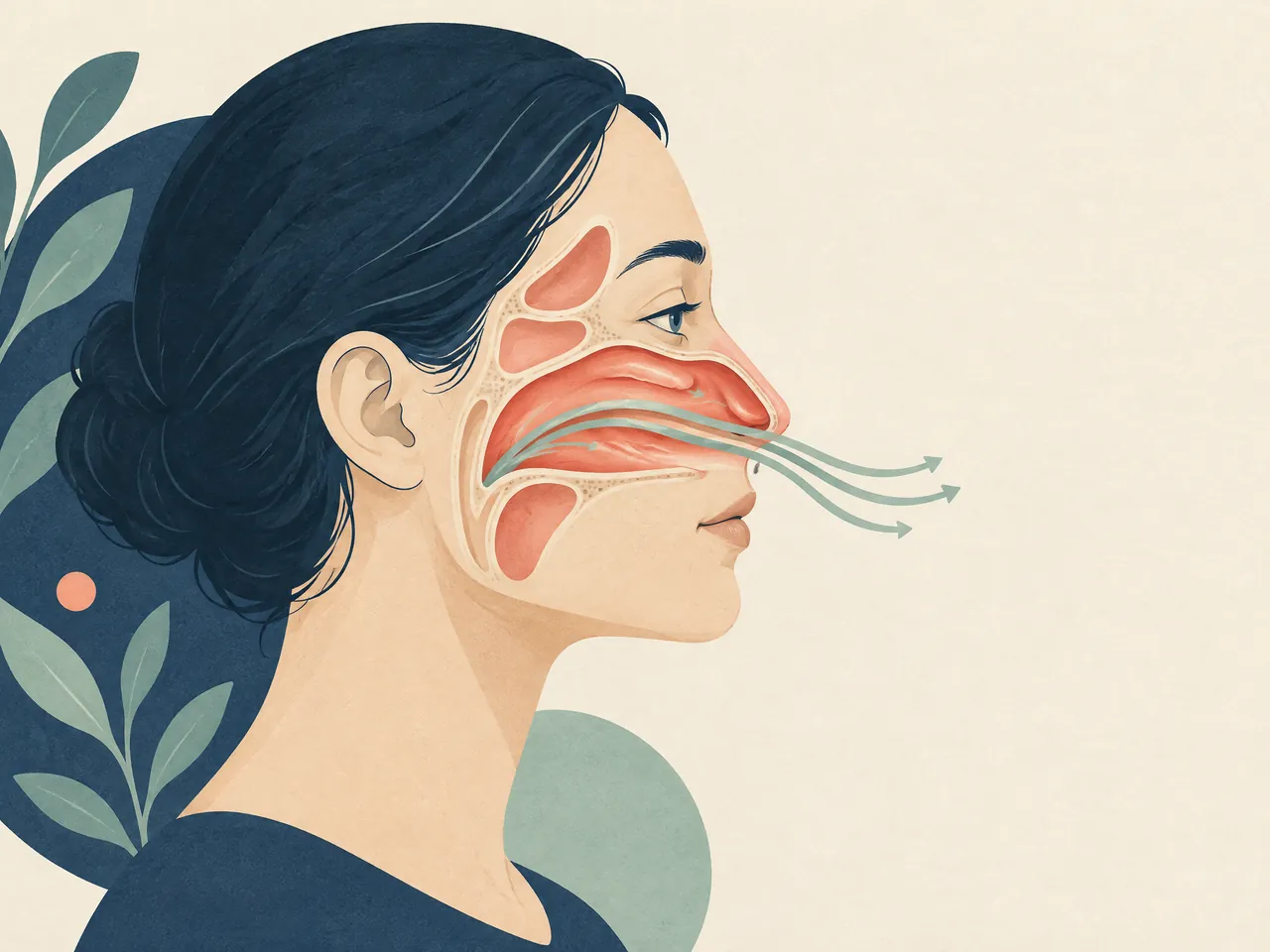
The short answer
Dust mites and mould are common indoor triggers for allergic rhinitis, while pollen, temperature and humidity changes may help explain seasonal or weather-linked symptoms. Record the timing of sneezing, clear runny nose, blockage, sleep disruption and possible exposures for at least several typical days. A diary cannot diagnose an allergy, but it can make a medical or Chinese medicine consultation more focused. Seek assessment if symptoms affect sleep or daily life, worsen asthma, or have an unusual pattern.
Transparent pricing
See the fees.
Choose your care.
Explore our complete official price list, including first-trial prices, regular prices, packages and branch-specific options.
Opening WhatsApp prepares an enquiry; it does not send a message, take payment or confirm an appointment. Suitability and individual arrangements are confirmed during consultation.
Chinese medicine
All prices in HKDAcupuncture and Chinese herbal medicine package
Includes a Chinese medicine consultation with pulse assessment, body acupuncture and 3 days of Chinese herbal granules that do not require decoction.
HK$580 (single session)
Chinese medicine consultation with pulse assessment
Hair and scalp
All prices in HKDScalp health and hair-loss management
Includes AI scalp analysis, deep scalp and follicle cleansing, and scalp oil-control care.
HK$380 (first trial)
Regular price: HK$680
- 6 sessions: HK$3,480 (HK$580 per session)
- 12 sessions: HK$5,760 (HK$480 per session)
- 20 sessions: HK$8,600 (HK$430 per session)
- 30 sessions: HK$11,400 (HK$380 per session)
Hair acupuncture and Chinese herbal medicine package
Includes scalp acupuncture and 3 days of Chinese herbal medicine that does not require decoction.
HK$580 (single session)
Registered Chinese Medicine Practitioner consultation
- 6 sessions: HK$3,180 (HK$530 per session)
- 12 sessions: HK$5,760 (HK$480 per session)
- 20 sessions: HK$8,600 (HK$430 per session)
- 30 sessions: HK$11,400 (HK$380 per session)
Combined hair and scalp treatment
Combines acupuncture and Chinese herbal medicine with salon-level scalp and follicle care. Packages include complimentary hair-care shampoo and serum.
HK$1,260 (single session)
Combined treatment
- 8 sessions: HK$8,640 (HK$1,080 per session)
- 16 sessions: HK$15,680 (HK$980 per session)
- 20 sessions: HK$18,600 (HK$930 per session)
- 30 sessions: HK$26,400 (HK$880 per session)
Weight management
All prices in HKDFull-body acupoint embedding for weight management
Includes full-body acupoint embedding. Packages include complimentary Chinese herbal medicine for weight management, with the number of included days scaled to the package. Embedding material and the individual treatment arrangement are confirmed during consultation; this is not a cosmetic thread lift.
HK$980 (single session)
No trial session
- 10 sessions: HK$7,800 (HK$780 per session)
- 20 sessions: HK$14,600 (HK$730 per session)
- 30 sessions: HK$20,400 (HK$680 per session)
Facial acupuncture
All prices in HKDFacial acupuncture (basic)
Includes facial acupuncture and meridian-based facial care, including care for facial puffiness.
HK$480 (first trial)
Regular price: HK$680
- 10 sessions: HK$5,200 (HK$520 per session)
- 20 sessions: HK$9,600 (HK$480 per session)
- 30 sessions: HK$13,500 (HK$450 per session)
Facial acupuncture (advanced)
Includes enhanced facial acupuncture with a specially formulated moisturising mask and serum.
HK$780 (first trial)
Regular price: HK$1,180
- 10 sessions: HK$9,000 (HK$900 per session)
- 20 sessions: HK$16,600 (HK$830 per session)
- 30 sessions: HK$23,400 (HK$780 per session)
Pain care
All prices in HKDExtracorporeal shockwave treatment
Shockwave treatment for deep-tissue and fascial care. The Kwun Tong clinic offers the multi-area options shown below.
Priced by branch
Branch-specific pricing
Prince Edward: HK$250 per area
Kwun Tong: HK$250 for 1 area / HK$450 for 2 areas / HK$600 for 3 areas
Pain care (manual therapy)
Includes Chinese medicine musculoskeletal assessment, manual joint techniques and tui na.
HK$580 (single session)
Chinese medicine musculoskeletal assessment
Pain care (acupuncture and manual therapy)
Combines acupuncture and manual therapy.
HK$680 (single session)
Combined care
Allergic rhinitis dust mites and mould: identify household triggers alongside allergic rhinitis sneezing and runny nose and seasonal allergic rhinitis and weather changes
Allergic rhinitis happens when the nose reacts to something a person is allergic to. Sneezing, an itchy nose, a runny or blocked nose, and itchy or watery eyes are common features; pollen, house dust mites, animal dander and mould are among the listed triggers [1]. The same cluster can be disruptive whether it appears after waking, during cleaning, or on a day when the air feels different. For a fuller description of what belongs in that cluster, see allergic rhinitis symptoms.
Indoor clues deserve attention because they are easy to overlook. A person may wake congested after a night in one room, sneeze while changing bedding, or notice a musty odour and damp patch near a bathroom or window. None of those observations proves that dust mites or mould are the cause. They do, however, give a consultation a starting point: what happened, where, how quickly, and whether it returns under similar conditions. This is more useful than treating every meal, fabric or household product as a confirmed allergy.

How allergic rhinitis dust mites and mould may relate to allergic rhinitis sneezing and runny nose and seasonal allergic rhinitis and weather changes
A household pattern is often persistent rather than neatly seasonal. Dust exposure can be greater around bedding, upholstered furniture or cleaning, while mould concerns may arise where dampness or condensation is present. Hong Kong Adventist Hospital lists dust and mould alongside pollen, animal hair, polluted air and sudden changes in temperature or humidity as common environmental allergens or triggers [2]. That broad list is a reminder to compare settings, not to select one explanation because it sounds plausible.
A seasonal pattern can look different. Symptoms may become more noticeable at a similar time of year, after time outdoors, or around rapid changes in temperature and humidity. But weather itself may also change routines: windows are shut, air-conditioning is used longer, laundry dries indoors, or people spend more time in a particular room. The NHS distinguishes allergic rhinitis from non-allergic rhinitis, which can be triggered by a cold or by very hot or cold temperatures and humidity [1]. The practical aim is to describe the pattern accurately instead of labelling every weather-day flare as a pollen allergy.

A symptom and environment diary for allergic rhinitis dust mites and mould, allergic rhinitis sneezing and runny nose, and seasonal allergic rhinitis and weather changes
Keep the diary simple enough to use. On each symptomatic day, note the time, whether sneezing came in bursts, whether discharge was clear, how blocked the nose felt, and whether the eyes or throat were itchy. Add where you were shortly beforehand: in bed, cleaning, commuting, outdoors, in an air-conditioned room, or near a visibly damp area. Record rain, a noticeable temperature or humidity change, and unusual exposures such as renovation dust, fragrance or smoke. The goal is a sequence of observations, not a home allergy test.
Also note what changed after you left the setting, opened a window, showered, used a prescribed medicine, or slept elsewhere. Include current antihistamines, nasal sprays, inhalers and any side effects, with the product name if known. If a child is affected, record snoring, mouth breathing, night waking, school concentration and exercise-related cough or wheeze. This record can sit beside an overview of allergic rhinitis Chinese medicine when you are preparing questions, but it should not be used to stop prescribed treatment or to decide that a serious symptom is harmless.
Compare your options
| Pattern noticed | Details worth recording | Possible next conversation | What it does not establish |
|---|---|---|---|
| Morning symptoms in one bedroom | Wake-up time, bedding changes, damp or musty areas, window and air-conditioning use | Indoor exposure and practical moisture or cleaning measures | That dust mites or mould are proven causes |
| Flare after weather changes | Temperature or humidity change, outdoor time, windows open or closed, pollen season | Allergic versus non-allergic triggers and whether assessment is useful | That weather alone is an allergy |
| Sneezing with clear discharge and itchy eyes | Timing, itch, eye symptoms, activity and response to current treatment | Whether the overall pattern is compatible with allergic rhinitis | A diagnosis without clinical assessment |
| Night blockage with tiredness or cough | Night waking, snoring, mouth breathing, wheeze, inhaler use and daytime effects | Sleep impact, asthma review and appropriate medical care | That symptoms can safely be managed by a diary alone |
On smaller screens, scroll the table sideways to compare all columns.
Allergic rhinitis dust mites and mould, allergic rhinitis sneezing and runny nose, and seasonal allergic rhinitis and weather changes: distinguish patterns before choosing next steps
Patterns guide the next conversation, but they do not replace diagnosis. Allergic rhinitis commonly has itching, repeated sneezing, clear runny discharge and eye symptoms. A cold can overlap with congestion and a runny nose, particularly at its beginning, while non-allergic rhinitis, sinus conditions, medicines and structural nasal problems can also contribute to blockage. Compare the full pattern rather than relying on one symptom. Our allergic rhinitis vs common cold guide can help frame that comparison before an appointment.
The table is a way to sort observations. It is not a diagnostic scorecard and does not tell you which medicine or treatment to choose. Use it to identify what is worth raising with a pharmacist, doctor, allergy professional, ear, nose and throat clinician, or registered Chinese medicine practitioner.
When allergic rhinitis dust mites and mould differs from infection despite allergic rhinitis sneezing and runny nose and seasonal allergic rhinitis and weather changes
An allergy-type pattern often recurs with an exposure and may involve itching of the nose, eyes or roof of the mouth. By contrast, feeling feverish or too unwell to carry out normal activities points away from treating the episode as routine allergic rhinitis alone; the NHS advises staying home in that situation [1]. Thick discharge alone is not a reliable self-diagnosis, but facial pain, persistent symptoms after an apparent infection, or a marked change in smell merit clinical discussion. Do not use a diary to delay assessment when the overall story is changing.
Some features call for an assessment even if a familiar trigger is present. Arrange medical or ear, nose and throat advice for persistent one-sided blockage, recurrent nosebleeds, ongoing facial pain, a marked or persistent smell change, or symptoms that remain difficult to control. If there is wheezing, breathlessness, chest tightness, worsening asthma or trouble speaking because of breathing, seek prompt medical help rather than assuming this is only a nose problem. The nose, sleep and lower airways can affect one another, so the complete symptom picture matters.
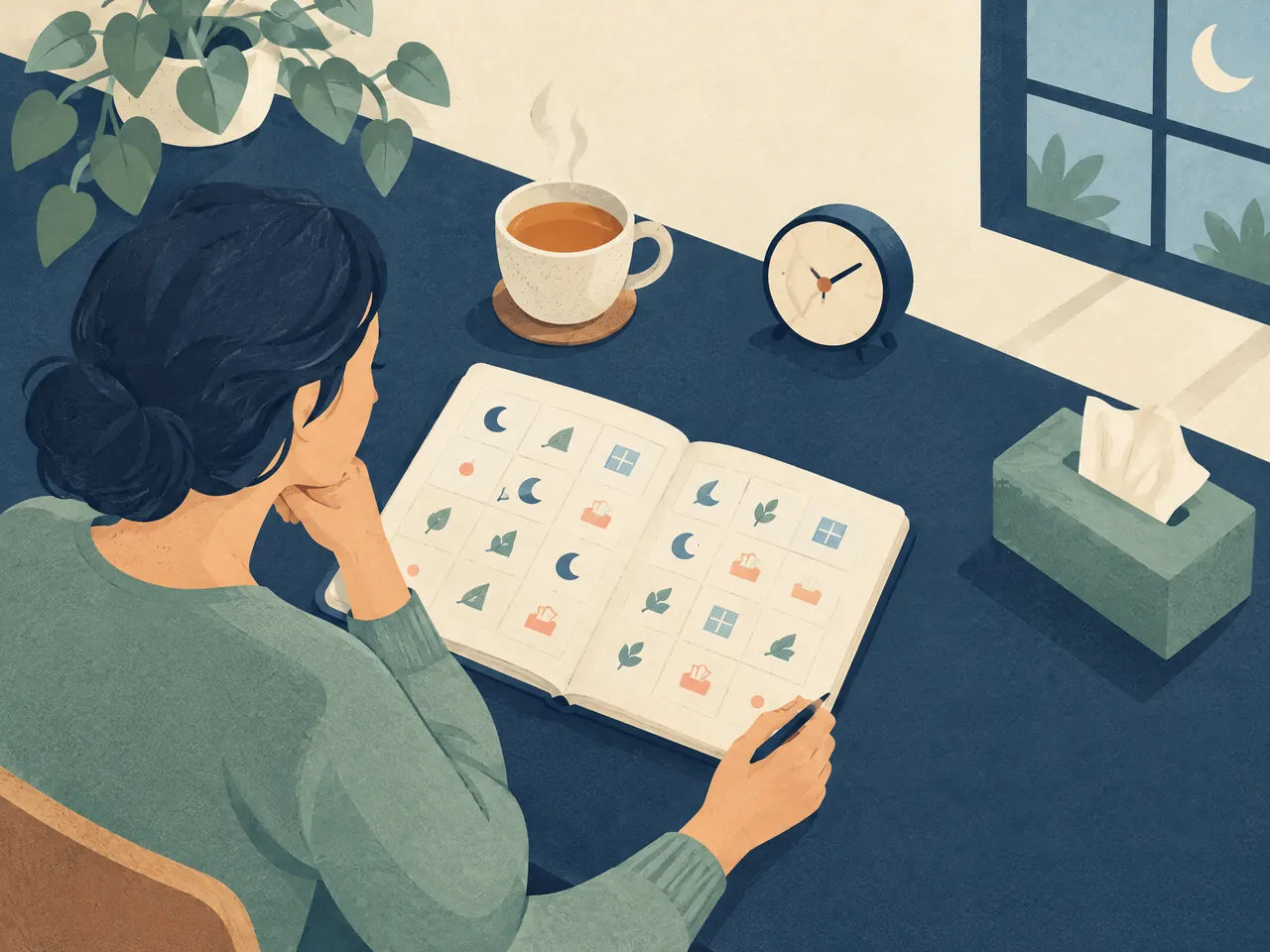
Sleep, study and breathing concerns with allergic rhinitis dust mites and mould, allergic rhinitis sneezing and runny nose, and seasonal allergic rhinitis and weather changes
A blocked nose at night can mean broken sleep, mouth breathing, morning fatigue and less focus during work or study. Ask not only, ‘How many times did I sneeze?’ but also, ‘Did I wake, snore, miss class, avoid exercise, or need to change rooms?’ The NHS recommends seeking medical advice when allergic rhinitis symptoms are affecting sleep and everyday life, when asthma is getting worse, when the trigger is unclear, or when pharmacy treatment is not helping [1]. Those are useful thresholds because they focus on function, not just tolerance.
For children, a caregiver’s observation can fill gaps that a child cannot describe: sleep disturbance, daytime irritability, habitual mouth breathing, cough at night or exercise discomfort. Bring that information to the child’s usual doctor, especially when asthma has been diagnosed or suspected. A plan for nasal symptoms should fit with asthma care; do not discontinue an inhaler, nasal spray or other prescribed medicine because environmental changes or supportive care seem helpful on a particular day.
Discussing care for allergic rhinitis dust mites and mould, allergic rhinitis sneezing and runny nose, and seasonal allergic rhinitis and weather changes
Once a pattern is recorded, next steps can be proportionate. Some people need help confirming what is driving recurrent symptoms; others need a medication review, practical household changes, or assessment of coexisting asthma and sleep disruption. Avoidance is not always absolute or realistic. NHS advice includes regular hot washing of bedding, damp dusting, keeping the home dry and well ventilated, and dealing with damp and condensation [1]. Choose changes that match an identified problem rather than turning the home into a long list of restrictions.

What to bring when discussing allergic rhinitis dust mites and mould, allergic rhinitis sneezing and runny nose, and seasonal allergic rhinitis and weather changes
Bring the diary, a list or photographs of medicines and sprays, known allergy-test results if you have them, and a brief history of asthma, eczema, sinus problems or previous nose surgery. Be ready to say whether symptoms are worse in the bedroom, at school or work, when cleaning, after visits to a damp property, outdoors, or with air-conditioning. Note what you have already tried, including measures that did not help. This makes the consultation less about recalling everything in the room and more about deciding which questions and assessments are relevant.
A visit can also cover safe use of current treatment. Antihistamines, saline rinses and steroid nasal sprays are among options described by the NHS, while decongestant sprays can make blockage worse when used for too long [1]. A clinician or pharmacist can advise what is appropriate for the individual, including children and people with other conditions. If you are looking for a local visit, you may ask about appointment arrangements at the Kwun Tong Chinese medicine clinic or Chinese medicine clinic Prince Edward.

Where Chinese medicine fits for allergic rhinitis dust mites and mould, allergic rhinitis sneezing and runny nose, and seasonal allergic rhinitis and weather changes
A Chinese medicine consultation can be a place to discuss the timing of symptoms, sleep, appetite, stress, perceived environmental changes and the medicines already being used. It should be approached as a personalised, supportive discussion, not as a reason to abandon medical assessment of asthma, infection, persistent obstruction or other red flags. CUHK describes an integrative programme in which allergy assessment may be considered after specialist assessment and Chinese medicine practitioners communicate with western medicine specialists [3]. That model illustrates why sharing test results and current treatment is more useful than keeping care streams separate.
If you are considering Chinese medicine for allergic rhinitis or asking Can Chinese medicine help allergic rhinitis?, take specific questions: what is being proposed, what outcome is realistic to monitor, how will it fit with your nasal spray or inhaler, and what should trigger medical review? Do not stop prescribed medicines without advice from the prescriber. At TCM Lab, a registered Chinese medicine practitioner can review the symptom and exposure record and discuss whether supportive care is suitable for you; suitability and any treatment plan require an individual consultation.
Care and health guide
Health service information
This directory brings together services, reading, and visit information related to health services, to help you prepare questions for a consultation.
If you are organising health questions, Chinese medicine clinic Hong Kong is a starting point for learning about related services and preparing for a consultation.
People have different needs; acupuncture Hong Kong provides further reading to help you understand options in your own context.


Your questions, answered
Frequently asked questions
Does frequent nasal blockage always mean allergic rhinitis?
No. A cold, non-allergic rhinitis, sinus problems, nasal polyps and structural factors can also cause blockage. Persistent one-sided symptoms, recurrent nosebleeds, facial pain or a marked change in smell should be assessed by a medical professional.
What should I record before a consultation?
Note when symptoms start, their severity, sleep or daytime effects, and possible exposure to dust mites, mould, animals, pollen, pollution, air-conditioning or temperature changes. Also list current medicines and any asthma symptoms so the discussion is more complete.
Can Chinese medicine replace my nasal spray or inhaler?
No. Any Chinese medicine or acupuncture plan should be considered as supportive care and coordinated with existing medical treatment. Do not stop a prescribed nasal spray or inhaler without advice, especially if you have wheezing, asthma or breathing discomfort.
Should I remove every possible household trigger at once?
Usually, it is more practical to start with repeated, observable patterns such as dampness, bedding, cleaning or a particular room. A symptom and environment record can help a clinician suggest focused changes instead of broad restrictions that may not address the real cause.
Sources and further information
- [1] NHS: Allergic rhinitis
Referenced for: Symptoms, common allergens, distinction from non-allergic rhinitis, self-care options and thresholds for medical review.
- [2] Hong Kong Adventist Hospital: Allergic Rhinitis
Referenced for: Hong Kong-local terminology for environmental triggers including dust, mould, temperature and humidity changes.
- [3] CUHK Integrative Medical Centre: Integrative Medicine Treatment in Asthma and Allergic Rhinitis
Referenced for: Example of an integrative-care context in which allergy assessment and communication across practitioners may be considered.