
TCM Lab · Health reading
Why does my wrist hurt and feel numb? A practical guide to possible causes
Published Updated
Wrist pain with numbness is a symptom pattern, not a diagnosis. It can begin after a fall, a twist, a heavy lift or repeated hand use, but it can also develop gradually when an irritated tendon, joint or nerve is under pressure. The details matter: sudden swelling after an injury calls for a different response from tingling that wakes you at night. Note exactly where the numbness reaches, whether you can grip normally, and whether the hand looks swollen or changed in colour. This guide helps you sort the pattern and decide when to seek prompt assessment.
Appointments are confirmed through WhatsApp. If you have language requirements, please mention them in your enquiry.
The short answer
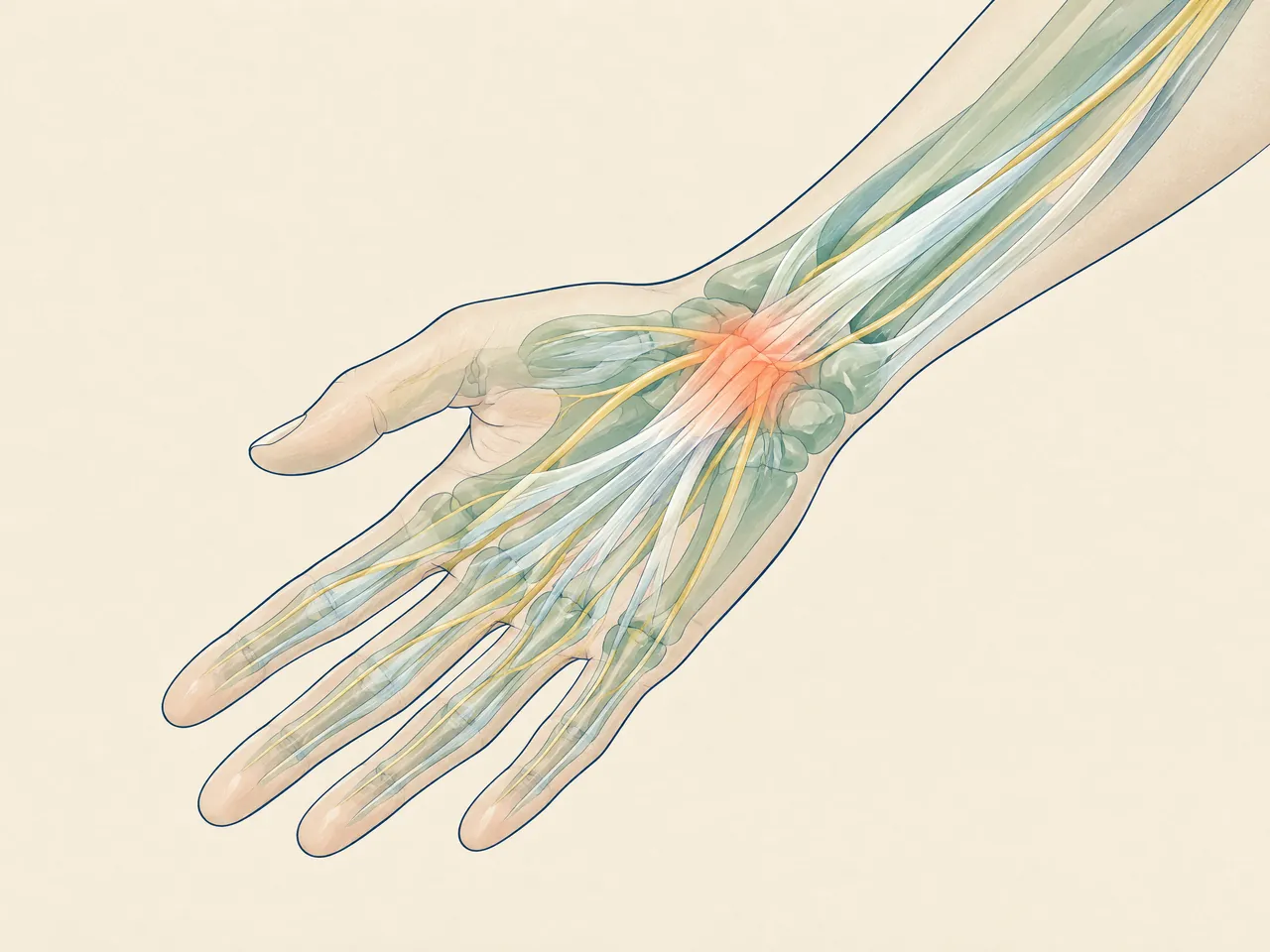
A painful, numb wrist may be linked to an injury, tendon or joint irritation, repetitive strain, or a nerve-compression pattern such as carpal tunnel syndrome. The combination needs context: which fingers tingle, whether symptoms began after trauma, and whether grip or sensation has changed. Seek urgent medical help for a deformed or discoloured wrist, severe pain, inability to hold things, or loss of feeling. Persistent, recurring or night-time symptoms deserve a professional assessment.
Transparent pricing
See the fees.
Choose your care.
Explore our complete official price list, including first-trial prices, regular prices, packages and branch-specific options.
Opening WhatsApp prepares an enquiry; it does not send a message, take payment or confirm an appointment. Suitability and individual arrangements are confirmed during consultation.
Pain care
All prices in HKDExtracorporeal shockwave treatment
Shockwave treatment for deep-tissue and fascial care. The Kwun Tong clinic offers the multi-area options shown below.
Priced by branch
Branch-specific pricing
Prince Edward: HK$250 per area
Kwun Tong: HK$250 for 1 area / HK$450 for 2 areas / HK$600 for 3 areas
Pain care (manual therapy)
Includes Chinese medicine musculoskeletal assessment, manual joint techniques and tui na.
HK$580 (single session)
Chinese medicine musculoskeletal assessment
Pain care (acupuncture and manual therapy)
Combines acupuncture and manual therapy.
HK$680 (single session)
Combined care
Hair and scalp
All prices in HKDScalp health and hair-loss management
Includes AI scalp analysis, deep scalp and follicle cleansing, and scalp oil-control care.
HK$380 (first trial)
Regular price: HK$680
- 6 sessions: HK$3,480 (HK$580 per session)
- 12 sessions: HK$5,760 (HK$480 per session)
- 20 sessions: HK$8,600 (HK$430 per session)
- 30 sessions: HK$11,400 (HK$380 per session)
Hair acupuncture and Chinese herbal medicine package
Includes scalp acupuncture and 3 days of Chinese herbal medicine that does not require decoction.
HK$580 (single session)
Registered Chinese Medicine Practitioner consultation
- 6 sessions: HK$3,180 (HK$530 per session)
- 12 sessions: HK$5,760 (HK$480 per session)
- 20 sessions: HK$8,600 (HK$430 per session)
- 30 sessions: HK$11,400 (HK$380 per session)
Combined hair and scalp treatment
Combines acupuncture and Chinese herbal medicine with salon-level scalp and follicle care. Packages include complimentary hair-care shampoo and serum.
HK$1,260 (single session)
Combined treatment
- 8 sessions: HK$8,640 (HK$1,080 per session)
- 16 sessions: HK$15,680 (HK$980 per session)
- 20 sessions: HK$18,600 (HK$930 per session)
- 30 sessions: HK$26,400 (HK$880 per session)
Weight management
All prices in HKDFull-body acupoint embedding for weight management
Includes full-body acupoint embedding. Packages include complimentary Chinese herbal medicine for weight management, with the number of included days scaled to the package. Embedding material and the individual treatment arrangement are confirmed during consultation; this is not a cosmetic thread lift.
HK$980 (single session)
No trial session
- 10 sessions: HK$7,800 (HK$780 per session)
- 20 sessions: HK$14,600 (HK$730 per session)
- 30 sessions: HK$20,400 (HK$680 per session)
Facial acupuncture
All prices in HKDFacial acupuncture (basic)
Includes facial acupuncture and meridian-based facial care, including care for facial puffiness.
HK$480 (first trial)
Regular price: HK$680
- 10 sessions: HK$5,200 (HK$520 per session)
- 20 sessions: HK$9,600 (HK$480 per session)
- 30 sessions: HK$13,500 (HK$450 per session)
Facial acupuncture (advanced)
Includes enhanced facial acupuncture with a specially formulated moisturising mask and serum.
HK$780 (first trial)
Regular price: HK$1,180
- 10 sessions: HK$9,000 (HK$900 per session)
- 20 sessions: HK$16,600 (HK$830 per session)
- 30 sessions: HK$23,400 (HK$780 per session)
Chinese medicine
All prices in HKDAcupuncture and Chinese herbal medicine package
Includes a Chinese medicine consultation with pulse assessment, body acupuncture and 3 days of Chinese herbal granules that do not require decoction.
HK$580 (single session)
Chinese medicine consultation with pulse assessment
Why does my wrist hurt and feel numb? Start with the symptom pattern
The first useful distinction is whether this was an event or a build-up. A painful wrist directly after a fall onto the hand, a twist, a collision or a sudden pull can involve bone, ligament or other tissue and should not be casually labelled “overuse”. By contrast, symptoms that creep in during a busy week of keyboard work, lifting a child, cooking, gaming, using tools or practising an instrument may reflect a load that the hand and wrist are not currently tolerating. Both can include pain and tingling, but the time line gives a clinician a more useful place to start.
Location adds another layer. Pain at the thumb side, in the centre of the wrist, on the little-finger side, or travelling into the forearm may each suggest different structures to examine. Numbness should be mapped rather than described only as “my hand feels funny”: write down whether it is the thumb, index and middle fingers, the little finger, the palm, or the back of the hand. That record is not a self-diagnosis tool, but it prevents an important detail disappearing by the time you are seen. For a broader explanation of possible patterns, see wrist pain causes.

Why does my wrist hurt and feel numb? Track timing, location and triggers
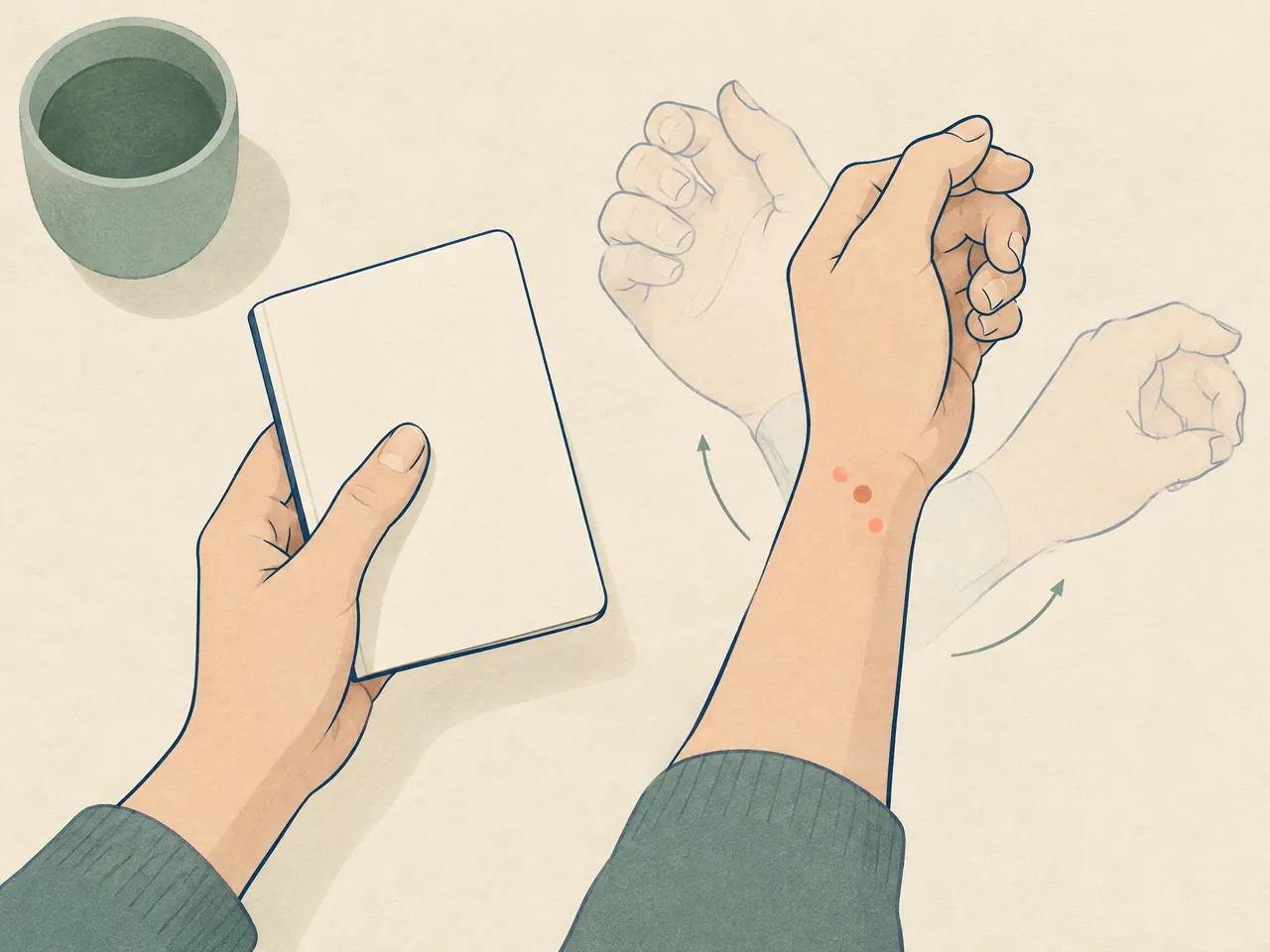
A simple same-day note can be more useful than trying to remember everything at an appointment. Start with when the symptoms first appeared and whether there was one clear incident. Then note the position that brings them on: bending the wrist, turning a key, scrolling a phone, carrying bags, sleeping with the wrist curled, or pressing the palm on a desk. Include what happens after stopping. Symptoms that settle quickly with a break are still worth recording, while symptoms that recur at rest or interrupt sleep deserve particular attention. If pain follows a specific accident, the related guidance on wrist injury can help you recognise why a timely examination matters.
Describe function in ordinary terms. Can you button a shirt, open a jar, lift a cup, type a short message or hold an MTR rail without changing your hand position? Does the wrist feel stiff on waking, or do you shake the hand to ease tingling at night? Also list any new activity, workstation change, long drive, tool use or training session, but avoid assuming that the last activity caused the problem.The NHS advises medical review if wrist pain stops normal activities, worsens or returns, does not improve after home care, or comes with tingling or loss of sensation [1].
Why does my wrist hurt and feel numb? Note weakness, tingling and grip changes
Tingling, “pins and needles”, reduced feeling and weakness are related but not interchangeable. Tingling may come and go with a posture; numbness can mean a dulled sense of touch; weakness shows up when the hand cannot perform a usual task. Be precise about whether objects slip, the thumb feels less reliable, or the problem is pain-limited rather than true loss of control.Note whether one hand is affected or both, and whether symptoms move beyond the wrist into the arm or neck.
Night-time symptoms can be an important clue, particularly when a person wakes with tingling in the hand and feels a need to shake it out. They are not proof of a single condition. In carpal tunnel syndrome, the median nerve is compressed at the wrist; the NIH describes symptoms often beginning with numbness or tingling in the thumb, index and middle fingers and sometimes appearing first at night [2]. The little finger is not in that typical median-nerve distribution [2]. Use the pattern to describe what is happening, not to rule other causes in or out by yourself.
Compare your options
| What you notice | Details to record | Why it changes the next step |
|---|---|---|
| Sudden onset after a fall, twist or impact | Time, mechanism, swelling, bruising, sound at injury and ability to move or grip | May indicate an injury needing prompt examination rather than self-directed exercises. |
| Tingling or numbness | Exact fingers or area, one or both hands, timing and whether feeling returns | Helps distinguish a possible nerve pattern from a vague hand sensation. |
| Night waking or symptoms during a task | Sleep position, wrist position, phone, driving, typing, tool or gripping task | Shows whether posture or repeated load is linked to the pattern without proving a cause. |
| Weakness or dropped objects | Which task fails, pain versus loss of control, and whether this is new or worsening | A clear functional change supports timely professional assessment. |
| Heat, redness or general illness | Temperature feeling, swelling, painful lump and feeling unwell | May require urgent review because infection or another serious problem must be considered. |
On smaller screens, scroll the table sideways to compare all columns.
Why does my wrist hurt and feel numb? Common causes to consider
Several conditions can produce a similar search query, which is why “wrist pain with numbness” needs an assessment rather than a one-size-fits-all fix. A bruise, sprain or fracture may follow trauma. Tendon irritation can cause pain with particular movements, often near the thumb side. A joint problem, inflammation or a lump can also change how the wrist moves. Nerve symptoms can occur because of pressure at the wrist, but a sensation that extends through the arm or begins with neck symptoms may require a wider assessment.The aim is safe assessment, not a label from a checklist.
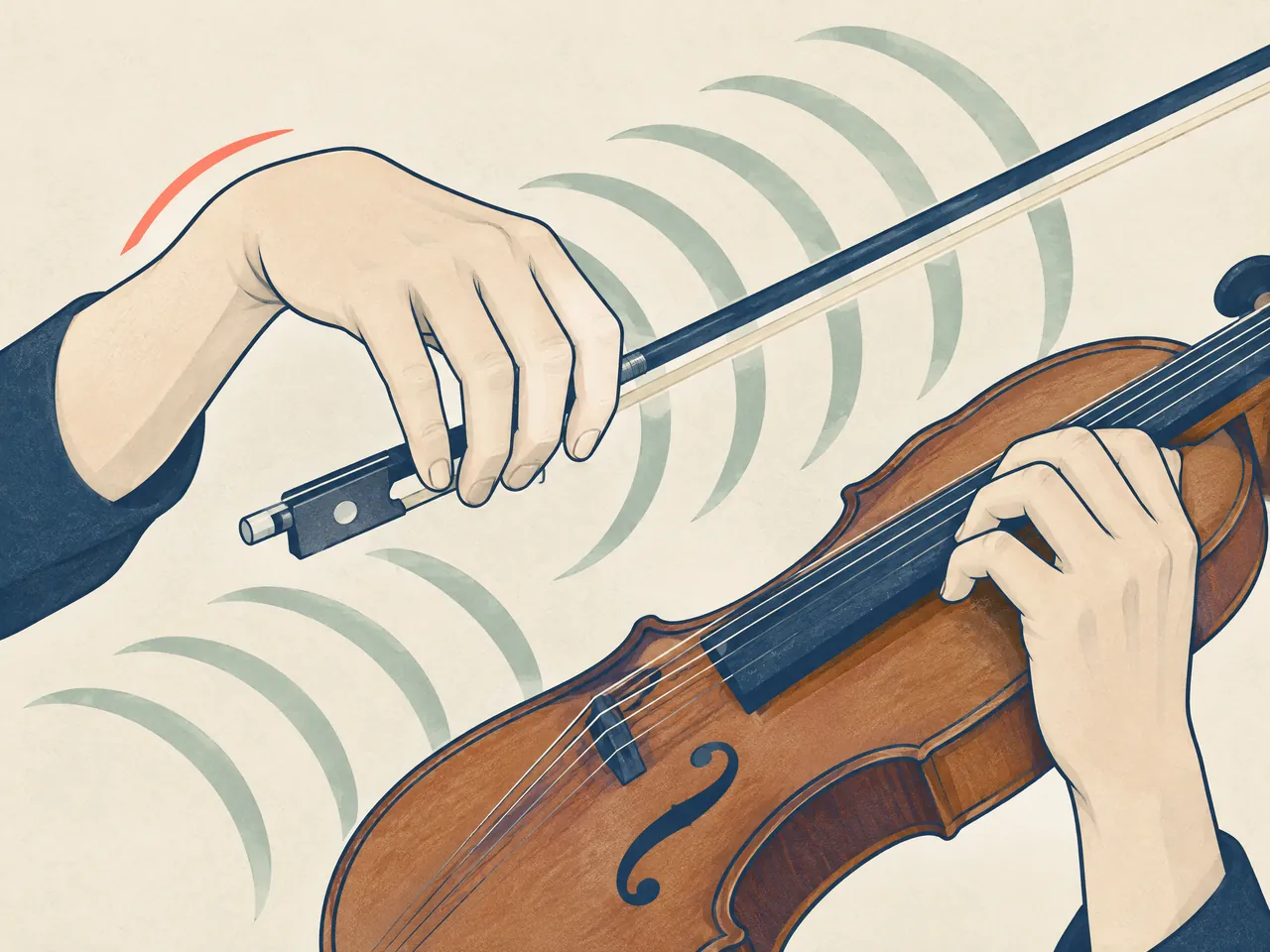
Repetitive strain is often used as a catch-all phrase, but it does not explain exactly which tissue is affected. Repeated gripping, vibration, forceful wrist angles or prolonged static positions may be relevant exposures; they should be considered alongside a person’s recovery time, task setup and medical history. There may be no one memorable cause. The NIH notes that carpal tunnel syndrome can involve a combination of factors, including wrist trauma or injury, mechanical wrist problems and repeated use of vibrating machinery [2].

Why does my wrist hurt and feel numb? Injury, tendon irritation and joint problems
Pain that is immediate after a fall, twist or impact needs a different threshold for care from a slow ache. Swelling, bruising, a popping or snapping sound, marked tenderness, or difficulty moving the wrist or gripping can accompany an injury. The NHS lists sudden sharp pain with swelling and a popping or snapping sound among patterns that may occur with a broken wrist, and pain with swelling, bruising and difficulty gripping among sprain patterns [1].Those patterns overlap, so an online description cannot decide whether an X-ray or other examination is needed.
Longer-lasting pain at the base of the thumb, stiffness, a tender movement or a palpable lump deserves a measured conversation rather than a forced stretch routine. Tendon-related pain, arthritis and a ganglion cyst are among the possible explanations listed in NHS wrist-pain guidance [1].Until you are assessed, reduce the movement or load that reliably flares symptoms rather than immobilising the hand indefinitely. Comfortable motion is different from pushing through sharp pain.
Why does my wrist hurt and feel numb? Carpal tunnel and repetitive strain patterns
Carpal tunnel syndrome is one possible nerve-compression pattern. The median nerve passes through a narrow passage at the base of the hand with the finger-bending tendons; when it is pressed or squeezed at the wrist, it may cause numbness, tingling, pain or weakness in the hand [2]. The pattern can be worse at night and may later interfere with small tasks or grip. These features help a professional decide what to examine, but they do not replace an assessment. Explore the page on carpal tunnel syndrome symptoms if the finger distribution, night waking or thumb function is the reason for your query.
For work or hobbies, start with a practical exposure review: how long the task lasts, whether the wrist is held bent or extended, how tightly you grip, whether vibration is involved, and whether breaks actually change symptoms. Adjusting load may mean alternating tasks, supporting the forearm, changing a tool grip or pausing before numbness builds.A night splint or other treatment can be appropriate for some people but is a decision for a clinician or pharmacist who understands the pattern and your circumstances.
Why does my wrist hurt and feel numb? Safer care and professional assessment
While arranging advice for a mild, non-urgent problem, make the next day easier on the wrist instead of chasing a dramatic solution. Scale back the movement that provokes symptoms, avoid heavy lifting or tight gripping, and use the hand only within comfort. For a recent injury, the NHS advises placing an ice pack wrapped in a towel on the wrist for up to 20 minutes every two to three hours, and advises against heat packs or hot baths during the first two to three days [1]. Remove rings or jewellery if swelling develops.
Arrange an appropriate medical assessment if symptoms persist, keep returning, affect sleep or work, or include tingling, loss of sensation or declining grip. Bring your short symptom record, list of medicines and supplements, relevant medical conditions, and details of what you have tried.Depending on the pattern, a medical clinician may decide whether imaging, nerve testing, splinting, hand therapy or other care is relevant. A TCM consultation can be part of a coordinated discussion, but it should not delay urgent evaluation.
Why does my wrist hurt and feel numb? Red flags that need urgent attention
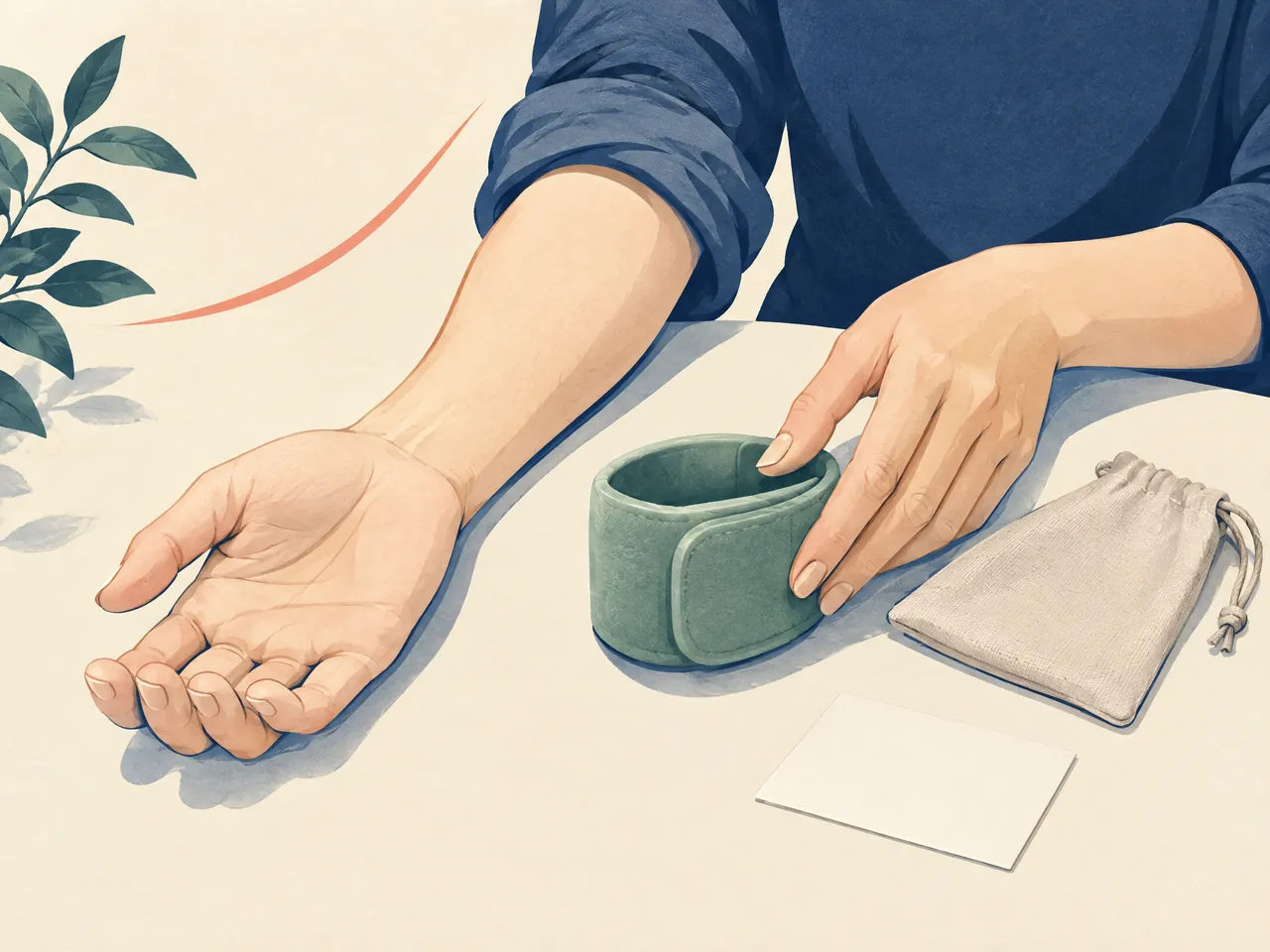
Seek urgent medical help after an injury or with a sudden change if the wrist is severely painful, looks deformed or has changed colour, if you cannot move it or hold things, or if feeling is lost in part or all of the hand. A snap, grinding or popping sound at the time of injury is another reason to get urgent advice. A very painful hot or red lump, or a painful wrist with feeling generally unwell, hot, cold or shivery, also needs prompt attention because infection or another serious issue must be considered [1].
Less dramatic symptoms still warrant timely review when numbness becomes constant, strength is clearly declining, pain increasingly limits ordinary life, or swelling, warmth and stiffness are present with fever or feeling unwell. Diabetes is another reason not to ignore hand symptoms, as NHS guidance notes that hand problems can be more serious in people with diabetes [1]. Our detailed wrist pain red flags guide is a useful reminder of what to tell the triage or clinic team.

Why does my wrist hurt and feel numb? What to discuss during a TCM consultation
At a TCM consultation, expect questions about the onset, pain quality, affected fingers, sleep, workload, past injuries, current medical care and medicines. A Registered Chinese Medicine Practitioner may also use traditional observation and palpation within a TCM pattern-identification approach. That traditional description is not the same thing as a modern diagnosis of fracture, tendon disease or nerve compression. Be open about any test results, splints, injections, surgery discussions, pregnancy, diabetes and other conditions, so that care can be coordinated and unsuitable assumptions are avoided. You can ask about an assessment at the Kwun Tong Chinese medicine clinic or the Chinese medicine clinic Prince Edward.
Acupuncture may be discussed as a complementary option after appropriate assessment, not as a promised cure for a numb wrist. For carpal tunnel syndrome specifically, the Cochrane review found low- or very-low-certainty evidence and concluded that it is uncertain whether acupuncture and related interventions are more or less effective than several other approaches; it also found that acupuncture may have little or no short-term effect compared with sham treatment [3]. Tell the practitioner if numbness is spreading or grip is worsening, and continue necessary medical follow-up.Ask how progress would be reviewed and when referral or re-evaluation would be appropriate.
Care and health guide
Fees and booking information
This directory brings together services, reading, and visit information related to fees and booking, to help you prepare questions for a consultation.
Before arranging a consultation, you can review acupoint embedding Hong Kong and note the service or booking questions that matter to you.
For questions about a particular service, acupuncture Hong Kong offers related reading so you can prepare your questions.


Your questions, answered
Frequently asked questions
Why does my wrist hurt and feel numb after typing or repetitive work?
Typing and other repeated tasks can be associated with muscle, tendon or nerve irritation, but they do not identify the exact cause. Record the wrist position, task duration, grip and finger distribution. Reduce the activity that reliably flares symptoms and seek assessment if numbness persists, worsens, disturbs sleep or affects grip.
Why does my wrist hurt and feel numb at night?
Night-time tingling can occur in a carpal tunnel pattern, but it is not diagnostic by itself. The NIH describes numbness or tingling in the thumb, index and middle fingers as a common pattern and notes that symptoms often first appear at night [2]. A clinician can examine the full pattern and decide whether further testing or care is needed.
Should I use heat or ice for a painful numb wrist?
For a recent injury, NHS guidance advises a towel-wrapped ice pack for up to 20 minutes every two to three hours and avoiding heat packs or hot baths during the first two to three days [1]. If symptoms are not from a recent injury, or feeling or circulation is reduced, ask a clinician or pharmacist what is appropriate rather than relying on temperature therapy alone.
Can acupuncture cure a numb wrist or carpal tunnel syndrome?
No treatment should be presented as a guaranteed cure for this symptom pattern. Acupuncture may be discussed as a complementary option after assessment. A Cochrane review found low- or very-low-certainty evidence for carpal tunnel syndrome and could not establish that acupuncture-related interventions are more or less effective than several alternatives [3]. Urgent or worsening symptoms still need medical evaluation.
Sources and further information
- [1] [1] NHS — Wrist pain
Referenced for: Common wrist-pain patterns, self-care boundaries and urgent/non-urgent warning signs.
- [2] [2] National Institute of Arthritis and Musculoskeletal and Skin Diseases — Carpal Tunnel Syndrome
Referenced for: Median nerve anatomy, symptom distribution, night symptoms and contributing factors.
- [3] [3] Cochrane — Acupuncture and related treatments for symptoms of carpal tunnel syndrome
Referenced for: Evidence certainty and conclusions on acupuncture and related interventions for carpal tunnel syndrome.