
TCM Lab · Health reading
When to see a doctor for sciatica, when should I see a doctor for sciatica, and how long should sciatica last before seeing a doctor — a clear overview
Published Updated
A sharp, burning line of pain from the buttock down one leg can be alarming, especially when sleep, commuting, or simply putting on shoes becomes difficult. The practical answer is to judge both the pattern and the change over time: mild symptoms that are improving and have no warning signs can often be managed conservatively at first, while worsening pain, reduced daily function, or symptoms that do not settle deserve an assessment. New bladder or bowel changes, saddle-area numbness, or rapidly worsening weakness are emergency signs, not symptoms to watch at home.
Appointments are confirmed through WhatsApp. If you have language requirements, please mention them in your enquiry.
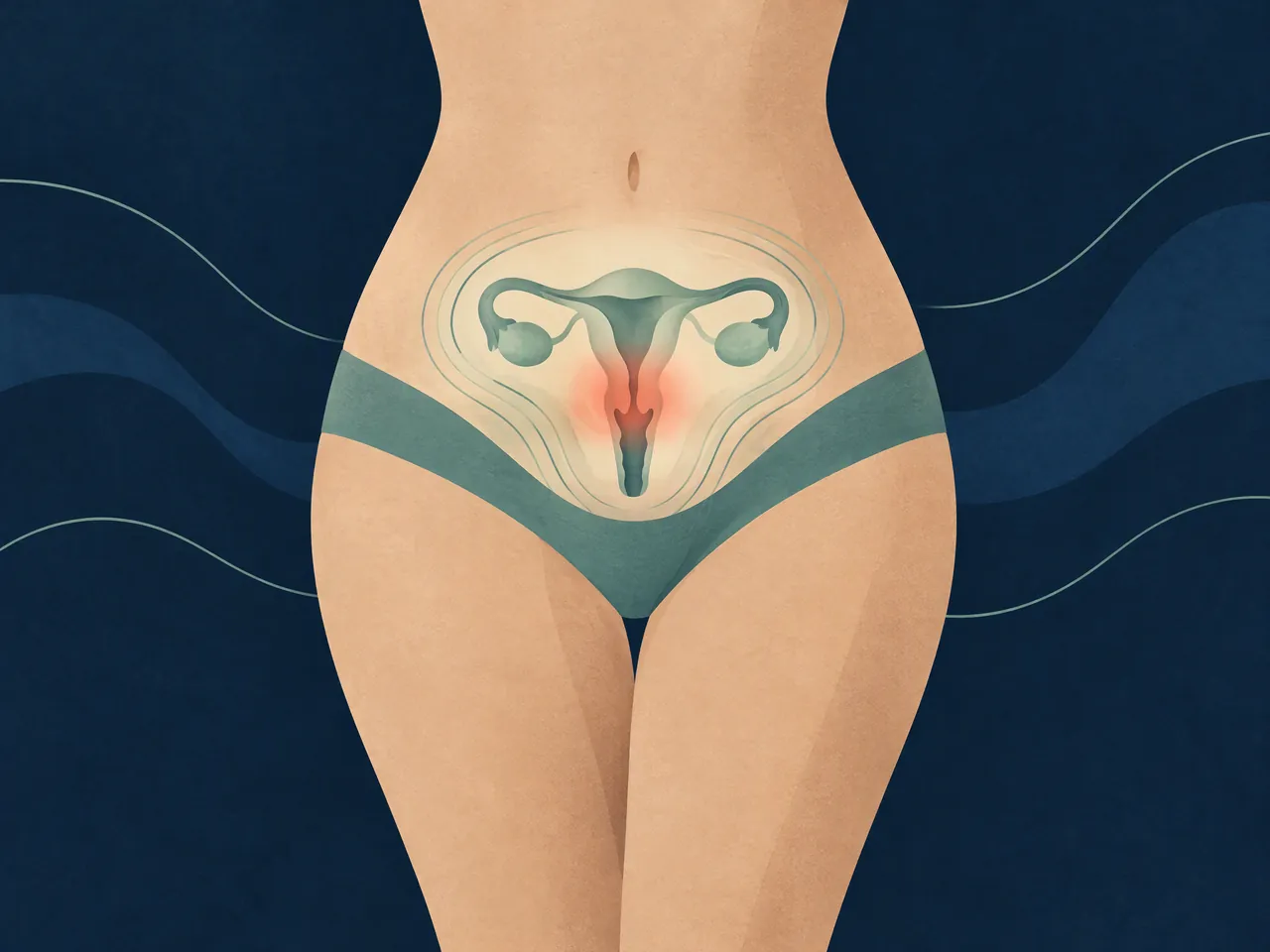
The short answer
For mild sciatica that is improving, keep gently moving within a tolerable range and monitor the trend. Arrange a clinical assessment if pain is getting worse, interrupts sleep or ordinary activity, or remains unimproved after a few weeks of self-care. Seek emergency medical help immediately for symptoms on both sides, progressive or severe leg weakness or numbness, altered feeling around the genitals or anus, or new difficulty controlling urine or stools.
Transparent pricing
See the fees.
Choose your care.
Explore our complete official price list, including first-trial prices, regular prices, packages and branch-specific options.
Opening WhatsApp prepares an enquiry; it does not send a message, take payment or confirm an appointment. Suitability and individual arrangements are confirmed during consultation.
Pain care
All prices in HKDExtracorporeal shockwave treatment
Shockwave treatment for deep-tissue and fascial care. The Kwun Tong clinic offers the multi-area options shown below.
Priced by branch
Branch-specific pricing
Prince Edward: HK$250 per area
Kwun Tong: HK$250 for 1 area / HK$450 for 2 areas / HK$600 for 3 areas
Pain care (manual therapy)
Includes Chinese medicine musculoskeletal assessment, manual joint techniques and tui na.
HK$580 (single session)
Chinese medicine musculoskeletal assessment
Pain care (acupuncture and manual therapy)
Combines acupuncture and manual therapy.
HK$680 (single session)
Combined care
Hair and scalp
All prices in HKDScalp health and hair-loss management
Includes AI scalp analysis, deep scalp and follicle cleansing, and scalp oil-control care.
HK$380 (first trial)
Regular price: HK$680
- 6 sessions: HK$3,480 (HK$580 per session)
- 12 sessions: HK$5,760 (HK$480 per session)
- 20 sessions: HK$8,600 (HK$430 per session)
- 30 sessions: HK$11,400 (HK$380 per session)
Hair acupuncture and Chinese herbal medicine package
Includes scalp acupuncture and 3 days of Chinese herbal medicine that does not require decoction.
HK$580 (single session)
Registered Chinese Medicine Practitioner consultation
- 6 sessions: HK$3,180 (HK$530 per session)
- 12 sessions: HK$5,760 (HK$480 per session)
- 20 sessions: HK$8,600 (HK$430 per session)
- 30 sessions: HK$11,400 (HK$380 per session)
Combined hair and scalp treatment
Combines acupuncture and Chinese herbal medicine with salon-level scalp and follicle care. Packages include complimentary hair-care shampoo and serum.
HK$1,260 (single session)
Combined treatment
- 8 sessions: HK$8,640 (HK$1,080 per session)
- 16 sessions: HK$15,680 (HK$980 per session)
- 20 sessions: HK$18,600 (HK$930 per session)
- 30 sessions: HK$26,400 (HK$880 per session)
Weight management
All prices in HKDFull-body acupoint embedding for weight management
Includes full-body acupoint embedding. Packages include complimentary Chinese herbal medicine for weight management, with the number of included days scaled to the package. Embedding material and the individual treatment arrangement are confirmed during consultation; this is not a cosmetic thread lift.
HK$980 (single session)
No trial session
- 10 sessions: HK$7,800 (HK$780 per session)
- 20 sessions: HK$14,600 (HK$730 per session)
- 30 sessions: HK$20,400 (HK$680 per session)
Facial acupuncture
All prices in HKDFacial acupuncture (basic)
Includes facial acupuncture and meridian-based facial care, including care for facial puffiness.
HK$480 (first trial)
Regular price: HK$680
- 10 sessions: HK$5,200 (HK$520 per session)
- 20 sessions: HK$9,600 (HK$480 per session)
- 30 sessions: HK$13,500 (HK$450 per session)
Facial acupuncture (advanced)
Includes enhanced facial acupuncture with a specially formulated moisturising mask and serum.
HK$780 (first trial)
Regular price: HK$1,180
- 10 sessions: HK$9,000 (HK$900 per session)
- 20 sessions: HK$16,600 (HK$830 per session)
- 30 sessions: HK$23,400 (HK$780 per session)
Chinese medicine
All prices in HKDAcupuncture and Chinese herbal medicine package
Includes a Chinese medicine consultation with pulse assessment, body acupuncture and 3 days of Chinese herbal granules that do not require decoction.
HK$580 (single session)
Chinese medicine consultation with pulse assessment
When to see a doctor for sciatica, when should I see a doctor for sciatica, and how long should sciatica last before seeing a doctor — mild symptoms and early self-care
Sciatica describes pain related to irritation or compression along the sciatic nerve pathway. The familiar pattern is pain travelling from the low back or buttock into the back of one leg, sometimes reaching the calf, foot, or toes. It may feel sharp, burning, electric, or aching, and tingling, numbness, or weakness can occur alongside it. Back pain can be present, but back pain on its own is not the usual sciatica pattern. The NHS similarly describes symptoms mainly affecting the buttock and the back of one leg, with possible changes in sensation or strength [1].

When to see a doctor for sciatica, when should I see a doctor for sciatica, and how long should sciatica last before seeing a doctor — recognising mild symptoms
Mild symptoms are not defined only by a pain score. They are symptoms that remain manageable, are not rapidly progressing, and do not bring changes in bladder, bowel, saddle-area sensation, or leg power. For example, a one-sided ache that flares after a long desk session but eases with a change of position and allows a person to walk around the home is different from a leg that is increasingly difficult to lift or trust on stairs. It is sensible to pace work, use brief position changes during a long commute, and choose short, comfortable walks rather than testing the pain with strenuous exercise. The aim is to preserve normal movement where possible, not to force a particular stretch or posture.
Long periods in bed or on the sofa can seem protective, yet they may make stiffness and confidence in movement worse. Official NHS advice is to continue normal activities as much as possible, start gentle exercise, and avoid sitting or lying down for long periods [1]. That does not mean pushing through a movement that clearly aggravates leg pain or creates new numbness. Heat or cold may be tried for comfort if it feels helpful; stop if it makes symptoms worse. Avoid self-prescribing aggressive stretches, repeated heavy lifting, or manipulation based only on an online video. If you are unsure whether the sensation is nerve-related, the guide on can sciatica cause numbness or weakness can help you identify the terms worth reporting at an appointment.

When to see a doctor for sciatica, when should I see a doctor for sciatica, and how long should sciatica last before seeing a doctor — changes to monitor
There is no single day-count that safely applies to every person. Sciatica often improves within a few weeks to a few months, but some episodes last longer or recur [1]. The more practical threshold is a lack of meaningful improvement after a few weeks of home measures, pain that is worsening, or symptoms that stop work, sleep, walking, driving, or basic household activity. Mayo Clinic also advises contacting a primary care professional when self-care does not ease symptoms, when pain is severe or worse, or when it lasts longer than a week [2]. Those time frames are prompts for assessment, not a reason to wait through a serious neurological change.
Track the direction rather than every minute of discomfort. Note whether pain is travelling farther down the leg, whether pins and needles are more frequent, whether your foot catches on the ground, and whether coughing or sitting has become much more provocative. Notice functional changes too: needing a handrail where you did not before, cutting a walk short, or waking repeatedly overnight are meaningful details. Recurrent episodes also deserve discussion, even if each one eventually eases. A clinician can distinguish a likely sciatic pattern from other causes of buttock or leg pain; Hong Kong Adventist Hospital notes that radiating pain can have causes other than true sciatica [3].
Compare your options
| What you notice | Appropriate next step | What to record or avoid |
|---|---|---|
| One-sided leg pain is mild, manageable, and gradually improving; no weakness, saddle-area change, or bladder/bowel change | Use gentle activity and short-term self-care while monitoring the trend | Record triggers and improvement; avoid prolonged bed rest and forceful stretching |
| Pain is not improving after a few weeks, is worsening, returns repeatedly, or limits sleep, work, walking, or normal activities | Arrange a non-emergency clinical assessment | Bring a timeline, locations of pain or numbness, activity limits, and treatments tried |
| New or increasing one-sided weakness, numbness, or difficulty with foot and leg movement | Seek prompt medical advice; urgency depends on the severity and speed of change | Describe the task affected, such as toe lifting, stairs, or walking; do not test with heavy lifting |
| Symptoms in both legs, worsening bilateral weakness or numbness, saddle-area sensory change, or new bladder/bowel control problems | Seek emergency medical care immediately | Do not wait for a routine appointment or rely on home treatment; avoid driving yourself |
On smaller screens, scroll the table sideways to compare all columns.
When to see a doctor for sciatica, when should I see a doctor for sciatica, and how long should sciatica last before seeing a doctor — urgent signs that need prompt attention
Urgency is driven by neurological change rather than by how long you have tolerated the pain. The most important warning signs are symptoms affecting both legs, severe or worsening weakness or numbness in both legs, altered sensation around the genitals or anus, and new problems starting, stopping, or controlling urination or bowel movements. These signs can indicate a serious back problem that needs hospital assessment as soon as possible [1]. Do not wait to see whether a heat pack, stretching, acupuncture, or a pain-relief product changes this pattern.

When to see a doctor for sciatica, when should I see a doctor for sciatica, and how long should sciatica last before seeing a doctor — nerve warning signs
Weakness needs a practical description. It may mean that the ankle or toes no longer lift normally, the foot slaps the floor, rising onto the toes is newly difficult, or the leg gives way unexpectedly. Numbness may be a small patch that stays stable, but a spreading area or a clear loss of feeling should be reported. Pain can coexist with numbness in a different part of the same leg, so neither symptom cancels out the other. Describe what you can and cannot do rather than trying to name the affected nerve root. An assessment can then compare strength, sensation, reflexes, and movement on each side.
A saddle-area change means altered feeling around the inner thighs, genitals, buttocks, or anus—the parts that would contact a saddle. This is different from ordinary leg tingling and should not be minimised because the pain itself is familiar. New urinary retention, inability to start urinating, loss of awareness of the need to pass stool, or loss of bladder or bowel control is likewise urgent, especially alongside leg symptoms. The NHS lists these features among reasons to go to emergency care [1]. Online material cannot determine the cause or replace the examination needed to protect nerve function.

When to see a doctor for sciatica, when should I see a doctor for sciatica, and how long should sciatica last before seeing a doctor — when emergency action is needed
Choose emergency evaluation now rather than a routine clinic appointment if there are symptoms on both sides, worsening bilateral weakness or numbness, saddle-area numbness, or new bladder or bowel changes. The same applies when sudden weakness or numbness follows a violent injury. These are not signs to monitor until the next working day. State clearly that you have leg symptoms plus the relevant change in sensation, strength, or bladder/bowel function, as this helps the receiving team understand why assessment is urgent. A family member or colleague can help record the timing if pain or anxiety makes it hard to explain.
Do not interpret an occasional temporary easing of pain as proof that a red flag has passed. In an emergency, the key concern is the neurological function, not whether a particular position briefly feels more comfortable. Avoid driving, heavy lifting, forceful stretching, and self-needling while arranging help. If no red flag is present but you remain concerned about a sudden deterioration, contact an appropriate medical service promptly for individual advice. The purpose of rapid assessment is to identify causes that need time-sensitive treatment; it is not a prediction that every person with sciatica will need a procedure.
When to see a doctor for sciatica, when should I see a doctor for sciatica, and how long should sciatica last before seeing a doctor — arranging assessment and supportive care
A non-emergency assessment is a useful next step when symptoms are persistent, recurrent, worsening, or limiting your routine. Start with a clinician who can assess possible nerve involvement and advise on the appropriate pathway. Bring a short symptom record, including the onset, the route of pain, sensation or strength changes, work and activity triggers, sleep impact, previous back injury, and treatments already tried. This avoids an appointment being dominated by the single worst moment and gives the clinician a clearer picture of the trend.
Supportive care should sit alongside—not in place of—timely conventional assessment when warning signs or significant functional loss are present. Some people choose to discuss Chinese medicine or acupuncture after a clinical evaluation. A registered Chinese medicine practitioner can take a traditional consultation history and consider whether supportive treatment is appropriate, but that traditional approach is not the same as a modern medical diagnosis. It should not be used to explain away progressive weakness, saddle numbness, or bladder and bowel changes. Read about acupuncture evidence for sciatica before deciding how it may fit within a broader care plan.

When to see a doctor for sciatica, when should I see a doctor for sciatica, and how long should sciatica last before seeing a doctor — what a clinical assessment may cover
Assessment commonly starts with questions about where the pain travels, what brought it on, and how it has changed. A clinician may observe walking and test lower-limb movement, strength, sensation, and reflexes. These findings help decide whether the symptoms fit nerve irritation and whether there is a need for urgent referral or more investigation. Imaging is not automatically required for every episode. Hong Kong Adventist Hospital describes medical history and examination as part of diagnosis and identifies MRI as a test that can show structural issues around the lower back [3]. Whether imaging is appropriate depends on the individual findings and whether the result is likely to alter management.
Prepare specific questions: Which changes would mean I should seek urgent help? What activities can I continue? Should I adjust driving, childcare, lifting, or desk breaks? How and when should I follow up if this does not improve? Be honest about medicines, supplements, previous procedures, and any treatment you are considering. If a clinician recommends physiotherapy, medication, imaging, specialist input, or a different approach, ask what it is intended to address and what change should prompt earlier review. Good assessment creates a plan for both the current episode and unexpected deterioration.

When to see a doctor for sciatica, when should I see a doctor for sciatica, and how long should sciatica last before seeing a doctor — supportive management and follow-up
While waiting for routine care, keep the day structured around tolerable movement. Break up stationary periods, reduce movements that reliably send pain farther down the leg, and build activity back in small increments. A brief walk that leaves symptoms stable may be more useful than a long walk that produces a pronounced flare. Review the next-day response as well as the response during activity. If heat, cold, or a gentle exercise is comfortable, it can be used as a comfort measure; if it aggravates symptoms, stop. Medication choices should be discussed with a pharmacist or clinician because suitability depends on your health history and other medicines.
If you want complementary care, ask what it can and cannot do in your particular situation. sciatica acupuncture can be discussed as a supportive option after an in-person assessment, not as a substitute for emergency or conventional evaluation. For a non-urgent consultation with TCM Lab, you can enquire through the Kwun Tong Chinese medicine clinic or the Chinese medicine clinic Prince Edward. Explain your current symptoms and language needs when contacting the clinic. Keep the original medical plan and follow-up in view, and seek earlier reassessment if pain escalates, function drops, or any red flag appears.
Care and health guide
Sciatica: care information
This directory brings together services, reading, and visit information related to sciatica, to help you prepare questions for a consultation.
When sciatica affects your day, noting when it occurs, its relation to activity, and what you have already tried can help prepare a consultation; acupuncture for sciatica is a relevant service or reading entry point.
Individual circumstances differ, and acupuncture Hong Kong offers related information to help you understand options and prepare questions.


Your questions, answered
Frequently asked questions
When should I see a doctor for sciatica rather than wait it out?
Arrange an assessment if the pain is getting worse, prevents normal activities or sleep, keeps returning, or has not improved after a few weeks of home measures. Seek emergency care immediately for bilateral symptoms, progressive or severe leg weakness or numbness, saddle-area sensory change, or new bladder or bowel problems.
How long should sciatica last before seeing a doctor?
There is no safe universal waiting period. Mild symptoms that are clearly improving can be monitored for a short time, but arrange assessment if there is no improvement after a few weeks or if pain worsens or limits normal life. Do not wait for any time threshold when warning signs appear.
Is lower-back pain without leg pain likely to be sciatica?
Back pain alone is not the typical pattern. Sciatica more often involves pain that travels from the buttock or lower back into one leg, with possible tingling, numbness, or weakness. A clinical assessment can help identify other causes of back, buttock, or leg pain.
Should I stay in bed while sciatica is painful?
Prolonged bed rest is generally not advised when there are no urgent warning signs. Continue tolerable daily movement, take gentle activity in manageable amounts, and avoid sitting or lying down for long periods. Stop an exercise or stretch if it clearly aggravates your symptoms and ask for personalised advice.
Sources and further information
- [1] NHS: Sciatica
Referenced for: Typical symptoms, activity advice, timing of non-urgent review, and emergency warning signs.
- [2] Mayo Clinic: Sciatica symptoms and causes
Referenced for: Care timing, worsening symptoms, immediate-care signs, and symptom overview.
- [3] Hong Kong Adventist Hospital: Sciatica
Referenced for: Local condition terminology, possible non-sciatic radiating pain, clinical assessment, and MRI context.