
TCM Lab · Health reading
Is constant nasal congestion always allergic rhinitis?
Published Updated
A blocked nose that seems to be there every day is frustrating, especially when it disrupts sleep, exercise, speaking or concentration at work. It is not automatically an allergy. Allergic rhinitis is one possible pattern, particularly when blockage comes with bursts of sneezing, an itchy nose, clear discharge or itchy, watery eyes. A cold, non-allergic irritation, sinus-related symptoms or a physical issue inside the nose can feel similar at first. The useful next step is to look at the whole pattern: what else happens, when it began, whether one side is persistently worse, and what changes at home, outdoors or overnight. That information gives a clinician a much clearer starting point than the word “congestion” alone.
Appointments are confirmed through WhatsApp. If you have language requirements, please mention them in your enquiry.
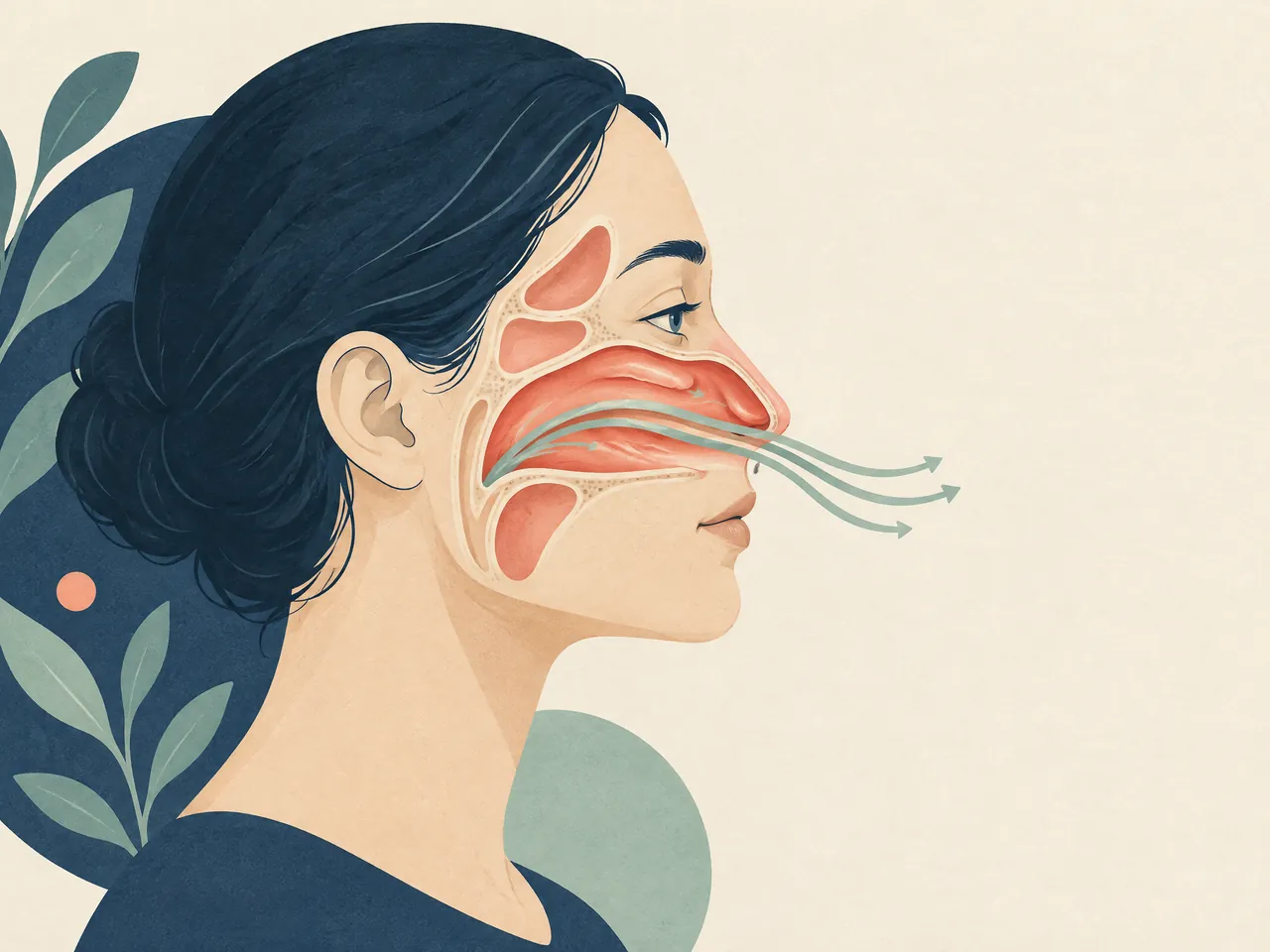
The short answer
No. Constant nasal congestion is not always allergic rhinitis. Allergy is more likely when a blocked or runny nose occurs with sneezing, nasal itching and itchy or watery eyes after exposure to a trigger. Colds, temperature or humidity changes, irritants, sinus-related symptoms and structural issues can also contribute. Track the pattern and seek medical assessment if symptoms persist, disturb sleep or daily life, are one-sided, or occur with breathing concerns.
Transparent pricing
See the fees.
Choose your care.
Explore our complete official price list, including first-trial prices, regular prices, packages and branch-specific options.
Opening WhatsApp prepares an enquiry; it does not send a message, take payment or confirm an appointment. Suitability and individual arrangements are confirmed during consultation.
Chinese medicine
All prices in HKDAcupuncture and Chinese herbal medicine package
Includes a Chinese medicine consultation with pulse assessment, body acupuncture and 3 days of Chinese herbal granules that do not require decoction.
HK$580 (single session)
Chinese medicine consultation with pulse assessment
Hair and scalp
All prices in HKDScalp health and hair-loss management
Includes AI scalp analysis, deep scalp and follicle cleansing, and scalp oil-control care.
HK$380 (first trial)
Regular price: HK$680
- 6 sessions: HK$3,480 (HK$580 per session)
- 12 sessions: HK$5,760 (HK$480 per session)
- 20 sessions: HK$8,600 (HK$430 per session)
- 30 sessions: HK$11,400 (HK$380 per session)
Hair acupuncture and Chinese herbal medicine package
Includes scalp acupuncture and 3 days of Chinese herbal medicine that does not require decoction.
HK$580 (single session)
Registered Chinese Medicine Practitioner consultation
- 6 sessions: HK$3,180 (HK$530 per session)
- 12 sessions: HK$5,760 (HK$480 per session)
- 20 sessions: HK$8,600 (HK$430 per session)
- 30 sessions: HK$11,400 (HK$380 per session)
Combined hair and scalp treatment
Combines acupuncture and Chinese herbal medicine with salon-level scalp and follicle care. Packages include complimentary hair-care shampoo and serum.
HK$1,260 (single session)
Combined treatment
- 8 sessions: HK$8,640 (HK$1,080 per session)
- 16 sessions: HK$15,680 (HK$980 per session)
- 20 sessions: HK$18,600 (HK$930 per session)
- 30 sessions: HK$26,400 (HK$880 per session)
Weight management
All prices in HKDFull-body acupoint embedding for weight management
Includes full-body acupoint embedding. Packages include complimentary Chinese herbal medicine for weight management, with the number of included days scaled to the package. Embedding material and the individual treatment arrangement are confirmed during consultation; this is not a cosmetic thread lift.
HK$980 (single session)
No trial session
- 10 sessions: HK$7,800 (HK$780 per session)
- 20 sessions: HK$14,600 (HK$730 per session)
- 30 sessions: HK$20,400 (HK$680 per session)
Facial acupuncture
All prices in HKDFacial acupuncture (basic)
Includes facial acupuncture and meridian-based facial care, including care for facial puffiness.
HK$480 (first trial)
Regular price: HK$680
- 10 sessions: HK$5,200 (HK$520 per session)
- 20 sessions: HK$9,600 (HK$480 per session)
- 30 sessions: HK$13,500 (HK$450 per session)
Facial acupuncture (advanced)
Includes enhanced facial acupuncture with a specially formulated moisturising mask and serum.
HK$780 (first trial)
Regular price: HK$1,180
- 10 sessions: HK$9,000 (HK$900 per session)
- 20 sessions: HK$16,600 (HK$830 per session)
- 30 sessions: HK$23,400 (HK$780 per session)
Pain care
All prices in HKDExtracorporeal shockwave treatment
Shockwave treatment for deep-tissue and fascial care. The Kwun Tong clinic offers the multi-area options shown below.
Priced by branch
Branch-specific pricing
Prince Edward: HK$250 per area
Kwun Tong: HK$250 for 1 area / HK$450 for 2 areas / HK$600 for 3 areas
Pain care (manual therapy)
Includes Chinese medicine musculoskeletal assessment, manual joint techniques and tui na.
HK$580 (single session)
Chinese medicine musculoskeletal assessment
Pain care (acupuncture and manual therapy)
Combines acupuncture and manual therapy.
HK$680 (single session)
Combined care
Is constant nasal congestion always allergic rhinitis? Recognising different patterns
Nasal blockage is a symptom, not a diagnosis. Allergic rhinitis happens when the nose reacts to something to which a person is allergic. The NHS lists sneezing, an itchy nose, a runny or blocked nose and itchy, red, watery eyes among its common symptoms [1]. When several of these appear together, especially soon after the same exposure, that cluster is more informative than congestion by itself. The detailed guide to allergic rhinitis symptoms can help you put names to what you are noticing, but it cannot confirm the cause for an individual.
Start by describing the sensation precisely. Is the nose fully blocked, intermittently stuffy, or blocked mainly at night? Is there a watery drip, post-nasal sensation, itch, facial pressure or a change in smell? Do symptoms come in abrupt episodes or sit at a low level for weeks? An allergy pattern may fluctuate with exposure, whereas a viral illness often has a shorter, changing course and may bring feeling unwell. The pattern can also overlap: someone can have an established allergy and then catch a cold. The aim is not to self-label every symptom, but to identify what deserves a proper assessment.

Is constant nasal congestion always allergic rhinitis? Signs that suggest an allergy
Itching is a useful clue because it commonly affects the nose and may involve the eyes or roof of the mouth as well. Repetitive sneezing, clear runny mucus and eye irritation can travel together. Common exposures include house dust mites, animal dander, mould and pollen [1]. In Hong Kong, a person may notice a home-related pattern after waking, a pet-related pattern in a particular room, or symptoms that change when outdoor air, temperature or humidity changes. Hong Kong Adventist Hospital also lists polluted air, perfume and other chemical products as possible irritants or triggers to consider [2].
A repeatable timing pattern is often more useful than trying to guess from one bad day. For example, record whether symptoms begin when making the bed, cleaning a dusty shelf, entering an air-conditioned office, visiting a home with animals, or during a particular outdoor route. This does not prove that the suspected item is the allergen. It does create a focused history for a pharmacist, doctor or allergy professional. Avoid treating every food, household product or change in weather as an allergy based on a single episode; broad avoidance can be disruptive without solving the problem.
Is constant nasal congestion always allergic rhinitis? Symptoms that may point elsewhere
Congestion without itch, repeated sneezing or eye symptoms may fit a different pattern. Non-allergic rhinitis can be associated with a cold, very hot or cold temperatures, or humidity [1]. Strong odours, smoke or air pollution may irritate the nose even when there is no allergy. Thick discharge, facial discomfort, fever or feeling generally unwell are reasons to think beyond a straightforward allergy conversation. They do not diagnose a particular condition on their own, but they change what a clinician may want to ask or examine.
Pay particular attention to a blockage that stays on one side, repeated nosebleeds, persistent facial pain, a marked or continuing change in smell, or symptoms that do not settle as expected. These are not details to bury in a diary; arrange medical or ENT assessment. “ENT” means ear, nose and throat, and our plain-language explainer on what does ENT mean describes why that specialty may be relevant when a nose problem needs a closer look. Urgent breathing difficulty, blue lips, severe wheezing or a rapidly worsening asthma episode need urgent medical help rather than a routine nasal-symptom consultation.
Compare your options
| Pattern to notice | Details worth recording | Useful next step |
|---|---|---|
| Itch, repeated sneezing, clear discharge and eye symptoms | Timing, suspected exposure, whether symptoms recur in the same setting | Discuss a possible allergy pattern and targeted trigger reduction with a healthcare professional |
| Stuffy nose around temperature, humidity, smoke, scent or pollution | Exact setting, weather or irritant, and whether itch or eye symptoms are absent | Consider non-allergic irritation as well as allergy; seek advice if it persists |
| Fever, feeling unwell, thick discharge or facial discomfort | Start date, progression, pain, temperature and other illness symptoms | Seek medical or pharmacy advice rather than assuming routine allergy |
| One-sided blockage, repeated nosebleeds or continuing change in smell | Which side, duration, associated pain and any prior nasal history | Arrange medical assessment; an ENT referral may be considered |
| Sleep disturbance, wheeze, night cough or exercise breathlessness | Night waking, daytime effect, asthma history and current inhalers | Seek medical assessment promptly and follow the existing asthma plan |
On smaller screens, scroll the table sideways to compare all columns.
Is constant nasal congestion always allergic rhinitis? Tracking triggers in daily life
Daily life in Hong Kong can make nasal patterns seem unpredictable. A commute may involve traffic exposure and changing indoor temperatures; home may have bedding, soft furnishings, pets or damp corners; an office may have air conditioning, fragrance or cleaning products. The same person can react differently on different days because several influences may be present at once. Instead of launching into an expensive or restrictive routine, choose a few observations that connect symptoms with setting and time. This makes it easier to distinguish a stable background blockage from short-lived flares.

Environmental changes work best when they follow a plausible pattern. If a person consistently wakes blocked and has other allergy-like symptoms, bedding and bedroom conditions are sensible places to discuss. If symptoms peak around a scent, aerosol, smoke or a sharp temperature shift, record that exposure rather than assuming dust is responsible. The NHS advises that people with allergic rhinitis try to avoid identified triggers where possible and notes practical measures such as regular bedding washing, keeping the home dry and well ventilated, and addressing damp and condensation [1]. These are general measures, not a substitute for investigating persistent symptoms.

Is constant nasal congestion always allergic rhinitis? Looking at dust, weather and air quality
Look for context rather than a single culprit. Dust-mite exposure may be more relevant in sleeping areas and when disturbing fabrics; mould is more plausible where there is visible dampness or condensation; animal dander matters when symptoms follow close exposure to an animal. Pollen can be an outdoor and seasonal clue, while polluted air, perfume or cleaning chemicals may act as irritants [1] [2]. A sudden cold spell or humid day can matter too, but a weather association does not by itself tell you whether the process is allergic or non-allergic.
Make changes one at a time where practical, then observe. You might clean and dry a known damp area, adjust where a pet sleeps, or reduce a fragrance used in a room, while keeping the rest of the routine steady. Do not force a dramatic elimination plan on the basis of one congested evening. If you use over-the-counter treatments, tell the healthcare professional exactly what they are and how often they have been used. The NHS notes that decongestant nasal sprays or drops used for longer than five days can worsen blockage [1], so medication questions are worth taking to a pharmacist or doctor instead of repeatedly changing products alone.

Is constant nasal congestion always allergic rhinitis? Why a symptom diary helps
A useful diary can fit on a phone note. For each flare, write the date and time, where you were, whether both nostrils were involved, and the symptoms beside blockage: itch, sneezing, watery discharge, eye symptoms, cough, fever, facial discomfort or changed smell. Add the possible exposure, sleep quality and any treatment used. A brief record over ordinary weekdays and weekends is more valuable than trying to remember a month of symptoms during an appointment.
The diary should capture impact as well as symptoms. Note mouth breathing at night, waking, snoring reported by a household member, daytime tiredness, reduced attention in class, difficulty exercising or missed work. Include asthma symptoms such as night cough, wheeze or breathlessness, and list existing inhalers or nasal medicines. This is especially helpful if you are considering a consultation about allergic rhinitis Chinese medicine: an accurate record helps a Registered Chinese Medicine Practitioner understand the wider picture and supports coordination with medical care already in place.
Is constant nasal congestion always allergic rhinitis? Knowing when to seek care
Persistent congestion deserves more attention when it is affecting function, not only when it feels severe. The NHS advises seeking clinical advice when allergic-rhinitis symptoms affect sleep or everyday life, when the cause is unclear, when pharmacy treatment is not helping, or when asthma is getting worse [1]. This is a sensible threshold for people in Hong Kong too: poor sleep, daytime fatigue and reduced concentration are meaningful outcomes even if there is no dramatic runny nose. An assessment can consider the history, examine the nose when appropriate and decide whether allergy testing, medicines or specialist review are relevant.
Bring the diary, a list or photos of every nasal spray, tablet, inhaler, supplement and herbal product currently used, and any known allergy test results. Say clearly whether you have asthma, eczema, recurrent sinus symptoms, prior nasal injury or previous surgery. That avoids assumptions and makes it easier for practitioners to identify potential overlap. If you want to explore Chinese medicine, the question is not whether it can replace a needed medical plan. It is how a consultation can fit safely alongside it. For background before asking that question, read Can Chinese medicine help allergic rhinitis?.

Is constant nasal congestion always allergic rhinitis? Sleep, breathing and children
Children may not describe “congestion” clearly. Parents can watch for persistent mouth breathing, restless sleep, waking, daytime tiredness, trouble concentrating, recurrent snoring or a noticeable change in usual activity. These observations do not establish allergic rhinitis, but they are useful reasons to book a medical discussion rather than assuming a child will grow out of it. Keep a note of school-day versus weekend patterns and exposures at home, childcare or outdoors. Avoid starting or extending any medicine without age-appropriate advice from a pharmacist or clinician.
Nasal symptoms and lower-airway symptoms should be discussed together. Wheeze, night cough, breathlessness or breathing discomfort with exercise require particular care, especially in a child with ongoing blockage. The NHS specifically advises medical review when allergic rhinitis coexists with worsening asthma [1]. Continue prescribed asthma treatment exactly as directed unless the prescribing clinician changes it; a TCM consultation, acupuncture discussion or environmental adjustment should not be presented as a replacement for an inhaler or an asthma action plan.

Is constant nasal congestion always allergic rhinitis? When medical assessment matters
Arrange a prompt routine assessment if blockage is persistent or recurrent and you cannot identify why, if it continues to disrupt sleep or ordinary activities, or if self-care and advice from a pharmacist have not helped [1]. Also mention repeated sinus or ear problems, symptoms mainly on one side, recurrent nosebleeds, ongoing facial pain or a continuing change in smell. A clinician can decide whether these features call for examination or referral. Seeking assessment is not an overreaction; it is a way to avoid treating every blocked nose as the same problem.
For a TCM Lab enquiry, describe the pattern rather than asking for a guaranteed cure: when congestion began, what accompanies it, suspected exposures, sleep impact, current diagnoses and medicines, and any red-flag symptoms already assessed. The Chinese medicine clinic price list Hong Kong page can help you prepare practical questions about consultation options. If you prefer to ask about a location, you may also use the Kwun Tong Chinese medicine clinic page or the Chinese medicine clinic Prince Edward page. For severe breathing difficulty or blue lips, seek emergency care immediately rather than waiting to message a clinic.
Care and health guide
Health service information
This directory brings together services, reading, and visit information related to health services, to help you prepare questions for a consultation.
If you are organising health questions, Chinese medicine clinic Hong Kong is a starting point for learning about related services and preparing for a consultation.
People have different needs; acupuncture Hong Kong provides further reading to help you understand options in your own context.


Your questions, answered
Frequently asked questions
Is constant nasal congestion always allergic rhinitis?
No. Allergy is one possibility, especially with sneezing, itch, clear discharge and itchy or watery eyes. Colds, non-allergic rhinitis, irritants, sinus-related symptoms and structural issues can also contribute. The pattern, duration, triggers and examination help determine the next step.
Can a blocked nose from weather changes be allergic rhinitis?
It can be, but weather changes alone do not confirm it. Temperature and humidity can also contribute to non-allergic rhinitis. Record whether eye itch, sneezing, clear discharge, indoor exposures or outdoor conditions appear with the blockage, then discuss the pattern with a healthcare professional.
When should I see a doctor for ongoing nasal congestion?
Arrange an assessment when symptoms affect sleep or daily life, the cause is unclear, pharmacy advice has not helped, or asthma is worsening. Mention one-sided blockage, repeated nosebleeds, persistent facial pain, changed smell, recurrent ear or sinus problems, or breathing symptoms. Seek urgent care for severe breathing difficulty or blue lips.
What should I bring to a consultation about possible nasal allergy?
Bring a short symptom diary, a list or photos of nasal sprays, tablets, inhalers, supplements and herbal products, plus any previous allergy results. Note sleep disruption, likely triggers, asthma or eczema history, and whether congestion is on one side or both. This helps the practitioner see the full pattern.
Sources and further information
- [1] NHS: Allergic rhinitis
Referenced for: Symptoms, common allergens, non-allergic rhinitis triggers, self-care cautions and thresholds for medical review.
- [2] Hong Kong Adventist Hospital: Allergic Rhinitis
Referenced for: Hong Kong-context descriptions of symptoms, environmental exposures and household measures.
- [3] CUHK Integrative Medical Centre: Integrative Medicine Treatment in Asthma and Allergic Rhinitis
Referenced for: Hong Kong academic context for discussing allergic rhinitis, asthma, allergy assessment and Chinese medicine in an integrative-care setting.