
TCM Lab · Health reading
Can acupuncture treat piriformis syndrome? Does acupuncture help piriformis syndrome? When should I see a doctor for piriformis syndrome
Published Updated
Deep pain in one buttock that spreads down the back of the thigh can feel like sciatica, but the source is not always the piriformis muscle. Acupuncture can be discussed as one part of symptom management after a proper assessment; it does not confirm a diagnosis, repair a disc or other structural problem, or replace urgent medical care. This page explains the pattern worth describing, what a Chinese medicine consultation may explore, and the warning signs that make medical assessment the first priority.
Appointments are confirmed through WhatsApp. If you have language requirements, please mention them in your enquiry.
The short answer
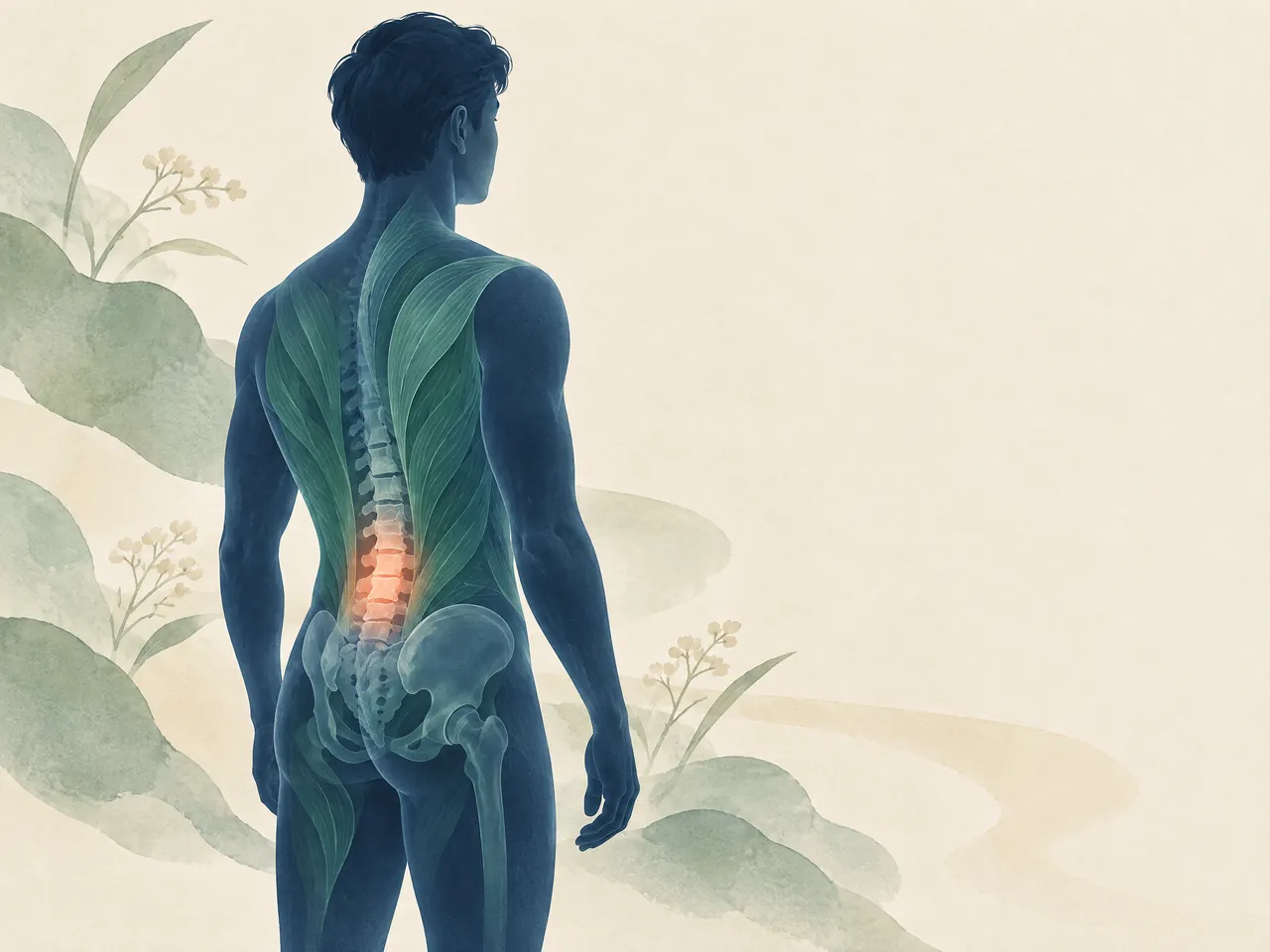
Acupuncture may be considered for piriformis-related buttock and leg symptoms after assessment, with the aim of discussing symptom management rather than promising a cure. Because lumbar, hip and other problems can resemble piriformis syndrome, new or persistent pain needs a careful history and examination. Seek prompt medical assessment for worsening pain or weakness, and urgent emergency care for bladder or bowel changes, numbness around the genitals or anus, or severe symptoms affecting both legs.
Transparent pricing
See the fees.
Choose your care.
Explore our complete official price list, including first-trial prices, regular prices, packages and branch-specific options.
Opening WhatsApp prepares an enquiry; it does not send a message, take payment or confirm an appointment. Suitability and individual arrangements are confirmed during consultation.
Pain care
All prices in HKDExtracorporeal shockwave treatment
Shockwave treatment for deep-tissue and fascial care. The Kwun Tong clinic offers the multi-area options shown below.
Priced by branch
Branch-specific pricing
Prince Edward: HK$250 per area
Kwun Tong: HK$250 for 1 area / HK$450 for 2 areas / HK$600 for 3 areas
Pain care (manual therapy)
Includes Chinese medicine musculoskeletal assessment, manual joint techniques and tui na.
HK$580 (single session)
Chinese medicine musculoskeletal assessment
Pain care (acupuncture and manual therapy)
Combines acupuncture and manual therapy.
HK$680 (single session)
Combined care
Hair and scalp
All prices in HKDScalp health and hair-loss management
Includes AI scalp analysis, deep scalp and follicle cleansing, and scalp oil-control care.
HK$380 (first trial)
Regular price: HK$680
- 6 sessions: HK$3,480 (HK$580 per session)
- 12 sessions: HK$5,760 (HK$480 per session)
- 20 sessions: HK$8,600 (HK$430 per session)
- 30 sessions: HK$11,400 (HK$380 per session)
Hair acupuncture and Chinese herbal medicine package
Includes scalp acupuncture and 3 days of Chinese herbal medicine that does not require decoction.
HK$580 (single session)
Registered Chinese Medicine Practitioner consultation
- 6 sessions: HK$3,180 (HK$530 per session)
- 12 sessions: HK$5,760 (HK$480 per session)
- 20 sessions: HK$8,600 (HK$430 per session)
- 30 sessions: HK$11,400 (HK$380 per session)
Combined hair and scalp treatment
Combines acupuncture and Chinese herbal medicine with salon-level scalp and follicle care. Packages include complimentary hair-care shampoo and serum.
HK$1,260 (single session)
Combined treatment
- 8 sessions: HK$8,640 (HK$1,080 per session)
- 16 sessions: HK$15,680 (HK$980 per session)
- 20 sessions: HK$18,600 (HK$930 per session)
- 30 sessions: HK$26,400 (HK$880 per session)
Weight management
All prices in HKDFull-body acupoint embedding for weight management
Includes full-body acupoint embedding. Packages include complimentary Chinese herbal medicine for weight management, with the number of included days scaled to the package. Embedding material and the individual treatment arrangement are confirmed during consultation; this is not a cosmetic thread lift.
HK$980 (single session)
No trial session
- 10 sessions: HK$7,800 (HK$780 per session)
- 20 sessions: HK$14,600 (HK$730 per session)
- 30 sessions: HK$20,400 (HK$680 per session)
Facial acupuncture
All prices in HKDFacial acupuncture (basic)
Includes facial acupuncture and meridian-based facial care, including care for facial puffiness.
HK$480 (first trial)
Regular price: HK$680
- 10 sessions: HK$5,200 (HK$520 per session)
- 20 sessions: HK$9,600 (HK$480 per session)
- 30 sessions: HK$13,500 (HK$450 per session)
Facial acupuncture (advanced)
Includes enhanced facial acupuncture with a specially formulated moisturising mask and serum.
HK$780 (first trial)
Regular price: HK$1,180
- 10 sessions: HK$9,000 (HK$900 per session)
- 20 sessions: HK$16,600 (HK$830 per session)
- 30 sessions: HK$23,400 (HK$780 per session)
Chinese medicine
All prices in HKDAcupuncture and Chinese herbal medicine package
Includes a Chinese medicine consultation with pulse assessment, body acupuncture and 3 days of Chinese herbal granules that do not require decoction.
HK$580 (single session)
Chinese medicine consultation with pulse assessment
Can acupuncture treat piriformis syndrome? Does acupuncture help piriformis syndrome? When should I see a doctor for piriformis syndrome — understanding the pain
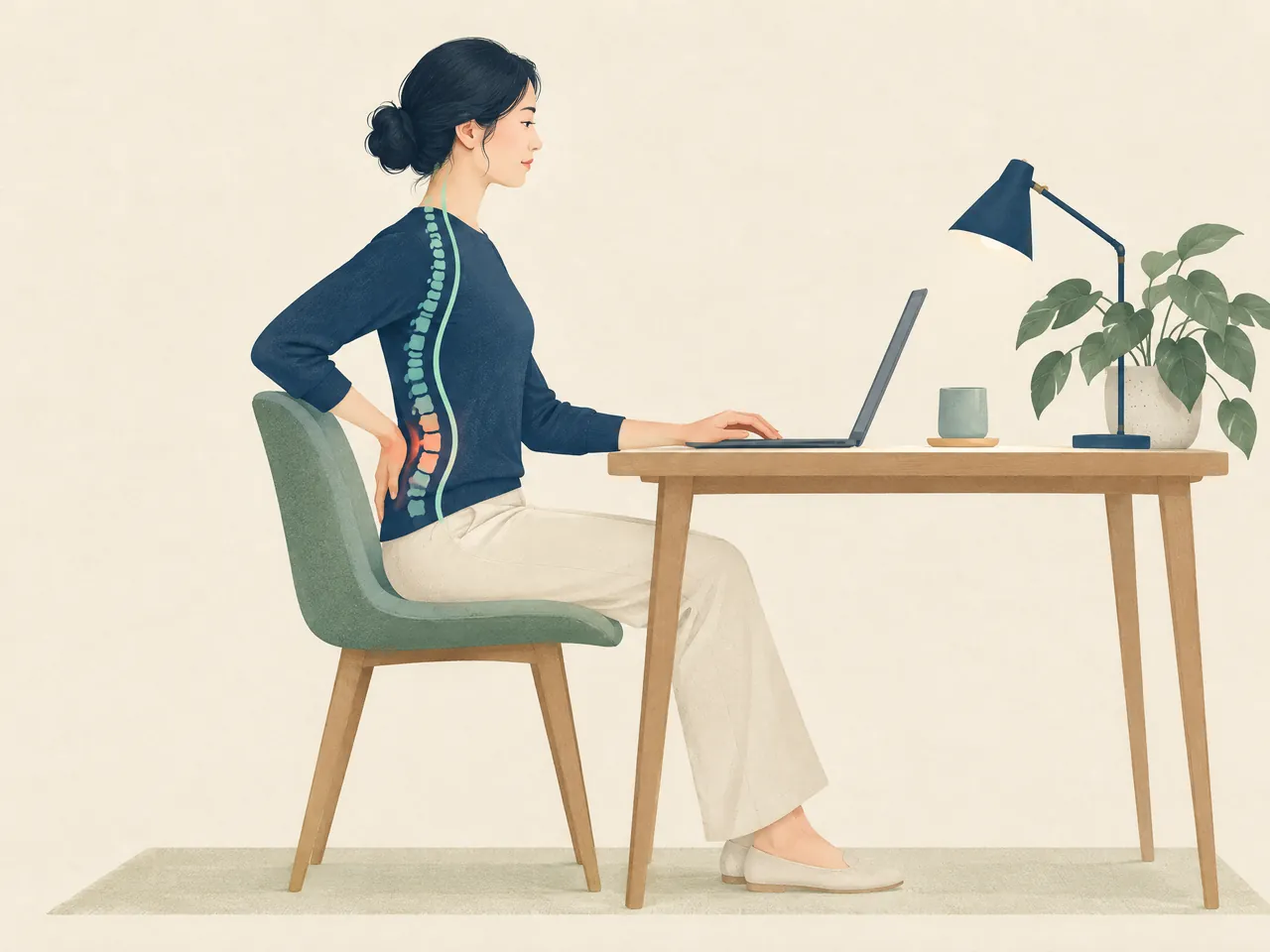
The piriformis is a small deep muscle in the buttock, close to the sciatic nerve. When clinicians use the term piriformis syndrome, they are describing buttock symptoms thought to be related to irritation in that region, sometimes with pain, tingling or numbness travelling down the back of the leg. Sitting for a long commute, getting up from a low chair, climbing stairs, walking uphill, running or turning the hip may be relevant details. Those details are clues for assessment, not a way to confirm the diagnosis at home. Cleveland Clinic describes a similar symptom pattern and notes that prolonged sitting, walking, running and stairs can aggravate it [1].
The word “sciatica” describes a nerve-pain pattern rather than one single cause. A lower-back problem, hip condition, hamstring issue or sacroiliac pain can create a similar story. It is therefore safer to begin with what you notice than to insist on a label. For example, say whether pain begins in the back or deep buttock, whether it goes below the knee, whether cough or sneeze changes it, and whether a particular position brings it on. Readers comparing descriptions of piriformis syndrome leg pain can use that information to prepare more focused questions, rather than self-diagnosing from one symptom.
Can acupuncture treat piriformis syndrome? Does acupuncture help piriformis syndrome? When should I see a doctor for piriformis syndrome — symptoms and possible causes
People often describe deep buttock discomfort as aching, burning, sharp, heavy or pulling. It may remain local, spread into the upper thigh, or be accompanied by pins and needles. Compare sides: does one side hurt only after sitting, or is there a clear loss of confidence when stepping, climbing, or lifting the foot? Mention whether you have low-back pain, hip-groin pain, recent infection, fever, a new exercise programme, prolonged driving, a fall, or prior back and hip conditions. A pattern is more informative when it includes what changed before it began and what it now prevents you from doing.
Possible contributors are often discussed as a combination of load and context rather than as one simple cause. Repeated running, long sedentary spells, a sudden increase in stair climbing, a direct injury, or an altered gait can coincide with a flare. Yet coincidence is not proof. The supplied Hong Kong orthopaedic information notes that buttock and leg symptoms may also be associated with back, hip, sacroiliac or hamstring problems, among other conditions [2]. That overlap is exactly why a named muscle should not become the only explanation.

Can acupuncture treat piriformis syndrome? Does acupuncture help piriformis syndrome? When should I see a doctor for piriformis syndrome — why assessment matters
There is no single simple test that conclusively identifies piriformis syndrome. Assessment commonly starts with the timeline, activities, previous injuries and a physical examination of the back, hip and leg. A clinician may observe movement, compare tenderness and sensation, or see whether certain hip positions reproduce the familiar pain. Tests or imaging are sometimes considered to investigate or rule out other causes; they are not automatically needed for every person. Both Cleveland Clinic and the local orthopaedic source describe diagnosis as a process that often involves excluding other explanations [1] [2].
Assessment is especially important when the description does not neatly fit a local buttock problem. Pain starting in the low back and travelling to the foot, symptoms on both sides, altered reflexes, marked weakness, or numbness that is expanding deserve medical attention. Do not try a sequence of increasingly forceful stretches, deep pressure or needling merely because the muscle feels tight. Those approaches can mask a change in symptoms without establishing the reason for it. If you already have a medical diagnosis or scan report, bring it to the conversation instead of starting from scratch.
Compare your options
| What you notice | Why it matters | Sensible next step |
|---|---|---|
| Local buttock pain after a recent change in sitting, walking or training, with no weakness or red flags | A load-related muscular contribution may be worth assessing, but a location alone does not prove piriformis syndrome. | Record triggers and function; arrange a non-urgent clinical assessment before selecting treatment. |
| Pain begins in the back or travels below the knee with tingling or numbness | Lumbar and other nerve-related causes can overlap with a piriformis-type description. | Seek medical or musculoskeletal assessment, especially if symptoms persist or function is affected. |
| Pain is worsening, disturbing sleep, follows significant injury, or comes with fever or unexplained weight loss | These features need medical assessment instead of a routine self-care plan. | Arrange prompt medical review; do not rely on acupuncture to determine the cause. |
| Severe or worsening symptoms in both legs, genital or anal numbness, or new bladder or bowel changes | This can indicate a serious neurological emergency. | Seek emergency hospital care immediately rather than waiting for an appointment. |
On smaller screens, scroll the table sideways to compare all columns.
Can acupuncture treat piriformis syndrome? Does acupuncture help piriformis syndrome? When should I see a doctor for piriformis syndrome — assessment and treatment considerations
A Chinese medicine assessment for buttock and leg pain should begin with the same practical question: what needs explaining before an intervention is selected? The practitioner may ask about the pain map, onset, sitting tolerance, exercise and work demands, sleep, prior injuries and other care already tried. They may palpate the symptomatic area and consider movement findings alongside the broader history. In Chinese medicine terms, the discussion may include local soft-tissue tension and symptom patterns along the leg, but those terms do not replace assessment for spinal, hip or neurological causes.
It can help to arrive with a short symptom record rather than a request for a fixed treatment. Note the first day of the flare, whether it began after a fall or gradual loading, activities that reliably bring it on, what changes by the following morning, and the effect on work, driving and sleep. Bring relevant reports and a medication list. This gives a practitioner a basis for discussing options and makes it easier to identify when physiotherapy, medical review, imaging or a change in activity is more appropriate than proceeding directly to acupuncture.

Can acupuncture treat piriformis syndrome? Does acupuncture help piriformis syndrome? When should I see a doctor for piriformis syndrome — what a Chinese medicine assessment may cover
The consultation should distinguish the place that hurts from the pattern that provokes it. A patient may point to the outer buttock but notice pain only after forty minutes in a car, during a stride uphill, or when crossing one leg. Another may feel an ache at rest with a strong low-back component. A practitioner can ask about these differences, inspect posture and movement where appropriate, and palpate for local sensitivity. The value is not in producing a dramatic label. It is in deciding which findings can be managed conservatively, what should be monitored, and what must be referred.
Traditional Chinese medicine may describe this presentation using concepts such as impaired movement of qi and blood or a channel pattern, alongside a local muscular assessment. That is a clinical language for organising a treatment discussion, not evidence that a structural lesion has been repaired. Where a problem such as disc disease, spinal narrowing, fracture, infection or a significant hip condition is suspected or known, acupuncture should only be discussed as possible symptom management within appropriate medical care. It cannot restore a damaged disc, reverse degeneration or remove nerve compression.
Can acupuncture treat piriformis syndrome? Does acupuncture help piriformis syndrome? When should I see a doctor for piriformis syndrome — what acupuncture can and cannot address
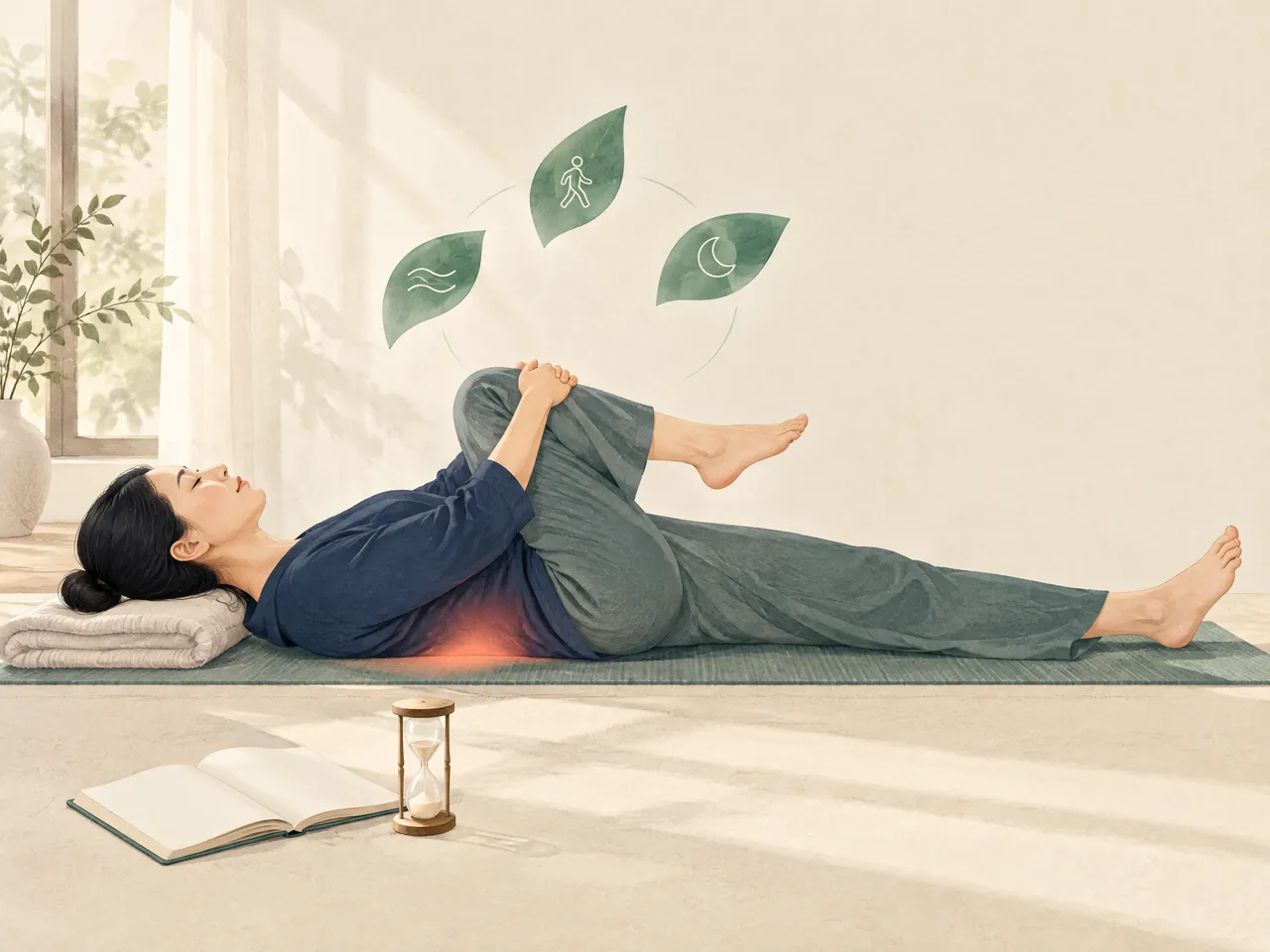
Acupuncture uses fine needles placed through the skin. For a person whose assessment supports a conservative approach, the conversation may focus on whether it could be used to help manage pain or muscle-related discomfort alongside movement, load management or rehabilitation. It is not a test for piriformis syndrome and it is not a promise to cure buttock or radiating leg pain. A 2023 paper specifically titled as a review protocol says that, at its publication, there was no evidence-based recommendation for acupuncture treatment of piriformis syndrome [5]. That is a reason to be precise about the limited aim rather than to claim a predictable result.
Ask what area is proposed, why it is being considered, what sensations are expected, what you should report during the session, and how the response will be judged. Soreness, a brief ache or a heavy sensation can be discussed, but no sensation proves that the source of pain has been corrected. The U.S. National Center for Complementary and Integrative Health notes that complications are relatively uncommon but may occur with nonsterile needles or improper delivery; it also notes the U.S. requirement for sterile, single-use labelled needles [3].
If you are deciding between descriptions online, piriformis muscle pain acupuncture may help you frame an enquiry. It should not be read as a guarantee that a particular point selection, number of visits or add-on method is right for you. The clinical aim and follow-up should change if symptoms change.
Can acupuncture treat piriformis syndrome? Does acupuncture help piriformis syndrome? When should I see a doctor for piriformis syndrome — next steps and safety signs
A practical next step depends on the severity and pattern of symptoms. If discomfort is mild, stable and clearly linked to a recent increase in sitting or activity, it may be reasonable to arrange a non-urgent assessment while avoiding the movement that repeatedly triggers sharp pain. If it is not improving, is limiting ordinary walking, sleep, work or driving, or you are unsure whether it comes from the back or hip, medical assessment is sensible. Avoid treating worsening function as something to push through just because the pain is intermittent.
Before choosing a location, focus on the quality of the clinical question rather than convenience alone. You can ask about an assessment at the Kwun Tong Chinese medicine clinic or the Chinese medicine clinic Prince Edward, explaining the pain pattern, relevant diagnoses and your language needs. For background questions, see piriformis syndrome acupuncture. Appointment arrangements are confirmed by enquiry; they are not an automatic booking or a substitute for urgent care.

Can acupuncture treat piriformis syndrome? Does acupuncture help piriformis syndrome? When should I see a doctor for piriformis syndrome — questions to ask before treatment
Useful questions are specific: What explanations are being considered for my symptoms? What parts of my history make medical review important? What is the proposed goal of acupuncture in my case? What other care should continue? What would count as a reason to stop, seek review or change the plan? Ask whether any current medication, bleeding tendency, pregnancy, implanted electronic device, skin problem or needle faintness changes the approach. Clear answers help you compare options without turning a treatment into a promise.
Also ask how you will track change. A meaningful record might include comfortable sitting time, ability to walk, sleep interruption, confidence on stairs and next-day response to normal activity. Do not judge progress only by whether the tender spot hurts less immediately after an appointment. If leg numbness spreads, strength drops or the location of pain changes substantially, report that instead of waiting for the next routine session. The goal is informed adjustment, not a predetermined series of visits.

Can acupuncture treat piriformis syndrome? Does acupuncture help piriformis syndrome? When should I see a doctor for piriformis syndrome — urgent symptoms to recognise
Seek urgent emergency medical care rather than a routine acupuncture appointment if you have pain or altered sensation on both sides with severe or worsening weakness or numbness, numbness around the genitals or anus, or a new difficulty starting urination, inability to control urine, or loss of bowel control. The NHS lists these as symptoms that may signal a serious back problem requiring hospital treatment as soon as possible [4]. A sudden inability to lift the foot, a major trauma, or sudden severe back or leg pain also warrants prompt medical assessment. Do not drive yourself if emergency symptoms are present.
Arrange timely medical review for pain that is severe, progressively worsening, repeatedly disrupts sleep or daily function, follows injury, or comes with fever, unexplained weight loss, frequent falls or obvious muscle wasting. These signs do not identify one diagnosis by themselves, but they are reasons not to rely on self-treatment. Acupuncture can be reconsidered later if the relevant clinician agrees it fits the overall plan; it should never delay assessment of a potentially serious neurological or systemic problem.
If there are no emergency signs but you remain uncertain, state that uncertainty plainly when you enquire. A safer first conversation is “I have deep buttock pain with occasional tingling after sitting and I am unsure whether I need medical review first” than “I need a fixed piriformis treatment.”
Care and health guide
Health service information
This directory brings together services, reading, and visit information related to health services, to help you prepare questions for a consultation.
If you are organising health questions, Chinese medicine clinic Hong Kong is a starting point for learning about related services and preparing for a consultation.
People have different needs; acupuncture Hong Kong provides further reading to help you understand options in your own context.


Your questions, answered
Frequently asked questions
How might acupuncture be considered for piriformis-related pain?
After history and examination, acupuncture may be discussed as one conservative option for symptom management when it is clinically appropriate. The discussion should include its limited aim, safety considerations, other care already underway, and the signs that mean the plan needs to change. It does not prove that the piriformis is the source of the pain.
Can acupuncture reverse a disc problem or severe nerve compression?
No. Acupuncture cannot repair a disc, reverse spinal degeneration, remove a structural compression, or replace investigation and medical treatment when these are needed. If a structural problem is suspected or known, any acupuncture discussion should be part of symptom management and coordinated with appropriate medical advice.
What does a piriformis assessment usually involve?
Assessment commonly reviews the onset, pain map, activities, injuries and medical history, then examines movement and the back, hip and leg as appropriate. Because there is no single definitive test, clinicians often need to consider and rule out other explanations for buttock and radiating leg symptoms.
When should I see a doctor for piriformis syndrome symptoms?
See a doctor promptly if symptoms are worsening, persist despite sensible activity changes, impair walking or sleep, follow significant injury, or include fever, unexplained weight loss, falls or weakness. Seek emergency care for severe or worsening bilateral leg weakness or numbness, numbness around the genitals or anus, or new bladder or bowel-control changes.
Sources and further information
- [1] Cleveland Clinic: Piriformis Syndrome
Referenced for: [1] Supports symptom descriptions, common activity aggravators, diagnostic uncertainty, and the need to consider other causes.
- [2] Asia Medical Specialists Hong Kong: Piriformis Syndrome Causes, Diagnosis, and Treatment
Referenced for: [2] Supports local English terminology, differential diagnosis, and the point that no simple diagnostic test confirms piriformis syndrome.
- [3] National Center for Complementary and Integrative Health: Acupuncture—What You Need To Know
Referenced for: [3] Supports the general acupuncture safety discussion, including risks from nonsterile needles or improper delivery and U.S. sterile single-use needle requirements.
- [4] NHS: Sciatica
Referenced for: [4] Supports emergency escalation for bilateral severe or worsening weakness or numbness, saddle-area numbness, and new bladder or bowel changes.
- [5] Acupuncture Methods for Piriformis Syndrome: A Protocol for Systematic Review and Network Meta-Analysis
Referenced for: [5] Supports the narrow statement that this 2023 publication was a review protocol and stated that no evidence-based acupuncture recommendation for piriformis syndrome was then available.