
TCM Lab · Health reading
Body Gua Sha and Traditional Chinese Medicine Gua Sha at a Gua Sha Clinic Hong Kong
Published Updated
Body gua sha is a body-focused scraping practice in which a smooth-edged tool is moved over selected areas of skin. Traditional Chinese medicine gua sha may refer to muscles or meridian pathways, but your reason for enquiring comes first. This guide separates body work from facial gua sha and explains the questions worth raising before a session. It does not assume that one technique, pressure or body area is right for everyone.
Appointments are confirmed through WhatsApp. If you have language requirements, please mention them in your enquiry.
The short answer
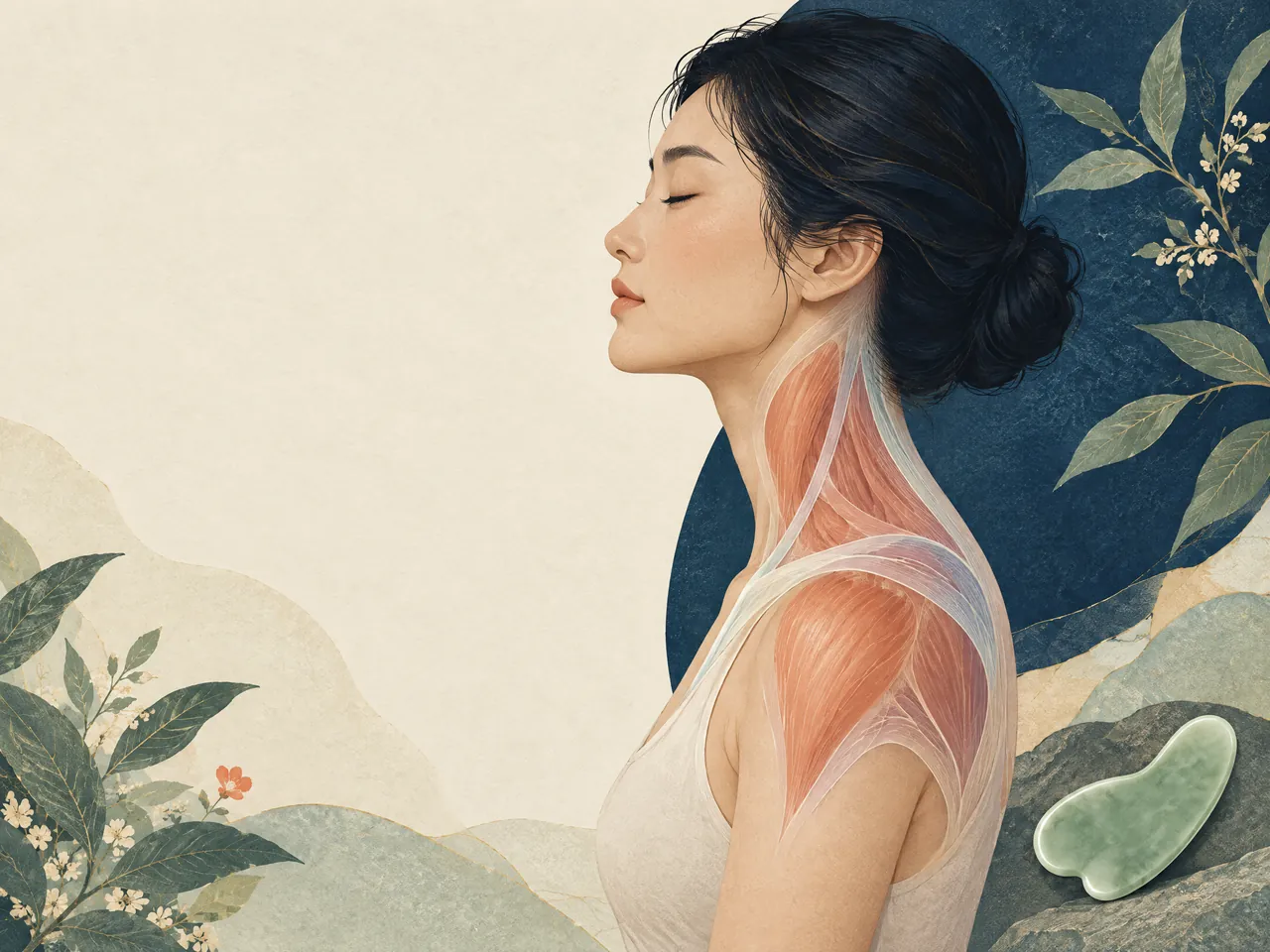
Body gua sha is the use of a smooth-edged tool on selected areas of the body, rather than a facial beauty routine. Traditional Chinese medicine gua sha may be discussed in relation to muscles or meridian pathways, with the area and approach considered in a consultation. Before contacting a gua sha clinic Hong Kong residents can ask about the body area, health information to disclose, skin response, hygiene and the practical appointment arrangement at Prince Edward or Kwun Tong.
Transparent pricing
See the fees.
Choose your care.
Explore our complete official price list, including first-trial prices, regular prices, packages and branch-specific options.
Opening WhatsApp prepares an enquiry; it does not send a message, take payment or confirm an appointment. Suitability and individual arrangements are confirmed during consultation.
Chinese medicine
All prices in HKDAcupuncture and Chinese herbal medicine package
Includes a Chinese medicine consultation with pulse assessment, body acupuncture and 3 days of Chinese herbal granules that do not require decoction.
HK$580 (single session)
Chinese medicine consultation with pulse assessment
Hair and scalp
All prices in HKDScalp health and hair-loss management
Includes AI scalp analysis, deep scalp and follicle cleansing, and scalp oil-control care.
HK$380 (first trial)
Regular price: HK$680
- 6 sessions: HK$3,480 (HK$580 per session)
- 12 sessions: HK$5,760 (HK$480 per session)
- 20 sessions: HK$8,600 (HK$430 per session)
- 30 sessions: HK$11,400 (HK$380 per session)
Hair acupuncture and Chinese herbal medicine package
Includes scalp acupuncture and 3 days of Chinese herbal medicine that does not require decoction.
HK$580 (single session)
Registered Chinese Medicine Practitioner consultation
- 6 sessions: HK$3,180 (HK$530 per session)
- 12 sessions: HK$5,760 (HK$480 per session)
- 20 sessions: HK$8,600 (HK$430 per session)
- 30 sessions: HK$11,400 (HK$380 per session)
Combined hair and scalp treatment
Combines acupuncture and Chinese herbal medicine with salon-level scalp and follicle care. Packages include complimentary hair-care shampoo and serum.
HK$1,260 (single session)
Combined treatment
- 8 sessions: HK$8,640 (HK$1,080 per session)
- 16 sessions: HK$15,680 (HK$980 per session)
- 20 sessions: HK$18,600 (HK$930 per session)
- 30 sessions: HK$26,400 (HK$880 per session)
Weight management
All prices in HKDFull-body acupoint embedding for weight management
Includes full-body acupoint embedding. Packages include complimentary Chinese herbal medicine for weight management, with the number of included days scaled to the package. Embedding material and the individual treatment arrangement are confirmed during consultation; this is not a cosmetic thread lift.
HK$980 (single session)
No trial session
- 10 sessions: HK$7,800 (HK$780 per session)
- 20 sessions: HK$14,600 (HK$730 per session)
- 30 sessions: HK$20,400 (HK$680 per session)
Facial acupuncture
All prices in HKDFacial acupuncture (basic)
Includes facial acupuncture and meridian-based facial care, including care for facial puffiness.
HK$480 (first trial)
Regular price: HK$680
- 10 sessions: HK$5,200 (HK$520 per session)
- 20 sessions: HK$9,600 (HK$480 per session)
- 30 sessions: HK$13,500 (HK$450 per session)
Facial acupuncture (advanced)
Includes enhanced facial acupuncture with a specially formulated moisturising mask and serum.
HK$780 (first trial)
Regular price: HK$1,180
- 10 sessions: HK$9,000 (HK$900 per session)
- 20 sessions: HK$16,600 (HK$830 per session)
- 30 sessions: HK$23,400 (HK$780 per session)
Pain care
All prices in HKDExtracorporeal shockwave treatment
Shockwave treatment for deep-tissue and fascial care. The Kwun Tong clinic offers the multi-area options shown below.
Priced by branch
Branch-specific pricing
Prince Edward: HK$250 per area
Kwun Tong: HK$250 for 1 area / HK$450 for 2 areas / HK$600 for 3 areas
Pain care (manual therapy)
Includes Chinese medicine musculoskeletal assessment, manual joint techniques and tui na.
HK$580 (single session)
Chinese medicine musculoskeletal assessment
Pain care (acupuncture and manual therapy)
Combines acupuncture and manual therapy.
HK$680 (single session)
Combined care
What Body Gua Sha Means in Traditional Chinese Medicine Gua Sha Practice at a Gua Sha Clinic Hong Kong
The word gua sha can cause confusion because it is used for more than one kind of service. Body gua sha is a hands-on practice directed at a chosen body area with a smooth-edged tool. A useful enquiry names the location you want to discuss, such as the upper back after a desk-heavy week or a leg area after a change in training, then leaves the approach for a proper conversation.
In traditional Chinese medicine gua sha language, a practitioner may talk about a muscle area, a line of discomfort, or a meridian pathway. These describe how the body area is considered; they are not a client diagnosis. Hong Kong clinic descriptions commonly define the practice as scraping with a smooth-edged tool along selected muscles or meridians [4]. That wording can help you recognise the service, but does not determine your appointment or promise a response.
The sensation and appearance of the skin are reasons to ask questions before deciding. Some people ask does gua sha leave marks because they need to plan around work, exercise, social events or exposed clothing. Ask how the proposed area may be approached and what skin response should be discussed, rather than expecting an identical result to another person. Tell the practitioner if you have a rash, broken skin, unusual bruising, a recent procedure or other reason the area needs special care.
How Body Gua Sha Uses a Smooth-Edged Tool in Traditional Chinese Medicine Gua Sha at a Gua Sha Clinic Hong Kong
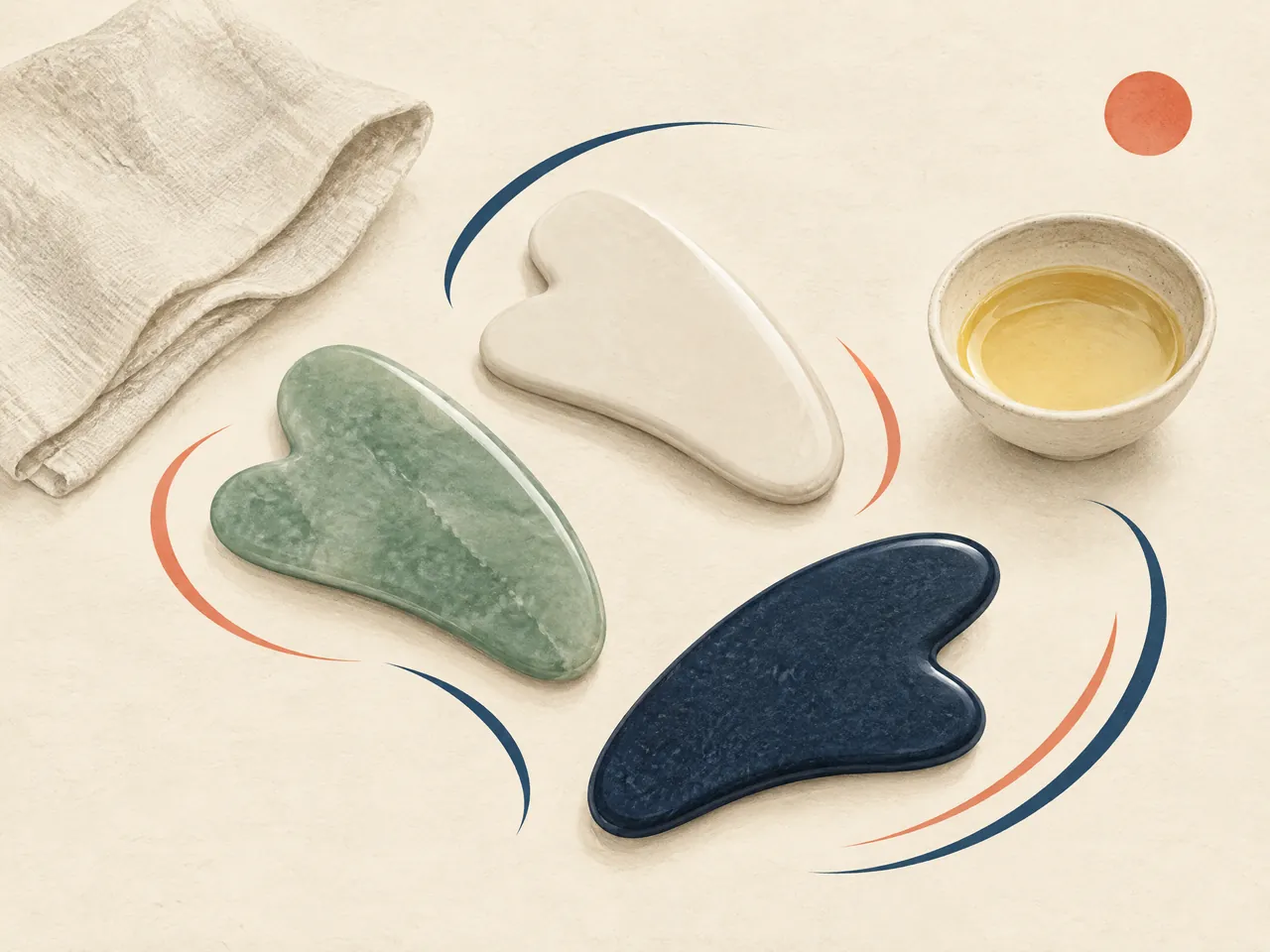
A smooth-edged tool is a practical part of body gua sha, not a guarantee of a particular technique. The practitioner may ask where you feel the issue, what movements make it noticeable, and whether it has changed. This distinguishes a broad request such as ‘my shoulders are tight’ from a request about one area. Ask what part of the body is being considered, whether oil or another medium is used, and how to say if pressure is uncomfortable. Clear communication matters more than silently enduring a session.
Tool hygiene is a reasonable question. A peer-reviewed safety addendum states that reusable gua sha instruments should undergo high-level disinfection; the authors discuss preventing transfer of blood-borne pathogens when instruments are reused [2]. Ask how the tool used in a body gua sha session is handled and cleaned. It is a sensible part of choosing any hands-on service involving skin contact.
Body Gua Sha Along Muscles or Meridian Pathways: Traditional Chinese Medicine Gua Sha at a Gua Sha Clinic Hong Kong
A person may look for body gua sha after long hours at a computer, carrying a child, a physically repetitive job, a new exercise routine or a general feeling that one region is working harder than usual. These are useful pieces of context, not proof of a cause. Describe the pattern in ordinary language: where it starts, whether it spreads, what has changed, and what you have already tried. The practitioner can then explain whether traditional Chinese medicine gua sha is something to discuss further, rather than treating a keyword search as an assessment.
If your question is specifically about everyday tightness, the page on gua sha for muscle tension offers related reading to help you prepare your questions. Keep its information separate from your own decision. A new, severe or worrying symptom, or a problem that followed an injury, deserves appropriate medical attention rather than a self-selected bodywork session. At a consultation, mention current care and any health professional’s advice so that the discussion has the right context.
Compare your options
| Decision point | Body gua sha enquiry | What to tell or ask the practitioner | Why it matters |
|---|---|---|---|
| Area of focus | A selected body area such as the neck, shoulders, back, arm or leg. | Name the exact area, when it is noticeable and what activities affect it. | A body-area description gives the consultation a practical starting point. |
| Facial versus body purpose | Body-focused, rather than a request for a facial routine. | Say plainly if your concern is facial instead, so the relevant service can be explained. | The same term can refer to different applications and questions. |
| Health and skin context | An individual discussion before any hands-on work is considered. | Mention relevant medication, easy bruising or bleeding, skin irritation, wounds, recent procedures and current care. | These details may change what is appropriate to discuss or how an area is approached. |
| Practical arrangement | An enquiry for Prince Edward, Kwun Tong or a possible home visit. | State your preferred location, workable times and access or language needs; ask for confirmation. | A message does not by itself confirm availability, a practitioner or a session. |
| Hygiene question | Contact between a reusable tool and skin requires clear practice standards. | Ask how reusable gua sha tools are cleaned and handled between clients. | It allows you to make an informed choice about a hands-on service. |
On smaller screens, scroll the table sideways to compare all columns.
What to Discuss Before Body Gua Sha with Traditional Chinese Medicine Gua Sha Practitioners at a Gua Sha Clinic Hong Kong
Before body gua sha, start with the question you actually need answered. You may want to know whether an upper-back area can be discussed, whether the session is body-focused rather than facial, or what you should disclose before the practitioner considers the area. Avoid making the first message a demand for a fixed technique. A short and accurate account is more useful: ‘I would like to ask about body gua sha for this area; it has been noticeable for this long; these are the activities that affect it; and these are the health details I think may be relevant.’
Health information is not an obstacle to an enquiry; it helps make the conversation safer and more realistic. Mention medicines that affect bleeding or bruising, relevant skin problems, allergies, recent operations or procedures, pregnancy where relevant, past injury and other treatment already underway. Do not apply scraping over a wound or an actively irritated area just because it is close to where you feel discomfort. The government’s Chinese medicine information points the public to current registered-practitioner lists [1], which is one useful local check alongside asking direct questions about the proposed service.

It can be tempting to judge a session by how dramatic it looks online. That is not a sound basis for selecting body gua sha. Pressure, area, skin appearance and comfort are individual issues to be discussed, and stronger is not automatically better. Ask the practitioner how feedback is handled during the session and what they need to know before beginning. If you want a basic description first, gua sha scraping therapy is a useful starting page; your health history still belongs in the individual conversation.

Body Gua Sha Areas and Session Questions for Traditional Chinese Medicine Gua Sha at a Gua Sha Clinic Hong Kong
Bring the body area into focus without trying to prescribe the treatment. For example, explain whether your concern is centred at the base of the neck, between the shoulders, along the back, in a forearm or in a leg, and whether you notice it during sitting, lifting, walking, sport or sleep. Add a simple timeline. Say whether it followed a change in workload, activity or injury, and whether it is getting better, worse or staying the same. Those details make it easier to have a focused discussion rather than selecting an area from a generic body chart.
Questions worth asking include: What part of the appointment is consultation and what part is hands-on? Which area is being considered and why? What should I tell you before we start? How will pressure be adjusted if it is too much? What skin changes or discomfort should I raise during or after the session? A practitioner should be able to explain the practical plan in plain language. If the explanation does not address your concern, pause and ask for clarification before agreeing to proceed.
Choosing Body Gua Sha Information from a Traditional Chinese Medicine Gua Sha Service at a Gua Sha Clinic Hong Kong
Choose information that answers a decision you have to make, not a claim that sounds most impressive. A page can explain terms and prompt questions, but it cannot decide whether your symptoms, skin condition, medication or recent health event makes body gua sha appropriate. The Hong Kong Chinese Medicine Council is a statutory body responsible for regulatory measures intended to protect public health and consumers’ rights [3]. Use official registration information as one check of professional status, then discuss your personal situation openly.
It is also reasonable to keep expectations modest. Body gua sha is one topic that may be raised in a traditional Chinese medicine consultation; it is not a substitute for urgent assessment, a diagnosis or care you have been told not to delay. If you are receiving care elsewhere, say so. If your priority is a facial concern, make that clear instead of booking a body-focused enquiry under the assumption that the two are interchangeable. The terms overlap, but the goal, area and practical questions are different.
Finding Body Gua Sha Enquiries and Traditional Chinese Medicine Gua Sha Guidance at a Gua Sha Clinic Hong Kong
TCM Lab has physical clinic locations in Prince Edward and Kwun Tong. When you enquire about body gua sha, say which location is easier for you, the body area or concern you want to discuss, and whether this is a first conversation or a follow-up. You can contact TCM Lab on WhatsApp at +852 6940 5663. The general appointment window is 11:00–21:00, while practitioner arrangements are by appointment. A WhatsApp message begins an enquiry; it does not mean that a session, practitioner, time or technique has been automatically confirmed.
A good first message is brief enough to read and detailed enough to route sensibly. You might write: ‘I would like to enquire about body gua sha at the Kwun Tong or Prince Edward location. I want to discuss [body area] and it has been affecting [activity]. I have [relevant skin, medication or health information] that I want the practitioner to know. Are there appointment arrangements I should confirm?’ This gives the team something practical to clarify without requiring you to send unnecessary sensitive information in a first message.

Use the clinic enquiry to decide whether the service and arrangement are worth exploring, rather than assuming availability or suitability from the location alone. The gua sha treatment Hong Kong page can provide wider service context, while what is body gua sha explains the term from another angle. Read them as preparation for questions, not as a replacement for sharing the details that may change an individual discussion.
Prince Edward or Kwun Tong Body Gua Sha Enquiries for Traditional Chinese Medicine Gua Sha at a Gua Sha Clinic Hong Kong
Choose the location that lets you attend without rushing, then confirm the actual appointment arrangement. The Prince Edward clinic is at 1/F, 27 Ki Lung Street, Prince Edward; the Kwun Tong clinic is at Room 03, 21/F, 50 Hoi Yuen Road, Kwun Tong. An address does not confirm a walk-in option, a particular practitioner or a body gua sha session. For route planning and location details, see Chinese medicine clinic Prince Edward or Kwun Tong Chinese medicine clinic, then confirm the date and time directly before travelling.
If you have a language, access or timing need, say so in the enquiry and ask what can be confirmed. You do not need to provide a long history by message, but do not omit a relevant medication, skin issue or recent event simply because you are seeking a short answer. A concise note prepared beforehand can help: the area, the pattern, relevant health information, current care and your questions. It keeps the discussion centred on what you need to know, rather than on an assumed outcome.

Home Visit Body Gua Sha Enquiries Beyond a Traditional Chinese Medicine Gua Sha Clinic Hong Kong
If getting to Prince Edward or Kwun Tong is difficult, you may make a home-visit enquiry rather than treating another district as a physical TCM Lab branch. State the district, why travel is difficult, the body concern you want to discuss and any information that could affect the arrangement. Home-visit availability is considered individually. It should not be assumed from a general mention of Hong Kong, and it is not an automatic alternative to an in-clinic consultation.
Whether your enquiry is for a clinic or a possible home visit, confirm the practical boundaries before making plans: location, timing, what the appointment is intended to cover, who will be present and any preparation requested. Body gua sha should remain a clear, consent-based conversation throughout. You are entitled to ask questions, to give feedback about comfort and to decide not to proceed if the plan has not been explained clearly. A focused enquiry creates room for that conversation without promising a result in advance.
Care and health guide
Clinic visit information
This directory brings together services, reading, and visit information related to clinic visits, to help you prepare questions for a consultation.
Before a visit, it can help to note the health questions you want to discuss and use Chinese medicine clinic Hong Kong to find the relevant location or service information.
Service arrangements vary by individual circumstances; acupuncture Hong Kong is a useful starting point for questions to bring to a consultation.


Your questions, answered
Frequently asked questions
What is body gua sha?
Body gua sha is a scraping practice in which a smooth-edged tool is used over selected areas of the body. In traditional Chinese medicine discussions, a practitioner may refer to muscles or meridian pathways. The precise area and approach should be discussed individually rather than assumed from the name.
Is body gua sha the same as facial gua sha?
No. Body gua sha concerns selected body areas, while facial gua sha is a different application with a different aim and set of questions. If your enquiry is about the face, say so clearly when you contact the clinic rather than assuming the two services are the same.
What should I disclose before a body gua sha appointment?
Tell the practitioner about the body area, timing and pattern of the concern, relevant medicines and supplements, easy bruising or bleeding, broken or irritated skin, recent injury or procedure, allergies and current care. This information helps make the discussion individual and informed.
How do I enquire about body gua sha in Hong Kong?
WhatsApp TCM Lab at +852 6940 5663 with your preferred location, Prince Edward or Kwun Tong, the body area you wish to discuss and relevant practical needs. The general appointment window is 11:00–21:00, but appointment and practitioner arrangements must be confirmed directly.
Can I ask about a body gua sha home visit?
Yes. Make a home-visit enquiry by stating your district, the reason travel is difficult and what you want to discuss. Home visits are considered individually; they are not additional physical clinic branches or a guaranteed service in every area.
Sources and further information
- [1] [1] GovHK — Chinese Medicine
Referenced for: Official Hong Kong health-information page used for the availability of registered Chinese medicine practitioner lists and local Chinese medicine public information.
- [2] [2] PubMed — Safety Standards for Gua sha and Ba guan
Referenced for: Peer-reviewed safety addendum used only for the statement that reusable gua sha instruments require high-level disinfection and the associated infection-control rationale.
- [3] [3] Chinese Medicine Council of Hong Kong — Welcome Message
Referenced for: Official Council page used for its statutory regulatory role and public-health and consumer-rights purpose; it does not establish treatment suitability or outcomes.
- [4] [4] Balance Health — Gua Sha
Referenced for: Hong Kong clinic service page used only as an example of local English terminology describing smooth-edged scraping along selected muscles or meridian pathways; it is not evidence of results or of TCM Lab services.