
TCM Lab · Health reading
Migraine Pain Relief Tips for Heat, Cold and Safer Self-Care
Published Updated
A migraine attack can make even a quiet commute, a bright office screen or a tense neck feel unbearable. For many people, a wrapped cold pack on the forehead or back of the neck is the more comfortable choice when pain is pounding; gentle warmth may feel better when the neck and shoulders are tight. Neither choice treats the cause of migraine, and neither needs to be forced. Use temperature as a short, supportive comfort measure, protect your skin, and switch off or stop if it makes you feel worse.
Appointments are confirmed through WhatsApp. If you have language requirements, please mention them in your enquiry.
The short answer
Cold and heat can both be useful migraine pain relief tips when chosen for the symptom in front of you. A wrapped cold pack may be more comfortable for throbbing head pain, while gentle warmth may relax tight neck and shoulder muscles. Keep a cloth between the pack and skin, check how you feel, and stop if symptoms worsen. Temperature therapy is supportive care, not a replacement for prescribed treatment or assessment of severe, new, or changing headaches.
Transparent pricing
See the fees.
Choose your care.
Explore our complete official price list, including first-trial prices, regular prices, packages and branch-specific options.
Opening WhatsApp prepares an enquiry; it does not send a message, take payment or confirm an appointment. Suitability and individual arrangements are confirmed during consultation.
Pain care
All prices in HKDExtracorporeal shockwave treatment
Shockwave treatment for deep-tissue and fascial care. The Kwun Tong clinic offers the multi-area options shown below.
Priced by branch
Branch-specific pricing
Prince Edward: HK$250 per area
Kwun Tong: HK$250 for 1 area / HK$450 for 2 areas / HK$600 for 3 areas
Pain care (manual therapy)
Includes Chinese medicine musculoskeletal assessment, manual joint techniques and tui na.
HK$580 (single session)
Chinese medicine musculoskeletal assessment
Pain care (acupuncture and manual therapy)
Combines acupuncture and manual therapy.
HK$680 (single session)
Combined care
Hair and scalp
All prices in HKDScalp health and hair-loss management
Includes AI scalp analysis, deep scalp and follicle cleansing, and scalp oil-control care.
HK$380 (first trial)
Regular price: HK$680
- 6 sessions: HK$3,480 (HK$580 per session)
- 12 sessions: HK$5,760 (HK$480 per session)
- 20 sessions: HK$8,600 (HK$430 per session)
- 30 sessions: HK$11,400 (HK$380 per session)
Hair acupuncture and Chinese herbal medicine package
Includes scalp acupuncture and 3 days of Chinese herbal medicine that does not require decoction.
HK$580 (single session)
Registered Chinese Medicine Practitioner consultation
- 6 sessions: HK$3,180 (HK$530 per session)
- 12 sessions: HK$5,760 (HK$480 per session)
- 20 sessions: HK$8,600 (HK$430 per session)
- 30 sessions: HK$11,400 (HK$380 per session)
Combined hair and scalp treatment
Combines acupuncture and Chinese herbal medicine with salon-level scalp and follicle care. Packages include complimentary hair-care shampoo and serum.
HK$1,260 (single session)
Combined treatment
- 8 sessions: HK$8,640 (HK$1,080 per session)
- 16 sessions: HK$15,680 (HK$980 per session)
- 20 sessions: HK$18,600 (HK$930 per session)
- 30 sessions: HK$26,400 (HK$880 per session)
Weight management
All prices in HKDFull-body acupoint embedding for weight management
Includes full-body acupoint embedding. Packages include complimentary Chinese herbal medicine for weight management, with the number of included days scaled to the package. Embedding material and the individual treatment arrangement are confirmed during consultation; this is not a cosmetic thread lift.
HK$980 (single session)
No trial session
- 10 sessions: HK$7,800 (HK$780 per session)
- 20 sessions: HK$14,600 (HK$730 per session)
- 30 sessions: HK$20,400 (HK$680 per session)
Facial acupuncture
All prices in HKDFacial acupuncture (basic)
Includes facial acupuncture and meridian-based facial care, including care for facial puffiness.
HK$480 (first trial)
Regular price: HK$680
- 10 sessions: HK$5,200 (HK$520 per session)
- 20 sessions: HK$9,600 (HK$480 per session)
- 30 sessions: HK$13,500 (HK$450 per session)
Facial acupuncture (advanced)
Includes enhanced facial acupuncture with a specially formulated moisturising mask and serum.
HK$780 (first trial)
Regular price: HK$1,180
- 10 sessions: HK$9,000 (HK$900 per session)
- 20 sessions: HK$16,600 (HK$830 per session)
- 30 sessions: HK$23,400 (HK$780 per session)
Chinese medicine
All prices in HKDAcupuncture and Chinese herbal medicine package
Includes a Chinese medicine consultation with pulse assessment, body acupuncture and 3 days of Chinese herbal granules that do not require decoction.
HK$580 (single session)
Chinese medicine consultation with pulse assessment
Migraine Pain Relief Tips: Should You Try Cold or Heat?
The useful question is not which temperature is universally best, but which sensation matches the problem you are trying to make more tolerable. Migraine often brings a severe, throbbing headache, commonly on one side, plus nausea or sensitivity to light and sound. Some people also notice a stiff neck. These features can overlap, so someone may prefer coolness over the head and warmth around the shoulders at different times. The NHS describes migraine as a pattern of symptoms rather than simply an ordinary headache, so a familiar temperature routine should not dismiss an unfamiliar presentation. [2]
Set up the rest of the environment before deciding. Dim the lights, reduce noise, pause from work if possible, and have water within reach. Choose one simple pack, wrapped in a thin cloth, rather than repeatedly changing products in the middle of an attack. A cool, quiet room and temperature therapy can work together as comfort measures. Mayo Clinic notes that ice packs may numb pain, while hot packs, heating pads, and warm bathing can relax tense muscles. [1] Temperature is a personal rescue routine, not a test that must give the same result every time.
Migraine Pain Relief Tips for a Cold Pack During an Attack
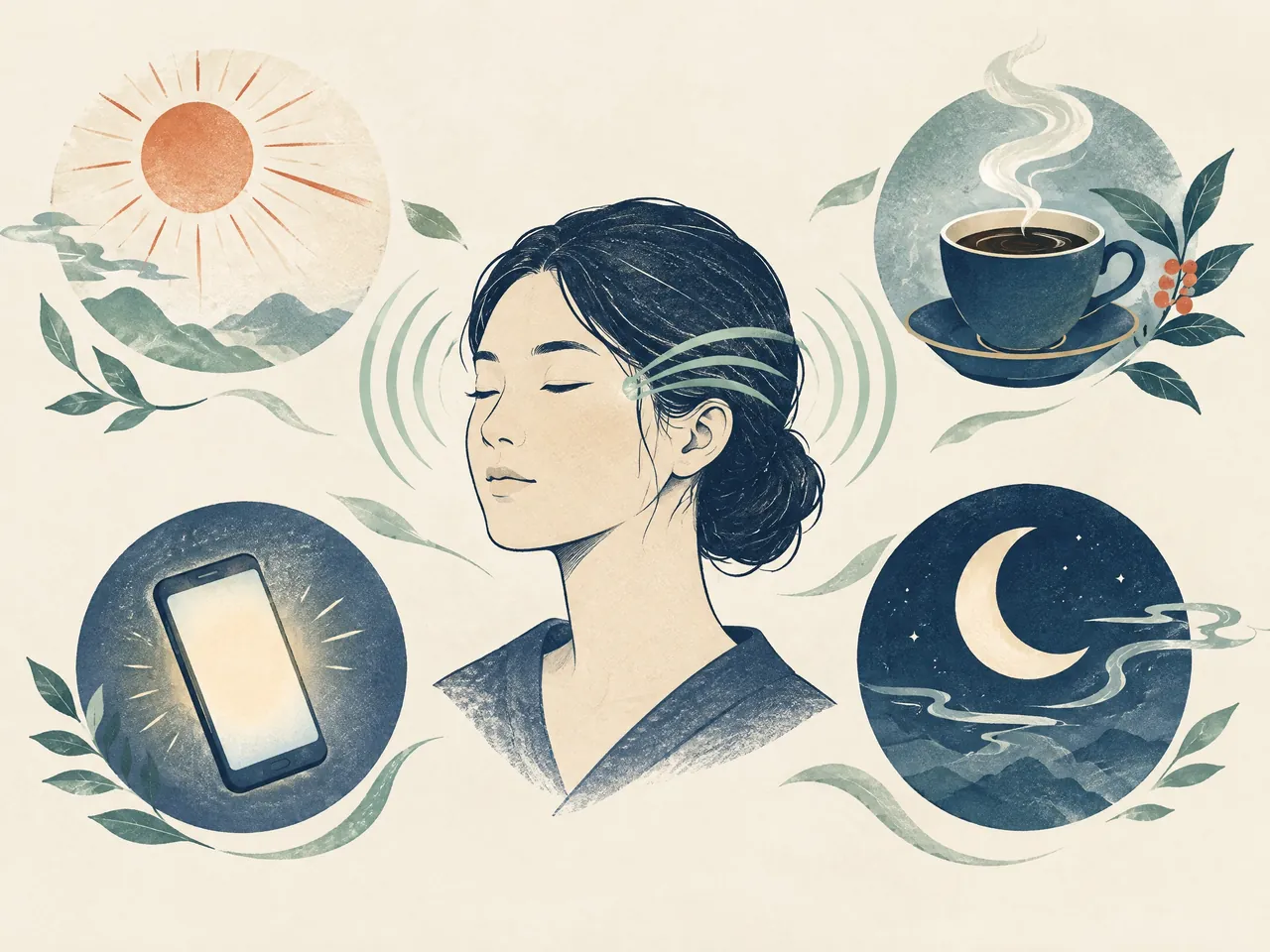
A cold pack may be worth trying when the head pain feels pulsing, hot, or aggravated by sensory overload. Place a wrapped cool pack lightly on the forehead, temple area, or back of the neck according to what feels comfortable; do not tie it tightly or press hard. The aim is a cooling, numbing sensation rather than an intense shock of cold. Mayo Clinic specifically includes hot or cold packs for the head or neck in its migraine self-care guidance and says ice packs can have a numbing effect that may ease pain. [1] If cold makes you shiver, tenses your jaw, or increases discomfort, remove it rather than waiting it out.
Keep the experiment modest and repeatable. For example, use the same cloth barrier and position each time you choose cold, then note whether throbbing, nausea, light sensitivity, or neck discomfort changed. This does not prove that cold has treated the migraine; it gives you a clearer description of what helped you cope. For a focused comparison of this decision, see ice or heat for migraine. If a cold pack is not easy to prepare during a busy day, a chilled, wrapped item may be more practical than an improvised item applied directly to the skin. Comfort, skin safety, and ease of stopping matter more than making the pack extremely cold.
Migraine Pain Relief Tips for Tight Neck and Shoulder Muscles
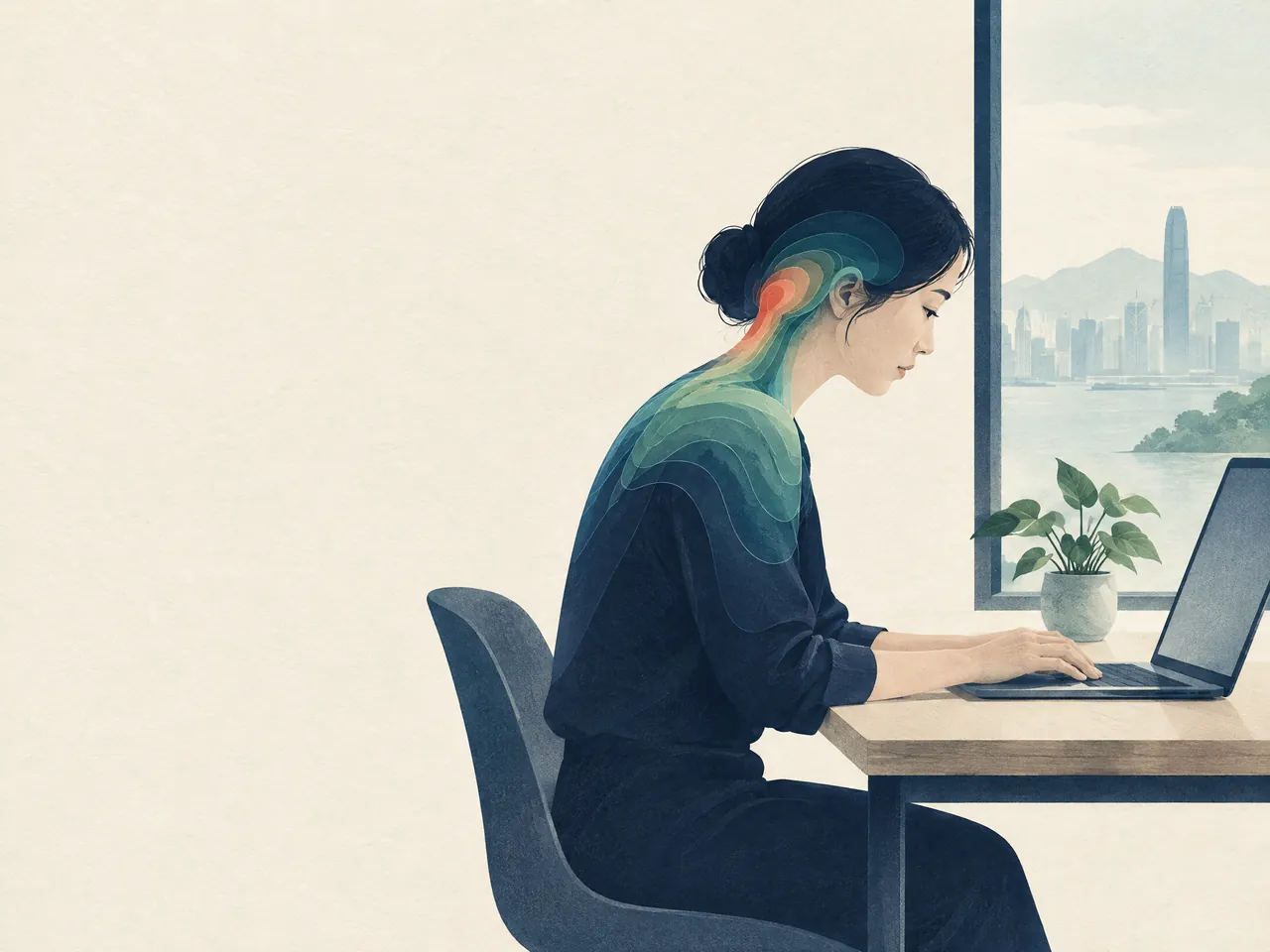
Gentle heat can be a different kind of comfort when the main burden is a clenched neck, raised shoulders, or the sense that muscles have tightened while you have been guarding against pain. A warm—not very hot—wrapped pack over the neck or shoulders can be a calmer option than cold for this pattern. The point is not to heat the head until pain disappears. It is to help the surrounding muscle tension settle while you rest in a low-stimulation space. Mayo Clinic includes hot packs and heating pads among ways to relax tense muscles during migraine self-care. [1]
Avoid turning a warm pack into a task that keeps you alert. Check it before placing it on yourself, use a cloth layer, and stay awake enough to notice whether it feels too hot or irritating. A normal room-temperature pause can be the better choice if you feel flushed, nauseated, overheated, or simply dislike heat during an attack. People often have different preferences across attacks. If warmth seems consistently useful for neck tension, our separate guide on a hot pack for migraine explains how to keep that choice practical without treating it as a substitute for medical care.
Compare your options
| What you notice | A comfort option to consider | Preparation and stop signals |
|---|---|---|
| Pounding or pulsing head pain; cooling feels soothing | A wrapped cold pack on the forehead, temple area, or back of the neck | Use a cloth barrier. Remove it if cold feels painful, causes excessive numbness, or worsens symptoms. |
| Tight shoulders or a clenched neck | Gentle warmth over the neck or shoulders | Check that it is warm rather than hot; use a towel layer and stop for burning, irritation, or discomfort. |
| Nausea, light sensitivity, or sound sensitivity | Rest in a dim, quiet room; add a pack only if it feels comfortable | Do not force either temperature. Reduce stimulation first and choose the simplest option. |
| New, severe, changing, or unusual headache symptoms | Professional medical assessment rather than more temperature therapy | Seek urgent help for sudden extreme pain or neurological warning signs; do not rely on a pack alone. |
On smaller screens, scroll the table sideways to compare all columns.
Migraine Pain Relief Tips: Use Temperature Therapy Carefully
Temperature therapy works best when it stays simple. Choose a pack that can be removed easily, use a fabric barrier, and pay attention to the skin as well as the headache. General NHS hospital guidance advises keeping ice away from bare skin and removing it if skin becomes blue, blotchy and painful, or excessively numb. It also advises gentle warmth with a protective towel and regular skin checks. [3] This source concerns soft-tissue injuries, but its basic contact precautions are relevant whenever a pack touches skin.
Be especially cautious if you have reduced skin sensation, circulation concerns, a skin wound, or difficulty noticing temperature changes. Ask a doctor or pharmacist what is suitable rather than copying someone else’s routine. Do not fall asleep with a pack on or apply a very hot source or frozen item straight from the freezer to bare skin. If the pack worsens dizziness, nausea, head pain, or anxiety, remove it and return to a dark, quiet space. See migraine attack self-care for related supportive habits.
Migraine Pain Relief Tips for Protecting Skin From Ice or Heat
Build in a barrier every time. A clean towel, cloth cover, or similar layer separates the pack from your skin and makes it easier to adjust the sensation. Cold should feel cool, not painfully sharp; warmth should feel gentle, not burning. Look at the skin periodically instead of assuming that numbness means the pack is working. If you notice unusual colour, blotchiness, pain, excessive numbness, redness that concerns you, or any burning sensation, take the pack away. Gloucestershire Hospitals NHS Foundation Trust gives the same core message for general pack safety: check the skin and use a cloth barrier. [3]
It can help to prepare two low-effort options before the next attack: one wrapped cooling pack and one gentle heat source that you can test with your hand first. That lets you choose according to the symptoms rather than scrambling for an extreme solution. A pack should never be tightly strapped around the face or neck, and it should not prevent you from moving away if it feels wrong. If you are caring for a child, a person with impaired sensation, or anyone unable to report discomfort clearly, seek individual professional advice rather than relying on an adult self-care routine.
Migraine Pain Relief Tips for Tracking Triggers and Symptoms
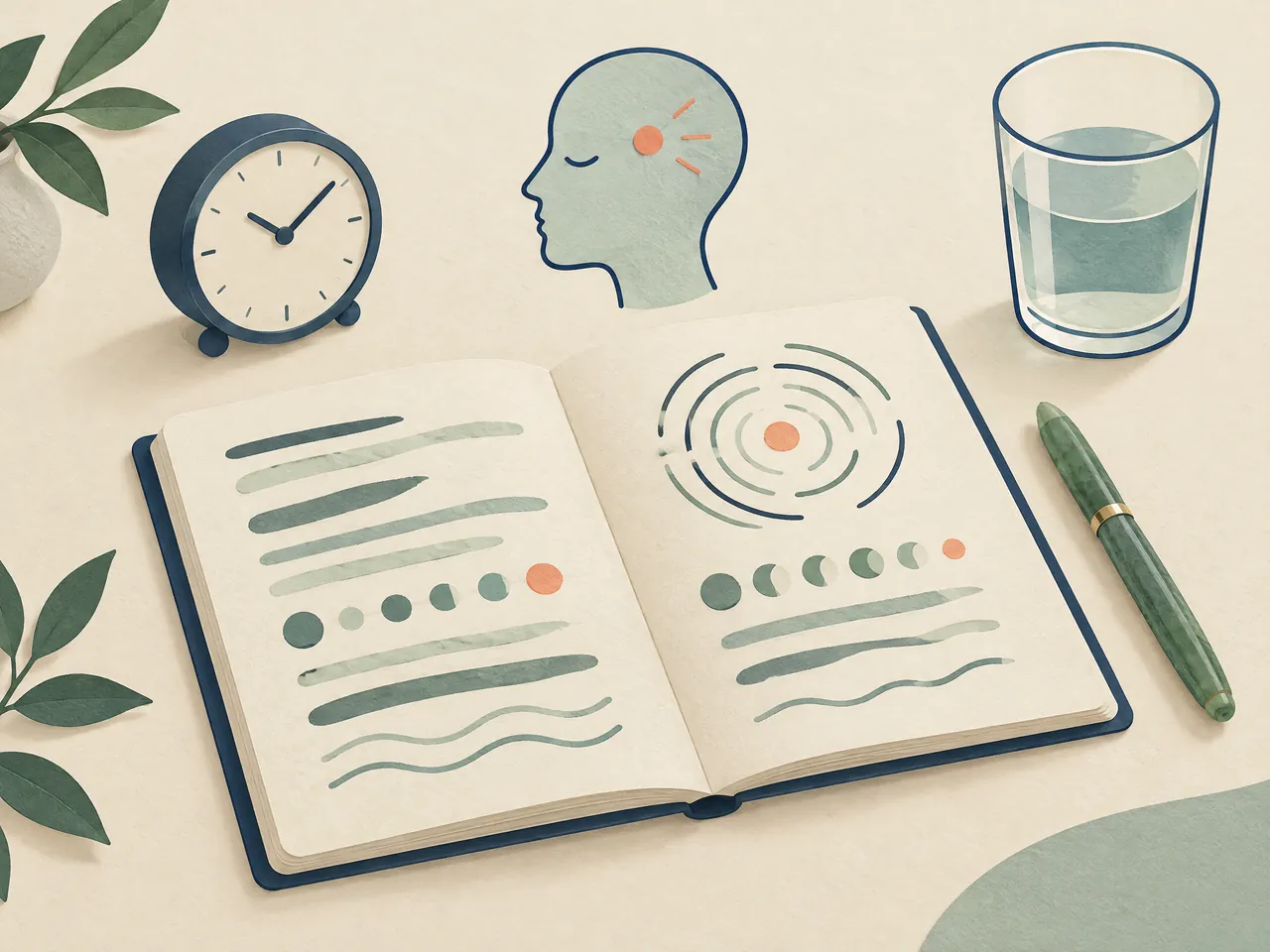
A diary turns a vague memory—“the migraines have been bad lately”—into useful information. After an attack, record its start and finish, pain location and quality, and symptoms such as nausea, light or sound sensitivity, neck stiffness, visual changes, tingling, or speech difficulty. Add what happened beforehand: meals, fluids, sleep, stress, menstruation if relevant, screen exposure, travel, and caffeine. Note whether cold, warmth, rest, or prescribed medicine felt helpful. The NHS says a migraine diary can help people work out possible triggers. [2]
The diary is not a reason to blame yourself for every attack or to eliminate foods and activities at random. Its value is in spotting a recurring pattern that you can discuss with a healthcare professional. Bring it when headaches become frequent, change character, or no longer respond to the plan that once helped. It can also reveal that heat helps shoulder tightness but not head pain, or that cold is comfortable only after you have eaten and rested. If you use acute medicines, record their names and timing too. This supports a safer conversation about migraine medication side effects and avoids guessing about what is driving the pattern.
Migraine Pain Relief Tips: When to Seek Professional Advice
A cold or warm pack belongs in the comfort column, not the diagnosis column. Arrange a medical assessment when attacks are severe, getting worse, lasting longer than usual, happening more than once a week, or becoming difficult to control. These are among the reasons the NHS gives for seeking GP advice. [2] In Hong Kong, migraine is also recognised in a specialist headache setting as a commonly one-sided headache that can occur with nausea, vomiting, and light sensitivity. [5] A clinician can help distinguish migraine from other headache patterns and discuss acute treatment, prevention, and any needed investigation.
Seek urgent medical help for a sudden, extremely severe headache or for a headache with new trouble speaking or remembering, loss of vision or blurred/double vision, confusion or unusual drowsiness, a seizure, very high temperature with meningitis symptoms, weakness on one side, or a recent head injury. [2] Do not use a familiar diagnosis, a pack, or pain medicine to wait out those warning signs. It is also sensible to ask about a recurring headache that begins during pregnancy or after giving birth, or an aura that lasts longer than expected. When in doubt, err on the side of timely local medical care.
Migraine Pain Relief Tips When Headache Patterns Change
A pattern change can be as important as pain intensity. Perhaps attacks now occur more often, wake you from sleep, feel different in location or quality, come with a symptom you have not had before, or are no longer relieved by your usual plan. Write down that change rather than only increasing self-care measures. The NHS advises avoiding painkillers on more than two days a week because frequent use can lead to more headaches and make migraine harder to treat. [2] This is a reason to discuss your actual medicine use with a doctor or pharmacist, not to stop prescribed medicines abruptly on your own.
Bring specific questions to that discussion: Is this still likely to be migraine? What should I do at the first sign of an attack? Which symptoms mean I should seek urgent help? How often is it safe to rely on an acute medicine? Also mention supplements, herbal products, and other treatments so your clinician has the full picture. Readers considering an over-the-counter option can review acetaminophen for migraine side effects, but an article cannot decide whether a product is appropriate for your health conditions or other medicines.
Migraine Pain Relief Tips Alongside Traditional Chinese Medicine
Some people in Hong Kong want to discuss Traditional Chinese Medicine as one part of a wider migraine plan. A Registered Chinese Medicine Practitioner may ask about the location and quality of pain, timing, sleep, digestion, stress, menstrual pattern where relevant, and any conventional diagnosis or medicines. In a traditional assessment, these details are used to form an individualised pattern; that approach is not the same as a modern medical diagnosis. It should not replace assessment of red flags, evaluation of a new headache pattern, or medicines prescribed for an acute attack.
Acupuncture is a conversation about prevention rather than a guaranteed way to stop an attack immediately. A Cochrane review of acupuncture for episodic migraine found overall moderate-quality evidence and concluded that a course of at least six sessions can be an option; it also found the effect over sham acupuncture was small and noted a lack of studies lasting beyond one year. [4] That evidence does not guarantee an individual result. If you enquire with TCM Lab, share your headache diary, diagnoses, current medicines, pregnancy status if relevant, and what you have already tried. A registered practitioner can discuss whether a supportive consultation is appropriate alongside your medical care.
Care and health guide
Pain-care information
This directory brings together services, reading, and visit information related to pain care, to help you prepare questions for a consultation.
When pain care affects your day, noting when it occurs, its relation to activity, and what you have already tried can help prepare a consultation; Chinese medicine pain management Hong Kong is a relevant service or reading entry point.
Individual circumstances differ, and acupuncture Hong Kong offers related information to help you understand options and prepare questions.


Your questions, answered
Frequently asked questions
Is cold or heat better for migraine pain?
Neither is best for everyone. A wrapped cold pack may feel more comfortable for throbbing head pain because cold can numb local pain; gentle warmth may relax a tight neck and shoulders. Mayo Clinic lists both options for the head or neck. [1] Choose the one that is comfortable during that attack and stop if it makes symptoms worse.
Can a hot or cold pack replace migraine medicine?
No. Temperature therapy is supportive comfort care, not a replacement for an assessment or medicines recommended by a doctor or pharmacist. If you need pain medicine often, do not simply take it more frequently: the NHS advises that painkillers used more than two days a week can cause more headaches and make migraine harder to treat. [2]
How can I use a migraine diary with my cold or heat routine?
Record the attack’s start, duration, pain features, accompanying symptoms, possible triggers, medicines, and whether cold or warmth helped. Over several attacks, this can show whether the same option is reliably comfortable and gives your clinician a clearer account of changes. A diary may also help identify possible triggers. [2]
When is a headache too serious for self-care?
Get urgent help for a sudden extremely severe headache, new speech or memory difficulty, vision loss or change, confusion, seizure, very high temperature with meningitis symptoms, one-sided weakness, or a headache after a head injury. [2] Arrange non-urgent medical advice for severe, worsening, unusually long, frequent, or difficult-to-control migraine attacks.
Sources and further information
- [1] [1] Mayo Clinic — Migraines: Simple steps to head off the pain
Referenced for: Temperature therapy for migraine self-care, calm environment, and migraine diary guidance.
- [2] [2] NHS — Migraine
Referenced for: Migraine symptoms, trigger diary, medication-overuse caution, and medical or emergency warning signs.
- [3] [3] Gloucestershire Hospitals NHS Foundation Trust — Ice and heat treatment
Referenced for: General skin-safety precautions for heat and ice packs; this source concerns soft-tissue injuries.
- [4] [4] Cochrane — Acupuncture for preventing migraine attacks
Referenced for: Evidence and limitations for acupuncture as a migraine-prevention option, not guaranteed acute relief.
- [5] [5] Hong Kong Adventist Hospital – Tsuen Wan — Headache Clinic
Referenced for: Hong Kong specialist-care context and common migraine symptom description.