
TCM Lab · Health reading
Where Is My Elbow Pain Coming From? Elbow Pain and Numbness or Tingling, or Elbow Pain When Gripping or Lifting
Published Updated
Elbow pain is easier to describe than to name. The outside, inside, front and tip of the elbow each sit near different tendons, nerves, bursae and joint structures, so a sore spot does not confirm one condition. If you have elbow pain and numbness or tingling, or elbow pain when gripping or lifting, notice the exact pattern rather than repeatedly testing it. A clear account of location, trigger, function and any injury gives a clinician far more useful information than a self-label.
Appointments are confirmed through WhatsApp. If you have language requirements, please mention them in your enquiry.
The short answer
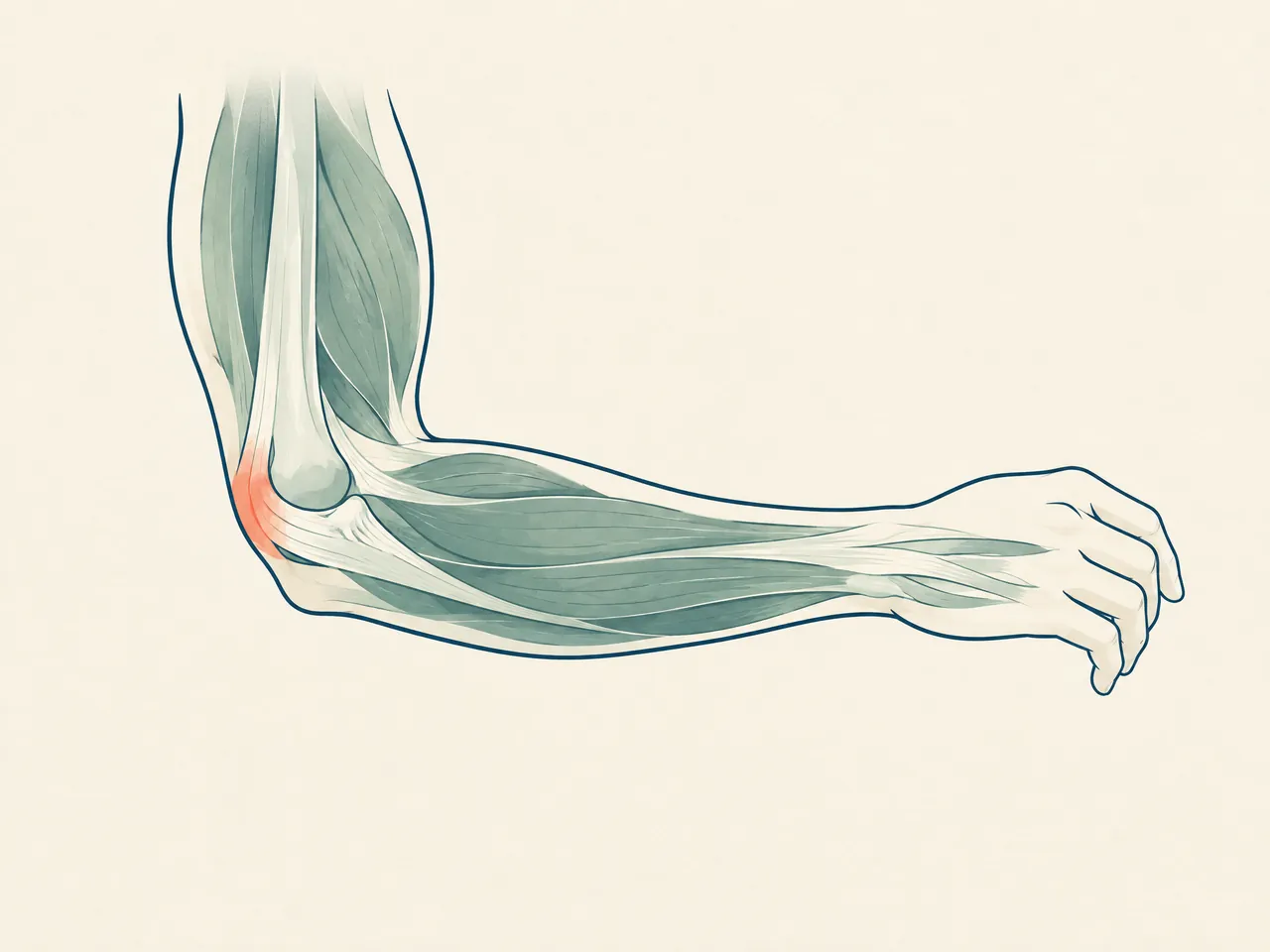
Elbow pain can arise from soft tissues, nerves, a joint or an injury, and it can sometimes be referred from the neck or shoulder. Outside pain with gripping may fit a tendon pattern, while inner-elbow discomfort with tingling in the ring or little finger needs attention to possible nerve involvement. Location and trigger are clues, not a diagnosis. Record what you can and cannot do, and arrange prompt assessment for injury, severe swelling, deformity, worsening weakness or persistent altered sensation.
Transparent pricing
See the fees.
Choose your care.
Explore our complete official price list, including first-trial prices, regular prices, packages and branch-specific options.
Opening WhatsApp prepares an enquiry; it does not send a message, take payment or confirm an appointment. Suitability and individual arrangements are confirmed during consultation.
Pain care
All prices in HKDExtracorporeal shockwave treatment
Shockwave treatment for deep-tissue and fascial care. The Kwun Tong clinic offers the multi-area options shown below.
Priced by branch
Branch-specific pricing
Prince Edward: HK$250 per area
Kwun Tong: HK$250 for 1 area / HK$450 for 2 areas / HK$600 for 3 areas
Pain care (manual therapy)
Includes Chinese medicine musculoskeletal assessment, manual joint techniques and tui na.
HK$580 (single session)
Chinese medicine musculoskeletal assessment
Pain care (acupuncture and manual therapy)
Combines acupuncture and manual therapy.
HK$680 (single session)
Combined care
Hair and scalp
All prices in HKDScalp health and hair-loss management
Includes AI scalp analysis, deep scalp and follicle cleansing, and scalp oil-control care.
HK$380 (first trial)
Regular price: HK$680
- 6 sessions: HK$3,480 (HK$580 per session)
- 12 sessions: HK$5,760 (HK$480 per session)
- 20 sessions: HK$8,600 (HK$430 per session)
- 30 sessions: HK$11,400 (HK$380 per session)
Hair acupuncture and Chinese herbal medicine package
Includes scalp acupuncture and 3 days of Chinese herbal medicine that does not require decoction.
HK$580 (single session)
Registered Chinese Medicine Practitioner consultation
- 6 sessions: HK$3,180 (HK$530 per session)
- 12 sessions: HK$5,760 (HK$480 per session)
- 20 sessions: HK$8,600 (HK$430 per session)
- 30 sessions: HK$11,400 (HK$380 per session)
Combined hair and scalp treatment
Combines acupuncture and Chinese herbal medicine with salon-level scalp and follicle care. Packages include complimentary hair-care shampoo and serum.
HK$1,260 (single session)
Combined treatment
- 8 sessions: HK$8,640 (HK$1,080 per session)
- 16 sessions: HK$15,680 (HK$980 per session)
- 20 sessions: HK$18,600 (HK$930 per session)
- 30 sessions: HK$26,400 (HK$880 per session)
Weight management
All prices in HKDFull-body acupoint embedding for weight management
Includes full-body acupoint embedding. Packages include complimentary Chinese herbal medicine for weight management, with the number of included days scaled to the package. Embedding material and the individual treatment arrangement are confirmed during consultation; this is not a cosmetic thread lift.
HK$980 (single session)
No trial session
- 10 sessions: HK$7,800 (HK$780 per session)
- 20 sessions: HK$14,600 (HK$730 per session)
- 30 sessions: HK$20,400 (HK$680 per session)
Facial acupuncture
All prices in HKDFacial acupuncture (basic)
Includes facial acupuncture and meridian-based facial care, including care for facial puffiness.
HK$480 (first trial)
Regular price: HK$680
- 10 sessions: HK$5,200 (HK$520 per session)
- 20 sessions: HK$9,600 (HK$480 per session)
- 30 sessions: HK$13,500 (HK$450 per session)
Facial acupuncture (advanced)
Includes enhanced facial acupuncture with a specially formulated moisturising mask and serum.
HK$780 (first trial)
Regular price: HK$1,180
- 10 sessions: HK$9,000 (HK$900 per session)
- 20 sessions: HK$16,600 (HK$830 per session)
- 30 sessions: HK$23,400 (HK$780 per session)
Chinese medicine
All prices in HKDAcupuncture and Chinese herbal medicine package
Includes a Chinese medicine consultation with pulse assessment, body acupuncture and 3 days of Chinese herbal granules that do not require decoction.
HK$580 (single session)
Chinese medicine consultation with pulse assessment
Where Is My Elbow Pain Coming From? Elbow Pain and Numbness or Tingling: What the Location May Suggest | elbow pain when gripping or lifting
Start by mapping the pain with one finger: outside bony side, inside bony side, crease at the front, or point at the back. Then add what the arm is doing. Elbow pain can involve bones, muscles, tendons, ligaments, bursae or nerves; a neck or shoulder problem can sometimes be felt around the elbow instead. That is why a location is a useful starting description, not a conclusion. The overview of elbow pain location can help you put the spot into words before an assessment. [1] [3]
Where Is My Elbow Pain Coming From? Elbow Pain and Numbness or Tingling Around the Outside, Inside, Front or Tip | elbow pain when gripping or lifting
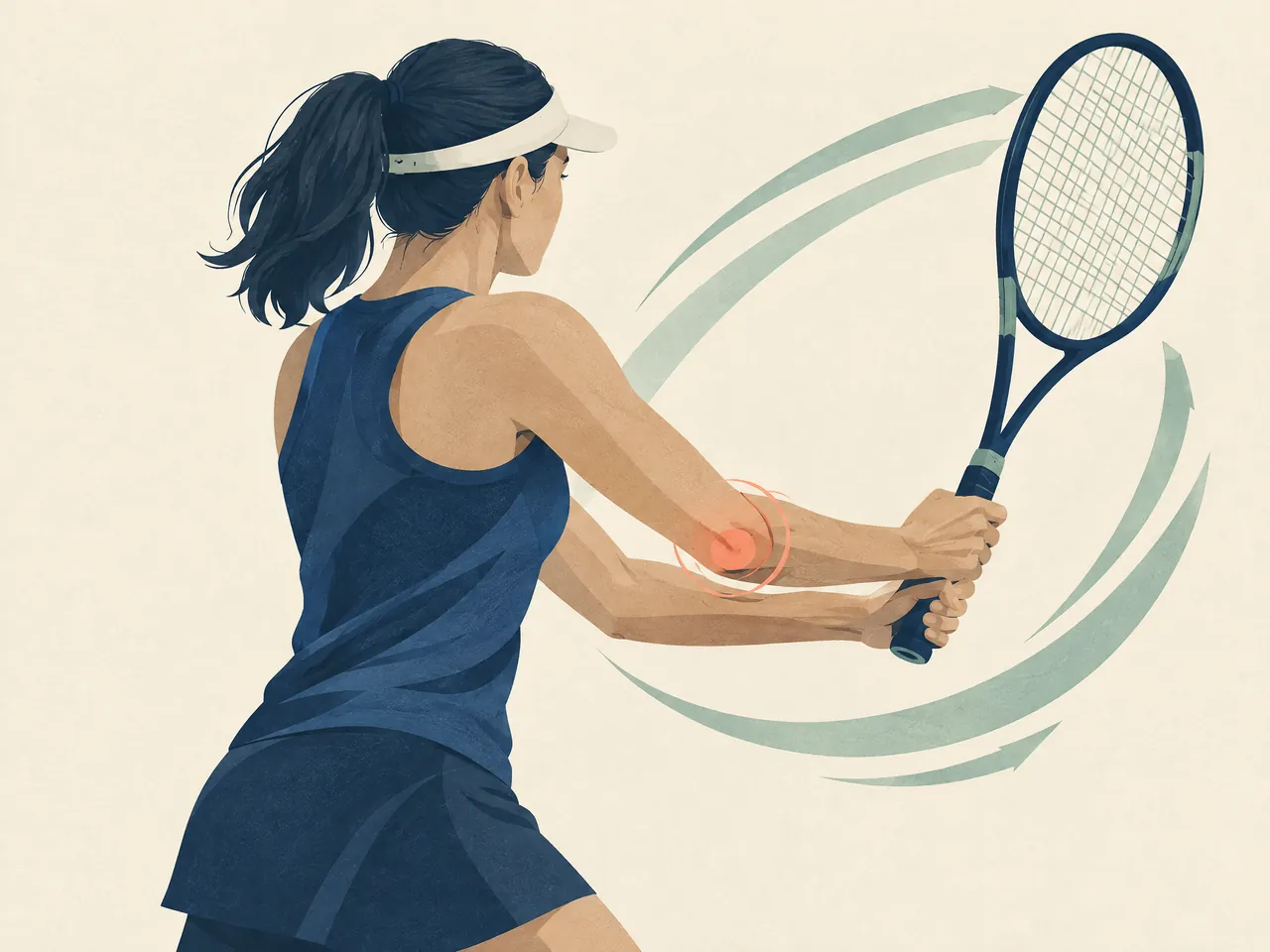
Pain around the outside can be noticed when a person grips, turns a doorknob, uses tools, lifts with the palm down or works with a mouse. Tendon-related problems are one possibility, and repeated wrist and arm movements are commonly associated with tennis elbow. Its pain is usually felt where forearm tendons meet the outside bony part of the elbow and may travel into the forearm or wrist. Still, the same activity can stress more than one structure. Read elbow pain on the outside as a focused symptom guide, not as a diagnosis. [4]
Pain on the inside deserves a different set of questions. If it accompanies tingling or numbness in the little finger and ring finger, particularly with a bent elbow or pressure on the inner elbow, ulnar-nerve irritation at the elbow is one possible explanation. The American Academy of Orthopaedic Surgeons notes that this nerve supplies feeling to the little finger and half of the ring finger and also contributes to a strong grip. Inner pain without this pattern can have other explanations, including tendon or joint-related ones. The relevant comparison is explained in why does the inside of my elbow hurt. [2]
At the front, discomfort near the elbow crease may be noticed during pulling or bending the arm, but it still needs a history and examination rather than an online label. At the tip or back, a visible local swelling directs attention to different possibilities, including the bursa, tendon, bone or joint. Redness, warmth and fever change the urgency of that description. Do not massage a hot, red swollen elbow or assume it is ordinary overuse. Record whether there was a knock, a cut, a sudden increase in swelling or a general feeling of being unwell, then seek timely medical care. [1]
Where Is My Elbow Pain Coming From? Elbow Pain and Numbness or Tingling Are Clues, Not a Diagnosis | elbow pain when gripping or lifting
Numbness and tingling describe altered sensation, not its source. It is helpful to sketch or describe the route: one or two fingers, the palm, the back of the hand, a strip of forearm, or the whole arm. Say whether it appears while the elbow is bent for a phone call or drive, after leaning on a desk, overnight, or with neck movement. For example, the pattern often described with ulnar nerve entrapment is tingling in the ring and little fingers, often more noticeable with elbow bending. That pattern is a reason to be assessed; it is not a reason to diagnose yourself from a diagram. [2]
Also describe function in ordinary language. Are you dropping objects, finding a zip or keyboard less controlled, or avoiding a cup because the grip hurts? Is there actual weakness, or only pain that makes you hesitate? A clinician may examine the neck, shoulder, elbow, wrist, hand sensation and strength because symptoms can overlap across those regions. Imaging or nerve tests are not automatic for every sore elbow; the history and examination guide whether they are useful. Bringing a short symptom record helps make that conversation more precise. [2] [3]
Compare your options
| What to notice | Useful way to describe it | Why it may matter in assessment |
|---|---|---|
| Exact location | Outside, inside, front crease, point of elbow, or pain spreading from neck or shoulder | Different structures can be involved in different regions; location alone does not diagnose the cause. |
| Grip or lift trigger | Holding a cup, turning a key, carrying a bag, pulling a door, lifting palm up or palm down | The hand position and specific load can clarify which movement pattern is relevant. |
| Tingling or numbness | Which fingers or hand area, timing, whether elbow bending or leaning changes it, and whether it is constant | The distribution and pattern help assess possible nerve involvement. |
| Function and change | Dropping objects, weak grip, locking, loss of motion, swelling, redness, fever, or symptoms after injury | These details help identify whether prompt medical assessment is needed. |
On smaller screens, scroll the table sideways to compare all columns.
Where Is My Elbow Pain Coming From? Elbow Pain When Gripping or Lifting: Track the Trigger | elbow pain and numbness or tingling
Elbow pain when gripping or lifting is most useful when the task is described properly. ‘Lifting hurts’ could mean picking up a kettle with the palm down, carrying a shopping bag with the elbow straight, pulling open a heavy door, lifting a child, or twisting a jar lid. Each task combines grip, wrist position, forearm rotation and elbow angle in a different way. Name the object, hand position, side affected and whether pain begins during the action, after it, or the following morning. That detail is more informative than giving a pain score alone.
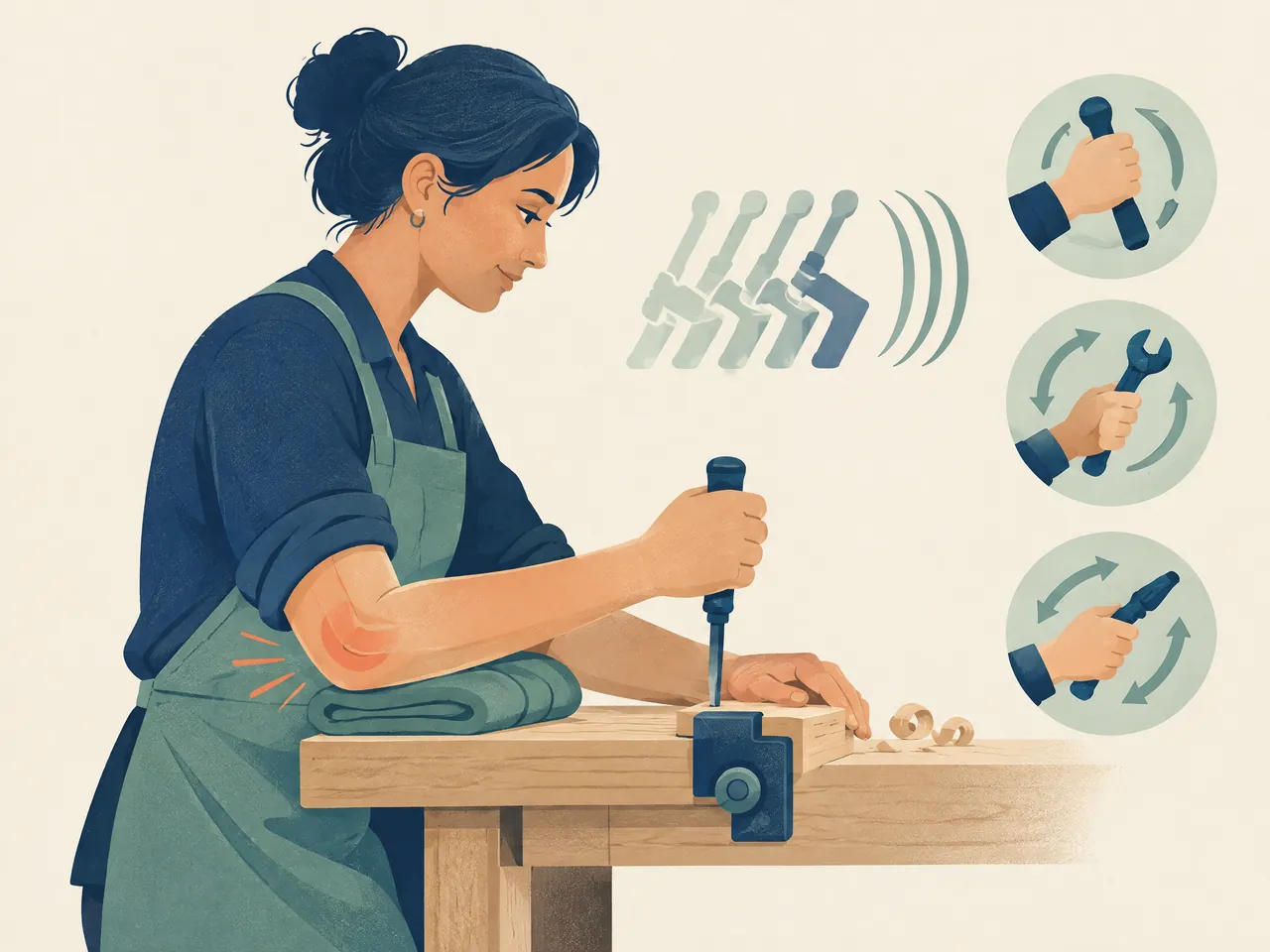
Do not use a heavy test lift to find your limit. Compare comfortable daily activity with the task that reliably triggers symptoms, and stop if pain becomes sharp, tingling spreads, or strength seems to give way. If bending and straightening are the main issue rather than grip, see elbow pain when bending and straightening for ways to describe that pattern. Temporary reduction of the aggravating movement may be sensible while arranging advice, especially if the pain follows repeated work or recreation, but it does not replace assessment when symptoms persist. [1] [3]
Where Is My Elbow Pain Coming From? Elbow Pain When Gripping or Lifting and Everyday Function | elbow pain and numbness or tingling
Function turns a vague symptom into useful information. A barista may notice pain when tamping or carrying milk jugs; an office worker may feel it after a long mouse session; a parent may hesitate to lift a bag or child; a gym-goer may feel it only with a particular handle. The important point is not the occupation but the repeatable action and the position of the forearm. Note whether a smaller grip, a different wrist angle or a short rest changes the response, without forcing the movement through pain.
Repeated wrist and arm activity is associated with lateral elbow tendinopathy, often called tennis elbow, and the resulting pain or weakness can make gripping a cup, shaking hands or turning a doorknob difficult. These associations can explain why ordinary chores matter in an assessment, but they cannot confirm the condition. A clinician will also consider duration, tenderness, range of motion, swelling, neurologic symptoms and injury history. That broader approach prevents a convenient label from obscuring a nerve symptom, joint restriction or another cause. [4]
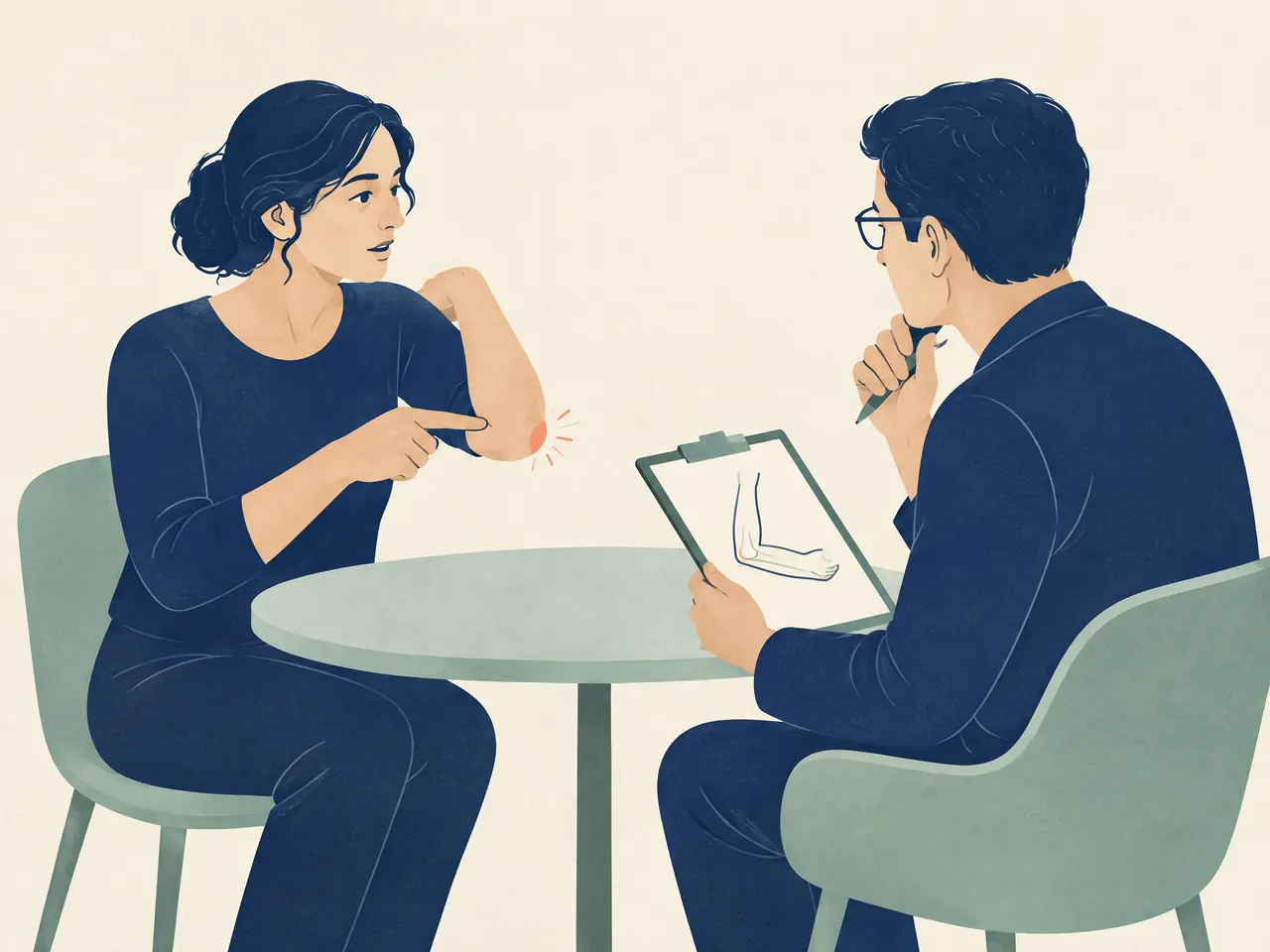
A simple record can be brought to a medical, physiotherapy or Chinese medicine consultation. List the first day you noticed the problem; the task immediately before it began; the most specific trigger; what you have changed at work, sport or home; and how it affects sleep, dressing, cooking and work. Add the presence or absence of swelling, clicking, catching, inability to fully straighten, tingling and weakness. It is equally useful to say what you can still do comfortably. This is a clearer picture than a self-test performed once on a particularly painful day.

Where Is My Elbow Pain Coming From? Elbow Pain When Gripping or Lifting After an Injury | elbow pain and numbness or tingling
An injury changes the order of questions. A fall, direct blow, pull, twist or sudden load followed by deformity, severe pain, marked swelling, bruising or trouble using the arm should be assessed promptly. Mayo Clinic advises urgent medical help for an unusual elbow angle or exposed bone, and prompt evaluation after a sudden injury with severe pain, swelling, bruising or difficulty moving the elbow or turning the forearm. Do not try to straighten a visibly misshapen elbow, test its strength or massage the area. [1]
Even after a less dramatic incident, describe the mechanism carefully: did you fall onto the hand, land on the point of the elbow, hear a snap, feel an immediate shift, or develop soreness only later? Say which motion is now limited and whether the pain is constant, movement-related or present at rest. New tingling, altered hand sensation or weakness after an injury should not be brushed off as a routine strain. The same is true if elbow pain is accompanied by pain elsewhere in the arm, neck or shoulder that changes the pattern. [1] [3]
Where Is My Elbow Pain Coming From? Elbow Pain and Numbness or Tingling With Elbow Pain When Gripping or Lifting
When both altered sensation and a gripping or lifting problem occur, put safety before a label. Describe whether gripping is painful, truly weak, or both. Tell the clinician if symptoms wake you, whether a bent elbow makes the fingers tingle, and whether you have started dropping objects. Persistent or progressive symptoms deserve assessment because hand function and sensation are important findings, not minor add-ons to an elbow complaint. Severe injury, an inability to move the arm normally, major swelling or a suspected serious injury also warrants prompt care. [2] [3]
A full assessment may include questions about work, sport, medication and past injury, followed by examination of movement, tenderness, sensation and strength. Depending on the findings, a clinician may consider the elbow alongside the neck, shoulder, wrist and hand, or discuss whether testing is needed. In a Traditional Chinese medicine consultation, a Registered Chinese Medicine Practitioner may also ask about the symptom pattern and general health as part of a traditional assessment. That traditional description does not replace a biomedical diagnosis or urgent medical evaluation, particularly when there is trauma, infection concern or nerve-related change.

Where Is My Elbow Pain Coming From? Elbow Pain and Numbness or Tingling: When to Seek Prompt Care | elbow pain when gripping or lifting
Seek urgent medical help after a significant injury if the elbow looks deformed, there is heavy bleeding, a bone is visible, pain and swelling are severe, or you cannot use the arm as usual. Arrange prompt assessment for new or worsening numbness, tingling, hand weakness, loss of coordination, a hot red swollen elbow, fever, or pain that is not settling with sensible rest. If sudden arm pain occurs with chest pressure, shortness of breath, sweating, nausea or other possible heart symptoms, call emergency services rather than attributing it to the elbow. [1]
For symptoms that are milder but keep returning, the decision is less about enduring them and more about their direction. Book an assessment if the pain occurs at rest, disrupts sleep, continues despite reducing the aggravating activity, or makes usual tasks unreliable. Bring your record rather than a firm diagnosis. An assessment can distinguish whether the next step is protection and graded movement, further medical investigation, rehabilitation advice, or another route. It also provides a chance to review any self-care choices in the context of your health and medicines.

Where Is My Elbow Pain Coming From? Elbow Pain When Gripping or Lifting: Discussing Assessment Options | elbow pain and numbness or tingling
Before an appointment, prepare a concise account: where it hurts; which fingers feel different; what grip, lift, bend, twist or rest position changes it; how long it has been present; and whether there was an injury. Bring a list of relevant medicines and previous arm, neck or shoulder problems. If you are considering Chinese medicine as part of symptom management, be open about any conventional care already underway so that care can be coordinated. Acupuncture may be discussed as an adjunct after individual assessment, but it should not be treated as a guaranteed solution for every elbow problem or as a substitute for evaluating nerve symptoms or an injury.
TCM Lab can be contacted on WhatsApp at +852 6940 5663 to ask about an appointment and to explain the elbow pattern you want assessed. Consultations can be arranged at the Kwun Tong Chinese medicine clinic or Chinese medicine clinic Prince Edward, subject to appointment arrangements. If cost information would help you prepare, see the Chinese medicine clinic price list Hong Kong. For urgent warning signs, seek urgent medical care instead of waiting for a clinic consultation.
Care and health guide
Pain-care information
This directory brings together services, reading, and visit information related to pain care, to help you prepare questions for a consultation.
When pain care affects your day, noting when it occurs, its relation to activity, and what you have already tried can help prepare a consultation; Chinese medicine pain management Hong Kong is a relevant service or reading entry point.
Individual circumstances differ, and acupuncture Hong Kong offers related information to help you understand options and prepare questions.


Your questions, answered
Frequently asked questions
Where is my elbow pain coming from if it hurts when I grip or lift?
Pain with gripping or lifting can occur with tendon, muscle, nerve, joint or injury-related problems. Record the exact task, wrist and palm position, pain location and whether you also have swelling, weakness, restricted movement or altered sensation. The movement alone cannot identify one cause.
Should I worry about elbow pain and numbness or tingling?
Do not assume it is a simple strain. Note which fingers or areas are affected, whether bending the elbow or leaning on it changes the sensation, and whether grip or coordination is weakening. New, worsening or persistent altered sensation should be assessed, especially after an injury.
Does outside elbow pain always mean tennis elbow?
No. Outside pain with gripping, lifting or wrist activity can fit a tendon-related pattern often called tennis elbow, but other tendon, nerve or joint issues can overlap. A history and physical examination are needed to distinguish possibilities.
What if the point of my elbow is swollen?
Describe whether swelling is directly over the tip, followed a knock, is red or warm, or comes with fever. The bursa, tendon, bone or joint may be relevant, so it is not safe to diagnose from the location. Red, hot, painful swelling with fever needs prompt medical assessment.
Sources and further information
- [1] Mayo Clinic — Elbow pain
Referenced for: Broad possible causes of elbow pain and urgent or prompt-care signs after injury, severe symptoms or worsening swelling.
- [2] American Academy of Orthopaedic Surgeons — Ulnar Nerve Entrapment at the Elbow
Referenced for: Ulnar nerve distribution, ring- and little-finger tingling, elbow-bending pattern, grip weakness and need for assessment when symptoms are severe or persistent.
- [3] Cleveland Clinic — Elbow Pain
Referenced for: Location and symptom questions, broad tissue categories, neck or shoulder referred pain, and reasons to seek care.
- [4] Mayo Clinic — Tennis elbow: Symptoms and causes
Referenced for: Outside-elbow tendon pain pattern and the impact of tennis elbow on gripping, turning a doorknob and holding a cup.