
TCM Lab · Health reading
Hair Loss Blood Test, Hair Loss Dermatologist Hong Kong, and Should I See a Dermatologist for Hair Loss?
Published Updated
A changing hair pattern can be unsettling, especially when it is hard to tell whether more hair is falling, the hair itself is becoming finer, or the scalp is becoming visible in a new way. The practical answer to “should I see a dermatologist for hair loss?” is to start with the pattern and any scalp or whole-body changes. Gradual thinning can still merit a planned consultation, while abrupt shedding, a smooth bald patch, inflammation or a scar-like area deserves earlier medical attention. This guide explains when a hair loss blood test may be useful, what a hair loss dermatologist Hong Kong assessment can involve, and how to arrive prepared without trying to diagnose the cause from a mirror or a shower drain.
Appointments are confirmed through WhatsApp. If you have language requirements, please mention them in your enquiry.
The short answer
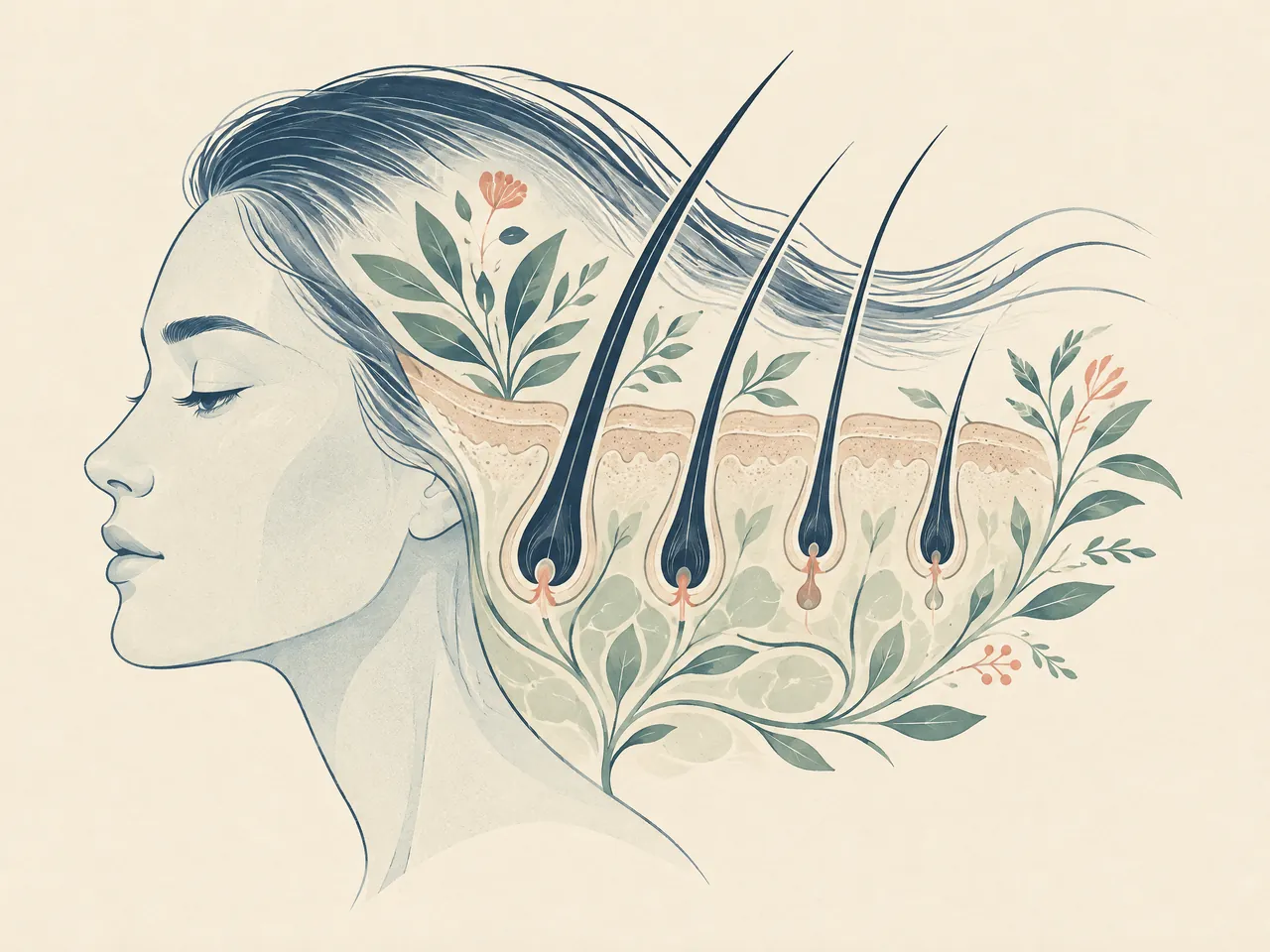
You do not automatically need a hair loss blood test for every change in shedding. Arrange medical assessment if loss is sudden, patchy, rapidly worsening, or accompanied by redness, pain, scaling, discharge or skin that looks scarred. A hair loss dermatologist Hong Kong consultation usually begins with your timeline, health history and a scalp examination. Tests such as blood work or a scalp biopsy are chosen only when the observed pattern or symptoms make them useful. [1] [2]
Transparent pricing
See the fees.
Choose your care.
Explore our complete official price list, including first-trial prices, regular prices, packages and branch-specific options.
Opening WhatsApp prepares an enquiry; it does not send a message, take payment or confirm an appointment. Suitability and individual arrangements are confirmed during consultation.
Hair and scalp
All prices in HKDScalp health and hair-loss management
Includes AI scalp analysis, deep scalp and follicle cleansing, and scalp oil-control care.
HK$380 (first trial)
Regular price: HK$680
- 6 sessions: HK$3,480 (HK$580 per session)
- 12 sessions: HK$5,760 (HK$480 per session)
- 20 sessions: HK$8,600 (HK$430 per session)
- 30 sessions: HK$11,400 (HK$380 per session)
Hair acupuncture and Chinese herbal medicine package
Includes scalp acupuncture and 3 days of Chinese herbal medicine that does not require decoction.
HK$580 (single session)
Registered Chinese Medicine Practitioner consultation
- 6 sessions: HK$3,180 (HK$530 per session)
- 12 sessions: HK$5,760 (HK$480 per session)
- 20 sessions: HK$8,600 (HK$430 per session)
- 30 sessions: HK$11,400 (HK$380 per session)
Combined hair and scalp treatment
Combines acupuncture and Chinese herbal medicine with salon-level scalp and follicle care. Packages include complimentary hair-care shampoo and serum.
HK$1,260 (single session)
Combined treatment
- 8 sessions: HK$8,640 (HK$1,080 per session)
- 16 sessions: HK$15,680 (HK$980 per session)
- 20 sessions: HK$18,600 (HK$930 per session)
- 30 sessions: HK$26,400 (HK$880 per session)
Weight management
All prices in HKDFull-body acupoint embedding for weight management
Includes full-body acupoint embedding. Packages include complimentary Chinese herbal medicine for weight management, with the number of included days scaled to the package. Embedding material and the individual treatment arrangement are confirmed during consultation; this is not a cosmetic thread lift.
HK$980 (single session)
No trial session
- 10 sessions: HK$7,800 (HK$780 per session)
- 20 sessions: HK$14,600 (HK$730 per session)
- 30 sessions: HK$20,400 (HK$680 per session)
Facial acupuncture
All prices in HKDFacial acupuncture (basic)
Includes facial acupuncture and meridian-based facial care, including care for facial puffiness.
HK$480 (first trial)
Regular price: HK$680
- 10 sessions: HK$5,200 (HK$520 per session)
- 20 sessions: HK$9,600 (HK$480 per session)
- 30 sessions: HK$13,500 (HK$450 per session)
Facial acupuncture (advanced)
Includes enhanced facial acupuncture with a specially formulated moisturising mask and serum.
HK$780 (first trial)
Regular price: HK$1,180
- 10 sessions: HK$9,000 (HK$900 per session)
- 20 sessions: HK$16,600 (HK$830 per session)
- 30 sessions: HK$23,400 (HK$780 per session)
Pain care
All prices in HKDExtracorporeal shockwave treatment
Shockwave treatment for deep-tissue and fascial care. The Kwun Tong clinic offers the multi-area options shown below.
Priced by branch
Branch-specific pricing
Prince Edward: HK$250 per area
Kwun Tong: HK$250 for 1 area / HK$450 for 2 areas / HK$600 for 3 areas
Pain care (manual therapy)
Includes Chinese medicine musculoskeletal assessment, manual joint techniques and tui na.
HK$580 (single session)
Chinese medicine musculoskeletal assessment
Pain care (acupuncture and manual therapy)
Combines acupuncture and manual therapy.
HK$680 (single session)
Combined care
Chinese medicine
All prices in HKDAcupuncture and Chinese herbal medicine package
Includes a Chinese medicine consultation with pulse assessment, body acupuncture and 3 days of Chinese herbal granules that do not require decoction.
HK$580 (single session)
Chinese medicine consultation with pulse assessment
Hair Loss Blood Test, Hair Loss Dermatologist Hong Kong, and Should I See a Dermatologist for Hair Loss? Start with the Pattern
Before looking for a test or a treatment, describe what has actually changed. Is the part line widening over months? Are the temples or crown becoming less dense? Is hair coming away from many parts of the scalp after a recent event, or is there one clearly defined area? These descriptions point to different questions, even though all may be called “hair loss.” The Hong Kong Centre for Health Protection notes that pattern baldness may involve the temples and crown, whereas alopecia areata may appear as small, round patchy loss. [1] A single count from wash day is rarely enough to settle the issue; ordinary shedding occurs, and perceived volume also changes with hair length, breakage, styling and lighting. For context on everyday shedding without turning a number into a diagnosis, read how much hair loss is normal. A clear timeline is more useful than repeatedly checking individual hairs.
The pace matters because it helps frame how soon to seek care. A slow change that has been stable for a long time can usually be discussed in a routine, non-emergency appointment. A marked change over days or weeks, however, is worth documenting and discussing sooner. Do not assume that a stressful period, a new supplement, a hairstyle or a family tendency is the only explanation simply because it is present. More than one influence can coexist. Think back to recent illness, fever, surgery, childbirth, substantial weight change, dietary restriction, medicines started or stopped, and major life events. These are clues for a clinician, not proof of a cause. The NHS advises seeing a GP if you are worried about hair loss; concern and impact on wellbeing are valid reasons to ask for help. [3]

Hair Loss Blood Test, Hair Loss Dermatologist Hong Kong, and Should I See a Dermatologist for Hair Loss? Gradual Thinning
Gradual thinning often shows itself through a broader part, less coverage around the crown, a receding hairline or a ponytail that feels less full. Because the change can be subtle, compare photographs taken at similar angles and in similar light rather than relying on memory. Note whether hairs look finer as well as whether there are fewer of them, and whether breakage is concentrated around frequently pulled or chemically treated areas. Family history can be relevant, but it does not remove the value of assessment when the change is new or distressing. The Centre for Health Protection lists family history among possible contributors and recommends medical advice to identify underlying causes before starting treatment. [1] A planned consultation can distinguish questions about pattern, scalp health, grooming damage and general health without promising that one explanation will fit everyone.
Hair Loss Blood Test, Hair Loss Dermatologist Hong Kong, and Should I See a Dermatologist for Hair Loss? Sudden Shedding
Sudden shedding is best described by its onset and distribution: did it begin after a particular week, is it coming from the whole scalp, and are hairs shedding from the root or snapping along the shaft? Bringing a few observations is better than making a guess from a handful of hair. Recent illness, surgery, childbirth, rapid weight change, severe stress and medicines are all details a clinician may want to hear, but they should not be used to rule out other causes. If shedding is accelerating, very obvious during normal grooming, or combined with a new patch or scalp symptoms, arrange medical review rather than waiting indefinitely for it to settle. The AAD advises that the duration and whether hair loss came on quickly are central questions in a diagnostic assessment. [2]
Compare your options
| What you notice | Useful details to record | Why an assessment may help |
|---|---|---|
| Part line, temples or crown slowly look less dense | When you first noticed it; family pattern; whether hairs seem finer; comparable photographs | A clinician can consider the distribution, scalp appearance, history and possible contributing factors. |
| Shedding seems much greater over a short period | Approximate onset; recent illness, surgery, childbirth, weight change, stress, medicines and supplements | A history and examination help decide whether targeted tests or observation are appropriate. |
| A smooth round or oval bald patch | Whether it is spreading; other affected hair areas; itch, scale, pain or broken hairs | Patchy loss has several possible causes and should not be diagnosed from appearance alone. |
| Loss with redness, pain, burning, crusting, discharge or shiny scar-like skin | When symptoms began; scalp products; possible infection exposure; medications; close photographs if available | Prompt medical examination is important because scalp inflammation, infection or skin damage may need cause-specific care. |
On smaller screens, scroll the table sideways to compare all columns.
Hair Loss Blood Test, Hair Loss Dermatologist Hong Kong, and Should I See a Dermatologist for Hair Loss? Recognise Scalp Clues
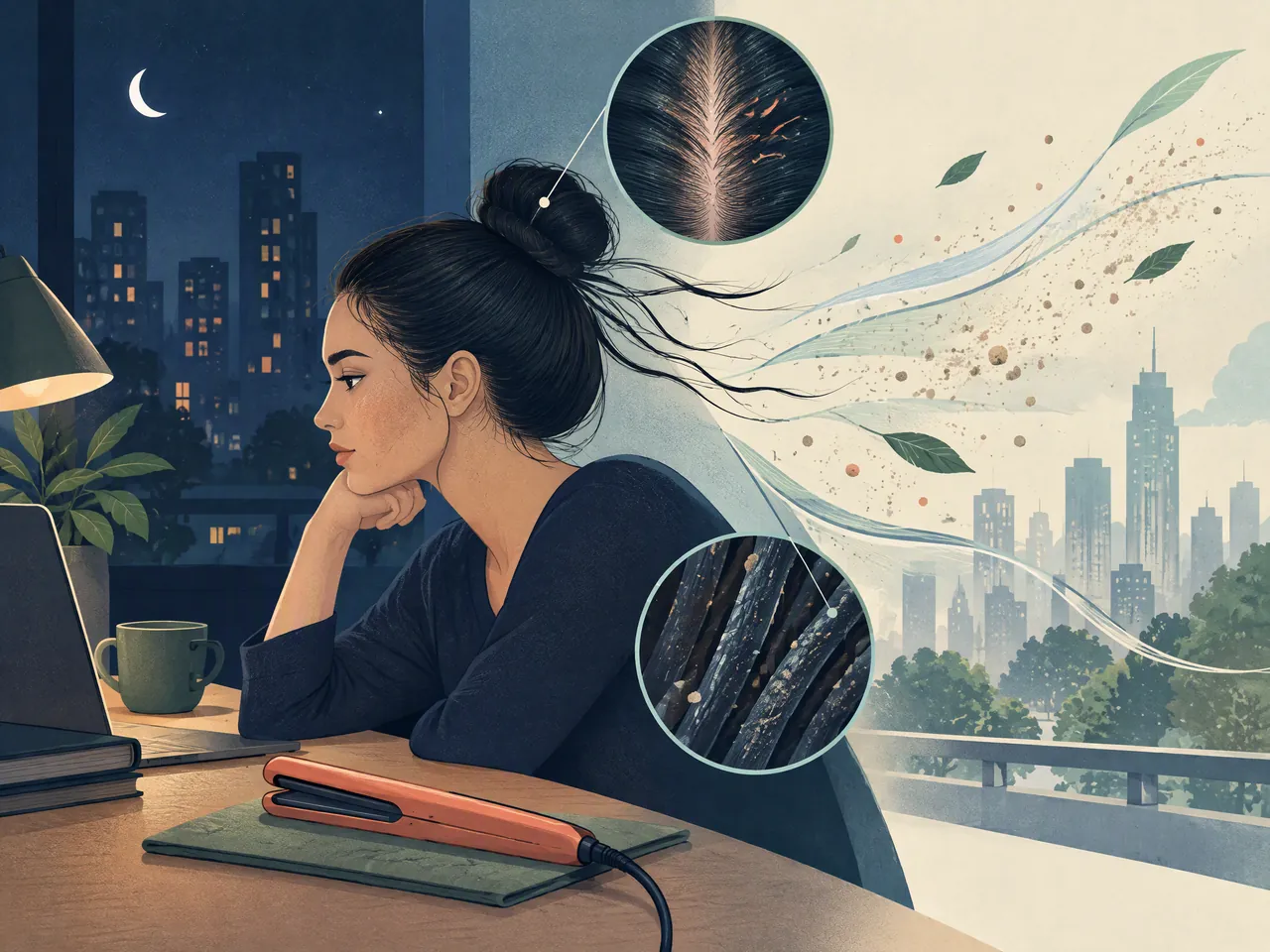
The scalp is not merely the surface beneath the hair. It can supply important clues about whether the priority is a routine review or earlier medical attention. Look without scratching or picking: is the skin calm, or is there tenderness, redness, scale, crusting, oozing, swelling, blisters or a burning sensation? Is there a discrete patch, broken hairs, or a shiny area where follicle openings are difficult to see? A product can irritate a scalp, but so can inflammation, infection and other conditions; a new shampoo is not a reliable test of the cause. The Centre for Health Protection includes scalp infection or skin damage among possible causes and says to consult a doctor if the affected skin is abnormal. [1] If flakes are a prominent part of the concern, the separate guide to hair loss with flaky scalp can help you organise what to describe at an appointment.
It is useful to separate symptoms that are visible from symptoms you feel. A photo may show a patch or scale, but only you can report itch, soreness, tightness, burning or pain. Similarly, a hairline photo cannot show fatigue, menstrual changes, feeling unusually cold, weight changes or other health changes that might alter the clinician’s line of enquiry. Record these without trying to link every symptom to one condition. In a hair loss dermatologist Hong Kong assessment, the aim is not to find the most alarming explanation online; it is to give a clinician a reliable account of the scalp, hair pattern and relevant health context. This can also prevent you from escalating strong actives or supplements while the cause is still unclear.
Hair Loss Blood Test, Hair Loss Dermatologist Hong Kong, and Should I See a Dermatologist for Hair Loss? Patchy Areas
A newly noticed round or oval patch deserves a closer look, particularly when the skin looks smooth or the patch expands. It may be associated with alopecia areata, but an image or a quick self-check cannot confirm that diagnosis. [1] Mention whether similar areas have appeared elsewhere, including eyebrows, eyelashes or facial hair, and whether the patch is itchy, scaly or painful. Those details can change what is examined next. Avoid covering the area with fibres, concealers or harsh treatments immediately before a consultation if that would hide the skin change. You can read more background about alopecia, but use it to prepare questions rather than to label your own condition. A patch that appears quickly or keeps enlarging is a sensible reason to seek medical advice promptly.
Hair Loss Blood Test, Hair Loss Dermatologist Hong Kong, and Should I See a Dermatologist for Hair Loss? Redness and Pain
Hair loss accompanied by redness, swelling, pain, tenderness, burning, crusting, discharge or marked scaling should move higher on your priority list. These features can signal that the scalp itself needs examination, and repeated changes of shampoo or over-the-counter hair products may delay a clearer assessment. An area that appears shiny, indented or scar-like also warrants timely medical review because the normal follicle openings may be altered. Tell the clinician about itching, fever, contact with possible sources of infection, new hair products and any medicines, but do not apply prescription medicines borrowed from someone else. The AAD notes that when infection or painful inflammation is present, treatment choices depend on the cause. [2] A broader checklist of hair loss warning signs may help you decide what to record today.
Hair Loss Blood Test, Hair Loss Dermatologist Hong Kong, and Should I See a Dermatologist for Hair Loss? Prepare for Assessment
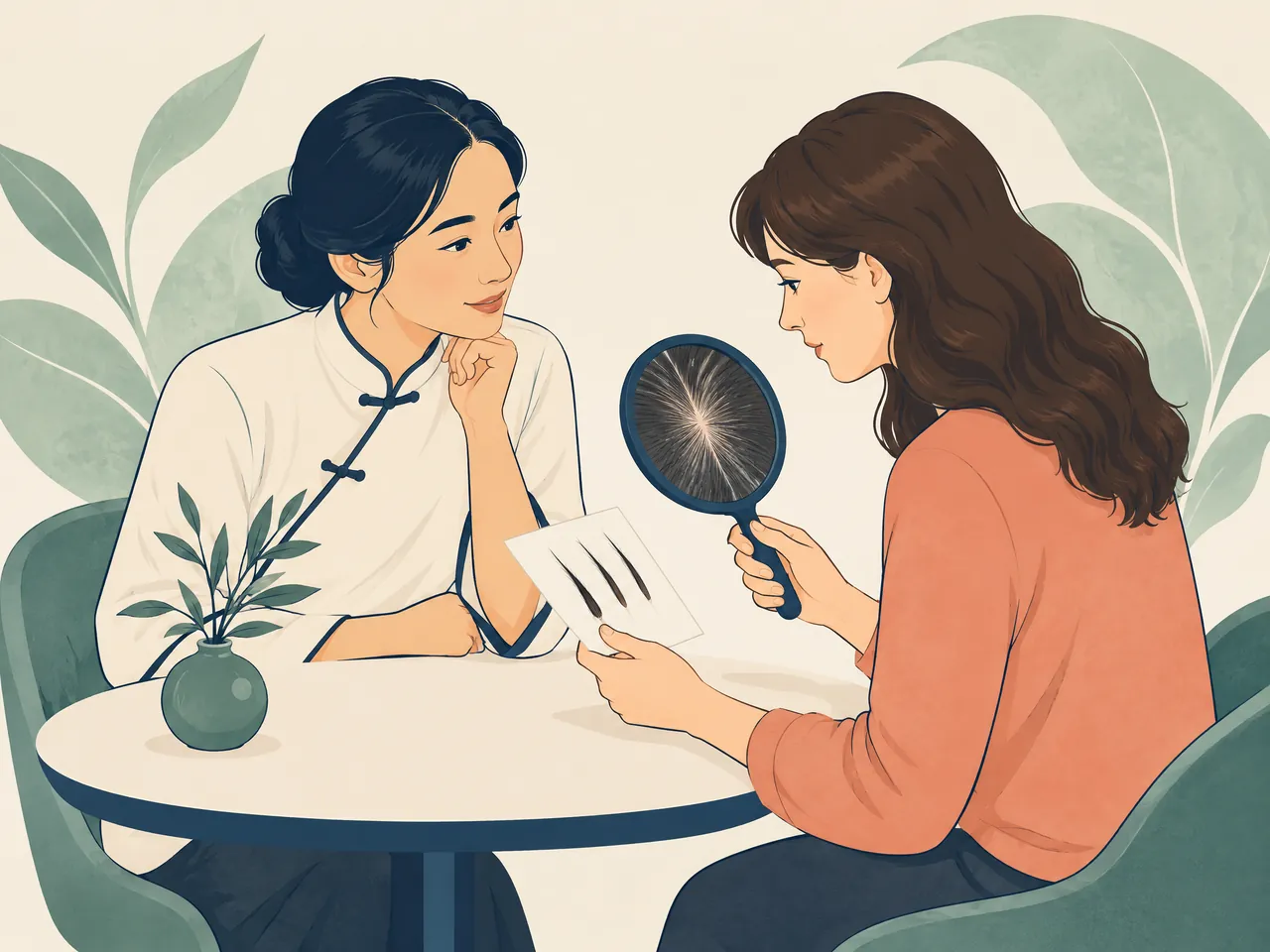
A good appointment is not about arriving with a self-diagnosis; it is about making the change easy to evaluate. A dermatologist or other doctor may ask when loss began, whether it was fast or slow, where it is most visible, what the scalp feels like, and what was happening in your health around that time. They may examine the scalp, nails and other hair-bearing areas, and may gently assess hairs for shedding or breakage. [2] Bring a medication and supplement list, including recently stopped items, and mention dietary changes or restrictive eating. If you have photographs, choose a few with dates and comparable angles rather than a large unlabelled album. For a wider decision guide, see when to see a doctor for hair loss.
Hair Loss Blood Test, Hair Loss Dermatologist Hong Kong, and Should I See a Dermatologist for Hair Loss? What to Record
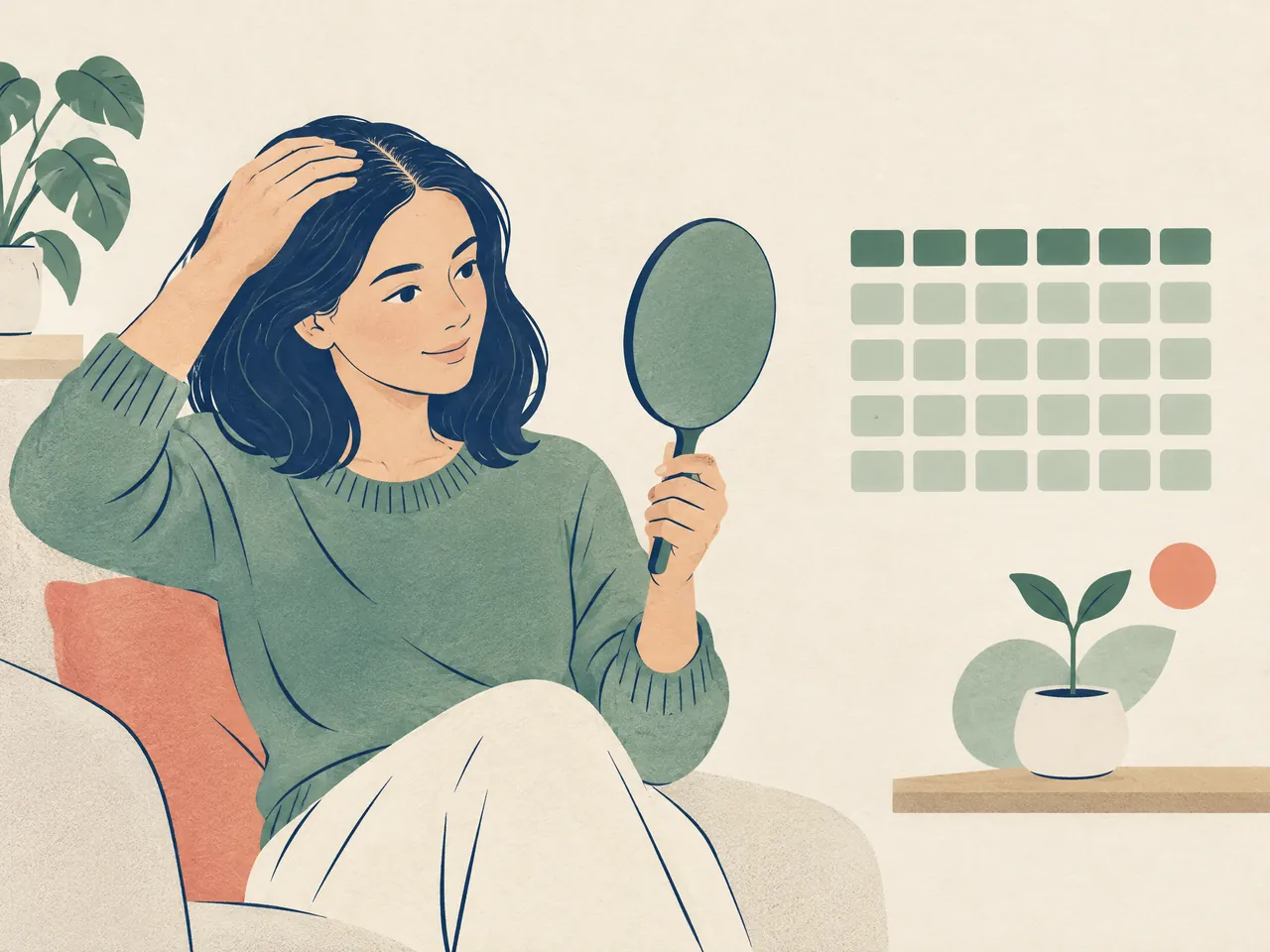
Keep the record short enough that you will actually use it. Write the approximate start date, whether the first sign was thinning, shedding, breakage or a patch, and whether the pattern has remained stable, spread or fluctuated. Add scalp symptoms, changes to brows or body hair, and any relevant illness, operation, childbirth, major stress, weight change, new medication, supplement or hair practice. If you dye, bleach, straighten, tightly tie or use extensions, say so without assuming you have found the answer. A clinician can judge which details matter in combination. Preserve photos at a similar distance, parting and lighting; they can show progression, but they cannot replace examination of the scalp or hair shaft.
Hair Loss Blood Test, Hair Loss Dermatologist Hong Kong, and Should I See a Dermatologist for Hair Loss? Tests and Next Steps
A hair loss blood test is a targeted next step, not a requirement for everyone. The AAD explains that, after questions and examination, blood tests or a scalp biopsy may be needed when a disease, vitamin deficiency, hormone imbalance or infection is suspected. [2] The Centre for Health Protection similarly notes that investigation can include examination of a hair sample, blood tests or tissue sampling to clarify the type and cause. [1] Ask what question a proposed test is intended to answer and how the result might change the next step. That conversation is often more useful than requesting a long panel without context. If the assessment points to a medical condition or inflamed scalp, follow the clinician’s advice before beginning products or supplements marketed for regrowth; treatment suitability and expectations vary with the diagnosis.

Care and health guide
Hair and scalp care information
This directory brings together services, reading, and visit information related to hair and scalp care, to help you prepare questions for a consultation.
For questions about hair or scalp care, noting the everyday concerns and service questions you want to discuss can help prepare a consultation; Chinese medicine for hair loss is a relevant service or reading entry point.
People may have different priorities, and acupuncture Hong Kong offers related information to help you understand options and prepare questions.

Your questions, answered
Frequently asked questions
Does gradual thinning always require urgent medical care?
What should I do if a smooth round bald patch appears?
Arrange medical assessment, especially if the patch appeared suddenly, is getting larger, or affects the eyebrows, beard or eyelashes. A smooth round or oval patch can occur with alopecia areata, but appearance alone cannot confirm a diagnosis. [1]
Is a hair loss blood test or scalp biopsy always necessary?
No. Assessment generally starts with the history and examination. Depending on the pattern and accompanying findings, the clinician may consider a hair assessment, targeted blood tests or a scalp biopsy to investigate a possible disease, deficiency, hormone imbalance or infection. [2]
Can I start vitamins or hair-loss products while I wait for an appointment?
Discuss persistent or changing hair loss with a clinician before assuming supplements are needed. The AAD advises using nutrients such as iron, zinc or biotin only when a blood test identifies a deficiency, because excess intake can be harmful. Avoid using someone else’s prescription medicines, and make a note of anything you have already started. [2]
Sources and further information
- [1] [1] Hong Kong Centre for Health Protection — Men's Health Line: Alopecia
Referenced for: Hong Kong public-health information on alopecia patterns, possible contributing factors, medical advice and possible investigations.
- [2] [2] American Academy of Dermatology — Hair loss: Diagnosis and treatment
Referenced for: Dermatology guidance on history-taking, scalp examination, hair assessment, and selective blood tests or scalp biopsy.
- [3] [3] NHS — Hair loss
Referenced for: General guidance on possible causes, when concern merits a GP appointment and the effect of hair loss on wellbeing.