
TCM Lab · Health reading
Guide to how long to ice a knee — How long should I apply ice or heat to my knee? — Is heat or ice better for a swollen knee?
Published Updated
A knee that is newly puffy, warm or sore after a twist, fall, run or other knock usually calls for a cool, protected approach rather than a heating pad. For how long to ice a knee, use a wrapped cold pack for up to 15 minutes, then leave a few hours before another session and let the skin recover fully. Heat can be more comfortable when the main problem is stiffness or surrounding muscle tightness and there is no recent injury or visible swelling. Neither option identifies the cause of pain. This guide helps you choose a sensible first step, protect your skin, stay gently mobile and recognise when a knee needs prompt assessment.
Appointments are confirmed through WhatsApp. If you have language requirements, please mention them in your enquiry.
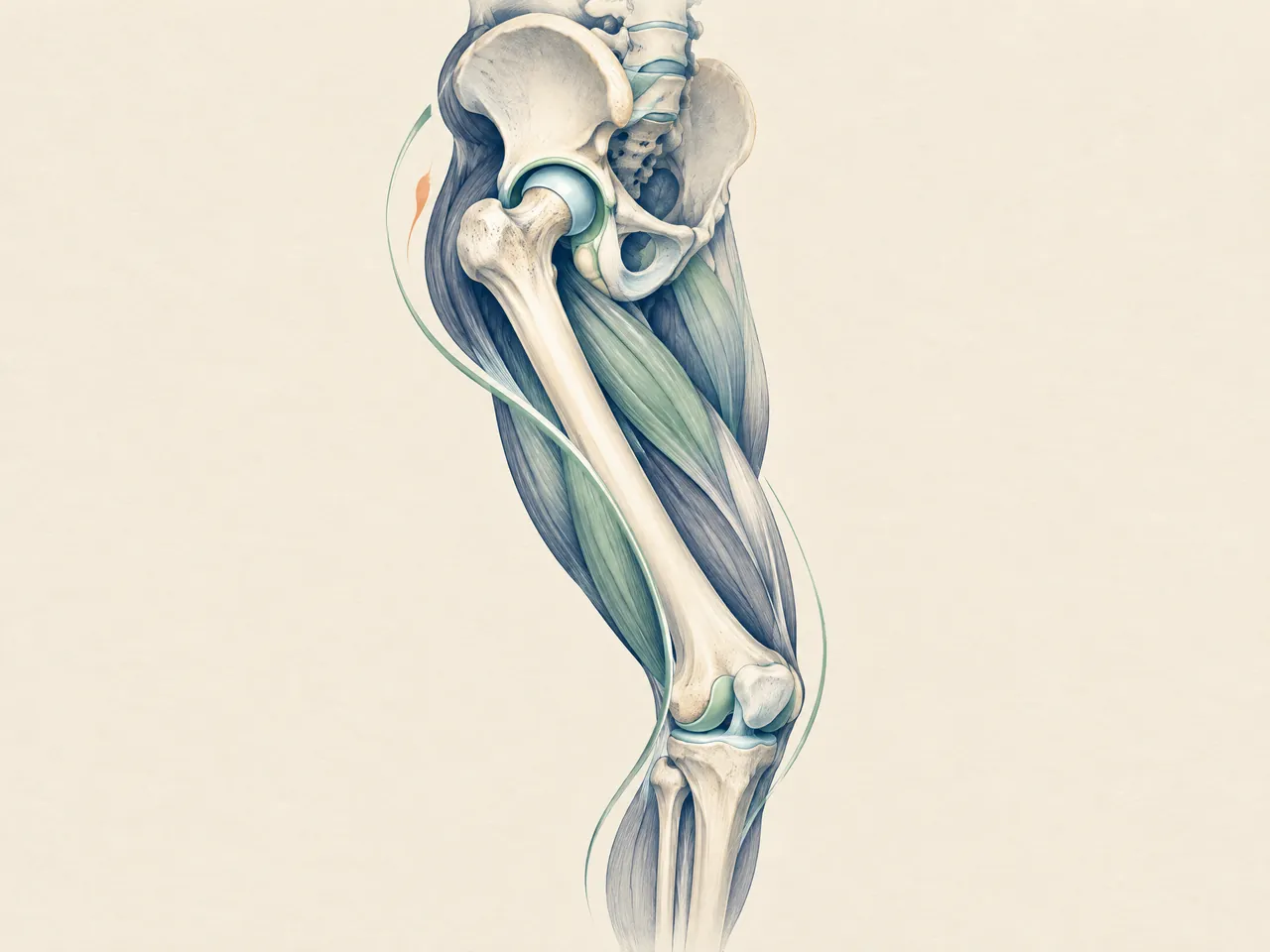
The short answer
For how long to ice a knee, place a cold pack wrapped in a towel on the area for up to 15 minutes, then leave a few hours before repeating. Choose cold after a recent injury or when swelling is present. Gentle heat may suit stiffness without swelling or recent trauma. Do not put either directly on skin, and stop if skin changes or symptoms worsen. Seek prompt assessment for inability to bear weight, a deformed knee, locking, giving way, or fever with a hot red knee.
Transparent pricing
See the fees.
Choose your care.
Explore our complete official price list, including first-trial prices, regular prices, packages and branch-specific options.
Opening WhatsApp prepares an enquiry; it does not send a message, take payment or confirm an appointment. Suitability and individual arrangements are confirmed during consultation.
Pain care
All prices in HKDExtracorporeal shockwave treatment
Shockwave treatment for deep-tissue and fascial care. The Kwun Tong clinic offers the multi-area options shown below.
Priced by branch
Branch-specific pricing
Prince Edward: HK$250 per area
Kwun Tong: HK$250 for 1 area / HK$450 for 2 areas / HK$600 for 3 areas
Pain care (manual therapy)
Includes Chinese medicine musculoskeletal assessment, manual joint techniques and tui na.
HK$580 (single session)
Chinese medicine musculoskeletal assessment
Pain care (acupuncture and manual therapy)
Combines acupuncture and manual therapy.
HK$680 (single session)
Combined care
Hair and scalp
All prices in HKDScalp health and hair-loss management
Includes AI scalp analysis, deep scalp and follicle cleansing, and scalp oil-control care.
HK$380 (first trial)
Regular price: HK$680
- 6 sessions: HK$3,480 (HK$580 per session)
- 12 sessions: HK$5,760 (HK$480 per session)
- 20 sessions: HK$8,600 (HK$430 per session)
- 30 sessions: HK$11,400 (HK$380 per session)
Hair acupuncture and Chinese herbal medicine package
Includes scalp acupuncture and 3 days of Chinese herbal medicine that does not require decoction.
HK$580 (single session)
Registered Chinese Medicine Practitioner consultation
- 6 sessions: HK$3,180 (HK$530 per session)
- 12 sessions: HK$5,760 (HK$480 per session)
- 20 sessions: HK$8,600 (HK$430 per session)
- 30 sessions: HK$11,400 (HK$380 per session)
Combined hair and scalp treatment
Combines acupuncture and Chinese herbal medicine with salon-level scalp and follicle care. Packages include complimentary hair-care shampoo and serum.
HK$1,260 (single session)
Combined treatment
- 8 sessions: HK$8,640 (HK$1,080 per session)
- 16 sessions: HK$15,680 (HK$980 per session)
- 20 sessions: HK$18,600 (HK$930 per session)
- 30 sessions: HK$26,400 (HK$880 per session)
Weight management
All prices in HKDFull-body acupoint embedding for weight management
Includes full-body acupoint embedding. Packages include complimentary Chinese herbal medicine for weight management, with the number of included days scaled to the package. Embedding material and the individual treatment arrangement are confirmed during consultation; this is not a cosmetic thread lift.
HK$980 (single session)
No trial session
- 10 sessions: HK$7,800 (HK$780 per session)
- 20 sessions: HK$14,600 (HK$730 per session)
- 30 sessions: HK$20,400 (HK$680 per session)
Facial acupuncture
All prices in HKDFacial acupuncture (basic)
Includes facial acupuncture and meridian-based facial care, including care for facial puffiness.
HK$480 (first trial)
Regular price: HK$680
- 10 sessions: HK$5,200 (HK$520 per session)
- 20 sessions: HK$9,600 (HK$480 per session)
- 30 sessions: HK$13,500 (HK$450 per session)
Facial acupuncture (advanced)
Includes enhanced facial acupuncture with a specially formulated moisturising mask and serum.
HK$780 (first trial)
Regular price: HK$1,180
- 10 sessions: HK$9,000 (HK$900 per session)
- 20 sessions: HK$16,600 (HK$830 per session)
- 30 sessions: HK$23,400 (HK$780 per session)
Chinese medicine
All prices in HKDAcupuncture and Chinese herbal medicine package
Includes a Chinese medicine consultation with pulse assessment, body acupuncture and 3 days of Chinese herbal granules that do not require decoction.
HK$580 (single session)
Chinese medicine consultation with pulse assessment
Acute care: how long to ice a knee — How long should I apply ice or heat to my knee? — Is heat or ice better for a swollen knee?
Start with what changed. A knee that became sore and swollen soon after a misstep, impact or sudden change of direction is different from a knee that feels tight after sitting, gardening or a long commute. With a recent injury, cold is usually the more suitable option because it can make the area feel less sore while you protect it from further strain. NHS Inform specifically advises ice when a knee problem is related to injury, and suggests heat only when there is no swelling and the symptoms are not from a recent injury [1]. If you are weighing up the wider question, should I use heat or ice for knee pain is a useful starting point alongside this more practical timing guide.
In the first day or two, make the goal manageable: reduce the activity that clearly aggravates the knee, avoid staying on your feet for a long stretch, and rest with the leg raised when that is comfortable. This does not mean total immobility. Gentle, tolerable knee movement can prevent the joint from feeling more guarded, while running, jumping, deep squats, heavy lifting and repeated stairs may wait until movement is easier. A cold pack is only one part of this short-term response; it should not be used to push through a sport session or to test whether an injury is serious.

After a recent injury: how long to ice a knee — How long should I apply ice or heat to my knee? — Is heat or ice better for a swollen knee?
For a recent knock or twist, prepare the cold pack before you sit down. A reusable gel pack, a bag of frozen vegetables or another cold source should be wrapped in a clean towel, not placed bare on the knee. Position it over the most uncomfortable or puffy area without tightly strapping it in place. A cautious session is up to 15 minutes. Put a timer on rather than guessing, especially if you are distracted by work or television. NHS Inform recommends no more than 15 minutes and leaving a few hours between heat or ice treatments [1].
After removing the pack, look and feel rather than automatically repeating it. Normal short-lived coolness is different from increasing pain, blotchy or unusual colour, blistering, or numbness that does not settle. Allow the skin to return to its usual temperature before considering another application. Do not fall asleep with a cold pack, use a leaking pack, or press ice directly into the skin. An ice pack for knee pain can be a convenient tool, but correct timing and a barrier matter more than using a particular product.
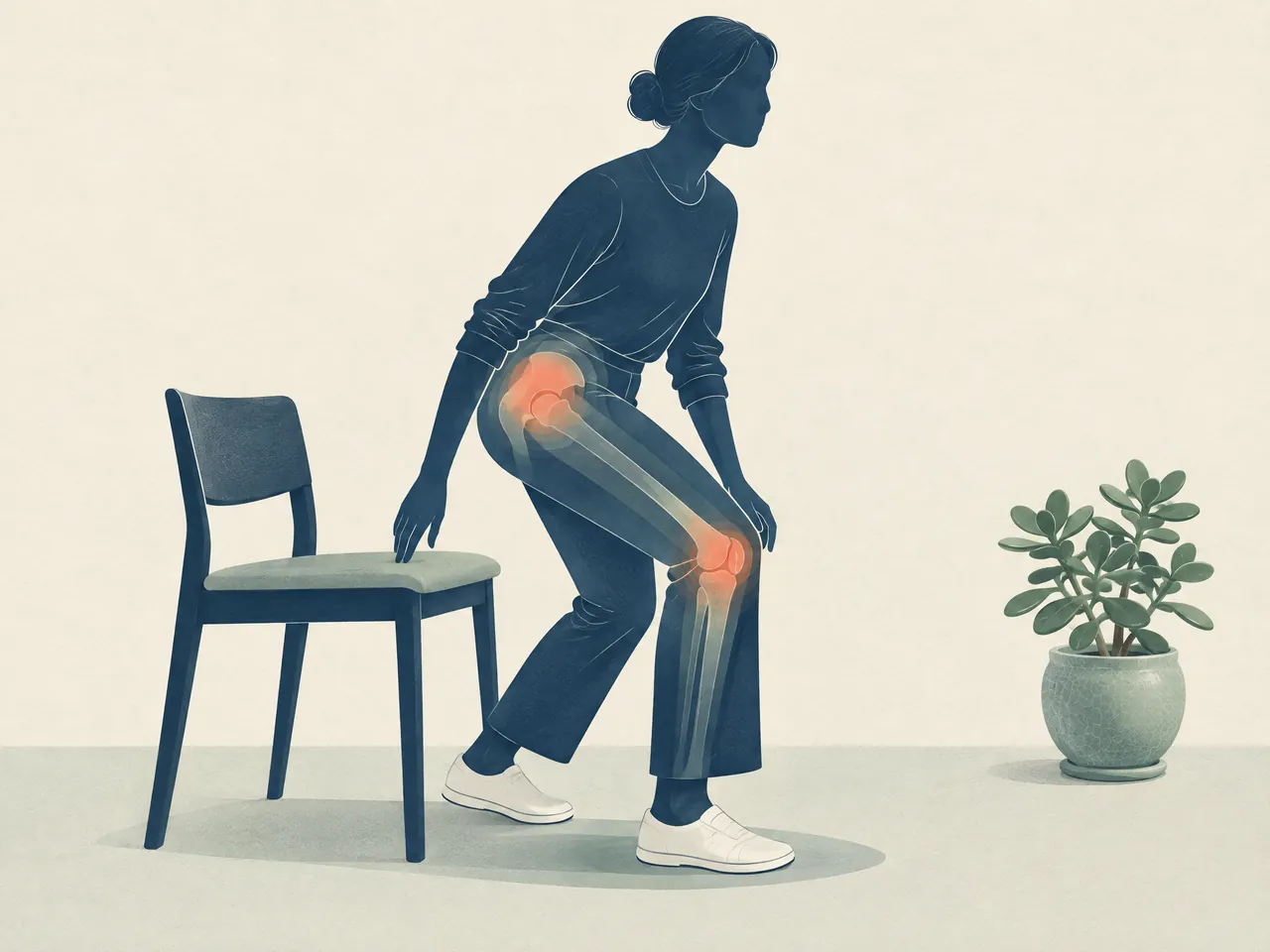
Managing early swelling: how long to ice a knee — How long should I apply ice or heat to my knee? — Is heat or ice better for a swollen knee?
Is heat or ice better for a swollen knee? In the early, visibly swollen situation, cold is generally the better match. Heat may feel pleasant, but a hot swollen knee is not the same as ordinary morning stiffness. Covering it with warmth may be a poor choice when symptoms have followed a recent injury or the area already feels warmer than the other side. Keep the plan simple: a towel-wrapped cold pack for a brief session, a comfortable raised position while resting, and reduced loading for the activity that set it off.
Swelling is a sign to watch, not a score to chase. There is no benefit in making the skin intensely cold or applying packs back-to-back. Compare the knee with the other side, note whether trousers feel tighter around the joint, and notice whether walking, bending or standing improves or deteriorates after a short rest. If swelling is severe, rapidly appears after a twist, or comes with a changed shape, do not keep experimenting at home. Official NHS guidance lists inability to move the knee or bear weight, major swelling or shape change, and a knee that locks or gives way among reasons to get urgent advice [2].
Compare your options
| What the knee feels like | A reasonable short-term choice | Use and review |
|---|---|---|
| New swelling or soreness after a twist, fall or knock | Wrapped cold pack | Use up to 15 minutes; leave a few hours before another session and reduce aggravating activity. |
| Stiffness or muscle tightness without new injury, swelling or acute warmth | Gentle wrapped heat | Use up to 15 minutes; remove it if throbbing, redness or swelling increases. |
| Skin has reduced sensation, poor circulation, or cannot be checked reliably | Seek individual advice first | Do not assume ordinary timing is safe when you may not feel excessive temperature. |
| Cannot bear weight, knee changes shape, locks, gives way, or fever accompanies a hot red knee | Prompt medical assessment | Do not keep treating at home to see whether heat or ice will solve it. |
On smaller screens, scroll the table sideways to compare all columns.
Safety and skin protection: how long to ice a knee — How long should I apply ice or heat to my knee? — Is heat or ice better for a swollen knee?
The safest answer to how long should I apply ice or heat to my knee is not simply a number. It includes the temperature, the cloth layer, the condition of your skin and sensation, and the gap before the next application. Cold and heat are comfort tools, not stronger-is-better treatments. They deserve extra caution if you have reduced feeling in the feet or legs, circulation concerns, fragile skin, diabetes-related nerve problems, or any reason you may not notice excessive cold or heat. NHS Inform advises against using either treatment when there are circulation or sensation problems [1]. Ask a clinician what is appropriate for you rather than using a standard routine.
Using a towel barrier: how long to ice a knee — How long should I apply ice or heat to my knee? — Is heat or ice better for a swollen knee?
A towel barrier is essential for both methods. For cold, wrap the pack so that a layer of dry fabric sits between the source and the skin. For heat, place a cloth layer around a warm—not very hot—pack or bottle and test the warmth against your forearm first. The barrier should stay dry and comfortably positioned; do not use tight elastic wrapping that causes tingling or leaves deep pressure marks. NHS Inform is explicit that heat and ice should never go directly on the skin and names a towel as the protective barrier [1].
Choose a place where you can remain awake and check the area. Exposed skin is easier to monitor than a pack trapped beneath several layers of clothing or a brace. If you have had a knee operation or have been given post-operative instructions, those directions take priority; timing and temperature may need to be individualised. Do not use a heat pad, hot-water bottle or cold pack under a compression bandage unless the clinician managing the injury has advised it.
A practical check is to remove the pack halfway through if you are new to using it or have sensitive skin. Look for sharply increased redness, pale patches, mottling, rash, blisters or skin that is becoming painfully numb. Stop if any of these occur. Persistent skin change deserves medical advice. Do not try to counter a cold injury with strong heat, or a heat burn with ice; protect the area and seek appropriate care.
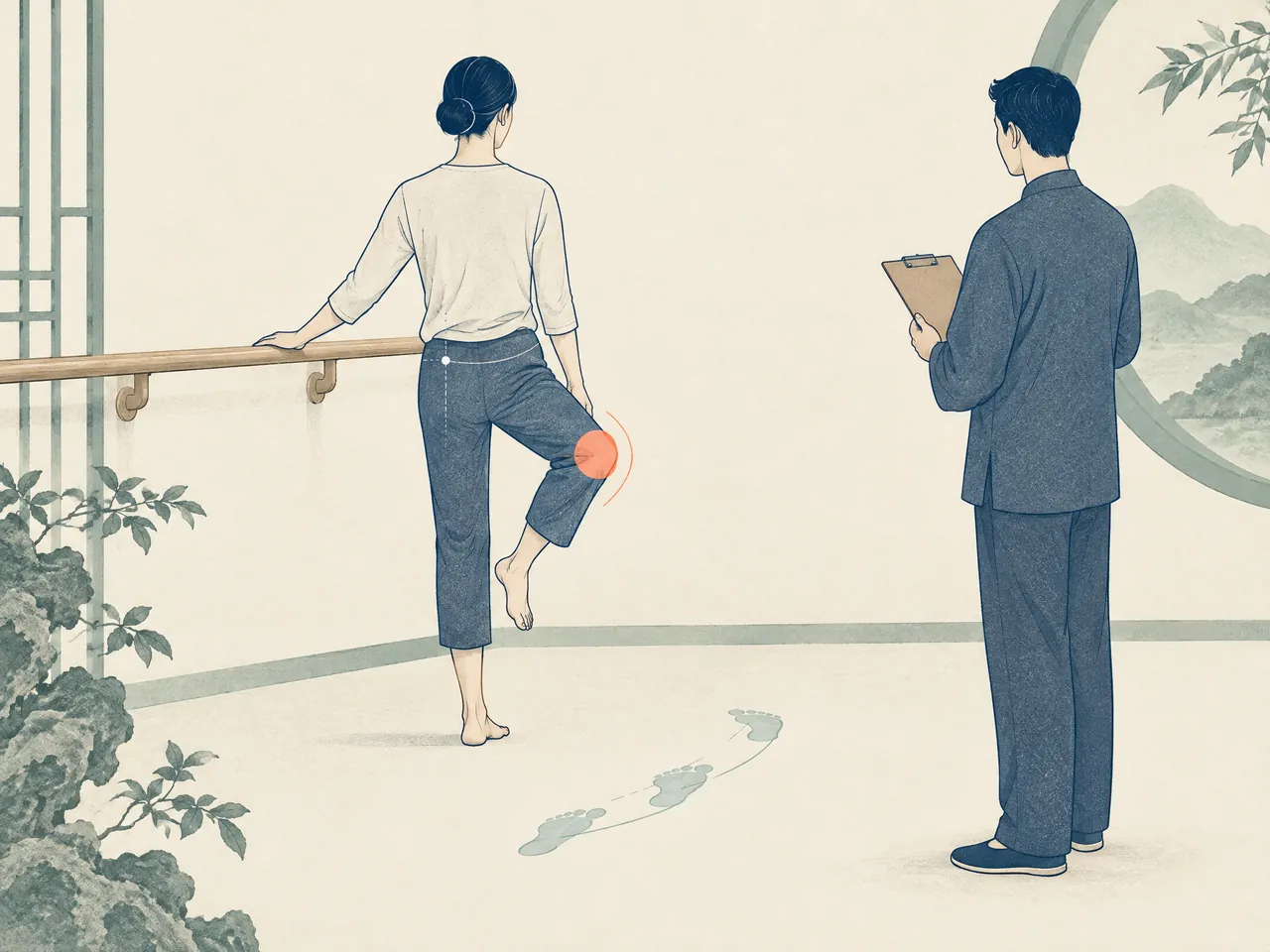
Checking skin and timing: how long to ice a knee — How long should I apply ice or heat to my knee? — Is heat or ice better for a swollen knee?
Use a timer for up to 15 minutes, then take the pack away. The few hours between sessions are as important as the session itself because they prevent prolonged temperature stress and give you a chance to observe the knee. At the next check, ask three simple questions: Is the skin back to normal? Is the swelling or pain clearly worse? Can I move or walk more comfortably than before? A negative response is a reason to stop, not to extend the treatment.
Gentle heat follows the same timetable: brief, protected and not repeated immediately. It may be useful before easy movement when the knee feels stiff but is not acutely swollen. Think of a comfortably warm shower or wrapped heat pack rather than a very hot device. For ideas focused on this non-swollen pattern, see knee stiffness heat therapy. If warmth makes throbbing, puffiness or redness more noticeable, remove it and reassess rather than assuming the knee needs a longer session.
Activity and review: how long to ice a knee — How long should I apply ice or heat to my knee? — Is heat or ice better for a swollen knee?
A pack may make a knee feel manageable for a while, but recovery is usually shaped by how you pace loading afterwards. In Hong Kong, common pressure points include long standing commutes, stairs, carrying shopping, repeated squatting at work and returning too soon to hill walks or court sports. Use practical changes: use a handrail, take breaks, choose a flatter route, or postpone deep bends. Then reintroduce normal activity gradually as comfort and control return rather than testing the knee with a single hard day.
Long-standing or recurring pain needs a wider plan than heat or ice. The cause may be an old injury, overload, osteoarthritis or another condition, and a clinician should assess symptoms and function rather than assuming a diagnosis from age or a scan alone. For osteoarthritis, NICE identifies therapeutic exercise, appropriate weight management, information and support as core management; it also does not recommend acupuncture or dry needling for osteoarthritis [3]. That does not make every painful knee osteoarthritis, and it does not make a temperature pack a substitute for an examination.
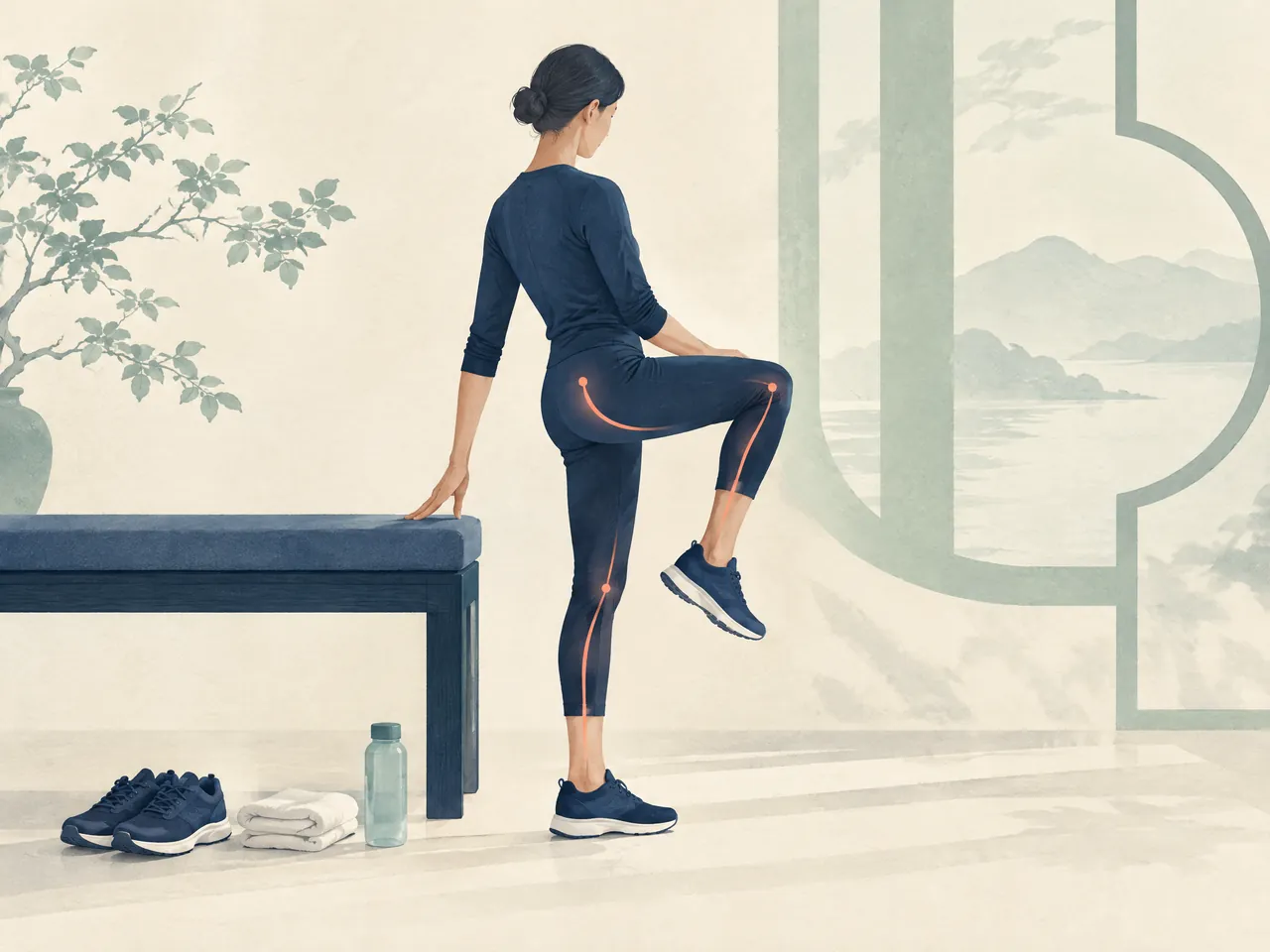
When to seek assessment: how long to ice a knee — How long should I apply ice or heat to my knee? — Is heat or ice better for a swollen knee?
Arrange an assessment when pain is not improving over the expected period, keeps returning, interferes with sleep or routine tasks, or makes you change the way you walk. Bring useful observations: when it began, what you were doing, whether swelling appeared straight away or later, where it hurts, what movements are limited, and whether cold or heat changed the symptoms. These details help a clinician decide whether you need examination, rehabilitation advice, imaging or other care. Do not delay review just because a pack provides temporary relief.
Seek prompt medical help for a knee that is very painful, cannot be moved, cannot take weight, has become badly swollen or misshapen, or locks, gives way or painfully clicks. Fever or feeling hot, cold or shivery with redness or heat around the knee is also urgent because infection needs rapid assessment [2]. A newly hot, swollen and tender knee without an injury should not be treated as ordinary stiffness. Remove heat or ice and seek advice rather than trying a longer application.
If you want to discuss persistent symptoms or a complementary-care enquiry after appropriate assessment, you can contact Chinese medicine clinic Prince Edward or Kwun Tong Chinese medicine clinic through TCM Lab. Be ready to share any diagnosis, imaging report, medication and recent injury history. A Registered Chinese Medicine Practitioner can consider the information in a traditional assessment, but traditional pattern identification is not a modern medical diagnosis and should not replace urgent or conventional assessment when red flags are present.

Pain limiting movement: how long to ice a knee — How long should I apply ice or heat to my knee? — Is heat or ice better for a swollen knee?
Pain limiting movement often creates a difficult loop: avoiding every movement may leave the knee and surrounding muscles stiffer, while doing too much can aggravate symptoms. Aim for small, controlled movements that do not cause a sharp increase in pain or new swelling. During the first 24 to 48 hours of a new knee problem, NHS Inform advises reducing activities but moving as symptoms allow, gently moving the knee, elevating it when resting and avoiding long periods on your feet [1]. Later, activity can build gradually if the knee is settling.
Use knee pain self-management as a companion to a clinician’s advice, not a fixed challenge to complete. Keep a short record for several days: activity, swelling, heat or cold used, ability to bear weight and whether the knee is improving. This creates a clearer picture than chasing pain minute by minute. When pain, swelling or loss of function is moving in the wrong direction, stop the aggravating activity and arrange review. A gradual plan that fits your daily life is more useful than repeatedly masking symptoms with a pack.
Care and health guide
Knee discomfort: care information
This directory brings together services, reading, and visit information related to knee discomfort, to help you prepare questions for a consultation.
When knee discomfort affects your day, noting when it occurs, its relation to activity, and what you have already tried can help prepare a consultation; Chinese medicine pain management Hong Kong is a relevant service or reading entry point.
Individual circumstances differ, and acupuncture Hong Kong offers related information to help you understand options and prepare questions.


Your questions, answered
Frequently asked questions
How long should I apply ice or heat to my knee?
Use a towel-wrapped cold or gentle heat pack for up to 15 minutes, then leave a few hours before another session. Check the skin before and after. Stop if you notice blistering, discolouration, increasing numbness, worsening pain or swelling.
Is heat or ice better for a swollen knee?
Cold is generally the better choice when swelling follows a recent injury. Heat may be more suitable for stiffness or muscle tightness when there is no swelling and symptoms are not related to a recent injury. A hot, red or very swollen knee needs assessment, not prolonged home treatment.
Can I put an ice pack directly on my knee?
No. Wrap the pack in a towel or use another fabric barrier. Direct contact can damage skin. Use a timer, stay awake while applying it, and allow the skin to recover before considering another brief session.
When should knee pain be assessed rather than treated at home?
Seek prompt advice if you cannot bear weight or move the knee, it is badly swollen or misshapen, it locks or gives way, or you have feverishness with a hot red knee. Arrange assessment if pain persists, recurs or limits sleep, work, walking or daily activities.
Sources and further information
- [1] [1] NHS Inform: Knee problems
Referenced for: Supports protected heat or ice use, up to 15-minute sessions, gaps between applications, safety cautions, early activity advice and assessment triggers.
- [2] [2] NHS: Knee pain
Referenced for: Supports urgent assessment signs including inability to bear weight, significant swelling or deformity, locking or giving way, and fever with a hot red knee.
- [3] [3] NICE NG226: Osteoarthritis in over 16s: diagnosis and management
Referenced for: Supports therapeutic exercise, appropriate weight management, information and support as core osteoarthritis management, and the recommendation not to offer acupuncture or dry needling for osteoarthritis.