
TCM Lab · Health reading
Chinese herbs and granules: understanding personalised TCM care
Published Updated
Chinese herbs and granules are not simply two names for a ready-made remedy. They are ways that Chinese herbal medicine may be prepared and discussed after a practitioner has taken a fuller history. The more useful starting point is still the person: what has changed, when it began, what other care is in place, and what medicines or supplements are already being used. A Registered Chinese Medicine Practitioner can use that conversation to explain whether herbal care is appropriate to discuss, what information is missing, and what precautions matter.
Appointments are confirmed through WhatsApp. If you have language requirements, please mention them in your enquiry.
The short answer
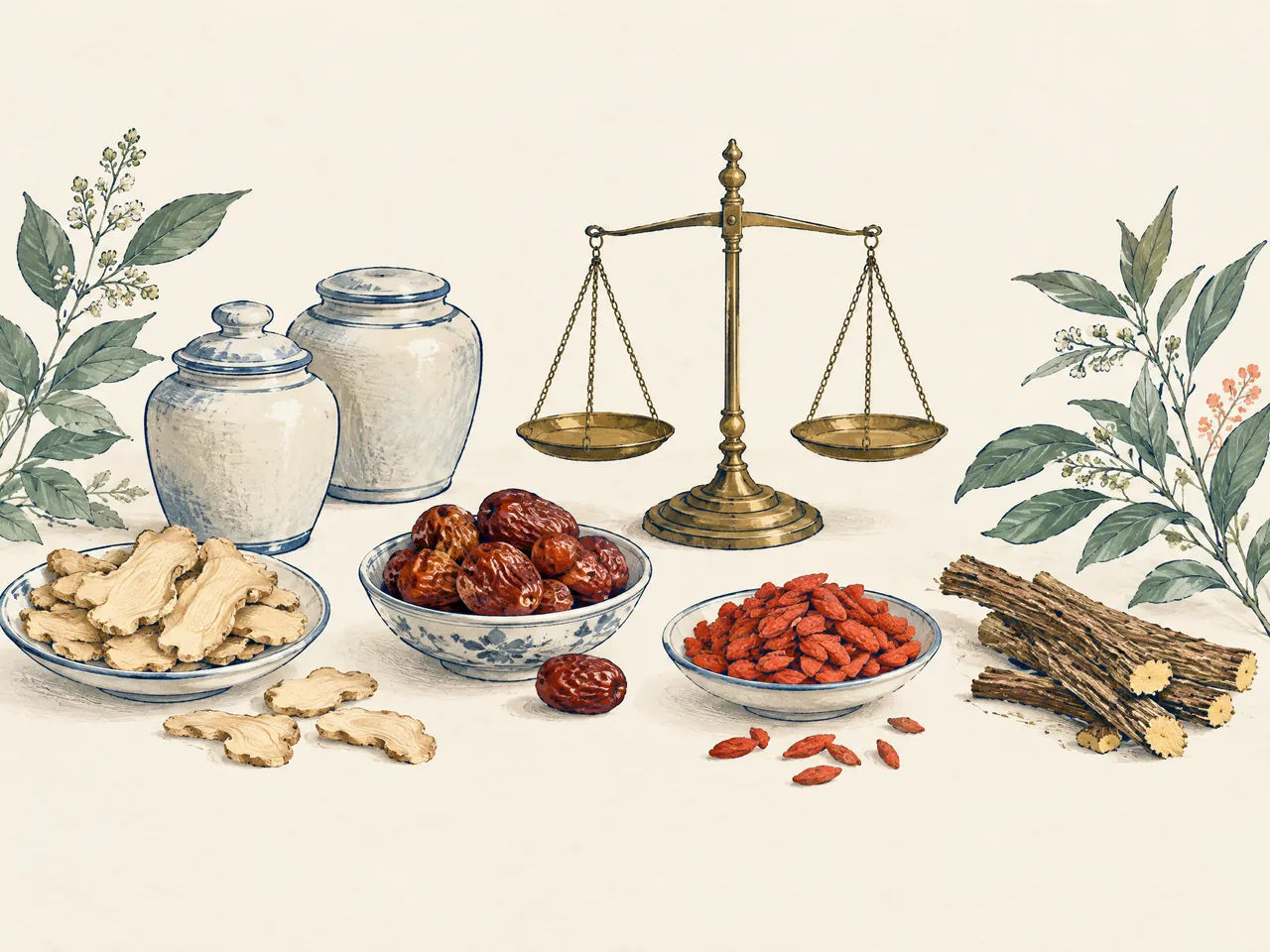
Chinese herbs and granules are forms of Chinese herbal medicine that may be considered after an individual TCM consultation. Traditional herbs may be prepared as a decoction, while granules are commonly dissolved for use according to a practitioner’s directions. Neither form should be chosen from one symptom alone. Bring your symptom timeline, diagnoses or reports where relevant, and a complete list of medicines and supplements so suitability, preparation and possible precautions can be discussed.
Transparent pricing
See the fees.
Choose your care.
Explore our complete official price list, including first-trial prices, regular prices, packages and branch-specific options.
Opening WhatsApp prepares an enquiry; it does not send a message, take payment or confirm an appointment. Suitability and individual arrangements are confirmed during consultation.
Chinese medicine
All prices in HKDAcupuncture and Chinese herbal medicine package
Includes a Chinese medicine consultation with pulse assessment, body acupuncture and 3 days of Chinese herbal granules that do not require decoction.
HK$580 (single session)
Chinese medicine consultation with pulse assessment
Hair and scalp
All prices in HKDScalp health and hair-loss management
Includes AI scalp analysis, deep scalp and follicle cleansing, and scalp oil-control care.
HK$380 (first trial)
Regular price: HK$680
- 6 sessions: HK$3,480 (HK$580 per session)
- 12 sessions: HK$5,760 (HK$480 per session)
- 20 sessions: HK$8,600 (HK$430 per session)
- 30 sessions: HK$11,400 (HK$380 per session)
Hair acupuncture and Chinese herbal medicine package
Includes scalp acupuncture and 3 days of Chinese herbal medicine that does not require decoction.
HK$580 (single session)
Registered Chinese Medicine Practitioner consultation
- 6 sessions: HK$3,180 (HK$530 per session)
- 12 sessions: HK$5,760 (HK$480 per session)
- 20 sessions: HK$8,600 (HK$430 per session)
- 30 sessions: HK$11,400 (HK$380 per session)
Combined hair and scalp treatment
Combines acupuncture and Chinese herbal medicine with salon-level scalp and follicle care. Packages include complimentary hair-care shampoo and serum.
HK$1,260 (single session)
Combined treatment
- 8 sessions: HK$8,640 (HK$1,080 per session)
- 16 sessions: HK$15,680 (HK$980 per session)
- 20 sessions: HK$18,600 (HK$930 per session)
- 30 sessions: HK$26,400 (HK$880 per session)
Weight management
All prices in HKDFull-body acupoint embedding for weight management
Includes full-body acupoint embedding. Packages include complimentary Chinese herbal medicine for weight management, with the number of included days scaled to the package. Embedding material and the individual treatment arrangement are confirmed during consultation; this is not a cosmetic thread lift.
HK$980 (single session)
No trial session
- 10 sessions: HK$7,800 (HK$780 per session)
- 20 sessions: HK$14,600 (HK$730 per session)
- 30 sessions: HK$20,400 (HK$680 per session)
Facial acupuncture
All prices in HKDFacial acupuncture (basic)
Includes facial acupuncture and meridian-based facial care, including care for facial puffiness.
HK$480 (first trial)
Regular price: HK$680
- 10 sessions: HK$5,200 (HK$520 per session)
- 20 sessions: HK$9,600 (HK$480 per session)
- 30 sessions: HK$13,500 (HK$450 per session)
Facial acupuncture (advanced)
Includes enhanced facial acupuncture with a specially formulated moisturising mask and serum.
HK$780 (first trial)
Regular price: HK$1,180
- 10 sessions: HK$9,000 (HK$900 per session)
- 20 sessions: HK$16,600 (HK$830 per session)
- 30 sessions: HK$23,400 (HK$780 per session)
Pain care
All prices in HKDExtracorporeal shockwave treatment
Shockwave treatment for deep-tissue and fascial care. The Kwun Tong clinic offers the multi-area options shown below.
Priced by branch
Branch-specific pricing
Prince Edward: HK$250 per area
Kwun Tong: HK$250 for 1 area / HK$450 for 2 areas / HK$600 for 3 areas
Pain care (manual therapy)
Includes Chinese medicine musculoskeletal assessment, manual joint techniques and tui na.
HK$580 (single session)
Chinese medicine musculoskeletal assessment
Pain care (acupuncture and manual therapy)
Combines acupuncture and manual therapy.
HK$680 (single session)
Combined care
Chinese herbs and granules: what they mean in TCM
In ordinary conversation, Chinese herbs can mean the individual plant, mineral or other traditional materia medica used in a prescription, or the completed preparation supplied for a person. A formula is usually a combination selected for a clinical discussion, not one ingredient promoted as the answer to every version of a symptom. This distinction matters when you are comparing options online. A name, photograph or friend’s experience does not show whether the same preparation, dose, health context or safety considerations apply to you. For a broader introduction to Chinese herbal medicine, start with the approach and questions it raises rather than trying to identify a personal formula from a list of herbs.
Granules are another way a herbal preparation may be supplied. They can be convenient for people who need something that fits around work, travel or an evening routine, but convenience does not make them automatically suitable. The choice between forms can depend on what is being assessed, what the practitioner wishes to explain, how a person can realistically prepare the product, and any relevant medical context. Hong Kong’s Chinese Medicine Regulatory Office distinguishes Chinese herbal medicines from proprietary Chinese medicines and describes separate regulatory requirements for traders and proprietary products [2].
Chinese herbs and granules: traditional forms and practical use
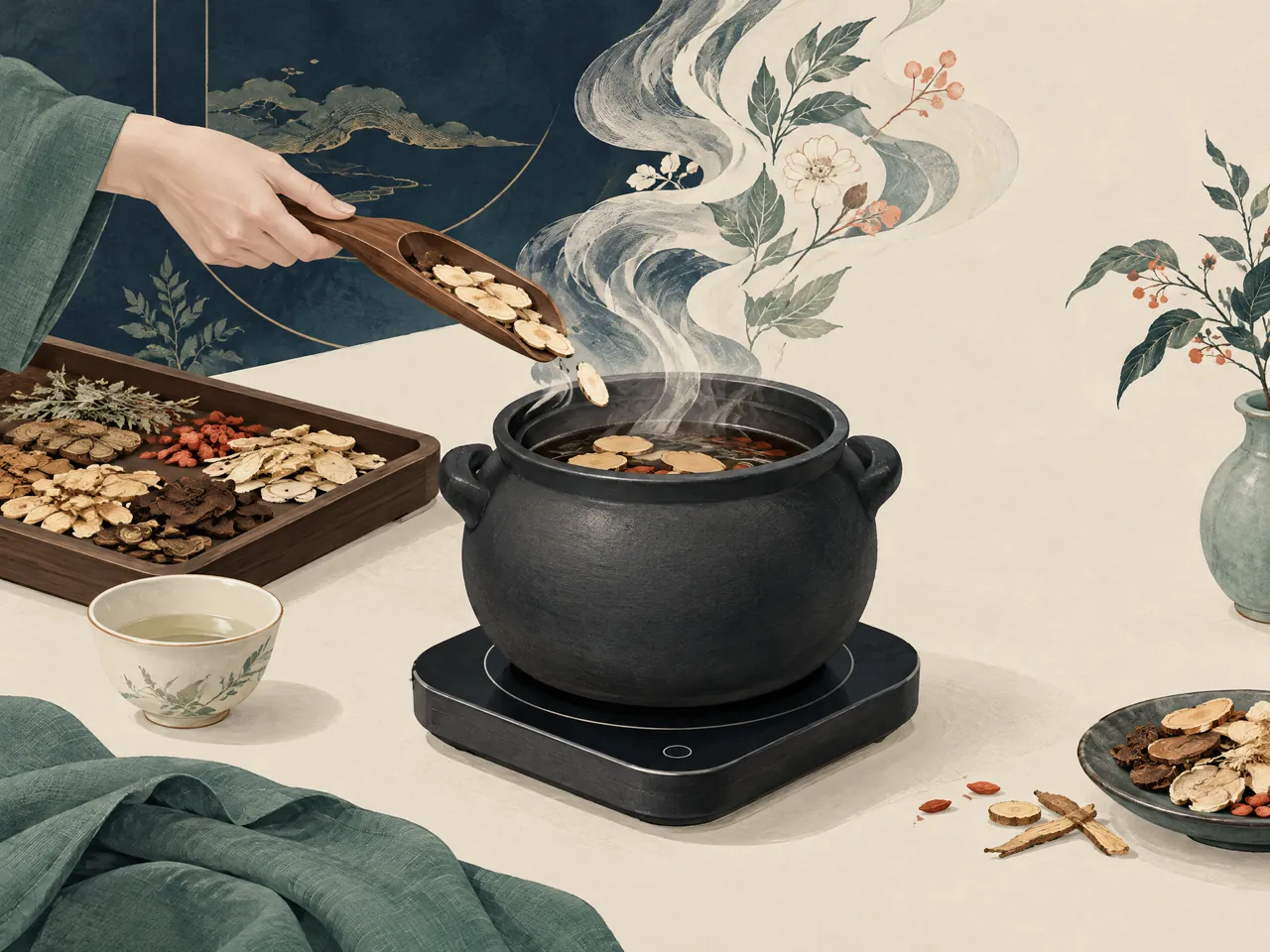
Traditional raw herbs are often associated with a decoction: ingredients are prepared in water and the liquid is taken as directed. Granules are generally supplied as a dissolvable preparation. The practical experience can therefore differ. Those are reasonable questions because a plan that cannot be followed safely or consistently is not made better by sounding traditional or convenient.
Do not treat the form as a shortcut for comparing strength, quality or expected effect. The relevant questions are more specific: What exactly is being supplied? How should it be prepared and stored? What should be done if a dose is missed, tastes unusual, or causes a new reaction? Is there anything in the current medical history that changes the discussion? The National Center for Complementary and Integrative Health notes that reports of Chinese herbal products have included quality and safety issues, including contamination and incorrect herbs, and advises discussing TCM with health-care providers [1]. A named, accountable dispensing route and a proper consultation help make those questions visible.
Chinese herbs and granules: why preparation can differ
Preparation directions are part of the conversation, not minor packaging detail. A practitioner may ask about your working hours, food routine, swallowing difficulties, nausea, ability to prepare hot water, and whether you travel frequently. If a person is already taking several products at different times, a written schedule can be safer than relying on vague memory. It is also sensible to ask who to contact if directions are unclear. Do not change a prescribed preparation into a tea, capsule or another product because the names appear similar online; the formulation and intended use may not be the same.
A useful enquiry also separates practical preference from a treatment decision. You can say, for example, that you would prefer to understand whether granules are possible because you work shifts, while leaving the clinical choice open until an assessment. If cost is part of the decision, consult the Chinese medicine clinic price list Hong Kong information and ask which items can be confirmed only after the consultation. Avoid assuming that one published item describes every individual herbal preparation. Clear questions about form, preparation and follow-up are more informative than asking for the “best” herbs for a broad complaint.
Compare your options
| Topic to discuss | Why it matters | Useful question to ask |
|---|---|---|
| Raw herbs or granules | Preparation time, travel routine and the ability to follow directions can differ between formats. | What preparation is being considered, and how should I take it safely? |
| Main symptom timeline | Onset, pattern, triggers and daily impact give more context than a symptom label alone. | Does anything in this pattern need medical assessment before herbal care is discussed? |
| Medicines and supplements | Products taken together may have interaction or safety considerations. | Which names, doses and label photographs should I bring for review? |
| Existing diagnoses and reports | Current care and prior findings can affect what questions are appropriate. | Would a report, referral letter or test result help the consultation? |
| Follow-up and new symptoms | Clear directions help avoid guessing if a concern changes after the discussion. | What should make me contact the practitioner, pharmacist or another clinician promptly? |
On smaller screens, scroll the table sideways to compare all columns.
Chinese herbs and granules: how a consultation guides choices
A herbal consultation begins with the concern that brought you there, but should not stop at the concern’s name. “Poor sleep”, “bloating”, “headaches” or “low energy” can mean different things to different people and can have causes that need medical assessment. Explain onset, frequency, severity, changes over time, what makes the issue better or worse, and how it affects work, meals, exercise or rest. Mention existing diagnoses, recent illness, surgery, pregnancy or breastfeeding where relevant. This does not mean the practitioner can diagnose every cause from a checklist; it gives them enough context to decide what needs clarification and whether another type of care should come first.
It is reasonable to expect questions about current care. Bring reports, referral letters or test results that relate to the concern if you have them, and say whether you are already seeing a GP, specialist, pharmacist or other practitioner. An assessment can include a discussion of limits as well as options. In particular, a new, severe, rapidly worsening or otherwise worrying symptom should be assessed promptly rather than managed through a delayed routine herbal enquiry. The aim is not to make a symptom fit a preselected remedy, but to decide responsibly what the next step should be.

Chinese herbs and granules: assessing symptoms and constitution
In TCM, people often hear the word “constitution”. In a consultation, it is better understood as part of a broader pattern-based discussion than as a permanent type that lets a website prescribe for you. The practitioner may ask about temperature preferences, appetite, thirst, sleep, digestion, stress, menstrual history where relevant, activity and the course of the main concern. They may also use traditional examination methods.
Specific examples make the assessment more useful. Instead of saying that you are tired, describe whether the tiredness began after an infection, follows a certain meal pattern, comes with dizziness, affects concentration, or has changed alongside sleep. Instead of only saying that digestion feels “off”, note pain, reflux, bowel changes, food triggers, weight change or fever where present. Do not self-filter information because it seems unrelated. A complete picture can reveal a reason to pause, seek conventional evaluation, or adjust the scope of the conversation. If you are considering a local visit, a Chinese herbal medicine consultation Kwun Tong page can help frame a practical enquiry, but it does not replace the assessment itself.
Chinese herbs and granules: discussing medicines and supplements
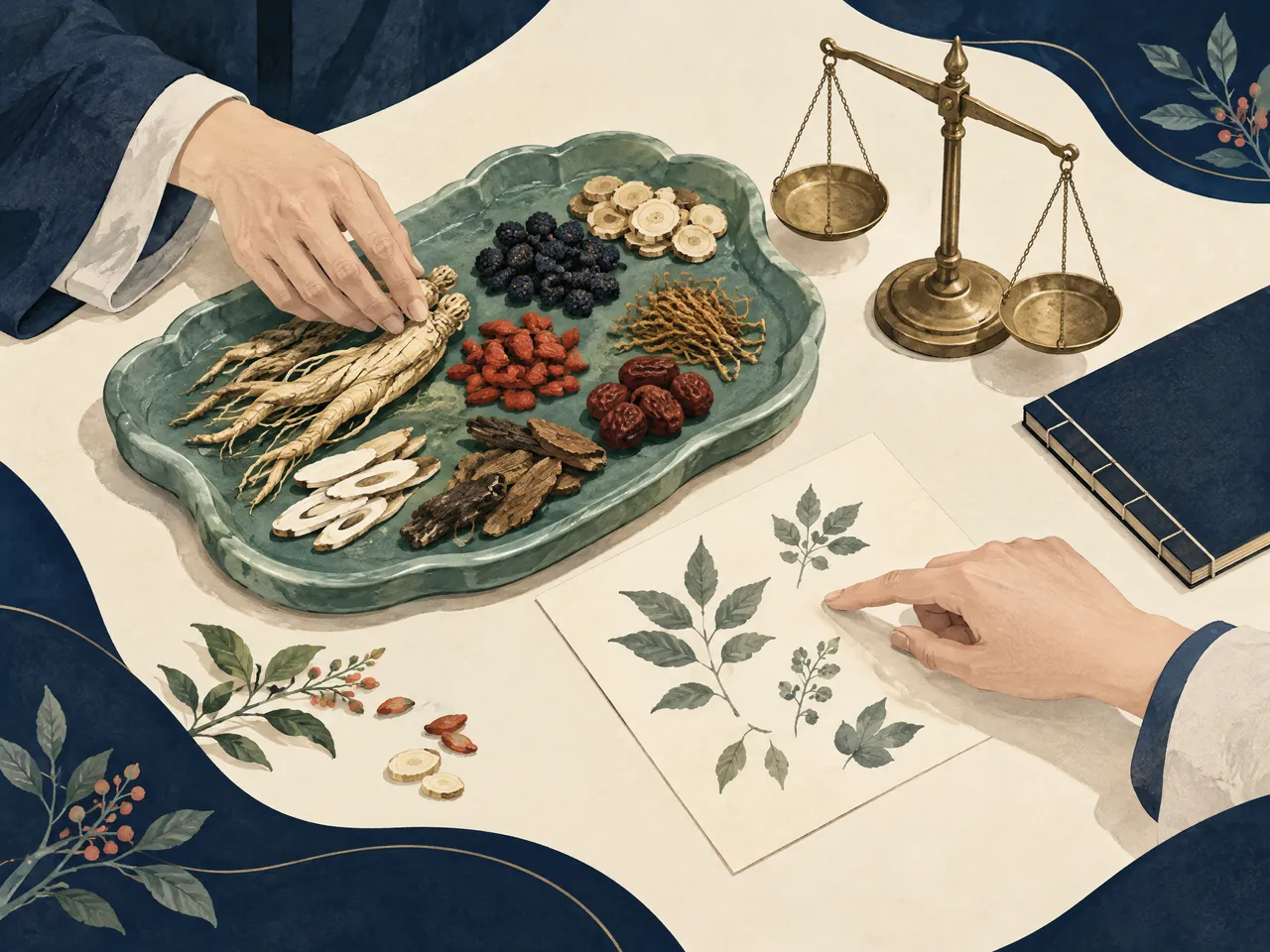
The medicines conversation should be complete and unhurried. List the product name, dose, how often you take it, and why you take it if known. Include prescriptions, medicines bought without a prescription, vitamins, protein or wellness powders, herbal teas, concentrated extracts, traditional products, topical medicines and occasional pain relievers. A photograph of labels can reduce errors. Also say if another clinician has told you not to stop, start or alter a medicine. This is especially important when a product is taken long term or after a recent change in treatment.
Herbs and medicines can interact in ways that alter a medicine’s effect or increase unwanted effects, and interaction information is incomplete for many combinations. NCCIH advises people to tell their health-care providers about all medicines and supplements and to bring a written list that includes how often and how much is taken [3]. That is why a question about whether can Chinese herbal medicine be taken with Western medicine needs an individual answer rather than a general yes or no. Do not stop prescribed medicine or space products apart on your own as a presumed solution.
Chinese herbs and granules: safety, limits and next steps
Herbal medicine deserves the same clear safety conversation as any other health product. “Natural” is not a safety conclusion, and “traditional” does not tell you whether something suits your current health status. A responsible discussion covers the product’s source and directions, existing conditions, possible adverse reactions, and what to do if something feels wrong. It should also leave room for uncertainty: research on Chinese herbal products covers many conditions, but NCCIH says firm conclusions about effectiveness cannot be made from many studies because of their quality [1]. Individual care should not be sold as a guaranteed result.
Limits are practical, not dismissive. Chinese herbs and granules are not a substitute for urgent treatment, emergency care, or an investigation that has been recommended for a concerning symptom. Tell the practitioner about a sudden or severe change, fever, fainting, chest pain, breathing difficulty, signs of a serious allergic reaction, bleeding, marked weakness, or a symptom that is rapidly getting worse. If any urgent symptom is happening now, seek urgent medical help rather than waiting for a consultation reply. For non-urgent questions, write down what you want to understand before contacting the clinic.

Chinese herbs and granules: possible interactions and precautions
Precautions may be particularly important during pregnancy or breastfeeding, for children, for older adults with multiple medicines, and for people with liver or kidney disease, bleeding concerns, allergies, or a complex medical history. These examples are reasons to disclose information, not a universal list of exclusions. The appropriate response depends on the person, the product and the wider clinical picture. Be direct about previous reactions to herbs or supplements, current alcohol or recreational drug use if relevant to safety, and any recent hospital visit. Holding back information to obtain a desired formula can make a consultation less safe.
Ask what new symptom should prompt you to stop and seek advice, how follow-up will be handled, and whether your other care providers need the updated medication list. Keep the original packaging and directions rather than transferring powders into unlabelled containers. Do not share a preparation with a relative or friend whose symptoms sound similar. The Chinese herbal medicine Hong Kong guide gives further background for people deciding what to ask; the individual consultation is where personal risk factors and product-specific directions must be considered.
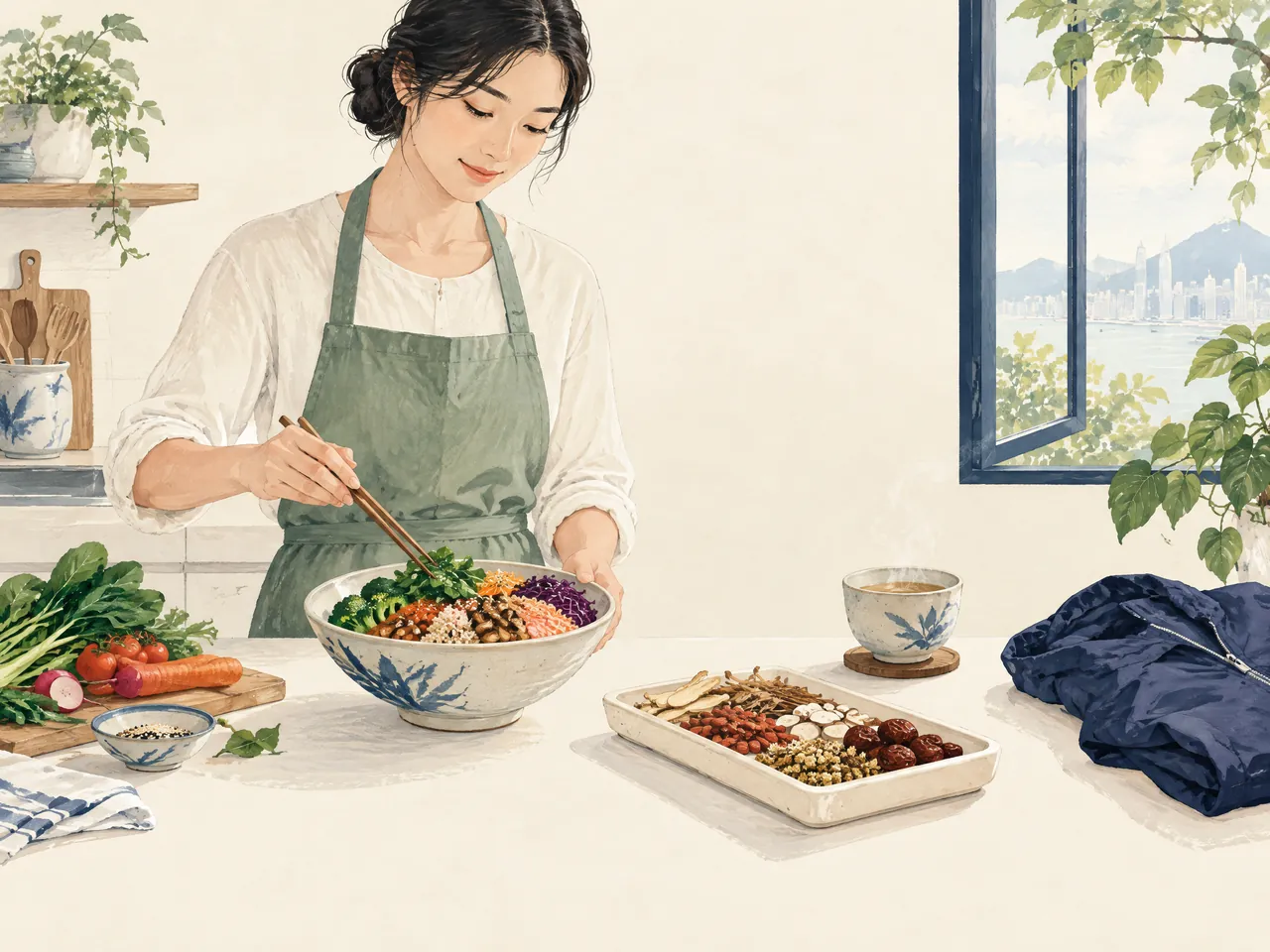
Chinese herbs and granules: preparing for a responsible enquiry
A concise first message can make an enquiry more useful without trying to diagnose yourself. State the main issue, how long it has been happening, whether it is stable or changing, current diagnoses or care where relevant, and every medicine and supplement you use. Add your preferred location and any practical limitation, such as a work schedule or difficulty preparing a decoction. You might say: “I would like to ask about a consultation for sleep changes over several weeks. I have a list of my medicines and supplements and would like to understand whether herbs or granules are appropriate to discuss.” This opens a focused conversation without assuming an outcome.
TCM Lab can discuss consultation arrangements at Prince Edward or Kwun Tong by WhatsApp on +852 6940 5663. If Kwun Tong is more convenient, review the Kwun Tong Chinese medicine clinic location details before asking about an appointment. If Prince Edward suits your route, use the Chinese medicine clinic Prince Edward information instead. A message is an enquiry, not an automatic booking, payment or confirmation that Chinese herbs and granules will be advised. The most productive next step is an honest account of your concern and a willingness to discuss options, limits and safety factors with a Registered Chinese Medicine Practitioner.
Care and health guide
Health service information
This directory brings together services, reading, and visit information related to health services, to help you prepare questions for a consultation.
If you are organising health questions, Chinese medicine clinic Hong Kong is a starting point for learning about related services and preparing for a consultation.
People have different needs; acupuncture Hong Kong provides further reading to help you understand options in your own context.


Your questions, answered
Frequently asked questions
What is the difference between Chinese herbs and granules?
Chinese herbs can refer to the traditional ingredients used in a prescription, often prepared as a decoction. Granules are a different preparation format that is commonly dissolved as directed. The format alone does not show whether a product is suitable; the practitioner should discuss the ingredients, directions and relevant health context with you.
Can I choose granules because they are easier to prepare?
You can explain that ease of preparation matters to you, especially if you work shifts or travel, but the choice should follow the consultation. Ask how the preparation fits around your routine, what exact directions apply, and what to do if you have questions or a new reaction.
Can Chinese herbs and granules be used with Western medicine?
Possible interactions and precautions depend on the specific products and your health situation. Give the practitioner a complete written list of prescription medicines, over-the-counter medicines and supplements. Do not stop or change prescribed treatment on your own because you are considering Chinese herbal medicine.
What should I bring to a Chinese herbal medicine consultation?
Bring a timeline of the main concern, relevant reports or test results if you have them, and a list or photographs of every medicine and supplement with doses and frequency. Mention allergies, past reactions, pregnancy or breastfeeding where relevant, and other health professionals involved in your care.
Sources and further information
- [1] NCCIH — Traditional Chinese Medicine: What You Need To Know
Referenced for: NIH consumer information on Chinese herbal product evidence limits, quality and safety concerns, and discussion with health-care providers.
- [2] Chinese Medicine Regulatory Office, Hong Kong — Regulation of Chinese Medicines
Referenced for: Official Hong Kong overview of definitions and regulatory requirements for Chinese herbal medicines, traders and proprietary Chinese medicines.
- [3] NCCIH — 6 Tips: How Herbs Can Interact With Medicines
Referenced for: NIH guidance on possible herb–medicine interactions and the value of a complete medicines and supplements list.
- [4] Gleneagles Hospital Hong Kong — Chinese Medicine Clinic
Referenced for: Hong Kong service-page context showing that herbs and granules dispensary service is a recognisable Chinese medicine clinic term; not evidence of TCM Lab services or outcomes.