
TCM Lab · Health reading
Chinese medicine for children: Chinese medicine consultation for children and Chinese medicine for infants children and adolescents
Published Updated
Parents looking into Chinese medicine for children need a clear way to describe what they have noticed and a sensible way to decide whether a consultation is the next step. Start with the child’s age, the main change, when it began and its effect on ordinary life. Sleep, appetite, bowel habits, energy, mood, movement, school and recent illnesses give useful context. Chinese medicine for infants children and adolescents is not a one-size-fits-all decision. An in-person assessment should consider development, current medicines, allergies, prior medical assessment and symptom urgency. This guide prepares a focused conversation; it does not replace diagnosis or urgent medical care.
Appointments are confirmed through WhatsApp. If you have language requirements, please mention them in your enquiry.

The short answer
Chinese medicine for children should begin with a parent or guardian’s clear observations and an age-appropriate, in-person assessment. Before a Chinese medicine consultation for children, note the child’s main concern, duration, sleep, appetite, bowel habits, activity, injuries, medicines and prior medical advice. Chinese medicine for infants children and adolescents may be discussed individually, but breathing difficulty, a seizure, unusual drowsiness, a serious injury or a rapidly worsening condition need prompt medical attention first.
Transparent pricing
See the fees.
Choose your care.
Explore our complete official price list, including first-trial prices, regular prices, packages and branch-specific options.
Opening WhatsApp prepares an enquiry; it does not send a message, take payment or confirm an appointment. Suitability and individual arrangements are confirmed during consultation.
Chinese medicine
All prices in HKDAcupuncture and Chinese herbal medicine package
Includes a Chinese medicine consultation with pulse assessment, body acupuncture and 3 days of Chinese herbal granules that do not require decoction.
HK$580 (single session)
Chinese medicine consultation with pulse assessment
Hair and scalp
All prices in HKDScalp health and hair-loss management
Includes AI scalp analysis, deep scalp and follicle cleansing, and scalp oil-control care.
HK$380 (first trial)
Regular price: HK$680
- 6 sessions: HK$3,480 (HK$580 per session)
- 12 sessions: HK$5,760 (HK$480 per session)
- 20 sessions: HK$8,600 (HK$430 per session)
- 30 sessions: HK$11,400 (HK$380 per session)
Hair acupuncture and Chinese herbal medicine package
Includes scalp acupuncture and 3 days of Chinese herbal medicine that does not require decoction.
HK$580 (single session)
Registered Chinese Medicine Practitioner consultation
- 6 sessions: HK$3,180 (HK$530 per session)
- 12 sessions: HK$5,760 (HK$480 per session)
- 20 sessions: HK$8,600 (HK$430 per session)
- 30 sessions: HK$11,400 (HK$380 per session)
Combined hair and scalp treatment
Combines acupuncture and Chinese herbal medicine with salon-level scalp and follicle care. Packages include complimentary hair-care shampoo and serum.
HK$1,260 (single session)
Combined treatment
- 8 sessions: HK$8,640 (HK$1,080 per session)
- 16 sessions: HK$15,680 (HK$980 per session)
- 20 sessions: HK$18,600 (HK$930 per session)
- 30 sessions: HK$26,400 (HK$880 per session)
Weight management
All prices in HKDFull-body acupoint embedding for weight management
Includes full-body acupoint embedding. Packages include complimentary Chinese herbal medicine for weight management, with the number of included days scaled to the package. Embedding material and the individual treatment arrangement are confirmed during consultation; this is not a cosmetic thread lift.
HK$980 (single session)
No trial session
- 10 sessions: HK$7,800 (HK$780 per session)
- 20 sessions: HK$14,600 (HK$730 per session)
- 30 sessions: HK$20,400 (HK$680 per session)
Facial acupuncture
All prices in HKDFacial acupuncture (basic)
Includes facial acupuncture and meridian-based facial care, including care for facial puffiness.
HK$480 (first trial)
Regular price: HK$680
- 10 sessions: HK$5,200 (HK$520 per session)
- 20 sessions: HK$9,600 (HK$480 per session)
- 30 sessions: HK$13,500 (HK$450 per session)
Facial acupuncture (advanced)
Includes enhanced facial acupuncture with a specially formulated moisturising mask and serum.
HK$780 (first trial)
Regular price: HK$1,180
- 10 sessions: HK$9,000 (HK$900 per session)
- 20 sessions: HK$16,600 (HK$830 per session)
- 30 sessions: HK$23,400 (HK$780 per session)
Pain care
All prices in HKDExtracorporeal shockwave treatment
Shockwave treatment for deep-tissue and fascial care. The Kwun Tong clinic offers the multi-area options shown below.
Priced by branch
Branch-specific pricing
Prince Edward: HK$250 per area
Kwun Tong: HK$250 for 1 area / HK$450 for 2 areas / HK$600 for 3 areas
Pain care (manual therapy)
Includes Chinese medicine musculoskeletal assessment, manual joint techniques and tui na.
HK$580 (single session)
Chinese medicine musculoskeletal assessment
Pain care (acupuncture and manual therapy)
Combines acupuncture and manual therapy.
HK$680 (single session)
Combined care
Chinese medicine for children: what parents can observe before a Chinese medicine consultation for children and Chinese medicine for infants children and adolescents
Useful preparation is a short, truthful picture of the child’s ordinary week. Rather than naming a Chinese medicine pattern at home, record wake-up time, night waking, food and drink accepted, bowel pattern, energy for play, mood, and whether the concern changes at school, after sport or during a cold. A dated note can show whether a cough followed illness, tummy discomfort occurs before school, or tiredness is new. Bring it to a paediatric Chinese medicine consultation so the discussion starts with the child, not an assumed remedy.
Hong Kong’s Health Bureau describes Paediatrics in CM as concerned with growth, nutrition and general diseases in infants, children and adolescents, with attention to developmental stages [1]. This is why age belongs at the top of a parent’s notes. An infant’s feeding concern, a preschooler’s sleep change and an adolescent’s examination-time fatigue need different context. If the child has a diagnosis or sees another clinician, say so and bring relevant reports.
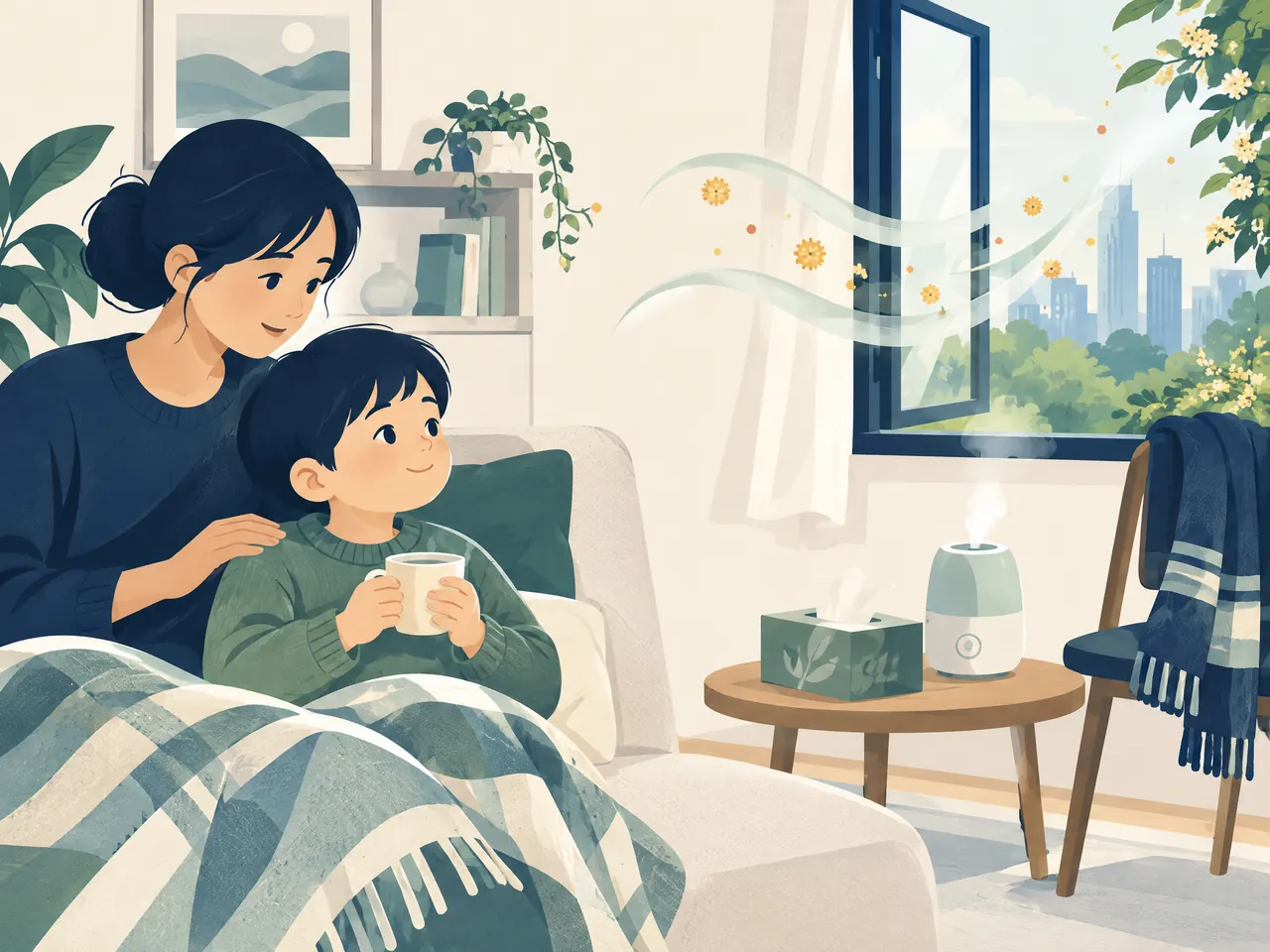
Chinese medicine for children: organising sleep, appetite, digestion and daily observations for a Chinese medicine consultation for children and Chinese medicine for infants children and adolescents
Keep observations practical. For sleep, note settling, waking, nightmares, snoring, daytime sleepiness and recent routine changes. For appetite, distinguish a brief reduction during illness from a longer change in interest in food, and note thirst, nausea, pain or food avoidance. For digestion, record the timing of bowel changes, abdominal discomfort, vomiting or bloating. A parent’s account, the child’s own words and examination each have a role.
Context can make a symptom clearer without making it diagnosable at home. Mention a new school term, travel, disrupted bedtimes, family infection, changed activity, constipation, new medicine or stressful event—and what has not changed. Parents may remember only the difficult day, so usual energy, meals and play also matter. For paediatric Chinese medicine Hong Kong, a dated one-page timeline, relevant photographs and a medication list are more useful than symptom matching online.
Chinese medicine for children: understanding posture, activity and development before a Chinese medicine consultation for children and Chinese medicine for infants children and adolescents
A parent may notice slouching, a rounded upper back, uneven shoulders, reluctance to join sport or tiredness after carrying a school bag. Describe, rather than conclude: when the change is visible, whether it followed sitting, growth, training or a fall, and whether there is discomfort. Also say what the child can still do—walk, run, use stairs, bend, dress and participate in school. This gives the consultation a clearer starting point than one photograph.
Do not minimise pain or function changes because a child is active. The Paediatric Orthopaedic Society of North America lists severe or worsening back pain, persistent pain, fever, night or rest pain, trouble walking, weakness, altered sensation, leg pain, and bowel or bladder changes as reasons for a doctor’s assessment [3]. These features, significant injury or clear deterioration need medical assessment before routine complementary-care discussion. See when should a child with back pain see a doctor.
Compare your options
| What to note | Examples of useful detail | Why it helps the consultation |
|---|---|---|
| Main concern and timing | When it began, how often it occurs, what makes it better or worse, and whether it is changing | Shows the course of the concern without asking parents to diagnose it |
| Sleep, eating and bowel habits | Night waking, appetite change, vomiting, discomfort, stool change or effect on daytime energy | Provides age-relevant daily context and flags changes that may need medical attention |
| Movement and posture | Pain, falls, sport, school-bag use, walking changes, limits on stairs or play | Helps distinguish an observation from signs that warrant a medical assessment |
| Health history and current care | Medicines, supplements, allergies, diagnoses, recent illness, tests and other clinicians involved | Supports safer discussion and avoids overlooking existing care |
| Questions and practical needs | Parent or guardian attendance, child’s worries, preferred location, records to bring and access needs | Makes it easier to plan a respectful, child-appropriate conversation |
On smaller screens, scroll the table sideways to compare all columns.
Chinese medicine for children: how age and symptoms shape a Chinese medicine consultation for children and Chinese medicine for infants children and adolescents
Age changes the questions and pace of a consultation. Babies may communicate through feeding, crying, sleep or alertness; a young child may point or show a change through play; an older child may explain timing, worries and school pressures. Parents can share what the child says without speaking over them. Use the child’s own words for pain, dizziness, fear, bowel discomfort or tiredness where possible. An assessment should make room for comfort, privacy and understanding.
Separate everyday support from an individual clinical recommendation. A family can review sleep opportunities, age-appropriate activity, a manageable school bag, fitting furniture, regular meals and breaks from long sitting. These are not a diagnosis or a substitute for evaluation. Herbal medicine, tui-na, acupuncture or another intervention requires individual assessment and parental or guardian consent. paediatrics in CM describes a service area; it does not promise that one approach suits every child.

Chinese medicine for children: age-appropriate assessment in a Chinese medicine consultation for children and Chinese medicine for infants children and adolescents
Tell the clinic the child’s age and main reason for enquiry. Bring current medicines, supplements and products, including occasional ones, and mention allergies or previous reactions. If there have been examinations, imaging, laboratory results, a hospital visit or advice from a GP or paediatrician, ask how to share relevant records. The aim is not to collect every document, but to avoid losing important information when more than one professional is involved.
Plan a less daunting visit. Explain that the child will be listened to and can say if something hurts, feels frightening or is unclear. Choose comfortable clothing if movement or posture may be observed, and bring a familiar item for a younger child if helpful. Do not present the visit as a test or punishment. An unwell or overtired child may not participate easily; acute symptoms need appropriate medical care rather than a routine appointment.
For adolescents, confidentiality and consent need an age-sensitive conversation. A parent or guardian remains involved in decisions for a minor, yet a teenager may better describe sleep loss, stress, menstrual concerns, eating, training or symptoms when heard respectfully. Encourage accurate answers, not pleasing ones. The purpose is to give the practitioner enough context to decide what needs assessment and whether another health service should be involved.
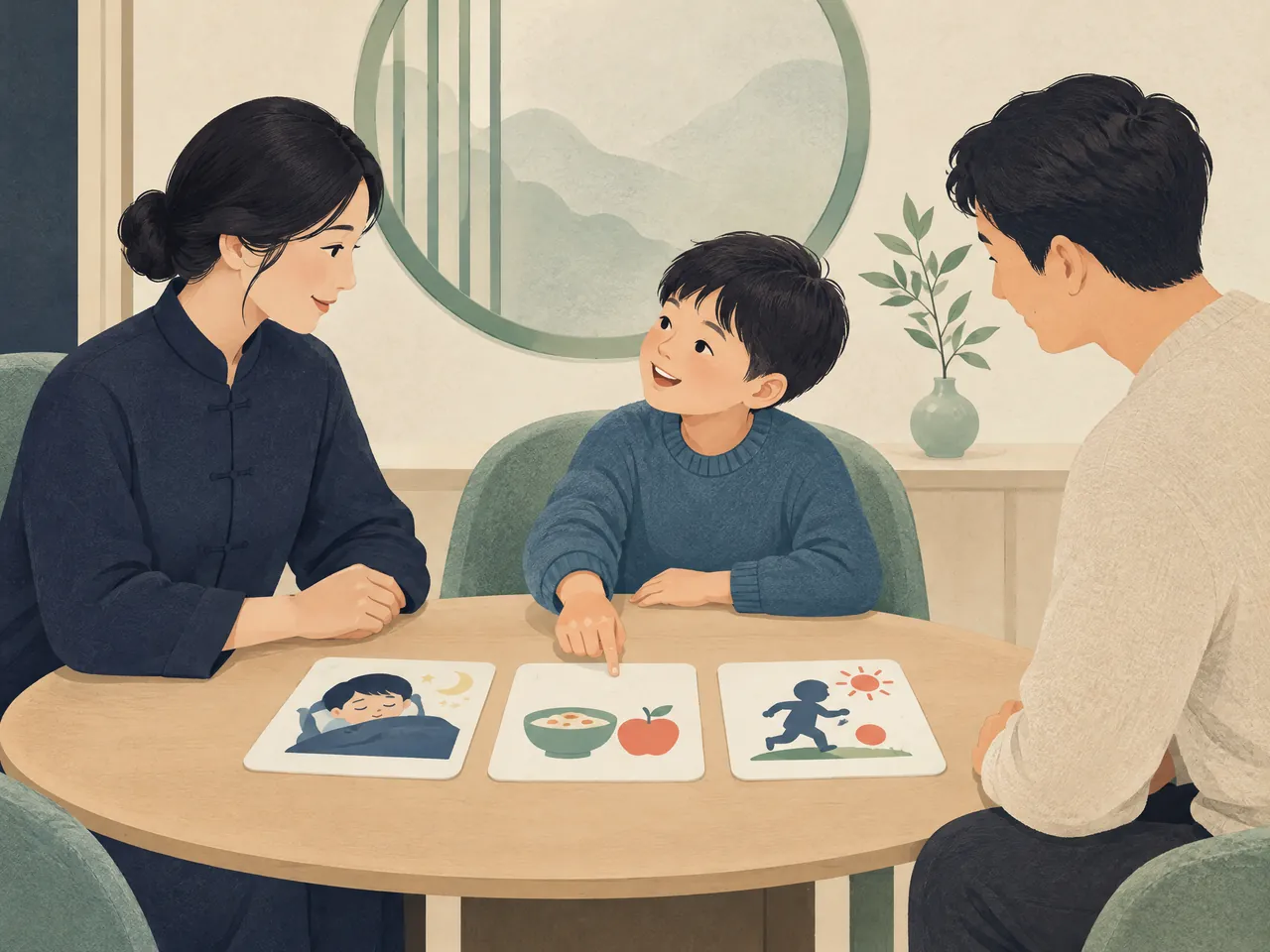
Chinese medicine for children: when a Chinese medicine consultation for children and Chinese medicine for infants children and adolescents may need prior medical assessment
Medical assessment comes first when a child may be seriously unwell or injured. The NHS lists breathing difficulty, blue, grey, pale or blotchy colour, a rash that does not fade when pressed, difficulty waking, seizure and poor drinking or urination as urgent warning signs for babies and young children [2]. Follow local urgent-care advice in Hong Kong if something seems seriously wrong; do not wait for a Chinese medicine appointment or try a home technique first.
Seek a prompt medical opinion after a significant fall or blow, with a new limp, refusal to use a limb, ongoing vomiting, marked dehydration, sudden neurological change, or pain that is severe, worsening or affects walking. Tell the medical team the timing, injury mechanism and behaviour change. For a persistent but less urgent concern, medical assessment may clarify whether examination, tests, monitoring or referral are needed before Chinese medicine follow-up is discussed.
Medical assessment does not mean rejecting Chinese medicine; it matches the order of care to immediate needs. A Registered Chinese Medicine Practitioner can consider history, development and current condition, but an online page cannot examine breathing, hydration, gait, neurological function or injury. Say openly if you are unsure which route is right. That is safer than assuming a symptom is minor because it happened before.
Chinese medicine for children: preparing for a Chinese medicine consultation for children and Chinese medicine for infants children and adolescents
A prepared enquiry need not be long. Give the child’s age, main concern, onset, whether it is worsening, prior medical assessment and regular or recent medicines. Say if it affects school, sport, sleep, eating, toileting, walking or family routines. The location pages for Chinese medicine clinic Prince Edward and Kwun Tong Chinese medicine clinic help with planning, but do not confirm an appointment.
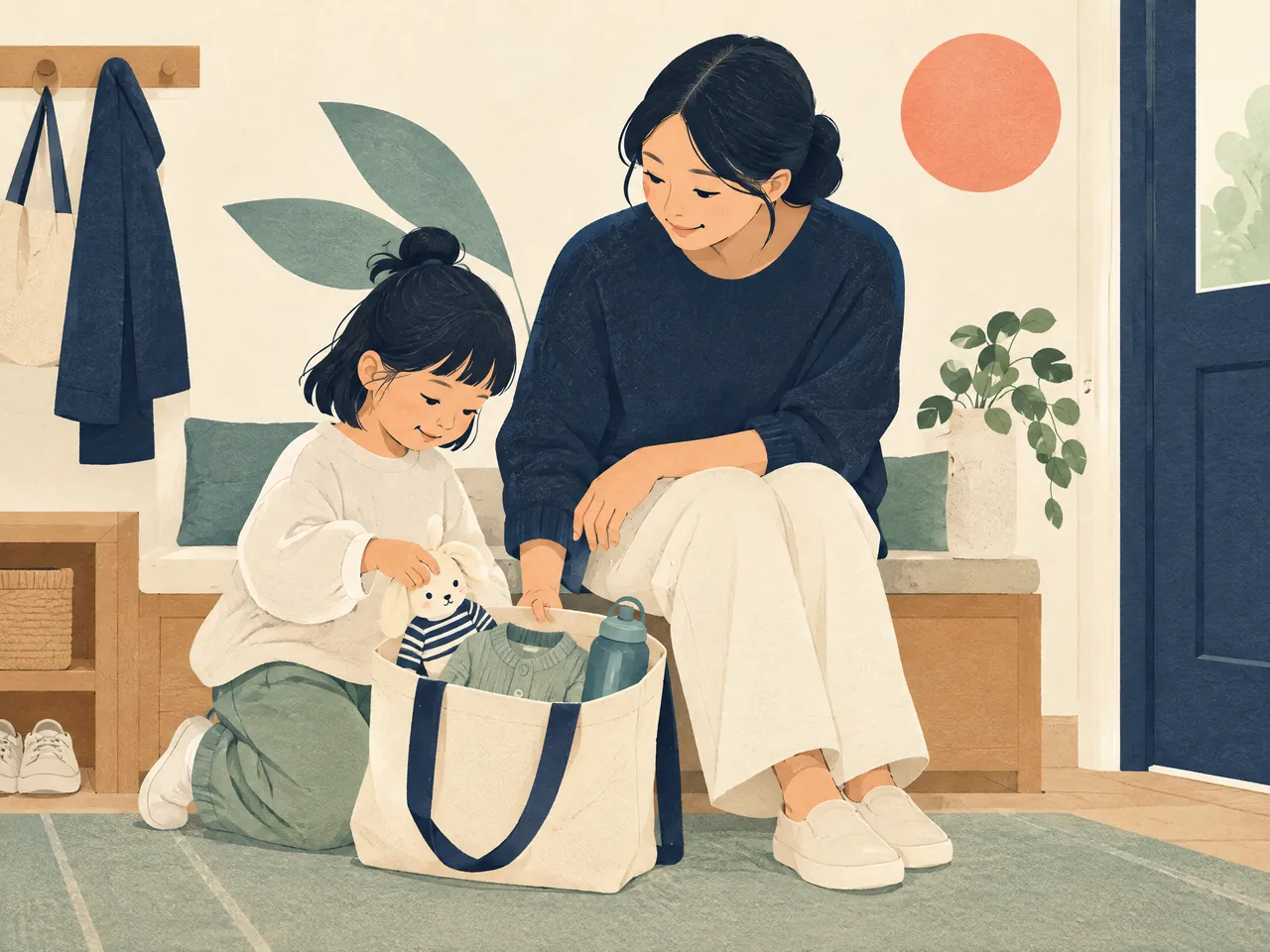
At the appointment, ask what information matters most, what the practitioner is considering, what needs another assessment, and which changes mean seeking medical help. Ask how suggested care would be explained, what to observe at home and when follow-up may be reviewed. The answer may be that no intervention should start yet. A useful consultation supports an informed decision rather than pressure to accept a fixed plan from a brief message.
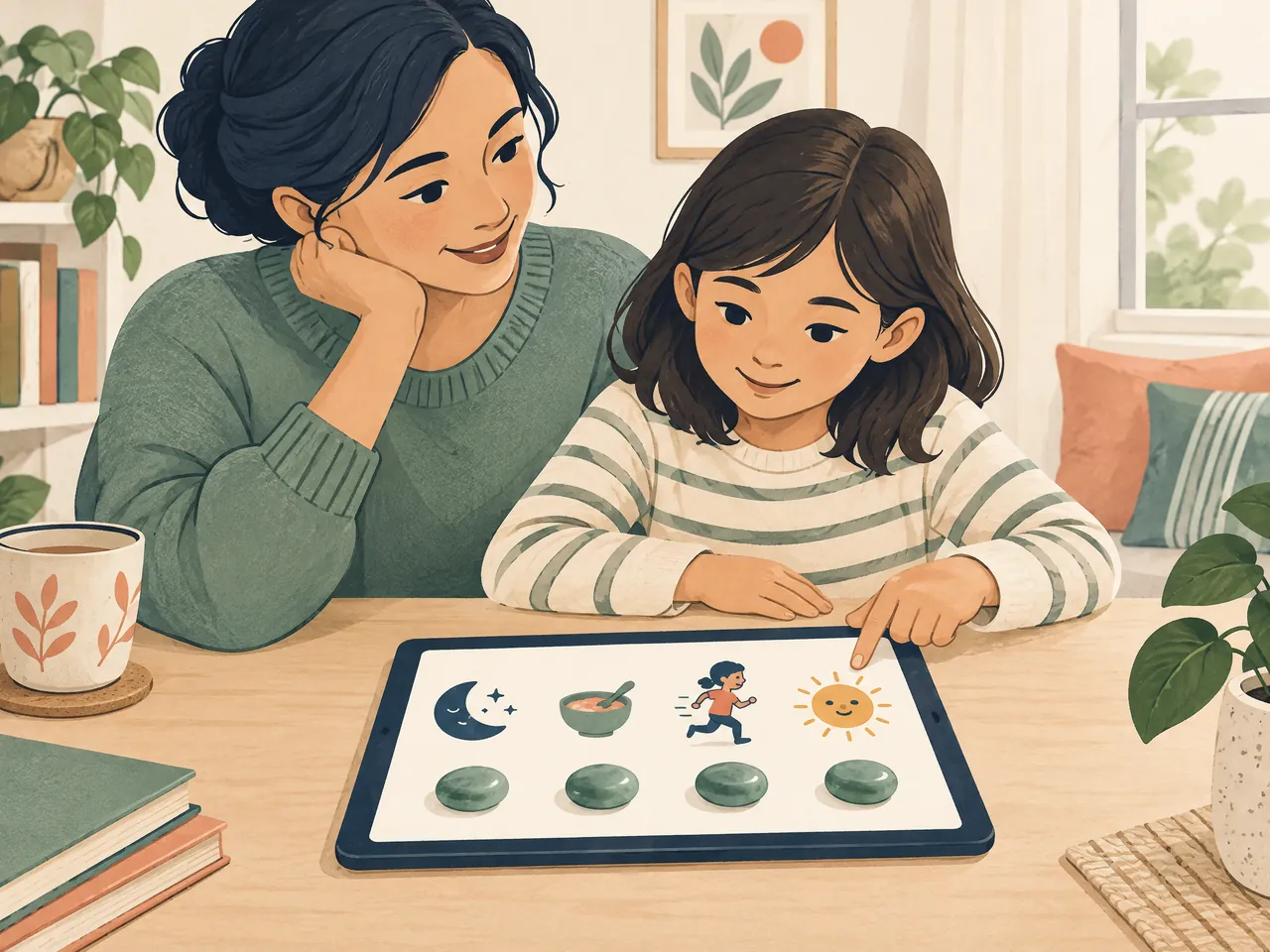
Chinese medicine for children: questions to bring to a Chinese medicine consultation for children and Chinese medicine for infants children and adolescents
Write questions before the visit. Ask: What details from our diary matter? Does this need medical assessment first or alongside this consultation? What is the aim of a suggested approach? What makes it unsuitable? What should I report after the visit? How will follow-up decisions be made? These questions focus the conversation on safety, uncertainty and next steps rather than a guaranteed outcome.
Describe everything the child uses: prescribed and over-the-counter medicines, supplements, creams, inhalers and herbs. Bring the container or label photo if the name is uncertain. Mention allergies, fainting, skin reactions, bleeding concerns, chronic conditions or treatment that was poorly tolerated. Do not stop prescribed medicine or change a medical plan because of an article or initial enquiry; discuss changes with the clinician responsible for that care.
If carers disagree about what they saw, bring both accounts. One may notice mornings and another evening fatigue or weekend sport. A teacher, coach or school nurse may have observations about participation, concentration or mobility. Keep the record to what happened, when and how often, rather than asking someone else to diagnose. This supports consistent communication across care settings.

Chinese medicine for children: everyday care and informed decisions for Chinese medicine consultation for children and Chinese medicine for infants children and adolescents
Everyday care should match what the child can manage. For posture, review desk, chair and screen height, vary long sitting and avoid blaming the child for body shape. For discomfort around activity, note the activity and timing rather than impose generic exercises. For sleep or appetite change, preserve a calm routine and keep the diary factual. These steps help a family describe a problem; they do not establish its cause or replace clinical advice.
Online demonstrations of paediatric massage points, herbs or treatment routines are not personal instructions. Pressure, frequency, ingredients and suitability can depend on age, symptoms, skin, injury history and other care. Do not copy a technique when there is pain, fever, injury or an unexplained change. Ask whether there is anything appropriate to do, what to avoid, and when to seek another assessment. Informed care means understanding a recommendation’s purpose and limits.
To ask TCM Lab about a consultation, WhatsApp +852 6940 5663 with the child’s age, main concern, preferred Prince Edward or Kwun Tong location, and access or language needs to check. A message opens an enquiry; it does not confirm an appointment, treatment or home visit. If travel is difficult, state the reason and district so arrangements can be discussed. For an introduction, read what is paediatric Chinese medicine.
Care and health guide
Health service information
This directory brings together services, reading, and visit information related to health services, to help you prepare questions for a consultation.
If you are organising health questions, Chinese medicine clinic Hong Kong is a starting point for learning about related services and preparing for a consultation.
People have different needs; acupuncture Hong Kong provides further reading to help you understand options in your own context.


Your questions, answered
Frequently asked questions
Is Chinese medicine for children suitable for every age?
Not automatically. Chinese medicine for infants, children and adolescents should be considered according to age, development, symptoms, current health, medicines and possible risks. An in-person discussion with a Registered Chinese Medicine Practitioner, with a parent or guardian involved, is needed before any individual intervention is considered.
Does a rounded back or posture change mean my child needs Chinese medicine?
No. A posture change can have different explanations and appearance alone cannot diagnose one. Record when it appeared and whether there is pain, injury, altered walking or a change in function. Severe, worsening or persistent pain, trouble walking, weakness, numbness, fever, night pain, or bowel or bladder changes require medical assessment.
What should I bring to a Chinese medicine consultation for children?
Bring a brief timeline, the child’s age, relevant reports or prior medical advice, a list of medicines and supplements, allergy information and notes on sleep, appetite, bowel habits, activity and daily impact. A parent or guardian should attend and can prepare questions about safety, purpose and next steps.
Can I try paediatric massage or herbs from the internet before the visit?
It is better not to treat online information as an individual instruction, particularly when a child has pain, fever, injury, a new symptom or regular medicines. Ask a practitioner after an in-person assessment what, if anything, is appropriate and what changes should prompt medical care.
Sources and further information
- [1] Hong Kong Health Bureau — Chinese Medicine Clinical Services
Referenced for: Official Hong Kong description of Paediatrics in CM, including growth, nutrition and general diseases across developmental stages.
- [2] NHS — When to get urgent medical help for babies and children under 5
Referenced for: Public-health signs that may indicate urgent illness in babies and young children; local urgent-care advice should be followed in Hong Kong.
- [3] Paediatric Orthopaedic Society of North America — Back Pain in Children
Referenced for: Parent education on back-pain warning signs, posture and gait observations, and reasons to seek medical assessment.