
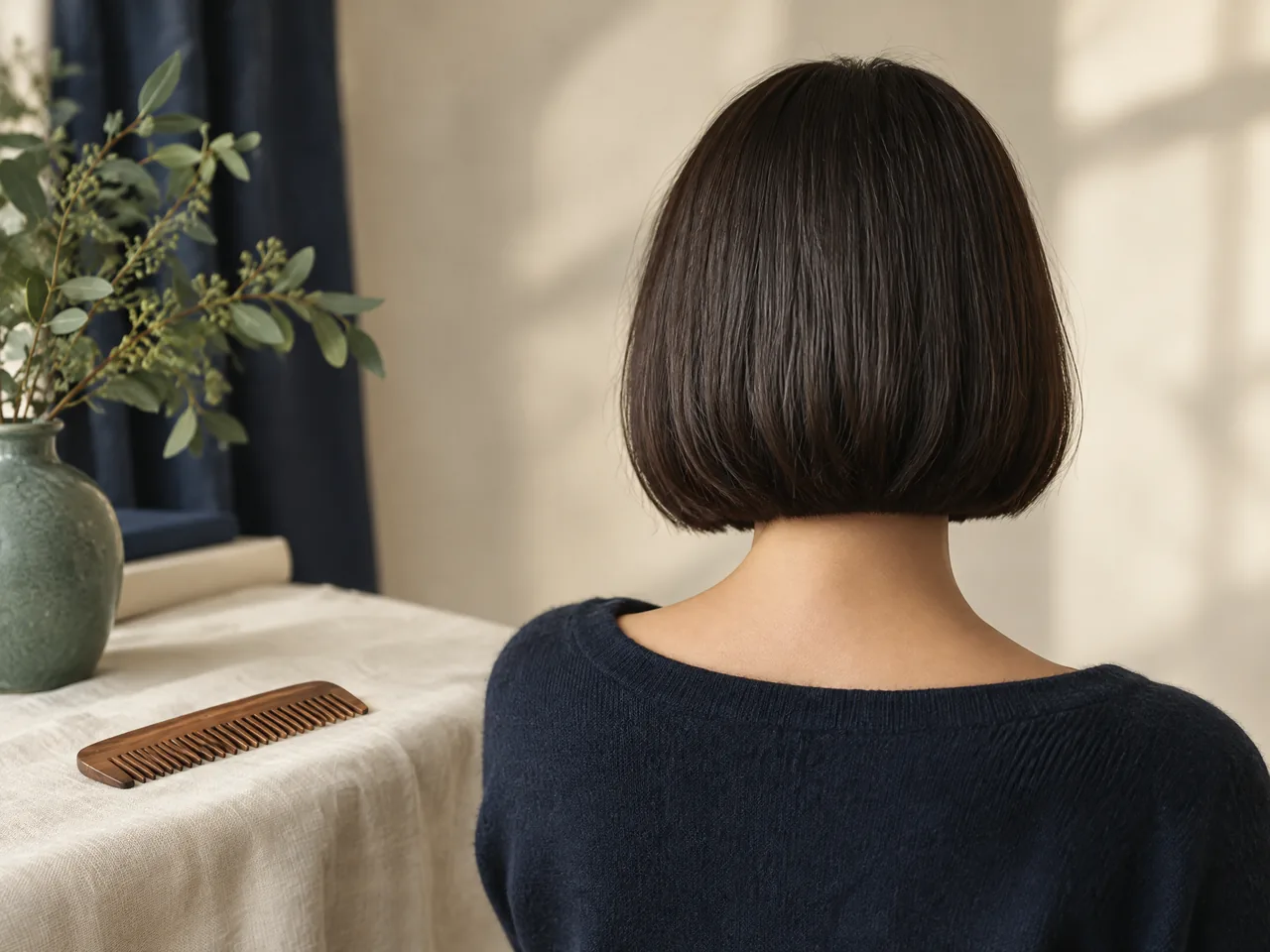
Make a length note traceable to its photograph
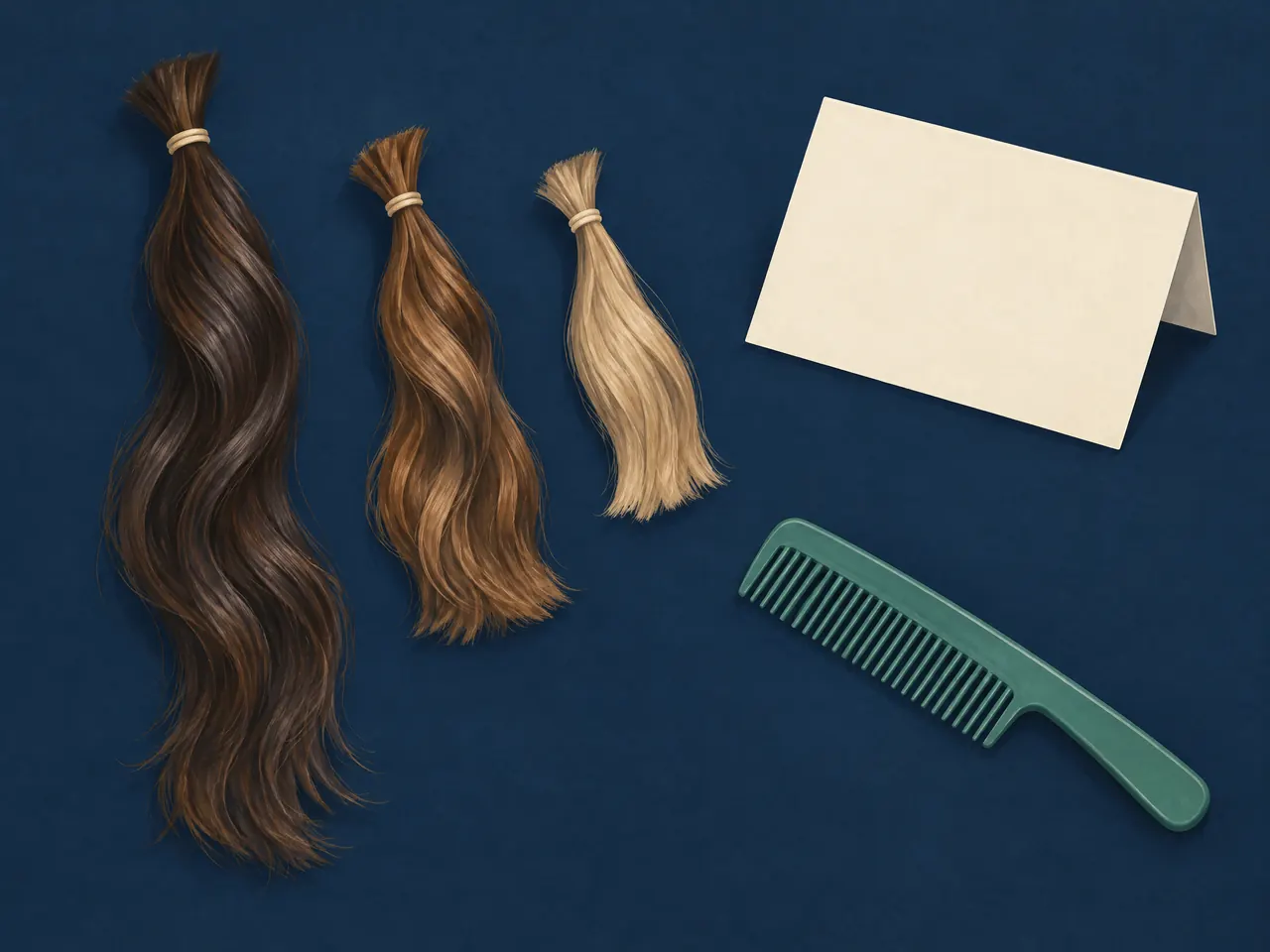
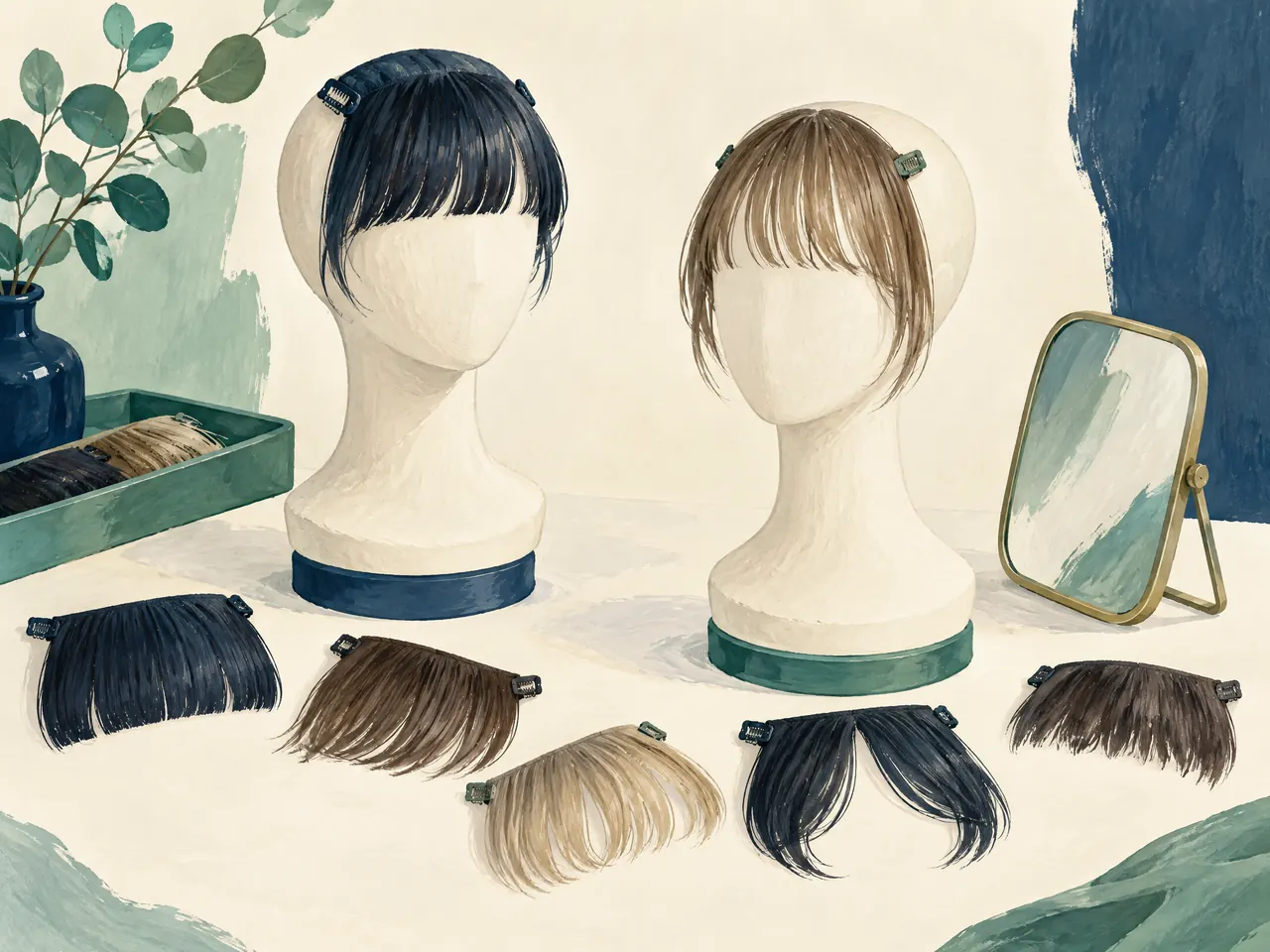
Give each selected image a short label, such as ‘first home wash, front’, and use that label in the matching note. Describe a front piece in its usual resting position before describing what you want changed. For example: ‘In the front photo, the end sits beside my cheek when loose; in the tied-back photo, it falls forward.’ A simple length reference can help explain the distinction, but a practice tress cannot establish how that length would sit on your own head.
Keep the observation separate from the request. ‘It falls forward during lunch’ describes what happened; ‘I want it to reach my loose tie-back’ identifies a priority. If you also like wearing that piece loose, include a second photograph showing that preference. This gives the stylist two uses to discuss rather than a demand to copy an isolated fringe image. Note which use matters more if the preferences cannot both be met.
Use a routine key instead of rewriting every wash day
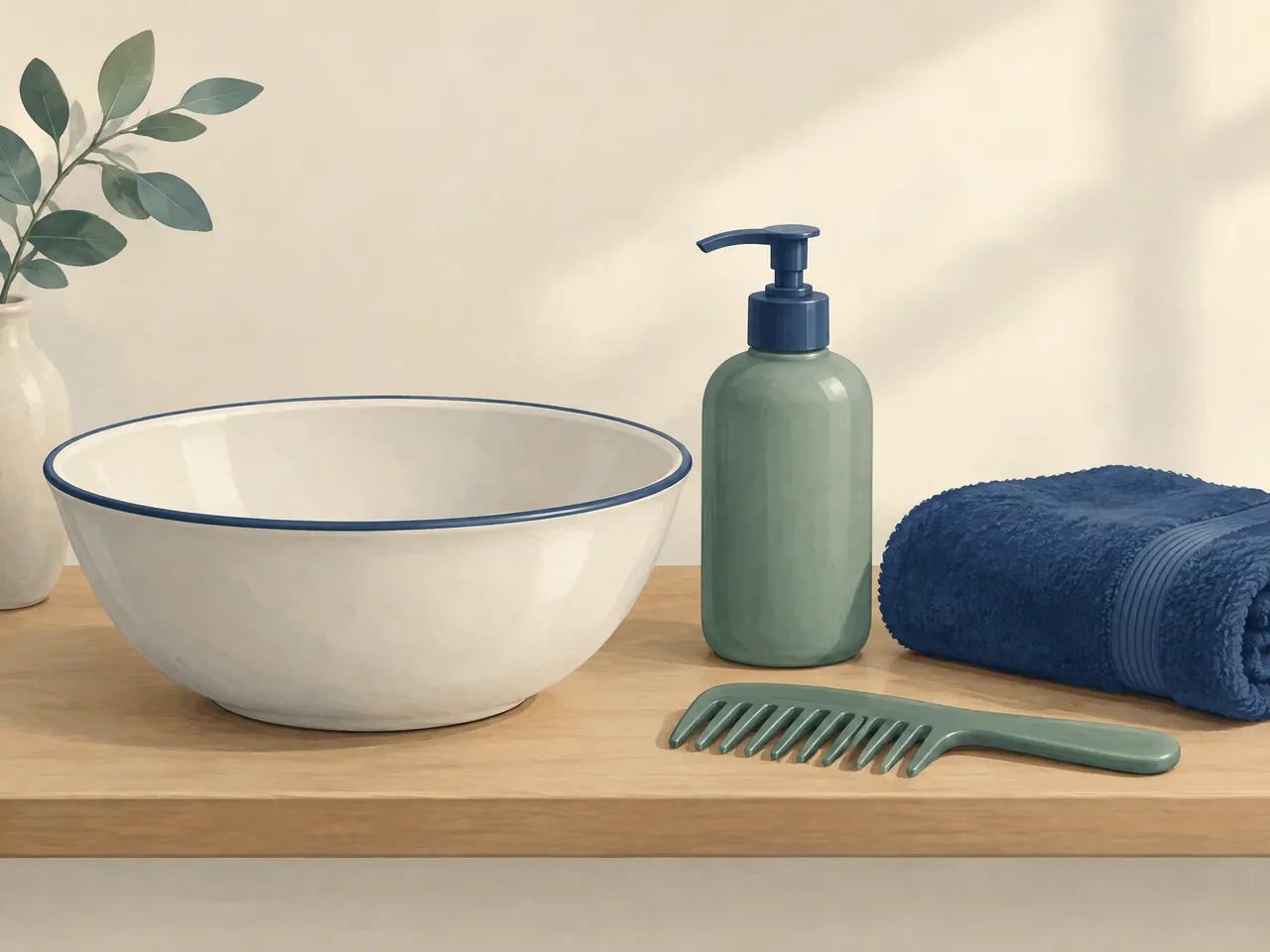
Write your usual wash-and-dry routine once at the start of the haircut record, then give it a short name such as ‘usual home routine’. Include the products and handling steps you actually used, not an intended routine. Later entries can refer to that name and describe only a change. If you cannot remember whether a photograph followed a wash or a small next-day reset, label that detail as unknown rather than assigning it to the baseline.
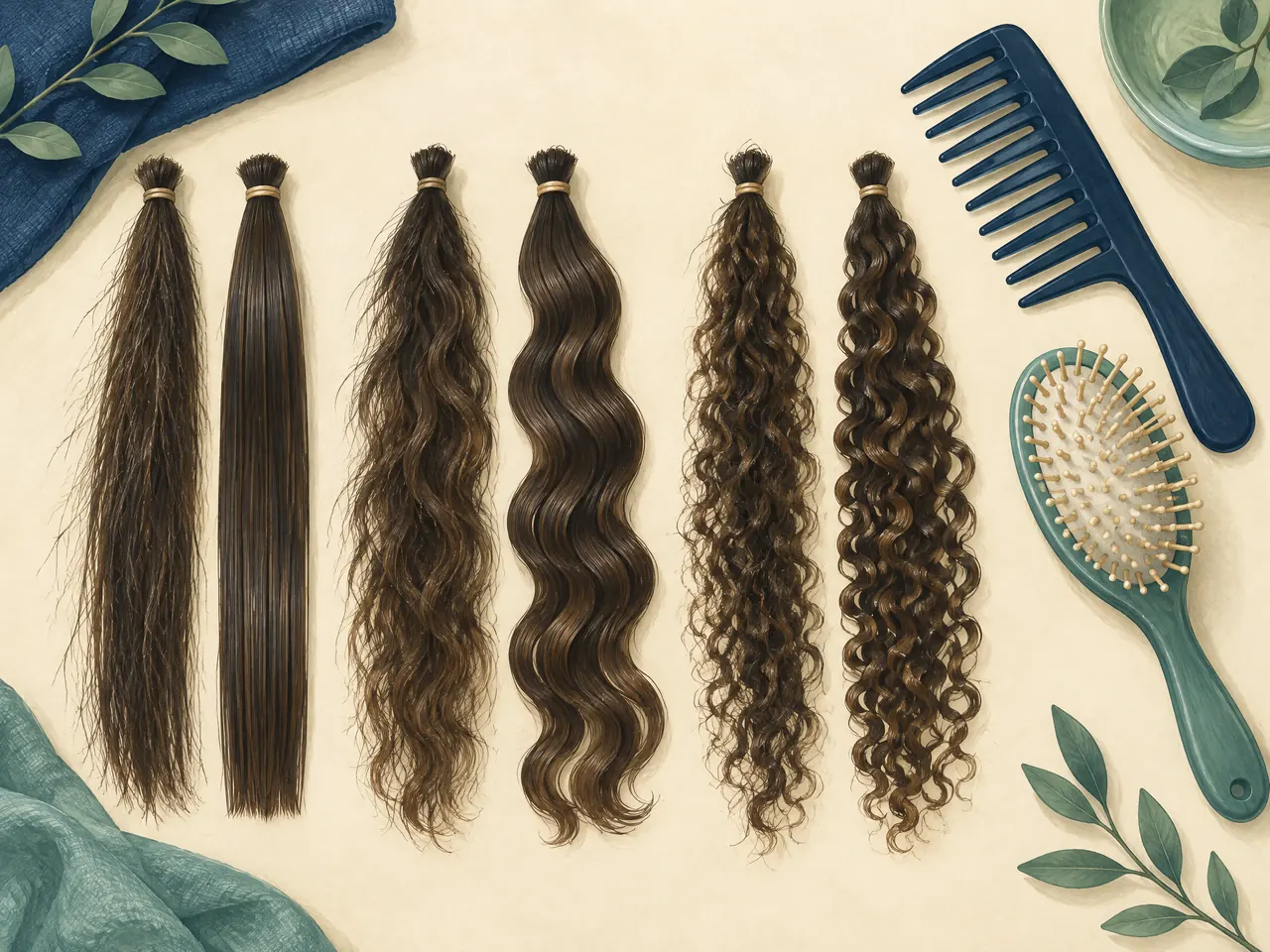
Include when you detangle and whether the hair is damp or dry at that point. The AAD distinguishes gentle combing approaches for straight and curly hair, so a handling note makes the comparison more informative than ‘used a comb’. Keep appropriate conditioner and gentle handling; the record is not a reason to brush out your texture for a supposedly clearer picture. If your routine changes, start a new labelled comparison rather than treating the old and new photographs as equivalent. [1]
Record the styling step you could not reproduce
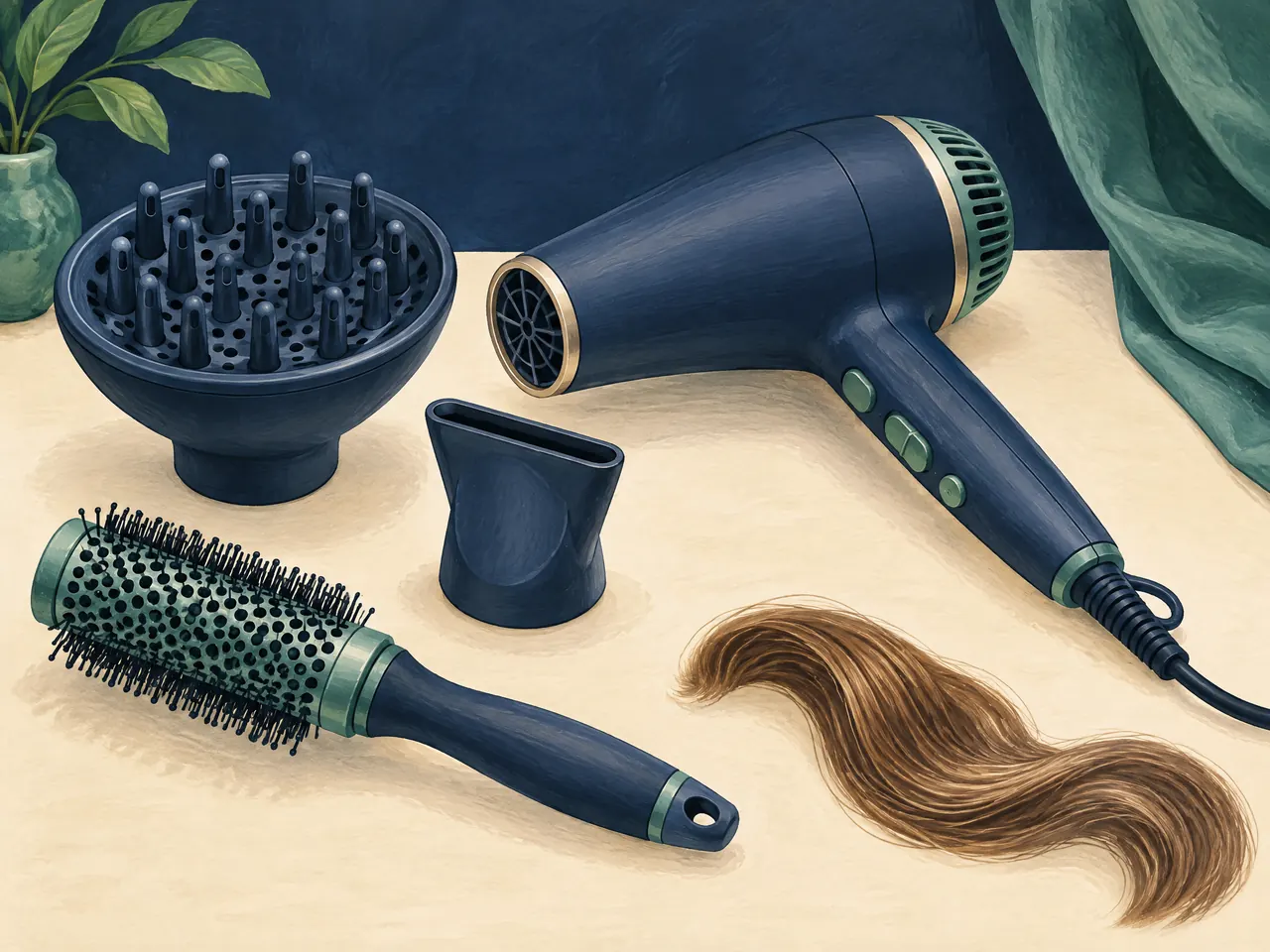
When the salon finish differs from your home result, identify the step you remember least clearly. Was an attachment used? Did the stylist work on the front separately, or use a brush where you normally use fingers? Record what you saw and mark anything uncertain as a question. You do not need to identify a tool from its appearance or buy matching equipment to make the record useful.
Describe the specific difficulty: ‘I could arrange the sides, but could not coordinate the brush and dryer at the back.’ Ask which step creates the finish you prefer and whether it can be demonstrated with the tools you already use. Keep an unsuccessful attempt in the notes without repeatedly adding heat for the sake of a photograph; AAD advice supports limiting heat exposure. A technique you cannot comfortably repeat belongs in the next conversation, not in a hidden assumption about daily effort. [1]
Turn mixed observations into a focused question
If your notes seem to disagree, check what each one actually describes. ‘The ends sit neatly after drying’ and ‘they turn out after my jacket is on’ can both be accurate. Keep the timing and clothing context beside each image rather than averaging the two into ‘the shape is unreliable’. This lets you explain when the change appears without claiming that the collar, the weather or the cut has been proven to cause it.
Bring one uncertainty with your keep-and-change request: ‘Could we discuss the ends shown before and after my commute, while keeping the side coverage I liked?’ After the next visit, start a fresh dated entry and note which preference was discussed. Retain the earlier record for comparison, but do not label the new cut a success or failure simply because it differs from an old image. The useful comparison is whether the particular everyday problem has changed under a routine you recognise.