
TCM Lab · Health reading
Low Back Pain Chinese Medicine or Doctor? Back Pain Doctor or Physiotherapist and Low Back Pain Assessment
Published Updated
When your lower back starts interrupting a commute, sleep, lifting at work, or a child’s pickup, the choice is rarely as simple as low back pain Chinese medicine or doctor care. A safe low back pain assessment begins by separating urgent warning signs from pain that can be assessed in a planned appointment. A back pain doctor or physiotherapist can have different but complementary roles: one may investigate medical causes and coordinate care, while the other can examine movement and help rebuild confidence with activity. Chinese medicine can be discussed as a supportive option after the right safety questions have been asked. The detail that matters most is the pattern of your symptoms, not a self-diagnosis from one painful day.
Appointments are confirmed through WhatsApp. If you have language requirements, please mention them in your enquiry.
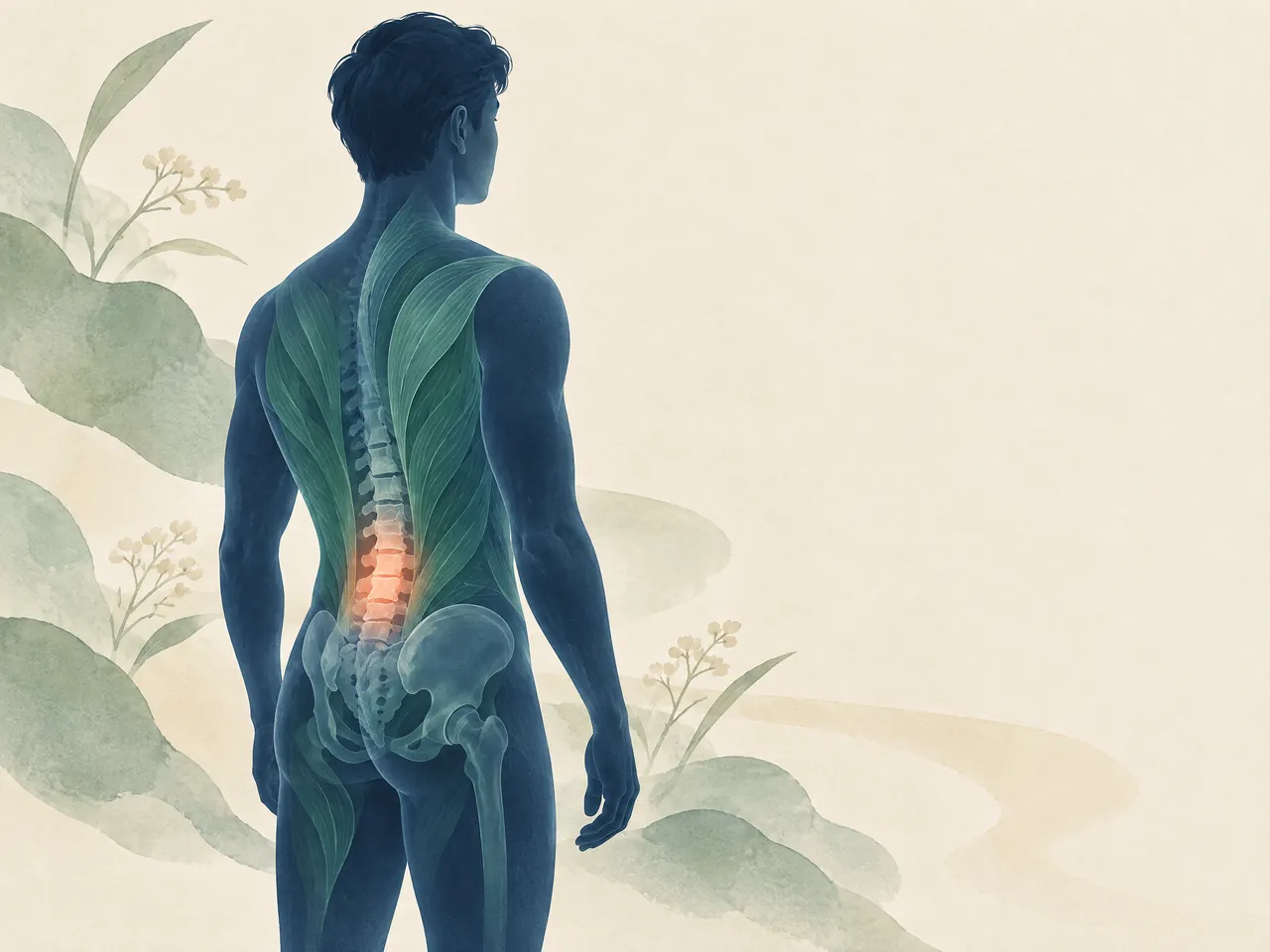
The short answer
Choose urgent medical care first for back pain with new or worsening weakness in both legs, numbness around the genitals or anus, bladder or bowel changes, chest pain, fever or feeling very unwell, major trauma, or rapid deterioration. Without these signs, a doctor or physiotherapist can start a low back pain assessment; Chinese medicine may be discussed as a complementary option after assessment. Record the pain pattern, leg symptoms, daily limits and medicines so the next clinician has a clear starting point.
Transparent pricing
See the fees.
Choose your care.
Explore our complete official price list, including first-trial prices, regular prices, packages and branch-specific options.
Opening WhatsApp prepares an enquiry; it does not send a message, take payment or confirm an appointment. Suitability and individual arrangements are confirmed during consultation.
Pain care
All prices in HKDExtracorporeal shockwave treatment
Shockwave treatment for deep-tissue and fascial care. The Kwun Tong clinic offers the multi-area options shown below.
Priced by branch
Branch-specific pricing
Prince Edward: HK$250 per area
Kwun Tong: HK$250 for 1 area / HK$450 for 2 areas / HK$600 for 3 areas
Pain care (manual therapy)
Includes Chinese medicine musculoskeletal assessment, manual joint techniques and tui na.
HK$580 (single session)
Chinese medicine musculoskeletal assessment
Pain care (acupuncture and manual therapy)
Combines acupuncture and manual therapy.
HK$680 (single session)
Combined care
Hair and scalp
All prices in HKDScalp health and hair-loss management
Includes AI scalp analysis, deep scalp and follicle cleansing, and scalp oil-control care.
HK$380 (first trial)
Regular price: HK$680
- 6 sessions: HK$3,480 (HK$580 per session)
- 12 sessions: HK$5,760 (HK$480 per session)
- 20 sessions: HK$8,600 (HK$430 per session)
- 30 sessions: HK$11,400 (HK$380 per session)
Hair acupuncture and Chinese herbal medicine package
Includes scalp acupuncture and 3 days of Chinese herbal medicine that does not require decoction.
HK$580 (single session)
Registered Chinese Medicine Practitioner consultation
- 6 sessions: HK$3,180 (HK$530 per session)
- 12 sessions: HK$5,760 (HK$480 per session)
- 20 sessions: HK$8,600 (HK$430 per session)
- 30 sessions: HK$11,400 (HK$380 per session)
Combined hair and scalp treatment
Combines acupuncture and Chinese herbal medicine with salon-level scalp and follicle care. Packages include complimentary hair-care shampoo and serum.
HK$1,260 (single session)
Combined treatment
- 8 sessions: HK$8,640 (HK$1,080 per session)
- 16 sessions: HK$15,680 (HK$980 per session)
- 20 sessions: HK$18,600 (HK$930 per session)
- 30 sessions: HK$26,400 (HK$880 per session)
Weight management
All prices in HKDFull-body acupoint embedding for weight management
Includes full-body acupoint embedding. Packages include complimentary Chinese herbal medicine for weight management, with the number of included days scaled to the package. Embedding material and the individual treatment arrangement are confirmed during consultation; this is not a cosmetic thread lift.
HK$980 (single session)
No trial session
- 10 sessions: HK$7,800 (HK$780 per session)
- 20 sessions: HK$14,600 (HK$730 per session)
- 30 sessions: HK$20,400 (HK$680 per session)
Facial acupuncture
All prices in HKDFacial acupuncture (basic)
Includes facial acupuncture and meridian-based facial care, including care for facial puffiness.
HK$480 (first trial)
Regular price: HK$680
- 10 sessions: HK$5,200 (HK$520 per session)
- 20 sessions: HK$9,600 (HK$480 per session)
- 30 sessions: HK$13,500 (HK$450 per session)
Facial acupuncture (advanced)
Includes enhanced facial acupuncture with a specially formulated moisturising mask and serum.
HK$780 (first trial)
Regular price: HK$1,180
- 10 sessions: HK$9,000 (HK$900 per session)
- 20 sessions: HK$16,600 (HK$830 per session)
- 30 sessions: HK$23,400 (HK$780 per session)
Chinese medicine
All prices in HKDAcupuncture and Chinese herbal medicine package
Includes a Chinese medicine consultation with pulse assessment, body acupuncture and 3 days of Chinese herbal granules that do not require decoction.
HK$580 (single session)
Chinese medicine consultation with pulse assessment
low back pain Chinese medicine or doctor; back pain doctor or physiotherapist; low back pain assessment: How to Begin Safely
Low back pain is common, but the experience varies. It may be an ache or spasm centred in the lower back, or it may travel into the buttock or leg. A strained muscle, prolonged posture, disc-related symptoms and several other conditions can be part of the picture; sometimes there is no single obvious cause. That is why the first question is not simply whether one approach is better than another. Ask whether there is anything that makes waiting unsafe, then describe what the pain is doing to ordinary life. The NHS notes that back pain can have many causes and is not always clearly explained by one cause [1]. A low back pain assessment uses the story, examination and relevant context to decide what should happen next; it is not a promise that every pain needs a scan or one named treatment.
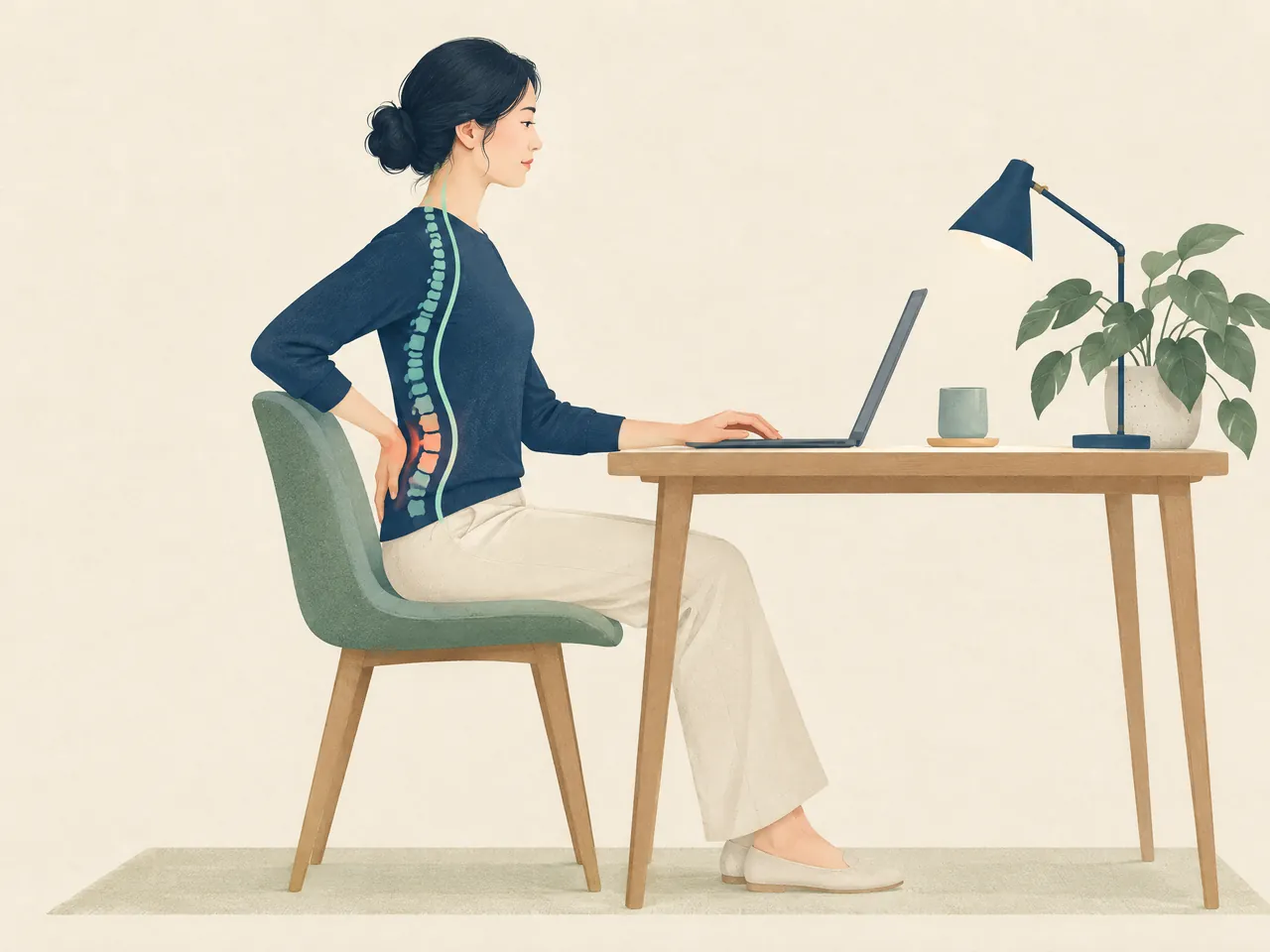
Start with enough detail to make the next conversation useful. Is the pain new after lifting a suitcase, slowly building during long desk days, or returning after an older episode? Does coughing, sitting, bending, standing, walking, turning in bed or a particular transfer make it sharper? A person whose back feels stiff after a long MTR journey may need a different discussion from someone whose pain began after a fall. If pain travels toward the foot, note the route and any altered sensation rather than assuming that every leg symptom has the same cause. The Hospital Authority describes low back pain as involving tissues around the lumbosacral region and notes that pain may radiate to the buttocks and backs of the thighs [3].
low back pain Chinese medicine or doctor; back pain doctor or physiotherapist; low back pain assessment: What to Record
A short symptom record makes an appointment more productive. Note when the episode started; whether the onset was sudden or gradual; where the pain sits; and whether it feels dull, sharp, burning, cramping or like a catch with movement. Give a simple description of severity in your own words and, more importantly, name the task it prevents: getting out of a chair, putting on socks, driving, sleeping, carrying groceries or working a shift. Record what has helped or aggravated it, including rest, walking, heat, cold, prescribed medicines, over-the-counter products, massage, exercise or previous therapy. Bring the names of medicines and supplements rather than guessing at them, especially if you are considering any additional treatment. Include past back surgery, injury, scans, diagnoses and reports if you have them. This is information for assessment, not a test you must complete perfectly.

low back pain Chinese medicine or doctor; back pain doctor or physiotherapist; low back pain assessment: When to Seek Help
Do not wait for a routine consultation if back pain comes with pain, tingling, weakness or numbness in both legs; loss of sensation around the genitals or anus; or a change in bladder or bowel control. Chest pain or pain after a serious accident also needs emergency action. Seek urgent medical advice if severe pain starts suddenly, symptoms are worsening quickly, or you feel hot, cold, shivery or generally unwell with the back pain [1]. Fever of unknown origin, marked unintentional weight loss, urinary retention and persistent numbness or weakness are also features the Hospital Authority says warrant medical attention [3]. For a practical reminder of escalation questions, read When should I go to A&E for back pain?. If you are unsure whether a symptom is urgent, err toward prompt qualified medical advice rather than trying to sort it out through self-treatment.
Compare your options
| Situation | Reasonable first contact | What the assessment can clarify | A useful question to ask |
|---|---|---|---|
| New back pain without warning signs, but daily movement is difficult | Doctor or physiotherapist, depending on local access and medical history | Pain pattern, movement limits, likely need for medical review and a safe activity plan | What should I keep doing, modify or stop while we assess this? |
| Pain after a significant accident, with fever or feeling unwell, or worsening quickly | Urgent medical assessment | Whether trauma, infection or another serious cause needs prompt investigation | Do I need emergency care now rather than a routine appointment? |
| New weakness, numbness in both legs, saddle numbness, or bladder or bowel change | Emergency medical care | Possible serious nerve involvement and the need for immediate action | What is the fastest safe route to emergency assessment? |
| Persistent pain where serious causes have been assessed and function needs rebuilding | Physiotherapy, with doctor follow-up as needed | Movement tolerance, goals, pacing and a progressive rehabilitation plan | How can I return to work, walking or exercise without a boom-and-bust pattern? |
| Interest in a complementary approach after safety screening | Chinese medicine consultation alongside appropriate medical or rehabilitation care | Whether a traditional consultation or acupuncture discussion is appropriate and what information matters | What is the intended role of this option, and when should I seek medical review? |
On smaller screens, scroll the table sideways to compare all columns.
low back pain Chinese medicine or doctor; back pain doctor or physiotherapist; low back pain assessment: Choosing the Next Step
Once urgent warning signs have been excluded, choosing between a back pain doctor or physiotherapist is often about the question you need answered. A doctor can review the history, check for signs of a specific medical cause, consider whether medication, tests or referral are appropriate, and coordinate care when other health conditions matter. A physiotherapist commonly focuses on how you move, what loads provoke symptoms, where strength or confidence has changed, and how to return to valued tasks progressively. These roles can overlap and work together; attending one does not rule out the other. NICE advises clinicians to consider alternative diagnoses, particularly with new or changed symptoms, and to exclude specific causes such as cancer, infection, trauma or inflammatory disease when indicated [2]. The best route is therefore based on the pattern, not on a label such as “simple strain.”
Imaging is a common worry, but it is not automatically the first step in every low back pain assessment. NICE says not to routinely offer imaging in a non-specialist setting for low back pain with or without sciatica, and says specialist imaging should be considered only when the result is likely to change management [2]. This does not mean a clinician is dismissing your pain. It means the history and examination help decide whether a scan is likely to answer a question that changes care. Ask openly what the examination is looking for, what would trigger referral, and what you should report while waiting. Clear follow-up instructions are more useful than either demanding a scan or assuming none will ever be needed.
low back pain Chinese medicine or doctor; back pain doctor or physiotherapist; low back pain assessment: Doctor-First Warning Signs
Put a doctor first when the pain follows a significant injury, is accompanied by systemic illness or unexplained weight change, is steadily worsening, is severe at night, or is making day-to-day function increasingly difficult. New nerve-related changes deserve particular attention: report a foot that is catching, a leg that feels weaker, spreading numbness, altered balance or a meaningful change in walking. Do not use an online article to decide that a symptom is “only sciatica.” A clinician may check sensation, strength, reflexes and other findings, then decide whether conservative care, monitoring, tests or specialist input make sense. Tell them about cancer history, immune suppression, osteoporosis risk, recent infection and medicines as well as back symptoms. A doctor-first assessment is also sensible when the cause is unclear and you need help weighing pain relief, work restrictions or the safety of your current medicines.
low back pain Chinese medicine or doctor; back pain doctor or physiotherapist; low back pain assessment: Rehabilitation After Assessment
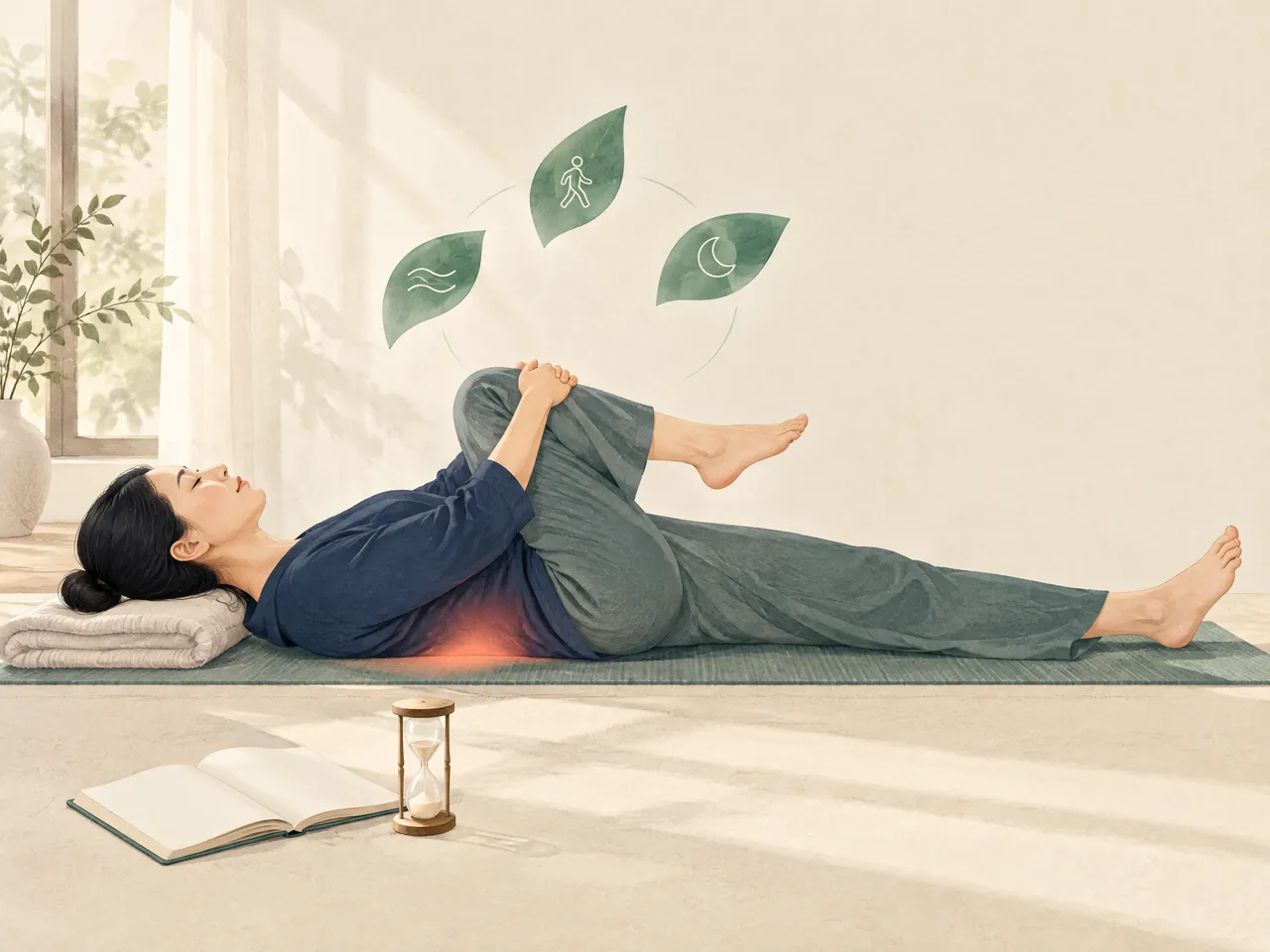
For many non-urgent episodes, rehabilitation is less about finding a flawless posture and more about restoring tolerable movement step by step. A physiotherapist can assess the activities you need to return to and tailor exercise, pacing and load changes to your abilities. The aim may be walking a little farther, managing a sit-to-stand more easily, returning to stairs or gradually resuming sport or manual work; the plan should be adjusted if symptoms meaningfully worsen. General guidance supports continuing normal activities as able rather than staying in bed for long periods [1], and NICE includes encouragement to continue normal activity in self-management advice [2]. For practical pacing ideas, see acute lower back pain home care and Should I rest in bed with low back pain?. Stop an activity and seek advice if it brings on severe or concerning symptoms rather than pushing through a warning sign.
low back pain Chinese medicine or doctor; back pain doctor or physiotherapist; low back pain assessment: Understanding Supportive Options
Supportive options should fit around, not obscure, a sensible low back pain assessment. Some people ask about Chinese medicine because they want a longer conversation about the quality of pain, sleep, digestion, stress, activity and what has already been tried. Others are looking for a non-drug option while they continue rehabilitation. Those preferences are valid topics for discussion once urgent problems have been screened for. They do not establish a diagnosis, prove the source of pain or make a planned medical review unnecessary. A useful consultation states its aim plainly: what information is being gathered, what can be considered, what may need medical review, and what changes should prompt earlier help. If muscle tension is part of your experience, the guide to lower back pain muscle stiffness can help you describe that pattern without assuming it is the whole explanation.
Day-to-day comfort measures can also be modest and specific. The NHS suggests a wrapped ice pack for pain and swelling and a wrapped heat pack for joint stiffness or muscle spasm; both should be used in a way that protects the skin and stopped if they worsen symptoms [1]. A short, comfortable walk, changing position before pain builds, or breaking a task into lighter parts may be more realistic than a rigid routine. Avoid turning general advice into a challenge to endure severe pain. The right next step changes when the pain changes, when leg symptoms appear, or when the plan is not helping you function.

low back pain Chinese medicine or doctor; back pain doctor or physiotherapist; low back pain assessment: A Traditional Consultation
In a Chinese medicine consultation, the practitioner may ask about the onset and character of the back pain, the effect of weather, rest and activity, and broader features such as sleep, appetite, digestion and energy. Observation, listening, questioning and palpation are used within a traditional pattern-identification approach. Terms such as cold-dampness, qi stagnation or kidney deficiency belong to that traditional approach; they are not interchangeable with a modern medical diagnosis, scan finding or an emergency assessment. Be direct about any diagnosis already given, recent tests, pregnancy, skin problems, bleeding concerns and every medicine or supplement you use. A careful discussion can identify when Chinese medicine is being explored as support and when it is more appropriate to return to a doctor or physiotherapist. It should not promise that a particular number of visits will cure a disc problem, nerve compression or every recurring episode.

low back pain Chinese medicine or doctor; back pain doctor or physiotherapist; low back pain assessment: Acupuncture and Self-Care
Acupuncture is sometimes discussed for back pain, but it is best treated as a considered option rather than a guaranteed fix. Guidance is not uniform: NICE recommends against offering acupuncture for low back pain with or without sciatica [2], while the U.S. National Center for Complementary and Integrative Health says research suggests acupuncture may be helpful for several pain conditions, including back or neck pain, and notes that the difference from no treatment can be larger than the difference from sham acupuncture [4]. This difference is a reason to ask what the proposed aim is, how it fits with exercise or medical care, and how benefit and tolerance will be reviewed. Tell the practitioner about pregnancy, bleeding disorders or medicines that affect bleeding, implanted electrical devices, fainting with needles, and infection or broken skin near the area. NCCIH warns that nonsterile needles or improper delivery can cause serious adverse effects [4]. For a non-urgent discussion at TCM Lab, you can review the Chinese medicine clinic price list Hong Kong, then enquire about a consultation at the Kwun Tong Chinese medicine clinic or Chinese medicine clinic Prince Edward that suits your travel plan.
Care and health guide
Low back discomfort: care information
This directory brings together services, reading, and visit information related to low back discomfort, to help you prepare questions for a consultation.
When low back discomfort affects your day, noting when it occurs, its relation to activity, and what you have already tried can help prepare a consultation; acupuncture for low back pain is a relevant service or reading entry point.
Individual circumstances differ, and acupuncture Hong Kong offers related information to help you understand options and prepare questions.


Your questions, answered
Frequently asked questions
How do I choose between low back pain Chinese medicine or doctor care?
Choose urgent medical care for neurological symptoms, bladder or bowel changes, saddle numbness, fever or feeling unwell, chest pain, major trauma or rapid worsening. When those concerns are absent, a doctor can assess possible medical causes and a physiotherapist can assess movement and rehabilitation needs. Chinese medicine can be discussed as a complementary option after an appropriate assessment, not instead of urgent care.
Should I see a back pain doctor or physiotherapist first?
A doctor should be prioritised when pain follows significant trauma, comes with systemic symptoms, is worsening or involves new weakness, numbness or changes in bladder or bowel function. A physiotherapist can be a suitable first contact for non-urgent symptoms that mainly limit movement and daily activity. Your history, access to care and any change in symptoms can alter the order.
What happens during a low back pain assessment?
The clinician will usually ask when and how pain began, what it feels like, whether it travels into the legs, what aggravates or eases it, and how it affects sleep, work and movement. They may examine movement, strength, sensation and other relevant findings. Imaging is not routine for every episode; it is considered when it is likely to change management.
Is acupuncture effective for low back pain?
Evidence and guideline recommendations differ. NICE recommends against acupuncture for low back pain and sciatica, while NCCIH says research suggests acupuncture may help some pain conditions, including back pain. Discuss it as a supportive option after assessment, with a clear aim, safety screening and continued attention to medical or rehabilitation needs. It is not a guaranteed cure.
Should I stay in bed when my lower back hurts?
Long periods in bed are generally not advised for uncomplicated back pain. NHS and NICE guidance encourages continuing normal activity as able, with adjustments based on symptoms. Short, tolerable movement and gradual return to ordinary tasks are often more useful than complete rest. Stop and seek advice if activity causes severe pain or concerning neurological or systemic symptoms.
Sources and further information
- [1] NHS — Back pain
Referenced for: Official patient guidance on back-pain causes, urgent symptoms, emergency symptoms, staying active, avoiding prolonged bed rest, and heat or ice packs.
- [2] NICE — Low back pain and sciatica in over 16s: assessment and management
Referenced for: Clinical guideline supporting assessment for alternative diagnoses, appropriate use of imaging, self-management and activity advice, and the NICE recommendation against acupuncture for low back pain or sciatica.
- [3] Hospital Authority Smart Patient — Low Back Pain
Referenced for: Hong Kong Hospital Authority information on low-back-pain symptoms, assessment context, radiating pain, and warning features requiring medical advice.
- [4] NCCIH — Acupuncture: Effectiveness and Safety
Referenced for: U.S. public-health overview of acupuncture evidence for pain, limits of interpreting comparisons, and safety risks from nonsterile needles or improper delivery.