
TCM Lab · Health reading
Acupuncture for Muscle Strain, Acupuncture for Muscle Pain and Muscle Strain Acupuncture Hong Kong: What to Know
Published Updated
A pulled hamstring on a football pitch, a sore calf after a long walk, or a sharp tug while lifting a box can all lead to the same question: can acupuncture help a muscle strain? It may be reasonable to discuss acupuncture as support for pain in an individual plan, but it should not be described as a way to knit torn muscle fibres back together, guarantee less swelling, or promise a faster return to sport. First establish how serious the injury may be. Protection, sensible early care, gradual loading and recovery of useful movement remain the foundations; acupuncture for muscle pain is an optional adjunct only when it is safe and appropriate.
Appointments are confirmed through WhatsApp. If you have language requirements, please mention them in your enquiry.
The short answer
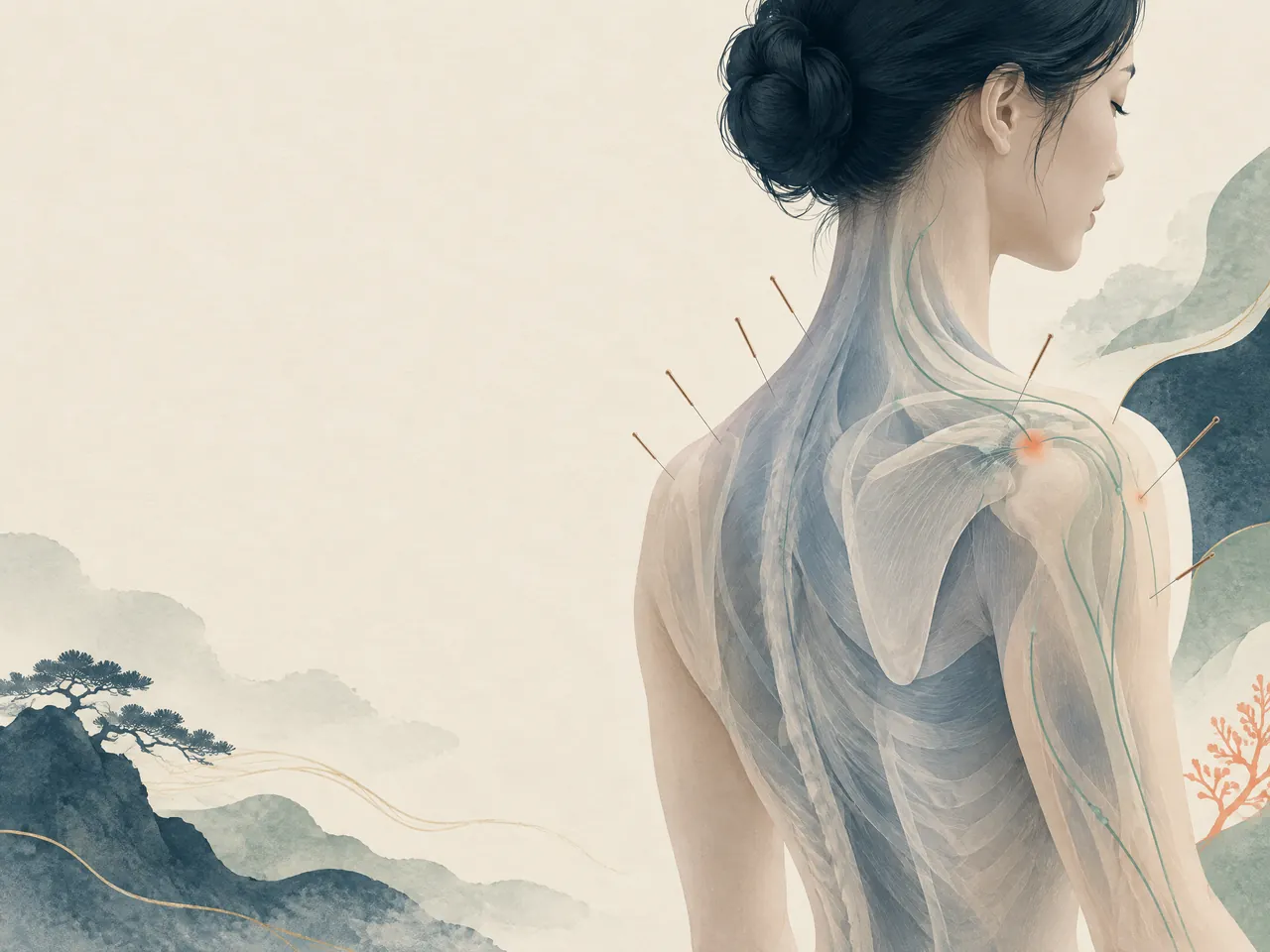
Acupuncture for muscle strain may be discussed as a supportive option for some people with muscle pain, but current pain research does not prove that it repairs a tear, removes swelling or shortens a fixed recovery period. A strain needs an assessment of its severity and a rehabilitation plan. Seek medical assessment promptly for a pop, visible dent or deformity, severe swelling or bruising, inability to use the limb, numbness, tingling, colour change, or worsening symptoms.
Transparent pricing
See the fees.
Choose your care.
Explore our complete official price list, including first-trial prices, regular prices, packages and branch-specific options.
Opening WhatsApp prepares an enquiry; it does not send a message, take payment or confirm an appointment. Suitability and individual arrangements are confirmed during consultation.
Pain care
All prices in HKDExtracorporeal shockwave treatment
Shockwave treatment for deep-tissue and fascial care. The Kwun Tong clinic offers the multi-area options shown below.
Priced by branch
Branch-specific pricing
Prince Edward: HK$250 per area
Kwun Tong: HK$250 for 1 area / HK$450 for 2 areas / HK$600 for 3 areas
Pain care (manual therapy)
Includes Chinese medicine musculoskeletal assessment, manual joint techniques and tui na.
HK$580 (single session)
Chinese medicine musculoskeletal assessment
Pain care (acupuncture and manual therapy)
Combines acupuncture and manual therapy.
HK$680 (single session)
Combined care
Hair and scalp
All prices in HKDScalp health and hair-loss management
Includes AI scalp analysis, deep scalp and follicle cleansing, and scalp oil-control care.
HK$380 (first trial)
Regular price: HK$680
- 6 sessions: HK$3,480 (HK$580 per session)
- 12 sessions: HK$5,760 (HK$480 per session)
- 20 sessions: HK$8,600 (HK$430 per session)
- 30 sessions: HK$11,400 (HK$380 per session)
Hair acupuncture and Chinese herbal medicine package
Includes scalp acupuncture and 3 days of Chinese herbal medicine that does not require decoction.
HK$580 (single session)
Registered Chinese Medicine Practitioner consultation
- 6 sessions: HK$3,180 (HK$530 per session)
- 12 sessions: HK$5,760 (HK$480 per session)
- 20 sessions: HK$8,600 (HK$430 per session)
- 30 sessions: HK$11,400 (HK$380 per session)
Combined hair and scalp treatment
Combines acupuncture and Chinese herbal medicine with salon-level scalp and follicle care. Packages include complimentary hair-care shampoo and serum.
HK$1,260 (single session)
Combined treatment
- 8 sessions: HK$8,640 (HK$1,080 per session)
- 16 sessions: HK$15,680 (HK$980 per session)
- 20 sessions: HK$18,600 (HK$930 per session)
- 30 sessions: HK$26,400 (HK$880 per session)
Weight management
All prices in HKDFull-body acupoint embedding for weight management
Includes full-body acupoint embedding. Packages include complimentary Chinese herbal medicine for weight management, with the number of included days scaled to the package. Embedding material and the individual treatment arrangement are confirmed during consultation; this is not a cosmetic thread lift.
HK$980 (single session)
No trial session
- 10 sessions: HK$7,800 (HK$780 per session)
- 20 sessions: HK$14,600 (HK$730 per session)
- 30 sessions: HK$20,400 (HK$680 per session)
Facial acupuncture
All prices in HKDFacial acupuncture (basic)
Includes facial acupuncture and meridian-based facial care, including care for facial puffiness.
HK$480 (first trial)
Regular price: HK$680
- 10 sessions: HK$5,200 (HK$520 per session)
- 20 sessions: HK$9,600 (HK$480 per session)
- 30 sessions: HK$13,500 (HK$450 per session)
Facial acupuncture (advanced)
Includes enhanced facial acupuncture with a specially formulated moisturising mask and serum.
HK$780 (first trial)
Regular price: HK$1,180
- 10 sessions: HK$9,000 (HK$900 per session)
- 20 sessions: HK$16,600 (HK$830 per session)
- 30 sessions: HK$23,400 (HK$780 per session)
Chinese medicine
All prices in HKDAcupuncture and Chinese herbal medicine package
Includes a Chinese medicine consultation with pulse assessment, body acupuncture and 3 days of Chinese herbal granules that do not require decoction.
HK$580 (single session)
Chinese medicine consultation with pulse assessment
Acupuncture for Muscle Strain, Acupuncture for Muscle Pain and Muscle Strain Acupuncture Hong Kong: Understanding the Supportive Role
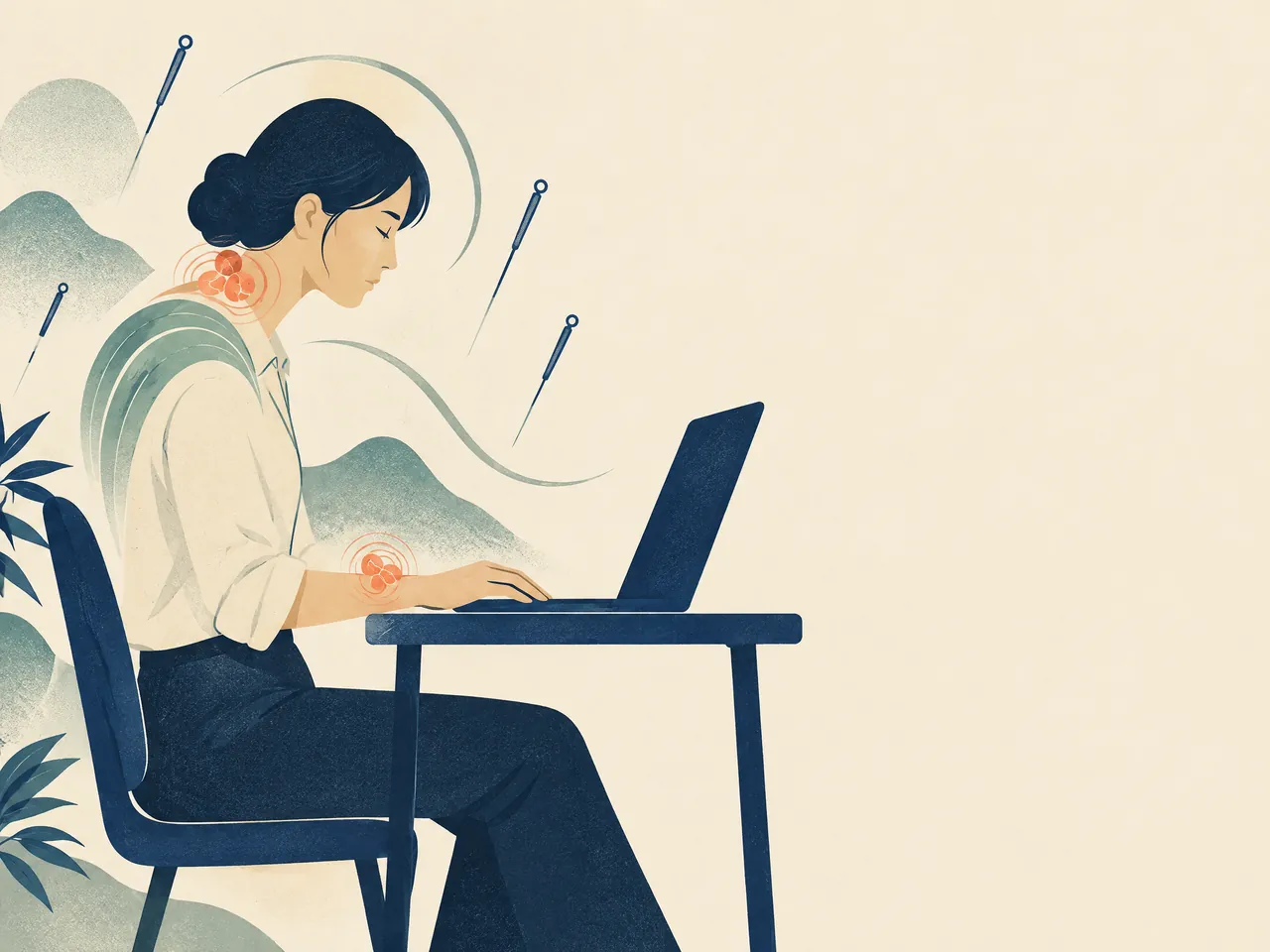
The phrase muscle strain acupuncture Hong Kong often reflects a practical concern: pain is interrupting work, sleep, exercise or daily travel, and the person wants to know what can be added without losing time. A muscle strain is a stretch or tear of muscle fibres. It can happen abruptly with a sprint, twist, jump or lift, or build gradually when a repeated task exceeds what the muscle has recovered from. Local pain, spasm, bruising, swelling, weakness and a reduced range of motion can occur, but the same general area may also hurt for other reasons. A painful spot alone cannot tell you whether the problem is a minor strain, a tendon injury, a joint problem or something that needs another kind of assessment [2].
A useful starting point is to separate comfort from repair. Acupuncture should not become a claim that needles close a tear, make a diagnosis unnecessary or make someone ready to run, train or lift before strength and control have returned. If back pain travels into a leg, is associated with new weakness or numbness, or does not resemble a straightforward local injury, read about herniated disc symptoms and arrange appropriate medical assessment rather than assuming every ache is a strained muscle.
Acupuncture for Muscle Strain, Acupuncture for Muscle Pain and Muscle Strain Acupuncture Hong Kong: What Current Evidence Can and Cannot Say
Acupuncture involves inserting fine needles into the skin. The U.S. National Center for Complementary and Integrative Health reports that research suggests it may be helpful for several pain conditions, including back or neck pain and knee osteoarthritis. That is not the same research question as an acute muscle tear. NCCIH also notes that the difference from no treatment is often larger than the difference from sham acupuncture, suggesting that nonspecific effects contribute to reported benefit [1]. For a recent calf, groin, shoulder or hamstring strain, broad pain evidence must not be presented as proof of tissue repair or a reliable quicker return date.
This distinction is not a reason to dismiss a person’s wish for relief. It is a reason to make an honest choice. A consultation can explore the site of pain, when it began, what movement aggravates it, current function, medical history and whether there are signs of a more serious injury. It can also set a modest aim, such as supporting comfort while the person follows an agreed rehabilitation programme. People comparing similarly named treatments may also find it useful to read can acupuncture treat a pulled muscle. The key question is not whether an intervention sounds active, but whether it is appropriate for the injury and does not replace the next necessary step.
Acupuncture for Muscle Strain, Acupuncture for Muscle Pain and Muscle Strain Acupuncture Hong Kong: Setting Realistic Expectations
Realistic expectations protect both a busy office worker and an active sport participant. A mild injury that is improving may call for relative rest from the aggravating activity, then steadily rebuilt movement. A more substantial injury may need a clinician to assess strength, range of motion and whether imaging is indicated. Do not judge readiness by how a single session feels that evening. Look instead at whether the movements needed for work, daily life or sport can be done with suitable control and without a worsening symptom pattern.
Nor is there one valid timetable for every pulled muscle. Public-health guidance notes that healing depends on the tissue involved, injury severity, treatment, past injuries, age and general health [3]. This makes fixed promises especially unhelpful when someone has a holiday, tournament, physical job or family responsibility ahead. Acupuncture for muscle strain, if chosen after appropriate screening, can be one element of symptom support. It does not substitute for progressions that rebuild capacity. A plan that respects pain, function and the demands of the next activity is more useful than chasing a guaranteed number of treatments or days.
Compare your options
| Situation | Useful next action | Where acupuncture may fit |
|---|---|---|
| Pop, visible dent or deformity, severe swelling or bruising, inability to use the limb, numbness, colour change or a cold limb | Seek prompt medical assessment; do not delay to try self-care or an adjunctive treatment. | Not the first step; safety and diagnosis come first. |
| Recent local pain after a twist, sprint, lift or overuse, without warning signs | Stop the aggravating activity, protect the area and use appropriate early measures; monitor function and symptom change. | May be discussed only as supportive care after screening; it does not prove repair or a shorter recovery. |
| Symptoms persist, worsen, or function does not return as expected | Arrange medical or rehabilitation assessment to review the diagnosis, load and recovery plan. | Do not use it to postpone reassessment. |
| Improving strain with daily activities becoming easier | Gradually rebuild movement, strength and task-specific tolerance with professional guidance when needed. | An optional adjunct for comfort, alongside rather than instead of graded rehabilitation. |
On smaller screens, scroll the table sideways to compare all columns.
Acupuncture for Muscle Strain, Acupuncture for Muscle Pain and Muscle Strain Acupuncture Hong Kong: Symptoms and Early Priorities
Early decisions should be based on what happened and what the body can do now. An acute strain may follow a distinct moment: a sudden acceleration, reaching catch, slip, awkward turn or heavy lift. There may be immediate pain, a feeling of tearing, or a pop. In other cases, soreness slowly develops after unfamiliar training, repeated carrying or long periods in one position. Pain does not always correspond neatly to the amount of tissue damage, yet marked weakness, a changing contour or loss of normal use deserve attention. Cleveland Clinic describes grades from minor damage through a complete tear, with more significant tears affecting strength and range of motion [2]. Do not force a stretch, test maximal strength repeatedly or return to a sprint simply to find out; feeling better at rest does not prove that the injured structure can tolerate a demanding load.
Acupuncture for Muscle Strain, Acupuncture for Muscle Pain and Muscle Strain Acupuncture Hong Kong: Recognising a More Serious Injury
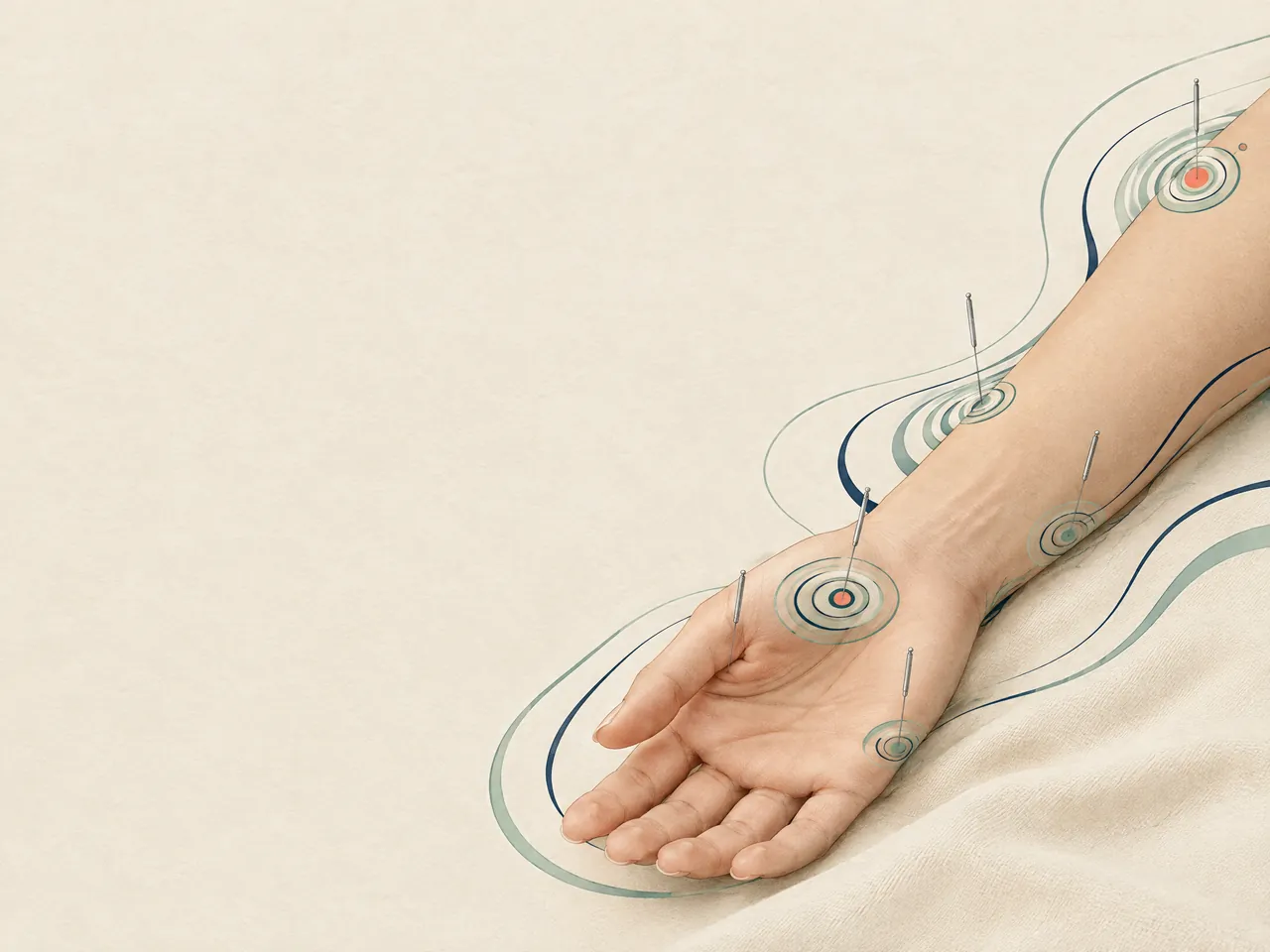
Medical assessment comes before considering supportive care when there is a pop at the time of injury, a visible gap or dent, severe pain, rapidly developing bruising or swelling, or inability to move or bear weight through the affected area. New numbness, tingling, sudden weakness, difficulty controlling muscles, a cold limb or colour change are also reasons not to wait. These signs do not identify one diagnosis by themselves, but they can indicate that the injury is not suitable for an informal self-care trial. Severe tears sometimes require more than rest, so delaying evaluation for acupuncture is not a safe trade-off [2].
The same applies when symptoms are not improving over the next few days, become worse, or no longer fit the original story. For example, pain that spreads from the lower back down the leg may need a different assessment from local calf soreness. If you are trying to distinguish related questions, Can acupuncture fix a slipped disc? explains why a disc problem should not be equated with a muscle strain. A careful assessment can clarify whether rehabilitation, a period of protection, imaging, specialist input or urgent care is the next step.

Acupuncture for Muscle Strain, Acupuncture for Muscle Pain and Muscle Strain Acupuncture Hong Kong: Protecting the Area Before Rehabilitation
For an uncomplicated acute strain, stop the activity that caused sharp pain and protect the area. Victorian government guidance advises protection, relative rest, ice, compression and elevation as immediate measures. It describes relative rest as avoiding activities that significantly increase pain while otherwise remaining gently active. It also advises separating an ice pack from the skin and avoiding heat, alcohol, running and direct, firm massage in the first 72 hours because these may increase swelling [3]. This is general first aid, not a personal prescription; seek advice on safe compression, medication or activity when health conditions and injury details differ.
After the initial phase, the goal changes from simply avoiding pain to regaining useful movement and load tolerance. Gentle movement is often reintroduced according to the injury and professional advice, followed by graded exercises or tasks. Consider the actual return demand: a delivery worker may need safe carrying and stairs; a runner may need calf control and repeated impact; a parent may need to lift a child without a sudden pull. Build these demands gradually. An optional acupuncture discussion is best placed within that process, not used to bypass it. If pain or swelling increases after activity, reduce the demand and obtain individual guidance rather than automatically pushing through.
Acupuncture for Muscle Strain, Acupuncture for Muscle Pain and Muscle Strain Acupuncture Hong Kong: Safety and Next Steps
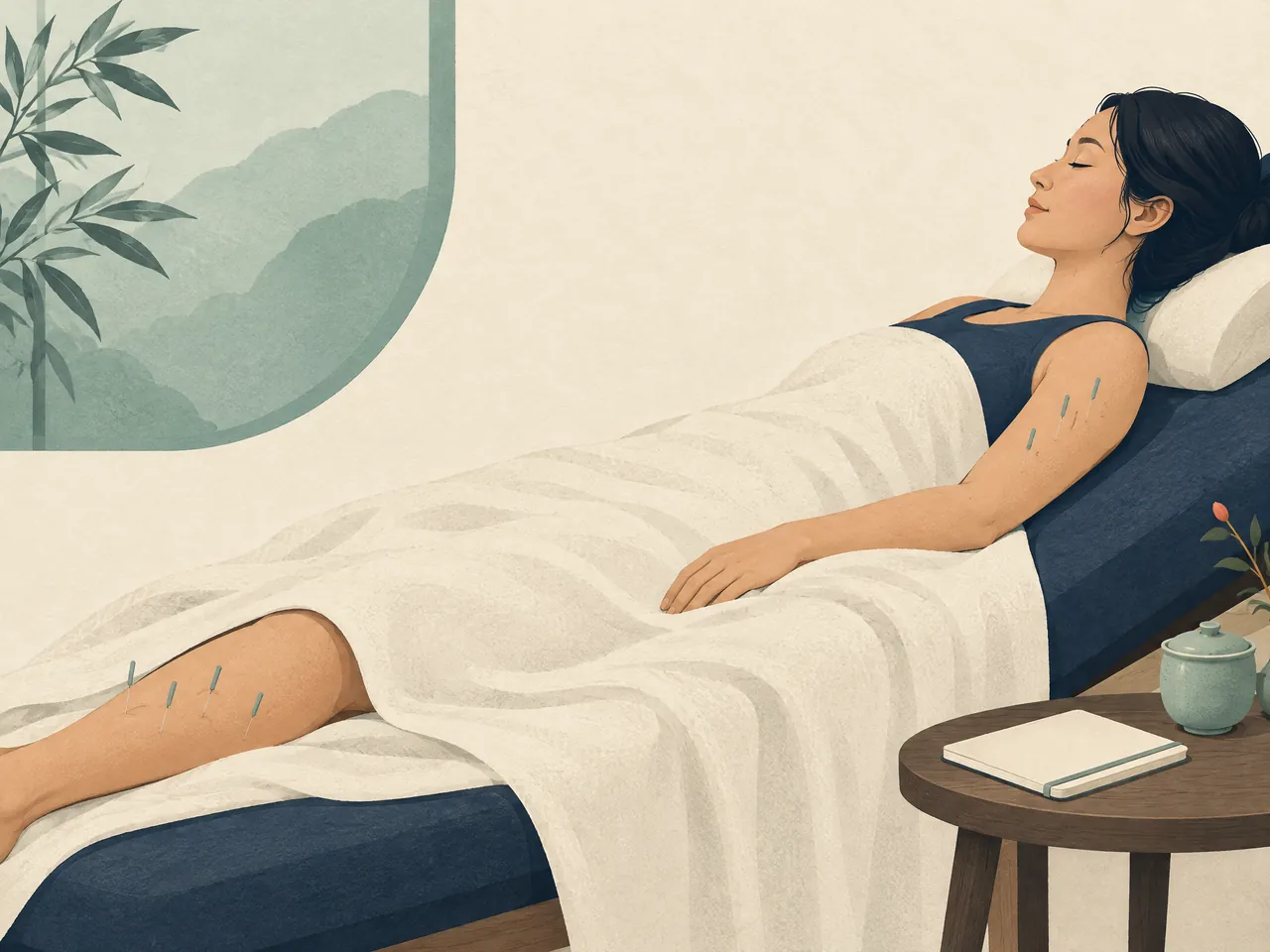
Safety starts with clear disclosure. Before any needling, tell the practitioner about medicines that affect bleeding, a bleeding disorder, pregnancy, skin infection, immune problems, recent surgery, implanted devices if electroacupuncture is discussed, and any previous reaction to needling. NCCIH states that complications are uncommon when acupuncture is performed correctly by a competent, trained practitioner using sterile needles, but infections and other serious adverse effects have been reported with improper delivery [1]. It is reasonable to ask how the injury will be screened, whether single-use sterile needles are used, and how the plan will sit alongside medical or rehabilitation advice.
The choice of setting should follow the injury, not convenience alone. For a non-urgent, assessed strain, a Chinese medicine consultation may discuss acupuncture for muscle pain as one supportive option. The appointment should leave room to explain changes in symptoms and the activities you need to resume. It should not discourage medical follow-up or turn red flags into a routine booking. Those seeking a local consultation can ask about an appointment at the Kwun Tong Chinese medicine clinic or the Chinese medicine clinic Prince Edward; describe the injury and any language needs in the message so suitability can be confirmed.

Acupuncture for Muscle Strain, Acupuncture for Muscle Pain and Muscle Strain Acupuncture Hong Kong: When Medical Assessment Comes First
Choose medical assessment first after a major trauma, a suspected complete tear, an obvious deformity, a pop with major loss of use, severe or fast-growing swelling or bruising, or neurological and circulation symptoms. Seek timely assessment as well when fever, spreading redness, an open wound or signs of infection are present. A strain can be painful and frustrating without being an emergency, but uncertainty is not a reason to conceal or minimise warning signs. If you cannot safely bear weight, use the affected limb or perform essential tasks, arranging assessment is more important than finding a pain-relief option.
The same principle applies to a setback during recovery. A person may feel comfortable in light daily movement yet have pain return with stairs, a squat, a jump or a shift at work. That does not necessarily mean a new tear, but it does mean the load may exceed present capacity. Stop treating the flare as something to mask and review the task, technique and progression. The safest return is based on recovering function, not simply on a lower pain score. Anyone unsure about their situation should consult an appropriately qualified healthcare professional for an assessment tailored to the injury.
Acupuncture for Muscle Strain, Acupuncture for Muscle Pain and Muscle Strain Acupuncture Hong Kong: Discussing an Individual Plan
To make a consultation productive, bring a simple timeline: what happened, the exact point of pain, changes in bruising or swelling, current medication, previous injuries, and which activities matter most in the coming weeks. State whether the goal is to sit comfortably at work, walk during a commute, sleep with less disruption, return to gym training or prepare for a particular sport movement. This information is more useful than asking for a universal protocol. It helps separate an adjunctive pain discussion from a rehabilitation and medical decision, and it makes it easier to identify when an in-person assessment elsewhere should come first.
If you decide to enquire with TCM Lab, message +852 6940 5663 on WhatsApp with the body area, how the injury occurred, how long it has been present and any red-flag symptoms or health conditions. Ask any practical questions before attending, including the consultation approach and fees; the Chinese medicine clinic price list Hong Kong is available for reference. A good plan keeps the focus on safe recovery: protect an acute injury, obtain assessment when indicated, progress movement and load thoughtfully, and regard acupuncture as supportive rather than a promised repair.
Care and health guide
Pain-care information
This directory brings together services, reading, and visit information related to pain care, to help you prepare questions for a consultation.
When pain care affects your day, noting when it occurs, its relation to activity, and what you have already tried can help prepare a consultation; Chinese medicine pain management Hong Kong is a relevant service or reading entry point.
Individual circumstances differ, and acupuncture Hong Kong offers related information to help you understand options and prepare questions.


Your questions, answered
Frequently asked questions
Can acupuncture help a muscle strain?
Acupuncture may be discussed as a supportive option for muscle pain in an individual plan, but evidence from broader pain conditions does not prove that it repairs a strained muscle. It should not replace assessment of injury severity, early protection, or progressive rehabilitation.
Can acupuncture reduce swelling or shorten recovery from a pulled muscle?
It should not be promised to reduce swelling or shorten recovery. Recovery varies with the tissue involved, injury severity, past injury, general health and the demands of return to work or sport. Early care and gradual rebuilding of function remain more important than a fixed treatment timetable.
When should I seek medical assessment rather than acupuncture for muscle strain?
Seek medical assessment promptly after a pop with major loss of use, a visible gap or deformity, severe or rapidly increasing swelling or bruising, inability to bear weight, numbness, tingling, sudden weakness, colour change or a cold limb. Also arrange assessment if symptoms persist or worsen.
What should I tell a practitioner before acupuncture after a strain?
Explain how the injury happened, current function, changes in pain or swelling, previous injuries, medicines that affect bleeding, bleeding risk, pregnancy, skin infection, immune problems, recent surgery and other relevant medical history. Mention any red flags so appropriate assessment is not delayed.
Sources and further information
- [1] [1] National Center for Complementary and Integrative Health — Acupuncture: Effectiveness and Safety
Referenced for: Supports statements that acupuncture research concerns particular pain conditions, that nonspecific effects can contribute to outcomes, and that sterile single-use needle safety matters; it does not establish repair of an acute muscle tear.
- [2] [2] Cleveland Clinic — Muscle Strain
Referenced for: Supports general muscle-strain definitions, symptoms, severity, home-care context and indicators for clinical assessment.
- [3] [3] Better Health Channel, Victoria State Government — Sprains and strains
Referenced for: Supports relative rest, ice, compression and elevation as general early measures, avoidance of some aggravating actions early on, and gradual return to activity.