
TCM Lab · Health reading
Back Pain Self-Care, Back Pain Warning Signs and Cold Therapy for Back Pain
Published Updated
A sore lower back after lifting, a long commute, gardening, or an awkward twist often raises one practical question: should you use cold or heat? For back pain self-care, cold therapy for back pain can be a reasonable comfort measure after a recent minor strain when the area feels sore or looks swollen, while gentle heat may feel better for ongoing stiffness or a muscle spasm. The choice is not a diagnosis. Protect the skin, keep moving in ways that do not aggravate symptoms, and pay close attention to back pain warning signs that need prompt medical care.
Appointments are confirmed through WhatsApp. If you have language requirements, please mention them in your enquiry.
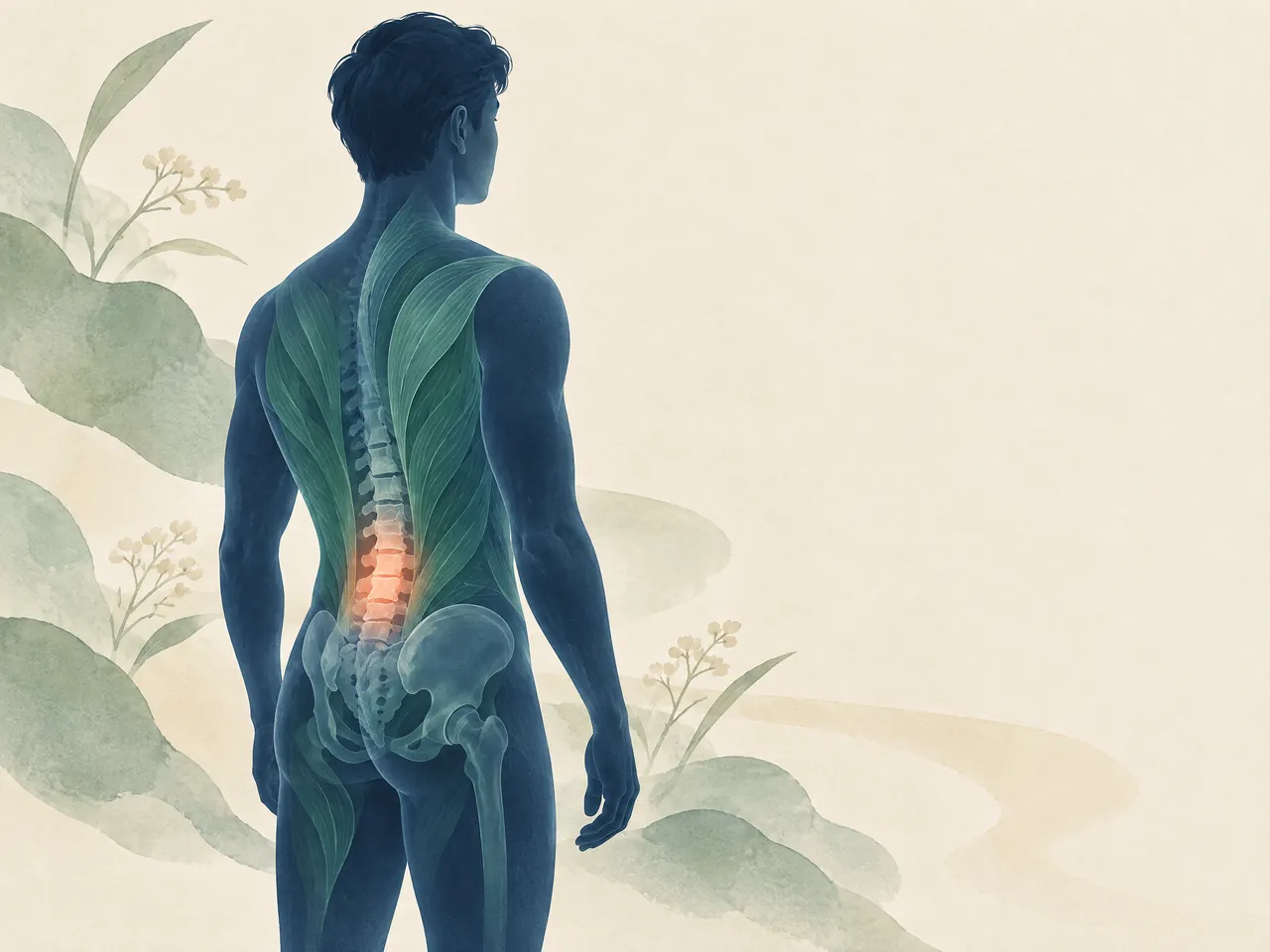
The short answer
For a recent minor strain with pain or swelling, try cold therapy for back pain with a cloth barrier; gentle heat may be more comfortable for stiffness or muscle spasm. Keep each session short, do not sleep with a hot or cold pack, and stop if discomfort increases. Seek urgent medical help for symptoms such as weakness or numbness in both legs, saddle-area sensory changes, bladder or bowel changes, chest pain, fever with feeling unwell, major trauma, or rapidly worsening pain.
Transparent pricing
See the fees.
Choose your care.
Explore our complete official price list, including first-trial prices, regular prices, packages and branch-specific options.
Opening WhatsApp prepares an enquiry; it does not send a message, take payment or confirm an appointment. Suitability and individual arrangements are confirmed during consultation.
Pain care
All prices in HKDExtracorporeal shockwave treatment
Shockwave treatment for deep-tissue and fascial care. The Kwun Tong clinic offers the multi-area options shown below.
Priced by branch
Branch-specific pricing
Prince Edward: HK$250 per area
Kwun Tong: HK$250 for 1 area / HK$450 for 2 areas / HK$600 for 3 areas
Pain care (manual therapy)
Includes Chinese medicine musculoskeletal assessment, manual joint techniques and tui na.
HK$580 (single session)
Chinese medicine musculoskeletal assessment
Pain care (acupuncture and manual therapy)
Combines acupuncture and manual therapy.
HK$680 (single session)
Combined care
Hair and scalp
All prices in HKDScalp health and hair-loss management
Includes AI scalp analysis, deep scalp and follicle cleansing, and scalp oil-control care.
HK$380 (first trial)
Regular price: HK$680
- 6 sessions: HK$3,480 (HK$580 per session)
- 12 sessions: HK$5,760 (HK$480 per session)
- 20 sessions: HK$8,600 (HK$430 per session)
- 30 sessions: HK$11,400 (HK$380 per session)
Hair acupuncture and Chinese herbal medicine package
Includes scalp acupuncture and 3 days of Chinese herbal medicine that does not require decoction.
HK$580 (single session)
Registered Chinese Medicine Practitioner consultation
- 6 sessions: HK$3,180 (HK$530 per session)
- 12 sessions: HK$5,760 (HK$480 per session)
- 20 sessions: HK$8,600 (HK$430 per session)
- 30 sessions: HK$11,400 (HK$380 per session)
Combined hair and scalp treatment
Combines acupuncture and Chinese herbal medicine with salon-level scalp and follicle care. Packages include complimentary hair-care shampoo and serum.
HK$1,260 (single session)
Combined treatment
- 8 sessions: HK$8,640 (HK$1,080 per session)
- 16 sessions: HK$15,680 (HK$980 per session)
- 20 sessions: HK$18,600 (HK$930 per session)
- 30 sessions: HK$26,400 (HK$880 per session)
Weight management
All prices in HKDFull-body acupoint embedding for weight management
Includes full-body acupoint embedding. Packages include complimentary Chinese herbal medicine for weight management, with the number of included days scaled to the package. Embedding material and the individual treatment arrangement are confirmed during consultation; this is not a cosmetic thread lift.
HK$980 (single session)
No trial session
- 10 sessions: HK$7,800 (HK$780 per session)
- 20 sessions: HK$14,600 (HK$730 per session)
- 30 sessions: HK$20,400 (HK$680 per session)
Facial acupuncture
All prices in HKDFacial acupuncture (basic)
Includes facial acupuncture and meridian-based facial care, including care for facial puffiness.
HK$480 (first trial)
Regular price: HK$680
- 10 sessions: HK$5,200 (HK$520 per session)
- 20 sessions: HK$9,600 (HK$480 per session)
- 30 sessions: HK$13,500 (HK$450 per session)
Facial acupuncture (advanced)
Includes enhanced facial acupuncture with a specially formulated moisturising mask and serum.
HK$780 (first trial)
Regular price: HK$1,180
- 10 sessions: HK$9,000 (HK$900 per session)
- 20 sessions: HK$16,600 (HK$830 per session)
- 30 sessions: HK$23,400 (HK$780 per session)
Chinese medicine
All prices in HKDAcupuncture and Chinese herbal medicine package
Includes a Chinese medicine consultation with pulse assessment, body acupuncture and 3 days of Chinese herbal granules that do not require decoction.
HK$580 (single session)
Chinese medicine consultation with pulse assessment
Back Pain Self-Care, Back Pain Warning Signs and Cold Therapy for Back Pain: Choosing an Approach
Start with the pattern rather than assuming every ache has the same cause. A back that became painful soon after a minor twist, lift, or unfamiliar activity may feel tender when you first move. If there is local soreness or swelling, a cold pack can be one option for temporary relief. The NHS includes a tea-towel-wrapped ice pack among self-care measures for pain and swelling. It also advises people with ordinary back pain to stay active and continue daily activities as they can, rather than remaining in bed for long periods [1]. A very severe onset, an injury from a serious accident, or symptoms that are escalating fast call for assessment rather than a home-pack experiment.
Heat and cold are often presented as opposites, but they are both optional comfort tools. Neither identifies whether pain is muscular, joint-related, nerve-related, or linked to another condition. For a more detailed comparison of typical situations, read heat or ice for lower back pain. If your symptoms are mainly a pulling sensation down one leg, tingling, or altered sensation, record when they happen and seek clinical advice if they persist or worsen. A pack may change how the area feels without resolving the reason for the symptoms.
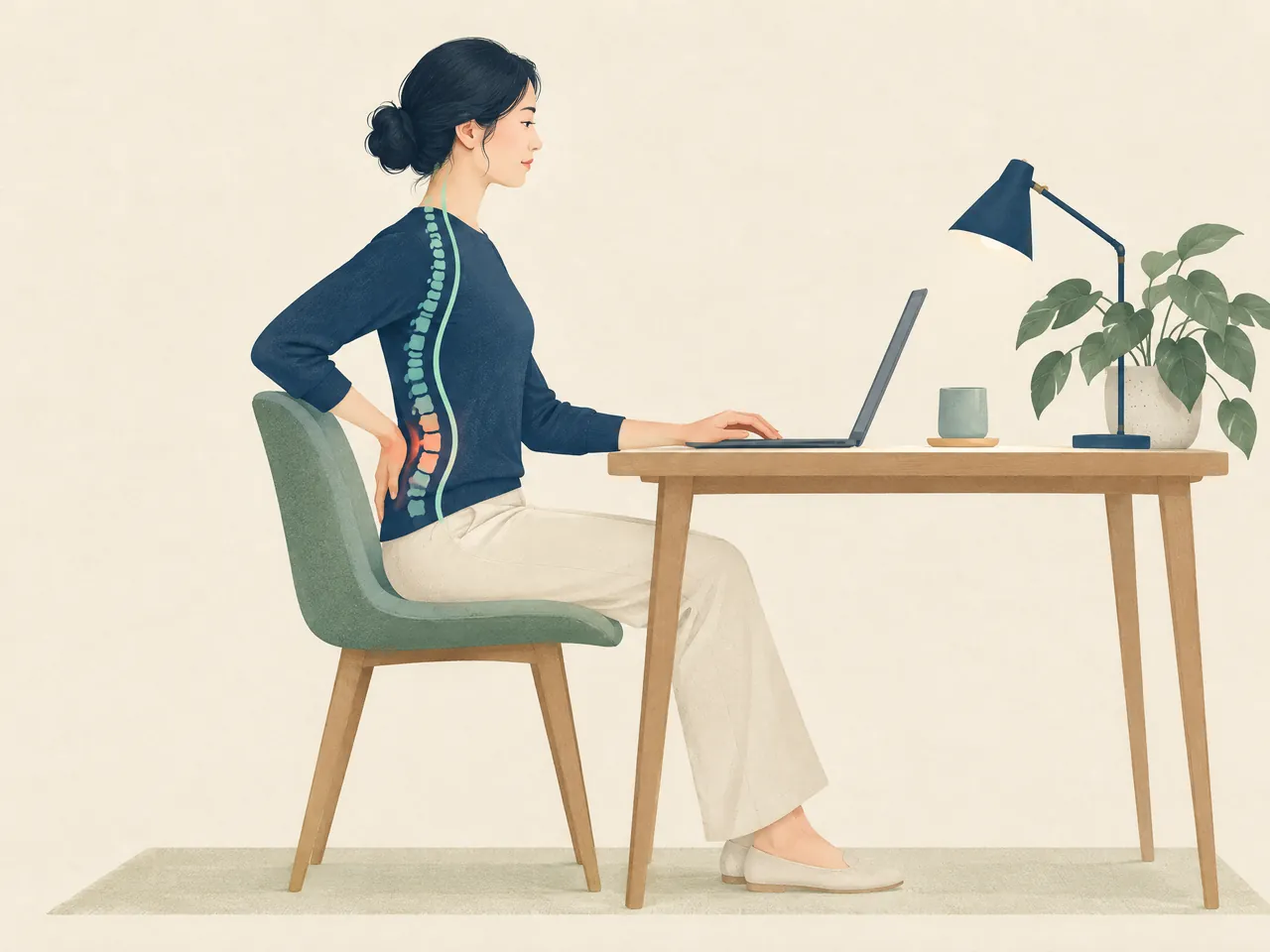
Back Pain Self-Care, Back Pain Warning Signs and Cold Therapy for Back Pain After a Sudden Strain
After a sudden, minor strain, make the first few hours simple. Remove yourself from the aggravating task, find a supported position, and try a wrapped cold pack if the area feels painful or swollen. Place the pack over clothing or a towel rather than directly against bare skin. You do not need to immobilise the back completely. Short, comfortable walks around home and ordinary light tasks can be more useful than prolonged bed rest, provided they do not make symptoms progressively worse. If you are unsure whether the incident was minor—especially after a fall, collision, or direct impact—seek medical advice instead of treating it as a routine strain.
Notice the difference between a local ache and a changing neurological symptom. Pain that travels into one leg can occur with several back conditions and needs context; new symptoms in both legs, new weakness, or numbness are more concerning. Do not use an ice pack to postpone help while waiting for a limb to ‘wake up’. The NHS lists pain, tingling, weakness, or numbness in both legs, loss of feeling around the genitals or anus, and bladder or bowel changes among symptoms requiring immediate action [1]. These are back pain warning signs, not signs to monitor at home overnight.
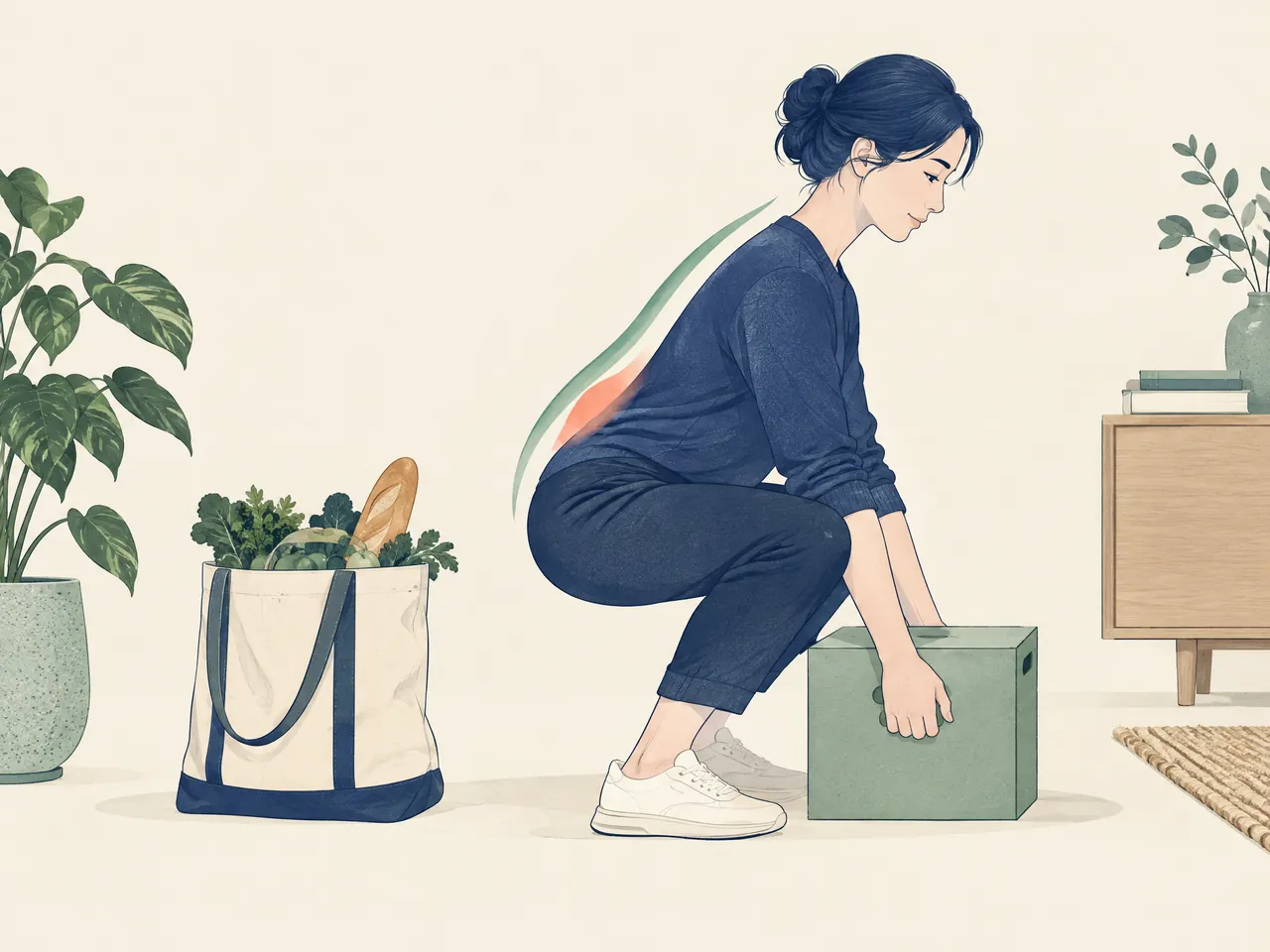
Back Pain Self-Care, Back Pain Warning Signs and Cold Therapy for Back Pain When Muscles Feel Tight
When pain has developed as a stiff, guarded feeling rather than a freshly swollen area, gentle heat may be the more comfortable option. The NHS notes that a heat pack or hot-water bottle wrapped in a tea towel may relieve joint stiffness or muscle spasms [1]. Choose warmth, not high heat. A warm shower, heat pack, or safely prepared hot-water bottle may help you feel ready for light movement. It should never burn, and it should not be used as a way to ignore pain that is getting stronger, spreading, or repeatedly interrupting sleep.
Muscle tightness can be affected by position, stress, sleep, and a sudden increase in activity, so the best response is rarely just one pack. Pair a short heat session with a gentle change in position, such as a brief walk, and reassess. A person who feels stiff after driving might use warmth after getting home, then avoid immediately sitting down again for an extended period. For practical ideas focused on this pattern, see lower back pain muscle stiffness and heat therapy for back pain. Stop any stretch or exercise that makes symptoms clearly worse; movement should be gradual, not a contest of flexibility.
Compare your options
| Situation or main feeling | Comfort option to consider | Safe use and next step |
|---|---|---|
| Recent minor strain with a sore or swollen area | Cold therapy for back pain with a wrapped cold pack | Use a towel barrier, limit a session to 15–20 minutes, and remove it early if the skin becomes painful, numb, or unusually pale. |
| Stiffness or a muscle-spasm feeling | Gentle heat from a wrapped heat pack or hot-water bottle | Use comfortable warmth rather than high heat; do not sleep with a heating pad or hot-water bottle. |
| Discomfort after prolonged sitting, driving, or desk work | Short heat or cold session only if it feels helpful | Pair it with a gradual position change or short walk; do not rely on a pack while returning immediately to prolonged sitting. |
| Pain with both-leg symptoms, saddle sensory change, bladder or bowel change, chest pain, fever with feeling unwell, serious trauma, or rapid worsening | No home pack as the main response | Seek urgent or emergency medical assessment; describe the associated symptom and when it began. |
| Pain that persists for weeks or limits normal activities | Arrange a medical assessment | Bring a short symptom and activity history; heat or cold may still be a comfort measure but should not delay assessment. |
On smaller screens, scroll the table sideways to compare all columns.
Back Pain Self-Care, Back Pain Warning Signs and Cold Therapy for Back Pain: Safe Home Use
Set up heat or cold before you need it. Put a clean towel between the source and the skin, choose a comfortable position, and keep a timer within reach. This is particularly important when you are tired after work or when symptoms wake you at night. The timer prevents a comfort measure becoming a skin injury. HealthLink BC advises keeping a damp cloth between the skin and a cold pack, avoiding sleep with ice on the skin, and limiting cold applications to no more than 15 to 20 minutes [2]. The same page advises a 15-to-20-minute heat application and cautions against falling asleep with an electric heating pad on [2].
Use the response, not the clock alone, to guide the next step. After removing the pack, let the skin return to its normal feeling and colour before considering another session. If you use heat, check that a hot-water bottle has no leak and follow the manufacturer’s instructions for a heating pad. If you use cold, do not place ice cubes or a frozen gel pack straight on the back. People with reduced sensation, circulation problems, diabetes, or a skin condition may not reliably feel excessive heat or cold and should ask a healthcare professional what is suitable before using temperature therapy.
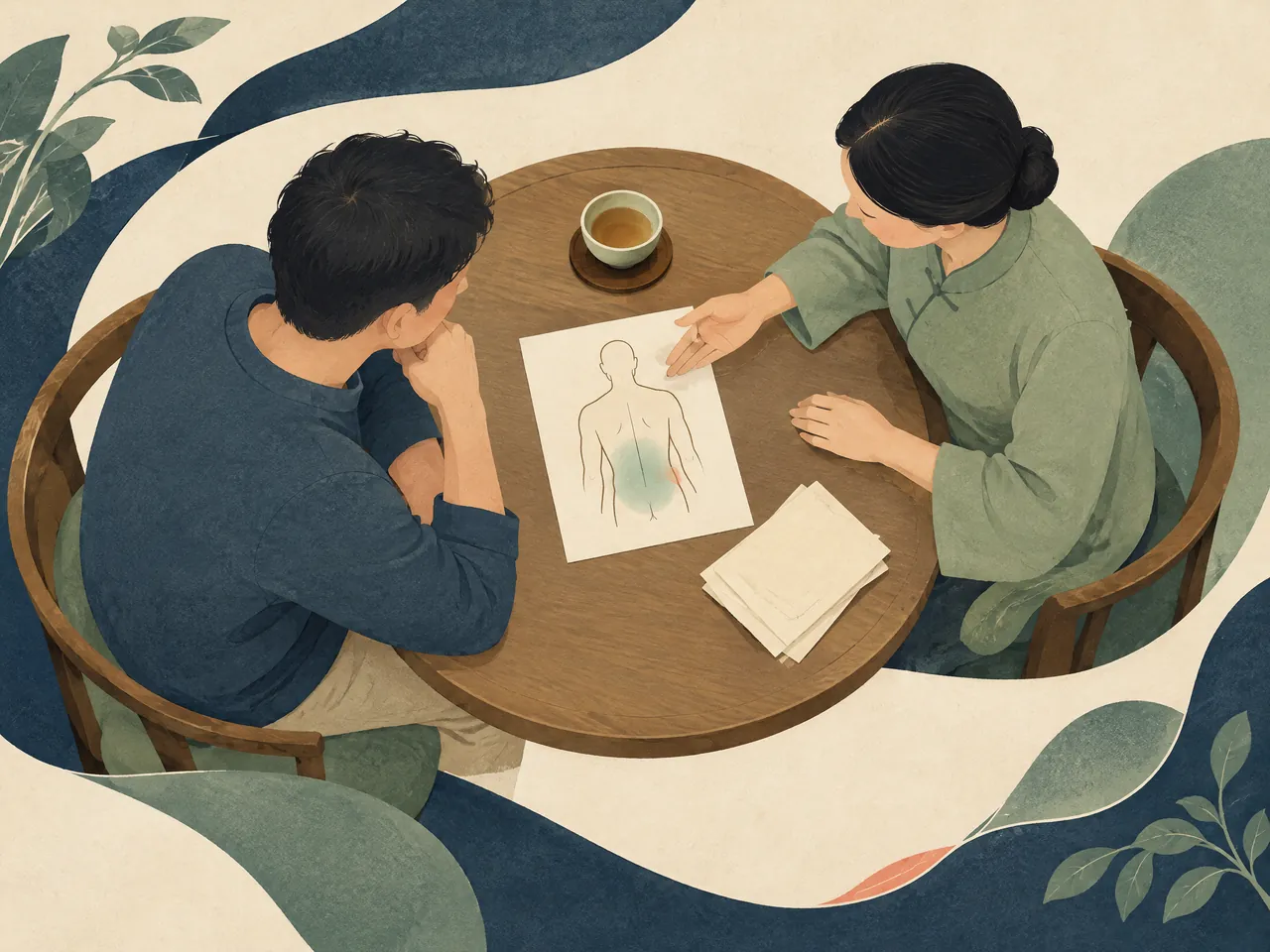
Think beyond the pack when planning an ordinary day. Reduce a bulky shopping load, use both hands for a light item, adjust a work screen so you are not constantly leaning forward, and take movement breaks before stiffness becomes intense. These are not guarantees against back pain, but they can reduce repeated irritation while you recover. If you need a structured starting point after a recent, uncomplicated flare, acute lower back pain home care explains additional home-care considerations. Seek advice sooner if normal self-care is not helping after a few weeks or pain is stopping ordinary daily life [1].
Back Pain Self-Care, Back Pain Warning Signs and Cold Therapy for Back Pain in 15 to 20 Minutes
A 15-to-20-minute session is a useful upper boundary for a simple application, not a target to reach regardless of how your skin feels. For a cold session, wrap the pack, place it on the sore area without pressing hard, set a timer, and remove it early if there is burning, intense discomfort, blotchy colour, or unusual numbness. For heat, use a low, comfortable setting or a wrapped warm bottle, and remove it if the skin becomes overly red or uncomfortable. Never treat a nap as a timer. Staying awake gives you the chance to notice a problem early.
Back Pain Self-Care, Back Pain Warning Signs and Cold Therapy for Back Pain: Protecting Your Skin
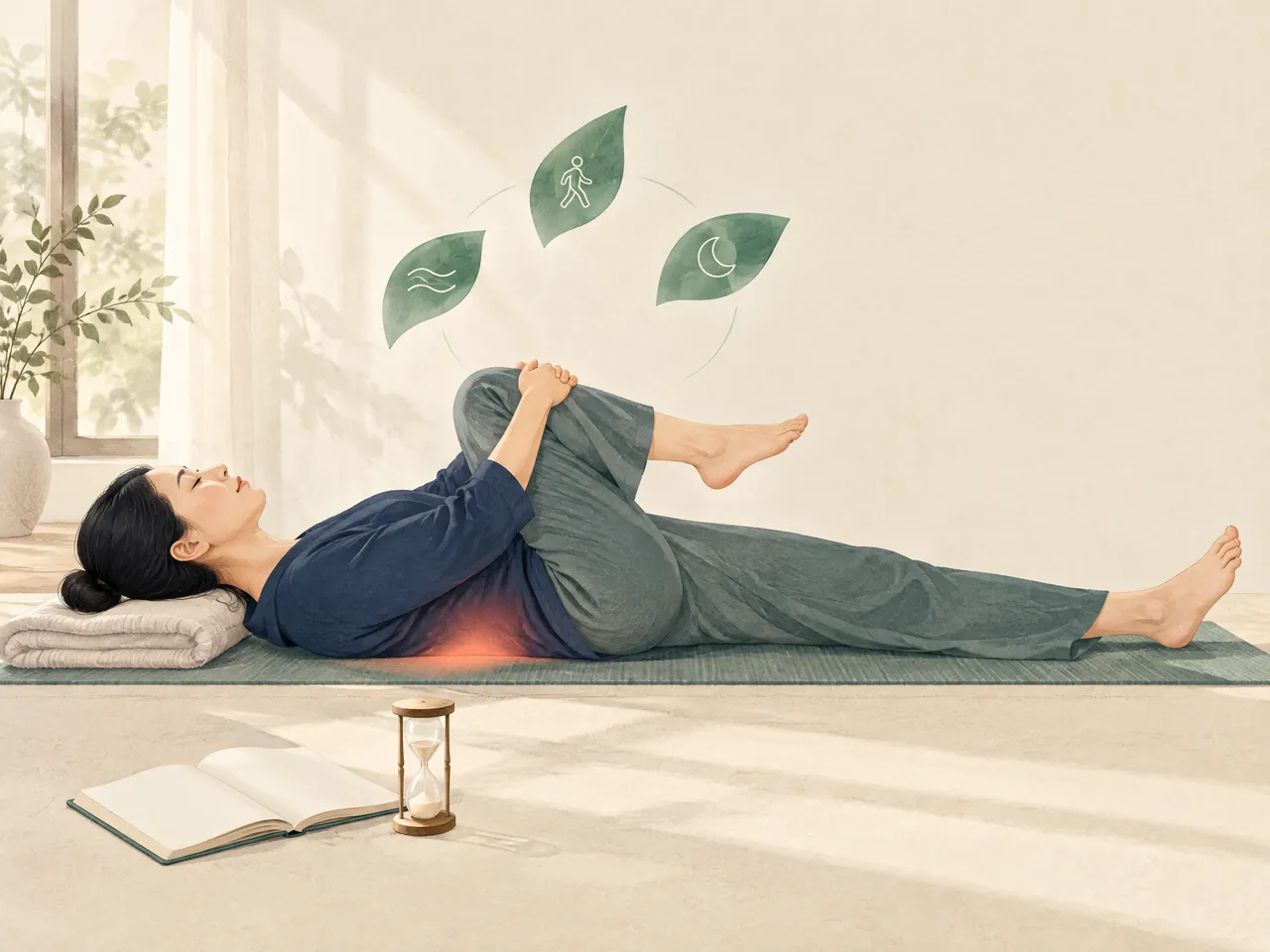
Skin protection is part of treatment, not an optional extra. Use a towel barrier every time, even if the pack has a soft cover. Do not sit or lie on a heating pad, bind a pack tightly under clothing, or put a device on an area where you cannot easily check the skin. Avoid high heat, and do not add a second heat source such as a heated blanket. Check for broken, irritated, or numb skin first. If you have had a previous burn or cold injury, choose another comfort measure until a clinician advises otherwise.
Back Pain Self-Care, Back Pain Warning Signs and Cold Therapy for Back Pain: When to Seek Help
Home measures are appropriate only when the picture is uncomplicated and improving. Arrange a medical assessment if pain has not improved after a few weeks of self-care, is keeping you from everyday activities, is worse at night, follows unexplained weight loss, comes with a lump or swelling, or is associated with pain from the upper back between the shoulders. These are reasons to discuss the problem rather than keep switching between packs [1]. An assessment can consider your history, the movement that provokes symptoms, medication, general health, and whether further tests or referral are appropriate.
Be particularly cautious with pain after a serious accident, pain that becomes severe suddenly, or pain that gets worse quickly. Feeling feverish, shivery, or generally unwell with back pain is also a reason for urgent medical advice [1]. A temperature pack can make a person feel temporarily calmer, which is different from treating a possible infection, fracture, or another serious cause. If you are in Hong Kong and are unsure how urgent symptoms are, contact an appropriate local medical service promptly; in an emergency, go to an emergency department or call the local emergency service.
Some people explore Chinese medicine after urgent concerns have been excluded. A Registered Chinese Medicine Practitioner can take a history and discuss supportive options in an in-person consultation, but a traditional pattern assessment is not the same as a biomedical diagnosis. Tell the practitioner about previous investigations, new symptoms, pregnancy, long-term conditions, and all medicines or supplements. Acupuncture should not be presented as a guaranteed cure: NICE guidance on low back pain and sciatica covers assessment and management for people aged 16 and over and does not recommend acupuncture for managing low back pain with or without sciatica [3].
Back Pain Self-Care, Back Pain Warning Signs and Cold Therapy for Back Pain: Urgent Symptoms
Act urgently if back pain is accompanied by new weakness, tingling, pain, or numbness in both legs; loss of feeling around the genitals or anus; or new difficulty controlling or passing urine or stool. The NHS also identifies chest pain and back pain after a serious accident as reasons for immediate action [1]. These symptoms may indicate a condition that needs prompt assessment. Do not drive yourself if you feel unsafe to do so, and do not wait to see whether heat, cold, massage, or rest changes the symptom. Tell the clinician exactly when the symptoms began and whether they are progressing.

Back Pain Self-Care, Back Pain Warning Signs and Cold Therapy for Back Pain: Considering an Assessment
For persistent but non-urgent discomfort, prepare for an assessment by noting where the pain is, whether it stays local or travels, what started it, what relieves it, and which daily activities are limited. Include any recent fall, infection, change in weight, previous back episode, pregnancy, or new medication. This is more useful than trying to label the pain yourself. A clinician may recommend continued activity, physiotherapy, medication advice, or another pathway depending on the findings. Bring the notes from your heat or cold trial only as context; a response to a pack is not a diagnostic test.
If you would like to enquire about a Chinese medicine consultation after checking that urgent symptoms are absent, TCM Lab can discuss appointment availability at its Chinese medicine clinic Prince Edward or Kwun Tong Chinese medicine clinic. You can use WhatsApp +852 6940 5663 to describe the type and duration of discomfort and ask about an appointment. Be clear if you have any of the warning symptoms in this article: those symptoms require conventional urgent medical assessment rather than an outpatient enquiry.
Care and health guide
Low back discomfort: care information
This directory brings together services, reading, and visit information related to low back discomfort, to help you prepare questions for a consultation.
When low back discomfort affects your day, noting when it occurs, its relation to activity, and what you have already tried can help prepare a consultation; acupuncture for low back pain is a relevant service or reading entry point.
Individual circumstances differ, and acupuncture Hong Kong offers related information to help you understand options and prepare questions.


Your questions, answered
Frequently asked questions
Is cold therapy for back pain better than heat?
Neither is universally better. Cold may be more comfortable after a recent minor strain with pain or swelling, while gentle heat may suit stiffness or muscle spasm. Both are short-term comfort measures. Use a cloth barrier, stop if symptoms worsen, and do not use either method to delay medical care for warning symptoms.
How long should I use a cold pack or heat pack on my back?
Keep a session to no more than 15 to 20 minutes, using a towel or cloth between the source and your skin. Do not sleep with a cold pack or an electric heating pad. Remove the pack early if the skin hurts, becomes very red or pale, blisters, or feels unusually numb.
What back pain warning signs need urgent help?
Seek urgent or emergency assessment for new weakness, tingling, pain, or numbness in both legs; loss of feeling around the genitals or anus; bladder or bowel changes; chest pain; pain after a serious accident; or rapidly worsening severe pain. Feeling feverish, shivery, or generally unwell with back pain also needs urgent medical advice.
Can I stay active while managing back pain at home?
For uncomplicated back pain, gentle activity and normal daily movement within your tolerance are generally preferable to staying in bed for long periods. Start with small, manageable changes such as brief walks or changing position. Stop an exercise or task that clearly worsens symptoms and seek assessment if pain persists or limits everyday activities.
Sources and further information
- [1] [1] NHS — Back pain
Referenced for: Supports self-care advice on staying active, wrapped ice and heat packs, and escalation for urgent neurological symptoms, bladder or bowel changes, chest pain, trauma, feverish illness, and worsening pain.
- [2] [2] HealthLink BC — Use Heat or Ice to Relieve Low Back Pain
Referenced for: Supports 15–20-minute heat and cold applications, a skin barrier, not sleeping with a pack, and optional alternating use.
- [3] [3] NICE — Low back pain and sciatica in over 16s: assessment and management
Referenced for: Supports the scope of assessment and management guidance for people aged 16 and over and the statement that NICE does not recommend acupuncture for managing low back pain with or without sciatica.