
TCM Lab · Health reading
Can acupuncture fix a slipped disc? When should I seek medical help for a slipped disc? What are the red flags of a herniated disc?
Published Updated
A “slipped disc” usually means a disc has bulged or herniated; it can be painful when it irritates or presses on a nearby nerve. That may feel like back pain alone, or like pain, tingling or altered sensation travelling into a buttock, leg or foot. Acupuncture can be discussed as one part of conservative symptom management for a suitably assessed person, but it cannot put a disc back in place, repair a torn disc, or reverse disc degeneration. The first question is not simply whether treatment might be soothing. It is whether the pattern is stable enough for conservative care, or whether weakness, changing sensation or bladder and bowel symptoms mean medical assessment must take priority. [1]
Appointments are confirmed through WhatsApp. If you have language requirements, please mention them in your enquiry.

The short answer
Acupuncture cannot fix a slipped disc in the sense of repositioning the disc or reversing structural degeneration. It may be considered within a broader plan to manage muscle tightness or movement-related discomfort after appropriate assessment. Seek medical help promptly for worsening leg weakness, numbness around the genitals or buttocks, trouble passing urine, loss of bladder or bowel control, severe trauma-related pain, fever, or rapidly changing symptoms. These require medical assessment before acupuncture.
Transparent pricing
See the fees.
Choose your care.
Explore our complete official price list, including first-trial prices, regular prices, packages and branch-specific options.
Opening WhatsApp prepares an enquiry; it does not send a message, take payment or confirm an appointment. Suitability and individual arrangements are confirmed during consultation.
Chinese medicine
All prices in HKDAcupuncture and Chinese herbal medicine package
Includes a Chinese medicine consultation with pulse assessment, body acupuncture and 3 days of Chinese herbal granules that do not require decoction.
HK$580 (single session)
Chinese medicine consultation with pulse assessment
Hair and scalp
All prices in HKDScalp health and hair-loss management
Includes AI scalp analysis, deep scalp and follicle cleansing, and scalp oil-control care.
HK$380 (first trial)
Regular price: HK$680
- 6 sessions: HK$3,480 (HK$580 per session)
- 12 sessions: HK$5,760 (HK$480 per session)
- 20 sessions: HK$8,600 (HK$430 per session)
- 30 sessions: HK$11,400 (HK$380 per session)
Hair acupuncture and Chinese herbal medicine package
Includes scalp acupuncture and 3 days of Chinese herbal medicine that does not require decoction.
HK$580 (single session)
Registered Chinese Medicine Practitioner consultation
- 6 sessions: HK$3,180 (HK$530 per session)
- 12 sessions: HK$5,760 (HK$480 per session)
- 20 sessions: HK$8,600 (HK$430 per session)
- 30 sessions: HK$11,400 (HK$380 per session)
Combined hair and scalp treatment
Combines acupuncture and Chinese herbal medicine with salon-level scalp and follicle care. Packages include complimentary hair-care shampoo and serum.
HK$1,260 (single session)
Combined treatment
- 8 sessions: HK$8,640 (HK$1,080 per session)
- 16 sessions: HK$15,680 (HK$980 per session)
- 20 sessions: HK$18,600 (HK$930 per session)
- 30 sessions: HK$26,400 (HK$880 per session)
Weight management
All prices in HKDFull-body acupoint embedding for weight management
Includes full-body acupoint embedding. Packages include complimentary Chinese herbal medicine for weight management, with the number of included days scaled to the package. Embedding material and the individual treatment arrangement are confirmed during consultation; this is not a cosmetic thread lift.
HK$980 (single session)
No trial session
- 10 sessions: HK$7,800 (HK$780 per session)
- 20 sessions: HK$14,600 (HK$730 per session)
- 30 sessions: HK$20,400 (HK$680 per session)
Facial acupuncture
All prices in HKDFacial acupuncture (basic)
Includes facial acupuncture and meridian-based facial care, including care for facial puffiness.
HK$480 (first trial)
Regular price: HK$680
- 10 sessions: HK$5,200 (HK$520 per session)
- 20 sessions: HK$9,600 (HK$480 per session)
- 30 sessions: HK$13,500 (HK$450 per session)
Facial acupuncture (advanced)
Includes enhanced facial acupuncture with a specially formulated moisturising mask and serum.
HK$780 (first trial)
Regular price: HK$1,180
- 10 sessions: HK$9,000 (HK$900 per session)
- 20 sessions: HK$16,600 (HK$830 per session)
- 30 sessions: HK$23,400 (HK$780 per session)
Pain care
All prices in HKDExtracorporeal shockwave treatment
Shockwave treatment for deep-tissue and fascial care. The Kwun Tong clinic offers the multi-area options shown below.
Priced by branch
Branch-specific pricing
Prince Edward: HK$250 per area
Kwun Tong: HK$250 for 1 area / HK$450 for 2 areas / HK$600 for 3 areas
Pain care (manual therapy)
Includes Chinese medicine musculoskeletal assessment, manual joint techniques and tui na.
HK$580 (single session)
Chinese medicine musculoskeletal assessment
Pain care (acupuncture and manual therapy)
Combines acupuncture and manual therapy.
HK$680 (single session)
Combined care
Can acupuncture fix a slipped disc? When should I seek medical help for a slipped disc? What are the red flags of a herniated disc? — symptoms and realistic aims
It is understandable to look for a single treatment when a back episode interrupts sleep, work, driving or caring for family. Yet “fix” can mean two different things. If it means making a person feel more comfortable enough to move and function while a broader conservative plan is considered, acupuncture may be one topic to discuss. If it means restoring the disc’s structure, removing a nerve compression, or making an urgent neurological problem safe to ignore, the answer is no. A useful consultation begins with that distinction, because relief of a tight back and recovery of a compromised nerve are not the same clinical aim.
A slipped disc is also called a prolapsed or herniated disc. Some discs cause no symptoms, while a disc that affects a nearby nerve can be linked with low-back pain, tingling or numbness, trouble bending or straightening, muscle weakness, or pain into the buttock, hip or leg. [1] Symptom intensity alone does not reliably show what is happening inside the spine. A dramatic pain flare can settle, while a quieter symptom such as a foot that feels weak or unsteady deserves attention. For a broader explanation of patterns people commonly notice, read herniated disc symptoms.
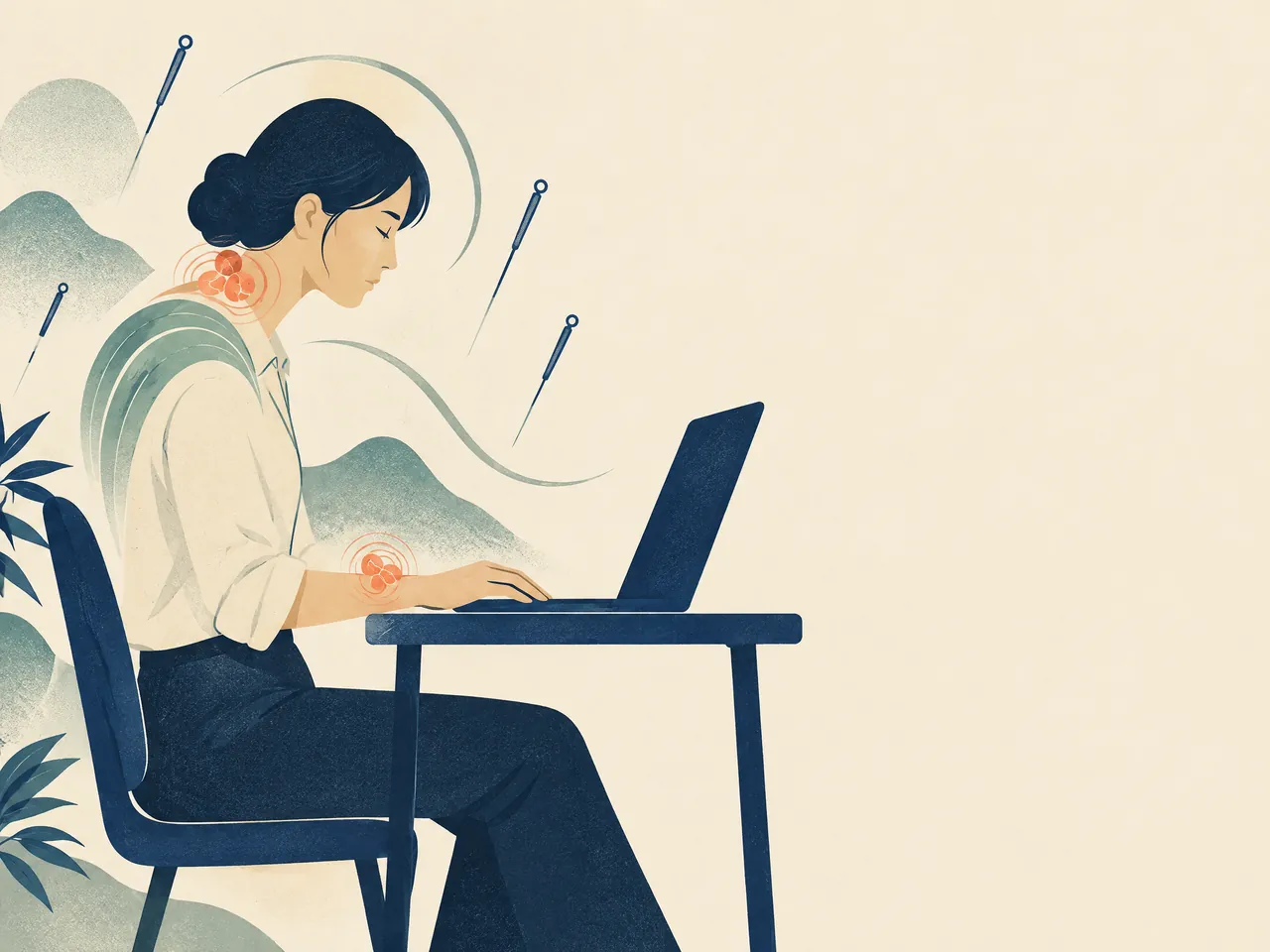
Can acupuncture fix a slipped disc? When should I seek medical help for a slipped disc? What are the red flags of a herniated disc? — what symptom management can and cannot do
After screening suggests that conservative care is reasonable, acupuncture may be discussed as a way of addressing aspects of the experience around the painful area, such as protective muscle tension and discomfort that makes ordinary movement difficult. A treatment conversation should name the aim in plain language: for example, making it easier to tolerate a short walk, change position, or participate in clinician-guided rehabilitation. The National Institute of Arthritis and Musculoskeletal and Skin Diseases notes that acupuncture may relieve pain in some people with back pain; that is not evidence that needles repair a disc or remove a dangerous compression. [3]
This is why an honest plan does not promise a permanently “fixed” back after a set number of sessions. It also does not ask someone to continue through a clear deterioration. Treatment is only one possible element alongside medical advice, activity modification, prescribed medicines where appropriate, and rehabilitation. If the main problem seems to be a recent soft-tissue overload rather than a nerve-related disc pattern, the discussion can be different; our page on acupuncture for muscle strain explains that separate symptom-management question. For a disc-specific overview, see acupuncture for herniated disc.
Can acupuncture fix a slipped disc? When should I seek medical help for a slipped disc? What are the red flags of a herniated disc? — how pain, sciatica and nerve symptoms differ
Local low-back pain may feel stiff, aching or sharply caught during a movement. Sciatica is a term often used for pain in the buttock, hip or leg when a disc presses on the sciatic nerve. [1] Someone may describe burning, electric, shooting or pulling pain down one leg, with pins and needles in part of the calf or foot. These descriptions are useful clues, but they are not a self-diagnosis. A practitioner or medical clinician still needs to ask where the symptom travels, whether it is constant or position-related, and whether sensation or strength has changed.
Pay particular attention to function, not just the pain score. Can you rise on your toes or heels as usual? Does the foot slap, buckle or catch when you walk? Are stairs suddenly harder? Is a patch of numbness enlarging? Those observations can help a clinician judge urgency. Tailbone-centred pain has its own pattern and is not automatically sciatica; if sitting directly on the coccyx is the main trigger, coccydynia acupuncture is a more relevant starting point. Do not use a different label, however, to explain away new leg weakness or altered bladder or bowel function.
Compare your options
| What you notice | Appropriate next step | Why the distinction matters |
|---|---|---|
| Local back pain or stiffness without new numbness or weakness | Arrange a non-urgent clinical assessment if symptoms persist or limit normal activity; discuss conservative options after assessment. | The cause and a safe plan are clearer when pain behaviour, function and relevant history are reviewed. |
| Pain travels into the buttock, leg or foot, with tingling but no red-flag change | Seek timely clinical advice and describe the route of pain, triggers and functional effect; consider symptom management only after screening. | Sciatic-type symptoms can reflect nerve irritation and should be tracked for progression. [1] |
| New or worsening leg weakness, altered gait, spreading numbness or loss of feeling | Seek prompt medical assessment; do not treat this as a routine acupuncture concern. | A changing neurological function needs examination and may change urgency. [1] |
| Saddle-area numbness, inability to urinate, new bladder or bowel incontinence, or serious-accident onset | Go to an emergency department or call emergency services immediately. | These are emergency warning signs; urgent assessment comes before complementary symptom care. [1] [2] |
On smaller screens, scroll the table sideways to compare all columns.
Can acupuncture fix a slipped disc? When should I seek medical help for a slipped disc? What are the red flags of a herniated disc? — assessment before treatment
Assessment gives the symptom story a practical shape. It considers how the episode began, whether a lift, twist, fall or long drive preceded it, and what has changed since then. It also looks at the effect on work, sleep, walking, sitting and basic tasks. Bringing a short timeline is more useful than trying to remember everything under pressure: note the first day, where pain starts and travels, the movements that reliably aggravate it, what eases it, and whether tingling, numbness or weakness has appeared. This is relevant whether the next step is a doctor, physiotherapist, emergency department or a Chinese medicine consultation.
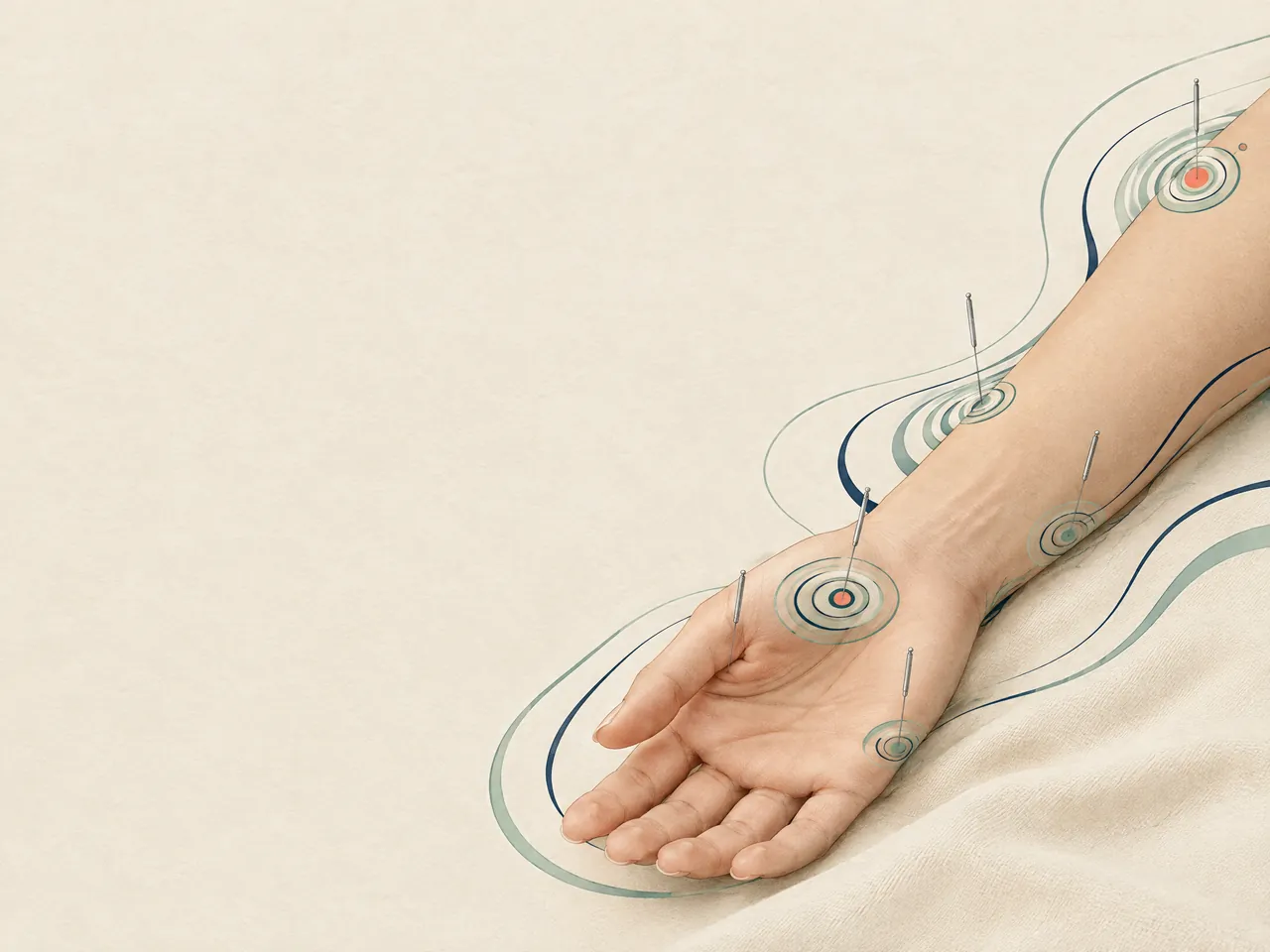
An acupuncture consultation should not bypass this safety check. Discuss current diagnoses, previous spine surgery, recent illness, medications and supplements, especially medicines that affect bleeding, and any imaging or referral letters already available. A clinician can then decide whether symptom-focused care is appropriate to discuss or whether medical review should come first. If someone is already under a medical or rehabilitation plan, acupuncture should be framed as a possible complement to that plan, not an instruction to stop it. The goal is coordinated, sensible care rather than competing explanations.

Can acupuncture fix a slipped disc? When should I seek medical help for a slipped disc? What are the red flags of a herniated disc? — questions to discuss at an assessment
Useful questions are specific. Where exactly is the pain, and does it pass below the knee or into the foot? Did it start suddenly, or has it been building over weeks? Do coughing, sneezing, bending forward, sitting or driving make it worse? Have you noticed a difference in balance, walking, heel-raising, toe-raising or getting up from a chair? What medication have you tried, and did anything produce a side effect? These details help distinguish a manageable symptom discussion from a situation that needs more urgent investigation.
Also ask what the agreed treatment aim is and how progress will be judged. A meaningful measure might be being able to walk to the MTR, sit through a meeting with planned breaks, sleep in a tolerable position, or perform a prescribed exercise without a pain flare. Set a clear escalation rule before treatment begins: new weakness, spreading numbness, unexpected severe pain or a change in bladder or bowel function means stop treating it as routine and seek medical advice. This approach avoids both false reassurance and unnecessary alarm.

Can acupuncture fix a slipped disc? When should I seek medical help for a slipped disc? What are the red flags of a herniated disc? — how examination and scans inform care
A medical assessment may include watching posture and walking, asking you to bend or raise a leg, and checking reflexes, strength and sensation. [3] These are not just formalities: they help identify whether a pain pattern might involve a nerve and whether there is loss of function. If you have an existing MRI report, X-ray report or specialist letter, take it along. It gives context, but an image should be read alongside current symptoms and examination findings rather than treated as a stand-alone verdict.
Scans are not automatic for every episode. NIAMS says most people do not need additional tests, while MRI can help diagnose disease or damage involving soft tissues, discs, ligaments and nerve roots when a clinician considers it necessary. [3] That is why a scan request should follow clinical reasoning, not anxiety alone. Conversely, an old scan does not overrule a new change in strength or sensation. If symptoms change materially, tell the clinician who is assessing you, even if a previous report seemed reassuring.
What are the red flags of a herniated disc? Can acupuncture fix a slipped disc? When should I seek medical help for a slipped disc? — urgent symptoms and next steps
Red flags are symptoms that change the priority from trying to settle pain to getting urgent medical assessment. They do not mean a person should wait to see whether an acupuncture session helps. Seek emergency help immediately for numbness around the bottom or genitals, inability to pass urine, loss of bladder or bowel control, loss of feeling in one or both legs, or back pain after a serious accident. [1] In Hong Kong, use emergency services or attend an emergency department as appropriate; do not drive yourself if your symptoms make that unsafe.
Fever or feeling hot, cold or shivery with back pain, unexplained weight loss, a swelling in the back, pain that is worse at night, or pain that fails to improve over several weeks also warrant timely medical advice rather than an open-ended self-treatment plan. [1] The message is not that every backache is an emergency. It is that certain combinations can point to a problem that needs a different pathway. Acupuncture should never become the reason a person delays an assessment for an evolving neurological or systemic symptom.

What are the red flags of a herniated disc? Can acupuncture fix a slipped disc? When should I seek medical help for a slipped disc? — recognising weakness, numbness and bladder changes
Weakness is different from choosing not to move because movement hurts. It may show up as the ankle giving way, difficulty lifting the front of the foot, trouble standing on toes, a change in gait, or a leg that cannot do what it normally can. Numbness can be more concerning when it spreads, affects both legs, or involves the inner thighs, buttocks or genital area, sometimes called the saddle area. Describe precisely what has changed and when. This gives emergency clinicians useful information and prevents vague “back pain” from hiding an important neurological change.
Bladder and bowel changes need equally direct language. Inability to start urinating, retention, new incontinence, or loss of bowel control in combination with back or leg symptoms requires emergency assessment. Cauda equina syndrome is a medical emergency caused by compression of nerve roots at the bottom of the spinal cord; it can involve leg weakness, altered sensation, urinary retention or incontinence. [2] Do not wait for a routine appointment, a scan you have booked later, or a non-emergency therapy session if these symptoms are present.

What are the red flags of a herniated disc? Can acupuncture fix a slipped disc? When should I seek medical help for a slipped disc? — when urgent medical assessment comes first
If red flags are absent and a clinician considers conservative symptom care reasonable, plan daily activity around tolerance rather than complete bed rest. The NHS advises gradually returning to gentle activity, such as walking, swimming or yoga, so long as it does not cause pain or make back pain worse. [1] For desk work, break up a long sitting period with a brief position change. For lifting, reduce the load or ask for help instead of repeatedly testing a painful movement. These are practical adjustments, not a substitute for individual rehabilitation advice.
If you would like to ask whether an acupuncture consultation is appropriate after medical concerns have been addressed, TCM Lab can discuss an enquiry by WhatsApp at +852 6940 5663. You may review the practical details for the Kwun Tong Chinese medicine clinic or the Chinese medicine clinic Prince Edward; appointment timing is arranged individually. For a separate view of listed fees, use the Chinese medicine clinic price list Hong Kong. State your symptoms, any diagnosis or scan report, and especially any new weakness or bladder/bowel change so the right next step can be considered.
Care and health guide
Health service information
This directory brings together services, reading, and visit information related to health services, to help you prepare questions for a consultation.
If you are organising health questions, Chinese medicine clinic Hong Kong is a starting point for learning about related services and preparing for a consultation.
People have different needs; acupuncture Hong Kong provides further reading to help you understand options in your own context.


Your questions, answered
Frequently asked questions
Can acupuncture cure a herniated disc?
No. Acupuncture should not be presented as a cure that reverses a disc herniation, repairs a disc, or removes a nerve compression. After appropriate assessment, it may be discussed as one option for symptom management within a wider conservative plan, with clear limits and a plan for escalation if symptoms change.
When should I see a doctor for a slipped disc?
Seek medical advice if pain is not improving, medication is not helping, or you have fever or shivering, unexplained weight loss, back swelling or pain worse at night. Seek emergency help immediately for numbness around the bottom or genitals, inability to urinate, loss of bladder or bowel control, loss of feeling in the legs, or serious-accident onset. [1]
Are tingling and sciatica always a sign that I need surgery?
No. Tingling or leg pain can occur when a disc affects a nerve, but the correct next step depends on the history, examination and how symptoms evolve. Surgery is not usually needed for a slipped disc, although a specialist may discuss it when symptoms have not improved or weakness or numbness is worsening. [1]
What should I bring to an assessment for back and leg symptoms?
Bring a brief symptom timeline, a list of current medicines and supplements, any relevant diagnoses, and existing imaging or referral reports. Note the pain route, what triggers it, changes in walking or strength, and whether any numbness has spread. Say immediately if there has been a bladder or bowel change.
Sources and further information
- [1] [1] NHS — Slipped disc
Referenced for: Official NHS guidance supporting the definition, common symptoms, activity advice, assessment context, non-urgent warning signs and emergency red flags for slipped discs; it is not evidence that acupuncture repairs a disc.
- [2] [2] Cleveland Clinic — Cauda Equina Syndrome
Referenced for: Academic medical-centre information supporting the emergency nature of cauda equina syndrome and the relevance of leg weakness, saddle-area sensory changes, urinary retention and bladder or bowel incontinence.
- [3] [3] National Institute of Arthritis and Musculoskeletal and Skin Diseases — Back Pain: Diagnosis, Treatment, and Steps to Take
Referenced for: US government health information supporting assessment questions, physical examination, the limited role of imaging, gradual activity and the carefully qualified statement that acupuncture may relieve pain in some people with back pain.