
TCM Lab · Health reading
Tailbone Pain Questions: can acupuncture help coccydynia, can acupuncture fix a fractured tailbone, and when should I see a doctor for tailbone pain
Published Updated
A sore tailbone can make an ordinary workday, car ride, or meal feel much longer than it should. Coccydynia is the clinical name for pain at the coccyx, the small bone at the base of the spine. Acupuncture may be worth discussing as supportive care when a clinician has considered the cause and there is no urgent problem. It cannot join a broken bone, reverse joint damage, or put a displaced coccyx back into place. The useful first question is therefore not simply whether a treatment might soothe pain, but whether the pattern calls for medical assessment, pressure relief, rehabilitation, or a combination of these steps.
Appointments are confirmed through WhatsApp. If you have language requirements, please mention them in your enquiry.
The short answer
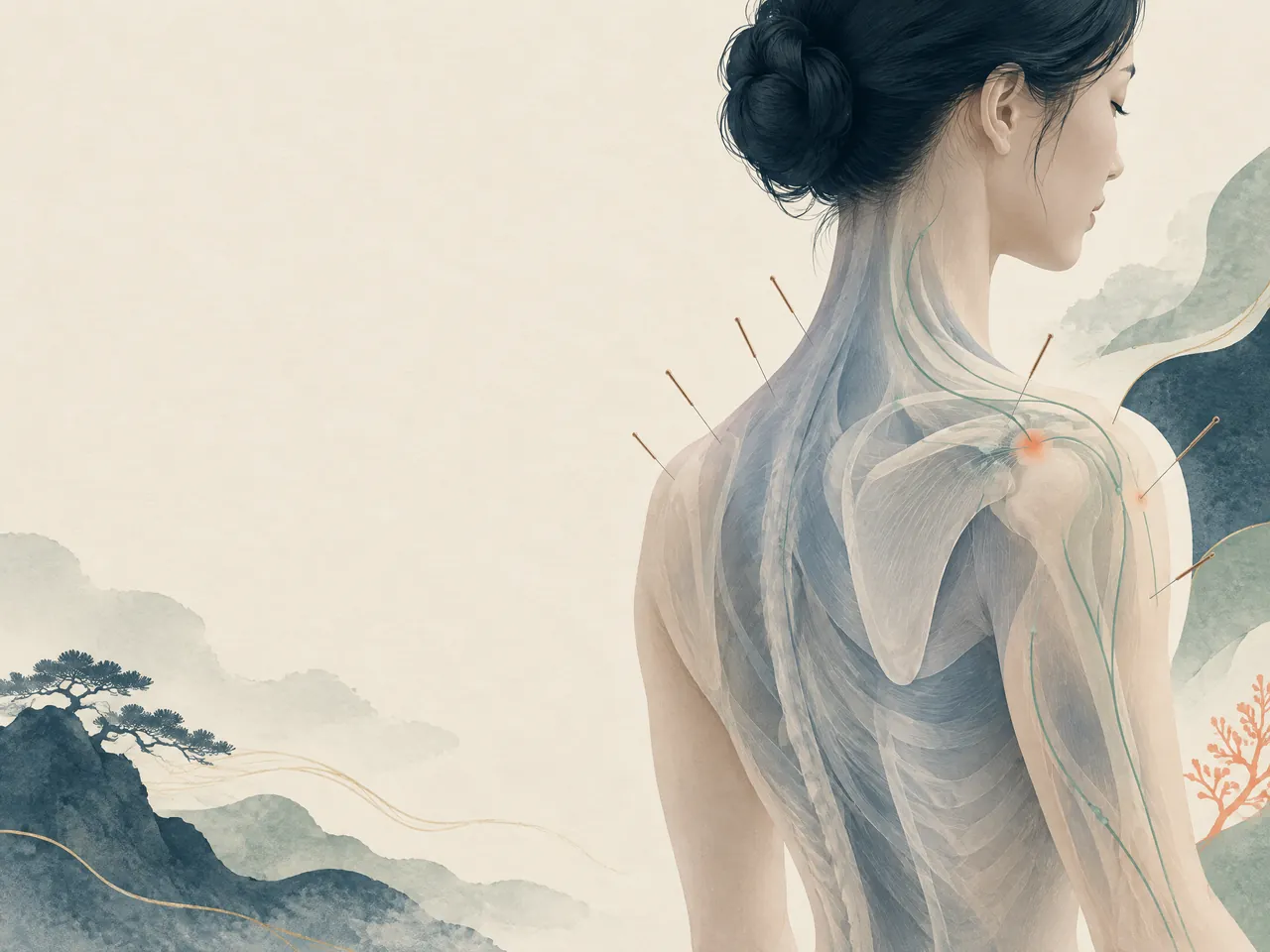
Acupuncture may be considered to support symptom management for coccydynia after the likely cause has been assessed, particularly when surrounding muscle tension and sitting intolerance are part of the picture. It cannot fix a fractured tailbone, severe displacement, or other structural damage. Seek medical assessment promptly after significant trauma or with worsening pain, leg numbness or weakness, bowel or bladder changes, fever, or unexplained weight loss.
Transparent pricing
See the fees.
Choose your care.
Explore our complete official price list, including first-trial prices, regular prices, packages and branch-specific options.
Opening WhatsApp prepares an enquiry; it does not send a message, take payment or confirm an appointment. Suitability and individual arrangements are confirmed during consultation.
Chinese medicine
All prices in HKDAcupuncture and Chinese herbal medicine package
Includes a Chinese medicine consultation with pulse assessment, body acupuncture and 3 days of Chinese herbal granules that do not require decoction.
HK$580 (single session)
Chinese medicine consultation with pulse assessment
Hair and scalp
All prices in HKDScalp health and hair-loss management
Includes AI scalp analysis, deep scalp and follicle cleansing, and scalp oil-control care.
HK$380 (first trial)
Regular price: HK$680
- 6 sessions: HK$3,480 (HK$580 per session)
- 12 sessions: HK$5,760 (HK$480 per session)
- 20 sessions: HK$8,600 (HK$430 per session)
- 30 sessions: HK$11,400 (HK$380 per session)
Hair acupuncture and Chinese herbal medicine package
Includes scalp acupuncture and 3 days of Chinese herbal medicine that does not require decoction.
HK$580 (single session)
Registered Chinese Medicine Practitioner consultation
- 6 sessions: HK$3,180 (HK$530 per session)
- 12 sessions: HK$5,760 (HK$480 per session)
- 20 sessions: HK$8,600 (HK$430 per session)
- 30 sessions: HK$11,400 (HK$380 per session)
Combined hair and scalp treatment
Combines acupuncture and Chinese herbal medicine with salon-level scalp and follicle care. Packages include complimentary hair-care shampoo and serum.
HK$1,260 (single session)
Combined treatment
- 8 sessions: HK$8,640 (HK$1,080 per session)
- 16 sessions: HK$15,680 (HK$980 per session)
- 20 sessions: HK$18,600 (HK$930 per session)
- 30 sessions: HK$26,400 (HK$880 per session)
Weight management
All prices in HKDFull-body acupoint embedding for weight management
Includes full-body acupoint embedding. Packages include complimentary Chinese herbal medicine for weight management, with the number of included days scaled to the package. Embedding material and the individual treatment arrangement are confirmed during consultation; this is not a cosmetic thread lift.
HK$980 (single session)
No trial session
- 10 sessions: HK$7,800 (HK$780 per session)
- 20 sessions: HK$14,600 (HK$730 per session)
- 30 sessions: HK$20,400 (HK$680 per session)
Facial acupuncture
All prices in HKDFacial acupuncture (basic)
Includes facial acupuncture and meridian-based facial care, including care for facial puffiness.
HK$480 (first trial)
Regular price: HK$680
- 10 sessions: HK$5,200 (HK$520 per session)
- 20 sessions: HK$9,600 (HK$480 per session)
- 30 sessions: HK$13,500 (HK$450 per session)
Facial acupuncture (advanced)
Includes enhanced facial acupuncture with a specially formulated moisturising mask and serum.
HK$780 (first trial)
Regular price: HK$1,180
- 10 sessions: HK$9,000 (HK$900 per session)
- 20 sessions: HK$16,600 (HK$830 per session)
- 30 sessions: HK$23,400 (HK$780 per session)
Pain care
All prices in HKDExtracorporeal shockwave treatment
Shockwave treatment for deep-tissue and fascial care. The Kwun Tong clinic offers the multi-area options shown below.
Priced by branch
Branch-specific pricing
Prince Edward: HK$250 per area
Kwun Tong: HK$250 for 1 area / HK$450 for 2 areas / HK$600 for 3 areas
Pain care (manual therapy)
Includes Chinese medicine musculoskeletal assessment, manual joint techniques and tui na.
HK$580 (single session)
Chinese medicine musculoskeletal assessment
Pain care (acupuncture and manual therapy)
Combines acupuncture and manual therapy.
HK$680 (single session)
Combined care
Causes and symptoms: can acupuncture help coccydynia; can acupuncture fix a fractured tailbone; when should I see a doctor for tailbone pain
The coccyx sits at the lower end of the spine, close to attachments for ligaments, muscles, and pelvic-floor structures. Coccydynia describes pain in that area; it does not name one single cause. A backward fall, a long period on a hard seat, repeated loading during activities such as cycling, pregnancy or childbirth, posture, and changes around the joint can all be relevant. NHS guidance also notes that some people have no clear cause. [1] That range is why the first useful conversation is about what happened before the pain started and what now aggravates it.
A practical distinction is between a familiar flare after pressure and a new problem after an accident. Bruising, a ligament strain, a fracture, and displacement can feel similar initially. Cleveland Clinic explains that a provider will ask about past trauma and examine the area; X-ray or CT may be considered to check a fracture, while other tests can be used for different suspected causes. [2] That is more informative than trying to judge the injury by pain intensity alone.

Understanding injury and daily strain — can acupuncture help coccydynia; can acupuncture fix a fractured tailbone; when should I see a doctor for tailbone pain
After a slip or a fall directly onto the buttocks, give the event real weight in the history, even if the pain seems manageable at first. A tailbone injury may be a bruise, but a fall can also fracture or dislocate the coccyx. [2] If there is marked pain, swelling, difficulty moving normally, or concern about a more serious injury, medical evaluation should come before arranging symptom-focused care. Trying to ‘work through’ pain by repeated sitting can make it harder to tell whether the problem is settling or deteriorating.
Childbirth, prolonged sitting, cycling, and repeated transitions from chair to standing all put the question on a different footing from a fresh fall. A clinician can relate the timing to the examination and decide whether conservative measures, rehabilitation, imaging, or referral is the sensible next step. For related sitting and alignment questions, see acupuncture for poor posture; it is not a substitute for assessing tailbone trauma.
Recognising pain when sitting or standing — can acupuncture help coccydynia; can acupuncture fix a fractured tailbone; when should I see a doctor for tailbone pain
The sit-to-stand moment is a useful clue. In coccydynia, pain can spike as pressure shifts onto or away from the coccyx; pain with bending forward or bowel movements may also occur. [1] Notice whether the sensation stays in one small spot or travels into the buttock, groin, or leg. Pain that is clearly central and pressure-sensitive deserves a different discussion from tingling, widespread numbness, or a painful leg.
It also helps to separate the pain site from the treatment site. Gentle work may sometimes be planned around the lower back, gluteal muscles, hips, or more distant points rather than directly into the painful tailbone region. The choice depends on the assessment and safety considerations. Readers comparing symptom-focused approaches can also review coccydynia acupuncture, while remembering that a structural diagnosis cannot be made from an online description.
Compare your options
| Pattern or concern | Useful first step | How acupuncture fits | What not to overlook |
|---|---|---|---|
| Recent backward fall with marked local pain | Medical assessment to consider bruising, fracture, or displacement | Only consider supportive care after the injury has been assessed | Do not assume that pain level alone identifies the injury |
| Pain mainly during prolonged sitting or rising from a chair | Reduce pressure with posture changes, breaks, and a coccyx cushion | May be discussed for symptom support if appropriate | Review if daily function is worsening or not improving |
| Gradual pain with cycling, driving, or repetitive loading | Pause the provoking load and seek an individual movement assessment | May complement a broader rehabilitation plan | Avoid returning abruptly to the same duration or intensity |
| Pain with weakness, numbness, fever, bowel or bladder change | Urgent medical evaluation | Not a first response to possible neurological or systemic warning signs | Do not wait for routine symptom care |
On smaller screens, scroll the table sideways to compare all columns.
Assessment and acupuncture options: can acupuncture help coccydynia; can acupuncture fix a fractured tailbone; when should I see a doctor for tailbone pain
A useful assessment begins with the story: a fall versus gradual onset, childbirth history where relevant, sitting and activity demands, bowel or bladder symptoms, fever, weight change, and previous imaging or treatment. The painful area is then considered in context rather than in isolation. A practitioner may ask where the pain is most exact, whether sitting on one side changes it, and whether there are symptoms in the legs or low back. This avoids treating the word ‘coccydynia’ as if it supplied all the answers.
The purpose of assessment is also to set an honest treatment boundary. When a fracture, severe misalignment, infection, tumour, or neurological problem is possible, a Chinese-medicine consultation should not delay medical care. Medical investigation is not a failure of conservative care; it is how a person finds out what needs protecting. In Hong Kong, the Chinese Medicine Hospital describes a CM-led integrated Chinese-Western approach for low-back pain that includes assessment and collaboration, illustrating why symptoms sometimes need more than one clinical perspective. [4]

What an individual assessment considers — can acupuncture help coccydynia; can acupuncture fix a fractured tailbone; when should I see a doctor for tailbone pain
Before acupuncture is considered, expect questions that change the safety decision: Was there direct impact? Has pain persisted or worsened? Is there numbness, weakness, fever, a new lump, or altered bowel or bladder control? Is pregnancy, a bleeding tendency, skin infection, or another health condition relevant? Bring prior reports or imaging if you have them. This does not mean everyone requires a scan; it means the decision should follow the history and examination rather than a one-size-fits-all package.
In a Chinese-medicine assessment, the clinician may consider tenderness, surrounding muscle guarding, sleep, activity, and the broader symptom pattern. If acupuncture is judged appropriate, point selection may involve the sacral or lower-back region and points away from the painful area. The treatment plan should be explained in plain terms: what symptom it aims to support, what other care should continue, and what change would mean the plan needs review.
Ask direct questions before proceeding: ‘What diagnosis still needs to be ruled out?’, ‘Could sitting advice or physiotherapy be more important right now?’, and ‘What symptoms mean I should seek medical review?’ This makes the appointment a shared decision rather than a search for reassurance. For a wider back-pain context, Hong Kong acupuncture for back pain can help frame questions, but lower-back content should not be used to label every tailbone complaint.

What acupuncture can and cannot address — can acupuncture help coccydynia; can acupuncture fix a fractured tailbone; when should I see a doctor for tailbone pain
Acupuncture can be discussed as one component of symptom management for some people with assessed coccydynia. Its practical aim in this setting is to support comfort and address surrounding soft-tissue tension or pain sensitivity, not to claim a structural repair. Cleveland Clinic lists acupuncture among nonsurgical treatment options for coccydynia, alongside approaches such as physical therapy, while emphasising that treatment depends on cause and severity. [2] Individual response and suitability vary, so a fixed number of sessions or a guaranteed change should not be promised.
It cannot knit a fractured tailbone, remove a bone spur, correct major displacement, treat an abscess, or replace evaluation of concerning neurological symptoms. If imaging or a medical plan is recommended, follow that plan first. Acupuncture may later be considered around the wider care plan if the treating clinicians agree it is appropriate. The same principle applies if a disc or nerve problem is suspected: acupuncture for herniated disc is a separate topic and should not be used to self-diagnose tailbone pain.
Self-care and medical attention: can acupuncture help coccydynia; can acupuncture fix a fractured tailbone; when should I see a doctor for tailbone pain
Self-care should reduce direct pressure without making life smaller than necessary. The NHS advises maintaining supportive posture, using a specially designed coccyx cushion, lying on the side to reduce pressure, avoiding long periods of sitting, and using wrapped ice or heat for symptom relief. [1] Choose what is comfortable and safe for you, especially if you have another medical condition or are considering pain medicines. The aim is to make daily loading more tolerable while watching the overall trend.
Think in short intervals rather than heroic endurance. Before a meeting, set up the chair, cushion, and lower-back support. During a journey, plan a safe opportunity to stand and walk briefly. At home, alternate positions instead of sinking into one soft seat for an evening. If using a cushion, check that it shifts pressure off the coccyx rather than simply raising you onto a surface that still presses the sore spot. Small changes are easier to evaluate when you change one or two things at a time.

Medication, heat, cold, pelvic-floor work, physiotherapy, or other treatments should be discussed in relation to your own health history. Do not use forceful self-massage over a freshly injured coccyx, and do not keep testing a painful movement to see whether it has ‘gone away’. Protection, gentle movement within tolerance, and clear escalation rules are a more useful foundation for any complementary treatment.
Reducing pressure during everyday activities — can acupuncture help coccydynia; can acupuncture fix a fractured tailbone; when should I see a doctor for tailbone pain
A rear cut-out coccyx cushion can be useful for desk chairs, dining chairs, and car seats because it is designed to reduce direct contact at the tailbone. [1] Test it on the seat where the pain usually occurs; a cushion that works at a desk may not work in a deep car seat. Keep both feet supported, bring work closer instead of leaning backwards, and use armrests when rising so that the transition is controlled rather than abrupt.
Work tasks can often be adapted without total rest. Take calls standing when practical, change position before pain becomes intense, and divide longer seated tasks into smaller blocks. A person who cycles or rows may need to pause the provoking activity and ask a clinician how to return safely. Do not make a sudden return to long rides just because a single good day feels encouraging. The body’s response over the next day is often more informative than the first few minutes.
Bowel discomfort can add another layer because straining may aggravate tailbone pain. Fluids, fibre, and appropriate advice about constipation can be relevant, while pain during bowel movements should be described during medical assessment. MedlinePlus also advises avoiding prolonged sitting after tailbone trauma and seeking advice if bowel or bladder control becomes a problem. [3] These details are important clinical information, not an embarrassment to leave out.

Warning signs and next steps — can acupuncture help coccydynia; can acupuncture fix a fractured tailbone; when should I see a doctor for tailbone pain
Arrange medical review after significant trauma, when pain is severe or increasingly limits normal activity, or when symptoms have not improved after a few weeks of sensible home measures. The NHS also advises review for tailbone pain with a high temperature and pain elsewhere such as the tummy or lower back. [1] These situations deserve a diagnosis rather than repeated attempts to treat the same sore spot.
Seek urgent medical attention for new leg weakness, numbness or tingling, loss of bowel or bladder control, a rapidly increasing swelling, or pain accompanied by concerning systemic symptoms. MedlinePlus specifically lists sudden leg numbness or weakness and problems controlling bowel or bladder function as reasons to contact a provider after tailbone trauma. [3] If symptoms feel severe or urgent, use emergency services rather than waiting for a complementary-care appointment.
If medical assessment has ruled out urgent concerns and you would like to ask about supportive acupuncture, TCM Lab can discuss an individual appointment by WhatsApp at +852 6940 5663. You can ask about an assessment at the Kwun Tong Chinese medicine clinic or the Chinese medicine clinic Prince Edward. Describe the onset, any fall, current medical advice, and your main sitting trigger so the enquiry starts with the information that matters.
Care and health guide
Pain-care information
This directory brings together services, reading, and visit information related to pain care, to help you prepare questions for a consultation.
When pain care affects your day, noting when it occurs, its relation to activity, and what you have already tried can help prepare a consultation; Chinese medicine pain management Hong Kong is a relevant service or reading entry point.
Individual circumstances differ, and acupuncture Hong Kong offers related information to help you understand options and prepare questions.


Your questions, answered
Frequently asked questions
Can acupuncture help with coccydynia after a fall?
It may be considered as supportive symptom care only after the injury has been appropriately assessed. A fall can cause a bruise, fracture, or dislocation, so it should not replace medical evaluation or any recommended imaging when a structural injury is possible.
Can acupuncture fix a fractured tailbone?
No. Acupuncture cannot repair a fractured tailbone, correct a severe displacement, or reverse degenerative structural change. Medical assessment directs care for those problems; acupuncture, if appropriate, can only be discussed as part of broader symptom management.
When should I see a doctor for tailbone pain?
Seek prompt assessment after significant trauma, for severe or persistent pain, or if normal activities are becoming difficult. Urgent assessment is important with leg weakness or numbness, bowel or bladder changes, fever, rapidly increasing swelling, or other concerning symptoms.
What can I do while waiting for an appointment?
Avoid long periods of sitting, use a coccyx cushion with a rear cut-out if it reduces direct pressure, change positions regularly, and use ice or heat safely if suitable for you. Avoid forceful self-massage over a recent injury and follow any medical advice already given.
Sources and further information
- [1] [1] NHS — Tailbone (coccyx) pain
Referenced for: Symptoms, common causes, pressure-relief self-care, and non-urgent medical review guidance.
- [2] [2] Cleveland Clinic — Tailbone Pain (Coccydynia)
Referenced for: Causes, clinical assessment, possible imaging, and treatment-category context; not a guarantee of acupuncture benefit.
- [3] [3] MedlinePlus — Tailbone trauma: aftercare
Referenced for: Aftercare, pressure reduction, activity advice, and escalation signs after a tailbone injury.
- [4] [4] Chinese Medicine Hospital of Hong Kong — Low Back Pain Care Programme
Referenced for: Hong Kong context for integrated Chinese-Western assessment; this programme is about low back pain, not proof of coccydynia treatment effectiveness.