
TCM Lab · Health reading
Menopause Insomnia, Acupuncture for Menopause Insomnia and Menopausal Insomnia: A Practical Guide
Published Updated
Menopause insomnia is more than simply feeling tired after a bad night. During perimenopause or after periods have stopped, a person may lie awake for a long time, wake repeatedly, wake too early, or feel unrefreshed despite spending enough time in bed. A sudden wave of heat, damp nightclothes, worry about work the next day, and changes in mood can all make sleep feel fragile. There is no single explanation for every case. This guide sets out how to notice the pattern, what a Chinese medicine consultation may explore, where acupuncture for menopause insomnia fits as a supportive option, and why medical review still matters when symptoms persist or raise concern.
Appointments are confirmed through WhatsApp. If you have language requirements, please mention them in your enquiry.
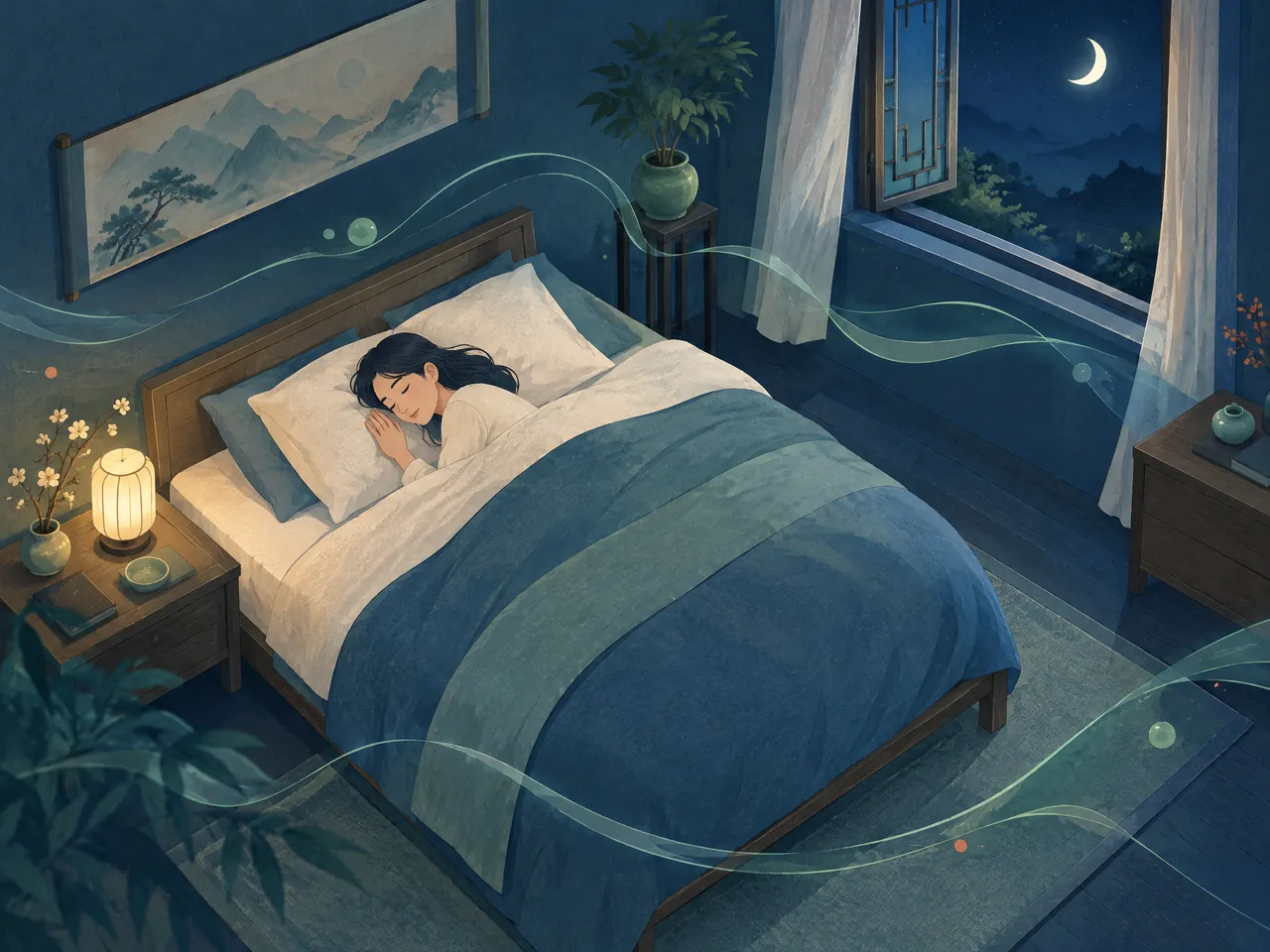
The short answer
Menopausal insomnia can involve trouble falling asleep, repeated waking or early waking, often alongside hot flushes, night sweats, anxiety or low mood. A Chinese medicine consultation can map the sleep pattern and discuss supportive options such as acupuncture or prescribed Chinese medicine, but it does not replace medical assessment. Seek a family doctor or gynaecology review for persistent sleep loss, daytime impairment, snoring or breathing pauses, marked mood symptoms, medication concerns, or unusual bleeding.
Transparent pricing
See the fees.
Choose your care.
Explore our complete official price list, including first-trial prices, regular prices, packages and branch-specific options.
Opening WhatsApp prepares an enquiry; it does not send a message, take payment or confirm an appointment. Suitability and individual arrangements are confirmed during consultation.
Chinese medicine
All prices in HKDAcupuncture and Chinese herbal medicine package
Includes a Chinese medicine consultation with pulse assessment, body acupuncture and 3 days of Chinese herbal granules that do not require decoction.
HK$580 (single session)
Chinese medicine consultation with pulse assessment
Hair and scalp
All prices in HKDScalp health and hair-loss management
Includes AI scalp analysis, deep scalp and follicle cleansing, and scalp oil-control care.
HK$380 (first trial)
Regular price: HK$680
- 6 sessions: HK$3,480 (HK$580 per session)
- 12 sessions: HK$5,760 (HK$480 per session)
- 20 sessions: HK$8,600 (HK$430 per session)
- 30 sessions: HK$11,400 (HK$380 per session)
Hair acupuncture and Chinese herbal medicine package
Includes scalp acupuncture and 3 days of Chinese herbal medicine that does not require decoction.
HK$580 (single session)
Registered Chinese Medicine Practitioner consultation
- 6 sessions: HK$3,180 (HK$530 per session)
- 12 sessions: HK$5,760 (HK$480 per session)
- 20 sessions: HK$8,600 (HK$430 per session)
- 30 sessions: HK$11,400 (HK$380 per session)
Combined hair and scalp treatment
Combines acupuncture and Chinese herbal medicine with salon-level scalp and follicle care. Packages include complimentary hair-care shampoo and serum.
HK$1,260 (single session)
Combined treatment
- 8 sessions: HK$8,640 (HK$1,080 per session)
- 16 sessions: HK$15,680 (HK$980 per session)
- 20 sessions: HK$18,600 (HK$930 per session)
- 30 sessions: HK$26,400 (HK$880 per session)
Weight management
All prices in HKDFull-body acupoint embedding for weight management
Includes full-body acupoint embedding. Packages include complimentary Chinese herbal medicine for weight management, with the number of included days scaled to the package. Embedding material and the individual treatment arrangement are confirmed during consultation; this is not a cosmetic thread lift.
HK$980 (single session)
No trial session
- 10 sessions: HK$7,800 (HK$780 per session)
- 20 sessions: HK$14,600 (HK$730 per session)
- 30 sessions: HK$20,400 (HK$680 per session)
Facial acupuncture
All prices in HKDFacial acupuncture (basic)
Includes facial acupuncture and meridian-based facial care, including care for facial puffiness.
HK$480 (first trial)
Regular price: HK$680
- 10 sessions: HK$5,200 (HK$520 per session)
- 20 sessions: HK$9,600 (HK$480 per session)
- 30 sessions: HK$13,500 (HK$450 per session)
Facial acupuncture (advanced)
Includes enhanced facial acupuncture with a specially formulated moisturising mask and serum.
HK$780 (first trial)
Regular price: HK$1,180
- 10 sessions: HK$9,000 (HK$900 per session)
- 20 sessions: HK$16,600 (HK$830 per session)
- 30 sessions: HK$23,400 (HK$780 per session)
Pain care
All prices in HKDExtracorporeal shockwave treatment
Shockwave treatment for deep-tissue and fascial care. The Kwun Tong clinic offers the multi-area options shown below.
Priced by branch
Branch-specific pricing
Prince Edward: HK$250 per area
Kwun Tong: HK$250 for 1 area / HK$450 for 2 areas / HK$600 for 3 areas
Pain care (manual therapy)
Includes Chinese medicine musculoskeletal assessment, manual joint techniques and tui na.
HK$580 (single session)
Chinese medicine musculoskeletal assessment
Pain care (acupuncture and manual therapy)
Combines acupuncture and manual therapy.
HK$680 (single session)
Combined care
Menopause Insomnia, Acupuncture for Menopause Insomnia and Menopausal Insomnia: Recognising Sleep Patterns
Sleep can change before, during and after menopause, but the experience is not identical for everyone. Some people first notice a longer wait for sleep; others fall asleep normally and then wake hot, sweaty or alert at 3am. Repeated broken sleep may show up the next day as irritability, slowed concentration, low motivation or a need to rely on caffeine. The NHS lists difficulty getting to sleep or staying asleep among menopause and perimenopause symptoms, and notes that night sweats can make sleep problems worse [1]. Naming the pattern gives a consultation something useful to work with instead of reducing every difficult night to “insomnia.”
It also helps to distinguish a temporary run of disrupted nights from a problem that is taking over daily life. Consider what changed around the same time: workload, caregiving, relationship stress, travel, a new medicine, pain, a late meal, alcohol, or a bedroom that feels too warm. Hot flushes and night sweats are common contributors, but they are not the only possible explanation. The National Institute on Aging also points to mood changes as a contributor to poor sleep during the menopausal transition [2].
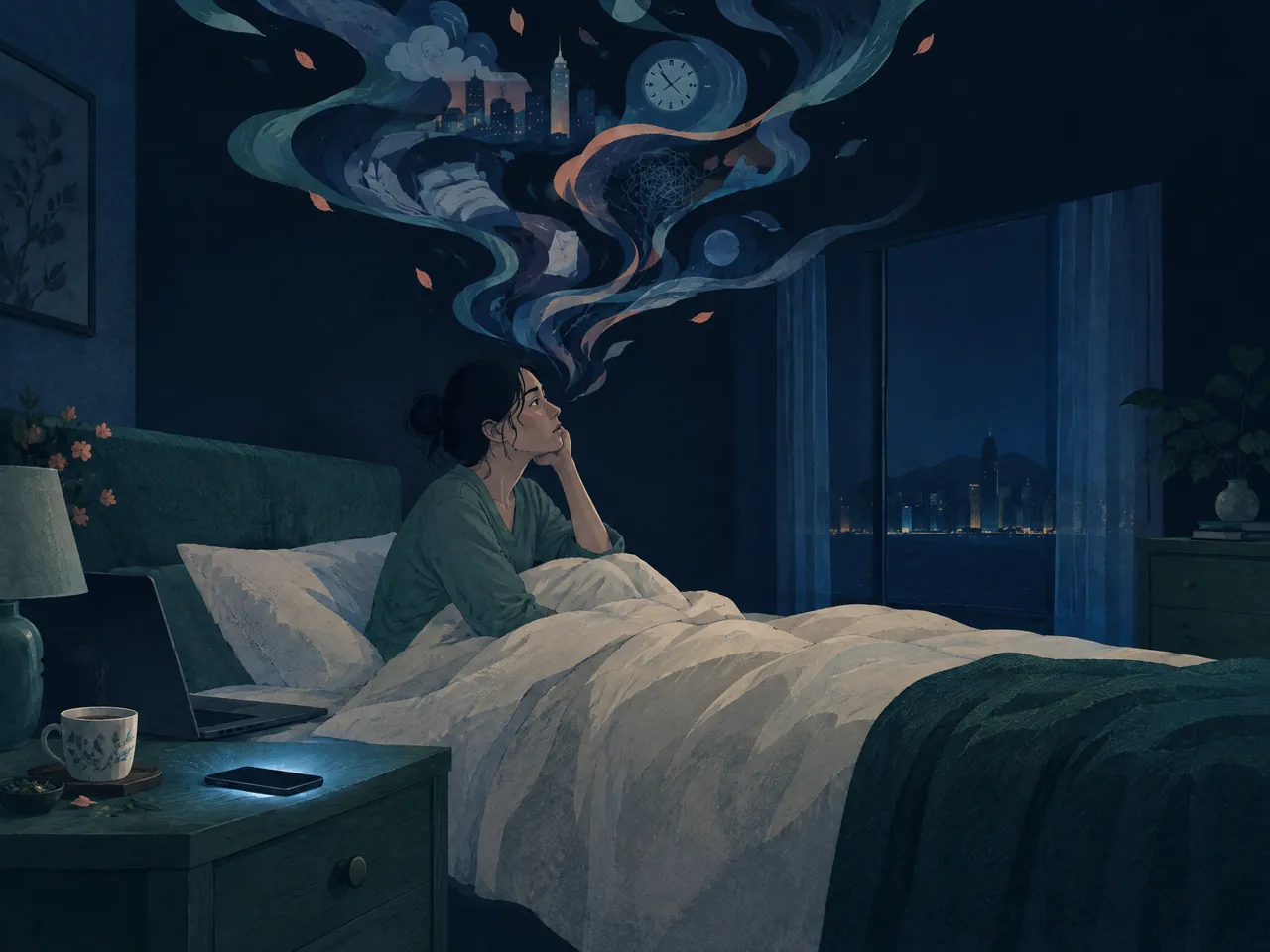
Menopause Insomnia, Acupuncture for Menopause Insomnia and Menopausal Insomnia: Trouble Falling or Staying Asleep
Trouble falling asleep often feels different from waking after a hot flush. A person who cannot switch off may be caught in a loop of checking the clock, worrying about tomorrow, and trying harder to sleep. Someone who wakes several times may describe being comfortable at bedtime but then becoming too warm, needing to change clothes, use the bathroom, or lie awake after the room has cooled. Early waking can bring a separate problem: there may be no return to sleep even when there is still time in bed.
A short, honest sleep diary can make the pattern visible. For one or two weeks, note bedtime, estimated time to sleep, each awakening, whether heat or sweating was present, final wake time, naps, and the effect on the following day. Add medicines and supplements, including occasional sleep aids, because they can matter to a review. If a partner notices loud snoring, gasping or pauses in breathing, write that down too. For a companion read on practical routines, see How can I sleep better during menopause? rather than assuming that a single remedy suits every kind of waking.

Menopause Insomnia, Acupuncture for Menopause Insomnia and Menopausal Insomnia: Hot Flushes, Night Sweats and Mood Changes
A hot flush can arrive as a sudden feeling of heat in the face, neck or chest, sometimes with sweating, palpitations, anxiety or dizziness. At night it may leave the person fully awake, uncomfortable and frustrated before sleep can resume. Mood changes can add another layer: anxiety may keep the mind busy before bed, while low mood and tiredness can make the next day feel harder. The relationship is two-way in daily life. Poor sleep can heighten irritability and distress, while distress can make settling and returning to sleep more difficult. It is valid to bring both sleep and emotional wellbeing into the same appointment.
Not every night-time sweat is automatically menopausal, and not every poor night is due to hormones. Fever, pain, reflux, a medication effect, alcohol, shift work or an untreated sleep disorder may need different attention. This is particularly important when symptoms are new, intense or changing. New palpitations, concerning daytime sleepiness, persistent low mood, or sleep that is becoming unsafe at work or while driving deserve timely medical discussion. If periods have stopped for 12 months or more and vaginal bleeding occurs, the NHS advises getting it checked [1]. Chinese medicine support can sit alongside that evaluation; it should not delay it.
Compare your options
| What you notice | Details worth recording | A sensible next step |
|---|---|---|
| Long time to fall asleep | Bedtime, racing thoughts, late caffeine, screen use and when sleep finally starts | Try a regular wind-down routine; discuss persistent worry or insomnia with a clinician. |
| Waking hot or sweaty | Timing, damp clothing or bedding, room temperature and how long it takes to resettle | Use light layers and record associated symptoms; consider menopause-focused medical advice. |
| Repeated waking without heat | Pain, reflux, urination, restless legs, alcohol, medicines and daytime effect | Bring the pattern and medicine list to a consultation rather than assuming menopause is the sole cause. |
| Snoring, gasping or unsafe tiredness | Breathing pauses noticed by another person, morning headaches, drowsy driving or work errors | Seek prompt medical assessment for a possible sleep disorder or another health concern. |
On smaller screens, scroll the table sideways to compare all columns.
Menopause Insomnia, Acupuncture for Menopause Insomnia and Menopausal Insomnia: How TCM Assessment Works
A Chinese medicine consultation starts with the person’s story, not with an assumption that everyone in menopause needs the same treatment. The practitioner may ask how long sleep has been difficult, what wakes you, how hot flushes behave through the day and night, how your mood and energy have changed, and what you have already tried. Menstrual changes, digestion, pain, headaches, palpitations, thirst, urination, work schedule and family pressures can all provide context. This is a traditional pattern-assessment approach, not a substitute for a modern endocrine diagnosis or laboratory test.
In traditional Chinese medicine, a practitioner may use the four examinations: observation, listening and smelling, questioning, and palpation. Tongue and pulse observations are considered together with the history; neither should be treated as a stand-alone diagnosis. Bring a current list of prescribed medicines, over-the-counter sleep products, herbs and supplements. Sharing it with every clinician involved makes it easier to identify possible interactions or duplicated approaches. For broader symptom-focused reading, the page on Chinese medicine for menopause symptoms explains why symptom patterns, rather than an advertised one-size plan, are central to the discussion.
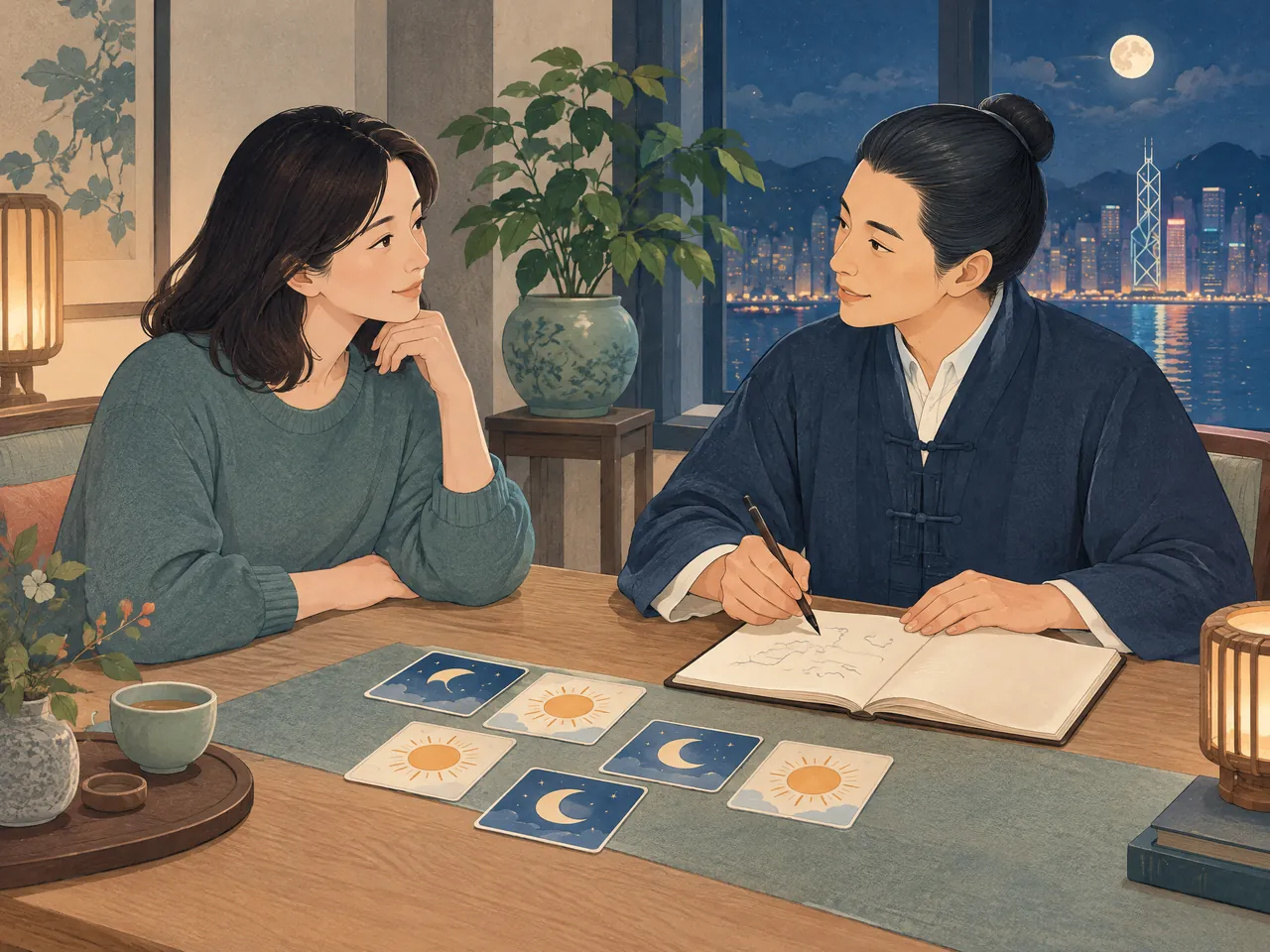
Menopause Insomnia, Acupuncture for Menopause Insomnia and Menopausal Insomnia: Questions Asked During Four-Diagnosis Assessment
Useful questions are specific. Does the person feel wired at bedtime or sleepy but unable to remain asleep? Do they wake before or after sweating? Is the room hot, or is the heat internal and sudden? Are there palpitations, anxiety, low mood, headaches, pain, reflux, frequent urination or restless legs? Does sleep improve on days without late caffeine, alcohol or screen use? A practitioner may also ask about appetite, bowel habits, energy, dry mouth and temperature preference. The point is to build a coherent account of the person’s comfort, routine and symptoms, rather than to label normal menopausal change as a disease.
An assessment should also make space for what the person needs to do the next day. Work, caring duties and shift patterns can all make a regular routine harder. Explain whether fatigue affects concentration, mood, safety or attendance. Bring any medical diagnosis and the names of all medicines, especially if a doctor has prescribed hormones, antidepressants, sedatives or other treatment. Do not stop, start or alter prescribed treatment because of an online article or a Chinese medicine visit; medication decisions belong with the prescriber who can weigh the full history.
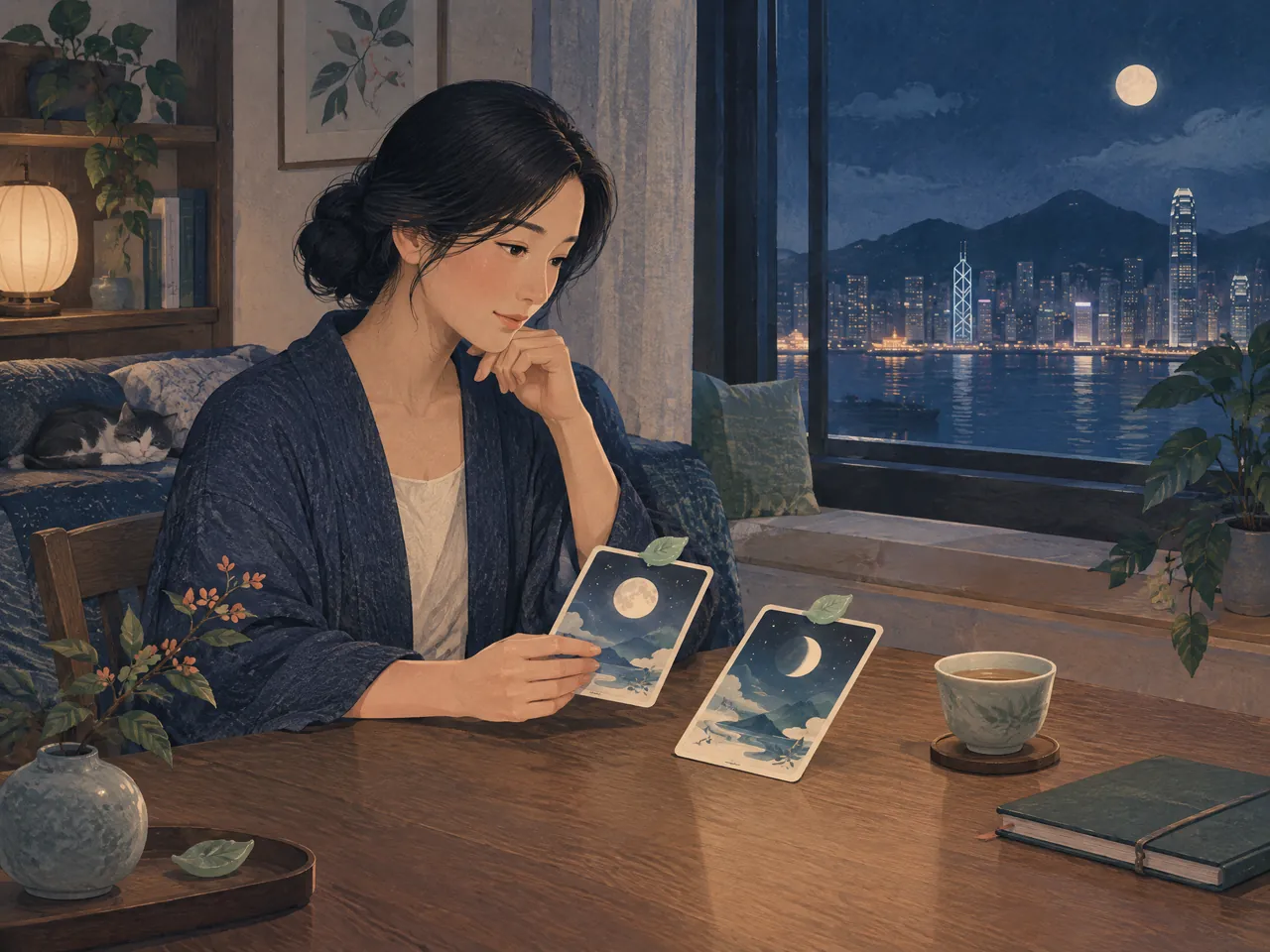
Menopause Insomnia, Acupuncture for Menopause Insomnia and Menopausal Insomnia: Acupuncture or Chinese Medicine as Supportive Options
After assessment, acupuncture for menopause insomnia may be discussed as one possible supportive element, alongside sleep habits and appropriate medical care. Needling plans, point selection and whether Chinese herbal medicine is considered are individual clinical decisions, so this page cannot predict a fixed number of visits or an outcome. If herbs are prescribed, tell the practitioner and your doctor about all other medicines and supplements. The aim of a consultation is to discuss symptom support and review how you are feeling, not to promise hormone balancing, cure menopause, or replace treatment for another identified condition.
It is sensible to keep expectations measured. One commonly cited publication on acupuncture for insomnia in menopausal women is a protocol for a planned randomised, sham-controlled trial, not a completed efficacy result [3]. That distinction matters: a study design cannot establish that treatment works. A person who chooses acupuncture can still use the sleep diary, follow medical advice and reassess whether the overall plan is helping their daily function. If you prefer to enquire in person, the Kwun Tong Chinese medicine clinic and Chinese medicine clinic Prince Edward pages provide location information; an appointment is still needed to decide what is appropriate.
Menopause Insomnia, Acupuncture for Menopause Insomnia and Menopausal Insomnia: Practical and Medical Next Steps
The most workable next step is usually small and repeatable. Start by making the bedroom cooler, darker and quieter where possible, and keep a simple routine that tells the body the day is ending. A spare breathable top or bedding layer beside the bed may make a night sweat less disruptive than searching for it while fully awake. Avoid turning every waking into a calculation about lost sleep. Instead, note the pattern in the morning and take that information to a professional if it continues. This approach respects the real impact of menopause insomnia without turning bedtime into another task to perform perfectly.
Medical care and Chinese medicine do not have to be presented as opposing choices. Hong Kong’s CUHK Medical Centre describes menopause care involving both family physicians and Traditional Chinese Medicine practitioners, illustrating the value of communicating across disciplines [4]. That does not mean every person needs the same package or tests. It does mean that a family doctor or gynaecology professional is the right person to assess potential medical causes, discuss menopause treatment options, and review prescribed medicines. Tell each provider what the other has recommended so the plan stays safe and understandable.
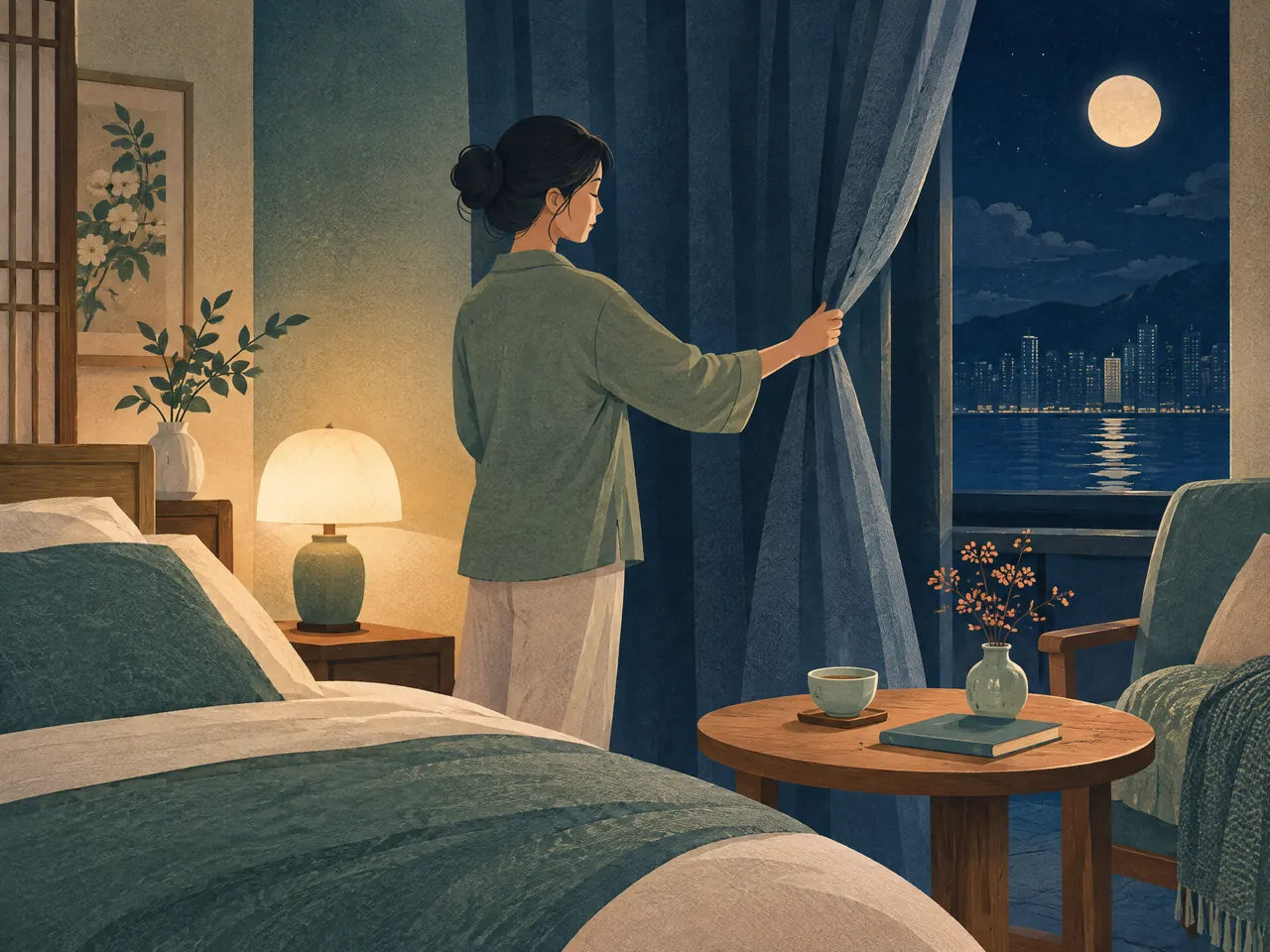
Menopause Insomnia, Acupuncture for Menopause Insomnia and Menopausal Insomnia: Sleep Habits for Cooler, Calmer Nights
Choose a realistic wake time and keep it fairly consistent, including after a bad night. Build a wind-down period that is calming rather than stimulating: a gentle wash, a paper book, quiet music or another familiar routine. Keep phones, television and work messages out of the bed if possible. The National Institute on Aging also recommends a regular schedule, a comfortable and quiet bedroom, regular exercise away from bedtime, and avoiding caffeine late in the day and alcohol as a sleep aid [2]. These are foundations, not a test of willpower, and they may need adapting for caring duties or shift work.
Plan for heat without making the room uncomfortably cold. Light layers, breathable nightwear, a fan if it is safe, and an easy way to change damp clothing may reduce the disruption caused by a flush. Notice personal triggers rather than assuming that every food is a trigger. Late large meals, alcohol, caffeine and vigorous exercise close to bed are reasonable items to test one at a time. Keep the diary simple enough to maintain. Its value is in showing a repeatable relationship between routine, hot flushes and waking—not in proving that one difficult night was caused by one event.

Menopause Insomnia, Acupuncture for Menopause Insomnia and Menopausal Insomnia: When to Seek Family Doctor or Gynaecology Review
Arrange a medical review when sleep loss lasts for months, is clearly affecting daytime life, or does not improve with basic changes. Seek help sooner if you have loud snoring, witnessed breathing pauses, gasping, marked daytime sleepiness, severe anxiety or low mood, new or worrying palpitations, or concerns about a medicine or supplement. A clinician can review the history, examine where appropriate, and decide whether sleep, thyroid, mood, medication or other factors need attention. The NIA notes that cognitive behavioural therapy for insomnia may be considered when bedtime changes are not enough [2].
Seek urgent care according to local services if you feel at immediate risk of harming yourself or cannot keep yourself safe. Otherwise, a planned family doctor or gynaecology appointment is a constructive place to discuss irregular or heavy bleeding, bleeding after menopause, symptoms that feel different from usual, and possible treatment options. To prepare for a Chinese medicine enquiry, you may also review the Chinese medicine clinic price list Hong Kong and message TCM Lab with your preferred location and language needs. A consultation can clarify practical options; it is not an automatic booking or a promise of a particular result.
Care and health guide
Health service information
This directory brings together services, reading, and visit information related to health services, to help you prepare questions for a consultation.
If you are organising health questions, Chinese medicine clinic Hong Kong is a starting point for learning about related services and preparing for a consultation.
People have different needs; acupuncture Hong Kong provides further reading to help you understand options in your own context.


Your questions, answered
Frequently asked questions
How long does menopause insomnia treatment take to work?
There is no fixed timetable or guaranteed number of acupuncture sessions or Chinese medicine consultations. Sleep may be affected by hot flushes, stress, mood, routines, medicines and other conditions. Use a diary to review change over time and seek medical assessment if insomnia remains persistent or seriously affects daytime life.
Can acupuncture for menopause insomnia balance hormones?
It should not be described as balancing hormones or curing menopause symptoms. Acupuncture may be discussed as supportive symptom care after assessment. Traditional Chinese medicine pattern language is different from a modern endocrine diagnosis, and hormone-related treatment decisions need appropriate medical advice.
Can I see a Chinese medicine practitioner while taking prescribed sleeping tablets or menopause treatment?
You may ask about a consultation, but disclose every prescribed medicine, over-the-counter product, herb and supplement to all clinicians involved. Do not stop or change sleeping tablets, hormones or other prescribed treatment on your own. The prescriber should manage medication changes.
When is menopausal insomnia a reason to see a doctor?
Book medical advice when poor sleep continues for months, impairs daytime concentration or safety, or comes with snoring, breathing pauses, marked mood symptoms, palpitations, troublesome medication effects or unusual bleeding. A family doctor or gynaecology professional can assess causes and discuss appropriate options.
Sources and further information
- [1] [1] NHS — Symptoms of menopause and perimenopause
Referenced for: Supports descriptions of hot flushes, night sweats, sleep problems, mood changes and advice to seek review for relevant symptoms; it does not support Chinese medicine efficacy.
- [2] [2] National Institute on Aging — Sleep Problems and Menopause: What Can I Do?
Referenced for: Supports menopause-related sleep contributors, healthy sleep habits and mention of cognitive behavioural therapy for insomnia; it does not support individual treatment outcomes.
- [3] [3] Li et al. — Effect of acupuncture on insomnia in menopausal women: a study protocol for a randomized controlled trial
Referenced for: Supports the statement that this publication is a trial protocol and describes planned research; it is not efficacy evidence.
- [4] [4] CUHK Medical Centre — Holistic Medical Care for Menopause
Referenced for: Supports Hong Kong integrative-care terminology involving family physicians and Traditional Chinese Medicine practitioners; it does not describe TCM Lab services.