
TCM Lab · Health reading
can acupuncture treat a pulled muscle? can I use acupuncture for a muscle strain? when should I see a doctor for a muscle strain? — Evidence, Recovery and Medical Care
Published Updated
A pulled muscle is not simply a sore spot: its fibres may have been overstretched or torn, and pain alone cannot tell you the extent of the injury. Acupuncture can be a reasonable topic to discuss for symptom support in a non-emergency situation, but it should not be presented as a way to knit torn fibres back together or to promise a faster return to sport. Early protection, sensible symptom management and a planned return to movement matter more. The first decision is whether the injury needs medical assessment rather than another self-care measure.
Appointments are confirmed through WhatsApp. If you have language requirements, please mention them in your enquiry.
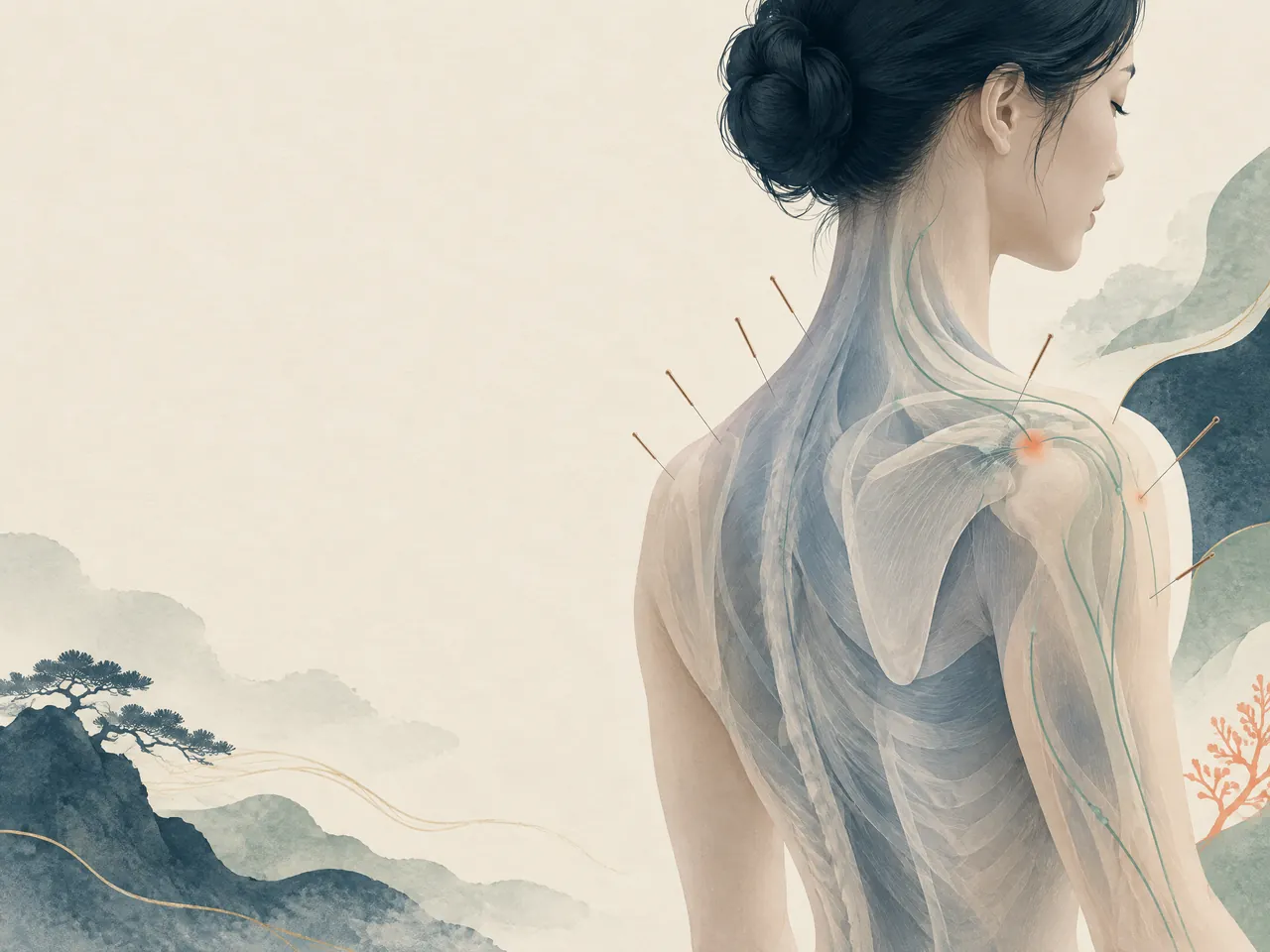
The short answer
Acupuncture may be considered as supportive care for pain after a muscle strain has been assessed, but it is not proven to repair torn muscle fibres, remove swelling, or shorten a fixed recovery time. Protect the area, use gradual rehabilitation and restore function step by step. Seek medical assessment promptly for a pop, visible dent or deformity, severe or rapidly increasing swelling or bruising, inability to use the muscle or bear weight, numbness, colour change, or worsening symptoms.
Transparent pricing
See the fees.
Choose your care.
Explore our complete official price list, including first-trial prices, regular prices, packages and branch-specific options.
Opening WhatsApp prepares an enquiry; it does not send a message, take payment or confirm an appointment. Suitability and individual arrangements are confirmed during consultation.
Chinese medicine
All prices in HKDAcupuncture and Chinese herbal medicine package
Includes a Chinese medicine consultation with pulse assessment, body acupuncture and 3 days of Chinese herbal granules that do not require decoction.
HK$580 (single session)
Chinese medicine consultation with pulse assessment
Hair and scalp
All prices in HKDScalp health and hair-loss management
Includes AI scalp analysis, deep scalp and follicle cleansing, and scalp oil-control care.
HK$380 (first trial)
Regular price: HK$680
- 6 sessions: HK$3,480 (HK$580 per session)
- 12 sessions: HK$5,760 (HK$480 per session)
- 20 sessions: HK$8,600 (HK$430 per session)
- 30 sessions: HK$11,400 (HK$380 per session)
Hair acupuncture and Chinese herbal medicine package
Includes scalp acupuncture and 3 days of Chinese herbal medicine that does not require decoction.
HK$580 (single session)
Registered Chinese Medicine Practitioner consultation
- 6 sessions: HK$3,180 (HK$530 per session)
- 12 sessions: HK$5,760 (HK$480 per session)
- 20 sessions: HK$8,600 (HK$430 per session)
- 30 sessions: HK$11,400 (HK$380 per session)
Combined hair and scalp treatment
Combines acupuncture and Chinese herbal medicine with salon-level scalp and follicle care. Packages include complimentary hair-care shampoo and serum.
HK$1,260 (single session)
Combined treatment
- 8 sessions: HK$8,640 (HK$1,080 per session)
- 16 sessions: HK$15,680 (HK$980 per session)
- 20 sessions: HK$18,600 (HK$930 per session)
- 30 sessions: HK$26,400 (HK$880 per session)
Weight management
All prices in HKDFull-body acupoint embedding for weight management
Includes full-body acupoint embedding. Packages include complimentary Chinese herbal medicine for weight management, with the number of included days scaled to the package. Embedding material and the individual treatment arrangement are confirmed during consultation; this is not a cosmetic thread lift.
HK$980 (single session)
No trial session
- 10 sessions: HK$7,800 (HK$780 per session)
- 20 sessions: HK$14,600 (HK$730 per session)
- 30 sessions: HK$20,400 (HK$680 per session)
Facial acupuncture
All prices in HKDFacial acupuncture (basic)
Includes facial acupuncture and meridian-based facial care, including care for facial puffiness.
HK$480 (first trial)
Regular price: HK$680
- 10 sessions: HK$5,200 (HK$520 per session)
- 20 sessions: HK$9,600 (HK$480 per session)
- 30 sessions: HK$13,500 (HK$450 per session)
Facial acupuncture (advanced)
Includes enhanced facial acupuncture with a specially formulated moisturising mask and serum.
HK$780 (first trial)
Regular price: HK$1,180
- 10 sessions: HK$9,000 (HK$900 per session)
- 20 sessions: HK$16,600 (HK$830 per session)
- 30 sessions: HK$23,400 (HK$780 per session)
Pain care
All prices in HKDExtracorporeal shockwave treatment
Shockwave treatment for deep-tissue and fascial care. The Kwun Tong clinic offers the multi-area options shown below.
Priced by branch
Branch-specific pricing
Prince Edward: HK$250 per area
Kwun Tong: HK$250 for 1 area / HK$450 for 2 areas / HK$600 for 3 areas
Pain care (manual therapy)
Includes Chinese medicine musculoskeletal assessment, manual joint techniques and tui na.
HK$580 (single session)
Chinese medicine musculoskeletal assessment
Pain care (acupuncture and manual therapy)
Combines acupuncture and manual therapy.
HK$680 (single session)
Combined care
can acupuncture treat a pulled muscle? can I use acupuncture for a muscle strain? when should I see a doctor for a muscle strain? — What acupuncture can and cannot show
A pulled muscle, also called a muscle strain, happens when muscle fibres are stretched beyond their capacity and tear. It may follow a sudden sprint, twist, lift or slip, or it may build after repetitive work or training. Pain, spasm, swelling, bruising, weakness and restricted movement can occur, but the pattern is not a reliable do-it-yourself grading tool. A sharp pain during a lunge and stiffness the next morning may both feel alarming, yet the management decision depends on function, the mechanism of injury and whether warning signs are present. Cleveland Clinic notes that strains range from minor fibre damage to a complete tear, which may need medical care or surgery [2].
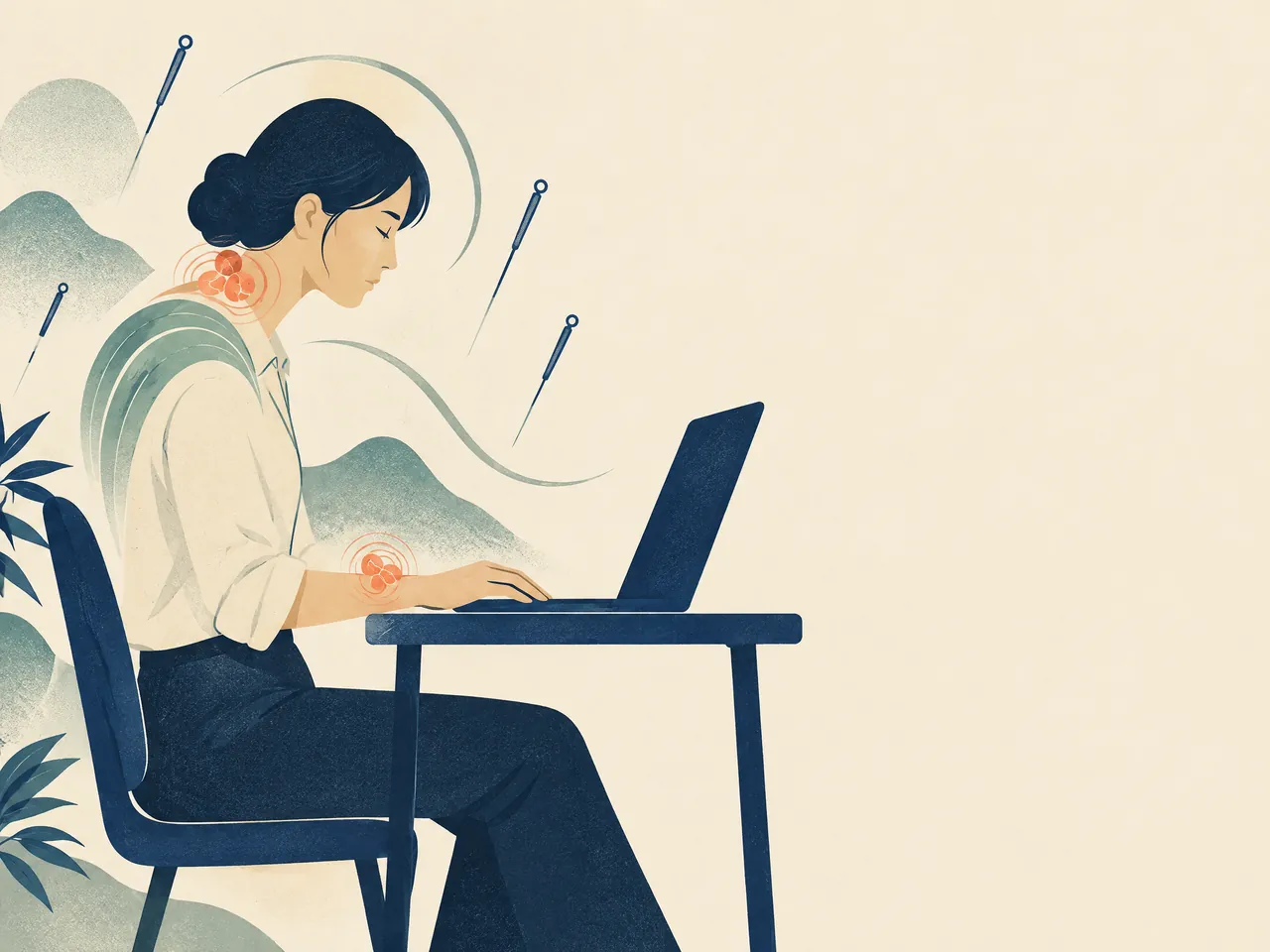
can acupuncture treat a pulled muscle? can I use acupuncture for a muscle strain? when should I see a doctor for a muscle strain? What does the pain evidence show?
Acupuncture involves inserting fine needles into the skin. The U.S. National Center for Complementary and Integrative Health (NCCIH) says research suggests it may be helpful for several pain conditions, including back or neck pain, knee osteoarthritis pain and postoperative pain [1]. That is useful context for someone whose strain remains painful, but it is not the same as evidence that acupuncture heals an acute hamstring, calf, groin or shoulder muscle tear. A pain study and a tissue-repair study ask different questions. Results from broader musculoskeletal pain research cannot be converted into a guaranteed reduction in swelling, a repaired tendon-muscle junction, or a particular number of recovery days for an individual strain.
It is also sensible to interpret pain research with care. NCCIH explains that the difference in benefit can be larger when acupuncture is compared with no treatment than when it is compared with simulated acupuncture, suggesting that non-specific effects can contribute to symptom improvement [1]. This does not mean a person’s relief is imaginary; it means the cause of relief is not always simple to separate. For a recent strain, the practical question is therefore modest: could acupuncture be one supportive part of a plan while the injury is protected and function is rebuilt? It is not: can needles guarantee that a torn muscle will recover by a chosen date? For a related explanation of this boundary, see acupuncture for muscle strain.
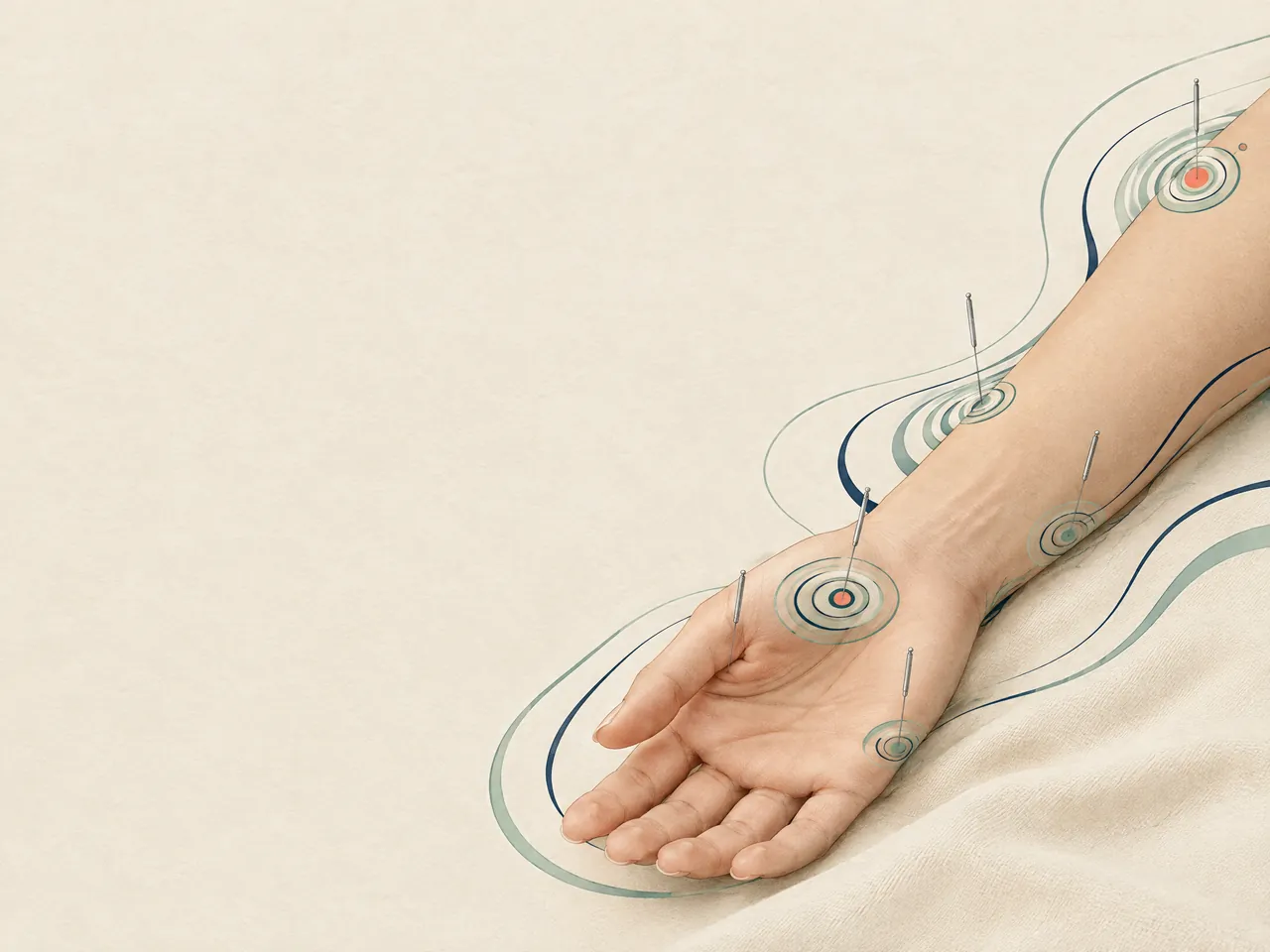
can acupuncture treat a pulled muscle? can I use acupuncture for a muscle strain? when should I see a doctor for a muscle strain? How can assessment guide supportive care?
In a non-urgent appointment, assessment should make the next step clearer. Useful details include the exact onset, the activity that caused symptoms, whether there was a pop, the location of swelling or bruising, and whether walking, climbing stairs, gripping, reaching or sleeping has changed. A practitioner may also ask about previous injuries, current medicines and medical conditions. This conversation helps separate a request for comfort from a situation that needs an urgent medical examination. It also sets a baseline: if the leg can bear only partial weight today, the next decision should be based on improving function rather than on how much a painful point can be pressed.
If acupuncture is considered, safety information belongs in that discussion. NCCIH states that acupuncture is generally safe when performed properly with sterile, single-use needles, while serious adverse effects such as infections have been reported when it was not delivered safely [1]. Disclose anticoagulant use, bleeding risk, pregnancy, infection near the proposed area, implanted devices if electrical stimulation is discussed, and any history that may affect treatment. A visibly swollen or bruised acute area is not a reason to skip evaluation. In Hong Kong, someone who wants a complementary-care conversation can ask a qualified practitioner what an assessment would cover, but should retain medical or physiotherapy guidance where it is needed.
Compare your options
| What you notice | Most appropriate priority | Why it matters |
|---|---|---|
| Mild local soreness, you can still use the area, and symptoms are not worsening | Protect the area, use relative rest and monitor function | A mild strain may improve with conservative care, but progression should follow comfort and function rather than a fixed date. |
| Recent strain with pain or swelling, but no red flags and a clinician has not advised otherwise | Use early measures and plan gradual movement; discuss acupuncture only as support | Acupuncture evidence for some pain conditions does not establish repair of an acute muscle tear. |
| A pop, visible gap or deformity, severe swelling or bruising, or inability to bear weight or use the muscle | Seek prompt medical assessment | These features can accompany a more serious tear or another injury that needs a different evaluation. |
| Numbness, tingling, sudden weakness, colour or temperature change, or symptoms that worsen | Stop self-management and obtain medical advice promptly | Nerve or circulation-related symptoms should not be assumed to be a routine pulled muscle. |
On smaller screens, scroll the table sideways to compare all columns.
can acupuncture treat a pulled muscle? can I use acupuncture for a muscle strain? when should I see a doctor for a muscle strain? — Recovery priorities after a strain
The early aim is to avoid turning a manageable injury into a larger one. Stop the provoking activity and protect the area from another forceful stretch or load. For a fresh sprain or strain, the Victorian Government’s Better Health Channel advises protection, relative rest, ice separated from the skin, compression and elevation; it also advises avoiding heat, alcohol, running and direct firm massage in the first 72 hours because these may increase swelling [3]. This is not a cue for complete immobility for an arbitrary period. Relative rest means avoiding activities that substantially increase pain while remaining gently active where it is safe and tolerable.

can acupuncture treat a pulled muscle? can I use acupuncture for a muscle strain? when should I see a doctor for a muscle strain? Why do rehabilitation and gradual loading remain central?
A strain recovers through time and through a return to appropriate use. After the very early stage, movement is usually reintroduced according to symptoms, professional advice and the demands of daily life. That might begin with easy, pain-limited range-of-motion work, then progress to controlled strength and finally the movements required for work, exercise or sport. The Better Health Channel describes supervised exercises to promote healing, strength and flexibility, followed by a gradual return to normal activities [3]. The sequence matters because feeling less pain at rest does not necessarily mean a muscle is ready for sprinting, heavy lifting or a full match.
A useful progress check is functional rather than calendar-based. Can you walk with a normal pattern? Can you go up and down stairs, sit and stand, reach, grip or perform the first stage of your usual activity without a new pain spike or loss of control? If the answer is no, reduce the challenge and seek guidance rather than trying to push through. This is where acupuncture, if chosen, remains secondary: it may be used alongside—not instead of—the activity progression. Readers deciding between approaches may find does acupuncture help a muscle strain useful, while remembering that an online article cannot choose their exercises or clear them for sport.

can acupuncture treat a pulled muscle? can I use acupuncture for a muscle strain? when should I see a doctor for a muscle strain? What should you consider during the acute phase?
During the acute phase, write down a simple baseline before experimenting with treatments: the injury time, whether a pop was felt or heard, where swelling appeared, your pain during a basic task, and whether you can bear weight or use the limb. This record makes deterioration easier to spot and gives a clinician more useful information. Avoid deep local massage, aggressive stretching, heat and a return to running or high-load training in the first 72 hours unless a clinician has given individual instructions [3]. Do not use pain relief as permission to recreate the movement that caused the strain. A quieter day can be more productive than a cycle of testing, flaring and resting again.
It is also worth separating acupuncture from dry needling, because the labels are often used loosely in searches and conversations. Techniques, practitioner training, assessment and intended use may differ. Rather than booking based on a label alone, ask what method is proposed, where it would be applied, what safety screening will happen and how it fits with a rehabilitation plan. The page on dry needling for muscle strain can help frame that conversation. Neither label should distract from acute red flags or be used to claim a quicker biological repair process.
can acupuncture treat a pulled muscle? can I use acupuncture for a muscle strain? when should I see a doctor for a muscle strain? — Warning signs and next steps
When should you see a doctor for a muscle strain? Seek prompt medical assessment if there was a pop at the time of injury, the muscle has a visible gap, dent or deformity, you cannot move it normally or bear weight, or pain, bruising or swelling is severe. New numbness, tingling, sudden weakness, difficulty controlling muscles, or symptoms that persist or worsen after a few days also need assessment [2]. A cold or discoloured limb, major trauma or concern about circulation should not be managed as a routine strain. These features can point beyond a minor muscle injury, and delaying care to try acupuncture first is not the safer choice.

can acupuncture treat a pulled muscle? can I use acupuncture for a muscle strain? when should I see a doctor for a muscle strain? Which warning signs need medical assessment?
Act promptly when function drops sharply. Examples include being unable to take a few normal steps after a leg injury, being unable to lift or hold an object because of sudden weakness, or finding that the injured area has changed shape. Rapid swelling or spreading bruising after a forceful injury also deserves attention. The same applies if symptoms become more severe instead of settling, or if pins and needles, numbness or poor control appears. Cleveland Clinic specifically includes a pop, inability to move the muscle, severe pain, bruising or swelling, and nerve-related symptoms among reasons to see a healthcare provider [2].
A medical assessment is also sensible when the story does not fit a straightforward strain. Pain deep in a joint, pain after a significant fall or collision, fever or an unwell feeling, a red hot area, or pain that is not linked to a muscle movement should not be confidently self-labelled. Do not insert needles through skin that may be infected or damaged. In these situations, the important next action is a clinical opinion, not a comparison of needle techniques. Once serious injury has been excluded, management can focus on the realistic goal of restoring daily function safely.
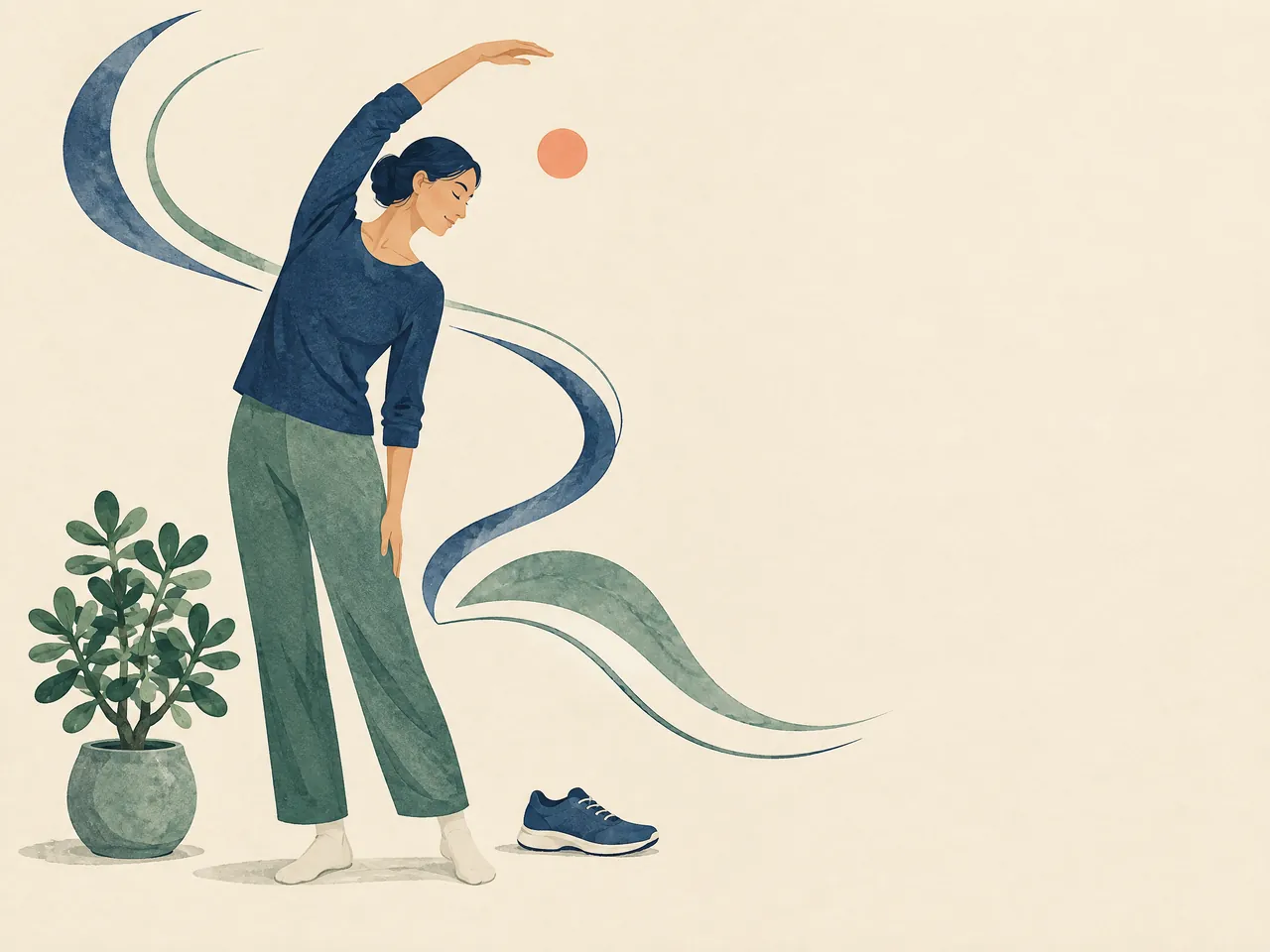
can acupuncture treat a pulled muscle? can I use acupuncture for a muscle strain? when should I see a doctor for a muscle strain? How can you return to activity safely?
Return in stages that resemble your real activity. A desk worker may first build tolerance for standing, walking and stair climbing. Someone who carries deliveries may need controlled lifting, carrying and turning before a normal shift. A runner may move from comfortable walking to gentle jogging, then controlled accelerations, before a harder session. Increase one feature at a time—duration, resistance, speed, range or complexity—so that you can tell what the muscle tolerates. If pain rises during activity, movement quality changes, swelling returns or symptoms are worse later that day or the next morning, the previous level was probably too much for now.
For athletes, returning to training because an important event is near can be tempting, but a pain-free moment is not a complete readiness test. Rebuild the strength, control and sport-specific movements that the injured area must handle, ideally with professional guidance when the injury was substantial or recurrent. Acupuncture may be a personal supportive choice during that process, but it should not replace the load progression or be used to hide warning pain. For a non-emergency conversation about an assessment, TCM Lab can be contacted by WhatsApp; those comparing locations may also see Chinese medicine clinic Prince Edward.
Care and health guide
Health service information
This directory brings together services, reading, and visit information related to health services, to help you prepare questions for a consultation.
If you are organising health questions, Chinese medicine clinic Hong Kong is a starting point for learning about related services and preparing for a consultation.
People have different needs; acupuncture Hong Kong provides further reading to help you understand options in your own context.


Your questions, answered
Frequently asked questions
can acupuncture treat a pulled muscle?
Acupuncture may be discussed as a supportive option for pain in a non-emergency case, but current pain evidence does not prove that it repairs torn muscle fibres, removes swelling or guarantees faster recovery. Protection, rehabilitation and gradual loading remain central.
can I use acupuncture for a muscle strain during the first few days?
First consider injury severity. In the early stage, protect the area and follow appropriate advice on relative rest, ice with a skin barrier, compression and elevation. Do not use acupuncture to bypass a pop, major swelling, deformity or loss of function. Tell a practitioner about bleeding risk, anticoagulants, pregnancy or infection.
when should I see a doctor for a muscle strain?
Seek assessment promptly for a pop, a visible dent or deformity, severe or increasing pain, swelling or bruising, inability to use the muscle or bear weight, numbness, tingling, sudden weakness, a cold or discoloured limb, or worsening symptoms.
How do I know when to return to sport or heavy work?
Do not rely on a fixed number of days. Progress from comfortable daily movements to strengthening and then activity-specific tasks. If pain, altered movement, swelling or next-day symptoms increase, reduce the load and get professional guidance for a safer progression.
Sources and further information
- [1] [1] National Center for Complementary and Integrative Health — Acupuncture: Effectiveness and Safety
Referenced for: Acupuncture definition, evidence for selected pain conditions, evidence limitations and sterile single-use needle safety.
- [2] [2] Cleveland Clinic — Muscle Strain
Referenced for: Pulled-muscle symptoms, severity, clinical assessment, home management and warning signs.
- [3] [3] Better Health Channel, Victoria State Government — Sprains and strains
Referenced for: Early first aid, activities to avoid during the first 72 hours, rehabilitation and gradual return to activity.