
TCM Lab · Health reading
Does acupuncture help knee pain? Does acupuncture help knee pain? Can acupuncture cure knee pain?
Published Updated
A sore knee can make stairs, MTR platforms and a short walk feel much bigger than they are. Does acupuncture help knee pain? It may be an adjunct worth discussing for some people once the likely cause and urgency have been assessed, especially when pain is persistent rather than a fresh serious injury. Can acupuncture cure knee pain? No: it cannot promise to repair a torn structure, remove an infection or cure osteoarthritis. The useful question is whether it belongs safely alongside diagnosis, exercise-based rehabilitation and other care—not instead of them.
Appointments are confirmed through WhatsApp. If you have language requirements, please mention them in your enquiry.
The short answer
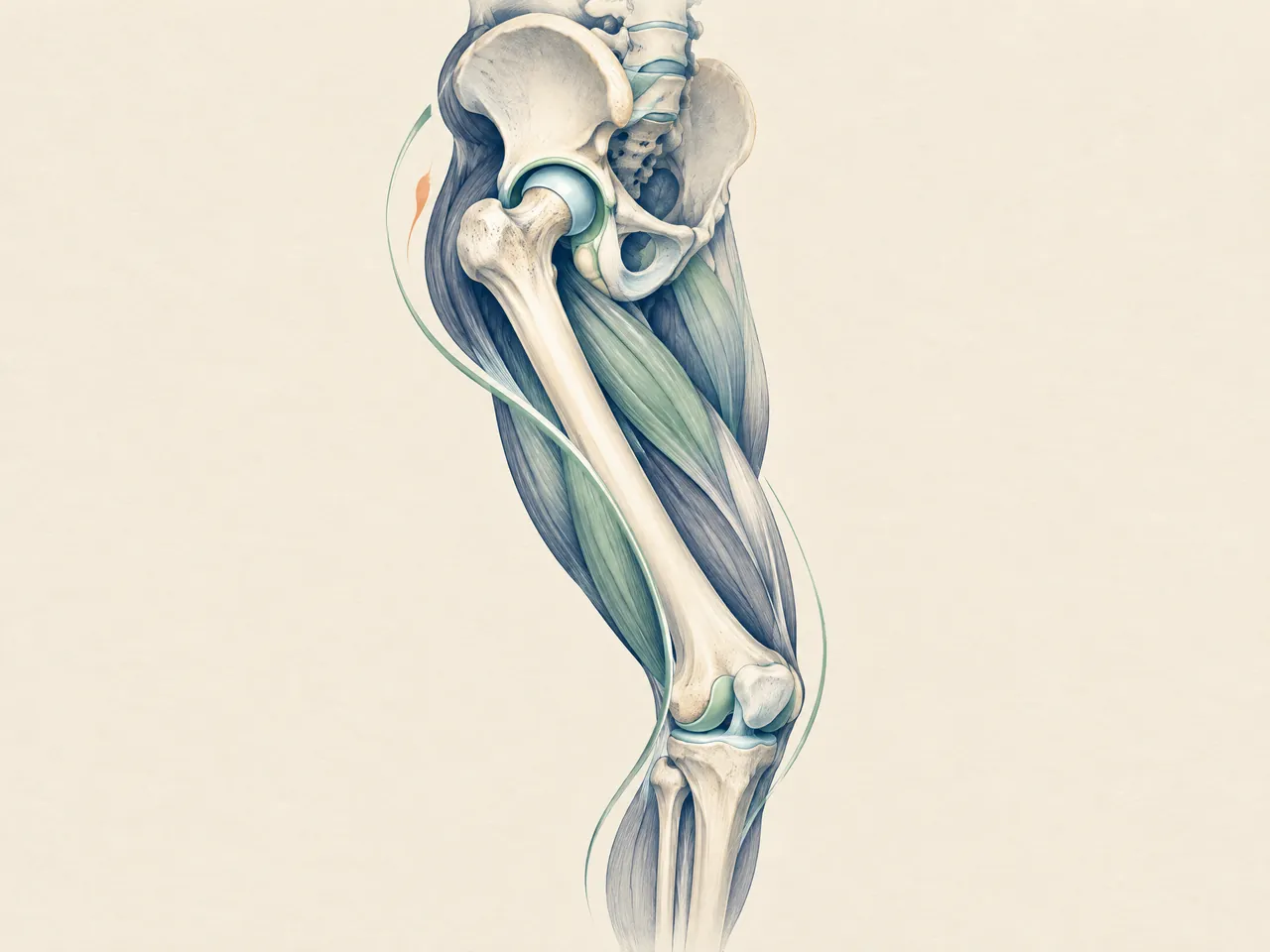
Does acupuncture help knee pain? For selected, non-urgent musculoskeletal knee pain, it may be discussed as an adjunct after assessment. Research and guidelines do not all reach the same conclusion, and any benefit is not a promise. Can acupuncture cure knee pain? No. It should not replace diagnosis, physiotherapy, indicated medicines, imaging or specialist care, particularly after trauma or when the knee is hot, markedly swollen, locked, deformed or cannot bear weight.
Transparent pricing
See the fees.
Choose your care.
Explore our complete official price list, including first-trial prices, regular prices, packages and branch-specific options.
Opening WhatsApp prepares an enquiry; it does not send a message, take payment or confirm an appointment. Suitability and individual arrangements are confirmed during consultation.
Pain care
All prices in HKDExtracorporeal shockwave treatment
Shockwave treatment for deep-tissue and fascial care. The Kwun Tong clinic offers the multi-area options shown below.
Priced by branch
Branch-specific pricing
Prince Edward: HK$250 per area
Kwun Tong: HK$250 for 1 area / HK$450 for 2 areas / HK$600 for 3 areas
Pain care (manual therapy)
Includes Chinese medicine musculoskeletal assessment, manual joint techniques and tui na.
HK$580 (single session)
Chinese medicine musculoskeletal assessment
Pain care (acupuncture and manual therapy)
Combines acupuncture and manual therapy.
HK$680 (single session)
Combined care
Hair and scalp
All prices in HKDScalp health and hair-loss management
Includes AI scalp analysis, deep scalp and follicle cleansing, and scalp oil-control care.
HK$380 (first trial)
Regular price: HK$680
- 6 sessions: HK$3,480 (HK$580 per session)
- 12 sessions: HK$5,760 (HK$480 per session)
- 20 sessions: HK$8,600 (HK$430 per session)
- 30 sessions: HK$11,400 (HK$380 per session)
Hair acupuncture and Chinese herbal medicine package
Includes scalp acupuncture and 3 days of Chinese herbal medicine that does not require decoction.
HK$580 (single session)
Registered Chinese Medicine Practitioner consultation
- 6 sessions: HK$3,180 (HK$530 per session)
- 12 sessions: HK$5,760 (HK$480 per session)
- 20 sessions: HK$8,600 (HK$430 per session)
- 30 sessions: HK$11,400 (HK$380 per session)
Combined hair and scalp treatment
Combines acupuncture and Chinese herbal medicine with salon-level scalp and follicle care. Packages include complimentary hair-care shampoo and serum.
HK$1,260 (single session)
Combined treatment
- 8 sessions: HK$8,640 (HK$1,080 per session)
- 16 sessions: HK$15,680 (HK$980 per session)
- 20 sessions: HK$18,600 (HK$930 per session)
- 30 sessions: HK$26,400 (HK$880 per session)
Weight management
All prices in HKDFull-body acupoint embedding for weight management
Includes full-body acupoint embedding. Packages include complimentary Chinese herbal medicine for weight management, with the number of included days scaled to the package. Embedding material and the individual treatment arrangement are confirmed during consultation; this is not a cosmetic thread lift.
HK$980 (single session)
No trial session
- 10 sessions: HK$7,800 (HK$780 per session)
- 20 sessions: HK$14,600 (HK$730 per session)
- 30 sessions: HK$20,400 (HK$680 per session)
Facial acupuncture
All prices in HKDFacial acupuncture (basic)
Includes facial acupuncture and meridian-based facial care, including care for facial puffiness.
HK$480 (first trial)
Regular price: HK$680
- 10 sessions: HK$5,200 (HK$520 per session)
- 20 sessions: HK$9,600 (HK$480 per session)
- 30 sessions: HK$13,500 (HK$450 per session)
Facial acupuncture (advanced)
Includes enhanced facial acupuncture with a specially formulated moisturising mask and serum.
HK$780 (first trial)
Regular price: HK$1,180
- 10 sessions: HK$9,000 (HK$900 per session)
- 20 sessions: HK$16,600 (HK$830 per session)
- 30 sessions: HK$23,400 (HK$780 per session)
Chinese medicine
All prices in HKDAcupuncture and Chinese herbal medicine package
Includes a Chinese medicine consultation with pulse assessment, body acupuncture and 3 days of Chinese herbal granules that do not require decoction.
HK$580 (single session)
Chinese medicine consultation with pulse assessment
Does acupuncture help knee pain? Understanding causes before treatment Can acupuncture cure knee pain?
Knee pain is a symptom, not a diagnosis. A twist while stepping off a kerb, repeated running or jumping, a long-standing ache after activity, and a sudden hot swollen joint call for very different decisions. Sprains and strains, tendon problems, ligament or meniscus injuries, osteoarthritis, bursitis, gout and joint infection are among the possibilities described by the NHS. Location alone does not tell a person which one they have. A knee that hurts at the front on stairs may need a different examination from one that buckled during football or one that became painful overnight [1].
The timeline often helps make the next step clearer. After a clear injury, note whether there was a pop, immediate swelling, inability to straighten the knee, or a sense that it gives way. With gradual pain, notice what load brings it on: prolonged standing, squatting, slopes, stairs, getting up after sitting, or the first steps in the morning. Also note whether it settles with rest, whether there is warmth or visible swelling, and how it changes ordinary tasks. These observations are useful history for a clinician; they are not a way to diagnose a torn ligament, cartilage injury or arthritis at home.
Age should not settle the question either. Osteoarthritis is common, but not every knee problem in later life is “wear and tear,” and not every active younger person has a simple sports strain. If a twist produced locking or instability, the information in meniscus tear knee pain can help frame questions for a clinician, but it cannot confirm the source of pain. Finding the cause first protects against using an adjunct treatment while a structural injury, inflammatory flare or infection needs another form of care.

Does acupuncture help knee pain? Common causes and symptoms to assess Can acupuncture cure knee pain?
Think in patterns rather than labels. Pain after overstretching, overuse or twisting may fit a sprain or strain pattern. Pain below the kneecap after repetitive running or jumping can occur with tendon problems. A knee that gives way, will not straighten, or was associated with a pop needs assessment for a possible ligament, tendon or meniscus injury. Pain and stiffness in both knees with mild swelling can be seen in osteoarthritis, while a hot, red knee or a sudden severe attack needs more urgent consideration [1]. These examples guide the conversation; more than one problem can coexist.
Before an appointment, a brief symptom record can be more useful than trying to choose a treatment from a symptom name. Include the start date, injury or activity around onset, pain location, swelling, warmth, instability, clicking that hurts, and what you can no longer do. Bring details of previous scans, operations, physiotherapy and medications. If your concern centres on a possible cartilage injury, meniscus tear treatment without surgery explains why the suitability of non-surgical management depends on the individual finding rather than a general promise.
Does acupuncture help knee pain? Why a diagnosis matters before care Can acupuncture cure knee pain?
A diagnosis does not always mean an immediate scan. For people aged 45 or over with activity-related joint pain and no, or only brief, morning stiffness, NICE says osteoarthritis can usually be diagnosed clinically; it advises against routine imaging unless there are atypical features or another diagnosis is suspected [2]. Recent trauma, a rapidly worsening problem, deformity, prolonged stiffness or a hot swollen joint are examples that change the picture. The practical point is not to demand or avoid a scan automatically. It is to have the examination and follow-up chosen for the pattern of symptoms.
That assessment also keeps treatment priorities in the right order. If a clinician identifies osteoarthritis, therapeutic exercise tailored to the person and weight management where relevant are described by NICE as core care, alongside information and support [2]. If there is a significant injury, rehabilitation or specialist review may be more important. Acupuncture, if considered, should fit around those priorities. It should not be used to make an unstable knee seem safe for sport, to postpone care for a locked knee, or to mask a worsening pattern without review.
Compare your options
| What you notice | Most sensible next step | Where acupuncture fits, if at all |
|---|---|---|
| Fresh twist, pop, instability, locking or inability to straighten | Prompt clinical assessment for a possible structural injury; follow referral advice. | Do not use it to delay assessment or make an unstable knee safe to load. |
| Hot, red, markedly swollen knee, fever, chills or feeling unwell | Urgent medical assessment because infection or another acute cause needs to be excluded. | Not an alternative to urgent care. |
| Gradual activity-related pain and stiffness already assessed as osteoarthritis | Continue tailored therapeutic exercise, information and weight management where relevant. | Discuss only as a possible adjunct; guidelines differ and no cure is promised. |
| Persistent non-urgent pain affecting stairs, walking or sleep | Book a medical or physiotherapy review to clarify the cause and functional plan. | May be discussed after assessment alongside—not instead of—the broader plan. |
On smaller screens, scroll the table sideways to compare all columns.
Does acupuncture help knee pain? Reviewing evidence and traditional assessment Can acupuncture cure knee pain?
The evidence answer is deliberately more careful than a simple yes or no. The United States National Center for Complementary and Integrative Health says research suggests acupuncture may be helpful for several pain conditions, including knee pain associated with osteoarthritis. It also notes that, in studies, benefits compared with no treatment have often been larger than differences compared with sham procedures, and that the way acupuncture works is not fully understood [3]. This does not turn a research average into a forecast for one person’s knee or establish that all knee pain has the same response.
Guidance also differs. NICE advises clinicians not to offer acupuncture or dry needling to manage osteoarthritis [2]. By contrast, the American College of Rheumatology and Arthritis Foundation guideline conditionally recommends acupuncture for knee, hip and hand osteoarthritis, while describing controversy about trial design, controls and the size of the effect [4]. A conditional recommendation is not the same as a recommendation to use it for everyone. The contrast is a reason for shared decision-making: ask what condition is actually being managed, what other treatment is continuing, what outcome matters to you, and when progress will be reviewed.
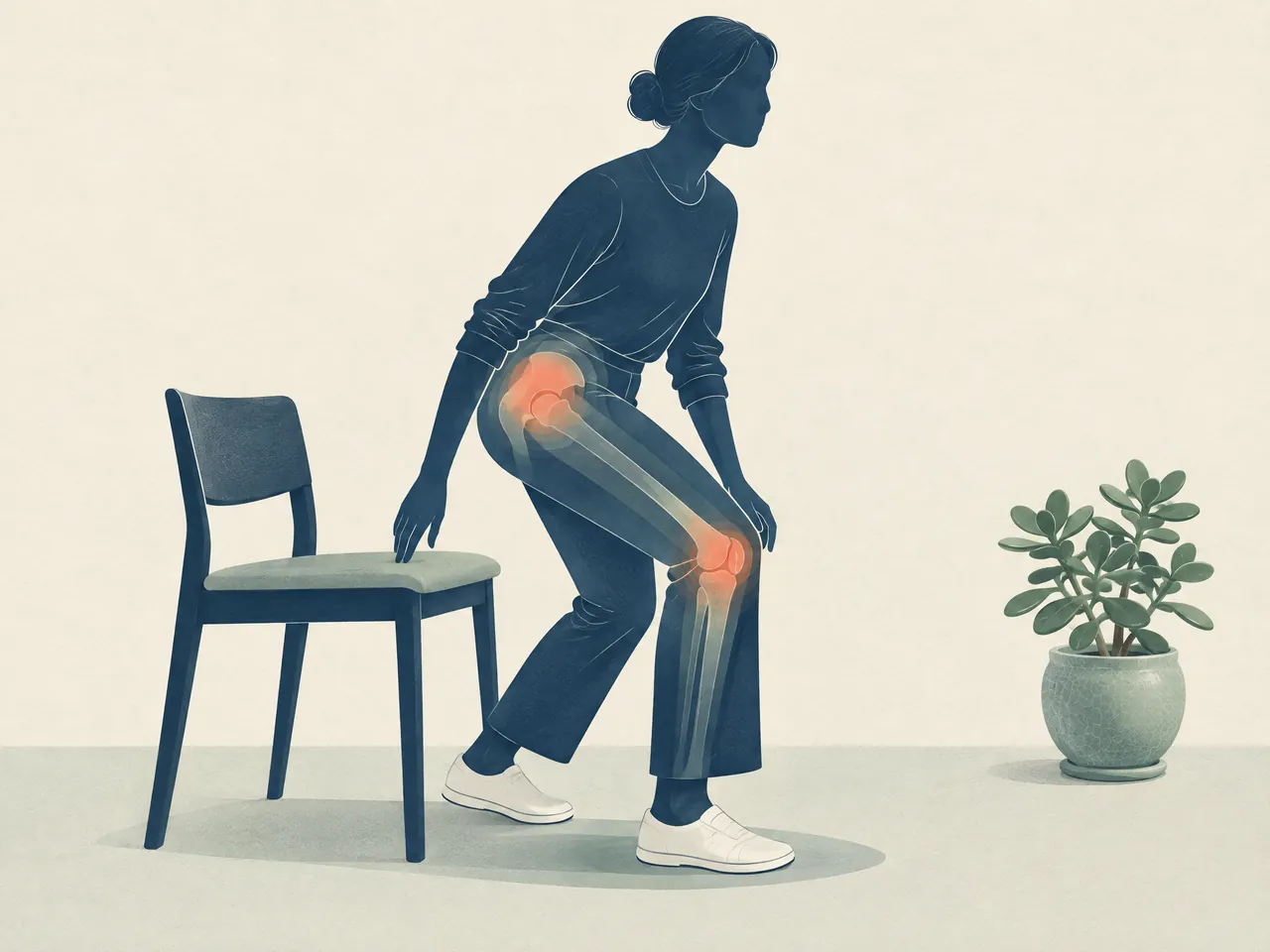
Can acupuncture cure knee pain? That is not a supportable claim. Needling cannot be presented as repairing a suspected torn meniscus, reversing joint damage, eliminating gout, or treating a possible infection. It may be one comfort-focused or symptom-management option after a suitable assessment, but “adjunct” matters. Continue care that is indicated for the cause, including a rehabilitation plan or medication discussion with the relevant healthcare professional. For a more focused explainer of the option itself, see knee pain acupuncture.
Does acupuncture help knee pain? What guidelines and research can and cannot show Can acupuncture cure knee pain?
Research can compare groups and report average changes in symptoms or function under particular study conditions. It cannot tell from a web search whether your pain is from osteoarthritis, a tendon, a meniscus, or something urgent. It also cannot guarantee the number of visits that will help a particular person. A sensible discussion separates a possible short-term symptom goal—such as being more comfortable while following a rehabilitation programme—from claims to cure a condition. It should also include a review point, so that ongoing or worsening symptoms are reassessed rather than repeatedly treated without a plan.
Safety is part of the choice, not an afterthought. NCCIH notes that relatively few complications have been reported, but that nonsterile needles and improper treatment have caused serious adverse effects, including infection and injury [3]. Tell the practitioner about your medical history, medicines and current knee treatment, and do not try to needle your own knee. Ask who will provide care, how the assessment is approached, and how it will coordinate with physiotherapy, primary care or specialist advice. This is particularly important if the diagnosis is uncertain or there has been a recent injury.
Does acupuncture help knee pain? How a Chinese medicine assessment is framed Can acupuncture cure knee pain?
In Chinese medicine, a registered practitioner may ask about the onset and quality of pain, aggravating and easing factors, sleep, activity, wider health history and current treatments. Traditional pattern terms may be used to organise that consultation. They are a traditional assessment approach, not an imaging result or a modern medical diagnosis. A careful consultation should therefore not dismiss a physiotherapy assessment, a clinician’s diagnosis or a hospital referral. Bring relevant reports and be clear about new swelling, injury, fever and every medicine or supplement you use.
The most helpful outcome of a first conversation may be a decision not to start acupuncture yet. If symptoms point towards prompt medical review, that route comes first. If an appropriate clinician has assessed a stable, non-urgent problem and you want to discuss acupuncture as an adjunct, agree on practical goals and continue the broader plan. A conversation with a Kwun Tong Chinese medicine clinic or a Chinese medicine clinic Prince Edward can begin with what has already been assessed; availability and the appropriate plan remain matters for an individual appointment.
Does acupuncture help knee pain? Self-care, safety and next steps Can acupuncture cure knee pain?
While arranging assessment for a non-urgent problem, reduce the activity that clearly flares the knee rather than forcing through sharp pain. Shorter walking bouts, a temporary break from deep squats or impact exercise, and pacing stairs may make daily loading more manageable. This is not a prescription to stop moving altogether. For osteoarthritis, therapeutic exercise is central care, and NICE notes that pain may initially increase when someone starts it; a tailored programme from a physiotherapist or other qualified clinician can help match the exercise to symptoms and function [2].
Heat and cold are comfort tools, not tests that identify the cause. For a fresh painful or swollen knee, the NHS advises a wrapped ice pack for up to 20 minutes every 2 to 3 hours; never place ice directly on the skin [1]. For longstanding stiffness or muscle tightness, wrapped warmth may feel more comfortable to some people. Stop either if it makes symptoms worse, and protect the skin from cold injury or burns. A hot, red, very painful knee with fever or feeling unwell is not a reason to keep alternating packs at home—it needs urgent medical advice.
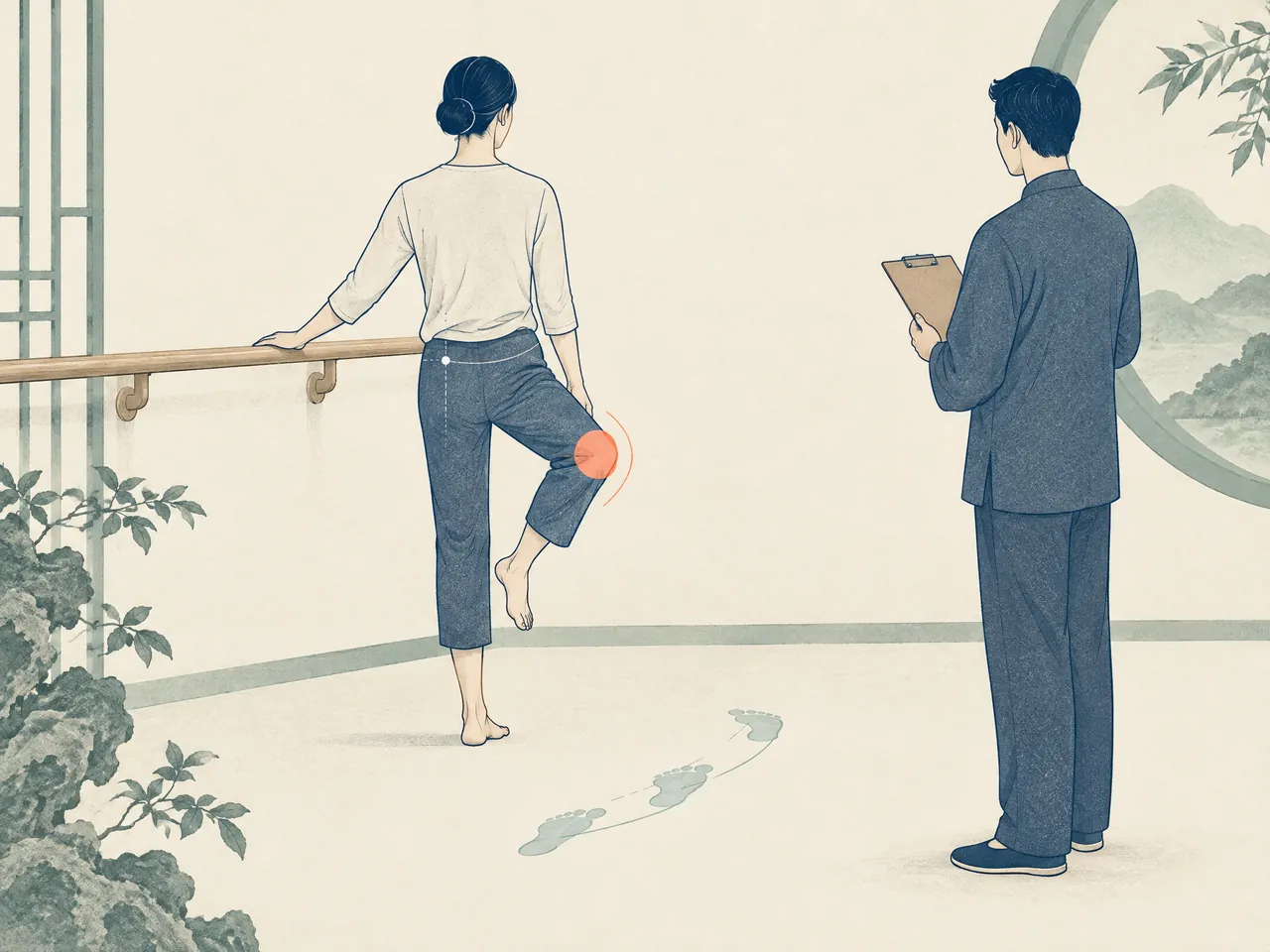
Put a clear escalation plan beside any self-care or adjunct treatment. NHS urgent advice includes a knee that is very painful, cannot move or bear weight, is badly swollen or changed shape, locks, gives way or painfully clicks, or has redness and heat with a high temperature or chills [1]. Those are the knee pain red flags to act on rather than manage through acupuncture alone. If pain has not improved within a few weeks or it is limiting work, sleep, walking or stairs, arrange a medical or physiotherapy review.
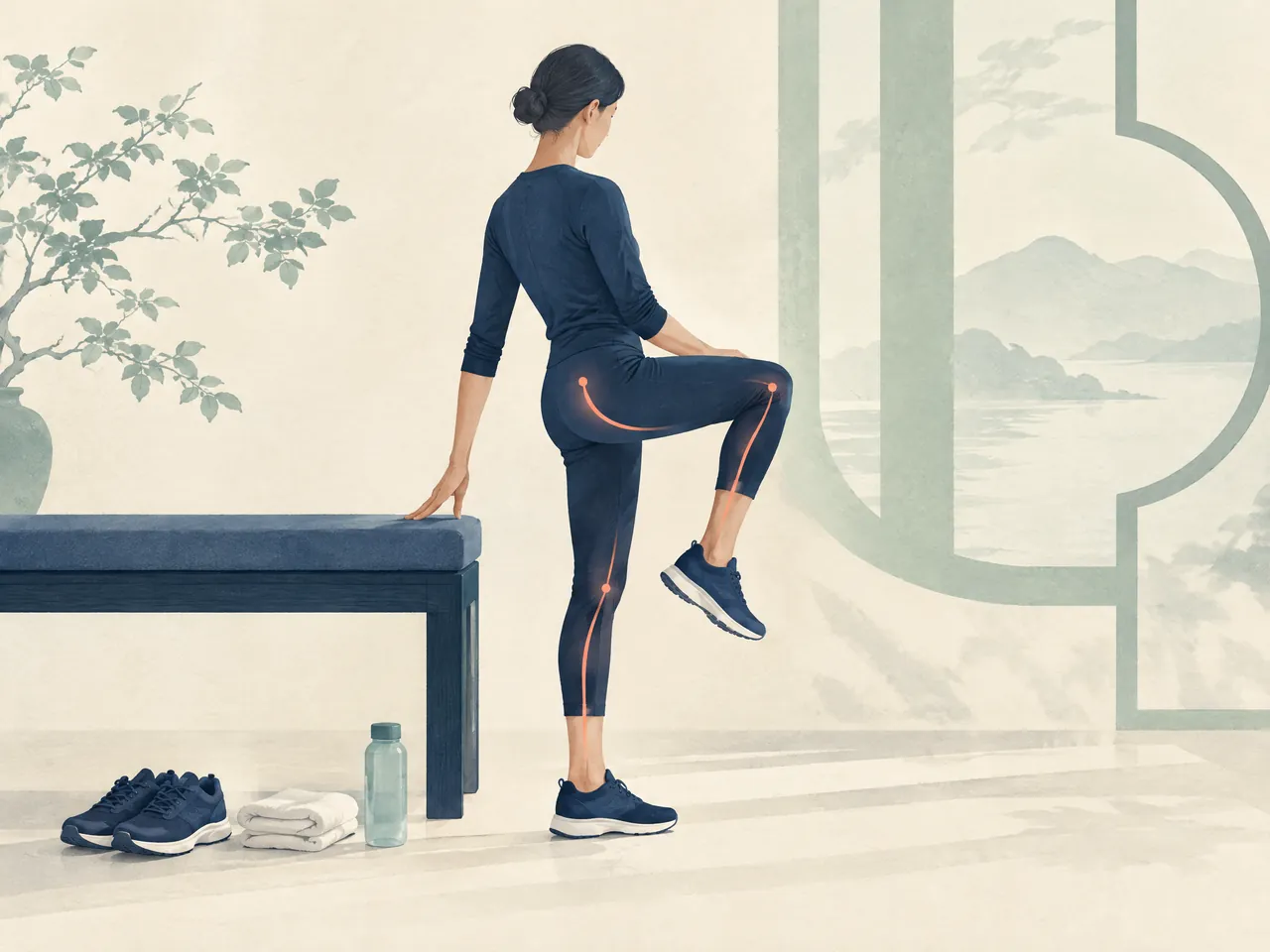
Does acupuncture help knee pain? Heat, cold and activity considerations Can acupuncture cure knee pain?
Choose the least complicated measure that helps you function safely while you wait for advice. A wrapped cold pack can be useful for comfort after a recent flare with swelling; gentle warmth may feel pleasant before movement when stiffness predominates. Neither approach should be used to push through a painful workout or to decide that the joint is “only inflamed.” Keep the activity change specific: use a lift temporarily if stairs sharply provoke pain, split a longer errand into shorter walks, and resume or progress exercise under guidance when that is appropriate. Avoid copying someone else’s rehabilitation routine when your diagnosis differs.
If knee pain is linked to body weight or reduced conditioning, raise that with the clinician without blame. NICE advises that weight loss can improve pain, physical function and quality of life for people with osteoarthritis who are overweight or obese, while therapeutic exercise should be tailored to need [2]. The next step may be exercise instruction, nutrition support, medication discussion, an aid, or a referral—not simply another passive treatment. The right combination depends on the diagnosis, pain severity, goals and other health conditions.

Does acupuncture help knee pain? When to seek medical or physiotherapy review Can acupuncture cure knee pain?
Seek urgent medical care after a significant injury or when the knee is deformed, rapidly swells, will not move, cannot take weight, locks, or is hot and red with fever, chills or feeling unwell. These features may need timely examination and should not wait for an acupuncture appointment [1]. In Hong Kong, choose an appropriate urgent service, clinic or hospital according to severity. If you are unsure how urgent the change is, err toward prompt medical advice rather than trying to interpret it from an online article.
For non-urgent but persistent pain, start with a clinician or physiotherapist who can assess movement, strength, function and the likely cause, and who can advise whether referral or imaging is needed. Bring your symptom record and explain what matters most: returning to walking, caring for family, commuting, exercise or sleeping comfortably. If you decide to explore an adjunct after that, TCM Lab can discuss the knee history and current plan; you can also review practical fee information through the Chinese medicine clinic price list Hong Kong. Any treatment discussion should keep reassessment, rehabilitation and medical follow-up in view.
Care and health guide
Knee discomfort: care information
This directory brings together services, reading, and visit information related to knee discomfort, to help you prepare questions for a consultation.
When knee discomfort affects your day, noting when it occurs, its relation to activity, and what you have already tried can help prepare a consultation; Chinese medicine pain management Hong Kong is a relevant service or reading entry point.
Individual circumstances differ, and acupuncture Hong Kong offers related information to help you understand options and prepare questions.


Your questions, answered
Frequently asked questions
Can acupuncture cure knee pain?
No cure can be promised. Knee pain can result from many different causes, including injuries and conditions that need other care. Acupuncture may be discussed as an adjunct after assessment for selected non-urgent pain, but it should not replace diagnosis, rehabilitation, indicated imaging or specialist treatment.
Does acupuncture help knee osteoarthritis?
The answer is uncertain rather than universal. NCCIH describes research suggesting possible help for osteoarthritis-related knee pain, but major guidelines differ: NICE advises against acupuncture for osteoarthritis, while an American rheumatology guideline makes a conditional recommendation. Exercise-based care remains important.
Should I use heat or ice for knee pain?
A wrapped cold pack may help comfort after a fresh painful or swollen flare; the NHS advises using it for up to 20 minutes every 2 to 3 hours. Wrapped warmth may feel soothing for chronic stiffness. Stop if symptoms worsen and protect the skin. A hot, red knee with fever needs urgent medical advice.
When should knee pain be assessed urgently?
Seek urgent advice if you cannot move the knee or put weight on it, it is badly swollen or changed shape, it locks or gives way, or you have redness and heat around the knee with fever, chills or feeling unwell. Do not wait for acupuncture in these situations.
Sources and further information
- [1] NHS: Knee pain
Referenced for: Supports common symptom patterns, home ice-pack advice, urgency features, and the need for assessment rather than self-diagnosis.
- [2] NICE NG226: Osteoarthritis in over 16s: diagnosis and management
Referenced for: Supports clinical diagnosis criteria, core osteoarthritis management, and NICE’s recommendation not to offer acupuncture or dry needling for osteoarthritis.
- [3] NCCIH: Acupuncture: Effectiveness and Safety
Referenced for: Supports the description of research limits, possible use in osteoarthritis-related knee pain, and acupuncture safety considerations.
- [4] American College of Rheumatology and Arthritis Foundation Guideline for Osteoarthritis
Referenced for: Supports the conditional recommendation for acupuncture and the explanation of uncertainty in the osteoarthritis evidence base.