
TCM Lab · Health reading
Sciatica exercises, sciatica stretching exercises and exercises for sciatica problems: safety first
Published Updated
Sciatica exercises are safest when they are treated as a way to stay gently active, not as a challenge to stretch farther through pain. If your discomfort travels from the buttock into one leg, the useful question is how your leg responds during and after a movement. Keep movements comfortable, stop an exercise that increases pain or makes numbness or weakness worse, and get an individual assessment when symptoms are unclear, persistent or limiting everyday life. Sudden bladder or bowel changes, numbness around the saddle area, or worsening leg weakness need urgent medical attention.
Appointments are confirmed through WhatsApp. If you have language requirements, please mention them in your enquiry.
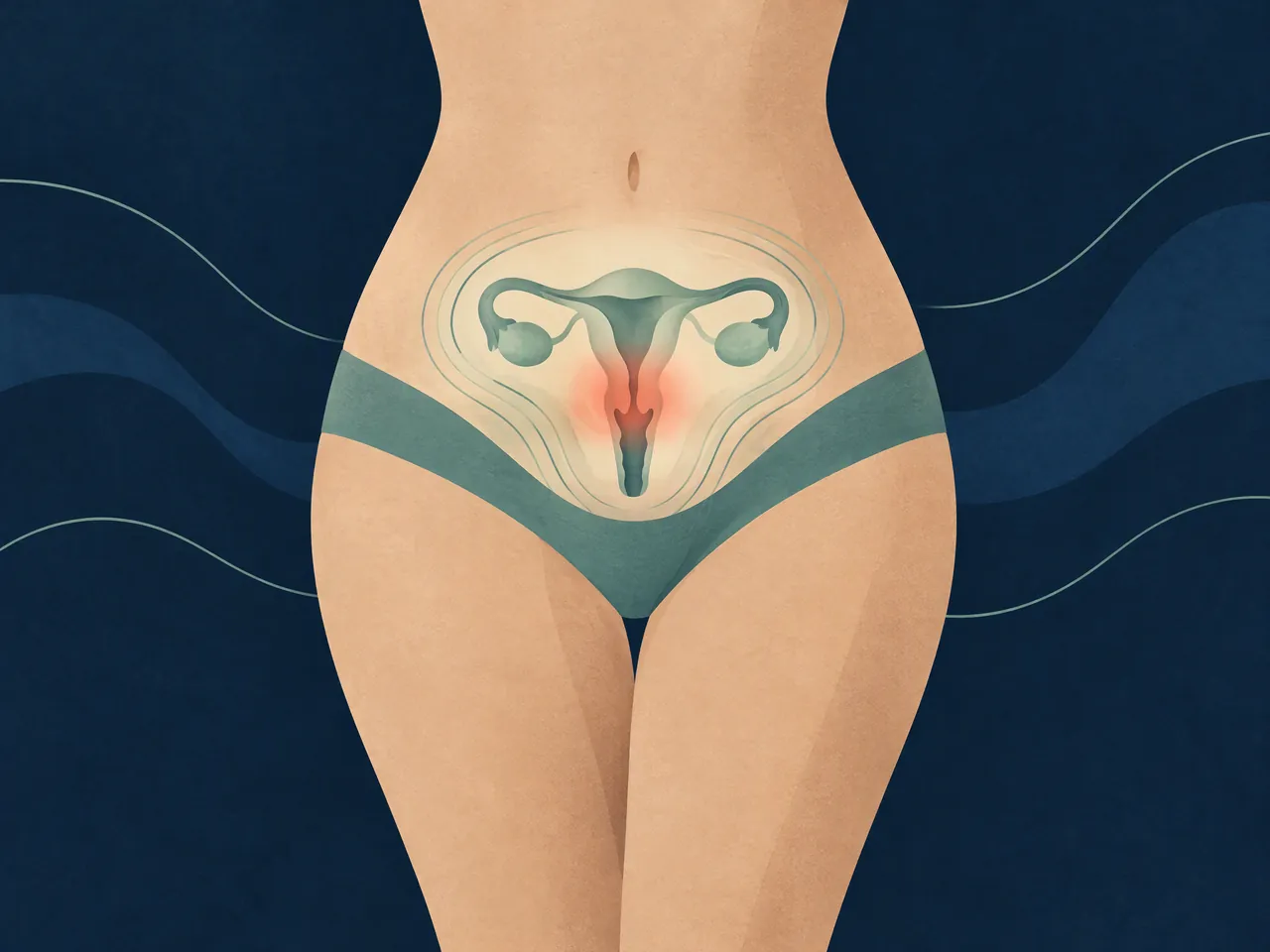
The short answer
For sciatica exercises, start with gentle movement that does not increase leg symptoms. Avoid forcing a stretch, bouncing, or trying to ‘push through’ pain. Stop if pain spreads farther down the leg, if tingling or numbness increases, or if you notice weakness. A clinician or physiotherapist can help distinguish sciatica from other causes of buttock or leg pain and tailor a plan. Seek urgent help for saddle-area numbness, bladder or bowel changes, or progressive weakness.
Transparent pricing
See the fees.
Choose your care.
Explore our complete official price list, including first-trial prices, regular prices, packages and branch-specific options.
Opening WhatsApp prepares an enquiry; it does not send a message, take payment or confirm an appointment. Suitability and individual arrangements are confirmed during consultation.
Pain care
All prices in HKDExtracorporeal shockwave treatment
Shockwave treatment for deep-tissue and fascial care. The Kwun Tong clinic offers the multi-area options shown below.
Priced by branch
Branch-specific pricing
Prince Edward: HK$250 per area
Kwun Tong: HK$250 for 1 area / HK$450 for 2 areas / HK$600 for 3 areas
Pain care (manual therapy)
Includes Chinese medicine musculoskeletal assessment, manual joint techniques and tui na.
HK$580 (single session)
Chinese medicine musculoskeletal assessment
Pain care (acupuncture and manual therapy)
Combines acupuncture and manual therapy.
HK$680 (single session)
Combined care
Hair and scalp
All prices in HKDScalp health and hair-loss management
Includes AI scalp analysis, deep scalp and follicle cleansing, and scalp oil-control care.
HK$380 (first trial)
Regular price: HK$680
- 6 sessions: HK$3,480 (HK$580 per session)
- 12 sessions: HK$5,760 (HK$480 per session)
- 20 sessions: HK$8,600 (HK$430 per session)
- 30 sessions: HK$11,400 (HK$380 per session)
Hair acupuncture and Chinese herbal medicine package
Includes scalp acupuncture and 3 days of Chinese herbal medicine that does not require decoction.
HK$580 (single session)
Registered Chinese Medicine Practitioner consultation
- 6 sessions: HK$3,180 (HK$530 per session)
- 12 sessions: HK$5,760 (HK$480 per session)
- 20 sessions: HK$8,600 (HK$430 per session)
- 30 sessions: HK$11,400 (HK$380 per session)
Combined hair and scalp treatment
Combines acupuncture and Chinese herbal medicine with salon-level scalp and follicle care. Packages include complimentary hair-care shampoo and serum.
HK$1,260 (single session)
Combined treatment
- 8 sessions: HK$8,640 (HK$1,080 per session)
- 16 sessions: HK$15,680 (HK$980 per session)
- 20 sessions: HK$18,600 (HK$930 per session)
- 30 sessions: HK$26,400 (HK$880 per session)
Weight management
All prices in HKDFull-body acupoint embedding for weight management
Includes full-body acupoint embedding. Packages include complimentary Chinese herbal medicine for weight management, with the number of included days scaled to the package. Embedding material and the individual treatment arrangement are confirmed during consultation; this is not a cosmetic thread lift.
HK$980 (single session)
No trial session
- 10 sessions: HK$7,800 (HK$780 per session)
- 20 sessions: HK$14,600 (HK$730 per session)
- 30 sessions: HK$20,400 (HK$680 per session)
Facial acupuncture
All prices in HKDFacial acupuncture (basic)
Includes facial acupuncture and meridian-based facial care, including care for facial puffiness.
HK$480 (first trial)
Regular price: HK$680
- 10 sessions: HK$5,200 (HK$520 per session)
- 20 sessions: HK$9,600 (HK$480 per session)
- 30 sessions: HK$13,500 (HK$450 per session)
Facial acupuncture (advanced)
Includes enhanced facial acupuncture with a specially formulated moisturising mask and serum.
HK$780 (first trial)
Regular price: HK$1,180
- 10 sessions: HK$9,000 (HK$900 per session)
- 20 sessions: HK$16,600 (HK$830 per session)
- 30 sessions: HK$23,400 (HK$780 per session)
Chinese medicine
All prices in HKDAcupuncture and Chinese herbal medicine package
Includes a Chinese medicine consultation with pulse assessment, body acupuncture and 3 days of Chinese herbal granules that do not require decoction.
HK$580 (single session)
Chinese medicine consultation with pulse assessment
Sciatica exercises, sciatica stretching exercises and exercises for sciatica problems: check symptoms first
Before choosing an exercise, describe the symptom rather than labelling every low-back ache as sciatica. Sciatica is usually used for pain involving the sciatic nerve, often felt from the buttock down the back or side of one leg. It may feel shooting, burning, aching or electric, and it can come with tingling, altered sensation or a change in strength. The pattern matters more than how flexible you were yesterday. Hong Kong Adventist Hospital notes that sciatica-like pain can have other causes, while nerve-related symptoms may reach the calf or foot. [3]
A short check-in protects against the common mistake of using an exercise because it helped someone else. Notice which side is affected, how far symptoms travel, whether coughing, sitting, walking or bending changes them, and whether your foot feels different. You can use our overview of sciatica stretches to frame a gentle starting point, but a page cannot examine your strength, reflexes, gait or medical history. Those details are why a changing pattern deserves professional input.

Sciatica exercises, sciatica stretching exercises and exercises for sciatica problems: recognise radiating pain
Radiating pain means more than pain occurring in two places. With a nerve-related pattern, discomfort may begin near the lower back or buttock and travel along one leg, sometimes below the knee and toward the foot. It can be sharp or burning, but it need not be. A dull ache that remains around the hip is not automatically sciatica, and pain that shifts with a tight muscle may call for a different approach. This distinction is practical: the movement choices for a local muscle strain are not necessarily the right choices for irritated nerve symptoms. [2] [3]
Use daily activities as information, without turning every sensation into a test. A commuter may notice symptoms after a long MTR journey; a parent may feel them while lifting a child; an office worker may notice them after staying in one position. Write down the activity, where the sensation went, and whether it settled after you changed position. If you are looking at sciatic nerve pain stretches, compare the proposed movement with this record. The best first option is usually one that leaves the leg no more irritable, not the one with the deepest range.
Sciatica exercises, sciatica stretching exercises and exercises for sciatica problems: notice numbness or weakness
Pain is important, but sensation and strength change the decision. Tingling can feel like pins and needles; numbness can feel reduced or unfamiliar. Weakness may show up as difficulty lifting the front of the foot, a knee that feels less reliable, a changed walk, or trouble doing a familiar task on one side. Do not repeatedly provoke these signs to prove that they are there. Instead, pause the exercise, note what has changed, and arrange timely clinical assessment, particularly when the change is new or getting worse.
Some signs should not wait for a routine exercise review. Urgent medical assessment is needed for numbness in the genital or saddle area, a new loss of bladder or bowel control, or severe or progressive weakness or numbness. Fever, chills or night sweats alongside sciatica-like symptoms also warrant prompt medical advice. These symptoms can point to problems that should not be managed by home stretches alone. Hospital for Special Surgery similarly highlights severe neurological symptoms and bladder or bowel changes as reasons for urgent care. [2]
Compare your options
| What you notice | What to do with today’s exercise | Next sensible step |
|---|---|---|
| Mild stiffness that stays local and eases with a small, slow movement | Keep the range easy; avoid adding intensity just because it feels better initially | Note the response later that day and the next morning |
| Pain travels farther down the leg or becomes sharp, burning or electric | Stop that movement rather than stretching through it | Return to a comfortable position and seek advice if the change does not settle |
| Tingling, numbness or weakness increases during or after a movement | Do not repeat the exercise as a test | Arrange prompt clinical assessment, especially if the change is new or worsening |
| Saddle-area numbness, bladder or bowel changes, or progressive leg weakness | Do not continue a home routine | Seek urgent medical attention |
On smaller screens, scroll the table sideways to compare all columns.
Sciatica exercises, sciatica stretching exercises and exercises for sciatica problems: choose gentle movement
Gentle movement is different from doing nothing, and it is different from aggressively trying to lengthen the back of the leg. The NHS presents its sciatica material as general exercise content and advises people to get professional advice if they are unsure whether it suits their health or symptoms. It also says to stop immediately if exercise causes pain or illness. [1] That is a useful safety boundary for home routines: a video, app or social-media demonstration is not a reason to ignore a clearly worsening response.
A workable day may include changing position before discomfort builds, taking an easy walk if it is tolerated, and breaking a task into shorter spells. Choose the amount by how you feel later that day and the following morning, rather than by a fixed online challenge. NICE recommends tailored self-management information and encouragement to continue normal activities for low-back pain with or without sciatica; the choice of exercise should take a person’s needs, preferences and capabilities into account. [4]

Sciatica exercises, sciatica stretching exercises and exercises for sciatica problems: avoid forcing a nerve
A stretch can feel productive because it is intense, but intensity is not proof that it is useful for sciatica. Avoid bouncing, holding your breath, adding a strong pull with a strap, or asking another person to push you deeper. Be especially cautious with positions that reproduce the familiar line of pain down the leg. The aim of early movement is to find a tolerable dose, maintain confidence with ordinary activity, and avoid a sharp flare that makes work, sleep or walking harder afterwards.
Instead of copying a list of named moves, use a simple response check. Begin in a supported, easy position; move slowly through a small range; then pause and notice the leg. If symptoms stay local and settle promptly, the movement may be a reasonable discussion point for your plan. If they become sharper, travel farther, or leave you more guarded later, reduce the range or leave that movement out. For individually selected exercise and progression, physical therapy for sciatica is a useful route to consider. A physiotherapist can assess movement and function instead of prescribing by diagnosis name alone.

Sciatica exercises, sciatica stretching exercises and exercises for sciatica problems: stop when symptoms spread
Stopping is not failure; it is feedback. End a movement when pain moves farther down the leg, becomes more intense, changes from ache to burning or electric pain, or brings more tingling, numbness or weakness. Do not try to compensate by stretching the other side, adding weight, or repeating the movement until it ‘loosens’. Return to a comfortable position and see whether symptoms settle. If they do not, or the reaction is substantial, get advice before testing the same exercise again.
It can help to separate a brief, familiar feeling of stiffness from a change in neurological symptoms. Keep a compact note: the activity, duration, symptoms during it, and how you felt later and the next morning. This makes a review more useful than saying only that an exercise hurt. For a closer look at this decision, read Can stretching make sciatica worse? Pain that is repeatedly spreading or function that is declining should move the focus from self-experimenting to assessment.
Sciatica exercises, sciatica stretching exercises and exercises for sciatica problems: build a personal plan
A personal plan begins with the job your body needs to do, not with a promise to eliminate pain by a particular date. Someone who needs to climb stairs at work, carry shopping up an estate walkway, sit through a drive, or play on the floor with a child needs movement choices that fit that demand. Assessment can clarify whether the priority is comfortable walking, a steadier sitting pattern, gradual strength work, or further investigation. It can also rule out approaches that are unsuitable for your current symptoms.

There is no single ‘best’ sciatica routine because the cause, symptom severity, movement tolerance and general health differ. NICE does not recommend routine imaging in non-specialist settings unless it is likely to change management, which is another reason not to chase a scan or a diagnosis label before a clinical conversation. [4] A plan can be adjusted as your response becomes clearer. The useful measure is whether you are gradually able to do more of daily life with a stable or improving symptom pattern.

Sciatica exercises, sciatica stretching exercises and exercises for sciatica problems: use gradual loading
Gradual loading means changing one manageable part of your routine at a time. For example, first establish that a short, comfortable walk is tolerated before making it longer; first practise a low-effort movement with good control before adding resistance or repetition. Keep the rest of the day broadly familiar while you learn from that change. Raising duration, speed, range and load together makes it hard to know what caused a flare. A plan should leave room for a busier workday, poorer sleep, or a temporary setback without turning that day into a reason to stop all activity.
Your symptom diary can make this process more concrete. Record the activity, the starting symptom level in plain words, what changed during it, and your response later that day and the next morning. Add useful context such as long sitting, lifting, stress or poor sleep. Bring the record to a clinician or physiotherapist rather than using it to diagnose yourself. It gives them a better picture of tolerance and can help them adjust exercise, workplace habits and return to preferred activities in a measured way.

Sciatica exercises, sciatica stretching exercises and exercises for sciatica problems: know when to seek care
Seek a medical or physiotherapy assessment when pain is not settling, recurs often, spreads, interrupts normal activity, or comes with numbness or weakness. Seek urgent care for the red flags described above. If you are considering Chinese medicine or acupuncture as a complementary discussion, tell every clinician about your symptoms and other treatment. It should not delay needed medical assessment for a possible nerve problem. NICE’s guideline does not recommend acupuncture for management of low-back pain with or without sciatica. [4] This is why honest symptom monitoring and coordinated care matter more than a guaranteed treatment story.
For a non-urgent discussion at TCM Lab, you can enquire with the Kwun Tong Chinese medicine clinic or the Chinese medicine clinic Prince Edward and explain the symptom pattern when arranging a visit. You may also wish to read can Chinese medicine help with period pain for an example of why complementary-care questions need an individual conversation rather than broad promises. Bring your symptom notes, list of medicines and any previous reports, and seek conventional care first where warning signs are present.
Care and health guide
Sciatica: care information
This directory brings together services, reading, and visit information related to sciatica, to help you prepare questions for a consultation.
When sciatica affects your day, noting when it occurs, its relation to activity, and what you have already tried can help prepare a consultation; acupuncture for sciatica is a relevant service or reading entry point.
Individual circumstances differ, and acupuncture Hong Kong offers related information to help you understand options and prepare questions.


Your questions, answered
Frequently asked questions
Can sciatica exercises completely remove pain?
No exercise programme can promise to remove every person’s pain. Comfortable movement may support daily function and reduce the effects of staying in one position, but the right plan depends on the symptom pattern, cause, strength, function and overall health. Persistent or worsening symptoms need assessment rather than a more forceful routine.
Should I continue sciatica stretching exercises if numbness gets worse?
No. Stop the movement if numbness increases, pain spreads farther down the leg, or weakness appears or worsens. Do not repeat it to see whether the sensation changes. Arrange professional assessment, and seek urgent medical help if there is saddle-area numbness, bladder or bowel change, or progressive weakness.
How often should I do exercises for sciatica problems?
There is no safe one-size-fits-all frequency. Start with an amount that does not worsen leg symptoms during the activity or afterwards, then let your response guide any change. A physiotherapist can set a frequency and progression that match your current strength, mobility, work demands and symptom irritability.
Can acupuncture replace usual care for sciatica?
No. Do not use acupuncture or any complementary approach to replace urgent assessment, recommended medication, physiotherapy, specialist review or surgery when these are needed. If you want to discuss complementary care, share your full symptom pattern and current treatment with the clinicians involved so that care is coordinated.
Sources and further information
- [1] [1] NHS — Exercises for sciatica problems
Referenced for: Supports the exercise-safety advice that these are general exercises, that people should seek professional advice when unsure, and that exercise should stop if it causes pain or illness.
- [2] [2] Hospital for Special Surgery — Stretches and Exercises to Ease Sciatica Pain, from a PT
Referenced for: Supports the description of common sciatica symptoms, gentle movement context, physiotherapy assessment and urgent warning signs including severe neurological symptoms and bladder or bowel changes.
- [3] [3] Hong Kong Adventist Hospital — Sciatica
Referenced for: Supports local terminology on the difference between sciatica and sciatica-like pain, radiating symptoms, altered sensation, weakness and physical-therapy context.
- [4] [4] NICE — Low back pain and sciatica in over 16s: assessment and management
Referenced for: Supports tailored self-management, encouragement to continue normal activities, exercise selection based on needs and capabilities, imaging guidance, and the guideline’s acupuncture recommendation.