
TCM Lab · Health reading
TCM assessment for period pain: period pain treatment with Chinese medicine Hong Kong
Published Updated
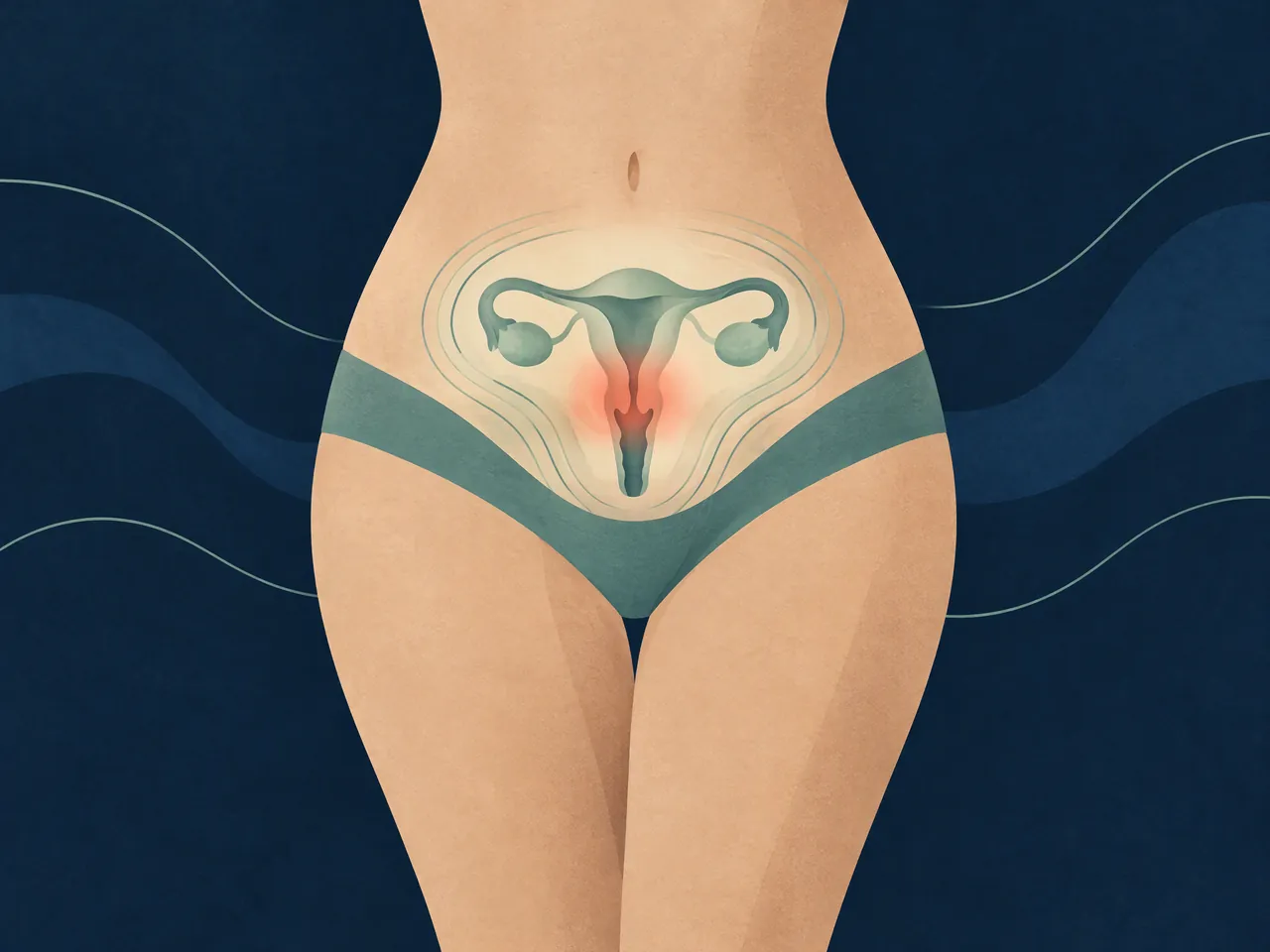
Period pain is common, but it should not be dismissed when it changes your routine, feels different from previous cycles, or arrives with unusual bleeding or pain outside the expected window. A TCM assessment for period pain starts by listening to the timing and character of the pain, the pattern of bleeding, your wider health history and the care you already use. In Hong Kong, period pain treatment with Chinese medicine can then be discussed as a supportive, individual option after an in-person assessment. It is not a substitute for a medical or gynaecological assessment when symptoms suggest an underlying condition.
Appointments are confirmed through WhatsApp. If you have language requirements, please mention them in your enquiry.
The short answer
A TCM assessment for period pain brings together your cycle record, pain pattern, health history and current medicines within a traditional Chinese medicine assessment. Period pain treatment with Chinese medicine Hong Kong may be considered as supportive care after a face-to-face consultation, but it should not replace medical review for severe, worsening or changing pain, unusual bleeding, possible pregnancy, or pain with sex, urination or bowel movements. A concise cycle record helps both Chinese medicine and medical consultations focus on the right questions.
Transparent pricing
See the fees.
Choose your care.
Explore our complete official price list, including first-trial prices, regular prices, packages and branch-specific options.
Opening WhatsApp prepares an enquiry; it does not send a message, take payment or confirm an appointment. Suitability and individual arrangements are confirmed during consultation.
Pain care
All prices in HKDExtracorporeal shockwave treatment
Shockwave treatment for deep-tissue and fascial care. The Kwun Tong clinic offers the multi-area options shown below.
Priced by branch
Branch-specific pricing
Prince Edward: HK$250 per area
Kwun Tong: HK$250 for 1 area / HK$450 for 2 areas / HK$600 for 3 areas
Pain care (manual therapy)
Includes Chinese medicine musculoskeletal assessment, manual joint techniques and tui na.
HK$580 (single session)
Chinese medicine musculoskeletal assessment
Pain care (acupuncture and manual therapy)
Combines acupuncture and manual therapy.
HK$680 (single session)
Combined care
Hair and scalp
All prices in HKDScalp health and hair-loss management
Includes AI scalp analysis, deep scalp and follicle cleansing, and scalp oil-control care.
HK$380 (first trial)
Regular price: HK$680
- 6 sessions: HK$3,480 (HK$580 per session)
- 12 sessions: HK$5,760 (HK$480 per session)
- 20 sessions: HK$8,600 (HK$430 per session)
- 30 sessions: HK$11,400 (HK$380 per session)
Hair acupuncture and Chinese herbal medicine package
Includes scalp acupuncture and 3 days of Chinese herbal medicine that does not require decoction.
HK$580 (single session)
Registered Chinese Medicine Practitioner consultation
- 6 sessions: HK$3,180 (HK$530 per session)
- 12 sessions: HK$5,760 (HK$480 per session)
- 20 sessions: HK$8,600 (HK$430 per session)
- 30 sessions: HK$11,400 (HK$380 per session)
Combined hair and scalp treatment
Combines acupuncture and Chinese herbal medicine with salon-level scalp and follicle care. Packages include complimentary hair-care shampoo and serum.
HK$1,260 (single session)
Combined treatment
- 8 sessions: HK$8,640 (HK$1,080 per session)
- 16 sessions: HK$15,680 (HK$980 per session)
- 20 sessions: HK$18,600 (HK$930 per session)
- 30 sessions: HK$26,400 (HK$880 per session)
Weight management
All prices in HKDFull-body acupoint embedding for weight management
Includes full-body acupoint embedding. Packages include complimentary Chinese herbal medicine for weight management, with the number of included days scaled to the package. Embedding material and the individual treatment arrangement are confirmed during consultation; this is not a cosmetic thread lift.
HK$980 (single session)
No trial session
- 10 sessions: HK$7,800 (HK$780 per session)
- 20 sessions: HK$14,600 (HK$730 per session)
- 30 sessions: HK$20,400 (HK$680 per session)
Facial acupuncture
All prices in HKDFacial acupuncture (basic)
Includes facial acupuncture and meridian-based facial care, including care for facial puffiness.
HK$480 (first trial)
Regular price: HK$680
- 10 sessions: HK$5,200 (HK$520 per session)
- 20 sessions: HK$9,600 (HK$480 per session)
- 30 sessions: HK$13,500 (HK$450 per session)
Facial acupuncture (advanced)
Includes enhanced facial acupuncture with a specially formulated moisturising mask and serum.
HK$780 (first trial)
Regular price: HK$1,180
- 10 sessions: HK$9,000 (HK$900 per session)
- 20 sessions: HK$16,600 (HK$830 per session)
- 30 sessions: HK$23,400 (HK$780 per session)
Chinese medicine
All prices in HKDAcupuncture and Chinese herbal medicine package
Includes a Chinese medicine consultation with pulse assessment, body acupuncture and 3 days of Chinese herbal granules that do not require decoction.
HK$580 (single session)
Chinese medicine consultation with pulse assessment
TCM assessment for period pain and period pain treatment with Chinese medicine Hong Kong: understanding patterns
People search for help because the label “period pain” does not describe their month. Period pain usually occurs just before or around bleeding and can spread to the back and thighs. [1] If pain prevents normal activity, that impact belongs in the assessment alongside pain intensity.
TCM assessment for period pain does not begin with a pre-selected herbal formula. It begins with a detailed conversation and, in a traditional consultation, observation and physical assessment relevant to the practitioner’s scope. The practitioner may ask about the first age at which pain appeared, whether the pattern has changed, clots or changes in flow, sleep, appetite, bowel habits, stress, temperature sensitivity and previous diagnoses. These are ways of building a traditional picture; they are not biomedical tests.

TCM assessment for period pain and period pain treatment with Chinese medicine Hong Kong: tracking your cycle
A simple record over several cycles can turn a vague memory into usable information. Mark the first and last day of bleeding, then note whether discomfort begins before flow, peaks on a particular day or lingers after it ends. Record the location—central lower abdomen, one side, lower back or thighs—and the quality, such as cramping, pressure, sharp pain or a dull ache. Include whether flow seems lighter, heavier or different for you, and whether nausea, diarrhoea, headache, dizziness, fatigue or sleep disturbance occurs. Do not worry about using perfect language. A few consistent notes are more helpful than a detailed diary completed from memory at the appointment.
The record should also capture the practical consequences. Write down missed classes, shortened exercise, cancelled social plans, disturbed sleep or occasions when you could not complete ordinary work. Add what you tried: heat, rest, a walk, a prescribed or over-the-counter medicine, or another measure, plus whether it helped and whether any side effect followed. This does not prove a cause, but it gives the practitioner and, where needed, a doctor a clearer sequence of events.
TCM assessment for period pain and period pain treatment with Chinese medicine Hong Kong: primary and secondary patterns
Clinicians use the term dysmenorrhea for pain associated with menstruation. Primary dysmenorrhea is cramping pain before or during a period without an identified pelvic disorder; secondary dysmenorrhea is associated with a disorder of the reproductive organs and may become worse over time or last longer than usual cramps. [2] This distinction matters because a new pattern, pain that progressively intensifies, or pain extending well beyond the usual menstrual days needs more than an assumption that it is “normal”. Endometriosis, adenomyosis and fibroids are among the conditions that may be considered in a medical assessment. [1]
Traditional Chinese medicine uses its own pattern language, often discussing ideas such as constrained qi, blood stasis, cold or deficiency after considering the whole account. Those words describe a traditional interpretive system, not a laboratory result or a diagnosis of the uterus. They should never be used to reassure someone away from a necessary medical review. A careful consultation can therefore hold two thoughts at once: your period pain may be explored in a TCM context, and a changing or concerning symptom may still need a GP or gynaecological assessment. Asking “what else needs to be checked?” is a sensible question, not a rejection of either approach.
Compare your options
| Situation or information | What to record or tell the practitioner | Most appropriate next step |
|---|---|---|
| Familiar cramps near the start of bleeding | Timing, location, pain quality, daily impact and what has helped | Discuss supportive measures and whether an in-person TCM assessment is appropriate. |
| Pain is becoming heavier, more painful or irregular | When the change started, flow changes, pain days and previous results | Arrange medical or gynaecological review; bring the same record to any TCM consultation. |
| Pain with sex, urination or bowel movements, or bleeding between periods | Associated symptoms, cycle dates, medicines and any previous diagnosis | Seek medical assessment rather than treating this as routine cramps. |
| Possible pregnancy or plans to conceive | Last menstrual period, test result if available, medicines, herbs and contraception | Seek appropriate medical advice before starting new herbs or changing medicines. |
| Considering Chinese herbal medicine while using other treatment | Every prescription, pain medicine, supplement and herbal product | Ask the practitioner, prescriber and pharmacist to consider the full list; do not stop prescribed medicine yourself. |
On smaller screens, scroll the table sideways to compare all columns.
TCM assessment for period pain and period pain treatment with Chinese medicine Hong Kong: consultation and safety
A first conversation about period pain is also an opportunity to set a safe boundary around what a Chinese medicine consultation can and cannot answer. Bring or describe previous ultrasound, blood-test or gynaecology findings if you have them, as well as a history of surgery, a coil or other contraception, allergies and long-term conditions. There is no need to delay a medical appointment until you have assembled every detail; the point is to share the information that could alter the next step. If symptoms are severe, suddenly worse than usual, or not helped by pain relief, seek prompt medical advice rather than waiting for a routine complementary-care consultation. [1]
If Chinese herbal medicine is discussed, it should be an individual conversation after assessment, not a promise that a particular product will cure cramps. Ask what the proposed option is intended to address within the traditional assessment, how it will be reviewed, what information you should report, and when medical input takes priority. You may also want to read Is Chinese medicine suitable for menstrual cramps? before an appointment, then bring your questions rather than starting any preparation on your own. A person who has been assessed elsewhere may still benefit from bringing that history, because coordinated decisions are safer than parallel, unshared plans.

TCM assessment for period pain and period pain treatment with Chinese medicine Hong Kong: traditional pattern assessment
At an in-person TCM assessment for period pain, the practitioner will usually ask questions that connect the cycle to your general state: whether you feel cold or hot, how your appetite and digestion have been, whether stress changes the pain, and whether you have fatigue between periods. Traditional observation and pulse or tongue examination may form part of the consultation. The purpose is to decide whether a supportive Chinese medicine approach is appropriate to discuss and what information remains missing.
This type of assessment is most useful when it is specific rather than dramatic. “I have cramping that wakes me on day one, with heavier flow than before” is more useful than a broad description of imbalance. Likewise, an account of repeated abdominal bloating, a pain during sex, or a recent change in bowel or urinary symptoms can change the safety conversation. The NHS advises medical review when period pain disrupts usual activities, periods become more painful, heavy or irregular, bleeding occurs between periods, or there is pain with sex, urination or bowel movements. [1] Sharing these details early helps a practitioner advise whether a medical check should happen first or alongside TCM support.

TCM assessment for period pain and period pain treatment with Chinese medicine Hong Kong: medicines and pregnancy considerations
Make a complete list of everything you take or use for your cycle: prescription medicines, over-the-counter pain relief, hormonal contraception, herbs, powders, teas, vitamins and supplements. Include the product name, how often you use it and who prescribed it. Do not stop a prescribed medicine because you are considering Chinese medicine, and do not assume “natural” means it will fit safely with every medicine or health condition. Your prescribing clinician or pharmacist can advise on prescribed medicines; the Chinese medicine practitioner needs the same information before discussing herbs. This is especially important if you have a bleeding disorder, stomach ulcer history, asthma or another condition that affects choices for common pain medicines. [2]
Possible or planned pregnancy changes the conversation immediately. If a period is late, pregnancy is possible, or you are trying to conceive, say so before using any new herbal product or changing a medicine plan. A pregnancy test and medical advice may be the priority, especially when there is pain or bleeding. Do not use an online article to choose a formula, dose or combination; an article cannot check your medical history, examination findings or current medicines. Period pain treatment with Chinese medicine Hong Kong is therefore best understood as a possible supportive discussion after assessment, with choices revisited if your circumstances, symptoms or pregnancy plans change.
TCM assessment for period pain and period pain treatment with Chinese medicine Hong Kong: when to seek further care
For familiar, non-severe cramps, practical comfort measures can be worth preparing before the next cycle: a wrapped heat pad or hot-water bottle, a warm bath, rest, gentle movement and enough sleep. The NHS lists heat and gentle activities such as walking, cycling, swimming or yoga among options that may ease period pain. [1] These are comfort measures, not a way to diagnose the cause. If you take pain medicine, use it only as directed on the label or by your clinician and check suitability if you have other conditions or medicines.

It can help to decide in advance whom to contact. A GP or gynaecologist is the right route for concerning changes and for investigation of possible underlying causes; tests such as an ultrasound may be considered when clinically appropriate. [1] A TCM consultation can be part of a broader conversation about supportive care, provided the practitioner knows what medical assessment has occurred and what is still pending. If travel or location affects your decision, you can enquire about the Kwun Tong Chinese medicine clinic or the Chinese medicine clinic Prince Edward rather than assuming a particular day or practitioner is available. State your period-pain concern and preferred location so appointment arrangements can be checked.

TCM assessment for period pain and period pain treatment with Chinese medicine Hong Kong: supportive daily measures
Supportive routines work best when they are realistic for your daily load. If the first day is predictably difficult, prepare heat supplies, easier meals and a lower-demand schedule where possible instead of waiting until the pain is at its peak. Gentle walking or stretching may feel more manageable than an ambitious workout; stop if activity worsens pain. Regular meals, fluids and sleep can also make it easier to notice whether a symptom is changing rather than simply feeling depleted. Stress, work and caring duties can all affect how tolerable pain feels, so note those factors in the cycle record without assuming they explain the pain away.
Avoid turning self-care into a test of endurance. Repeatedly staying home, needing escalating pain relief, or planning life around pain is useful information for a clinical discussion. A TCM practitioner may discuss a traditional supportive approach, and a medical clinician may discuss evidence-based treatment or investigation; neither replaces the need to report a change in symptoms. Keep the question focused: what is safe to try now, what should be reviewed at the next appointment, and what would mean contacting a doctor sooner? This approach protects room for supportive care without overlooking a pattern that deserves diagnosis.

TCM assessment for period pain and period pain treatment with Chinese medicine Hong Kong: signs for medical review
Arrange medical review promptly for pain that is severe or worse than usual and not helped by pain relief, or when period pain is becoming more painful, heavier or irregular. Medical review is also important for bleeding between periods, pain during sex, pain when passing urine or stool, unexplained weight loss, loss of appetite, a swollen abdomen, or a marked change in bladder or bowel habits. [1] These features do not diagnose a condition by themselves, but they are not details to hold back because you hope a familiar remedy will solve them. Say clearly when the change began and how it differs from your usual cycle.
If symptoms are new, escalating, or accompanied by possible pregnancy, seek appropriate medical advice without waiting for an herbal consultation. A doctor may take a menstrual history, perform an examination where appropriate, or consider investigations such as ultrasound to explore causes of ongoing pain. [1] [2] Bring the same cycle record to that appointment and tell each practitioner about the other care you are receiving. This coordination is particularly valuable when you are considering both medical treatment and Chinese medicine: it reduces the chance that important symptoms, medicines or test results are considered in isolation.
Care and health guide
Pain-care information
This directory brings together services, reading, and visit information related to pain care, to help you prepare questions for a consultation.
When pain care affects your day, noting when it occurs, its relation to activity, and what you have already tried can help prepare a consultation; Chinese medicine pain management Hong Kong is a relevant service or reading entry point.
Individual circumstances differ, and acupuncture Hong Kong offers related information to help you understand options and prepare questions.


Your questions, answered
Frequently asked questions
Is period pain treatment with Chinese medicine Hong Kong suitable for everyone?
No. Whether supportive Chinese medicine should be discussed depends on your history, current symptoms, medicines and pregnancy possibility. Severe, changing or unusual symptoms may require medical assessment first or at the same time. A face-to-face assessment is the place to decide what information is needed, rather than choosing herbs from a general webpage.
Can a TCM assessment for period pain find out whether I have endometriosis or fibroids?
A TCM assessment uses a traditional pattern system and is not a test for endometriosis, fibroids, adenomyosis or other medical conditions. A doctor or gynaecologist assesses possible underlying causes and may consider examination or tests. Tell both practitioners about pain changes, bleeding changes and any results already available.
Can I use Chinese medicine if I take painkillers or hormonal contraception?
Tell the Chinese medicine practitioner about every medicine, contraceptive, supplement and herbal product you use. Do not stop or alter prescribed treatment yourself. The practitioner needs the full list before discussing a Chinese medicine option, and your prescriber or pharmacist can advise about the medicines they manage.
How long will it take for period pain treatment with Chinese medicine to work?
There is no responsible fixed timetable or guarantee. Period pain can have different causes and patterns, and any supportive approach should be reviewed against your symptoms and safety needs. If pain is worsening, unusually severe, or interfering with normal activity, seek medical review rather than waiting for a promised number of visits.
Sources and further information
- [1] [1] NHS — Period pain
Referenced for: Symptoms, possible causes, self-care options, warning signs for medical review and the possibility of ultrasound assessment.
- [2] [2] American College of Obstetricians and Gynecologists — Dysmenorrhea: Painful Periods
Referenced for: Definitions of primary and secondary dysmenorrhea, possible causes, medical assessment and general self-management information.