
TCM Lab · Health reading
Migraine Acupuncture, Acupuncture for Migraine Prevention, and Your Migraine Headache Diary
Published Updated
A migraine headache diary turns a difficult-to-describe attack into useful information: when the pain began, how it developed, what came with it, what happened beforehand, and what you took. That record can make a consultation about migraine acupuncture more focused. Acupuncture for migraine prevention is a prevention conversation, not a promise to end pain that is already severe. If you are considering it in Hong Kong, begin by separating your usual migraine pattern from a new or alarming headache, keep medical treatment in view, and bring a clear diary rather than trying to recall every detail under pressure.
Appointments are confirmed through WhatsApp. If you have language requirements, please mention them in your enquiry.
The short answer
Migraine acupuncture may be considered as part of a preventive plan for people with recurring, medically assessed migraine. A migraine headache diary helps identify the timing, symptoms, possible triggers, and medicines that shape that plan. It does not diagnose the cause of a headache or replace urgent assessment. Sudden extreme pain, new weakness, speech or visual change, confusion, seizure, fever with neck stiffness, or a headache after injury needs prompt medical attention.
Transparent pricing
See the fees.
Choose your care.
Explore our complete official price list, including first-trial prices, regular prices, packages and branch-specific options.
Opening WhatsApp prepares an enquiry; it does not send a message, take payment or confirm an appointment. Suitability and individual arrangements are confirmed during consultation.
Pain care
All prices in HKDExtracorporeal shockwave treatment
Shockwave treatment for deep-tissue and fascial care. The Kwun Tong clinic offers the multi-area options shown below.
Priced by branch
Branch-specific pricing
Prince Edward: HK$250 per area
Kwun Tong: HK$250 for 1 area / HK$450 for 2 areas / HK$600 for 3 areas
Pain care (manual therapy)
Includes Chinese medicine musculoskeletal assessment, manual joint techniques and tui na.
HK$580 (single session)
Chinese medicine musculoskeletal assessment
Pain care (acupuncture and manual therapy)
Combines acupuncture and manual therapy.
HK$680 (single session)
Combined care
Hair and scalp
All prices in HKDScalp health and hair-loss management
Includes AI scalp analysis, deep scalp and follicle cleansing, and scalp oil-control care.
HK$380 (first trial)
Regular price: HK$680
- 6 sessions: HK$3,480 (HK$580 per session)
- 12 sessions: HK$5,760 (HK$480 per session)
- 20 sessions: HK$8,600 (HK$430 per session)
- 30 sessions: HK$11,400 (HK$380 per session)
Hair acupuncture and Chinese herbal medicine package
Includes scalp acupuncture and 3 days of Chinese herbal medicine that does not require decoction.
HK$580 (single session)
Registered Chinese Medicine Practitioner consultation
- 6 sessions: HK$3,180 (HK$530 per session)
- 12 sessions: HK$5,760 (HK$480 per session)
- 20 sessions: HK$8,600 (HK$430 per session)
- 30 sessions: HK$11,400 (HK$380 per session)
Combined hair and scalp treatment
Combines acupuncture and Chinese herbal medicine with salon-level scalp and follicle care. Packages include complimentary hair-care shampoo and serum.
HK$1,260 (single session)
Combined treatment
- 8 sessions: HK$8,640 (HK$1,080 per session)
- 16 sessions: HK$15,680 (HK$980 per session)
- 20 sessions: HK$18,600 (HK$930 per session)
- 30 sessions: HK$26,400 (HK$880 per session)
Weight management
All prices in HKDFull-body acupoint embedding for weight management
Includes full-body acupoint embedding. Packages include complimentary Chinese herbal medicine for weight management, with the number of included days scaled to the package. Embedding material and the individual treatment arrangement are confirmed during consultation; this is not a cosmetic thread lift.
HK$980 (single session)
No trial session
- 10 sessions: HK$7,800 (HK$780 per session)
- 20 sessions: HK$14,600 (HK$730 per session)
- 30 sessions: HK$20,400 (HK$680 per session)
Facial acupuncture
All prices in HKDFacial acupuncture (basic)
Includes facial acupuncture and meridian-based facial care, including care for facial puffiness.
HK$480 (first trial)
Regular price: HK$680
- 10 sessions: HK$5,200 (HK$520 per session)
- 20 sessions: HK$9,600 (HK$480 per session)
- 30 sessions: HK$13,500 (HK$450 per session)
Facial acupuncture (advanced)
Includes enhanced facial acupuncture with a specially formulated moisturising mask and serum.
HK$780 (first trial)
Regular price: HK$1,180
- 10 sessions: HK$9,000 (HK$900 per session)
- 20 sessions: HK$16,600 (HK$830 per session)
- 30 sessions: HK$23,400 (HK$780 per session)
Chinese medicine
All prices in HKDAcupuncture and Chinese herbal medicine package
Includes a Chinese medicine consultation with pulse assessment, body acupuncture and 3 days of Chinese herbal granules that do not require decoction.
HK$580 (single session)
Chinese medicine consultation with pulse assessment
Migraine Acupuncture, Acupuncture for Migraine Prevention, and a Migraine Headache Diary: Start With the Pattern
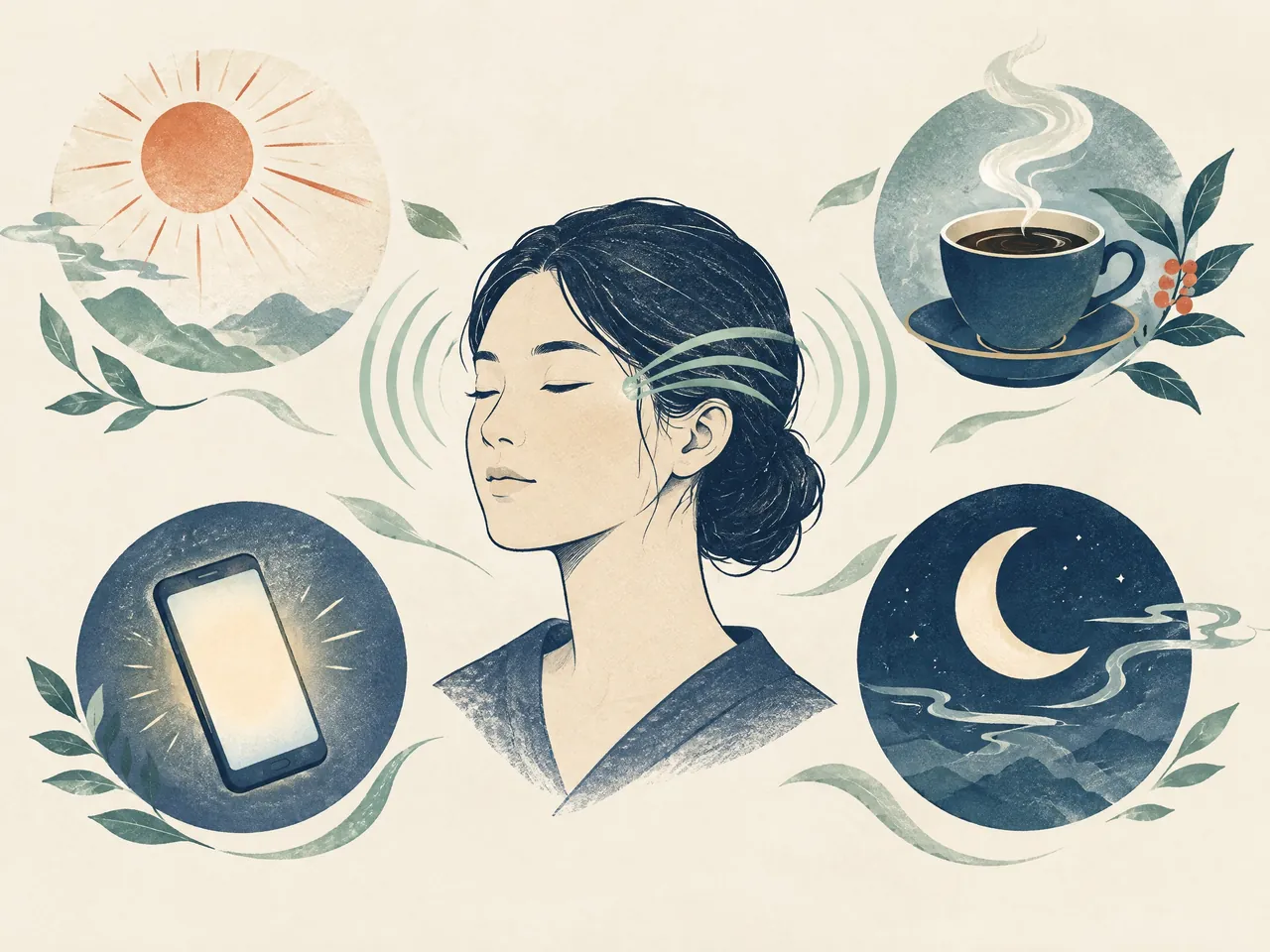
Migraine is more than a label for any one-sided headache. A typical attack can involve throbbing head pain, nausea or vomiting, and marked sensitivity to light or sound. Some people notice an aura before the pain, such as flashing or zigzag visual effects, tingling, dizziness, or trouble speaking. The course varies between people and between attacks; the NHS notes that attacks commonly last from four hours to three days. [1] Local hospital information also notes that headache causes are varied, so location alone cannot establish migraine. [4] For a fuller symptom checklist, read migraine symptoms, then use your own record to distinguish what reliably happens to you from what is new.
A diary is not a test you must complete perfectly. It is a practical way to notice sequence. Note the date; the time you first felt unusual; when head pain began and ended; where it was felt; whether it was pulsating, pressing, or otherwise different; and whether activity made it worse. Add nausea, vomiting, light or sound sensitivity, visual changes, numbness, tingling, dizziness, neck discomfort, or changes in speech. If an event prevents work, driving, screen use, sleep, or ordinary household tasks, write that down too. These details help show the functional burden without asking you to judge whether an attack was ‘bad enough.’
Migraine Acupuncture, Acupuncture for Migraine Prevention, and a Migraine Headache Diary: Recognise Common Symptoms
A short entry can be more revealing than a long description written days later. For example: ‘Tuesday, visual shimmer for 20 minutes; right-sided throbbing began 10:30; nausea and light sensitivity; left work at noon; medicine taken 10:45; pain eased by evening.’ This does not prove a diagnosis, but it gives a clinician a timeline to discuss. By contrast, ‘headache again’ leaves out whether the current episode resembled prior attacks. If pain is consistently on one side, that can occur with migraine, but it is not decisive on its own; Is one-sided headache always a migraine? explains why the quality, duration, accompanying symptoms, history, and change from baseline all matter.
Pay attention to symptoms that occur before and after the head pain as well as during it. Tiredness, yawning, mood change, thirst, food craving, or a stiff neck may precede an attack for some people, while fatigue may linger afterwards. [1] Writing these features down is useful because they can be mistaken for a trigger when they are actually an early phase of the migraine. It also helps separate a familiar pattern from an episode that is genuinely different. A first severe headache, a rapidly changing pattern, or symptoms unlike your usual episodes deserves medical assessment rather than self-classification from an online list.
Migraine Acupuncture, Acupuncture for Migraine Prevention, and a Migraine Headache Diary: Record Triggers and Timing
Make the diary easy enough to use on a phone or a paper calendar. A simple entry can have five fields: timing, symptoms, possible context, medicine, and impact. For medicine, record the name, dose, and time rather than only ‘painkiller.’ For impact, record whether you needed to lie in a dark room, cancelled an activity, or could continue with adjustments. Over several entries, this may show whether attacks cluster around a particular schedule, whether an aura occurs, or whether the headache pattern is becoming more frequent or harder to manage. It is equally useful when no obvious trigger emerges: not every attack has a clear, controllable cause.
Bring the diary to both medical and TCM consultations. It can support questions such as: Are these episodes compatible with migraine? Is prevention worth discussing? Is there an acute-treatment plan for attacks? Could any medicine use need review? It also gives a starting point for discussing acupuncture for migraine prevention without treating the procedure as a stand-alone answer. For broader choices around assessment and ongoing care, the page on migraine treatment Hong Kong can help you prepare questions for the appropriate clinician.
Compare your options
| What to record | A useful level of detail | Why it helps the discussion |
|---|---|---|
| Timing and duration | Date, first symptom, head-pain start, finish time, and any aura duration | Shows frequency, sequence, and whether a usual pattern has changed |
| Pain and associated symptoms | Location, throbbing or other quality, nausea, light or sound sensitivity, visual or sensory symptoms | Places one-sided pain in a wider symptom pattern rather than using it alone |
| Context before the attack | Sleep, meals, routine changes, stress, illness, caffeine or alcohol changes, and menstrual timing where relevant | May reveal repeatable associations without claiming that one factor is the cause |
| Acute treatment and impact | Medicine name, dose, time taken, response, missed work or activities, and need to rest | Supports a review of acute care, medicine use, and the need for prevention |
On smaller screens, scroll the table sideways to compare all columns.
Migraine Acupuncture, Acupuncture for Migraine Prevention, and a Migraine Headache Diary: Understand the Role of Care
Prevention and acute relief have different jobs. Acute care addresses what to do during an attack, often following a plan agreed with a doctor or pharmacist. Prevention aims to reduce the pattern of future attacks and their disruption over time. The NHS includes acupuncture among options that may help prevent migraine attacks, alongside preventive medicines, relaxation techniques, cognitive behavioural therapy, and lifestyle measures. [1] That does not mean every option suits every person, or that a preventive approach should displace medicine prescribed for an active attack. A diary helps keep these decisions separate because it shows both attack-day treatment and the longer-term pattern.

The best-known evidence synthesis on acupuncture for preventing migraine attacks reviewed trials of adults with episodic migraine and describes the overall evidence as moderate quality. It found that acupuncture can be considered a treatment option, while also noting limited long-term research beyond one year. [2] This supports a measured discussion of migraine acupuncture as one possible preventive component. It does not support a guarantee that a needle session will stop a particular attack, nor does it establish acupuncture as the right choice for every headache diagnosis, every frequency pattern, or every medical situation.

Migraine Acupuncture, Acupuncture for Migraine Prevention, and a Migraine Headache Diary: Separate Prevention From Acute Relief
When an attack has started, follow the acute plan you have been given and seek medical help when the pattern is severe, unusual, prolonged, or difficult to control. Do not postpone urgent assessment in order to try a preventive service. The Migraine Trust explains that acupuncture may help some people with preventing migraine attacks and reports stronger evidence for episodic than chronic migraine. [3] Its description of a course of care also reinforces the point: prevention is assessed across a course and against the pattern in the diary, not judged solely by how you feel in the treatment room that day.
The distinction matters for medication safety as well. The NHS advises against taking painkillers on more than two days a week because this can lead to more headaches and make migraine harder to treat. [1] That is not an instruction to stop a prescribed medicine; it is a reason to discuss frequent use with the clinician or pharmacist who manages it. Your diary can show how often acute medication is needed, whether it is taken early or late in an attack, and whether the pattern is changing. This information is relevant to prevention decisions whether or not you choose acupuncture.

Migraine Acupuncture, Acupuncture for Migraine Prevention, and a Migraine Headache Diary: Prepare for a TCM Consultation
At a consultation, expect questions about your headaches, general health, current care, medication, and the diary. A practitioner should explain what the session involves and give you space to ask about consent, needle placement, comfort, and any concerns before proceeding. The Migraine Trust describes fine, single-use needles and notes that temporary dizziness, minor bruising, or bleeding can occur; tell the practitioner if you feel unwell or uncomfortable. [3] Say if you are pregnant, have a bleeding condition, use medicines that affect bleeding, faint easily, or have any other concern that could change the safety conversation.
Bring a list or photos of medication packaging, recent relevant medical information, and your diary rather than trying to reconstruct them verbally. Ask what the proposed goal is, how progress would be reviewed, how acupuncture will fit with current medical advice, and what to do if an attack occurs between sessions. A visit at a Chinese medicine clinic Prince Edward or a Kwun Tong Chinese medicine clinic can begin with those practical questions. The decision should remain connected to assessment of the headache itself, not just its location or intensity.
Migraine Acupuncture, Acupuncture for Migraine Prevention, and a Migraine Headache Diary: Know When to Seek Help
A familiar migraine plan should never be used to explain away a dangerous new symptom. Seek emergency help for a headache that comes on suddenly and is extremely painful, or for new difficulty speaking or remembering, loss of vision or blurred or double vision, drowsiness or confusion, seizure, very high temperature with meningitis symptoms, weakness or inability to move one side of the body or face, or a headache after a recent head injury. [1] These situations need urgent medical evaluation, not a diary entry to review later and not an acupuncture appointment. The same caution applies when someone says the headache is unlike any they have experienced before.
For non-emergency but persistent uncertainty, start with a medical assessment of the headache pattern. Hong Kong specialist information emphasizes that headaches can have many causes, even though migraine often involves one-sided pain with nausea, vomiting, or light sensitivity. [4] Once migraine and the care plan are being assessed appropriately, you can explore supportive preventive options in context. The migraine topic centre gathers related questions, while migraine red flags provides a focused reminder of changes that should not be treated as routine.

Migraine Acupuncture, Acupuncture for Migraine Prevention, and a Migraine Headache Diary: Identify Warning Signs
It can be hard to judge an episode when you have had migraine before. Use two questions: ‘Is this sudden or dramatically different from my usual attack?’ and ‘Is there a neurological or systemic symptom that is new?’ Sudden severe pain, weakness, speech change, a substantial visual change, confusion, fever with neck stiffness, seizure, or post-injury headache is not something to monitor at home as if it were an ordinary recurrence. If you are unsure, err toward urgent medical advice. The correct next step is determined by the symptoms in front of you, not by what helped during a previous attack.
Aura can include visual effects, tingling, dizziness, and speech difficulty, which is why first-time or changed symptoms should be assessed rather than casually labelled. [1] A diary can record the order and duration of familiar symptoms after you are safe, but it cannot distinguish every possible cause. This is particularly important when an existing diagnosis makes it tempting to assume that all future head pain is migraine. New information from your body deserves the same attention as a new diagnosis would.

Migraine Acupuncture, Acupuncture for Migraine Prevention, and a Migraine Headache Diary: Plan Your Next Step
If there are no warning signs, start with a small, usable plan: keep the diary, arrange medical assessment if attacks are new, changing, frequent, or difficult to manage, and bring your record to any preventive-care conversation. Review the diary for attack timing, symptoms, acute medicine use, possible context, and the effect on normal life. This gives a practitioner a meaningful baseline. It also makes it possible to discuss whether the goal is fewer attacks, fewer disrupted days, a clearer acute plan, or a combination of these, instead of expecting one treatment to solve every aspect at once.
If you would like to ask about migraine acupuncture at TCM Lab, send your diary summary and current care information by WhatsApp before arranging a consultation. Mention any warning symptoms or recent changes so that urgent medical assessment is not overlooked. A consultation can discuss whether acupuncture for migraine prevention fits alongside your existing medical advice and what information is needed first. For an attack that is sudden, severe, or unlike your usual pattern, seek urgent medical care rather than waiting for a non-emergency appointment.
Care and health guide
Health service information
This directory brings together services, reading, and visit information related to health services, to help you prepare questions for a consultation.
If you are organising health questions, Chinese medicine clinic Hong Kong is a starting point for learning about related services and preparing for a consultation.
People have different needs; acupuncture Hong Kong provides further reading to help you understand options in your own context.


Your questions, answered
Frequently asked questions
Is one-sided head pain always a migraine?
No. Migraine often affects one side, but one-sided pain is not enough to establish the cause. The duration, pain quality, accompanying nausea or light sensitivity, aura, history, and any change from your usual pattern all matter. New, severe, or unusual symptoms should be assessed medically.
Can acupuncture stop a migraine attack immediately?
It cannot be guaranteed. The evidence and guidance discussed for acupuncture focus on prevention of recurring migraine attacks rather than definite immediate relief during an acute attack. Follow your agreed acute-treatment plan and seek urgent help for warning signs or an attack that is unusually severe or different.
What should I record in a migraine headache diary?
Record the date, start and end time, pain location and quality, nausea, light or sound sensitivity, aura or other symptoms, sleep, meals, stress, menstrual timing where relevant, possible context, medicines, and the impact on ordinary activities. Record medicine names, dose, and timing where you can.
Should I stop my migraine medicine before considering acupuncture?
Do not stop or change prescribed or over-the-counter treatment on your own. Bring a complete medication list to the consultation and discuss any frequent use, side effects, or concerns with the doctor or pharmacist managing your care. Acupuncture for prevention should be considered alongside, not independently from, appropriate medical advice.
Sources and further information
- [1] NHS — Migraine
Referenced for: Symptoms, aura, diary use, prevention options, medicine-use caution, and urgent warning signs.
- [2] Cochrane — Acupuncture for preventing migraine attacks
Referenced for: Prevention-focused evidence review and its limitations.
- [3] The Migraine Trust — Acupuncture for migraine
Referenced for: Patient-facing discussion of acupuncture for prevention, consultations, and possible minor treatment effects.
- [4] Hong Kong Adventist Hospital — Headache Clinic
Referenced for: Hong Kong headache-care context, common migraine features, and the need to consider multiple causes.