
TCM Lab · Health reading
Allergic Rhinitis or Non-Allergic Rhinitis: How to Read Persistent Nasal Congestion
Published Updated
A blocked nose that keeps returning can be frustrating, especially when it disrupts sleep, makes exercise feel harder or leaves you reaching for tissues at work. The useful first question is not simply whether it is ‘a nasal allergy’, but whether the pattern looks more like allergic rhinitis or non-allergic rhinitis. Repeated sneezing, itching, clear discharge and itchy eyes after a familiar exposure point more towards allergy; blockage after a sharp temperature change, perfume or smoke can point elsewhere. A short record of symptoms and setting can make a medical conversation more specific without trying to diagnose the cause alone.
Appointments are confirmed through WhatsApp. If you have language requirements, please mention them in your enquiry.
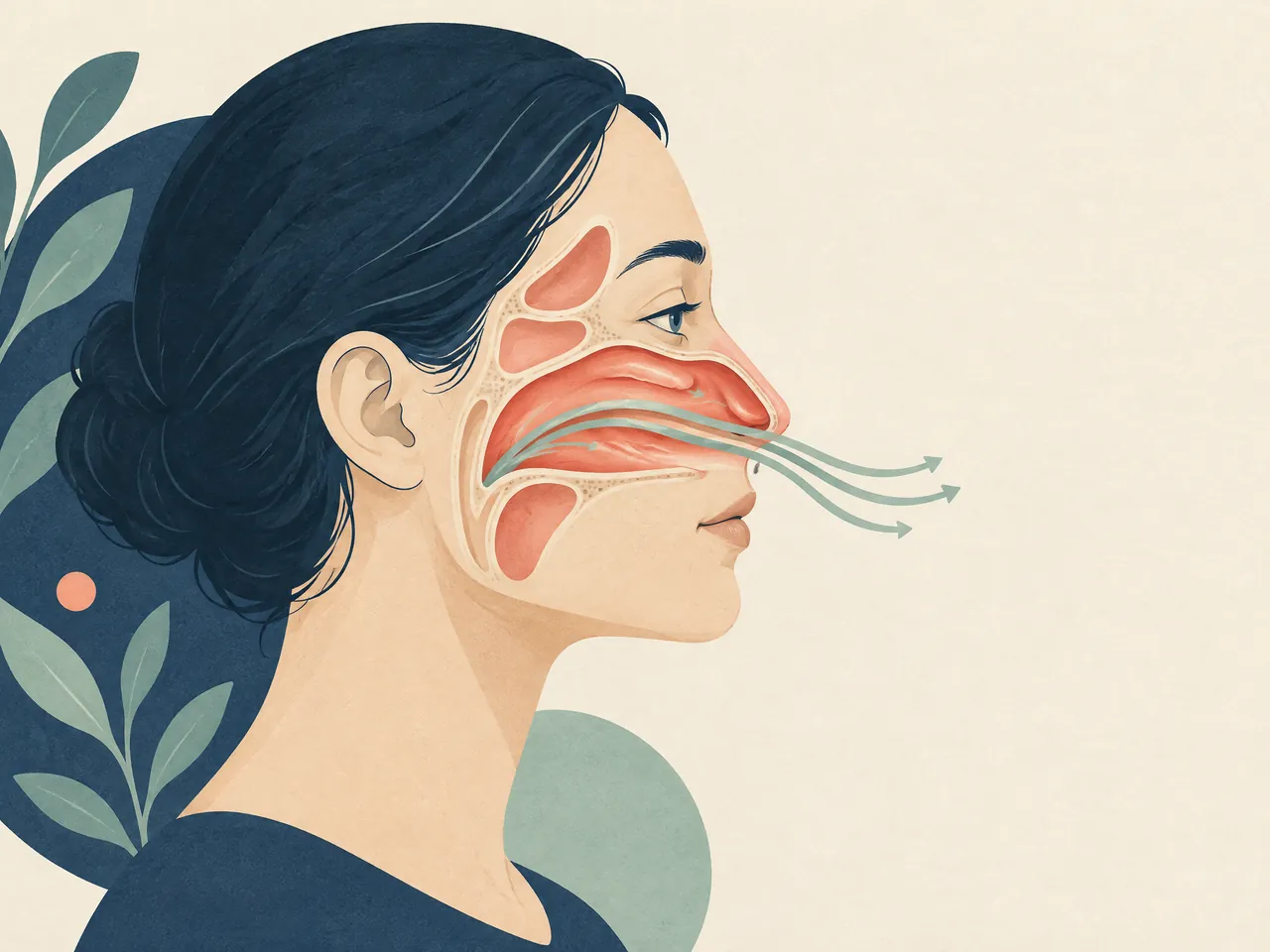
The short answer
Allergic rhinitis is more likely when nasal blockage comes with bouts of sneezing, an itchy nose, clear runny discharge or itchy, watery eyes after an allergen exposure. Non-allergic rhinitis can cause a blocked or runny nose after weather, humidity, smoke, perfume or other irritation without the same itch-and-eye pattern. A diary helps reveal a pattern, but persistent, one-sided or function-limiting symptoms need medical assessment.
Transparent pricing
See the fees.
Choose your care.
Explore our complete official price list, including first-trial prices, regular prices, packages and branch-specific options.
Opening WhatsApp prepares an enquiry; it does not send a message, take payment or confirm an appointment. Suitability and individual arrangements are confirmed during consultation.
Chinese medicine
All prices in HKDAcupuncture and Chinese herbal medicine package
Includes a Chinese medicine consultation with pulse assessment, body acupuncture and 3 days of Chinese herbal granules that do not require decoction.
HK$580 (single session)
Chinese medicine consultation with pulse assessment
Hair and scalp
All prices in HKDScalp health and hair-loss management
Includes AI scalp analysis, deep scalp and follicle cleansing, and scalp oil-control care.
HK$380 (first trial)
Regular price: HK$680
- 6 sessions: HK$3,480 (HK$580 per session)
- 12 sessions: HK$5,760 (HK$480 per session)
- 20 sessions: HK$8,600 (HK$430 per session)
- 30 sessions: HK$11,400 (HK$380 per session)
Hair acupuncture and Chinese herbal medicine package
Includes scalp acupuncture and 3 days of Chinese herbal medicine that does not require decoction.
HK$580 (single session)
Registered Chinese Medicine Practitioner consultation
- 6 sessions: HK$3,180 (HK$530 per session)
- 12 sessions: HK$5,760 (HK$480 per session)
- 20 sessions: HK$8,600 (HK$430 per session)
- 30 sessions: HK$11,400 (HK$380 per session)
Combined hair and scalp treatment
Combines acupuncture and Chinese herbal medicine with salon-level scalp and follicle care. Packages include complimentary hair-care shampoo and serum.
HK$1,260 (single session)
Combined treatment
- 8 sessions: HK$8,640 (HK$1,080 per session)
- 16 sessions: HK$15,680 (HK$980 per session)
- 20 sessions: HK$18,600 (HK$930 per session)
- 30 sessions: HK$26,400 (HK$880 per session)
Weight management
All prices in HKDFull-body acupoint embedding for weight management
Includes full-body acupoint embedding. Packages include complimentary Chinese herbal medicine for weight management, with the number of included days scaled to the package. Embedding material and the individual treatment arrangement are confirmed during consultation; this is not a cosmetic thread lift.
HK$980 (single session)
No trial session
- 10 sessions: HK$7,800 (HK$780 per session)
- 20 sessions: HK$14,600 (HK$730 per session)
- 30 sessions: HK$20,400 (HK$680 per session)
Facial acupuncture
All prices in HKDFacial acupuncture (basic)
Includes facial acupuncture and meridian-based facial care, including care for facial puffiness.
HK$480 (first trial)
Regular price: HK$680
- 10 sessions: HK$5,200 (HK$520 per session)
- 20 sessions: HK$9,600 (HK$480 per session)
- 30 sessions: HK$13,500 (HK$450 per session)
Facial acupuncture (advanced)
Includes enhanced facial acupuncture with a specially formulated moisturising mask and serum.
HK$780 (first trial)
Regular price: HK$1,180
- 10 sessions: HK$9,000 (HK$900 per session)
- 20 sessions: HK$16,600 (HK$830 per session)
- 30 sessions: HK$23,400 (HK$780 per session)
Pain care
All prices in HKDExtracorporeal shockwave treatment
Shockwave treatment for deep-tissue and fascial care. The Kwun Tong clinic offers the multi-area options shown below.
Priced by branch
Branch-specific pricing
Prince Edward: HK$250 per area
Kwun Tong: HK$250 for 1 area / HK$450 for 2 areas / HK$600 for 3 areas
Pain care (manual therapy)
Includes Chinese medicine musculoskeletal assessment, manual joint techniques and tui na.
HK$580 (single session)
Chinese medicine musculoskeletal assessment
Pain care (acupuncture and manual therapy)
Combines acupuncture and manual therapy.
HK$680 (single session)
Combined care
Allergic Rhinitis or Non-Allergic Rhinitis: Comparing Common Symptoms
The two labels describe patterns, not a home test. Allergic rhinitis occurs when the nose reacts to something a person is allergic to. The NHS lists sneezing, an itchy nose, a runny or blocked nose, and itchy, red, watery eyes as common symptoms [1]. A repeatable cluster after a familiar exposure matters more than one congested morning.
Non-allergic rhinitis can also cause blockage, a runny nose, sneezing or post-nasal drip, but it is not driven by the same allergy mechanism. Symptoms may follow a hot-to-cold change, humidity, air-conditioning, exercise, smoke, perfume or paint fumes. These are recognised causes on NHS guidance [2]. Congestion alone therefore cannot settle the question.
A cold, sinus problem, nasal polyps, medication effect or structural issue can also contribute. Describe what happened before and alongside the blockage: clear discharge or feeling unwell, itchy eyes or no itch, one side or both, and whether it returns in the same setting. These details give a clinician a better starting point. See persistent nasal congestion causes for a broader discussion.

The distinction guides practical next steps. Dust exposure with itching, sneezing and watery eyes may justify discussion of a specific allergen. A strong scent that causes blockage without itch may be an irritant to limit. Ask a pharmacist or clinician about treatment options rather than extending decongestant spray use; prolonged use can make blockage harder to improve [2].
Allergic Rhinitis or Non-Allergic Rhinitis: Signs That Suggest an Allergy Pattern
An allergy pattern often has several linked features: a tickling or itchy nose, sneeze bouts, clear watery mucus and itchy eyes. House dust mites, pollen, mould and animal dander are common allergens listed by the NHS [1]. Not everyone has every sign, so look for repetition in a setting rather than treating a single episode as proof.
Record scenes rather than general impressions: making the bed, visiting a home with animals, outdoor time, or open windows. Note eye symptoms separately. If an acute illness seems possible, compare timing and whole-body symptoms with allergic rhinitis vs a cold. This account helps a clinician decide whether an allergy discussion or another assessment is suitable.
Allergic Rhinitis or Non-Allergic Rhinitis: When Congestion May Have Another Cause
Congestion without itching does not automatically mean non-allergic rhinitis, but it should broaden the question. Fever or feeling unwell may fit an infection. Facial discomfort, marked smell change, recurring sinus trouble or no clear trigger deserve a history rather than a guess. Polyps and nasal structure are among possibilities that may need consideration when symptoms stay unexplained.
Arrange assessment for blockage mainly on one side that does not resolve, recurring nosebleeds, bloody discharge, new facial swelling or numbness, or eye changes. These signs have many causes, but Cancer Research UK says persistent one-sided stuffiness and nosebleeds should be checked [4]. Breathing difficulty, blue lips or a severe asthma flare needs urgent help.
Compare your options
| What you notice | Pattern that may suggest allergic rhinitis | Pattern that may suggest non-allergic rhinitis or another cause | Useful next note |
|---|---|---|---|
| Sneezing and itching | Bouts of sneezing with an itchy nose, itchy eyes or clear watery discharge after a familiar exposure. | Blockage or running without a strong itch-and-eye pattern; other causes remain possible. | Record the setting and whether eyes were involved. |
| Timing | Symptoms recur with a suspected allergen, such as dust, pollen, mould or animal dander. | Symptoms follow a temperature or humidity shift, smoke, perfume, paint fumes, exercise or another irritant. | Write down the time, place and change just before symptoms began. |
| Everyday impact | Sleep, work, school or asthma symptoms are affected despite ordinary measures. | The same functional impact can occur even without an allergy pattern. | Bring a brief impact log and current medicine list for assessment. |
| Features that need assessment | A cause remains uncertain or symptoms are worsening or not responding to advice. | Persistent one-sided blockage, recurrent bleeding, bloody discharge, significant smell change or facial/eye symptoms need assessment. | Do not wait for more diary entries before seeking care for warning signs. |
On smaller screens, scroll the table sideways to compare all columns.
Allergic Rhinitis or Non-Allergic Rhinitis: Tracking Triggers in Daily Life
A small, neutral diary is more useful than removing every food, product or household item at once. For two or three weeks, record the date, time, main symptom, location, what changed beforehand and duration. Add sneezing, eye itch and whether one or both sides felt blocked. Do not create an exposure test yourself; observe ordinary episodes.
Make each entry concrete. ‘Blocked after entering an air-conditioned office’ tells a different story from ‘sneezing and eye itch after dusting’. Hong Kong Adventist Hospital lists dust, pollen, mould, animal hair or dander, polluted air, sudden temperature or humidity change, and fragrances among potential triggers or irritants [3]. Location and air conditions give that list personal context.
A diary can also show what is not connected. If symptoms occur at the same time every morning wherever you sleep, say so. Record nasal sprays, antihistamines, inhalers and other medicines, plus effects or side effects. Bring a product name or label photo to an appointment. Do not stop prescribed asthma care or change regular medicine because of a diary observation without speaking to the prescriber.

When reviewing the diary, separate a trigger from an aggravating condition. A humid commute may coincide with symptoms, while a bedroom with visible dampness could be a more sustained exposure to investigate. Likewise, a perfume may provoke an immediate reaction, but not explain congestion that is present on waking every day. Share both the observations and the uncertainties. A clinician can decide whether the pattern supports discussion of allergy testing, rhinitis management or another cause. The companion overview of nonallergic rhinitis gives further context for irritant-related symptoms without turning a diary entry into a diagnosis.
Match environmental changes to a plausible trigger. If dust or mould seems relevant, discuss regular bedding care, dry rooms and ventilation. If fragrance appears to provoke symptoms, reducing that exposure may be practical. The NHS advises keeping homes dry and well ventilated and addressing damp and condensation [1]. The guide to humidity and nasal congestion can help frame observations without assuming humidity explains every episode.
Allergic Rhinitis or Non-Allergic Rhinitis: Dust, Weather and Indoor Irritants
Dust, weather and indoor irritants may appear on the same diary page without meaning the same thing. Dust with itchy eyes and sneeze bouts may fit an allergy pattern. Stuffy symptoms after strong air-conditioning or perfume, without itching, can fit irritation. Mould can be an allergen and a sign that a damp environment needs attention. Look for repetition across ordinary days.
Make one safe change at a time. If bedroom dust is a concern, focus on bedding and cleaning there instead of changing every product at once. If fragrance seems relevant, choose an unscented option where possible and note the response. Cleaning air-conditioner filters and keeping bathrooms dry are sensible maintenance, not a diagnosis. Persistent or unclear symptoms still need medical advice.
Allergic Rhinitis or Non-Allergic Rhinitis: Practical Notes for Sleep and Work
Act when nasal symptoms change daily life. At night, note mouth breathing, waking with blockage, new or worsening snoring and next-day tiredness. At work or school, note interrupted meetings, poor concentration or a particular room that triggers symptoms. The NHS advises review when symptoms affect sleep or daily life, asthma worsens, the cause is uncertain, or pharmacy treatment is not helping [2].
Before an appointment, list onset, the main symptom, seasonal or daily timing, likely settings, current treatment and any asthma or eczema history. For a child, add sleep quality, attention, night cough, wheeze and exercise-related breathing discomfort. If complementary Chinese medicine or acupuncture is considered, discuss it as an adjunct with a qualified practitioner; do not replace prescribed inhalers or nasal sprays without the prescribing clinician’s advice.
Allergic Rhinitis or Non-Allergic Rhinitis: When to Seek Further Help
Seek further help when symptoms are persistent, severe, unclear or narrowing daily life. A doctor or appropriate clinician can distinguish a likely allergy pattern from irritant rhinitis, infection, medication effects or structural causes. Bring the diary, medicine list and any product-label photos. This prevents a cycle of switching remedies without knowing which symptom or trigger is being addressed.
Pharmacy advice can help mild nasal symptoms, but it has limits. The NHS recommends review if allergic rhinitis worsens, affects sleep or everyday life, asthma worsens, the cause is uncertain, or pharmacy treatment fails [1]. Ask how to use a product and for how long, particularly a decongestant spray; easy access does not make extended use appropriate.
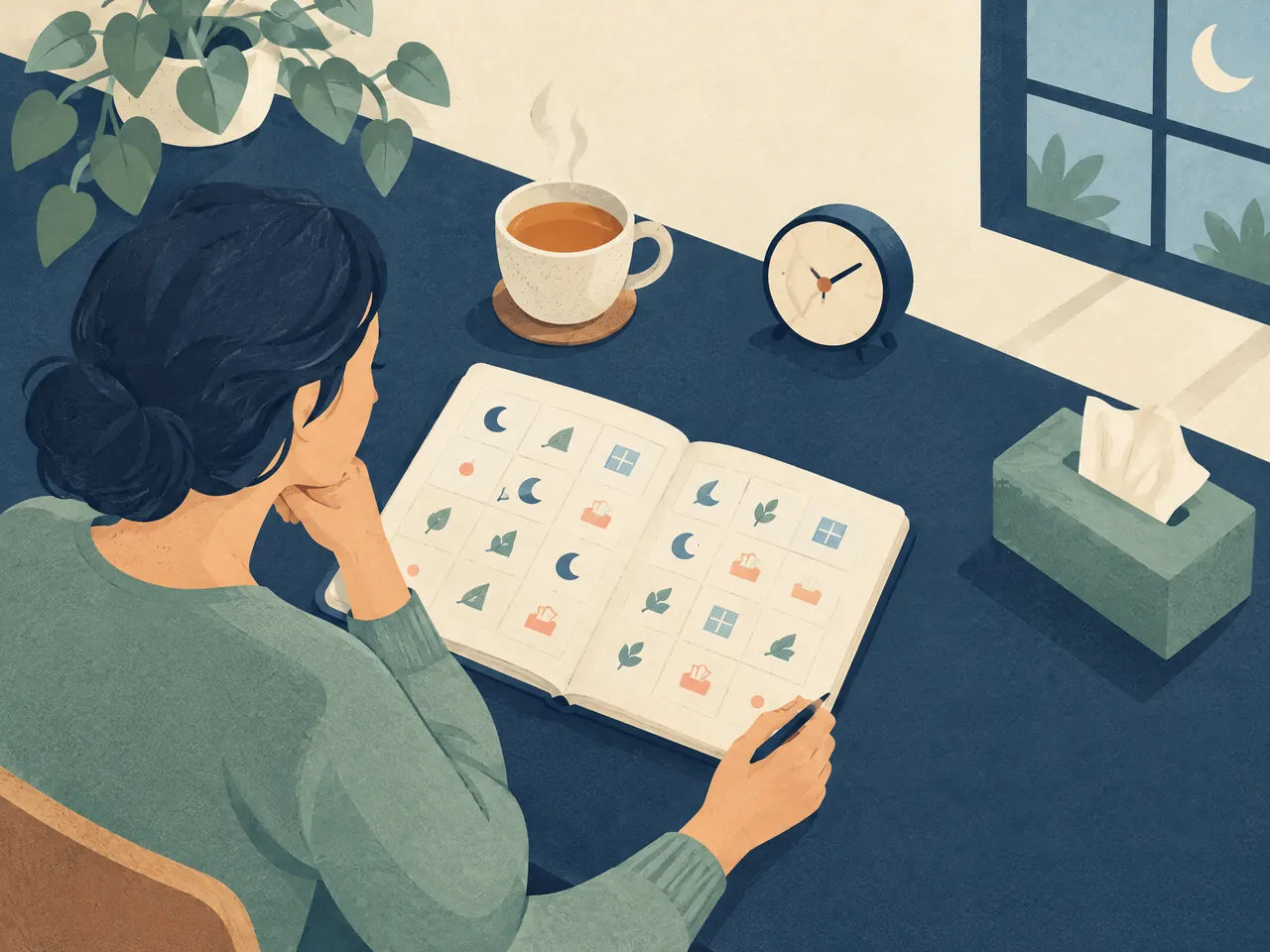
TCM Lab can receive an enquiry about persistent nasal discomfort as part of a Chinese medicine consultation. Include symptoms, duration, known triggers, current nasal or asthma treatments, and effects on sleep or breathing. Do not postpone assessment of warning signs or replace prescribed asthma care. For location details, see Chinese medicine clinic Prince Edward or Kwun Tong Chinese medicine clinic.

Allergic Rhinitis or Non-Allergic Rhinitis: Children, Asthma and Ongoing Symptoms
For children, consider more than tissues. Note disturbed sleep, daytime tiredness, attention changes, night cough, wheeze and breathlessness during activity. The NHS notes that people with asthma or eczema, or a family history of allergies, are more likely to get allergies [1]. This does not mean every congested child has allergy or asthma, but breathing symptoms need joined-up medical discussion.
Tell the child’s doctor about inhaler use, exercise tolerance, waking at night, noisy breathing and missed activities. Follow any existing asthma action plan. Complementary treatment should sit alongside, not replace, that plan. A parent’s short log of timing, sleep and visible symptoms can be more useful than asking a child to name a diagnosis. Seek urgent help for breathing difficulty, blue lips or severe asthma worsening.

Allergic Rhinitis or Non-Allergic Rhinitis: Warning Signs That Need Assessment
Arrange assessment for persistent one-sided blockage, recurring nosebleeds, bloody discharge, marked smell change, ongoing facial pain, facial swelling or numbness, or eye symptoms. These do not identify one condition, and most people with them will not have cancer. They still deserve examination: Cancer Research UK includes persistent unilateral blockage and nosebleeds among symptoms that should be checked [4]. New double vision or eye swelling also needs prompt care.
Seek urgent help for trouble breathing, blue or grey lips, confusion or serious asthma deterioration. For an ongoing problem, bring the diary, sprays and medicines, asthma or eczema history, and the impact on sleep, work or school. Say whether it is one-sided, whether bleeding has occurred and how long it has lasted. The aim is not to diagnose allergic or non-allergic rhinitis alone, but to give a clinician the facts needed to decide next steps.
Care and health guide
Health service information
This directory brings together services, reading, and visit information related to health services, to help you prepare questions for a consultation.
If you are organising health questions, Chinese medicine clinic Hong Kong is a starting point for learning about related services and preparing for a consultation.
People have different needs; acupuncture Hong Kong provides further reading to help you understand options in your own context.


Your questions, answered
Frequently asked questions
How can I tell allergic rhinitis or non-allergic rhinitis apart?
Allergic rhinitis more often includes sneezing, an itchy nose, clear runny discharge and itchy or watery eyes after a repeatable allergen exposure. Non-allergic rhinitis can follow temperature or humidity changes, smoke, perfume or other irritants, often without the same itching and eye symptoms. Because symptoms overlap, a record of timing and triggers is more reliable than judging from congestion alone.
Can I have both an allergy pattern and irritant-triggered congestion?
Yes. A person may have allergic symptoms around an allergen and also notice that smoke, strong fragrance or an abrupt weather change makes the nose feel worse. Record each setting separately. A clinician can consider the overall pattern and other possible causes rather than assuming one explanation accounts for every episode.
When should persistent nasal congestion be assessed?
Arrange assessment if symptoms affect sleep, work, school or daily life; asthma gets worse; the cause is unclear; or pharmacy treatment is not helping. Seek assessment sooner for persistent one-sided blockage, recurrent nosebleeds, bloody discharge, notable smell loss, persistent facial pain, facial swelling, numbness or eye symptoms. Seek urgent help for breathing difficulty or a severe asthma flare.
What should I record before an appointment for a blocked or runny nose?
Note when symptoms started, whether they are one-sided or both sides, sneezing, itching, eye symptoms, discharge, sleep effects, likely settings, weather or indoor conditions, and medicines already used. For a child, add night cough, wheeze, daytime tiredness and exercise-related breathing discomfort. Bring current product names or photos of labels where possible.
Sources and further information
- [1] NHS — Allergic rhinitis
Referenced for: Symptoms, allergens, self-care limits, asthma and sleep-related reasons to seek assessment.
- [2] NHS — Non-allergic rhinitis
Referenced for: Symptoms, weather and irritant triggers, medicine cautions and reasons to seek assessment.
- [3] Hong Kong Adventist Hospital — Allergic Rhinitis
Referenced for: Hong Kong-relevant examples of allergens, indoor irritants and temperature or humidity changes.
- [4] Cancer Research UK — Symptoms of nasal and paranasal sinus cancer
Referenced for: Why persistent one-sided nasal blockage, bleeding, smell changes and related symptoms should be checked.