
TCM Lab · Health reading
What can I do for tennis elbow besides heat and ice?
Published Updated
Tennis elbow is not limited to people who play tennis. It is outer-elbow pain that often becomes noticeable when you grip a bottle, carry shopping, turn a key, use a mouse, lift a pan or wring a cloth. If you are asking what you can do besides heat and ice, begin by changing the task that provokes it rather than trying to push through it. Then rebuild comfortable movement and forearm capacity gradually. Heat or cold may be a comfort measure, but a pain-aware plan for your daily load is usually the more useful next step.
Appointments are confirmed through WhatsApp. If you have language requirements, please mention them in your enquiry.
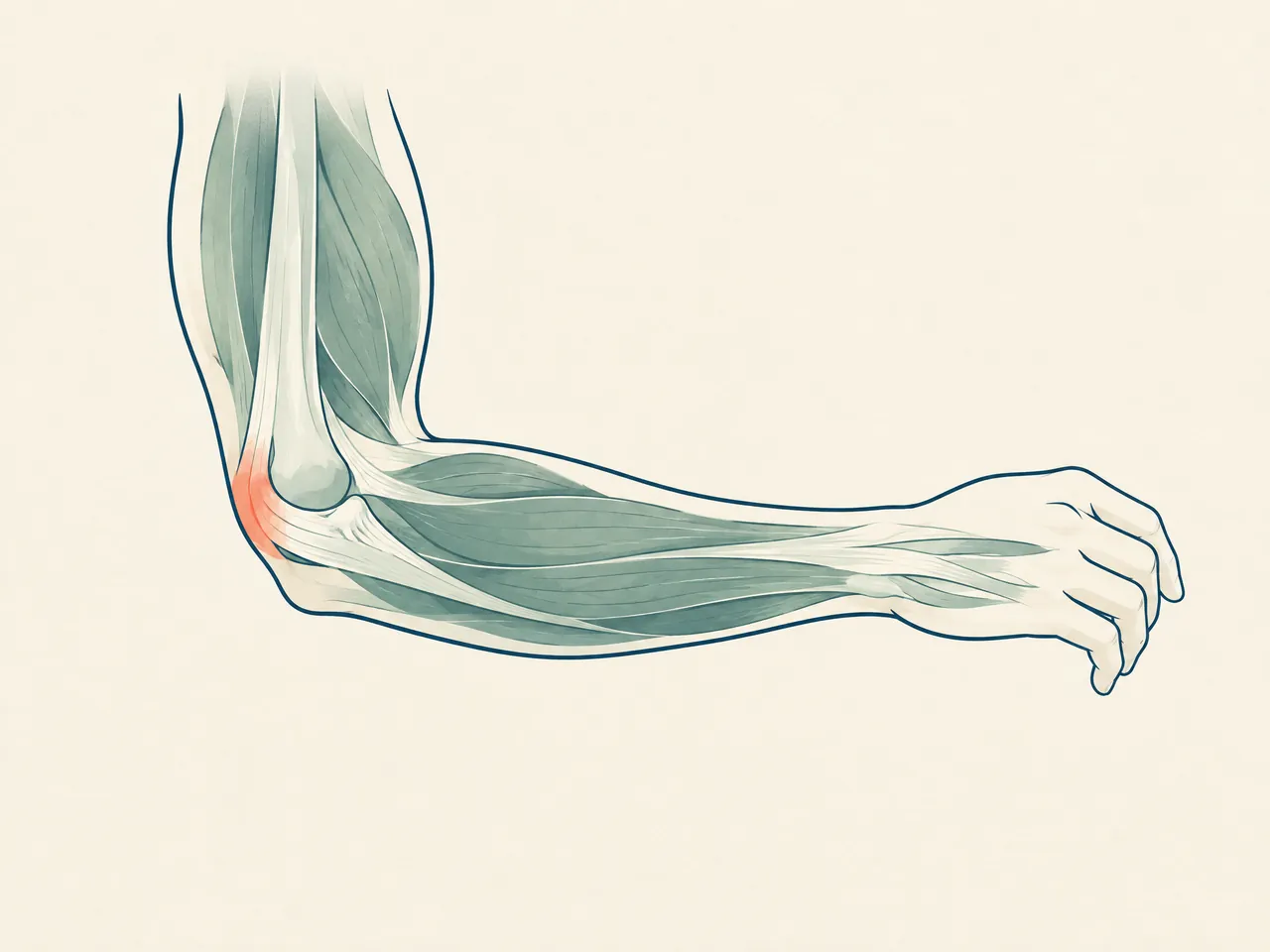
The short answer
Besides heat and ice, reduce the gripping, lifting and repeated wrist movements that reproduce your outer-elbow pain. Keep the arm moving within a comfortable range, then consider a gradual programme of forearm stretching and strengthening guided by a physiotherapist or other qualified clinician. Seek assessment when pain is worsening, persistent, limits ordinary tasks, or comes with numbness, weakness, marked swelling, colour change, or difficulty moving the elbow.
Transparent pricing
See the fees.
Choose your care.
Explore our complete official price list, including first-trial prices, regular prices, packages and branch-specific options.
Opening WhatsApp prepares an enquiry; it does not send a message, take payment or confirm an appointment. Suitability and individual arrangements are confirmed during consultation.
Pain care
All prices in HKDExtracorporeal shockwave treatment
Shockwave treatment for deep-tissue and fascial care. The Kwun Tong clinic offers the multi-area options shown below.
Priced by branch
Branch-specific pricing
Prince Edward: HK$250 per area
Kwun Tong: HK$250 for 1 area / HK$450 for 2 areas / HK$600 for 3 areas
Pain care (manual therapy)
Includes Chinese medicine musculoskeletal assessment, manual joint techniques and tui na.
HK$580 (single session)
Chinese medicine musculoskeletal assessment
Pain care (acupuncture and manual therapy)
Combines acupuncture and manual therapy.
HK$680 (single session)
Combined care
Hair and scalp
All prices in HKDScalp health and hair-loss management
Includes AI scalp analysis, deep scalp and follicle cleansing, and scalp oil-control care.
HK$380 (first trial)
Regular price: HK$680
- 6 sessions: HK$3,480 (HK$580 per session)
- 12 sessions: HK$5,760 (HK$480 per session)
- 20 sessions: HK$8,600 (HK$430 per session)
- 30 sessions: HK$11,400 (HK$380 per session)
Hair acupuncture and Chinese herbal medicine package
Includes scalp acupuncture and 3 days of Chinese herbal medicine that does not require decoction.
HK$580 (single session)
Registered Chinese Medicine Practitioner consultation
- 6 sessions: HK$3,180 (HK$530 per session)
- 12 sessions: HK$5,760 (HK$480 per session)
- 20 sessions: HK$8,600 (HK$430 per session)
- 30 sessions: HK$11,400 (HK$380 per session)
Combined hair and scalp treatment
Combines acupuncture and Chinese herbal medicine with salon-level scalp and follicle care. Packages include complimentary hair-care shampoo and serum.
HK$1,260 (single session)
Combined treatment
- 8 sessions: HK$8,640 (HK$1,080 per session)
- 16 sessions: HK$15,680 (HK$980 per session)
- 20 sessions: HK$18,600 (HK$930 per session)
- 30 sessions: HK$26,400 (HK$880 per session)
Weight management
All prices in HKDFull-body acupoint embedding for weight management
Includes full-body acupoint embedding. Packages include complimentary Chinese herbal medicine for weight management, with the number of included days scaled to the package. Embedding material and the individual treatment arrangement are confirmed during consultation; this is not a cosmetic thread lift.
HK$980 (single session)
No trial session
- 10 sessions: HK$7,800 (HK$780 per session)
- 20 sessions: HK$14,600 (HK$730 per session)
- 30 sessions: HK$20,400 (HK$680 per session)
Facial acupuncture
All prices in HKDFacial acupuncture (basic)
Includes facial acupuncture and meridian-based facial care, including care for facial puffiness.
HK$480 (first trial)
Regular price: HK$680
- 10 sessions: HK$5,200 (HK$520 per session)
- 20 sessions: HK$9,600 (HK$480 per session)
- 30 sessions: HK$13,500 (HK$450 per session)
Facial acupuncture (advanced)
Includes enhanced facial acupuncture with a specially formulated moisturising mask and serum.
HK$780 (first trial)
Regular price: HK$1,180
- 10 sessions: HK$9,000 (HK$900 per session)
- 20 sessions: HK$16,600 (HK$830 per session)
- 30 sessions: HK$23,400 (HK$780 per session)
Chinese medicine
All prices in HKDAcupuncture and Chinese herbal medicine package
Includes a Chinese medicine consultation with pulse assessment, body acupuncture and 3 days of Chinese herbal granules that do not require decoction.
HK$580 (single session)
Chinese medicine consultation with pulse assessment
What can I do for tennis elbow besides heat and ice? Start with activity adjustments
A useful first question is not simply, “What should I put on the elbow?” but “Which part of this task is loading my sore forearm?” Tennis elbow commonly refers to pain around the outside of the elbow. Repeated twisting of the hand, wrist and forearm can irritate the area, and ordinary tasks—not only sport—may bring it on [2]. Pain when gripping, lifting a heavy object, shaking hands, using a screwdriver or wringing a towel is also described by the Hong Kong College of Orthopaedic Surgeons [3]. Notice the movement, the object’s weight, your hand position and how long the task lasts. That information is more practical than a vague instruction to rest.
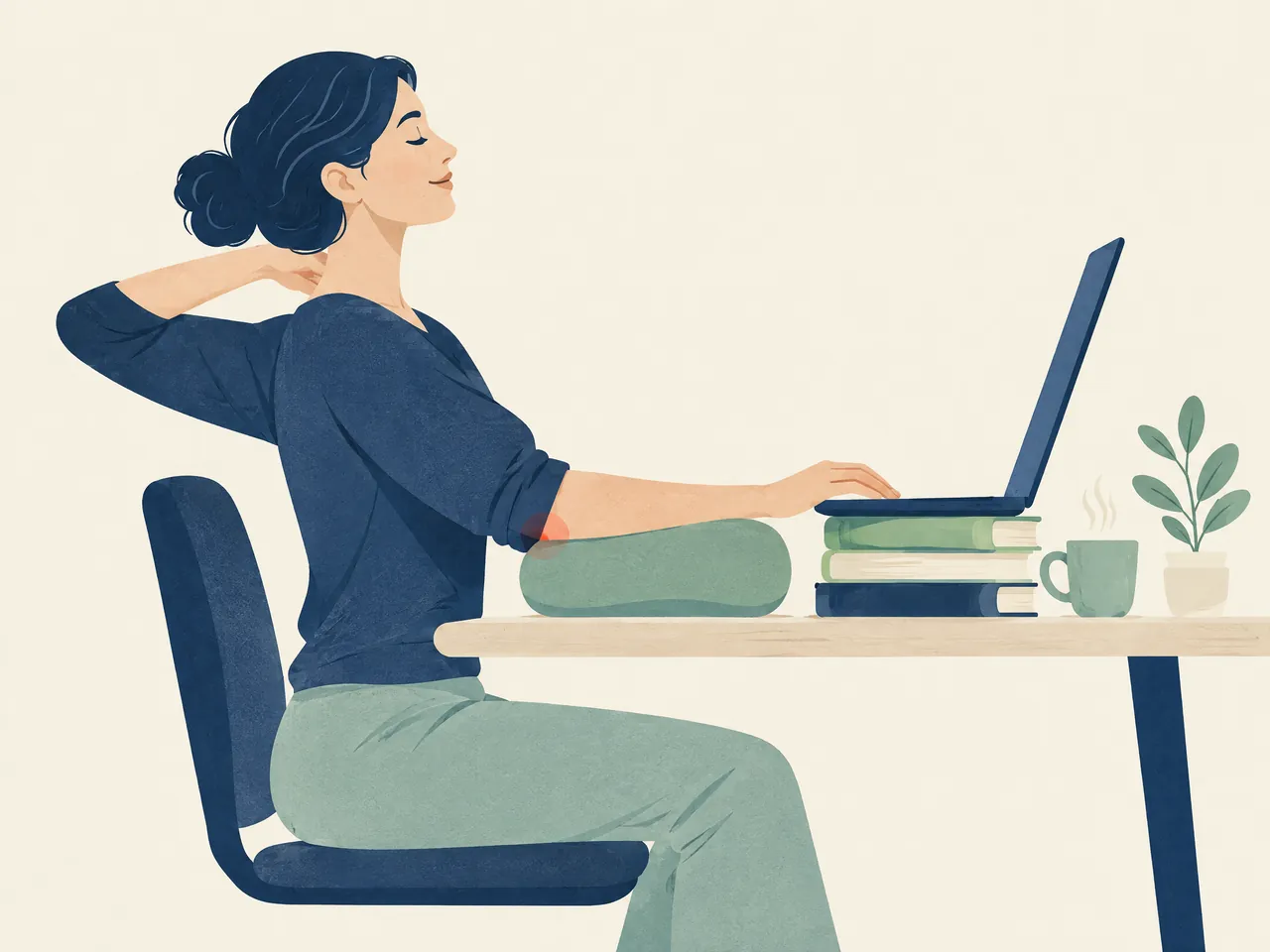
Adjusting activity does not mean treating the arm as fragile or avoiding all use. It means reducing the dose of the movement that is clearly provocative for now. For example, divide a long cleaning or gardening task into shorter periods, carry lighter bags closer to the body, use two hands for a pan, or change the set-up of a workstation so the mouse is close and the wrist is not held in an awkward position. The aim is to avoid repeatedly crossing your present pain threshold while still allowing normal, comfortable use. If you need background on temperature choices, our guide to tennis elbow heat or ice explains why either can be a comfort option rather than the entire plan.
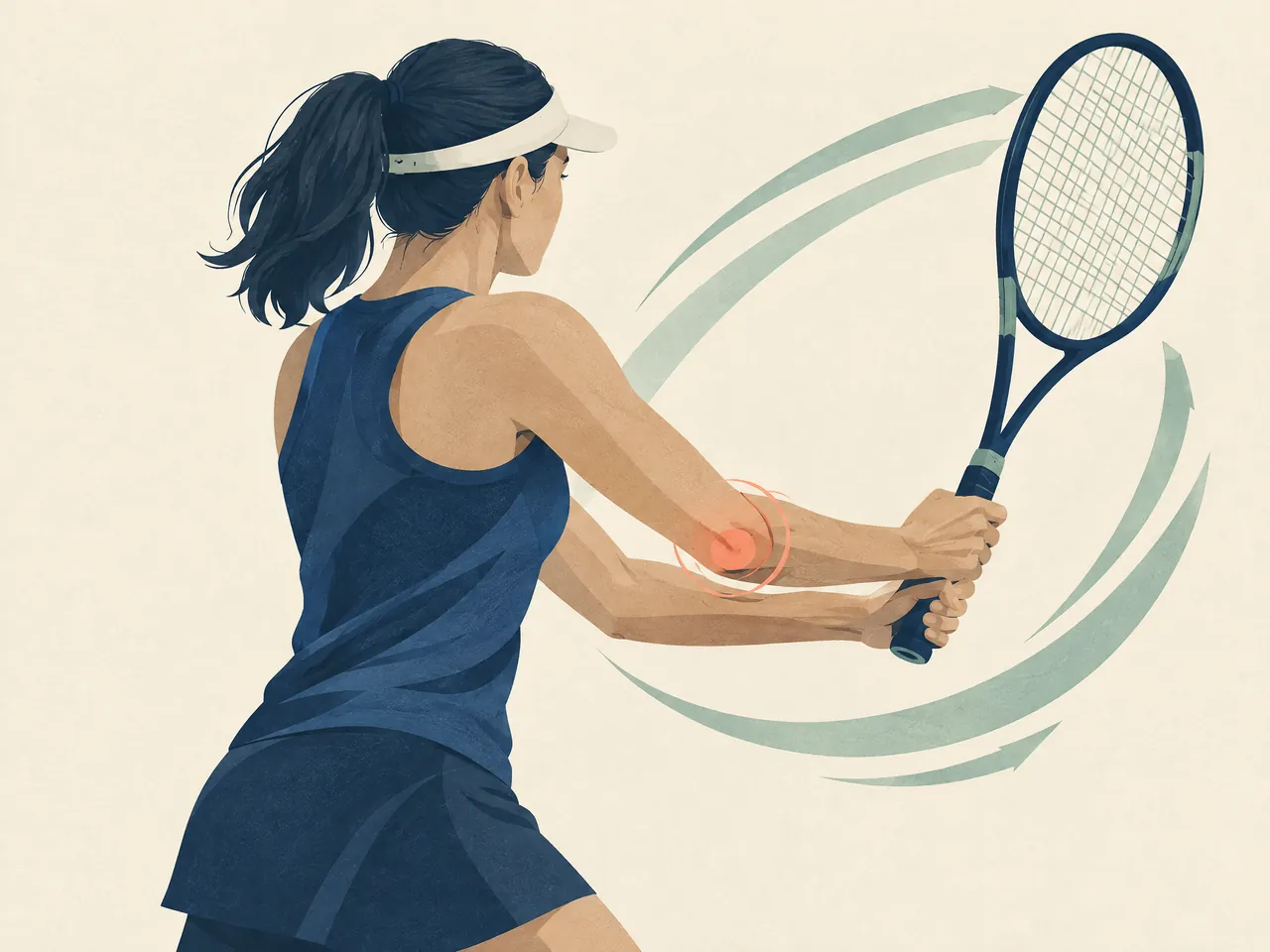
What can I do for tennis elbow besides heat and ice? Reduce painful gripping and lifting
Start with the grip. A tightly clenched hand makes the forearm work harder, particularly when you lift with the elbow straight or the palm facing down. Before lifting a kettle, luggage, a child or shopping, pause and ask whether the item can be split, carried with two hands, held closer to your body or moved with a trolley. When opening jars, use a grippy aid or ask for help rather than repeatedly forcing the wrist. Small changes can lower repeated strain without removing you from household, work or exercise routines.
Look for hidden repetition as well as obvious heavy lifts. A long sequence of clicks, pruning strokes, painting movements, screwdriver turns or food preparation may aggravate symptoms even if no single repetition feels dramatic. Alternate hands where safe, take brief movement breaks, and vary the task before the elbow becomes strongly painful. If a particular activity consistently brings symptoms back later that day or the following morning, treat that response as feedback that the current amount is too much. This is a reason to adjust the load, not a reason to make a rushed diagnosis on your own.
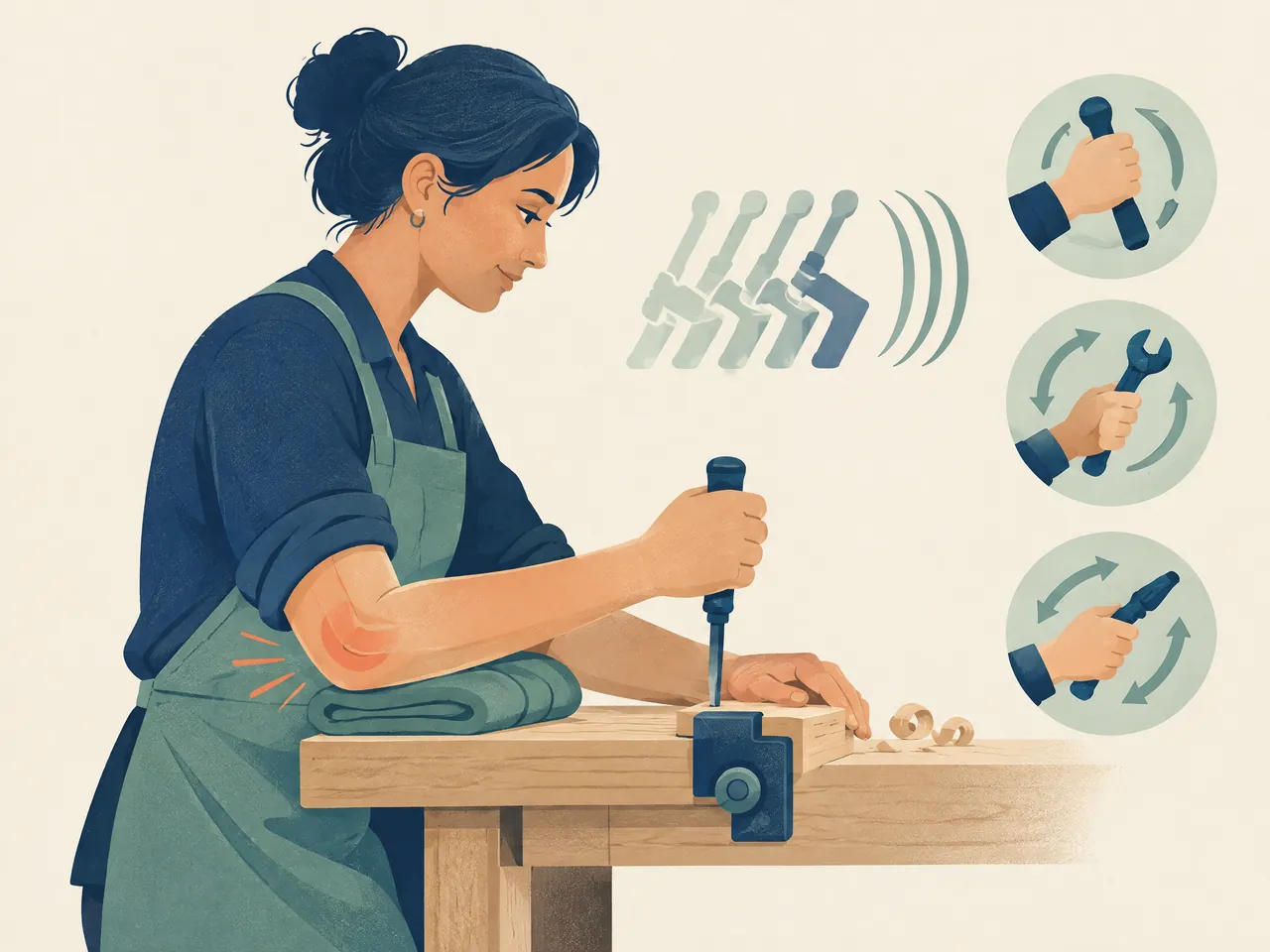
What can I do for tennis elbow besides heat and ice? Keep movement comfortable
Comfortable movement helps you avoid turning a sore elbow into an arm you hardly use. During a quiet part of the day, gently bend and straighten the elbow, turn the palm up and down, and move the wrist through a range that does not cause sharp or escalating pain. NHS guidance includes simple arm bending and straightening among self-care measures and advises reducing activities that worsen symptoms [1]. The purpose is to maintain usable motion, not to force a stretch or prove that you can tolerate pain.
Use symptoms to guide the next step. Mild awareness that settles after the activity may call for a smaller dose next time; sharp pain, lingering worsening, or a marked loss of function calls for a pause and professional advice. Do not use heat, cold, a brace or pain-relieving products as permission to do an activity that remains clearly aggravating. If you choose an tennis elbow ice pack after activity, protect the skin with a cloth and stop if it makes you feel worse. The same principle applies to any self-care measure: comfort is useful, but it should not mask an escalating problem.
Compare your options
| What you notice | A reasonable next step | What to keep in mind |
|---|---|---|
| Pain with a heavy bag, pan or luggage | Reduce the load, use two hands, hold it closer, or split the carry. | If gripping or lifting remains painful, do not repeatedly test it at full load. |
| Pain builds during mouse, tool or kitchen work | Shorten one spell of the task, vary the movement and review the set-up. | Look at total repetition across the day, not just one difficult moment. |
| A new exercise is comfortable during but aches more afterwards | Return to the last tolerable level and discuss progression with a clinician. | Change one element at a time rather than adding resistance and volume together. |
| Pain persists, worsens or affects ordinary function | Arrange assessment with a doctor or physiotherapist. | Seek timely advice sooner for numbness, weakness, colour change, major swelling or difficulty moving the elbow. |
| You are considering Chinese medicine support | Discuss your symptoms, current care and goals at an individual consultation. | Complementary care should not replace assessment of persistent symptoms or rehabilitation guidance. |
On smaller screens, scroll the table sideways to compare all columns.
What can I do for tennis elbow besides heat and ice? Consider stretching and strengthening
After you have identified and reduced the main aggravating load, rehabilitation can shift from simply avoiding pain to building tolerance for the things you need to do. Stretching and strengthening are often mentioned together, but they serve different purposes. A gentle stretch may be used to explore comfortable forearm and wrist motion. Strength work is a progressive challenge for the muscles that control the wrist and grip. Neither needs to be dramatic to be useful, and neither should be prescribed from a webpage as a one-size-fits-all routine. The right starting point depends on irritability, work demands, sport and what a clinician finds on assessment.
The Hong Kong College of Orthopaedic Surgeons lists physiotherapy, stretching exercises and avoiding repetitive overuse among non-surgical approaches [3]. MyHealth Alberta likewise advises following a doctor’s or physiotherapist’s directions for exercise and returning to usual activities slowly [2]. That gradual return matters. An exercise that feels acceptable once can be too much when repeated after a long workday or added on top of tennis, gym training or manual work. Keep the total load in view rather than judging an exercise in isolation.
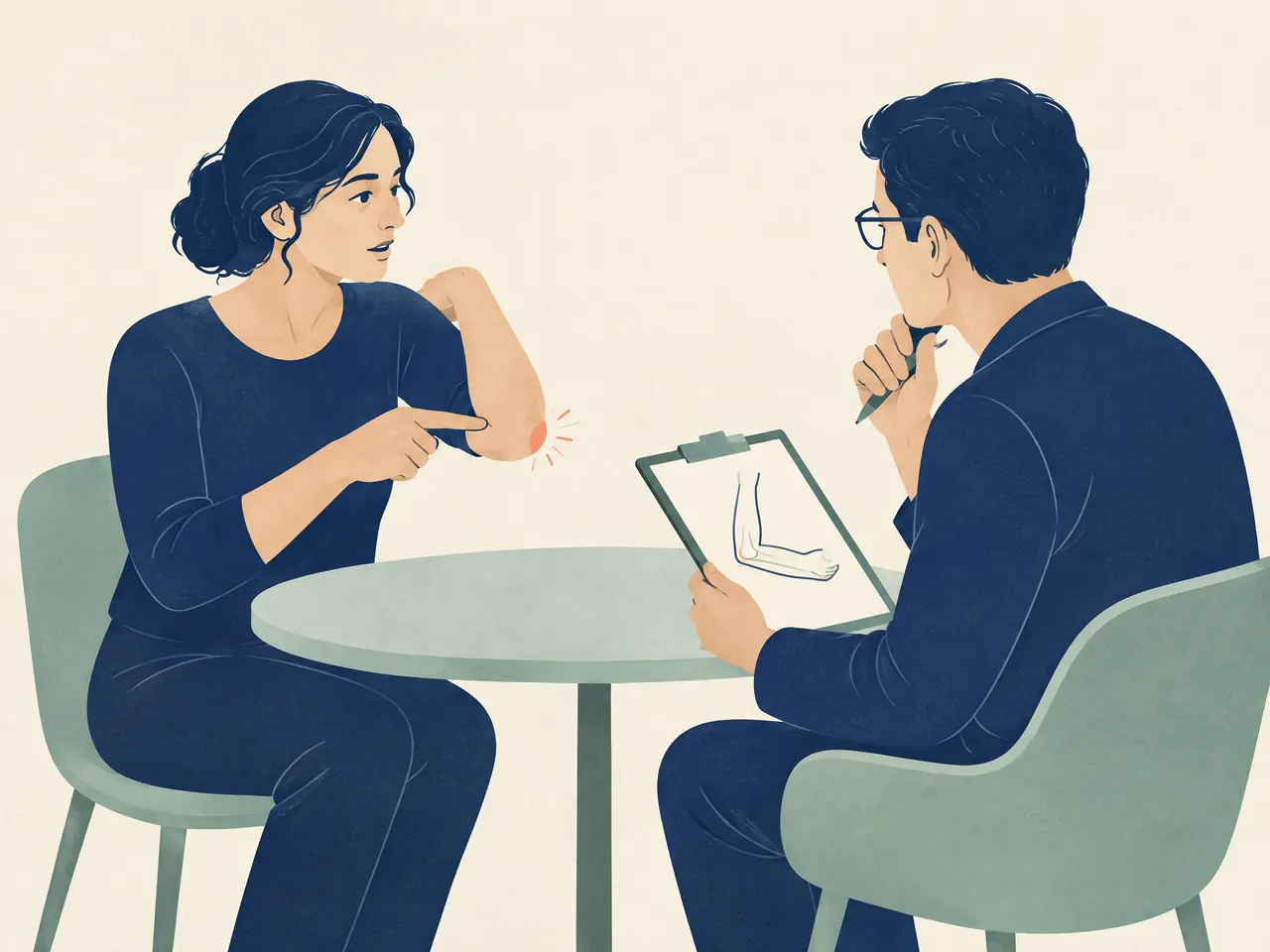
What can I do for tennis elbow besides heat and ice? Build a gradual exercise routine
A gradual routine has a clear purpose: first restore comfortable movement, then improve the forearm’s capacity for the grip, wrist control and lifting demands of your life. A clinician may begin with low-load wrist or forearm exercises, then change the resistance, repetitions, speed or task only when the previous level is tolerated. Avoid copying a demanding programme from an athlete or social-media video just because it has the label “tennis elbow.” Your job, age, equipment and pain response may be very different.
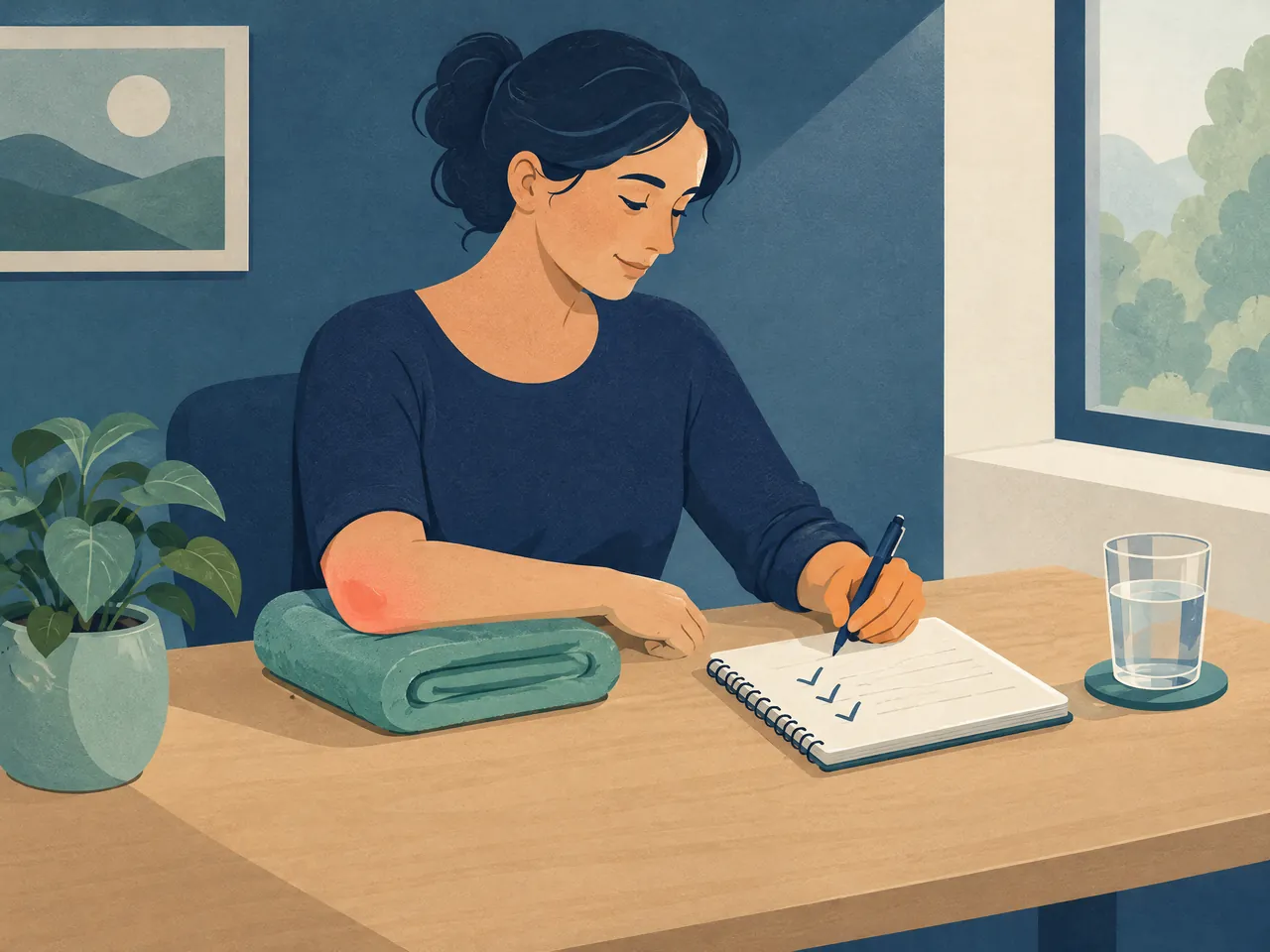
Make the routine easy to observe. Note the exercise or task, how it felt during it, and how the elbow felt later that day and the next morning. This record can reveal whether a flare followed a new resistance, a longer computer session, gardening or a weekend sport session. It also helps prevent the familiar cycle of doing too little on weekdays and too much on a “good” day. For a broader home-management overview, see tennis elbow self-care. It is sensible to progress one variable at a time, rather than increasing weight, volume and work activity all in the same week.
What can I do for tennis elbow besides heat and ice? Seek physiotherapy guidance when needed
Physiotherapy guidance can be particularly helpful when you are unsure which motion is provoking pain, when symptoms keep returning as you resume work, or when you cannot work out how to progress beyond basic movement. An assessment can look at the elbow, wrist, forearm, grip-related tasks and relevant shoulder or neck movement. It can also distinguish a manageable activity response from a pattern that deserves a different investigation. This is more useful than repeatedly changing treatments without changing the movement or load that caused the difficulty.
Bring concrete examples to the appointment: “lifting a full kettle hurts with my palm down,” “typing is fine but mouse clicking builds pain after an hour,” or “I can play for 20 minutes but ache the next morning.” Mention any previous injury, new training, medication and the measures already tried. A clinician can then help decide whether a temporary brace, workstation change, paced return, manual work modification or supervised exercise is appropriate. If you notice tennis elbow pain after activity, the timing and intensity of that response are useful details to share rather than a verdict that you have failed rehabilitation.
What can I do for tennis elbow besides heat and ice? Understand assessment and support
Outer-elbow pain is often described as tennis elbow, but a label from an internet search cannot replace assessment when the picture is unclear. A clinician will usually ask how symptoms started, what tasks make them worse, whether there has been an injury, and how the problem affects work, sleep, sport and daily care. The local orthopaedic guidance describes history-taking and physical examination as part of diagnosis [3]. This is important because a tailored plan begins with the pattern of your symptoms, not merely the name of a condition.
Arrange medical assessment promptly if pain is getting worse, you cannot bend the elbow normally, or the hand or arm becomes cool, pale or changes colour. Tingling, weakness or numbness in the hand and fingers are also reasons for timely advice [2]. For non-urgent but persistent symptoms, NHS guidance suggests seeking GP advice when pain remains after at least two weeks of rest and self-care [1]. These are practical checkpoints, not a test of toughness. Earlier guidance may be especially valuable when your work involves repeated gripping, vibrating tools or lifting.
What can I do for tennis elbow besides heat and ice? Discuss persistent symptoms with a professional
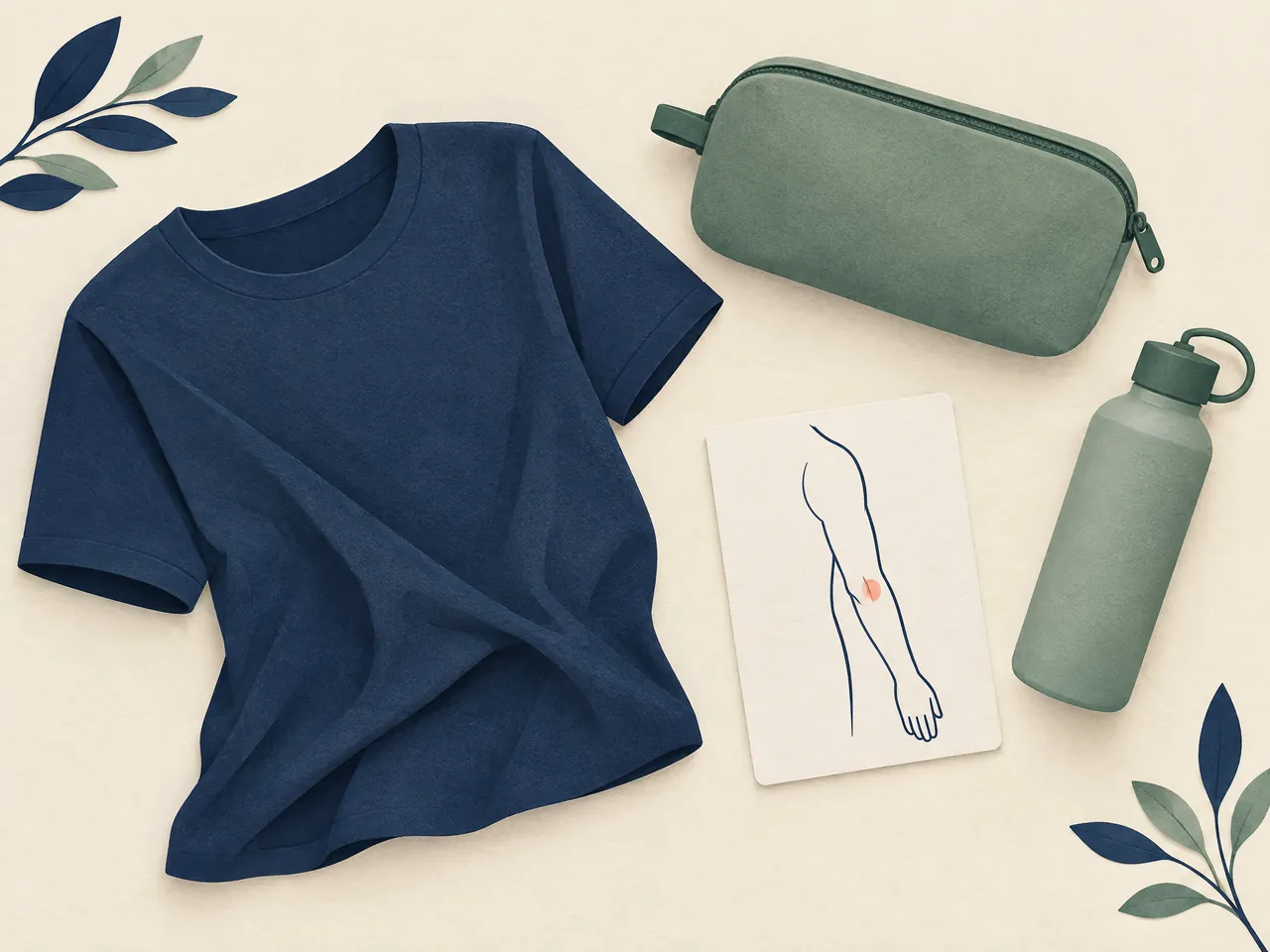
A productive consultation is not only about asking for a treatment; it is about making decisions with enough detail. Describe the location of pain with one finger, whether it is dull, sharp or burning, the task that brings it on, and whether it settles with rest. Explain if you have had a fall, a sudden injury, neck symptoms, fever, significant swelling or trouble using the hand. Include the demands you cannot avoid, such as cooking, childcare, tools, computer work or sport. That context lets the professional help you adapt real life rather than offer generic advice.
You can also ask what you should continue, what you should modify, and what change would show that progression is reasonable. Clarify when to contact them again and whether another service is appropriate. A brace, temperature measure or complementary therapy may be part of an individual plan, but none should delay assessment of warning symptoms or replace rehabilitation advice. If you are comparing comfort measures for outer-elbow pain, the page on lateral elbow pain heat or ice may help you frame questions for that discussion.
What can I do for tennis elbow besides heat and ice? Explore an assessment at TCM Lab Hong Kong
Some people also want to discuss Chinese medicine as a complementary option while managing persistent elbow discomfort. At TCM Lab Hong Kong, a consultation can explore the location and character of the pain, the movements that aggravate it, relevant health history and treatments already being used. Registered Chinese Medicine Practitioners use a traditional pattern-based approach in their own assessment. That approach is not the same as a modern medical diagnosis, so it should be shared alongside—not used to replace—medical or physiotherapy assessment where that is needed.
Acupuncture may be discussed after an individual consultation as a possible complementary symptom-management option; it is not presented as a cure or a substitute for load adjustment and rehabilitation. Tell the practitioner about ongoing treatment and seek urgent medical care for the warning signs above. To enquire about a suitable appointment location, you may contact the Kwun Tong Chinese medicine clinic or the Chinese medicine clinic Prince Edward. Bring your activity notes, questions and any prior assessment findings so the conversation can focus on decisions that fit your daily demands.
Care and health guide
Health service information
This directory brings together services, reading, and visit information related to health services, to help you prepare questions for a consultation.
If you are organising health questions, Chinese medicine clinic Hong Kong is a starting point for learning about related services and preparing for a consultation.
People have different needs; acupuncture Hong Kong provides further reading to help you understand options in your own context.


Your questions, answered
Frequently asked questions
What can I do for tennis elbow besides heat and ice if I need to work?
Identify the smallest work change that lowers the aggravating load: reduce forceful gripping, bring objects closer, divide a repetitive task into shorter spells, alter the tool or mouse set-up, and take movement breaks. If work pain persists, a doctor or physiotherapist can help relate your job demands to a practical return plan.
Should I stretch tennis elbow even when it hurts?
Do not force a painful stretch. Gentle, comfortable movement may be appropriate, but sharp, escalating or lingering pain is a reason to stop and seek guidance. A physiotherapist can advise whether stretching, strengthening, task modification or a different assessment is the right next priority.
When should I seek professional help for tennis elbow?
Seek timely medical advice for worsening pain, inability to bend the elbow normally, a cool, pale or colour-changing hand or arm, or tingling, weakness or numbness. Also arrange an assessment when self-care and activity adjustment are not improving persistent symptoms or daily tasks are becoming difficult.
Can acupuncture replace physiotherapy for tennis elbow?
No. Acupuncture can be discussed as a complementary option after an individual assessment, but it is not a replacement for medical diagnosis, activity modification or rehabilitation guidance. No cure or fixed number of sessions can be promised.
Sources and further information
- [1] NHS: Tennis elbow
Referenced for: Supports symptom descriptions, reducing aggravating activity, simple movement, and advice on when to seek assessment.
- [2] MyHealth Alberta: Tennis Elbow Care Instructions
Referenced for: Supports activity modification, gradual return to usual activity, clinician-guided exercise, and warning signs requiring timely care.
- [3] Hong Kong College of Orthopaedic Surgeons: Tennis Elbow
Referenced for: Supports local terminology, common aggravating tasks, assessment by history and examination, and general non-surgical management terminology.