
TCM Lab · Health reading
Migraine with Aura: What does a migraine aura feel like? And migraine symptoms Hong Kong readers should know
Published Updated
A migraine aura can feel startling because it may change what you see, feel or say before the headache has fully arrived. Some people notice shimmering zigzags or a patch of missing vision; others feel pins and needles, dizziness or trouble finding words. These changes are temporary in many migraine attacks, but a first, suddenly different or prolonged neurological symptom needs medical attention. This page helps Hong Kong readers recognise a possible pattern, record it clearly and know when not to wait.
Appointments are confirmed through WhatsApp. If you have language requirements, please mention them in your enquiry.
The short answer
A migraine aura may feel like flashing lights, zigzag lines, a blind spot, tingling, dizziness or temporary difficulty speaking before or during a migraine headache. It is not identical for everyone, and the headache may bring nausea or sensitivity to light and sound. New, suddenly severe, one-sided, prolonged or otherwise unusual symptoms should be assessed urgently rather than assumed to be migraine.
Transparent pricing
See the fees.
Choose your care.
Explore our complete official price list, including first-trial prices, regular prices, packages and branch-specific options.
Opening WhatsApp prepares an enquiry; it does not send a message, take payment or confirm an appointment. Suitability and individual arrangements are confirmed during consultation.
Pain care
All prices in HKDExtracorporeal shockwave treatment
Shockwave treatment for deep-tissue and fascial care. The Kwun Tong clinic offers the multi-area options shown below.
Priced by branch
Branch-specific pricing
Prince Edward: HK$250 per area
Kwun Tong: HK$250 for 1 area / HK$450 for 2 areas / HK$600 for 3 areas
Pain care (manual therapy)
Includes Chinese medicine musculoskeletal assessment, manual joint techniques and tui na.
HK$580 (single session)
Chinese medicine musculoskeletal assessment
Pain care (acupuncture and manual therapy)
Combines acupuncture and manual therapy.
HK$680 (single session)
Combined care
Hair and scalp
All prices in HKDScalp health and hair-loss management
Includes AI scalp analysis, deep scalp and follicle cleansing, and scalp oil-control care.
HK$380 (first trial)
Regular price: HK$680
- 6 sessions: HK$3,480 (HK$580 per session)
- 12 sessions: HK$5,760 (HK$480 per session)
- 20 sessions: HK$8,600 (HK$430 per session)
- 30 sessions: HK$11,400 (HK$380 per session)
Hair acupuncture and Chinese herbal medicine package
Includes scalp acupuncture and 3 days of Chinese herbal medicine that does not require decoction.
HK$580 (single session)
Registered Chinese Medicine Practitioner consultation
- 6 sessions: HK$3,180 (HK$530 per session)
- 12 sessions: HK$5,760 (HK$480 per session)
- 20 sessions: HK$8,600 (HK$430 per session)
- 30 sessions: HK$11,400 (HK$380 per session)
Combined hair and scalp treatment
Combines acupuncture and Chinese herbal medicine with salon-level scalp and follicle care. Packages include complimentary hair-care shampoo and serum.
HK$1,260 (single session)
Combined treatment
- 8 sessions: HK$8,640 (HK$1,080 per session)
- 16 sessions: HK$15,680 (HK$980 per session)
- 20 sessions: HK$18,600 (HK$930 per session)
- 30 sessions: HK$26,400 (HK$880 per session)
Weight management
All prices in HKDFull-body acupoint embedding for weight management
Includes full-body acupoint embedding. Packages include complimentary Chinese herbal medicine for weight management, with the number of included days scaled to the package. Embedding material and the individual treatment arrangement are confirmed during consultation; this is not a cosmetic thread lift.
HK$980 (single session)
No trial session
- 10 sessions: HK$7,800 (HK$780 per session)
- 20 sessions: HK$14,600 (HK$730 per session)
- 30 sessions: HK$20,400 (HK$680 per session)
Facial acupuncture
All prices in HKDFacial acupuncture (basic)
Includes facial acupuncture and meridian-based facial care, including care for facial puffiness.
HK$480 (first trial)
Regular price: HK$680
- 10 sessions: HK$5,200 (HK$520 per session)
- 20 sessions: HK$9,600 (HK$480 per session)
- 30 sessions: HK$13,500 (HK$450 per session)
Facial acupuncture (advanced)
Includes enhanced facial acupuncture with a specially formulated moisturising mask and serum.
HK$780 (first trial)
Regular price: HK$1,180
- 10 sessions: HK$9,000 (HK$900 per session)
- 20 sessions: HK$16,600 (HK$830 per session)
- 30 sessions: HK$23,400 (HK$780 per session)
Chinese medicine
All prices in HKDAcupuncture and Chinese herbal medicine package
Includes a Chinese medicine consultation with pulse assessment, body acupuncture and 3 days of Chinese herbal granules that do not require decoction.
HK$580 (single session)
Chinese medicine consultation with pulse assessment
Migraine with Aura: What does a migraine aura feel like? — Recognising the pattern behind migraine symptoms Hong Kong readers report
Migraine is more than head pain. A typical attack can include throbbing pain that is worse with movement, nausea or vomiting, and marked sensitivity to light or sound. An aura is a set of neurological warning symptoms that some people experience before or alongside the headache. The NHS lists visual problems such as zigzag lines or flashing lights, pins-and-needles numbness, dizziness and difficulty speaking among possible aura symptoms. [1] Hong Kong Adventist Hospital also describes visual disturbances, blind spots and tingling affecting one side of the face, arm or leg. [2] The practical point is not to diagnose yourself from a checklist: notice the order, timing and whether the episode resembles your previous attacks.
Migraine with Aura: What does a migraine aura feel like? — Visual changes and warning signs among migraine symptoms Hong Kong readers may notice
Visual aura does not usually mean an eye injury, although any new visual problem deserves proper assessment. People may describe sparkles, flashing lights, wavy edges, zigzags, a spreading crescent or a blind spot. It can be unsettling in practical settings: a meeting slide may be hard to follow, traffic lights may seem distorted, or text on a receipt may disappear from a small area of vision. A useful description is more precise than saying simply “my eyes went funny”: write whether both sides of what you see seemed involved, how the change moved or grew, how long it lasted and what happened next. The NHS says aura symptoms should not last longer than one hour. [1] A first episode, a change from your usual pattern, vision loss, or symptoms that do not resolve should not be managed as a routine migraine without medical advice.
A warning sign is not a prediction that can be controlled by willpower. When safe, reduce immediate demands, avoid driving if vision or speech is affected, and follow the plan already agreed with your clinician. Record context rather than assume one cause: missed meals, poor sleep, stress, hormonal timing or a visually busy environment may matter, but a pattern must emerge over several entries. The aim is a clear account of recurring migraine symptoms and a prompt response to a completely new neurological event.
Migraine with Aura: What does a migraine aura feel like? — Nausea, light sensitivity and other migraine symptoms Hong Kong concerns
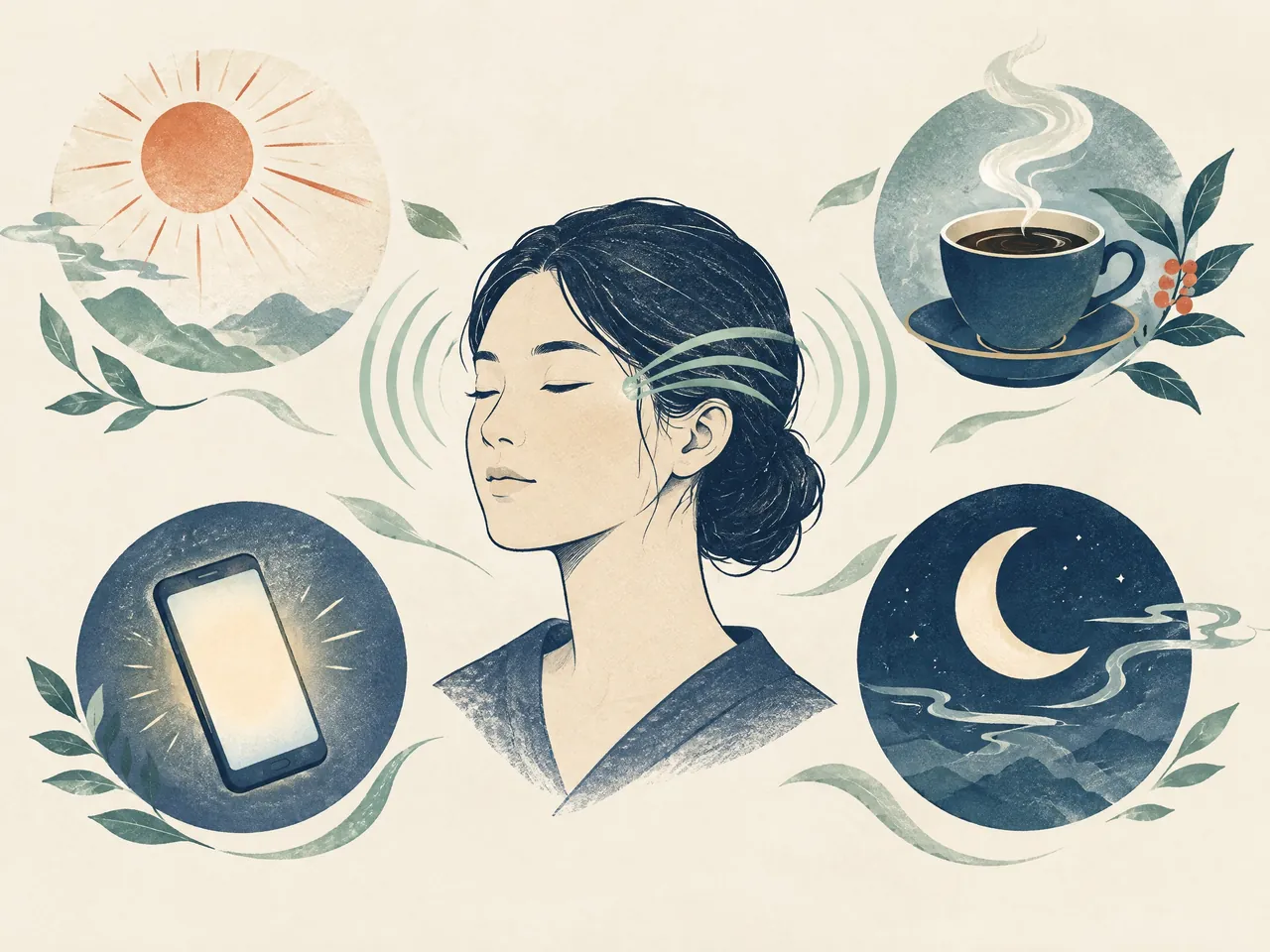
Once head pain begins, it may be on one side or both sides and may throb or pulse. Ordinary movement, bright screens, MTR noise, cooking smells or a crowded office can feel much harder to tolerate during an attack. Nausea, vomiting, sensitivity to light and sensitivity to sound are common migraine features. [1] They are meaningful details for an assessment because they help describe the whole episode, but they do not prove that every headache is migraine. A tight, pressing headache on both sides without nausea may fit a different pattern, while severe pain around one eye with tearing, a blocked nose or a drooping eyelid calls for another clinical consideration. If a recurrent attack combines a throbbing headache and nausea, record that combination instead of treating the two symptoms as unrelated.
The period after the worst pain may also matter. You may feel drained, mentally slowed or sensitive to stimulation even after the headache settles, so record the beginning, peak and recovery separately. During a familiar attack, a quiet, darkened room, hydration and rest may be practical comfort measures if they suit you. Do not put very hot or cold compresses directly on bare skin, and stop if discomfort worsens. Use pain and anti-nausea medicines exactly as directed. The NHS cautions that painkillers on more than two days each week can make headache harder to manage. [1]
Compare your options
| What to note | Examples to describe | Why it helps the discussion |
|---|---|---|
| First change | Flashing lights, zigzags, blind spot, tingling, dizziness or word-finding difficulty | Shows the sequence rather than only the final headache |
| Timing | Start time, end time, time head pain began and whether symptoms fully resolved | Helps distinguish an aura pattern from prolonged or changing symptoms |
| Headache and associated symptoms | Throbbing or pressing pain, location, nausea, vomiting, light or sound sensitivity | Captures the full attack and its effect on activity |
| Context and response | Sleep, meals, stress, cycle timing, medicines used and what helped or did not | Supports a safer review of possible patterns and current treatment use |
| Urgent changes | Sudden extreme pain, one-sided weakness, confusion, seizure, ongoing vision or speech problems | Signals the need for urgent assessment rather than routine tracking [1] |
On smaller screens, scroll the table sideways to compare all columns.
Migraine with Aura: What does a migraine aura feel like? — Tracking migraine symptoms Hong Kong patients can discuss safely
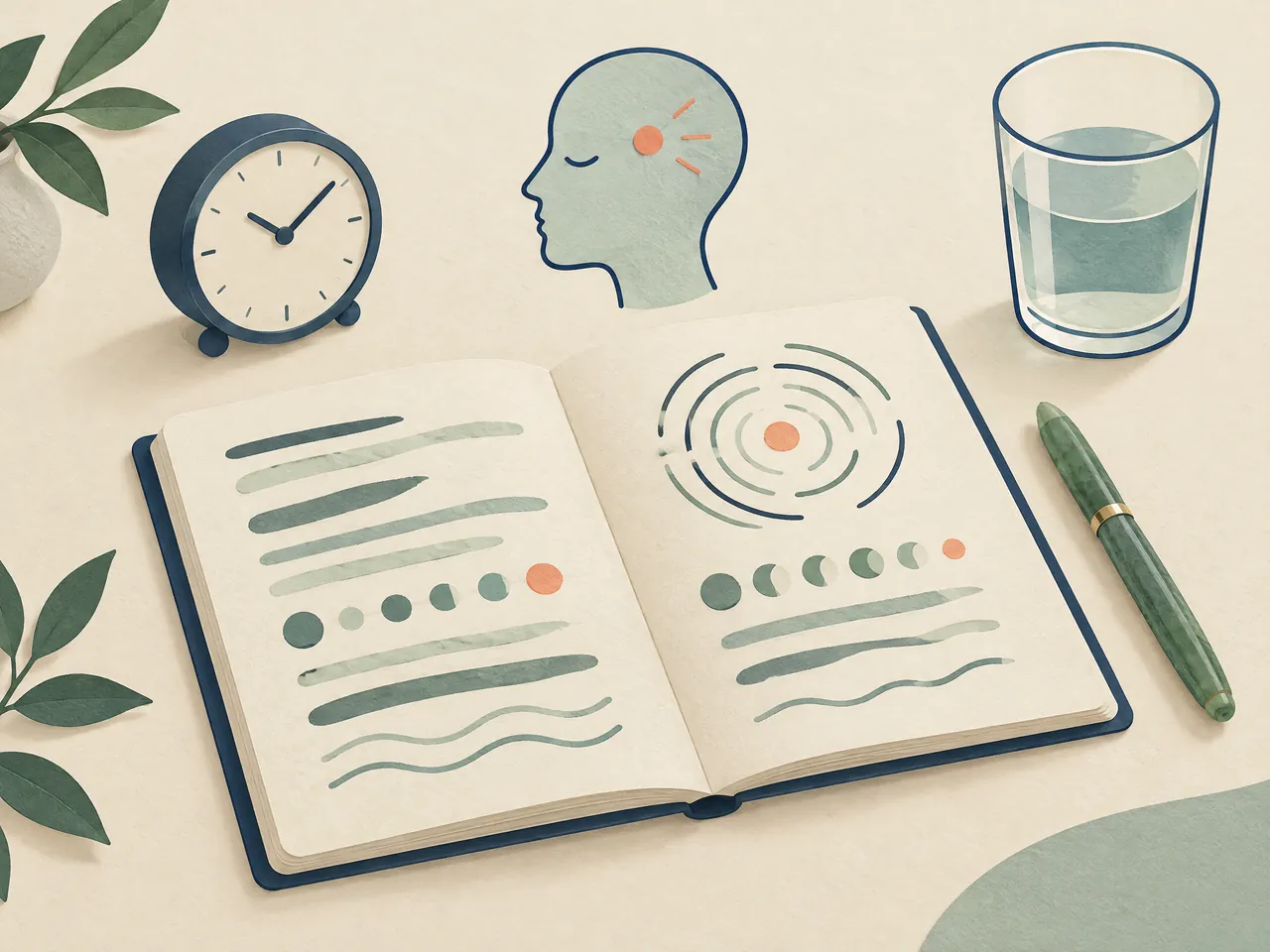
A diary turns an alarming memory into a usable clinical history. It is especially useful when attacks are intermittent, because a consultation cannot recreate what your visual field, speech or sensation was like on a rushed weekday. Use one page, notes app or calendar entry per episode. Start with the date and time; then add the first symptom, the time the headache began, the area and quality of pain, the highest impact on activity, associated symptoms, possible preceding circumstances, and what you took or tried. Include days when an expected trigger happened but no headache followed. That comparison prevents a single stressful day or food from being blamed too quickly. The NHS also recommends a migraine diary to help identify what may trigger attacks. [1]
Migraine with Aura: What does a migraine aura feel like? — A headache diary for migraine symptoms Hong Kong consultations
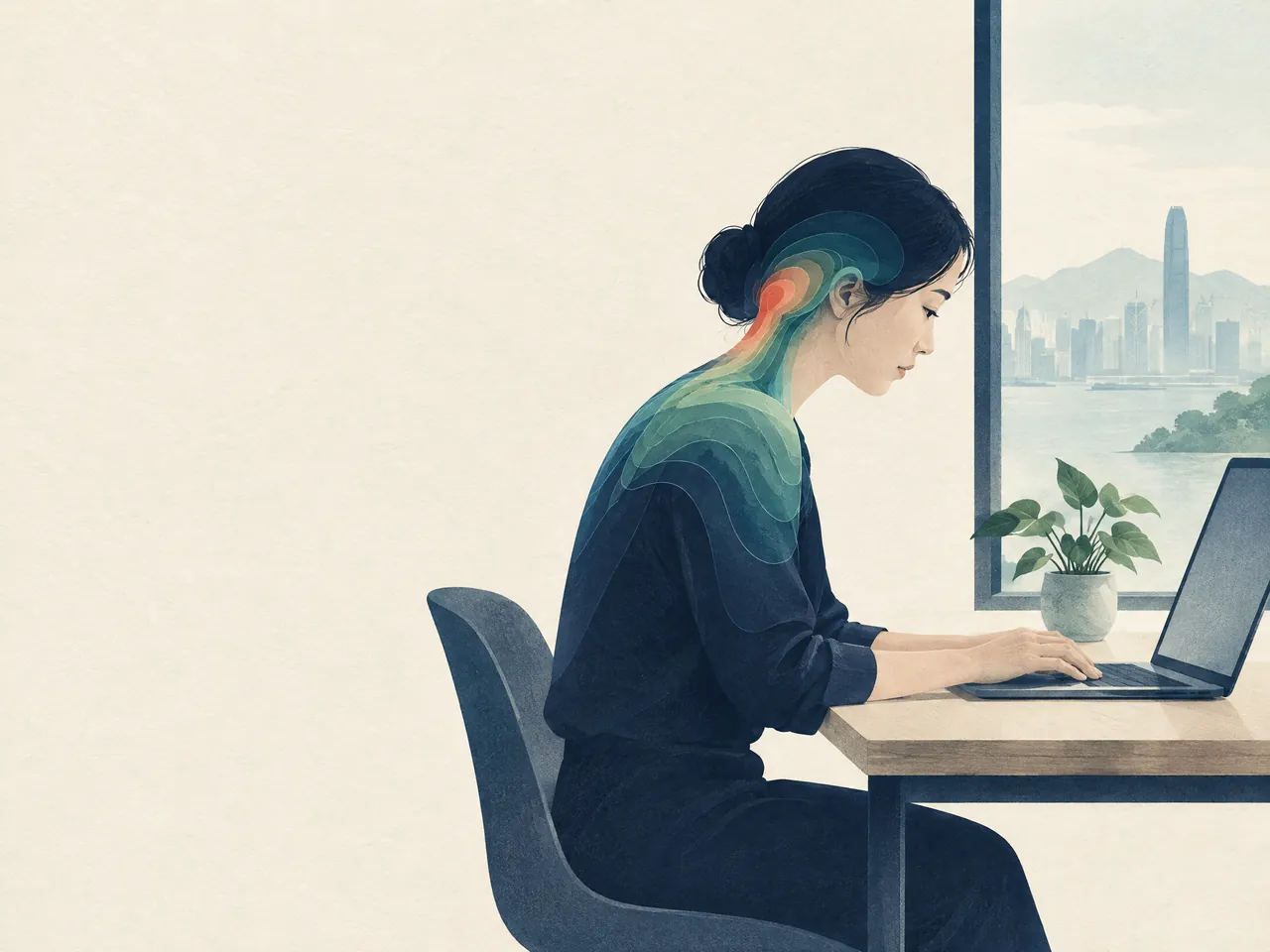
Keep the entry concrete. “Tuesday, 2:15 pm: shimmering arc while reading; tingling in left fingers; headache began at 2:45 pm; light sensitivity and nausea; lay in a dark room; medicine taken at 3:00 pm; pain eased by evening” is more useful than “bad migraine.” If work or family tasks were missed, record the effect without minimising it. For people who menstruate, noting cycle timing can also make a recurring relationship easier to discuss. Do not wait until the notebook is perfect. Even a few clearly dated attacks can help a clinician decide what questions to ask next. For a broader overview of symptoms to record, see migraine symptoms.
Use the diary to notice patterns, not to set rigid rules. Regular meals, adequate sleep, hydration and pacing may be reasonable general habits, but they do not replace assessment of frequent or changing attacks. A link with coffee, screen time or weather is an observation, not proof of cause. On a day with visual or speech symptoms, note when work, travelling alone or driving became unsafe or impractical. That communicates functional impact without an arbitrary pain score. Keep emergency symptoms in a separate, visible note so you do not debate them during an unfamiliar episode.
Migraine with Aura: What does a migraine aura feel like? — Distinguishing migraine symptoms Hong Kong patterns from other headaches
The name “migraine” is not a safe shortcut for every one-sided headache or visual change. A familiar, recurrent pattern assessed previously may be managed differently from a new headache in later life, a sudden escalation, or an attack with symptoms unlike your usual aura. NHS urgent guidance includes a headache that comes on suddenly and is extremely painful, problems speaking or remembering, blurred or double vision, drowsiness or confusion, a seizure, high fever with meningitis symptoms, and weakness of the face, arm or leg on one side. [1] These are reasons for immediate emergency assessment, not a wait-and-see home remedy. Its guidance also advises prompt assessment when aura lasts more than one hour or an attack lasts longer than 72 hours. [1]
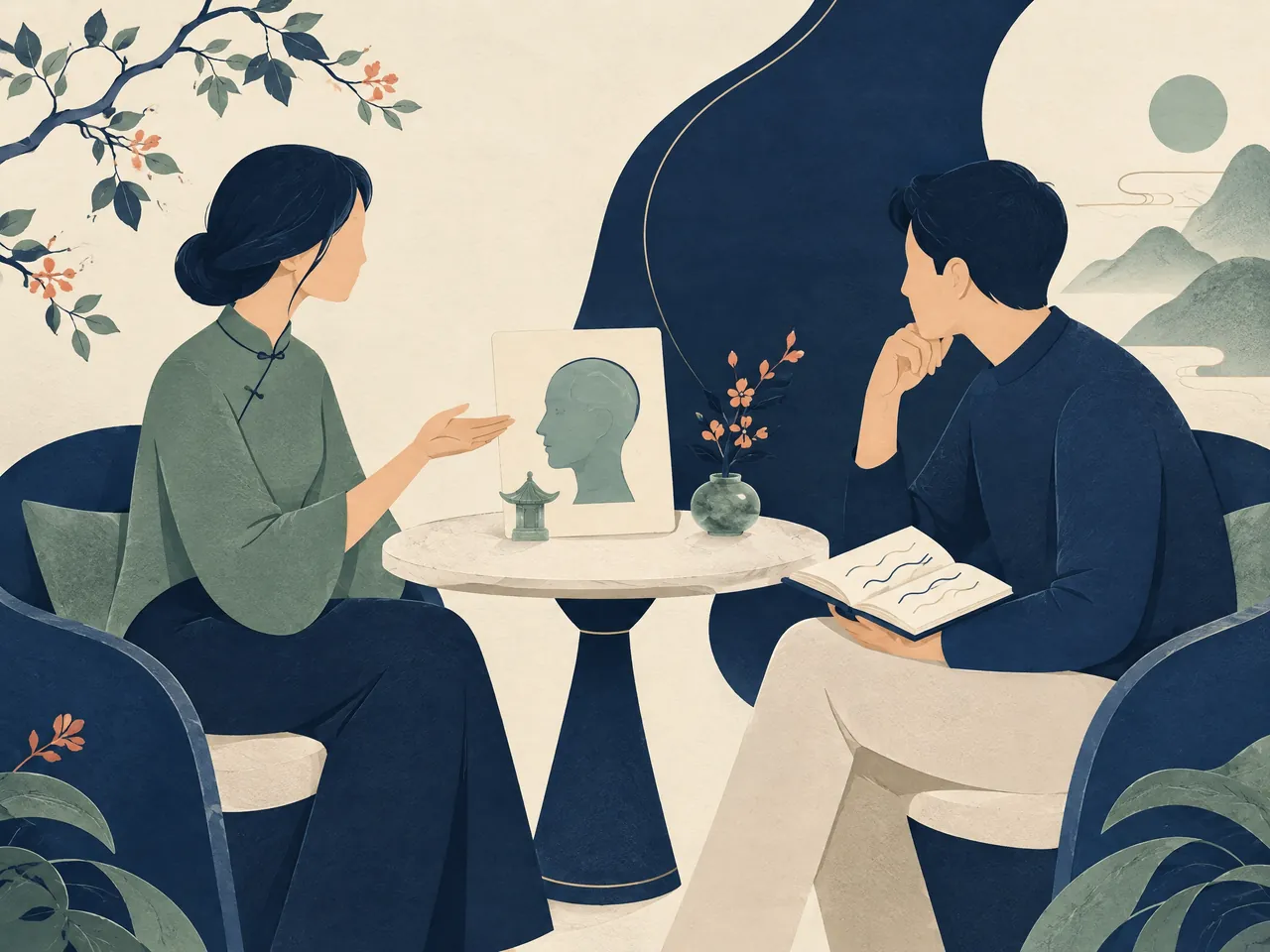
Consider the question When should I go to hospital for a migraine? before the next episode, while you can think clearly. If you have a first aura, a changed sequence, persistent neurological symptoms, pregnancy or a recent head injury, ask a doctor for an appropriate action plan. A tension-type headache often feels pressing rather than throbbing and may lack nausea or sensory sensitivity; cluster headache has a different characteristic pattern around one eye. Only a health professional can assess whether symptoms fit migraine or need tests for something else. The diary supports that evaluation; it does not replace it.
Migraine with Aura: What does a migraine aura feel like? — Assessment and support for migraine symptoms Hong Kong readers
Assessment begins with listening carefully to the attack story. A doctor may ask about the onset, location and quality of pain, aura sequence, nausea, light or sound sensitivity, frequency, medicines, medical history and family history. A Registered Chinese Medicine Practitioner may also ask about sleep, digestion, energy, emotional stress and menstrual timing as part of a traditional Chinese medicine consultation. In that tradition, these observations inform pattern differentiation; they are not a substitute for a neurological diagnosis or for urgent conventional medical assessment. Share existing diagnoses, scans if relevant, allergies, pregnancy status and all medicines or supplements with every clinician involved so that care is coordinated.
For people exploring supportive care, the useful question is not “Which treatment guarantees a cure?” but “What is appropriate alongside my current medical plan, and what should be monitored?” A practitioner should understand whether your symptoms are stable and familiar or new and concerning before discussing options. Do not self-needle, start an individualised herbal formula from an online description, or stop prescribed migraine medicine because another approach is being considered. If you want an in-person discussion, TCM Lab can take an enquiry for a migraine symptom consultation at its Chinese medicine clinic Prince Edward or Kwun Tong Chinese medicine clinic; use WhatsApp to confirm a suitable appointment and language arrangement.

Migraine with Aura: What does a migraine aura feel like? — Medical review and traditional Chinese medicine discussion for migraine symptoms Hong Kong
A medical review is particularly important if attacks are severe, worsening, occurring more than once a week, lasting longer than usual or difficult to control. [1] Bring your diary and be candid about how often you use pain relief, because the frequency can affect the plan. The review may focus on acute treatment, prevention, possible medication-overuse headache and whether referral or testing is needed. A traditional Chinese medicine discussion can sit beside that review only when it does not delay necessary care. A practitioner may ask whether pain feels distending, stabbing or dull, and how sleep, digestion, stress or the menstrual cycle relate to attacks. Those questions belong to a traditional assessment lens and should be understood as complementary information, not evidence that a serious cause has been ruled out.
A useful consultation ends with clear next actions: what to record, which symptoms require urgent help, whether to continue medicines already prescribed, and when to return to the doctor. If you are considering acupuncture, say if you use anticoagulants or have a bleeding disorder, are pregnant, have fainted with needles before, or have an infection or skin problem where treatment might be considered. Asking about risks and expected monitoring is appropriate; a responsible practitioner should not promise that a fixed number of visits will end aura or remove the need for medical follow-up.
Migraine with Aura: What does a migraine aura feel like? — Acupuncture as an adjunct option for migraine symptoms Hong Kong
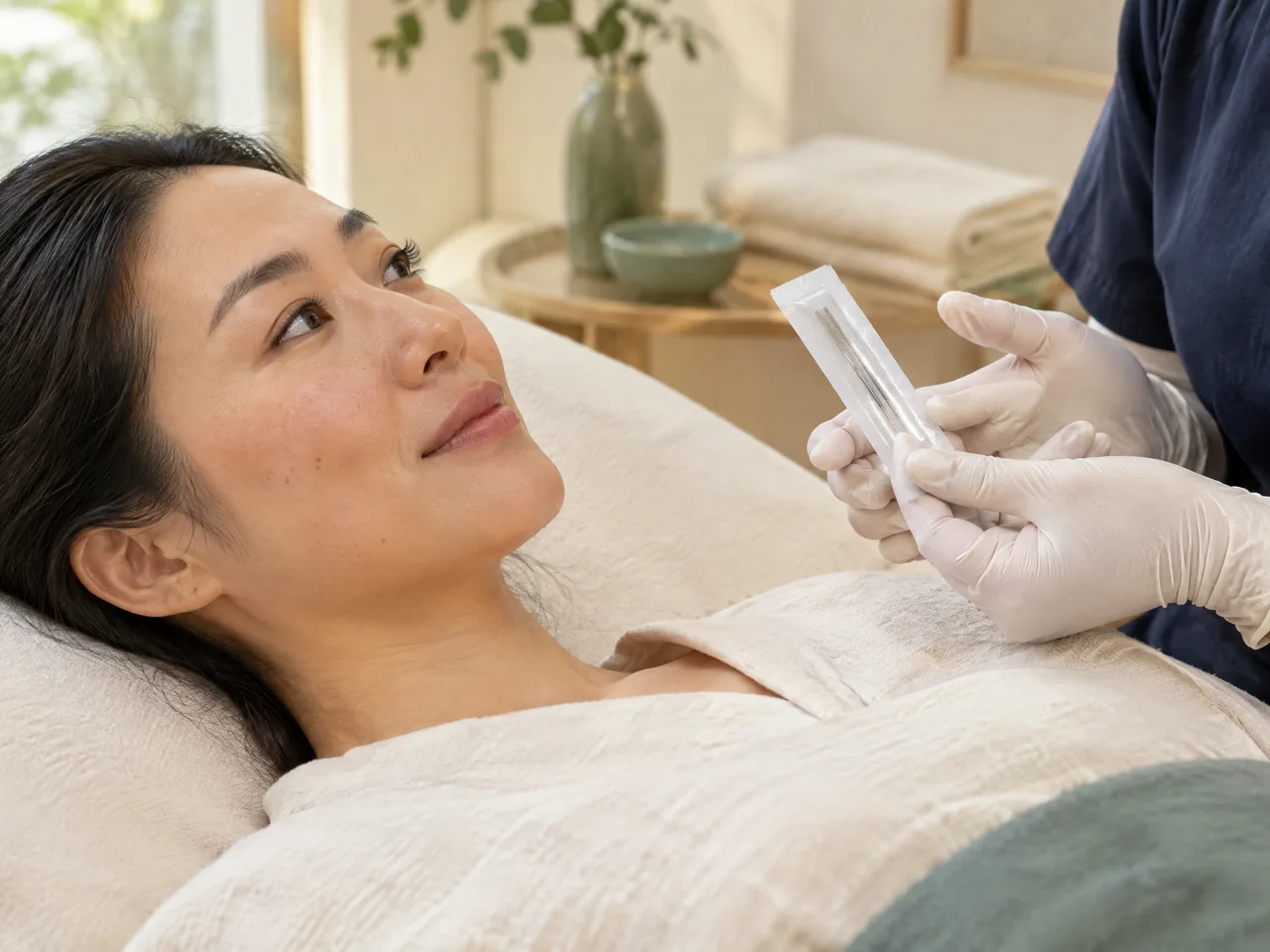
Acupuncture may be discussed as an adjunctive option for prevention, rather than as a guaranteed way to stop an acute migraine with aura. The NHS includes acupuncture among options that may be considered to prevent attacks, alongside medicines and other approaches. [1] A Cochrane review of trials in episodic migraine found overall moderate-quality evidence and reported a small benefit of true acupuncture compared with sham acupuncture; it also noted limits in long-term evidence. [3] That evidence concerns prevention patterns in study participants, not an assurance that any individual’s flashes, tingling or headache will respond, nor a reason to ignore a new neurological symptom.
If acupuncture is being considered, discuss the goal in plain terms: fewer disruptive attacks, a structured trial alongside usual care, or help with a stable pattern after medical evaluation. Agree how attacks will be tracked and when the plan will be reconsidered. Continue to use the diary so that changes are visible rather than judged only by a difficult week. For an active aura with sudden severe pain, new weakness, speech trouble or other red flags, urgent medical assessment comes first. Acupuncture, rest, cold or warm compresses and non-prescription medicines are not substitutes for emergency evaluation when the pattern is new or dangerous.
Care and health guide
Fees and booking information
This directory brings together services, reading, and visit information related to fees and booking, to help you prepare questions for a consultation.
Before arranging a consultation, you can review acupoint embedding Hong Kong and note the service or booking questions that matter to you.
For questions about a particular service, acupuncture Hong Kong offers related reading so you can prepare your questions.

Your questions, answered
Frequently asked questions
What does a migraine aura feel like in everyday terms?
It may feel like a moving zigzag or flash in vision, a blind patch, pins and needles, dizziness or a temporary struggle to speak clearly. The sequence differs between people. Describe the change, how it spread and how long it lasted, rather than relying only on the word “aura.” [1]
Can I drive or work through a migraine aura?
If vision, sensation, speech or concentration is affected, do not drive or continue a safety-sensitive task. Move to a safe place if possible, follow the plan already agreed with your clinician and seek urgent help for new, severe or persistent neurological symptoms.
Should I see a doctor for a first migraine aura?
Yes. A first aura, a change in a familiar pattern or symptoms that last longer than expected should be medically assessed. Get emergency help for sudden extremely painful headache, one-sided weakness, confusion, seizure, vision loss or speech and memory problems. [1]
Sources and further information
- [1] [1] NHS — Migraine
Referenced for: Aura and migraine symptoms, diary guidance, treatment context, medication-overuse caution and urgent-warning signs.
- [2] [2] Hong Kong Adventist Hospital — Lifestyle Tips to Prevent Migraines and Headaches
Referenced for: Hong Kong health-guide terminology for migraine symptoms and aura examples.
- [3] [3] Cochrane — Acupuncture for preventing migraine attacks
Referenced for: Systematic-review evidence and limitations for acupuncture as a migraine-prevention option.