
TCM Lab · Health reading
Alopecia, Androgenetic Alopecia and Hair Loss Doctor Guidance for Abnormal Hair Loss
Published Updated
A few hairs in the shower or on a pillow are usually not enough to identify a problem. The more useful question is whether your own pattern has changed: more hair coming out than before, a widening part, a retreating hairline, a bare patch, or a scalp that feels sore or inflamed. Alopecia is the broad medical term for hair loss. Androgenetic alopecia describes the familiar inherited pattern that often develops gradually, but it is only one possible explanation. When the change is sudden, patchy, persistent or troubling, a hair loss doctor can help distinguish a pattern from another cause and decide what assessment is appropriate.
Appointments are confirmed through WhatsApp. If you have language requirements, please mention them in your enquiry.
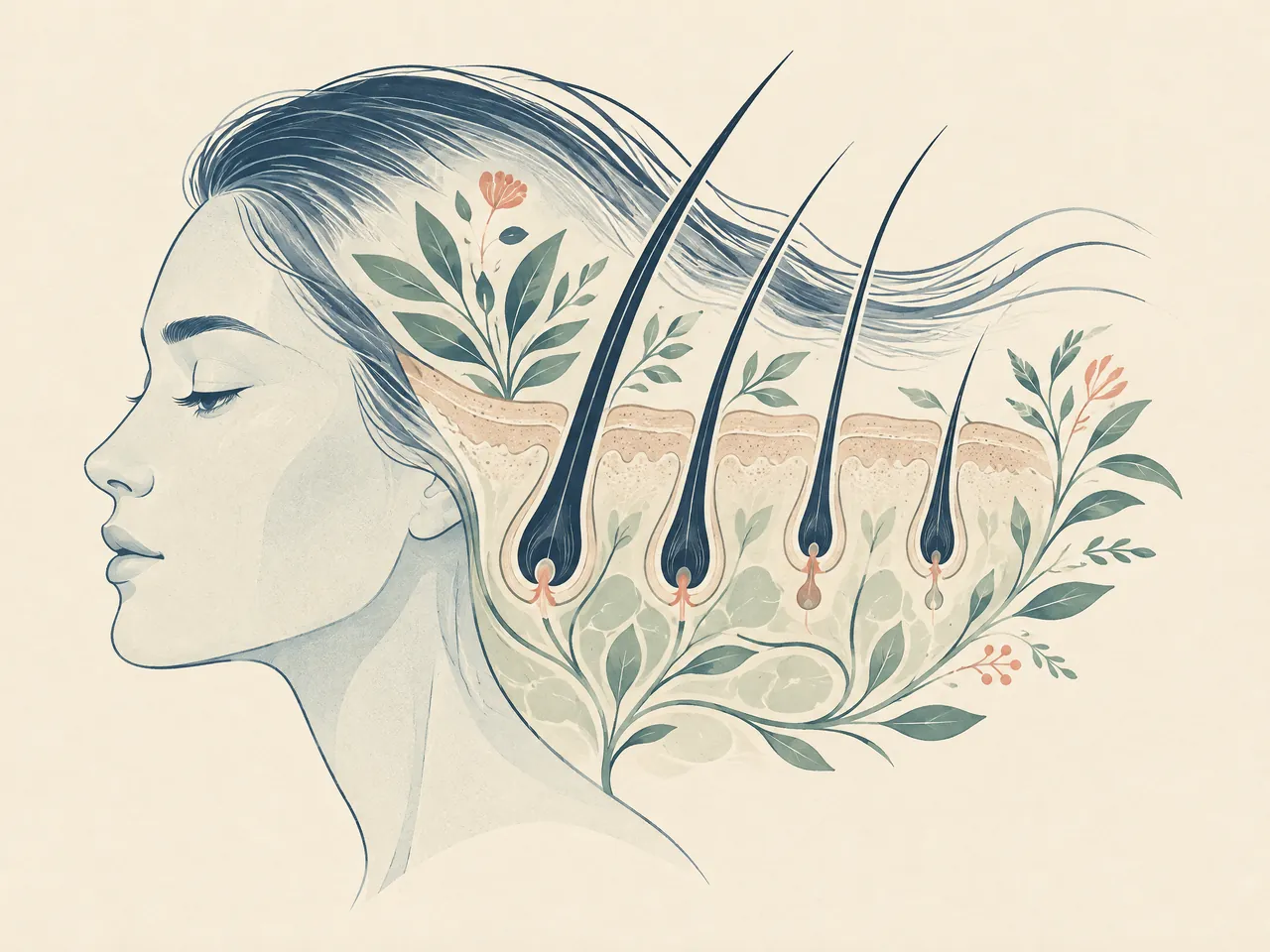
The short answer
Arrange medical advice when hair loss is sudden, patchy, clearly heavier than your usual shedding, or accompanied by redness, scaling, pain, swelling or other body symptoms. A receding hairline or widening part can fit androgenetic alopecia, but it does not confirm it on its own. Bring a simple timeline, family history, medicines and recent health changes so a hair loss doctor can assess the pattern rather than relying on a single photograph or strand count.
Transparent pricing
See the fees.
Choose your care.
Explore our complete official price list, including first-trial prices, regular prices, packages and branch-specific options.
Opening WhatsApp prepares an enquiry; it does not send a message, take payment or confirm an appointment. Suitability and individual arrangements are confirmed during consultation.
Hair and scalp
All prices in HKDScalp health and hair-loss management
Includes AI scalp analysis, deep scalp and follicle cleansing, and scalp oil-control care.
HK$380 (first trial)
Regular price: HK$680
- 6 sessions: HK$3,480 (HK$580 per session)
- 12 sessions: HK$5,760 (HK$480 per session)
- 20 sessions: HK$8,600 (HK$430 per session)
- 30 sessions: HK$11,400 (HK$380 per session)
Hair acupuncture and Chinese herbal medicine package
Includes scalp acupuncture and 3 days of Chinese herbal medicine that does not require decoction.
HK$580 (single session)
Registered Chinese Medicine Practitioner consultation
- 6 sessions: HK$3,180 (HK$530 per session)
- 12 sessions: HK$5,760 (HK$480 per session)
- 20 sessions: HK$8,600 (HK$430 per session)
- 30 sessions: HK$11,400 (HK$380 per session)
Combined hair and scalp treatment
Combines acupuncture and Chinese herbal medicine with salon-level scalp and follicle care. Packages include complimentary hair-care shampoo and serum.
HK$1,260 (single session)
Combined treatment
- 8 sessions: HK$8,640 (HK$1,080 per session)
- 16 sessions: HK$15,680 (HK$980 per session)
- 20 sessions: HK$18,600 (HK$930 per session)
- 30 sessions: HK$26,400 (HK$880 per session)
Weight management
All prices in HKDFull-body acupoint embedding for weight management
Includes full-body acupoint embedding. Packages include complimentary Chinese herbal medicine for weight management, with the number of included days scaled to the package. Embedding material and the individual treatment arrangement are confirmed during consultation; this is not a cosmetic thread lift.
HK$980 (single session)
No trial session
- 10 sessions: HK$7,800 (HK$780 per session)
- 20 sessions: HK$14,600 (HK$730 per session)
- 30 sessions: HK$20,400 (HK$680 per session)
Facial acupuncture
All prices in HKDFacial acupuncture (basic)
Includes facial acupuncture and meridian-based facial care, including care for facial puffiness.
HK$480 (first trial)
Regular price: HK$680
- 10 sessions: HK$5,200 (HK$520 per session)
- 20 sessions: HK$9,600 (HK$480 per session)
- 30 sessions: HK$13,500 (HK$450 per session)
Facial acupuncture (advanced)
Includes enhanced facial acupuncture with a specially formulated moisturising mask and serum.
HK$780 (first trial)
Regular price: HK$1,180
- 10 sessions: HK$9,000 (HK$900 per session)
- 20 sessions: HK$16,600 (HK$830 per session)
- 30 sessions: HK$23,400 (HK$780 per session)
Pain care
All prices in HKDExtracorporeal shockwave treatment
Shockwave treatment for deep-tissue and fascial care. The Kwun Tong clinic offers the multi-area options shown below.
Priced by branch
Branch-specific pricing
Prince Edward: HK$250 per area
Kwun Tong: HK$250 for 1 area / HK$450 for 2 areas / HK$600 for 3 areas
Pain care (manual therapy)
Includes Chinese medicine musculoskeletal assessment, manual joint techniques and tui na.
HK$580 (single session)
Chinese medicine musculoskeletal assessment
Pain care (acupuncture and manual therapy)
Combines acupuncture and manual therapy.
HK$680 (single session)
Combined care
Chinese medicine
All prices in HKDAcupuncture and Chinese herbal medicine package
Includes a Chinese medicine consultation with pulse assessment, body acupuncture and 3 days of Chinese herbal granules that do not require decoction.
HK$580 (single session)
Chinese medicine consultation with pulse assessment
Alopecia, Androgenetic Alopecia and Hair Loss Doctor: Normal Shedding or a Change?
Hair growth and shedding happen together, so finding hair while washing, combing or getting dressed is common. The NHS notes that people may lose roughly 50 to 100 hairs a day, often without noticing, but a number by itself cannot show whether a particular person has alopecia [1]. Look for a sustained change from your normal baseline instead. Has the ponytail circumference changed? Is the part showing more scalp under the same lighting? Are short replacement hairs appearing, or does the overall coverage look less dense? Comparing like with like over several weeks is more useful than reacting to one wash day.

Alopecia, Androgenetic Alopecia and Hair Loss Doctor Signs in Everyday Hair Shedding
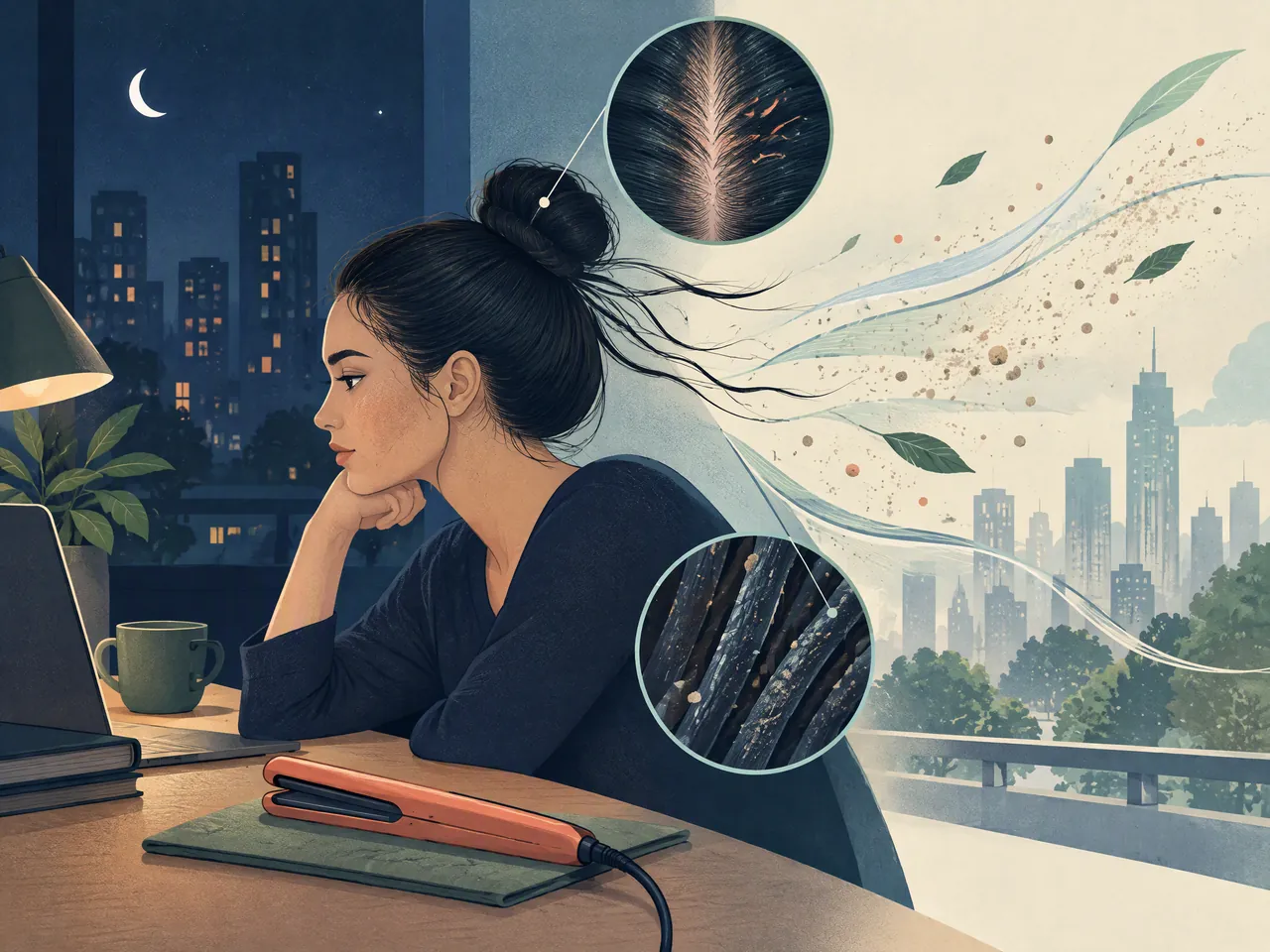
Everyday shedding is easier to interpret when you separate breakage from hair coming out at the root. Broken lengths may point to heat, chemical processing, friction or forceful detangling, while hairs that release from the scalp can be part of normal cycling or a shedding pattern. Both can occur at once. Notice where the hair collects and whether there has been a change in grooming, colouring, extensions, tight styles, sleep, diet, illness or a demanding period at work. These observations do not diagnose the cause, but they make a consultation more informative.
A practical record need not be elaborate. Take a clear photo of the hairline, part and crown from the same angle once a week, then note the date of any illness, operation, major weight change, delivery, new supplement or prescription. Avoid repeatedly pulling at hairs to test them; this can increase anxiety without clarifying the cause. If you are unsure how changes add up, our guide on when to see a doctor for hair loss can help organise the observations that matter before you seek advice.
Alopecia, Androgenetic Alopecia and Hair Loss Doctor Clues from Hair Density and Growth
Androgenetic alopecia usually develops gradually in a recognisable distribution. In many men, the temples or frontal hairline recede and the crown becomes less dense. In many women, the central part becomes broader and the top of the scalp looks more see-through while the frontal hairline may remain relatively preserved. These are patterns, not rules. The Centre for Health Protection describes male-pattern loss as beginning at the temples and crown, while Mayo Clinic similarly describes gradual thinning on the top of the head as a common presentation [2] [4].
Density is different from hair length. A person may have long hair yet less coverage if replacement hairs become progressively finer or fewer. Conversely, short hairs around the hairline may be new growth, breakage or a mixture; a close scalp examination is better than a confident guess from a mirror. Track whether thinning is diffuse across the scalp, concentrated at the part or crown, or limited to a defined patch. That distribution, along with the speed of change, gives a hair loss doctor useful starting information.
Compare your options
| What you notice | Why the detail is useful | What to record or do |
|---|---|---|
| Gradual widening part or receding hairline | The distribution may help distinguish a patterned change such as androgenetic alopecia from diffuse shedding. | Photograph the same area and lighting weekly; ask about family history and the rate of change. |
| One or more round bare patches | A defined patch needs examination because several conditions can have a patchy appearance. | Record the start date, size, itch or pain, and whether eyebrow or beard hair is involved; arrange medical advice. |
| Sudden, general shedding | The timing may relate to a recent health or life event, medicine, diet or another cause that should be considered. | Make a timeline of illness, surgery, weight change, delivery, stressors, medicines and supplements. |
| Flaking, redness, swelling, pain or discharge | Scalp symptoms can point to a skin or infection-related issue rather than a purely cosmetic concern. | Avoid irritants and scratching; seek clinical assessment, especially if symptoms are spreading or painful. |
On smaller screens, scroll the table sideways to compare all columns.
Alopecia, Androgenetic Alopecia and Hair Loss Doctor: Warning Signs to Act On
Do not wait for a precise strand total if the pattern is plainly different. Sudden shedding in handfuls, a newly visible patch, loss of eyebrow or beard hair, or a scalp that is red, painful, swollen, oozing or heavily scaly deserves timely medical advice. Mayo Clinic advises speaking with a doctor about sudden or patchy loss and more-than-usual shedding during combing or washing because abrupt loss can signal an underlying condition [2]. Seeking an assessment is not an assumption about the cause; it is a way to avoid treating the wrong problem first.
Alopecia, Androgenetic Alopecia and Hair Loss Doctor Advice for Sudden or Patchy Loss
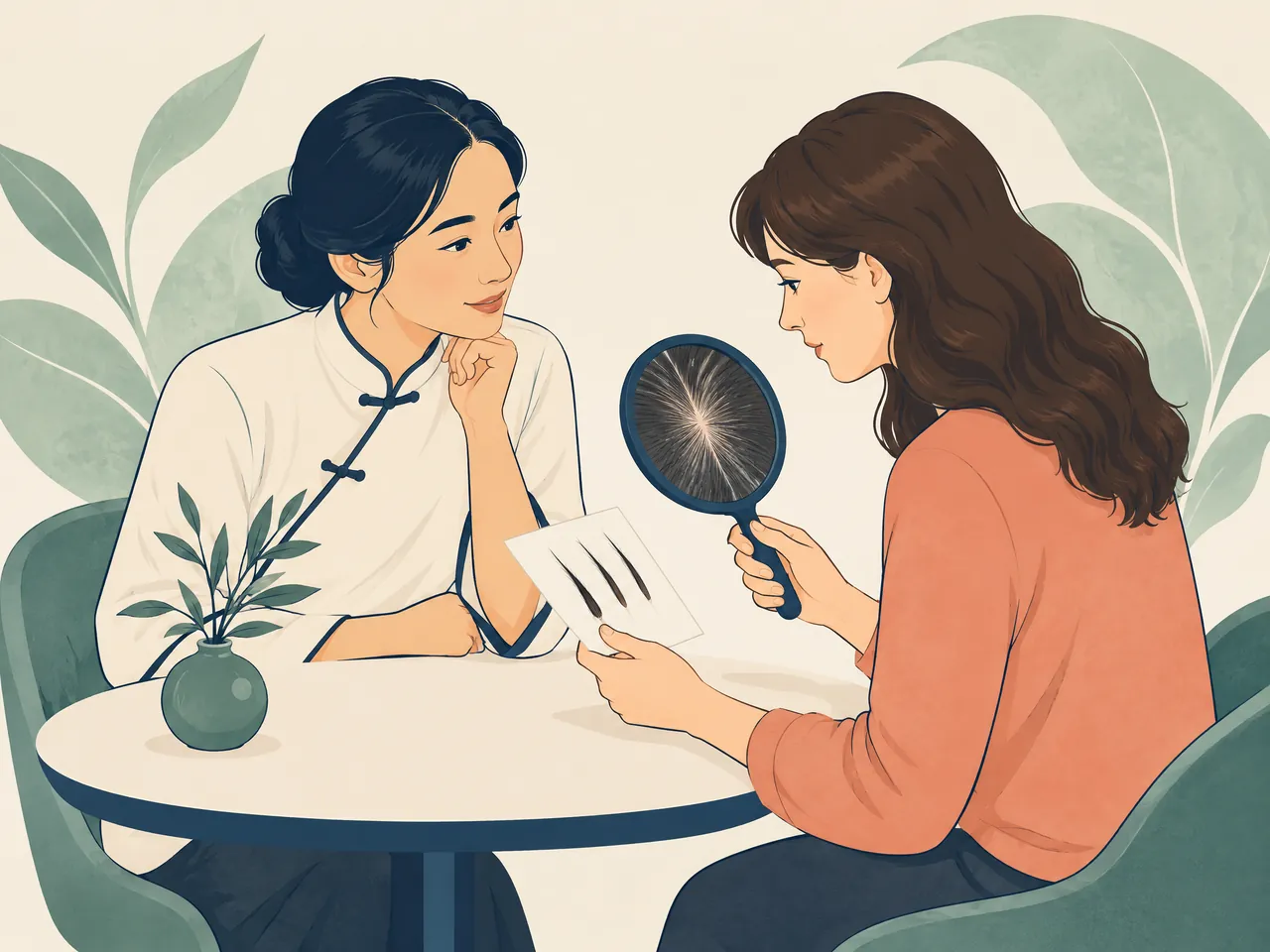
A round or oval bare area can be associated with alopecia areata, but shape alone cannot establish a diagnosis. Patchy loss can affect the scalp, beard or eyebrows, and some people notice itch or discomfort before a patch is apparent [2]. Take a dated photograph instead of covering the area with a new product immediately. Note whether the patch is expanding, whether another one has appeared, and whether there has been recent illness or medication change. Bring that timeline to a doctor or dermatologist, particularly if hair is releasing quickly or a child is affected.
Diffuse shedding has a different appearance: the scalp may look generally less full rather than showing one clean bald area. It can follow a physical or emotional stressor, but it may also coexist with hereditary thinning. That is why a presumed stress explanation should not end the conversation when loss persists, recurs or is distressing. Review our concise list of hair loss warning signs if you need a focused prompt for deciding whether to arrange care.
Alopecia, Androgenetic Alopecia and Hair Loss Doctor Advice for Scalp and Body Symptoms
Hair loss with visible scalp changes calls for more than cosmetic experimentation. Scaling that spreads, broken hairs, redness, swelling or discharge can occur with scalp conditions that need a clinician to identify them; Mayo Clinic lists spreading scaling patches as a sign of scalp ringworm and notes that redness or swelling may occur [2]. Do not scratch, pick, share combs or apply strong oils to an inflamed or broken area while waiting for advice. If the scalp is very painful, rapidly swollen, or you feel unwell, seek prompt medical care.
The wider health picture also matters. Mention fatigue, palpitations, marked weight change, menstrual changes, new rashes, fever, restrictive eating, recent childbirth or other symptoms rather than assuming they are unrelated. They may or may not be connected, but they can guide the next step. For readers mainly concerned about flakes and itch, is an itchy flaky scalp with hair loss serious explains why the condition of the skin changes the question. A separate discussion of hair loss with flaky scalp may also help you describe what you see. Keep the note practical: when the scalp symptom began, whether it followed a new product or contact exposure, and whether broken hairs or discharge are present. This is also a useful time to mention any treatment already applied, including medicated shampoos, dyes, topical products or supplements, so that the person assessing the scalp has the full context.
Alopecia, Androgenetic Alopecia and Hair Loss Doctor: Causes and Assessment
Alopecia is not one diagnosis, so assessment begins with a story rather than a single product recommendation. Heredity is important in androgenetic alopecia. Other possibilities discussed by reliable health sources include illness, stress, significant weight loss, iron deficiency, hormonal changes, thyroid disorders, certain medicines, scalp infection and tight hairstyles [1] [2] [4]. The purpose of reviewing these possibilities is not to make every shedding episode alarming. It is to match the investigation, if any, to the pattern and to avoid masking a scalp or health issue with a one-size-fits-all response.
Alopecia, Androgenetic Alopecia and Hair Loss Doctor Questions about Family History
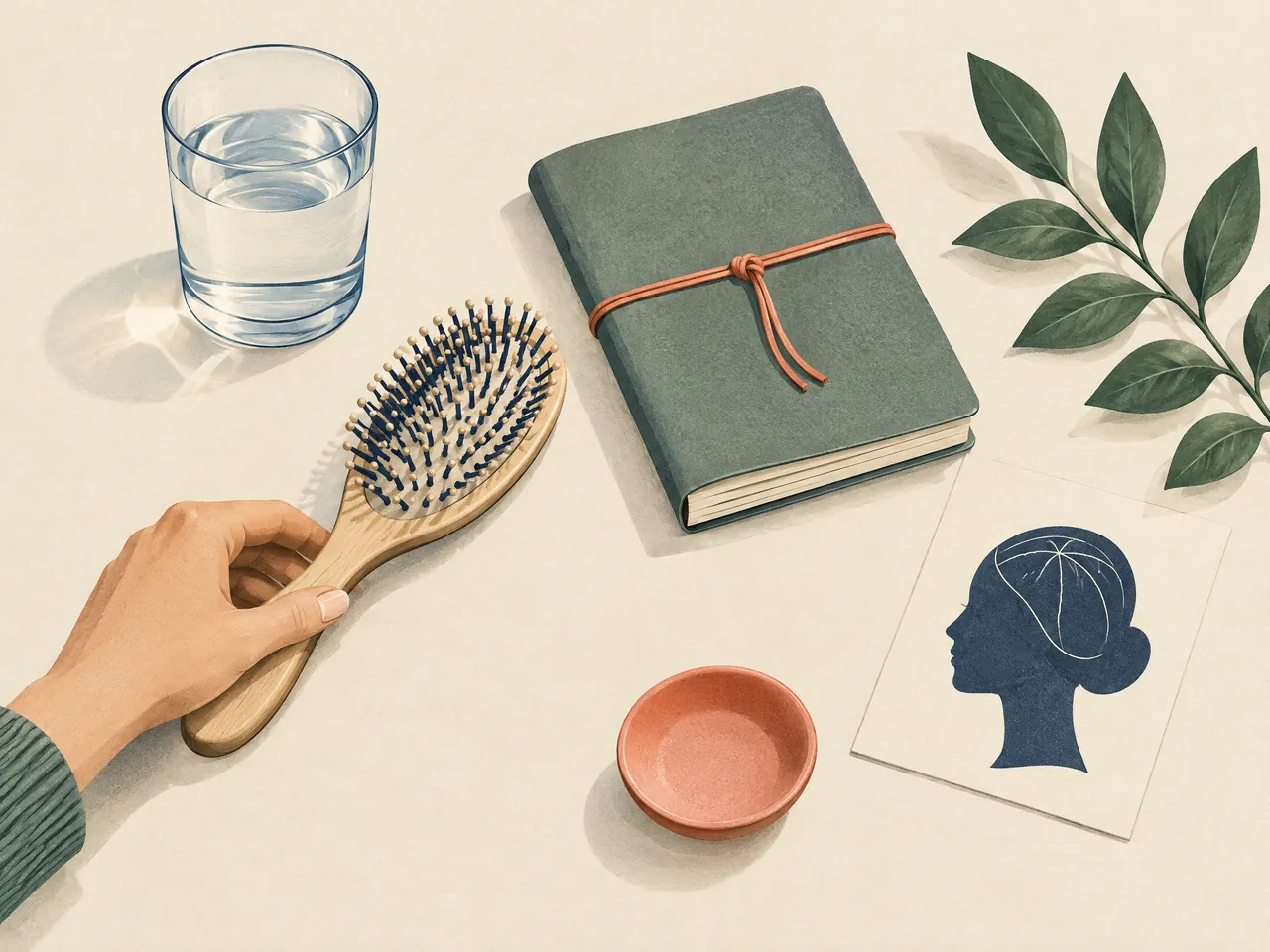
Prepare for an appointment by asking relatives, where possible, about the kind and timing of hair thinning rather than simply whether anyone was bald. Was loss mainly at the temples, crown or part? Did it begin gradually? Family history on either side can be relevant, but it does not decide the answer for you. Also list all medicines, over-the-counter products and supplements, including their start dates. A change that begins after a new product, a major illness or a dietary restriction deserves to be discussed even if there is a family pattern.
Bring photos from before the change if you have them, plus the dates of recent events that could affect your health. State plainly what concerns you most: visible scalp at work, a fast-moving patch, itch, breakage, or worry about future density. This lets the clinician address both the clinical pattern and the impact on daily life. It is reasonable to ask what features point toward or away from androgenetic alopecia, what needs monitoring, and when you should return if the pattern changes. Avoid making major changes to several shampoos, supplements and styling routines at the same time before the visit, because it becomes harder to tell what changed and when. If a medicine was prescribed for another condition, do not stop it on your own because of shedding; note the concern and ask the prescriber or assessing clinician for guidance. A clear sequence of events is more helpful than trying to identify one cause from internet images.

Alopecia, Androgenetic Alopecia and Hair Loss Doctor Assessment and Traditional Chinese Medicine Context
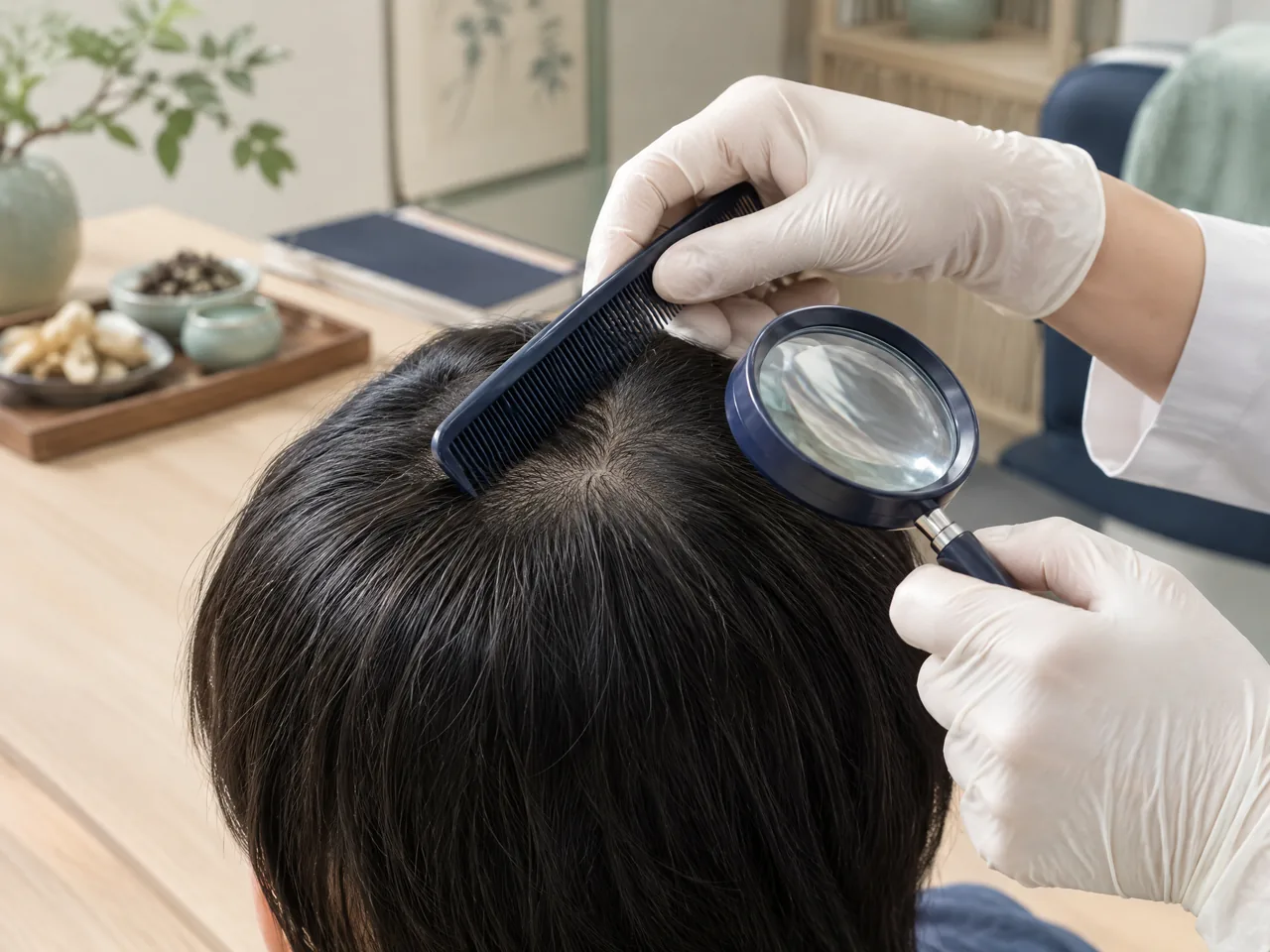
A clinical hair-loss assessment may include questions about onset, speed and distribution, an examination of the scalp and other hair-bearing areas, and a gentle assessment of the hair itself. The American Academy of Dermatology notes that clinicians may consider blood tests or a scalp biopsy when the history and examination raise concern for a disease, deficiency, hormone imbalance or infection [3]. Tests are not automatic for every person. Ask why a proposed test is relevant to your history and how its result could change the plan; our overview of a hair loss blood test offers useful questions to take along.
Traditional Chinese medicine uses its own diagnostic approach and may discuss hair in relation to a person’s broader constitution, sleep, appetite, stress and menstrual or digestive history. That context can be meaningful to someone seeking a registered Chinese medicine practitioner, but it should not replace assessment of sudden patches, infection-like scalp symptoms or possible systemic illness. Be open about any care already received and bring test results if available. TCM Lab can be contacted to enquire about a hair-loss consultation at its Kwun Tong Chinese medicine clinic or Chinese medicine clinic Prince Edward; availability and the appropriate next step are confirmed individually.
Care and health guide
Hair and scalp care information
This directory brings together services, reading, and visit information related to hair and scalp care, to help you prepare questions for a consultation.
For questions about hair or scalp care, noting the everyday concerns and service questions you want to discuss can help prepare a consultation; Chinese medicine for hair loss is a relevant service or reading entry point.
People may have different priorities, and acupuncture Hong Kong offers related information to help you understand options and prepare questions.

Your questions, answered
Frequently asked questions
Is losing 50 to 100 hairs a day always a reason to seek care?
No. Some daily shedding is part of the hair cycle, and the number alone does not diagnose a problem. Seek advice if the amount is clearly more than your usual level, density is falling, replacement hairs seem finer, a bald patch appears, or the scalp becomes symptomatic.
What should I do if a round bald patch appears?
Do not assume the cause from the patch shape. Photograph it, note when it started and whether it is itchy, painful or multiplying, then arrange professional assessment. Sudden or patchy loss is a reason to speak with a doctor rather than relying only on over-the-counter hair products.
Does a receding hairline or thinning crown prove androgenetic alopecia?
It can fit androgenetic alopecia, especially when it develops gradually and there is family history, but it is not proof. A hair loss doctor may consider the distribution, timing, scalp findings, medicines, general health and whether any test is appropriate before naming the cause.
What should I tell a hair loss doctor at the first visit?
Bring a brief timeline of the change, photos showing the same scalp area over time, family history, all medicines and supplements, recent illness or major weight change, grooming practices and other symptoms. This information helps the clinician decide whether examination alone is enough or whether further investigation should be considered.
Sources and further information
- [1] NHS: Hair loss
Referenced for: Supports normal-shedding context, common causes, and advice to seek medical guidance about hair loss.
- [2] Mayo Clinic: Hair loss — Symptoms and causes
Referenced for: Supports descriptions of gradual, sudden and patchy loss; scalp symptoms; and reasons to speak with a doctor.
- [3] American Academy of Dermatology: Hair loss diagnosis and treatment
Referenced for: Supports the assessment discussion, including history, scalp examination and circumstances in which testing may be considered.
- [4] Hong Kong Centre for Health Protection: Men's Health Line — Alopecia
Referenced for: Supports local public-health terminology on alopecia, hereditary patterns, contributing factors and seeking medical advice.