
TCM Lab · Services and individual assessment
A Practical Guide to sports injury acupuncture Hong Kong, TCM sports injury Hong Kong, and sports injury Chinese medicine Hong Kong
Published Updated
A sports injury is not defined only by where it hurts. A runner with a sore Achilles, a footballer who twisted a knee, or a desk worker returning to gym after a long break may each need a different next step. At TCM Lab Hong Kong, a sports injury consultation begins by clarifying the event, the pattern of symptoms and the activity you want to return to. A Registered Chinese Medicine Practitioner can then discuss whether a conservative Chinese medicine approach, such as acupuncture or Tui Na, fits the presentation, or whether medical assessment should come first. That distinction matters when you are looking for sports injury acupuncture Hong Kong support rather than simply trying to train through pain.
Appointments are confirmed through WhatsApp. If you have language requirements, please mention them in your enquiry.
The short answer
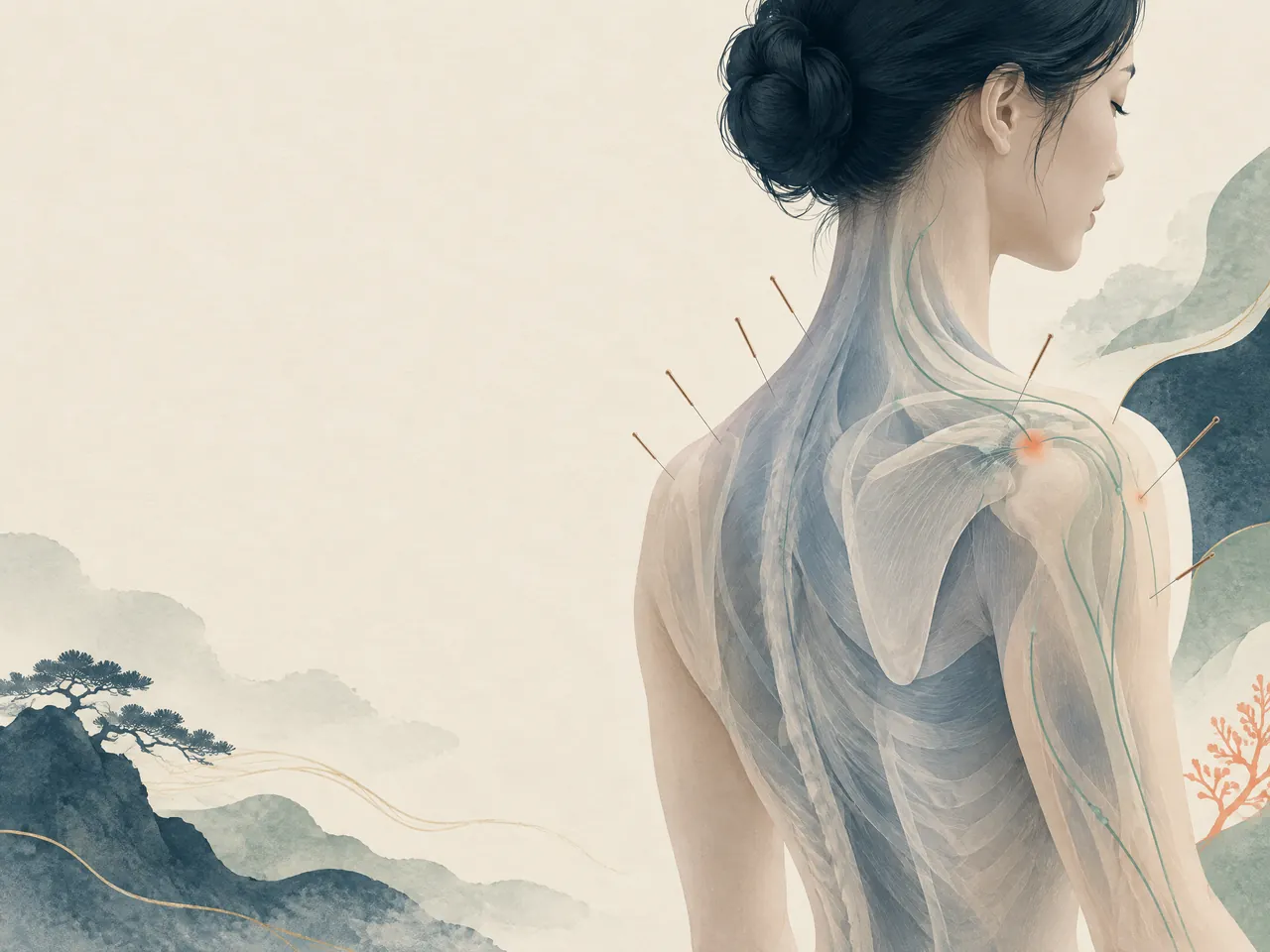
Sports injury acupuncture Hong Kong assessment should start with the mechanism of injury, pain pattern, movement limits, training load, relevant health history and warning signs. After that review, a Registered Chinese Medicine Practitioner may discuss acupuncture or Tui Na as part of a conservative care plan when appropriate. Severe trauma, deformity, inability to bear weight, progressing numbness or rapidly worsening symptoms call for prompt medical assessment rather than a routine treatment visit.
Transparent pricing
See the fees.
Choose your care.
Explore our complete official price list, including first-trial prices, regular prices, packages and branch-specific options.
Opening WhatsApp prepares an enquiry; it does not send a message, take payment or confirm an appointment. Suitability and individual arrangements are confirmed during consultation.
Chinese medicine
All prices in HKDAcupuncture and Chinese herbal medicine package
Includes a Chinese medicine consultation with pulse assessment, body acupuncture and 3 days of Chinese herbal granules that do not require decoction.
HK$580 (single session)
Chinese medicine consultation with pulse assessment
Hair and scalp
All prices in HKDScalp health and hair-loss management
Includes AI scalp analysis, deep scalp and follicle cleansing, and scalp oil-control care.
HK$380 (first trial)
Regular price: HK$680
- 6 sessions: HK$3,480 (HK$580 per session)
- 12 sessions: HK$5,760 (HK$480 per session)
- 20 sessions: HK$8,600 (HK$430 per session)
- 30 sessions: HK$11,400 (HK$380 per session)
Hair acupuncture and Chinese herbal medicine package
Includes scalp acupuncture and 3 days of Chinese herbal medicine that does not require decoction.
HK$580 (single session)
Registered Chinese Medicine Practitioner consultation
- 6 sessions: HK$3,180 (HK$530 per session)
- 12 sessions: HK$5,760 (HK$480 per session)
- 20 sessions: HK$8,600 (HK$430 per session)
- 30 sessions: HK$11,400 (HK$380 per session)
Combined hair and scalp treatment
Combines acupuncture and Chinese herbal medicine with salon-level scalp and follicle care. Packages include complimentary hair-care shampoo and serum.
HK$1,260 (single session)
Combined treatment
- 8 sessions: HK$8,640 (HK$1,080 per session)
- 16 sessions: HK$15,680 (HK$980 per session)
- 20 sessions: HK$18,600 (HK$930 per session)
- 30 sessions: HK$26,400 (HK$880 per session)
Weight management
All prices in HKDFull-body acupoint embedding for weight management
Includes full-body acupoint embedding. Packages include complimentary Chinese herbal medicine for weight management, with the number of included days scaled to the package. Embedding material and the individual treatment arrangement are confirmed during consultation; this is not a cosmetic thread lift.
HK$980 (single session)
No trial session
- 10 sessions: HK$7,800 (HK$780 per session)
- 20 sessions: HK$14,600 (HK$730 per session)
- 30 sessions: HK$20,400 (HK$680 per session)
Facial acupuncture
All prices in HKDFacial acupuncture (basic)
Includes facial acupuncture and meridian-based facial care, including care for facial puffiness.
HK$480 (first trial)
Regular price: HK$680
- 10 sessions: HK$5,200 (HK$520 per session)
- 20 sessions: HK$9,600 (HK$480 per session)
- 30 sessions: HK$13,500 (HK$450 per session)
Facial acupuncture (advanced)
Includes enhanced facial acupuncture with a specially formulated moisturising mask and serum.
HK$780 (first trial)
Regular price: HK$1,180
- 10 sessions: HK$9,000 (HK$900 per session)
- 20 sessions: HK$16,600 (HK$830 per session)
- 30 sessions: HK$23,400 (HK$780 per session)
Pain care
All prices in HKDExtracorporeal shockwave treatment
Shockwave treatment for deep-tissue and fascial care. The Kwun Tong clinic offers the multi-area options shown below.
Priced by branch
Branch-specific pricing
Prince Edward: HK$250 per area
Kwun Tong: HK$250 for 1 area / HK$450 for 2 areas / HK$600 for 3 areas
Pain care (manual therapy)
Includes Chinese medicine musculoskeletal assessment, manual joint techniques and tui na.
HK$580 (single session)
Chinese medicine musculoskeletal assessment
Pain care (acupuncture and manual therapy)
Combines acupuncture and manual therapy.
HK$680 (single session)
Combined care
From enquiry to individual assessment
Start with an enquiry
Tell us your main concern, preferred clinic and possible times. Ask about fees and any language requirements.
Discuss your assessment
Bring your medical history, current medicines and questions. The practitioner assesses which options may be suitable.
Agree on the next step
Discuss the proposed care, fees, risks and follow-up. Arrangements depend on the assessment and appointment confirmation.
What sports injury acupuncture Hong Kong, TCM sports injury Hong Kong, and sports injury Chinese medicine Hong Kong assessment considers
The first question is usually not “Which treatment do I need?” but “What happened and what can I safely do now?” An assessment maps the episode in practical terms: a single twist, collision or fall; a gradual ache after higher mileage; pain during a particular lift; or stiffness that arrives later in the day. It also asks whether symptoms are local or travel down a limb, whether there was a pop or crack, and how the problem affects walking, stairs, gripping, sleep and work. This creates a more useful starting point than treating a body part name as a diagnosis.
Sports injuries can involve muscles, tendons, ligaments, joints, bones or nerves, and overuse can be as relevant as a one-off incident. The National Institute of Arthritis and Musculoskeletal and Skin Diseases notes that sports-injury diagnosis commonly considers how the injury happened, recent changes in recreational or occupational activity, physical examination and, where appropriate, imaging of bone or soft tissue [1]. In a TCM consultation, the practitioner may also use Chinese medicine pattern assessment alongside this functional history. It is not a substitute for ruling out a suspected fracture, major tear or other condition that needs medical investigation.
How sports injury acupuncture Hong Kong, TCM sports injury Hong Kong, and sports injury Chinese medicine Hong Kong begin with your symptoms
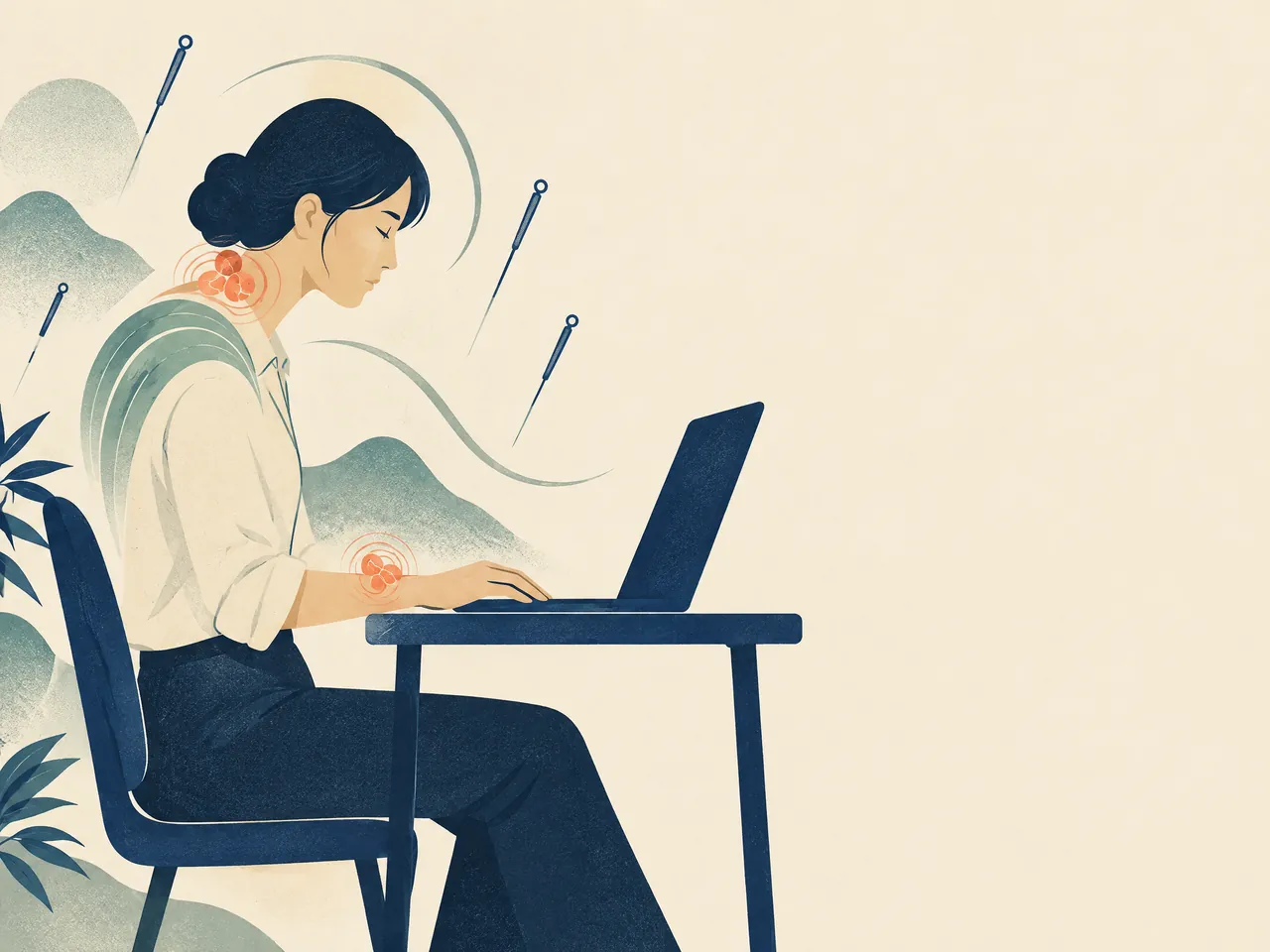
Describe the symptom in your own words before trying to label it. Is it sharp when you push off, dull after a session, stiff on the first few steps, or unstable when you turn? Note its exact area, whether it spreads, the time it appears and what settles it. A practitioner will usually ask about swelling, bruising, heat, clicking, weakness, altered sensation and night pain. These details help distinguish a short-term training response from a presentation that deserves a different level of assessment. If you have already tried rest, tape, a brace, medication or another treatment, say what changed and what did not.
The conversation should also include health information that can affect safe care: prior injury or surgery, bleeding tendency, pregnancy, implanted medical devices, allergies, current medication and relevant diagnoses. Acupuncture involves insertion of fine needles into the skin, so open skin, infection or a changed general state of health should be raised rather than ignored. The evidence for acupuncture differs by pain condition; it should be discussed as an individual option, not presented as a guaranteed fix for every sporting problem [3]. If you are comparing approaches, our overview of Chinese medicine acupuncture explains the general modality without replacing an examination for your own injury.
Why sports injury acupuncture Hong Kong, TCM sports injury Hong Kong, and sports injury Chinese medicine Hong Kong review movement and history
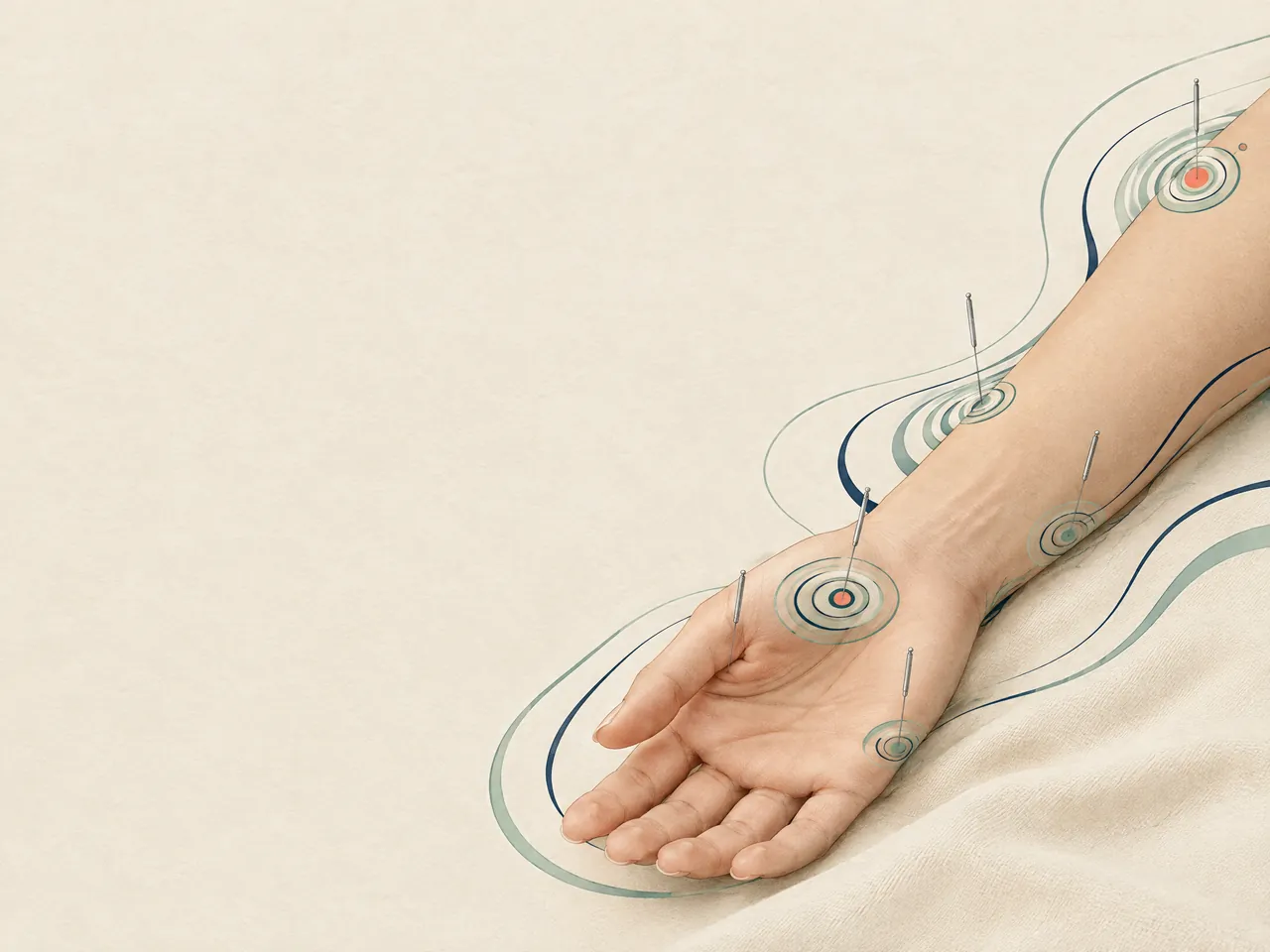
Movement is part of the history. A useful assessment looks at what the injured area can do today compared with your usual baseline: putting weight through an ankle, rising from a chair, reaching overhead, rotating a shoulder, squatting, gripping a racket or walking after sitting. The aim is not to make you prove toughness. It is to identify the specific task that changes symptoms and the degree of limitation. A runner may tolerate level walking but not a downhill descent; a gym user may manage a light press but not the lowering phase. Those differences guide questions and onward care.
Training context often reveals why a problem has persisted. Mention a recent jump in distance, hills, playing surface, workout frequency, footwear, technique change, competition schedule, sleep disruption or a job that loads the same area. Equally, report previous ankle sprains, shoulder dislocations or back episodes, because the return plan may need to account for confidence, control and strength as well as comfort. This is why a page about Chinese medicine sports injury care is most useful when read as a guide to questions, not as a way to self-diagnose a tendon, ligament or joint issue.
Compare your options
| What you notice | Useful information to share | Appropriate next step to discuss |
|---|---|---|
| Pain began after a twist, fall or collision | How it happened, immediate swelling or sound, whether you could continue | Prompt assessment; medical evaluation first if severe features are present |
| Ache built up after training changed | Recent distance, pace, surface, equipment, strength work and recovery changes | Activity modification and an assessment of movement, load and care options |
| Pain with one specific movement | The exact phase that triggers it, intensity, weakness or loss of confidence | Focused examination and a plan for safe daily and sporting tasks |
| Severe pain, deformity, colour change or inability to bear weight | When it started and whether sensation or circulation has changed | Urgent medical assessment rather than waiting for routine conservative care |
On smaller screens, scroll the table sideways to compare all columns.
Choosing care after sports injury acupuncture Hong Kong, TCM sports injury Hong Kong, and sports injury Chinese medicine Hong Kong evaluation
After assessment, the decision is about the next appropriate action rather than an automatic package. For a stable presentation without urgent features, the discussion may cover a trial of acupuncture, Tui Na, activity modification and simple self-management. It can also include the boundaries of that plan: which movements to pause, what changes should prompt contact, and when a medical or rehabilitation provider should be involved. A patient with a clear functional goal—such as walking comfortably on holiday, returning to a social match, or tolerating a work commute—can use that goal to make follow-up more focused.
It is reasonable to ask what each proposed element is intended to address and how progress will be reviewed. Tui Na is a Chinese manual-therapy approach; some people may be comfortable with hands-on work while others may prefer acupuncture, a lighter approach, or referral. Neither preference proves that an intervention is suitable. Research findings should be interpreted by condition and comparison group. NCCIH describes evidence of possible benefit for several pain conditions, while also noting that mechanisms are not fully understood and that results can differ against no-treatment and sham comparisons [3]. A careful consultation does not turn that evidence into a promise about a specific sports injury.

When sports injury acupuncture Hong Kong, TCM sports injury Hong Kong, and sports injury Chinese medicine Hong Kong may discuss acupuncture or Tui Na
When a presentation appears suitable for conservative care, acupuncture or Tui Na may be discussed in plain terms: what happens during the visit, what clothing or access to the area is needed, how comfort and response are checked, and what you should report during treatment. Tell the practitioner if you dislike needles, are needle-sensitive, have fainted with procedures, or have had a reaction to previous treatment. Proper delivery and hygiene are important. NCCIH reports that complications are relatively uncommon but that nonsterile needles or improper treatment can cause serious adverse effects [3]. A practitioner should welcome safety questions rather than rush past them.
The practical question is often whether hands-on treatment belongs in the same visit as movement advice, not whether it replaces every other form of care. Someone with calf tightness after a gradual increase in training may need a discussion about load and recovery as much as any treatment choice. Someone whose shoulder pain prevents normal use may need assessment outside the clinic pathway before manual therapy is considered. If you are researching options first, the article can acupuncture help sports injuries provides further background, while your own symptoms and examination remain the basis for a decision.
How sports injury acupuncture Hong Kong, TCM sports injury Hong Kong, and sports injury Chinese medicine Hong Kong can guide appropriate referral
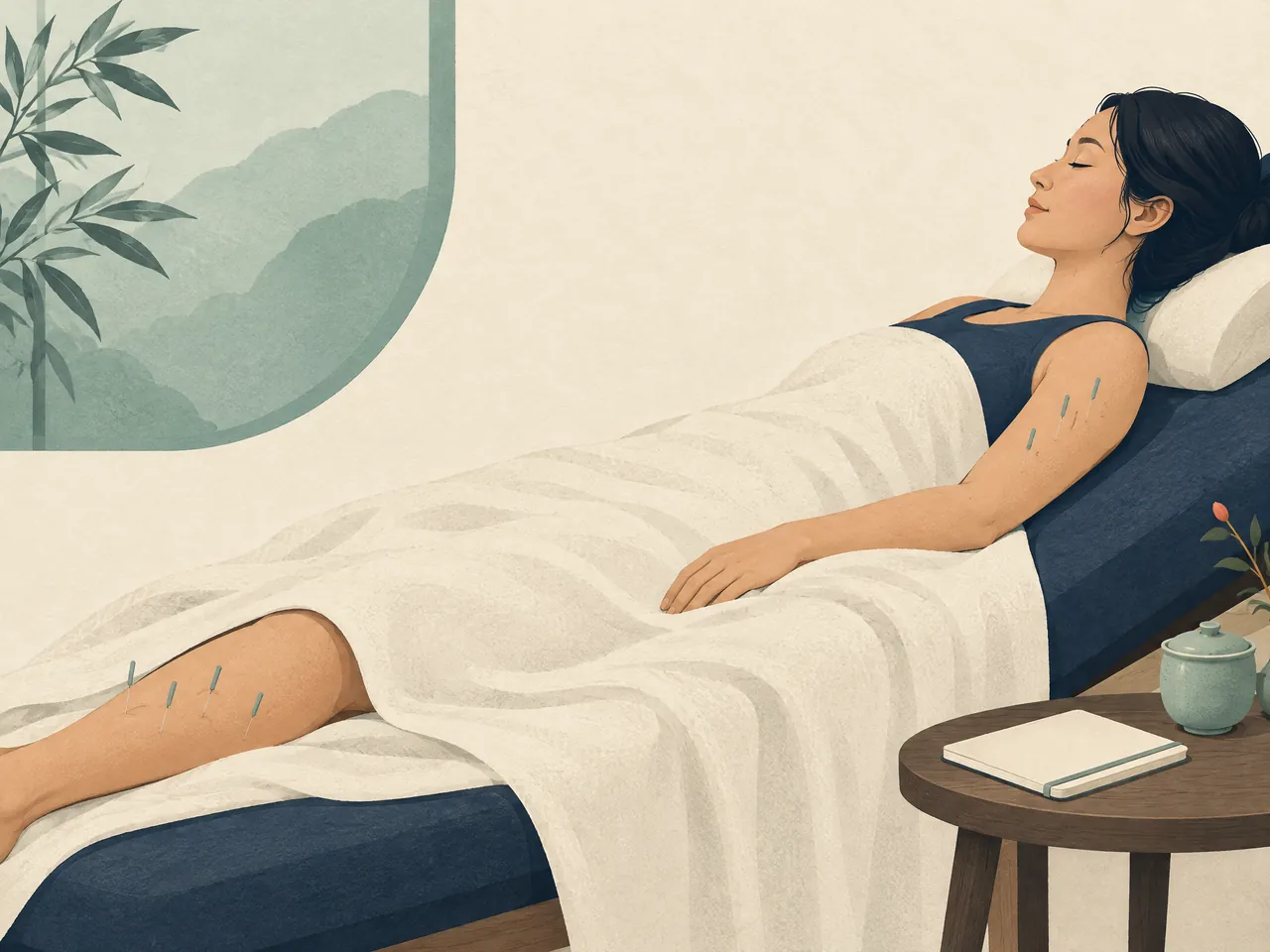
Referral is a positive part of responsible care, not a failed consultation. A practitioner may suggest medical assessment when the story or examination raises concern for fracture, a major soft-tissue injury, infection, nerve involvement, a vascular issue or another cause requiring tests. NIAMS lists severe pain, swelling or bruising, symptoms that do not settle after a few days, inability to tolerate weight and obvious deformity among features of a serious sports injury [1]. In that situation, it is safer to seek medical evaluation than to delay it for an acupuncture appointment.
Referral can also be useful when the diagnosis is already known but the return-to-activity plan needs structured rehabilitation. A doctor, physiotherapist, sports-medicine professional or other clinician may contribute different parts. Chinese medicine care, where appropriate, can sit alongside a wider plan only when communication, timing and safety make sense. The Chinese Medicine Council of Hong Kong is a statutory body that implements regulatory measures for Chinese medicine to protect public health and consumer rights [4]; you may ask about practitioner registration and discuss your care preferences openly.
Everyday planning with sports injury acupuncture Hong Kong, TCM sports injury Hong Kong, and sports injury Chinese medicine Hong Kong guidance
A good follow-up plan translates a clinic discussion into the next few days. Write down the one or two activities to modify, the movements that should stop if pain appears, and the signs that mean you need help sooner. It can be tempting to test the injury repeatedly because a race, class or match is approaching. Instead, avoid using a single good morning or an adrenaline-filled session as proof that the issue is resolved. Function across ordinary tasks and the response after activity are often more informative than one isolated moment.
For a minor sprain or strain without urgent features, first-aid choices should be individualised, especially if you have other health conditions or take medicines. NHS guidance advises urgent help for very painful or worsening injuries, large or worsening swelling or bruising, inability to take weight or walk more than a few steps, and marked movement difficulty [2]. It also advises emergency evaluation if the body part changes shape, is numb or tingling, or the skin becomes blue, grey or cold [2]. These are reasons to arrange prompt medical help in Hong Kong, not a checklist to wait out at home.
What to ask about sports injury acupuncture Hong Kong, TCM sports injury Hong Kong, and sports injury Chinese medicine Hong Kong follow-up
Before leaving, ask what would count as meaningful change for your situation. That might be less pain on stairs, a longer comfortable walk, easier shoulder reach, or a return to a modified training drill. Ask when to review, whether a different provider should be involved, and what details to record between visits. There is no fixed number of sessions that suits every sports injury. Response, suspected cause, demands of the sport, safety and your own goals all affect whether and how a plan continues. Avoid committing to a large course solely because the injury has a familiar name.
Practical arrangements can make it easier to follow through. You can review locations for a Kwun Tong Chinese medicine clinic or a Chinese medicine clinic Prince Edward, then message with your injury area, how it happened and any language needs so the appointment can be discussed. For current fee information, use the Chinese medicine clinic price list Hong Kong rather than relying on an old message or assuming a treatment is included. Appointment availability and the appropriate practitioner arrangement should be confirmed directly.
Red flags to recognise alongside sports injury acupuncture Hong Kong, TCM sports injury Hong Kong, and sports injury Chinese medicine Hong Kong care
Seek urgent medical help after serious trauma, or if pain rapidly escalates, weight bearing is impossible, a limb looks deformed, or numbness, tingling, colour change or coldness develops. Chest pain, breathing difficulty, fainting, confusion, sudden weakness, severe headache after a head injury, or symptoms that are rapidly worsening are also not routine sports-injury issues for a treatment booking. If there is doubt, choose timely medical assessment. Online descriptions cannot determine whether two people with the same pain location have the same cause.
For less dramatic but persistent problems, re-assessment still matters. Stop the movement that provokes pain rather than repeatedly forcing it, and arrange a healthcare review if symptoms are not improving, keep returning or are changing your gait or daily function. Bring a brief timeline: onset, triggers, swelling or bruising, medication, previous injury and what you have already tried. That record helps a clinician decide whether conservative TCM care, imaging, rehabilitation, medication advice or another referral is sensible. The goal is a safe, informed route back to valued activity—not an unrealistic promise to be pain-free by a fixed event date.
Care and health guide
Health service information
This directory brings together services, reading, and visit information related to health services, to help you prepare questions for a consultation.
If you are organising health questions, Chinese medicine clinic Hong Kong is a starting point for learning about related services and preparing for a consultation.
People have different needs; acupuncture Hong Kong provides further reading to help you understand options in your own context.


Your questions, answered
Frequently asked questions
Is sports injury acupuncture Hong Kong suitable for every sports injury?
No. Suitability depends on the mechanism of injury, severity, function, relevant health history and examination findings. A Registered Chinese Medicine Practitioner may discuss acupuncture or Tui Na for an appropriate conservative-care presentation, but may recommend medical assessment, imaging or another healthcare provider first when warning signs or diagnostic uncertainty are present.
What may TCM sports injury Hong Kong care include after assessment?
Depending on the individual review, the discussion may include acupuncture, Tui Na, activity modification, self-care, follow-up goals or referral. Treatment is not automatic and should not be described as a guaranteed cure. The practitioner should explain the proposed approach, its practical considerations and when to seek further medical help.
How many visits will sports injury Chinese medicine Hong Kong care require?
There is no reliable fixed number for all injuries. The likely cause, level of impairment, response over time, sport demands, other care involved and safety considerations all matter. Ask how progress will be judged and when the plan should be reviewed rather than assuming that a standard course fits your situation.
When should I seek urgent help instead of booking a sports injury consultation?
Seek urgent medical help after severe trauma or with severe or worsening pain, major swelling or bruising, inability to bear weight, deformity, numbness or tingling, cold or discoloured skin, chest pain, breathing difficulty, sudden weakness or rapidly worsening symptoms. A routine clinic booking and online information should not delay urgent assessment.
Sources and further information
- [1] NIAMS: Sports Injuries—Diagnosis, Treatment, and Steps to Take
Referenced for: Supports the assessment elements, serious-injury features, and return-to-activity cautions cited as [1].
- [2] NHS: Sprains and strains
Referenced for: Supports the urgent and emergency symptom guidance cited as [2].
- [3] NCCIH: Acupuncture—Effectiveness and Safety
Referenced for: Supports the description of acupuncture, evidence limitations, and safety statements cited as [3].
- [4] Chinese Medicine Council of Hong Kong
Referenced for: Supports the statutory regulatory role cited as [4].