
TCM Lab · Health reading
Sciatica Stretches, Gentle Stretches for Sciatica and Gentle Exercises for Sciatica: Safety First
Published Updated
Sciatica stretches can be a reasonable part of keeping moving, but they are not a test of how far you can reach. If pain runs from the buttock down one leg and a movement stays comfortable, a small, slow movement may be worth discussing with a clinician. If the same movement sends pain farther down the leg, brings on stronger tingling, or makes the leg feel weaker, it is a cue to stop rather than stretch harder. Gentle stretches for sciatica work best as part of a measured return to ordinary activity, not as a promise of a quick fix. Gentle exercises for sciatica should leave you feeling no worse during the movement and afterwards. This guide helps you distinguish a familiar radiating pattern from other back or leg pain, choose a cautious response on a busy Hong Kong day, and recognise when self-directed exercise should give way to medical assessment.
Appointments are confirmed through WhatsApp. If you have language requirements, please mention them in your enquiry.
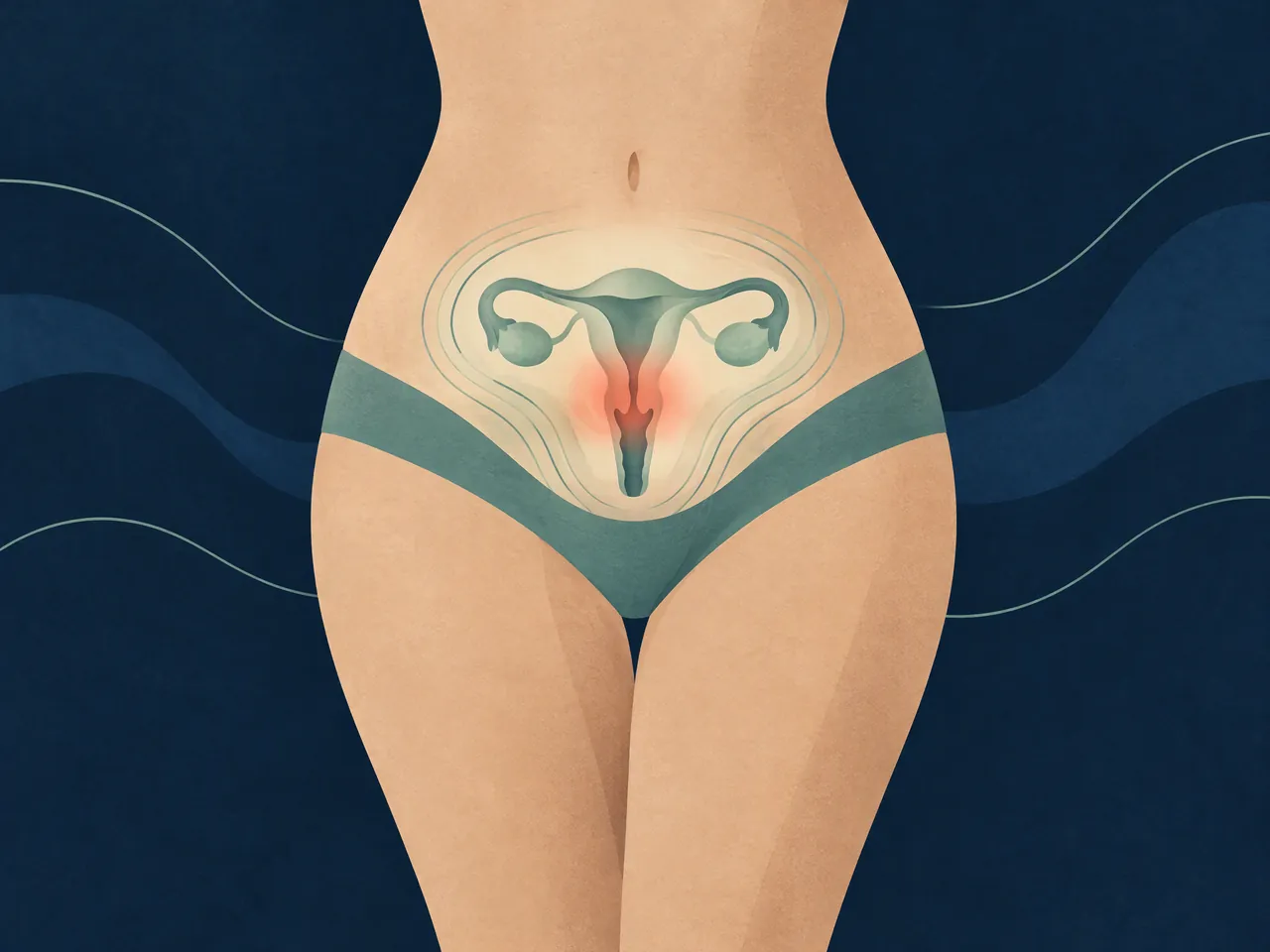
The short answer
Sciatica stretches may be suitable only when they are slow, tolerable and do not increase radiating leg pain, numbness or weakness. Keep daily activity within a comfortable range rather than forcing a deep stretch. Stop a movement if symptoms spread farther down the leg or neurological symptoms worsen. Seek urgent medical help for symptoms on both sides, severe or worsening weakness or numbness in both legs, saddle-area numbness, or new bladder or bowel changes.
Transparent pricing
See the fees.
Choose your care.
Explore our complete official price list, including first-trial prices, regular prices, packages and branch-specific options.
Opening WhatsApp prepares an enquiry; it does not send a message, take payment or confirm an appointment. Suitability and individual arrangements are confirmed during consultation.
Pain care
All prices in HKDExtracorporeal shockwave treatment
Shockwave treatment for deep-tissue and fascial care. The Kwun Tong clinic offers the multi-area options shown below.
Priced by branch
Branch-specific pricing
Prince Edward: HK$250 per area
Kwun Tong: HK$250 for 1 area / HK$450 for 2 areas / HK$600 for 3 areas
Pain care (manual therapy)
Includes Chinese medicine musculoskeletal assessment, manual joint techniques and tui na.
HK$580 (single session)
Chinese medicine musculoskeletal assessment
Pain care (acupuncture and manual therapy)
Combines acupuncture and manual therapy.
HK$680 (single session)
Combined care
Hair and scalp
All prices in HKDScalp health and hair-loss management
Includes AI scalp analysis, deep scalp and follicle cleansing, and scalp oil-control care.
HK$380 (first trial)
Regular price: HK$680
- 6 sessions: HK$3,480 (HK$580 per session)
- 12 sessions: HK$5,760 (HK$480 per session)
- 20 sessions: HK$8,600 (HK$430 per session)
- 30 sessions: HK$11,400 (HK$380 per session)
Hair acupuncture and Chinese herbal medicine package
Includes scalp acupuncture and 3 days of Chinese herbal medicine that does not require decoction.
HK$580 (single session)
Registered Chinese Medicine Practitioner consultation
- 6 sessions: HK$3,180 (HK$530 per session)
- 12 sessions: HK$5,760 (HK$480 per session)
- 20 sessions: HK$8,600 (HK$430 per session)
- 30 sessions: HK$11,400 (HK$380 per session)
Combined hair and scalp treatment
Combines acupuncture and Chinese herbal medicine with salon-level scalp and follicle care. Packages include complimentary hair-care shampoo and serum.
HK$1,260 (single session)
Combined treatment
- 8 sessions: HK$8,640 (HK$1,080 per session)
- 16 sessions: HK$15,680 (HK$980 per session)
- 20 sessions: HK$18,600 (HK$930 per session)
- 30 sessions: HK$26,400 (HK$880 per session)
Weight management
All prices in HKDFull-body acupoint embedding for weight management
Includes full-body acupoint embedding. Packages include complimentary Chinese herbal medicine for weight management, with the number of included days scaled to the package. Embedding material and the individual treatment arrangement are confirmed during consultation; this is not a cosmetic thread lift.
HK$980 (single session)
No trial session
- 10 sessions: HK$7,800 (HK$780 per session)
- 20 sessions: HK$14,600 (HK$730 per session)
- 30 sessions: HK$20,400 (HK$680 per session)
Facial acupuncture
All prices in HKDFacial acupuncture (basic)
Includes facial acupuncture and meridian-based facial care, including care for facial puffiness.
HK$480 (first trial)
Regular price: HK$680
- 10 sessions: HK$5,200 (HK$520 per session)
- 20 sessions: HK$9,600 (HK$480 per session)
- 30 sessions: HK$13,500 (HK$450 per session)
Facial acupuncture (advanced)
Includes enhanced facial acupuncture with a specially formulated moisturising mask and serum.
HK$780 (first trial)
Regular price: HK$1,180
- 10 sessions: HK$9,000 (HK$900 per session)
- 20 sessions: HK$16,600 (HK$830 per session)
- 30 sessions: HK$23,400 (HK$780 per session)
Chinese medicine
All prices in HKDAcupuncture and Chinese herbal medicine package
Includes a Chinese medicine consultation with pulse assessment, body acupuncture and 3 days of Chinese herbal granules that do not require decoction.
HK$580 (single session)
Chinese medicine consultation with pulse assessment
Sciatica Stretches, Gentle Stretches for Sciatica and Gentle Exercises for Sciatica: Check Symptoms First
Before trying sciatica stretches, notice the route of the symptom rather than focusing only on the sorest spot. Sciatica commonly affects the buttock and the back of one leg, and can extend to the foot or toes. People may describe a sharp or burning pain, tingling, numbness or weakness. Back pain can occur too, yet back pain on its own is not usually sciatica. [1] This distinction matters because a stretch chosen for general back stiffness may not suit pain that behaves like nerve irritation. A local ache after carrying groceries, for example, may change with position without travelling down the leg; that does not establish a diagnosis either. Use the symptom pattern as a reason to be cautious, not as a reason to self-diagnose. For a closer look at the pattern, read sciatica radiating leg pain.
Sciatica Stretches, Gentle Stretches for Sciatica and Gentle Exercises for Sciatica: Recognise Radiating Leg Pain
Radiating pain means more than pain located near the hip. It follows a path into the leg, often on one side, and may be noticed when walking, sitting, coughing or changing position. That description is useful to give a healthcare professional, but it does not reveal the cause by itself. A disc problem, narrowing around spinal nerves, a vertebra that has shifted, and an injury are among the causes listed by the NHS. [1] In Hong Kong, clinicians also distinguish true sciatica from sciatica-like pain caused by other tissues; the history and physical examination help make that distinction. [3] Instead of repeatedly testing a painful position, note where symptoms begin, where they travel, and whether they settle after changing activity. Those observations are more useful at an assessment than proving that you can reach your toes.

Sciatica Stretches, Gentle Stretches for Sciatica and Gentle Exercises for Sciatica: Notice Numbness or Weakness
Numbness, pins and needles and weakness deserve more attention than ordinary post-exercise tightness. A leg that feels unreliable on stairs, difficulty lifting part of the foot, or a clear change in sensation should not be pushed through with a longer hold. Stop the movement, avoid loading the leg in a way that feels unsafe, and arrange professional advice according to the severity and speed of change. The NHS advises urgent emergency assessment for sciatica on both sides, severe or worsening weakness or numbness in both legs, numbness around the genitals or anus, and new difficulty controlling urine or stool. [1] These are not signs to monitor through another home exercise session. If pain is worsening, has not improved after a few weeks of home measures, or is stopping normal activity, arrange a non-urgent medical assessment. [1]
Compare your options
| What you notice | What to do now | Why the response changes |
|---|---|---|
| Comfortable, local muscle tightness that does not travel or worsen | Keep the movement small and slow; observe how you feel during and afterwards. | Tolerability, not depth, is the safer guide for a self-directed movement. |
| Pain travels farther down one leg, or tingling or numbness increases | Stop that movement; do not increase the stretch. Record the response and seek advice if it persists or concerns you. | Spreading neurological symptoms are a reason to reassess rather than push through. |
| Symptoms keep worsening, limit usual tasks, or do not improve after a few weeks of home care | Arrange a non-urgent medical assessment. | Persistent or function-limiting symptoms may need individual assessment and a tailored plan. [1] |
| Both legs are affected, weakness or numbness is severe or worsening, saddle numbness occurs, or bladder or bowel control changes | Seek emergency medical help immediately; do not continue exercises or stretches. | These are urgent warning signs listed by the NHS for a potentially serious back problem. [1] |
On smaller screens, scroll the table sideways to compare all columns.
Sciatica Stretches, Gentle Stretches for Sciatica and Gentle Exercises for Sciatica: Move Without Forcing
The practical aim of gentle exercises for sciatica is to keep daily movement possible without repeatedly provoking symptoms. That may mean breaking up a long desk session, taking a short comfortable walk, changing position before a commute becomes aggravating, or doing a movement with a smaller range. It does not mean that every sensation must be eliminated before you move. NHS guidance encourages people with sciatica to carry on normal activities as much as possible, start gentle exercise, and avoid sitting or lying down for long periods. [1] Choose an amount that is manageable today rather than copying a routine designed for someone else. The question is not whether an online exercise is popular; it is whether your symptom response during and after it is calm enough to make it a sensible option.

Sciatica Stretches, Gentle Stretches for Sciatica and Gentle Exercises for Sciatica: Use Comfortable, Slow Movements
A cautious session starts with less than you think you can do. Set up in a stable position, breathe normally, move slowly into a comfortable range, then come back out without bouncing or forcing. For a seated person with a sensitive leg, a gentle change of posture or a short walk may be more appropriate than a deep hamstring position. For another person, a clinician may choose mobility, strength, or pacing work instead of a stretch. The NHS exercise safety advice says to stop exercise immediately if it causes pain or if you become unwell, and to seek professional advice when you are unsure whether an exercise suits your health, injury or symptoms. [2] That is a useful boundary: an exercise is not automatically gentle just because it is called a stretch. Review sciatic nerve pain stretches for further context on selecting movements cautiously.

Sciatica Stretches, Gentle Stretches for Sciatica and Gentle Exercises for Sciatica: Stop When Symptoms Spread
Use the direction of symptoms as a simple decision tool. A movement that keeps discomfort local and tolerable may be recorded for discussion later. A movement that creates sharper pain, sends symptoms farther down the leg, increases tingling, or leaves new numbness or weakness is not a useful challenge to repeat. Stop, return to a more comfortable activity, and make a note of what happened. The note can include the movement, body position, where symptoms travelled, and how long they took to settle. Avoid increasing the range, speed, repetitions or frequency merely because a video labels the routine beginner-friendly. If you are wondering whether a familiar move is doing more harm than good, Can stretching make sciatica worse? explains why the body’s response matters more than a generic routine.

Sciatica Stretches, Gentle Stretches for Sciatica and Gentle Exercises for Sciatica: When to Seek Guidance
Self-care information is most useful when it helps you decide when not to rely on self-care alone. A clinician can take a history, assess movement and neurological signs, and decide whether further testing or referral is appropriate. Hong Kong Adventist Hospital describes medical history and examination as part of assessment, with MRI used to show structural issues when indicated. [3] An assessment can also separate a leg symptom that sounds like sciatica from other pain patterns, rather than assuming all buttock-to-leg pain needs the same stretch. Bring practical details: when the symptoms began, which side is affected, what makes them worse or easier, changes in sensation or strength, and the exercises you tried. The separate guide to sciatica diagnosis can help you prepare questions without trying to diagnose yourself from a checklist.

Sciatica Stretches, Gentle Stretches for Sciatica and Gentle Exercises for Sciatica: Build a Personal Plan
A useful plan is specific enough to fit into an ordinary week. It might identify a comfortable way to change position during computer work, an amount of walking that does not flare symptoms, a movement to avoid for now, and signs that mean the plan needs review. A physiotherapist can tailor exercise advice and techniques to the person; the NHS lists physiotherapy, exercises and stretches among possible treatments for sciatica. [1] The goal is not a fixed timetable or a prescribed number of sessions from a webpage. Progress may mean being able to sit through a meeting with fewer position changes, walk to transport more comfortably, or complete a household task without symptoms spreading. Keep a brief symptom log so an assessor can see patterns across work, rest and movement. If you are considering Chinese medicine, discuss it openly alongside other care; it should complement, not replace, necessary conventional assessment or treatment.

Sciatica Stretches, Gentle Stretches for Sciatica and Gentle Exercises for Sciatica: Understand Urgent Warning Signs
Act promptly rather than stretching when warning signs appear. Emergency care is needed for symptoms on both sides, severe or worsening numbness or weakness in both legs, numbness around or under the genitals or around the anus, and new problems starting, controlling or sensing urination or bowel movements. [1] These features can point to a serious back problem that requires hospital assessment. They are different from a familiar, mild ache after a long day. For non-emergency symptoms, book medical advice if pain is worsening, persists despite a few weeks of home measures, or prevents normal activities. [1] Acupuncture may be a topic for an individual consultation, but it is not a substitute for that triage. A systematic review found that the available acupuncture evidence for sciatica was limited by small studies and methodological concerns, so no outcome, number of visits or time to improvement should be promised. [4]
Care and health guide
Sciatica: care information
This directory brings together services, reading, and visit information related to sciatica, to help you prepare questions for a consultation.
When sciatica affects your day, noting when it occurs, its relation to activity, and what you have already tried can help prepare a consultation; acupuncture for sciatica is a relevant service or reading entry point.
Individual circumstances differ, and acupuncture Hong Kong offers related information to help you understand options and prepare questions.


Your questions, answered
Frequently asked questions
Can sciatica stretches completely remove pain?
No. Stretches can be one part of staying active or managing comfortable movement, but they cannot guarantee that sciatica pain will disappear. Persistent, worsening or function-limiting symptoms should be assessed instead of answered with progressively stronger stretching.
Should I continue a stretch if numbness gets worse?
No. Stop the movement if numbness increases, pain travels farther down the leg, or weakness appears. Do not test the movement repeatedly. Seek professional advice according to the severity and persistence of the change, and use urgent medical care for red-flag symptoms.
Are gentle exercises for sciatica better than bed rest?
The NHS advises continuing normal activities as much as possible, starting gentle exercise and avoiding long periods of sitting or lying down. [1] The suitable type and amount of movement still depend on your symptoms, so choose tolerable activity rather than forcing a standard routine.
Can acupuncture replace standard assessment for sciatica?
No. It may be discussed as an adjunct after an appropriate consultation, but it should not replace necessary medical assessment, medication, surgery or other conventional care. Research findings are limited by the quality and size of available studies, so a particular result or response time cannot be guaranteed. [4]
Sources and further information
- [1] [1] NHS — Sciatica
Referenced for: Symptoms, causes, activity advice, treatment context, non-urgent assessment and emergency warning signs.
- [2] [2] NHS — Exercises for sciatica problems
Referenced for: General exercise safety, professional advice where suitability is uncertain, and stopping exercise if pain occurs.
- [3] [3] Hong Kong Adventist Hospital — Sciatica
Referenced for: Hong Kong terminology, distinction between sciatica and sciatica-like pain, symptoms, examination and diagnostic context.
- [4] [4] Liu et al. — Effectiveness of Acupuncture for Treating Sciatica: A Systematic Review and Meta-Analysis
Referenced for: Limited and methodologically constrained evidence framing for acupuncture in sciatica.