
TCM Lab · Health reading
IBS treatment options Hong Kong: acupuncture for irritable bowel syndrome and irritable bowel syndrome Chinese medicine
Published Updated
Recurring abdominal pain with bloating, diarrhoea, constipation, or a changing bowel pattern can make meals, commutes and workdays feel uncertain. For IBS treatment options in Hong Kong, begin with a clear account of symptoms and an appropriate medical assessment rather than assuming every episode is irritable bowel syndrome. Daily food and symptom records, practical diet changes, regular routines and support for stress can then give a clinician something useful to work with. Acupuncture for irritable bowel syndrome and irritable bowel syndrome Chinese medicine may be topics to discuss after assessment, as complementary care—not a substitute for investigating warning signs or for prescribed treatment.
Appointments are confirmed through WhatsApp. If you have language requirements, please mention them in your enquiry.
The short answer
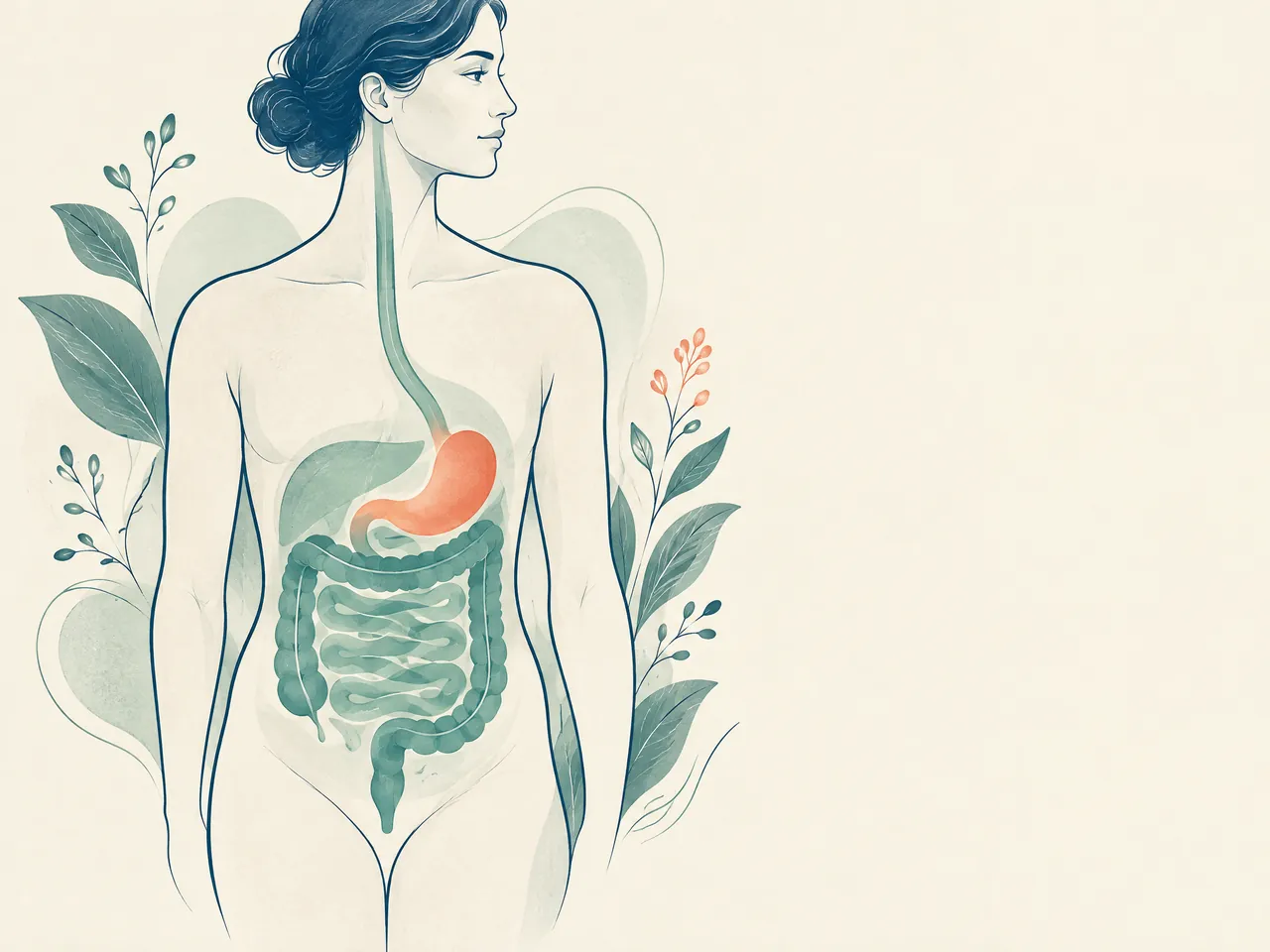
IBS treatment options in Hong Kong usually start with confirming the likely cause of symptoms, then matching care to the person’s bowel pattern and daily triggers. A short symptom-and-food diary, gradual diet changes, sleep and stress support, and clinician-guided medicines can all have a role. Acupuncture for irritable bowel syndrome or irritable bowel syndrome Chinese medicine can be discussed as supportive care after assessment, but current evidence does not justify a promise of relief or a cure.
Transparent pricing
See the fees.
Choose your care.
Explore our complete official price list, including first-trial prices, regular prices, packages and branch-specific options.
Opening WhatsApp prepares an enquiry; it does not send a message, take payment or confirm an appointment. Suitability and individual arrangements are confirmed during consultation.
Chinese medicine
All prices in HKDAcupuncture and Chinese herbal medicine package
Includes a Chinese medicine consultation with pulse assessment, body acupuncture and 3 days of Chinese herbal granules that do not require decoction.
HK$580 (single session)
Chinese medicine consultation with pulse assessment
Hair and scalp
All prices in HKDScalp health and hair-loss management
Includes AI scalp analysis, deep scalp and follicle cleansing, and scalp oil-control care.
HK$380 (first trial)
Regular price: HK$680
- 6 sessions: HK$3,480 (HK$580 per session)
- 12 sessions: HK$5,760 (HK$480 per session)
- 20 sessions: HK$8,600 (HK$430 per session)
- 30 sessions: HK$11,400 (HK$380 per session)
Hair acupuncture and Chinese herbal medicine package
Includes scalp acupuncture and 3 days of Chinese herbal medicine that does not require decoction.
HK$580 (single session)
Registered Chinese Medicine Practitioner consultation
- 6 sessions: HK$3,180 (HK$530 per session)
- 12 sessions: HK$5,760 (HK$480 per session)
- 20 sessions: HK$8,600 (HK$430 per session)
- 30 sessions: HK$11,400 (HK$380 per session)
Combined hair and scalp treatment
Combines acupuncture and Chinese herbal medicine with salon-level scalp and follicle care. Packages include complimentary hair-care shampoo and serum.
HK$1,260 (single session)
Combined treatment
- 8 sessions: HK$8,640 (HK$1,080 per session)
- 16 sessions: HK$15,680 (HK$980 per session)
- 20 sessions: HK$18,600 (HK$930 per session)
- 30 sessions: HK$26,400 (HK$880 per session)
Weight management
All prices in HKDFull-body acupoint embedding for weight management
Includes full-body acupoint embedding. Packages include complimentary Chinese herbal medicine for weight management, with the number of included days scaled to the package. Embedding material and the individual treatment arrangement are confirmed during consultation; this is not a cosmetic thread lift.
HK$980 (single session)
No trial session
- 10 sessions: HK$7,800 (HK$780 per session)
- 20 sessions: HK$14,600 (HK$730 per session)
- 30 sessions: HK$20,400 (HK$680 per session)
Facial acupuncture
All prices in HKDFacial acupuncture (basic)
Includes facial acupuncture and meridian-based facial care, including care for facial puffiness.
HK$480 (first trial)
Regular price: HK$680
- 10 sessions: HK$5,200 (HK$520 per session)
- 20 sessions: HK$9,600 (HK$480 per session)
- 30 sessions: HK$13,500 (HK$450 per session)
Facial acupuncture (advanced)
Includes enhanced facial acupuncture with a specially formulated moisturising mask and serum.
HK$780 (first trial)
Regular price: HK$1,180
- 10 sessions: HK$9,000 (HK$900 per session)
- 20 sessions: HK$16,600 (HK$830 per session)
- 30 sessions: HK$23,400 (HK$780 per session)
Pain care
All prices in HKDExtracorporeal shockwave treatment
Shockwave treatment for deep-tissue and fascial care. The Kwun Tong clinic offers the multi-area options shown below.
Priced by branch
Branch-specific pricing
Prince Edward: HK$250 per area
Kwun Tong: HK$250 for 1 area / HK$450 for 2 areas / HK$600 for 3 areas
Pain care (manual therapy)
Includes Chinese medicine musculoskeletal assessment, manual joint techniques and tui na.
HK$580 (single session)
Chinese medicine musculoskeletal assessment
Pain care (acupuncture and manual therapy)
Combines acupuncture and manual therapy.
HK$680 (single session)
Combined care
IBS treatment options Hong Kong: symptoms, records and clinical assessment | acupuncture for irritable bowel syndrome | irritable bowel syndrome Chinese medicine
IBS is a pattern of digestive symptoms, not simply a label for any upset stomach. Common features include abdominal pain or cramps, bloating and a change in stool frequency or form; some people mainly have loose stools, some constipation, and some alternate between the two. Symptoms may be more noticeable after eating or around demanding periods, but the pattern can vary substantially. The NHS describes diet, lifestyle and medicines as parts of management, while Hong Kong consensus guidance emphasises a positive symptom-based clinical diagnosis and clinical judgement about whether tests are appropriate [1] [2].
This matters because similar symptoms can arise for different reasons. A clinician considers the story as a whole, including when symptoms began, age, family history, medicines, recent illness and any signs that point away from IBS. Do not treat a self-diagnosis as reassurance. Blood in stool, unexplained weight loss, anaemia, or a major change that concerns you deserves prompt medical attention rather than an attempt to manage it only with diet, supplements or a complementary treatment [1].
A diary does not have to be elaborate. For two weeks, note the time and severity of pain, whether it eased after passing stool, bloating, bowel frequency and stool appearance. Add meals, drinks, alcohol or caffeine, new supplements, menstrual timing where relevant, sleep, travel, infection, and unusually stressful days. The purpose is not to identify one guilty food from a single bad day. It is to reveal repeatable links and give your clinician a more accurate picture than memory alone can provide.
IBS treatment options Hong Kong: tracking pain, bloating and bowel changes | acupuncture for irritable bowel syndrome | irritable bowel syndrome Chinese medicine
Make the record usable by being specific without becoming consumed by it. Instead of writing “stomach bad,” record where the discomfort sat, whether it was cramping or pressure-like, how long it lasted, and what was happening around it. Mark stools as hard, loose or mixed in ordinary language, and note urgency, straining or a sense of incomplete emptying. A person who has bloating after a hurried lunch and another who wakes with pain and has persistent diarrhoea may need different questions asked, even if both use the word IBS.
Bring a list of all prescribed medicines, over-the-counter products, traditional remedies and supplements. This is especially important if you are considering irritable bowel syndrome Chinese medicine, because individual herbal products and treatment choices need a face-to-face assessment and a complete medication history. Keep taking prescribed medicines as directed unless the prescribing clinician advises otherwise. A practitioner can use the diary alongside their consultation; it does not replace medical diagnosis, laboratory testing or referral when these are needed.
IBS treatment options Hong Kong: why assessment comes before acupuncture for irritable bowel syndrome and irritable bowel syndrome Chinese medicine
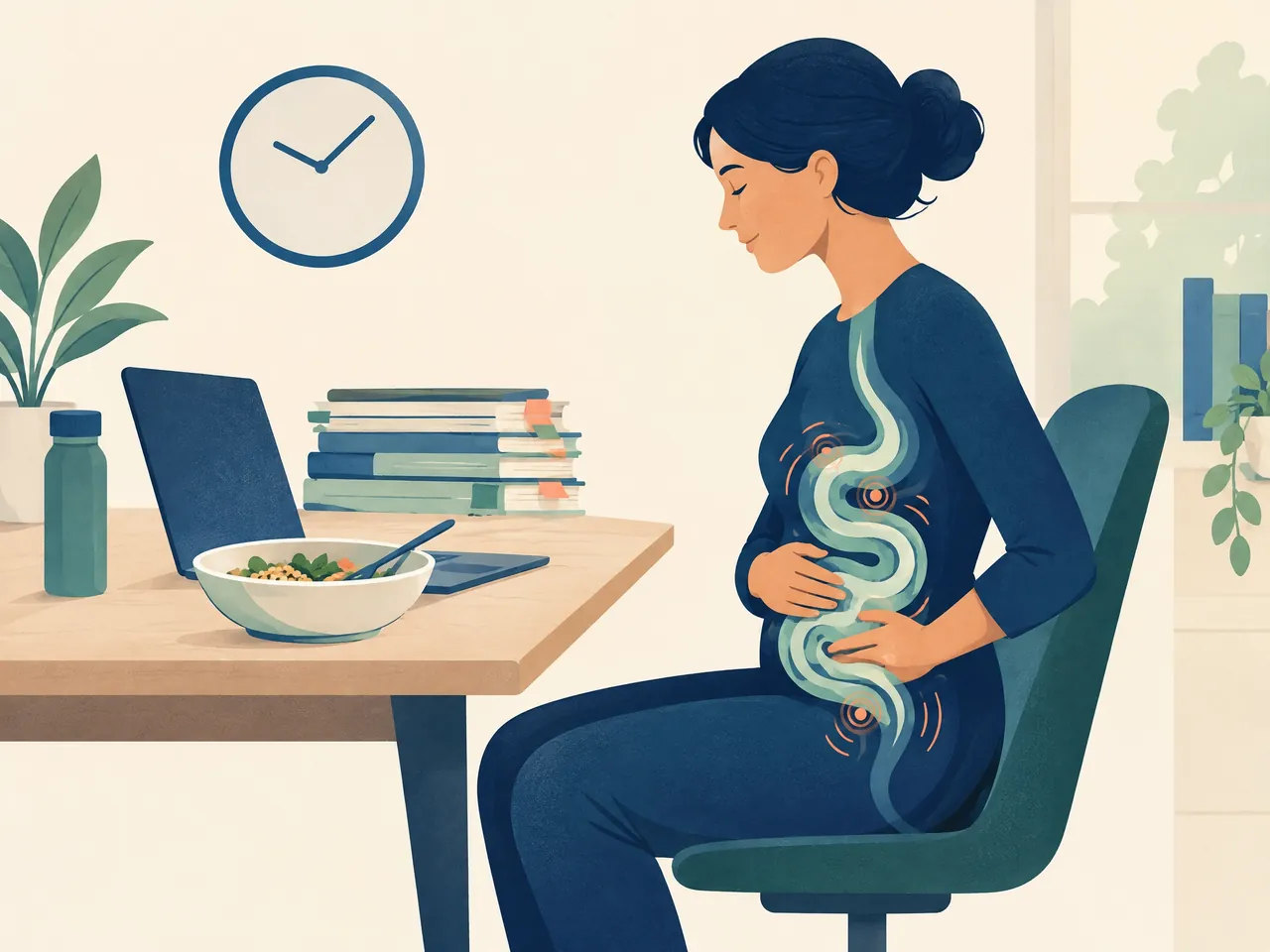
Assessment before supportive care protects time as well as safety. It helps distinguish a familiar, stable pattern from symptoms that have changed, and it prevents the pressure to try several approaches at once without knowing what is helping. Hong Kong guidance notes that tests such as blood or stool tests, imaging or colonoscopy are selected using clinical judgement, risk factors and alarming symptoms; they are not automatically the same for everyone [1]. Ask what diagnosis is being considered, what needs to be ruled out, and what change should prompt you to return sooner.
A Chinese medicine consultation normally gathers broad information about digestion, appetite, sleep, temperature sensations, mood and daily routines as well as bowel symptoms. Traditional pattern descriptions can inform that practitioner’s approach, but they are not modern medical diagnoses. If acupuncture for irritable bowel syndrome is of interest, say whether needles, fainting, bleeding risk, pregnancy, skin infection, implanted devices, medicines or previous reactions are relevant. Clear disclosure lets the practitioner decide whether treatment is appropriate and helps keep complementary care coordinated with conventional care.
Compare your options
| Discussion point | What to prepare or try | When to involve a clinician promptly |
|---|---|---|
| Pain, bloating and bowel pattern | Keep a two-week record of timing, stool changes, meals, sleep and stress. | New or changing symptoms, blood in stool, unexplained weight loss, anaemia or symptoms that worry you. |
| Food changes | Test one change at a time; discuss a short, guided low-FODMAP trial or fibre changes where suitable. | Weight loss, a very restricted diet, another digestive condition, pregnancy or uncertainty about nutrition. |
| Daily routines and stress | Set regular meals where possible, allow toilet time, add gentle activity and use a manageable wind-down routine. | Persistent anxiety, low mood, poor sleep or symptoms that are limiting work, school or leaving home. |
| Acupuncture or Chinese medicine | Bring the symptom diary and full list of medicines, remedies and supplements; discuss goals and evidence limits. | Before changing prescribed medicines, or if warning signs have not been medically assessed. |
On smaller screens, scroll the table sideways to compare all columns.
IBS treatment options Hong Kong: diet, daily habits and stress | acupuncture for irritable bowel syndrome | irritable bowel syndrome Chinese medicine
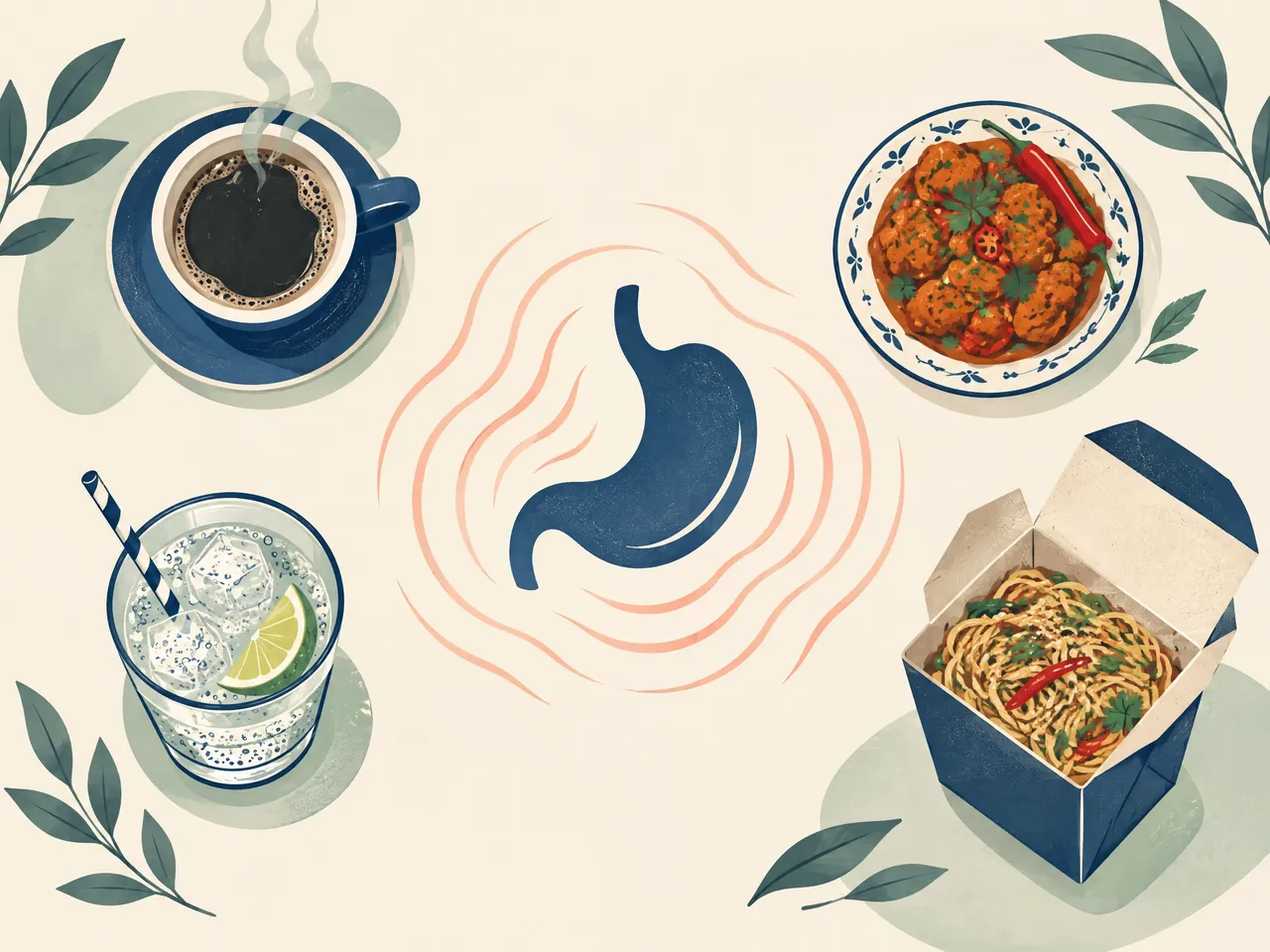
For many people, day-to-day management is less about finding a perfect diet than creating a pattern that is calm, adequate and repeatable. Eat at a pace that suits you, avoid regularly skipping meals if that leads to overeating later, and allow enough time after eating before a long commute or intense meeting when possible. Notice whether large, rich meals, alcohol, caffeine, spicy foods or fizzy drinks repeatedly coincide with symptoms. These are observations to test carefully, not reasons to cut out whole food groups overnight.
IBS can affect social plans, work travel and eating out. Choose one manageable adjustment at a time: a more regular breakfast, a short walk after lunch, or a pause before an urgent rush to the toilet. If constipation is part of the pattern, hydration, food intake and activity deserve discussion. The aim is reliable function and a workable quality of life. Hong Kong consensus guidance includes exercise, diet, stress-coping strategies and sleep in IBS care [1].

Stress is not a suggestion that symptoms are imagined. The gut and nervous system influence one another, and worry about urgency can itself narrow routines and make symptoms harder to manage. Brief breathing practice, relaxation, gentle movement, a regular wind-down time or talking with a qualified mental-health professional may be useful parts of a broader plan. When anxiety, low mood or poor sleep is persistent, mention it directly in primary care; it deserves support in its own right.
IBS treatment options Hong Kong: food triggers and low-FODMAP guidance | acupuncture for irritable bowel syndrome | irritable bowel syndrome Chinese medicine
A low-FODMAP diet is a structured short-term dietary approach, not a universal lifelong ban. FODMAPs are carbohydrates that can be difficult to digest for some people. The U.S. National Institute of Diabetes and Digestive and Kidney Diseases notes that a clinician may suggest trying the diet for a few weeks, then gradually adding foods back if symptoms improve to learn which foods are tolerated [3]. That reintroduction step matters: it can reduce unnecessary restriction and makes the plan more realistic for Hong Kong meals at home, at work and with family.
Before changing fibre, gluten or FODMAP-containing foods, consider your predominant bowel pattern and current diet. NIDDK notes that fibre may help constipation, that soluble fibre may be more helpful for IBS symptoms, and that adding fibre too quickly can increase gas and bloating [3]. A dietitian or clinician can help shape an adequate trial when meals are already limited, weight is falling, pregnancy is relevant, or you have another digestive condition. For a wider introduction to complementary approaches, see Chinese medicine for IBS; it should sit alongside, rather than replace, nutrition and medical guidance.
IBS treatment options Hong Kong: sleep, routines and the gut–brain connection | acupuncture for irritable bowel syndrome | irritable bowel syndrome Chinese medicine
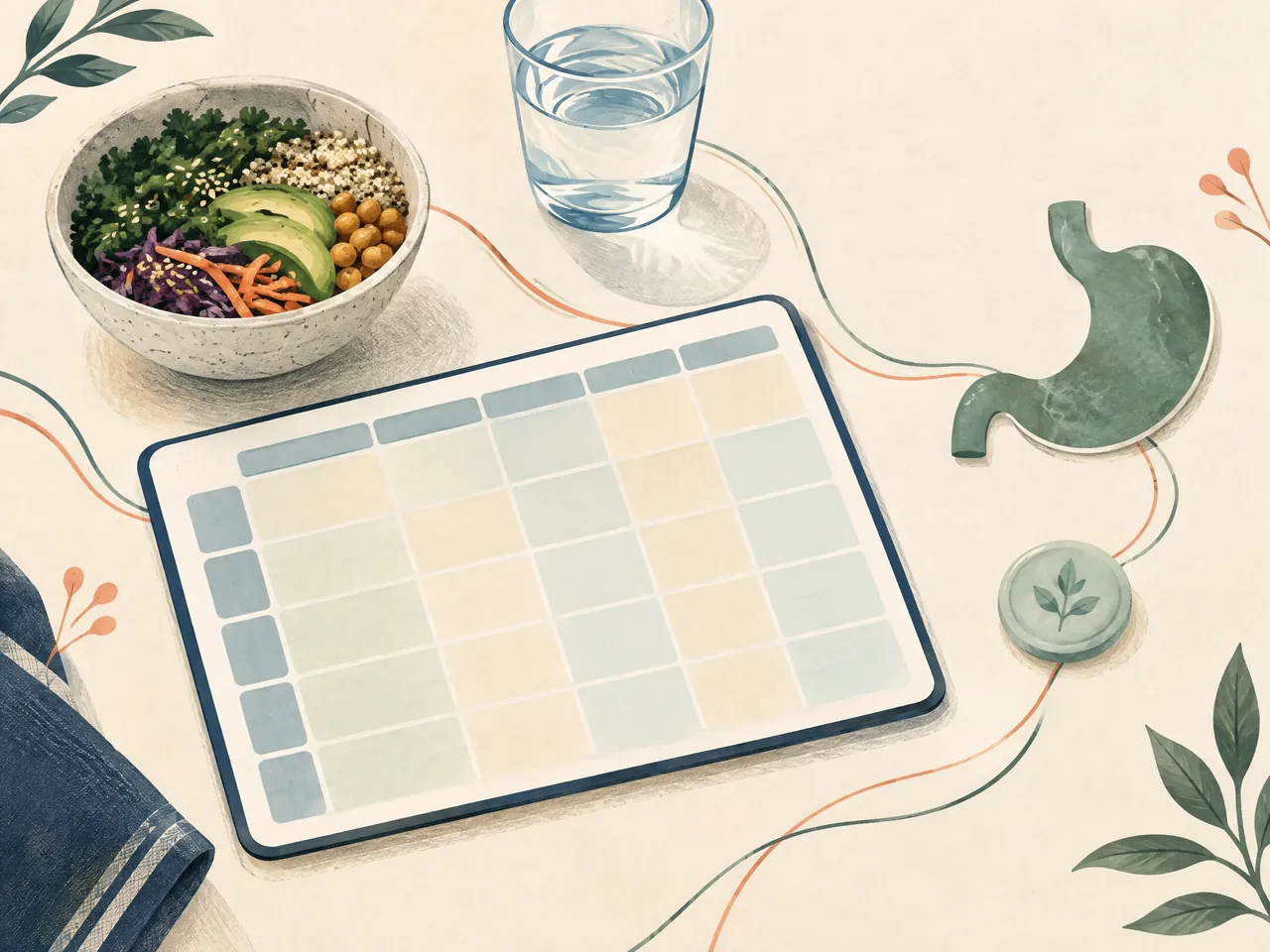
Look for the daily sequence around symptoms. A rushed morning with no breakfast, multiple coffees, a crowded commute and a late lunch can be a different problem from symptoms that arise after a normal meal but follow a poor night’s sleep. Try keeping wake and meal times reasonably consistent, building in a few unhurried minutes for the toilet, and planning access to familiar food on busy days. These small practical steps can reduce uncertainty even when they do not remove every symptom.
Support should be matched to the pressure you are carrying. Some people benefit from regular exercise or guided relaxation; others need help with persistent anxiety, low mood, sleep problems or fear of leaving home. An appointment can include these concerns without reducing IBS to stress alone. If reflux or burning behind the breastbone is also part of the picture, read heartburn and acid reflux rather than assuming it is the same condition. Naming separate symptoms accurately helps each concern receive appropriate assessment.
IBS treatment options Hong Kong: evidence, safety and supportive care | acupuncture for irritable bowel syndrome | irritable bowel syndrome Chinese medicine
Care is often chosen by the symptom that affects life most: cramping, diarrhoea, constipation, bloating, urgency or an unpredictable bowel. Medical clinicians may discuss diet, medicines or referral in light of that pattern and other health conditions. Complementary care should add support, not make you choose sides or stop needed treatment. Before booking, ask whether an approach suits your symptoms, what it involves, how progress will be reviewed, and when medical reassessment is needed.
It is reasonable to be curious about acupuncture and to be equally careful about claims. Cochrane’s review found that the higher-quality sham-controlled trials did not show acupuncture to be better than sham acupuncture for IBS symptom severity or IBS-related quality of life. Other, unblinded comparisons produced more favourable reports but had a high risk of bias, so they cannot settle the question [4]. In practice, this means acupuncture for irritable bowel syndrome can be discussed as an adjunct for a person who understands the uncertainty; it should not be presented as proven, guaranteed or curative.

Herbal Chinese medicine also requires individual assessment rather than a web-page formula. Tell the practitioner about every medicine and supplement, allergies, pregnancy plans and relevant medical history. Do not self-prescribe herbs from a generic symptom label, and do not stop antidiarrhoeals, laxatives, pain medicines or other prescriptions without speaking to the clinician who prescribed them. If you want a focused discussion of the research question, Does acupuncture work for IBS? offers a related reading path.
IBS treatment options Hong Kong: what the evidence says about acupuncture for irritable bowel syndrome | irritable bowel syndrome Chinese medicine
The key comparison in acupuncture research is not simply acupuncture versus no treatment. Sham-controlled studies try to separate a treatment’s specific effect from attention, expectations and natural variation in IBS symptoms. Cochrane reported no advantage over credible sham acupuncture on the main outcomes in its sham-controlled studies [4]. The finding cannot predict an individual experience, but it sets an honest limit on what a clinic can promise.
If you elect to try acupuncture after assessment, use practical review points rather than chasing a fixed number of visits. Agree on the symptoms and daily activities that matter to you, keep the same diary, and tell the practitioner if symptoms change or adverse effects occur. Ask how needle hygiene and suitability are handled, and make sure your wider care team knows about the treatment. For another explanation of the decision, visit Can Chinese medicine help IBS?.
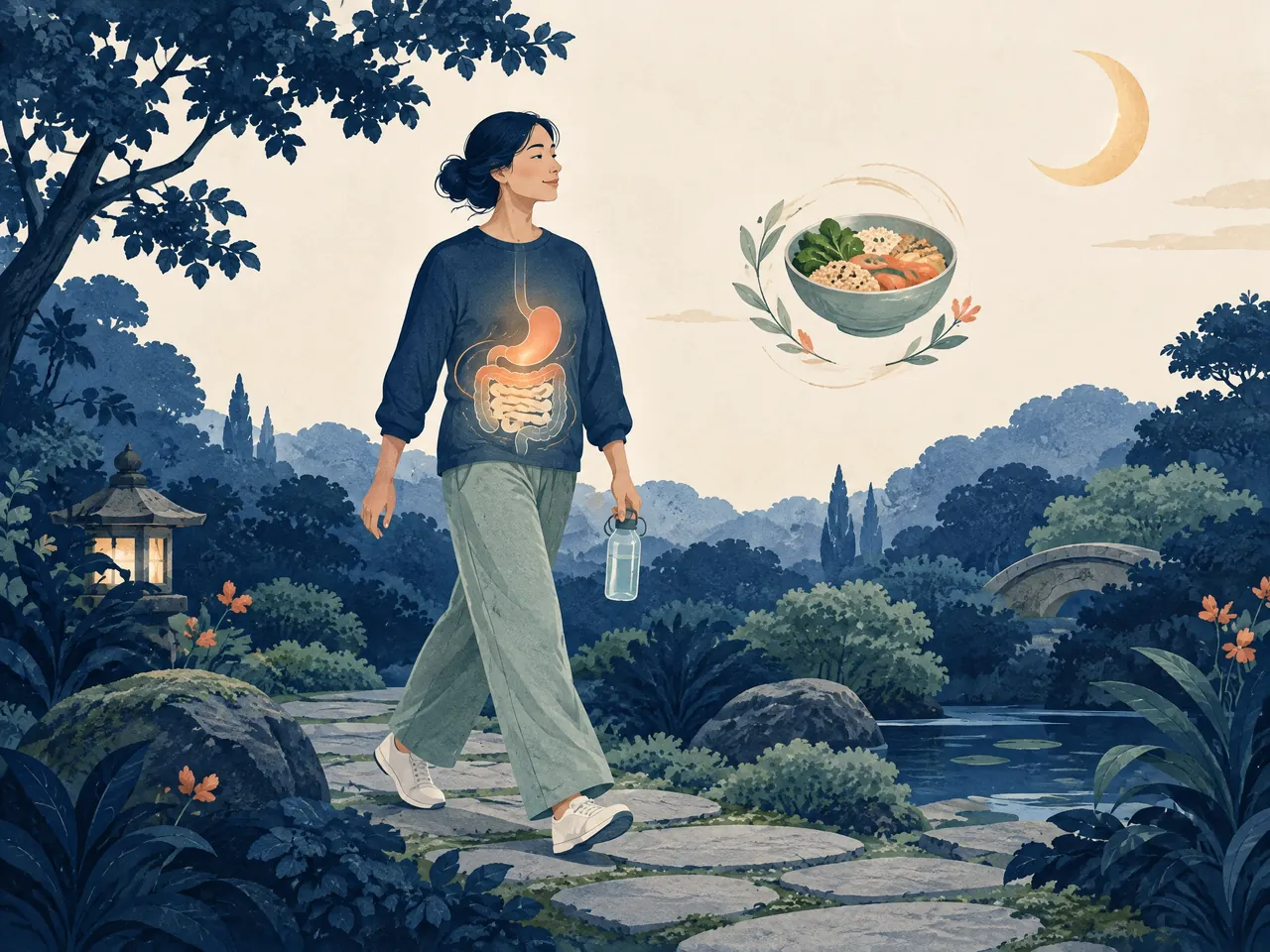
IBS treatment options Hong Kong: discussing medicines and supportive irritable bowel syndrome Chinese medicine | acupuncture for irritable bowel syndrome
Bring your medication list to both medical and Chinese medicine appointments, including names, doses and how often you take them. Be frank about medicines bought without a prescription, teas, powders and supplements too. This helps clinicians look for possible causes of bowel changes and avoid uncoordinated decisions. A responsible discussion of irritable bowel syndrome Chinese medicine includes what is already being used, what outcome you hope to improve, and what symptoms mean the plan should pause for further medical review.
TCM Lab offers appointments in Prince Edward and Kwun Tong; you can enquire with the Kwun Tong Chinese medicine clinic or the Chinese medicine clinic Prince Edward about a consultation after appropriate assessment. Ask in advance about the format of care and bring your symptom record rather than expecting a fixed prescription from a web page. If costs are part of your decision, the Chinese medicine clinic price list Hong Kong is the appropriate place to check current listed information.
Care and health guide
Health service information
This directory brings together services, reading, and visit information related to health services, to help you prepare questions for a consultation.
If you are organising health questions, acupuncture Hong Kong is a starting point for learning about related services and preparing for a consultation.
People have different needs; Chinese medicine pain management Hong Kong provides further reading to help you understand options in your own context.


Your questions, answered
Frequently asked questions
What should I record before discussing IBS treatment options in Hong Kong?
Record abdominal pain, bloating, bowel frequency and stool changes, plus meals, drinks, sleep, stress, recent illness and all medicines or supplements. Two weeks is often enough to reveal a pattern without making the task overwhelming. Bring the record to a clinician or practitioner, especially if symptoms have changed.
Is acupuncture for irritable bowel syndrome proven to work?
No treatment outcome can be promised. Cochrane found that higher-quality sham-controlled trials did not show acupuncture outperforming sham acupuncture for IBS symptoms or IBS-related quality of life [4]. It can be discussed as a supportive option after assessment, with a clear understanding of this limitation.
Can irritable bowel syndrome Chinese medicine replace my prescribed medicine?
No. Do not stop or alter prescribed medicine on your own. Tell the Chinese medicine practitioner about every medicine, over-the-counter product and supplement you use, and discuss any change with the clinician who prescribed it. Coordinated care is particularly important when symptoms are new, severe or changing.
How does a low-FODMAP diet fit into IBS care?
It is usually a structured, temporary trial under professional guidance, followed by gradual reintroduction if symptoms improve. It is not intended to make every high-FODMAP food permanently off limits. A clinician or dietitian can help keep the diet adequate and appropriate for your bowel pattern [3].
Sources and further information
- [1] [1] Hong Kong Medical Journal — The current treatment landscape of irritable bowel syndrome in adults in Hong Kong: consensus statements
Referenced for: Hong Kong consensus context for symptom-based assessment, alarm features, lifestyle and multidisciplinary management.
- [2] [2] NHS — Irritable bowel syndrome (IBS)
Referenced for: Overview of common IBS symptoms and the roles of diet, lifestyle and medicines.
- [3] [3] NIDDK — Eating, Diet, & Nutrition for Irritable Bowel Syndrome
Referenced for: Diet, fibre and low-FODMAP trial and reintroduction guidance.
- [4] [4] Cochrane — Acupuncture for irritable bowel syndrome
Referenced for: Evidence limitations for acupuncture, including sham-controlled IBS trials.