
TCM Lab · Health reading
tennis elbow from gripping; tennis elbow from repetitive movements; tennis elbow from repetitive wrist movement — What the Triggers Mean
Published Updated
Pain on the outside of the elbow after holding, twisting or lifting is often described as tennis elbow, even when no tennis racket is involved. Tennis elbow from gripping can build when the forearm repeatedly has to hold a firm handle or stabilise the wrist. Tennis elbow from repetitive movements may also follow a familiar mix of mouse work, tool use, cooking, exercise and household tasks. The useful question is not simply whether an activity hurts, but which combination of force, repetition, wrist position and recovery time repeatedly provokes it. That pattern can guide sensible changes while helping you recognise when an assessment is needed.
Appointments are confirmed through WhatsApp. If you have language requirements, please mention them in your enquiry.
The short answer
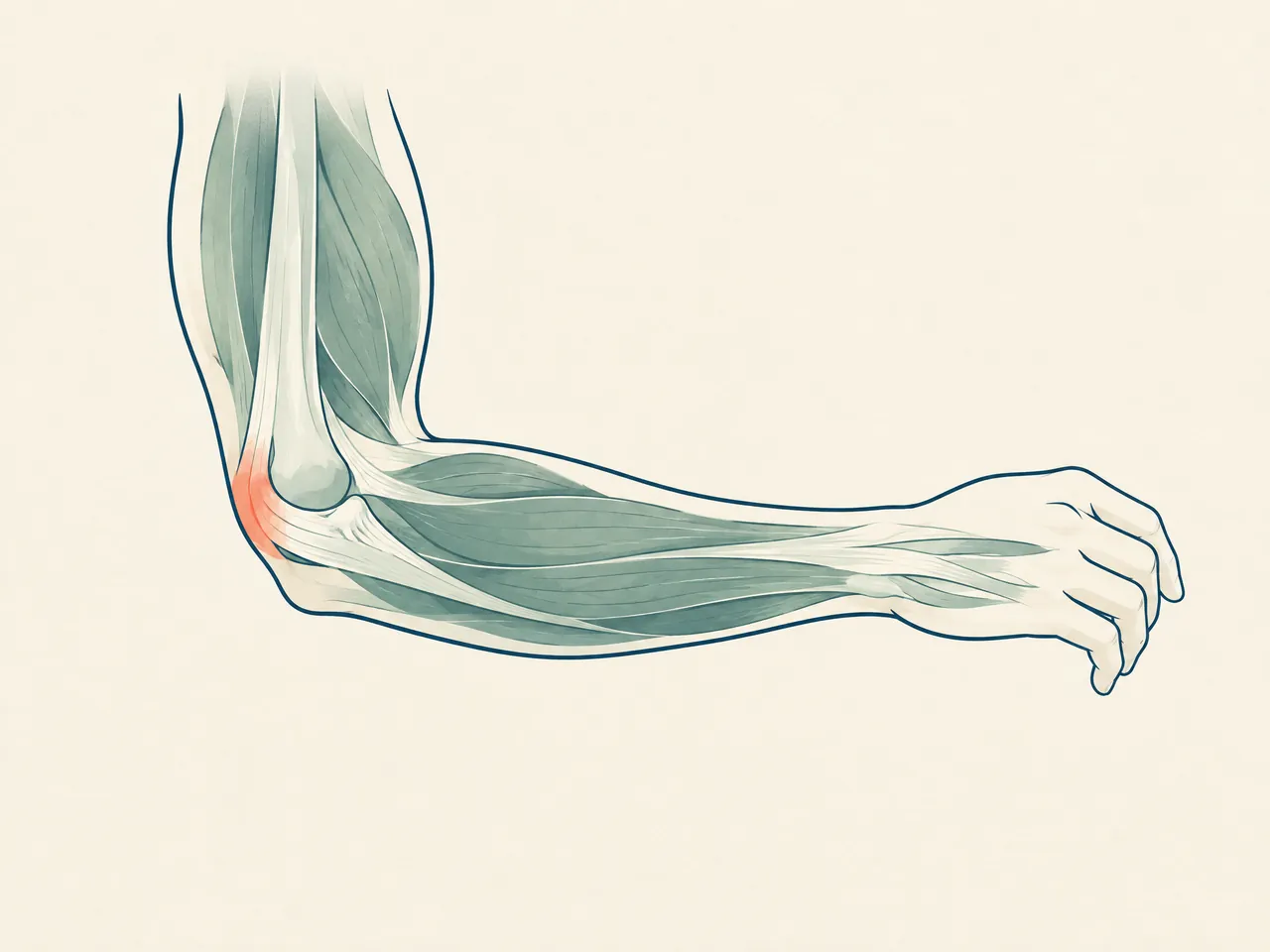
Tennis elbow from gripping or repetitive wrist movement usually refers to an overuse pattern affecting the tendons on the outside of the elbow. Firm holding, twisting, lifting and repeated wrist extension can make symptoms more noticeable. Begin by identifying the task and position that reliably aggravate pain, then reduce or modify that load rather than pushing through it. Seek an assessment if pain persists, limits ordinary work or follows an injury, especially when there is marked weakness, numbness or swelling.
Transparent pricing
See the fees.
Choose your care.
Explore our complete official price list, including first-trial prices, regular prices, packages and branch-specific options.
Opening WhatsApp prepares an enquiry; it does not send a message, take payment or confirm an appointment. Suitability and individual arrangements are confirmed during consultation.
Pain care
All prices in HKDExtracorporeal shockwave treatment
Shockwave treatment for deep-tissue and fascial care. The Kwun Tong clinic offers the multi-area options shown below.
Priced by branch
Branch-specific pricing
Prince Edward: HK$250 per area
Kwun Tong: HK$250 for 1 area / HK$450 for 2 areas / HK$600 for 3 areas
Pain care (manual therapy)
Includes Chinese medicine musculoskeletal assessment, manual joint techniques and tui na.
HK$580 (single session)
Chinese medicine musculoskeletal assessment
Pain care (acupuncture and manual therapy)
Combines acupuncture and manual therapy.
HK$680 (single session)
Combined care
Hair and scalp
All prices in HKDScalp health and hair-loss management
Includes AI scalp analysis, deep scalp and follicle cleansing, and scalp oil-control care.
HK$380 (first trial)
Regular price: HK$680
- 6 sessions: HK$3,480 (HK$580 per session)
- 12 sessions: HK$5,760 (HK$480 per session)
- 20 sessions: HK$8,600 (HK$430 per session)
- 30 sessions: HK$11,400 (HK$380 per session)
Hair acupuncture and Chinese herbal medicine package
Includes scalp acupuncture and 3 days of Chinese herbal medicine that does not require decoction.
HK$580 (single session)
Registered Chinese Medicine Practitioner consultation
- 6 sessions: HK$3,180 (HK$530 per session)
- 12 sessions: HK$5,760 (HK$480 per session)
- 20 sessions: HK$8,600 (HK$430 per session)
- 30 sessions: HK$11,400 (HK$380 per session)
Combined hair and scalp treatment
Combines acupuncture and Chinese herbal medicine with salon-level scalp and follicle care. Packages include complimentary hair-care shampoo and serum.
HK$1,260 (single session)
Combined treatment
- 8 sessions: HK$8,640 (HK$1,080 per session)
- 16 sessions: HK$15,680 (HK$980 per session)
- 20 sessions: HK$18,600 (HK$930 per session)
- 30 sessions: HK$26,400 (HK$880 per session)
Weight management
All prices in HKDFull-body acupoint embedding for weight management
Includes full-body acupoint embedding. Packages include complimentary Chinese herbal medicine for weight management, with the number of included days scaled to the package. Embedding material and the individual treatment arrangement are confirmed during consultation; this is not a cosmetic thread lift.
HK$980 (single session)
No trial session
- 10 sessions: HK$7,800 (HK$780 per session)
- 20 sessions: HK$14,600 (HK$730 per session)
- 30 sessions: HK$20,400 (HK$680 per session)
Facial acupuncture
All prices in HKDFacial acupuncture (basic)
Includes facial acupuncture and meridian-based facial care, including care for facial puffiness.
HK$480 (first trial)
Regular price: HK$680
- 10 sessions: HK$5,200 (HK$520 per session)
- 20 sessions: HK$9,600 (HK$480 per session)
- 30 sessions: HK$13,500 (HK$450 per session)
Facial acupuncture (advanced)
Includes enhanced facial acupuncture with a specially formulated moisturising mask and serum.
HK$780 (first trial)
Regular price: HK$1,180
- 10 sessions: HK$9,000 (HK$900 per session)
- 20 sessions: HK$16,600 (HK$830 per session)
- 30 sessions: HK$23,400 (HK$780 per session)
Chinese medicine
All prices in HKDAcupuncture and Chinese herbal medicine package
Includes a Chinese medicine consultation with pulse assessment, body acupuncture and 3 days of Chinese herbal granules that do not require decoction.
HK$580 (single session)
Chinese medicine consultation with pulse assessment
tennis elbow from gripping; tennis elbow from repetitive movements; tennis elbow from repetitive wrist movement — Main Causes
Tennis elbow is also called lateral epicondylitis or lateral elbow tendinopathy. It is commonly associated with overuse of the forearm muscles and tendons that attach around the bony outer elbow. The wrist extensors help lift and steady the hand; they work harder when a hand grips a handle, keeps a wrist from bending back, or controls an object as it is lowered. Repeated loading may make that attachment painful and tender. The label does not mean that tennis is the only cause: clinical sources list computer work, screwdriver use, painting, manual work and leisure activities among possible contributors. [1] [2] For a wider explanation of patterns and contributing activities, see tennis elbow causes. The contribution of an activity is often easier to see by comparing a normal day with a busy one. A new project, longer shift, heavier load, faster pace, changed tool or return to sport after a break can all alter the demand. Rather than blaming one movement in isolation, look for the total exposure that preceded the flare.
tennis elbow from gripping; tennis elbow from repetitive movements; tennis elbow from repetitive wrist movement — How Tendons Become Overloaded
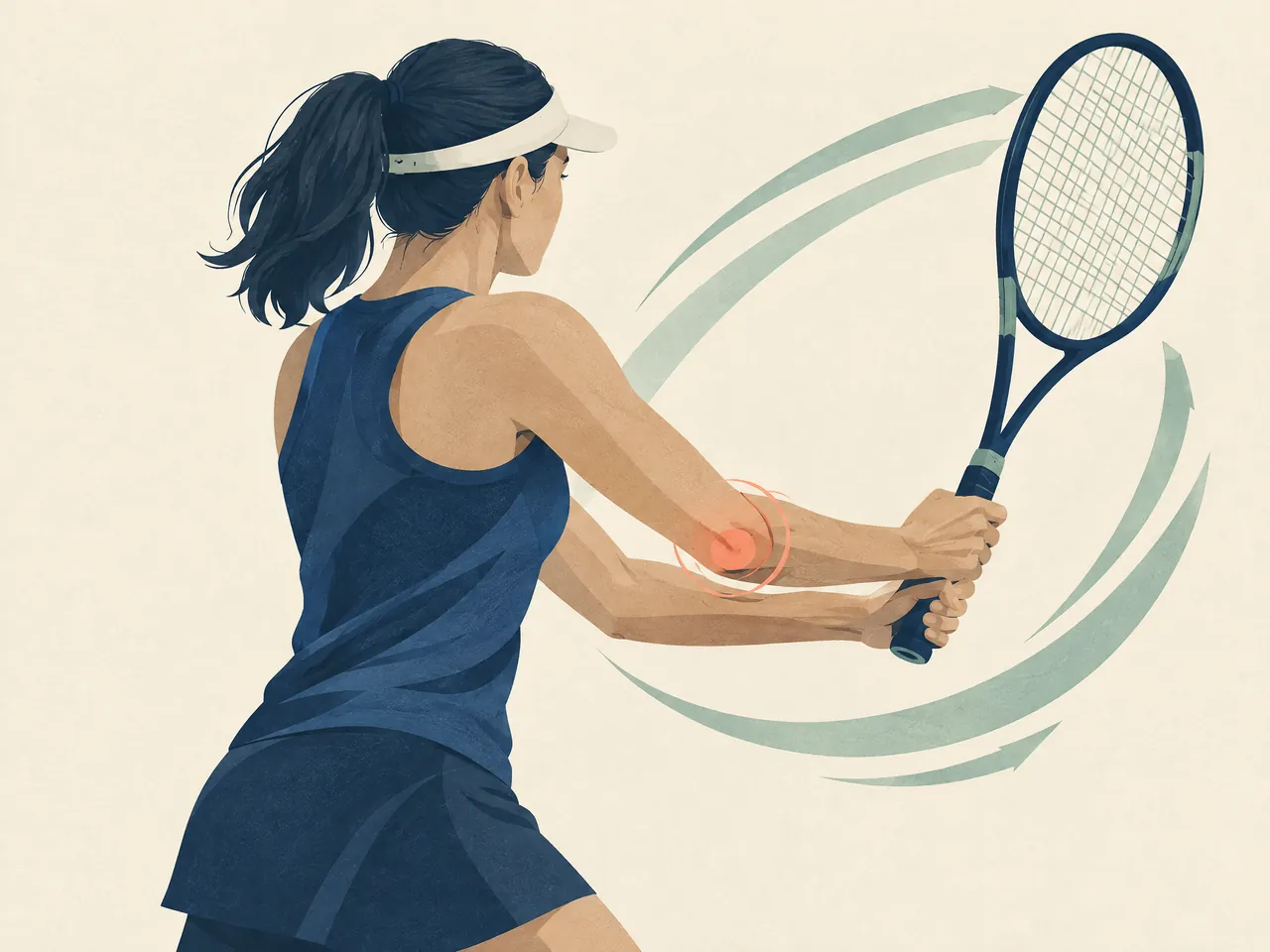
A single comfortable grip is rarely the whole story. Load builds from the force used, how long it is held, the angle of the wrist, how often the task is repeated and whether the arm has time to settle between bouts. Holding a heavy frying pan with the wrist extended, carrying bags with the palm down, or squeezing a tool while turning the forearm can combine several of those demands. The soreness may not appear only during the task; it can become obvious when shaking hands, lifting a mug or turning a key later in the day. Mayo Clinic notes that pain can spread from the outer elbow into the forearm and wrist, and that gripping an object or turning a doorknob may become difficult. [2] The same activity can be tolerated one week and troublesome the next when volume, pace or grip force has changed.
tennis elbow from gripping; tennis elbow from repetitive movements; tennis elbow from repetitive wrist movement — Common Work and Daily Triggers
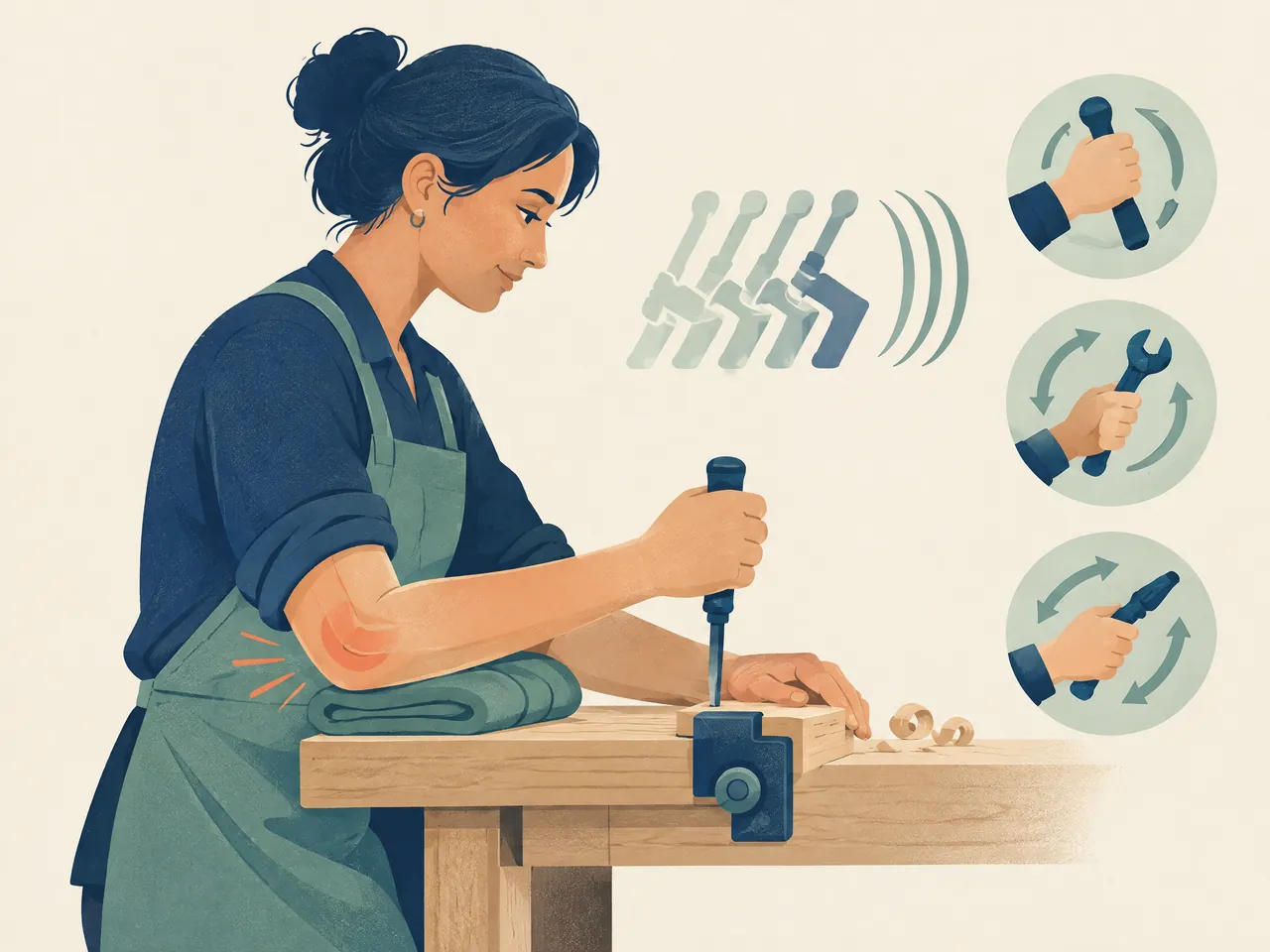
Start with a practical activity review rather than assuming the most obvious task is responsible. In an office, a mouse positioned far from the body may leave the forearm reaching and the wrist held tense for long stretches. At home, repetitive chopping, scrubbing, wringing cloths, opening tight containers, gardening or lifting a child can be the more important exposure. Trades and hobbies may add vibration, a narrow handle, sustained trigger pressure or repeated turning. A useful clue is whether outer-elbow pain predictably rises during gripping, wrist motion, lifting or bending the arm; these are common aggravating movements described by the NHS. [1] Readers whose discomfort is linked mainly to desk tasks can also compare their pattern with tennis elbow from computer mouse use. Think too about the non-work tasks that are easy to overlook: carrying shopping home, long phone use with a tense hand, weekend DIY or a new exercise class can be enough to keep irritation going. Write down a short list of repeated actions before an assessment, including the hand used and the duration, rather than relying on memory after a painful week.
Compare your options
| Trigger pattern | A useful adjustment to trial | What to observe |
|---|---|---|
| Firm or sustained gripping of a tool, bag or handle | Reduce grip force where safe, use two hands for heavier objects and pause before fatigue builds | Whether outer-elbow pain is less marked during the task and later that day |
| Repeated twisting, such as turning a screwdriver, key or jar lid | Share the task, use a tool that improves leverage or alternate with a less demanding activity | Whether twisting rather than general arm use is the main aggravator |
| Long computer or mouse sessions | Bring the input device closer, support the forearm comfortably and take regular movement breaks | Whether symptoms track duration, reaching or a tense wrist position |
| Lifting or carrying with the wrist held back | Keep the wrist nearer a neutral position and reduce the load or number of trips temporarily | Whether changing wrist position makes the task more manageable |
On smaller screens, scroll the table sideways to compare all columns.
tennis elbow from gripping; tennis elbow from repetitive movements; tennis elbow from repetitive wrist movement — Symptoms and When to Seek Assessment
The typical complaint is pain and tenderness at or near the outside of the elbow. It may be mild at first and become more intrusive over weeks, particularly after the same forearm activity is repeated. Some people notice aching down the forearm, a weaker-feeling grip, or discomfort when holding a cup, using a door handle, lifting a pan or shaking hands. [2] Symptoms can vary, so the location, the movement that reproduces them and the effect on daily function matter more than trying to diagnose yourself from one test. The phrase tennis elbow is a useful description of a pattern, not proof that every outer-elbow problem has the same cause. It is worth separating discomfort that settles promptly with a small adjustment from pain that changes how you sleep, work or use the hand. Functional impact is useful clinical information: mention if you are avoiding a particular task, dropping items, asking someone else to lift, or cannot complete routine work comfortably.
tennis elbow from gripping; tennis elbow from repetitive movements; tennis elbow from repetitive wrist movement — Recognising the Pattern
Keep the observation simple for several ordinary days. Note which hand is affected, the exact spot of pain, whether gripping or wrist extension brings it on, and whether it eases after a break. A gradual onset after a period of repetitive work is compatible with a tendon-overload pattern, while a sudden pain after a fall, blow or forceful pull deserves a different level of attention. Do not repeatedly provoke the area to prove the point. Instead, use the information to modify the task and to explain the pattern clearly during an appointment. NHS guidance advises medical review if elbow pain remains after at least two weeks of rest and self-care. [1] Earlier assessment is sensible when pain is substantially disrupting sleep, work or basic tasks, or when it is getting worse rather than settling.
tennis elbow from gripping; tennis elbow from repetitive movements; tennis elbow from repetitive wrist movement — Distinguishing Other Elbow Pain
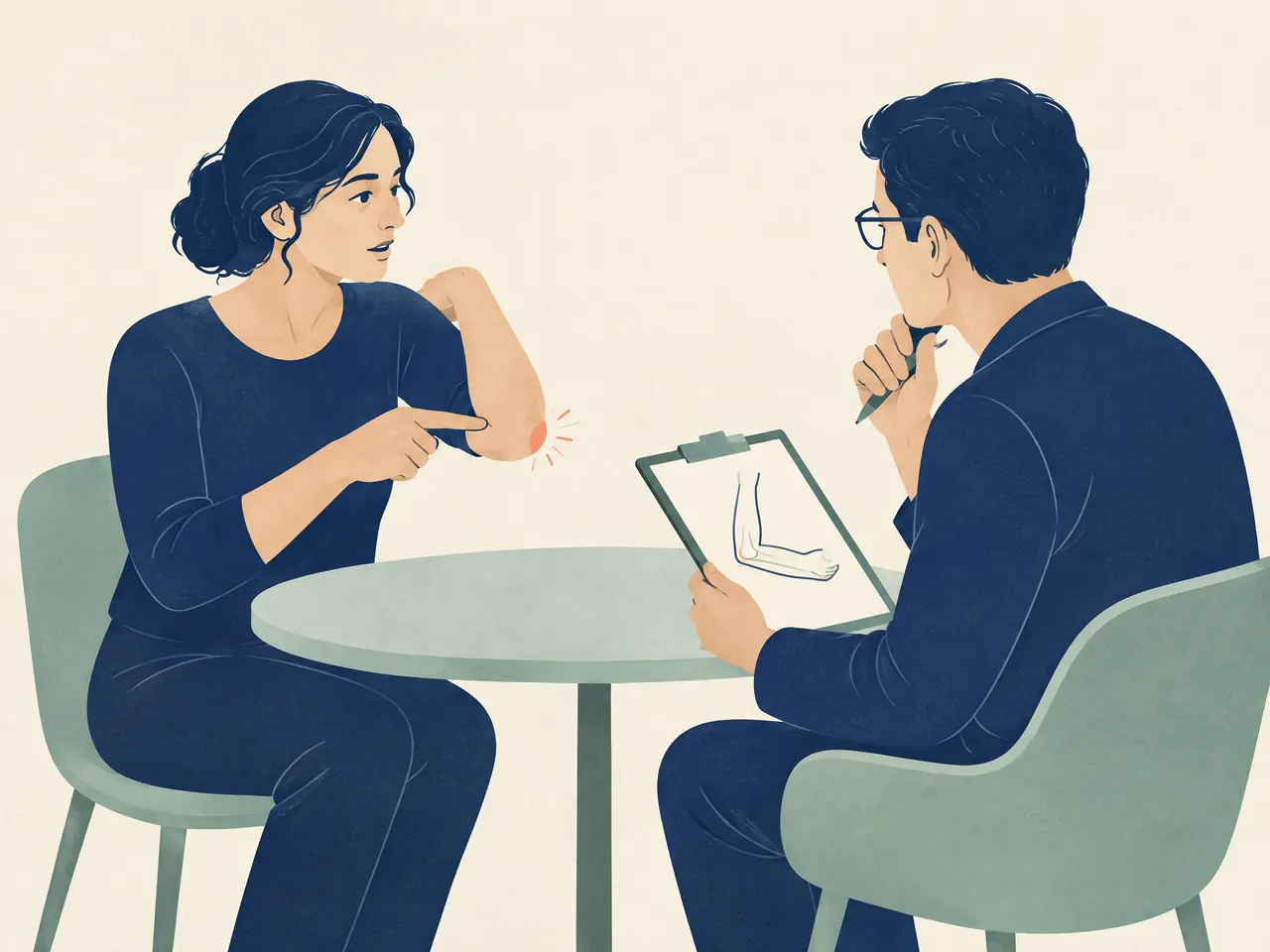
Not all pain around the elbow comes from the outer-elbow tendon attachment. Pain on the inner elbow, pain centred behind the elbow, joint stiffness, a visible deformity, or symptoms beginning after a significant injury may point to another problem. Tingling, altered sensation or notable weakness can also require a clinician to consider nerve involvement or a source higher in the arm or neck. An orthopaedic assessment commonly takes account of how symptoms developed, prior injury, work and sport exposures, and may use further tests to rule out arthritis, neck-related pain or nerve compression when indicated. [3] If the question is simply why the outside of the elbow hurts, our overview of outside elbow pain causes may help frame the discussion, but it cannot replace an examination. Do not try to decide between these possibilities by forcefully pressing, stretching or loading the painful area at home. A clinician can combine the symptom story with a physical examination and decide whether the presentation is straightforward or needs further medical investigation.
tennis elbow from gripping; tennis elbow from repetitive movements; tennis elbow from repetitive wrist movement — Load Management and Support
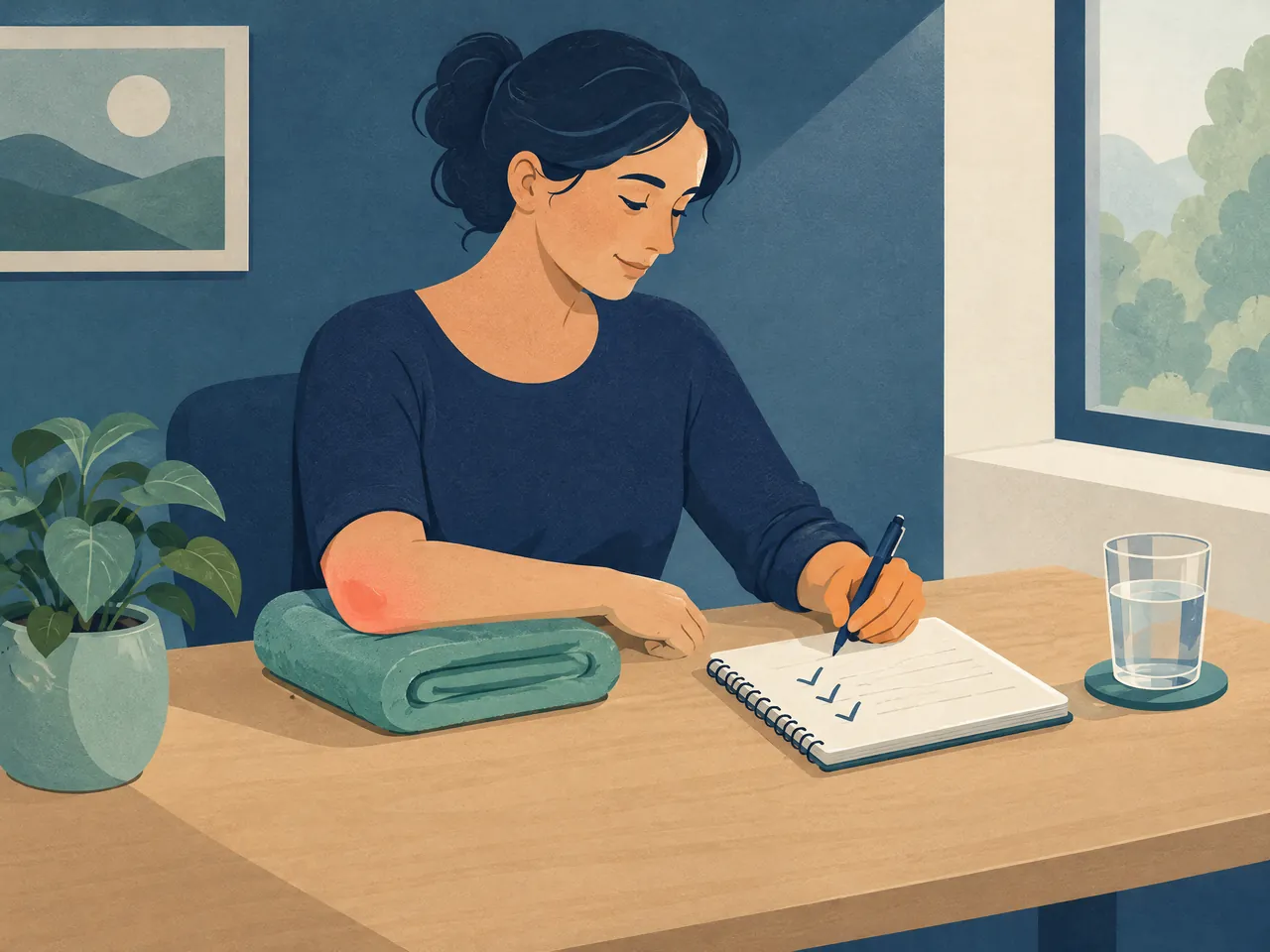
The goal of early self-management is usually to lower the specific load that keeps flaring the area while preserving comfortable use of the arm. That is more targeted than ignoring pain and more realistic than stopping every activity. Change one or two demands first, observe the response over a few days, then decide whether another adjustment is needed. A clinician or physiotherapist can assess movement, strength and work demands in context and advise on a suitable rehabilitation plan. Pain relief measures, a strap or an adjunctive approach may sometimes be discussed, but none should become a reason to continue a clearly aggravating workload unchanged. A workable plan is specific: for example, a temporary limit on a painful lifting task, a different way to hold an item, and a defined break in a repetitive routine. If the response is better, build activity back gradually instead of returning immediately to the previous peak demand.
tennis elbow from gripping; tennis elbow from repetitive movements; tennis elbow from repetitive wrist movement — Adjusting Aggravating Activities
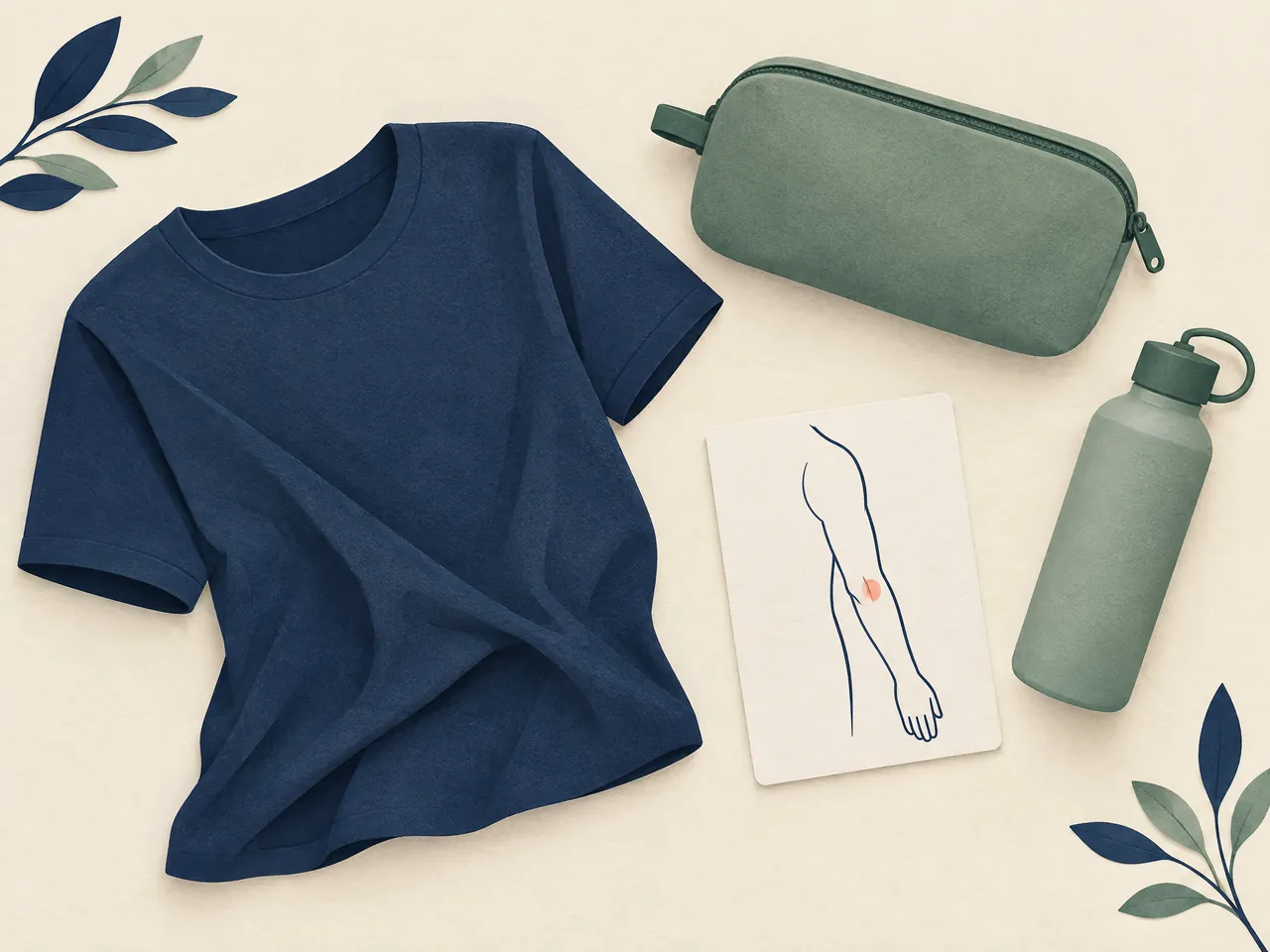
Make the task easier before making the arm work harder. Use two hands for a heavy pot or bag when practical, bring an item close to the body, and avoid repeatedly carrying it with the wrist bent back. For tools, consider a handle and grip size that do not require excessive squeezing, take short breaks before pain escalates, and vary the task if work permits. At a desk, bring the mouse within easy reach, rest the forearm where comfortable and break up long, uninterrupted bouts rather than clenching through a demanding deadline. Reducing activities that worsen symptoms is part of NHS self-care guidance. [1] For decisions about warmth or cooling as a comfort measure, see tennis elbow heat or ice; stop if either makes symptoms worse and protect skin from extreme temperature.

tennis elbow from gripping; tennis elbow from repetitive movements; tennis elbow from repetitive wrist movement — Stretching, Strengthening and Care
Stretching and strengthening are not a competition to work through sharp pain. They are usually progressed from a level the arm can tolerate, with attention to symptom response during and after exercise. The NHS notes that simple exercises and, in some cases, a forearm strap or brace may be among self-care options; AAOS similarly describes therapeutic exercises and bracing as parts of non-surgical management that should be individualised. [1] [3] A strap is not a licence to keep performing a task that consistently worsens symptoms; its fit and suitability can be checked with a qualified professional. If you are considering acupuncture within Chinese medicine care, discuss it after an individual assessment as a possible adjunct, not as a guaranteed cure or a substitute for modifying load and rehabilitation. To ask about an appointment at TCM Lab, you may contact Chinese medicine clinic Prince Edward or the Kwun Tong Chinese medicine clinic and describe the movements that bring on your elbow pain. Bring any useful observations about hand dominance, the onset of symptoms and the work or home tasks you have already adjusted; this helps make the conversation more specific than simply saying that the elbow hurts.
Care and health guide
Health service information
This directory brings together services, reading, and visit information related to health services, to help you prepare questions for a consultation.
If you are organising health questions, Chinese medicine clinic Hong Kong is a starting point for learning about related services and preparing for a consultation.
People have different needs; acupuncture Hong Kong provides further reading to help you understand options in your own context.


Your questions, answered
Frequently asked questions
Is tennis elbow always caused by playing tennis?
Why does tennis elbow hurt when I grip a cup or shake hands?
Gripping recruits forearm muscles that help stabilise the wrist. When the outer-elbow tendon area is sensitive, that demand can reproduce pain or make the grip feel weak. It is a common pattern, but an assessment is needed if symptoms are persistent or do not fit this description.
Can I use heat or ice for tennis elbow from repetitive wrist movement?
A wrapped hot or cold pack can be a comfort option for some people, and the NHS includes either among self-care measures. [1] Choose the one that feels better, protect the skin, and stop if it worsens symptoms. It does not replace changing the aggravating activity or seeking help when pain persists.
When should I seek assessment for outer-elbow pain?
Arrange assessment if pain continues despite reducing aggravating activity and trying sensible self-care, especially if it affects work, sleep or ordinary grip. Seek prompt medical care after a significant injury or when there is deformity, marked swelling, weakness, numbness or progressive symptoms.
Sources and further information
- [1] [1] NHS — Tennis elbow
Referenced for: Symptoms, repetitive gripping and twisting triggers, self-care options, and advice to seek review when pain continues.
- [2] [2] Mayo Clinic — Tennis elbow: Symptoms and causes
Referenced for: Overuse mechanism, common activities, outer-elbow symptom pattern, and care-seeking context.
- [3] [3] American Academy of Orthopaedic Surgeons — Tennis Elbow (Lateral Epicondylitis)
Referenced for: Clinical differentiation, assessment considerations, activity modification, rehabilitation exercise, and bracing context.