
TCM Lab · Health reading
Acupuncture for Meniscus Injury: Meniscus Injury Treatment Hong Kong and Acupuncture for Knee Cartilage Damage
Published Updated
A painful, swollen, or catching knee after a twist can make stairs, a crowded MTR platform, or getting up from a chair feel uncertain. Acupuncture for a meniscus injury may be considered as part of conservative, assessment-led support for pain or restricted movement. It does not mend, stitch, or regrow torn meniscus tissue. The more useful first question is not simply whether acupuncture can help, but whether the knee needs medical or orthopaedic assessment before any supportive treatment. A knee that is locked, severely painful, rapidly swollen, unable to take weight, or difficult to bend or straighten needs prompt medical attention.[1]
Appointments are confirmed through WhatsApp. If you have language requirements, please mention them in your enquiry.
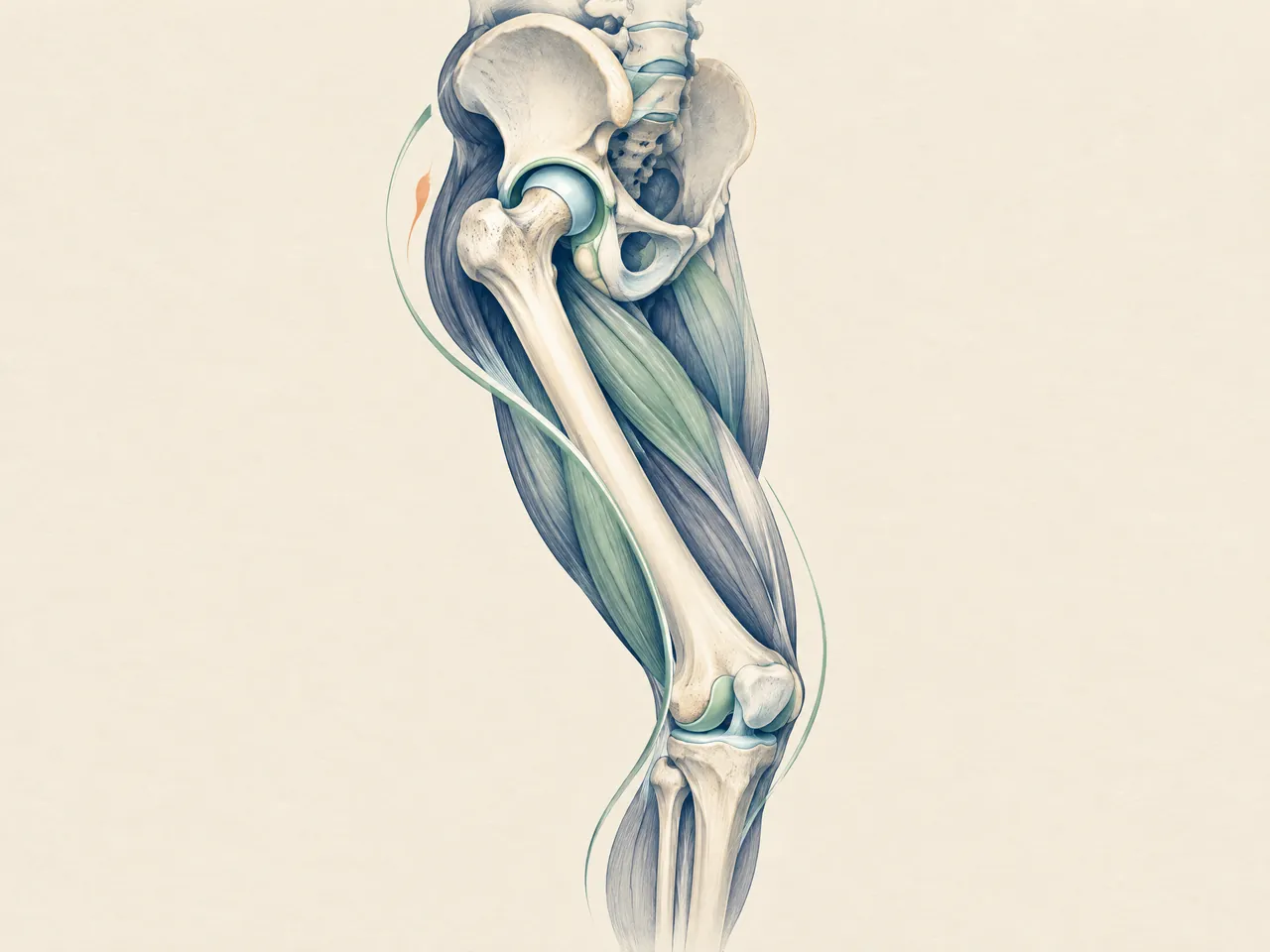
The short answer
Acupuncture for a meniscus injury may be discussed as supportive care for pain or restricted movement after a suitable assessment. It cannot repair a torn meniscus or replace examination when a structural injury is possible. For meniscus injury treatment Hong Kong, seek medical or orthopaedic assessment first if the knee locks, cannot fully bend or straighten, becomes markedly swollen, or cannot bear weight. The next step should reflect the injury pattern, function, and current symptoms.
Transparent pricing
See the fees.
Choose your care.
Explore our complete official price list, including first-trial prices, regular prices, packages and branch-specific options.
Opening WhatsApp prepares an enquiry; it does not send a message, take payment or confirm an appointment. Suitability and individual arrangements are confirmed during consultation.
Pain care
All prices in HKDExtracorporeal shockwave treatment
Shockwave treatment for deep-tissue and fascial care. The Kwun Tong clinic offers the multi-area options shown below.
Priced by branch
Branch-specific pricing
Prince Edward: HK$250 per area
Kwun Tong: HK$250 for 1 area / HK$450 for 2 areas / HK$600 for 3 areas
Pain care (manual therapy)
Includes Chinese medicine musculoskeletal assessment, manual joint techniques and tui na.
HK$580 (single session)
Chinese medicine musculoskeletal assessment
Pain care (acupuncture and manual therapy)
Combines acupuncture and manual therapy.
HK$680 (single session)
Combined care
Hair and scalp
All prices in HKDScalp health and hair-loss management
Includes AI scalp analysis, deep scalp and follicle cleansing, and scalp oil-control care.
HK$380 (first trial)
Regular price: HK$680
- 6 sessions: HK$3,480 (HK$580 per session)
- 12 sessions: HK$5,760 (HK$480 per session)
- 20 sessions: HK$8,600 (HK$430 per session)
- 30 sessions: HK$11,400 (HK$380 per session)
Hair acupuncture and Chinese herbal medicine package
Includes scalp acupuncture and 3 days of Chinese herbal medicine that does not require decoction.
HK$580 (single session)
Registered Chinese Medicine Practitioner consultation
- 6 sessions: HK$3,180 (HK$530 per session)
- 12 sessions: HK$5,760 (HK$480 per session)
- 20 sessions: HK$8,600 (HK$430 per session)
- 30 sessions: HK$11,400 (HK$380 per session)
Combined hair and scalp treatment
Combines acupuncture and Chinese herbal medicine with salon-level scalp and follicle care. Packages include complimentary hair-care shampoo and serum.
HK$1,260 (single session)
Combined treatment
- 8 sessions: HK$8,640 (HK$1,080 per session)
- 16 sessions: HK$15,680 (HK$980 per session)
- 20 sessions: HK$18,600 (HK$930 per session)
- 30 sessions: HK$26,400 (HK$880 per session)
Weight management
All prices in HKDFull-body acupoint embedding for weight management
Includes full-body acupoint embedding. Packages include complimentary Chinese herbal medicine for weight management, with the number of included days scaled to the package. Embedding material and the individual treatment arrangement are confirmed during consultation; this is not a cosmetic thread lift.
HK$980 (single session)
No trial session
- 10 sessions: HK$7,800 (HK$780 per session)
- 20 sessions: HK$14,600 (HK$730 per session)
- 30 sessions: HK$20,400 (HK$680 per session)
Facial acupuncture
All prices in HKDFacial acupuncture (basic)
Includes facial acupuncture and meridian-based facial care, including care for facial puffiness.
HK$480 (first trial)
Regular price: HK$680
- 10 sessions: HK$5,200 (HK$520 per session)
- 20 sessions: HK$9,600 (HK$480 per session)
- 30 sessions: HK$13,500 (HK$450 per session)
Facial acupuncture (advanced)
Includes enhanced facial acupuncture with a specially formulated moisturising mask and serum.
HK$780 (first trial)
Regular price: HK$1,180
- 10 sessions: HK$9,000 (HK$900 per session)
- 20 sessions: HK$16,600 (HK$830 per session)
- 30 sessions: HK$23,400 (HK$780 per session)
Chinese medicine
All prices in HKDAcupuncture and Chinese herbal medicine package
Includes a Chinese medicine consultation with pulse assessment, body acupuncture and 3 days of Chinese herbal granules that do not require decoction.
HK$580 (single session)
Chinese medicine consultation with pulse assessment
Acupuncture for Meniscus Injury — Meniscus Injury Treatment Hong Kong — Acupuncture for Knee Cartilage Damage: Understanding the Problem
People often use “knee cartilage damage” to describe a meniscus tear, but the meniscus has a specific job inside the knee. It is a pair of firm, crescent-shaped cartilage structures between the thighbone and shinbone. They help distribute load across the joint and contribute to stability as the knee bends, turns, and takes weight. A sudden pivot while the foot is planted can injure it. A gradual tear can also occur as tissue changes over time. Knowing which situation applies matters because the pace, examination, and management conversation may be different.[1]
Pain at the inside or outside of the joint line does not prove a meniscus tear by itself. Sprains, tendon problems, osteoarthritis, and other knee conditions can overlap. That is why a useful consultation begins with the event that started the problem, where the pain is felt, whether swelling followed, and what movements are now limited. If you are comparing information about acupuncture for a meniscus tear, keep the distinction clear: symptom support is not a diagnosis and it is not structural repair.

Acupuncture for Meniscus Injury — Meniscus Injury Treatment Hong Kong — Acupuncture for Knee Cartilage Damage: What a Meniscus Does
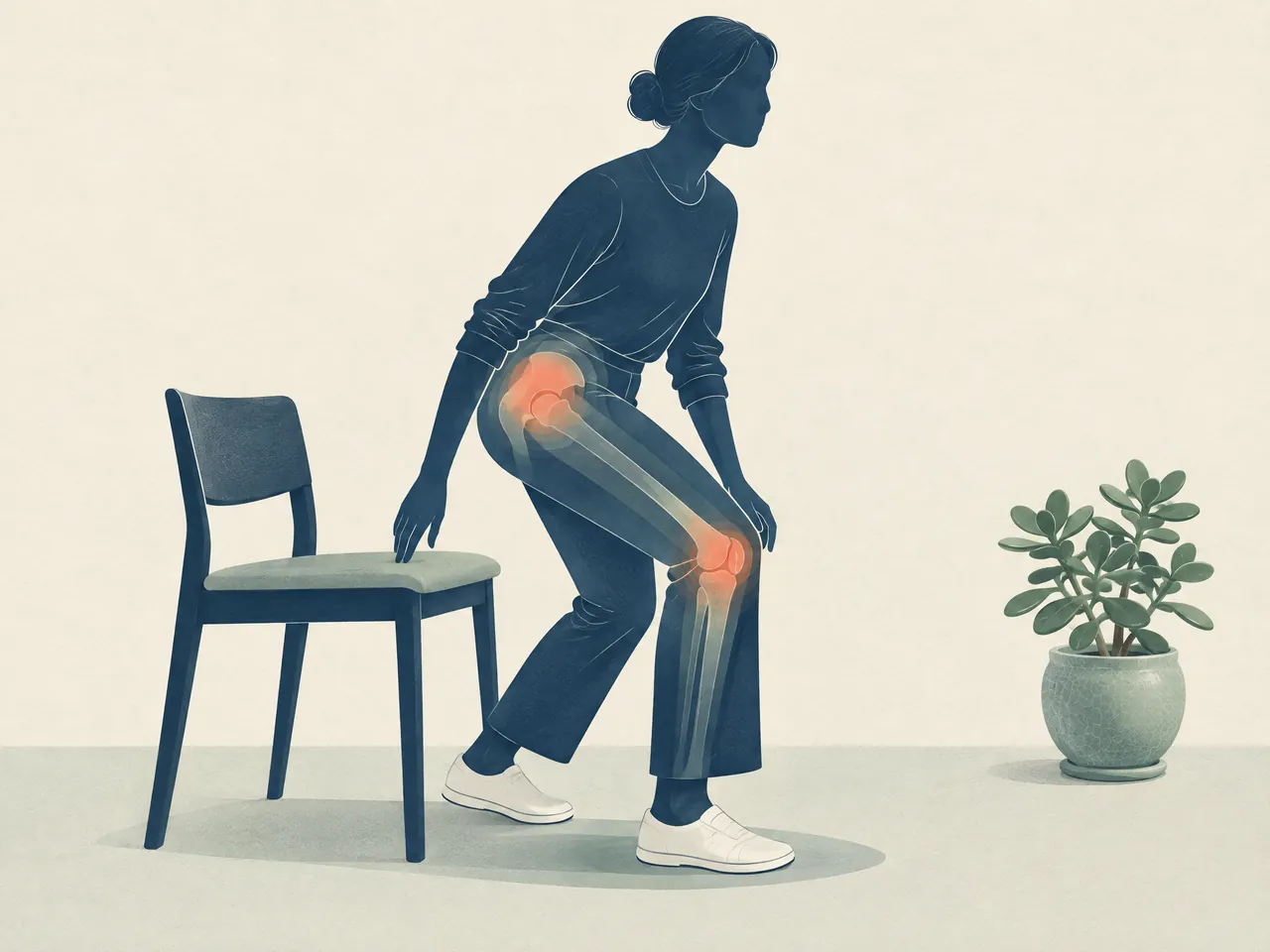
The knee is not designed only for straight-line walking. Turning to catch a bus, changing direction on a court, kneeling, squatting, or rising from a low seat asks the joint to control rotation as well as load. The menisci help spread pressure between the bones during those tasks. A tear can therefore become noticeable when a person twists, pivots, descends stairs, or tries to fully squat, even if level walking is still possible. Ability to walk is useful information, but it does not by itself show how serious an injury is.
Some tears occur with a clear sporting or falling injury; others are found in a knee that has become painful during ordinary activity. The type, position, and stability of a tear, together with other possible injury in the knee, cannot be determined from a sensation of clicking alone. For an acute isolated tear, the American Academy of Orthopaedic Surgeons notes that a displaced or displacing tear that restricts range of motion may benefit from early surgical consideration.[2] This is one reason a knee that physically catches or will not move normally should not be treated as routine stiffness.
Acupuncture for Meniscus Injury — Meniscus Injury Treatment Hong Kong — Acupuncture for Knee Cartilage Damage: Symptoms That Matter
Common reported features include pain or tenderness, stiffness, swelling, difficulty bending or straightening, a sense that the knee gives way, and clicking or crunching with movement.[1] Swelling may not begin at the exact moment of injury. It can appear later, which is one reason it helps to note how the knee changes over the first day or two. The practical question is whether symptoms are settling while gentle movement returns, or whether the knee is becoming less reliable for normal tasks.
A true locked knee is different from simply avoiding a painful bend. It may feel as though something inside the joint prevents the leg from fully straightening or bending. Severe pain after a fall, inability to walk or put weight through the leg, a hot swollen knee, or pain with feverish symptoms are reasons to seek urgent medical advice.[1] For a broader description of warning signs, see meniscus tear symptoms. Do not test the knee repeatedly by forcing a deep squat or pivot when those movements provoke sharp pain or catching.
Compare your options
| Current situation | Most useful priority | Where acupuncture may fit |
|---|---|---|
| Recent twist with mild, improving soreness and normal daily walking | Monitor symptoms, modify aggravating activity, and obtain clinical advice if symptoms persist or recur | May be discussed as supportive symptom care after assessment; it does not confirm the diagnosis |
| Pain, stiffness, or swelling that limits stairs, work, sleep, or usual exercise | Arrange medical or musculoskeletal assessment and discuss rehabilitation options | May complement an agreed care plan for discomfort or movement restriction |
| Knee catches, locks, repeatedly gives way, or cannot fully bend or straighten | Prompt medical or orthopaedic assessment for possible internal joint injury | Do not rely on acupuncture to resolve a mechanical block or delay assessment |
| Very severe pain after injury, inability to bear weight, hot swelling, feverish symptoms, deformity, numbness, or tingling | Seek urgent medical assessment | Not a first response; address urgent causes before considering supportive treatment |
On smaller screens, scroll the table sideways to compare all columns.
Acupuncture for Meniscus Injury — Meniscus Injury Treatment Hong Kong — Acupuncture for Knee Cartilage Damage: Assessment and Care
Meniscus injury treatment Hong Kong should be guided by the clinical picture rather than by a single treatment label. A medical or orthopaedic clinician may consider the injury history, swelling, tenderness, range of motion, stability, and the demands of work or sport. Imaging is not automatically the first step for every painful knee, but it may be considered where the examination and symptoms suggest internal joint damage or where management needs clarification. A TCM assessment can add a complementary view of pain, movement, sleep, general health, and treatment preferences; it does not replace an orthopaedic examination when one is indicated.
Conservative care can involve activity modification, appropriate pain management discussed with a qualified clinician, and rehabilitation or physiotherapy when advised. The NHS notes that physiotherapy may be recommended to improve knee pain, movement, and strength, while severe damage may require arthroscopy.[1] The AAOS guideline also states that rehabilitation may benefit people receiving non-operative care or recovering after meniscal surgery, although its recommendation is consensus-based.[2] Acupuncture can be considered within that wider plan when the goal is realistic: helping a person manage symptoms and engage with the agreed next steps, not bypassing them.
Acupuncture for Meniscus Injury — Meniscus Injury Treatment Hong Kong — Acupuncture for Knee Cartilage Damage: How TCM Assessment Helps
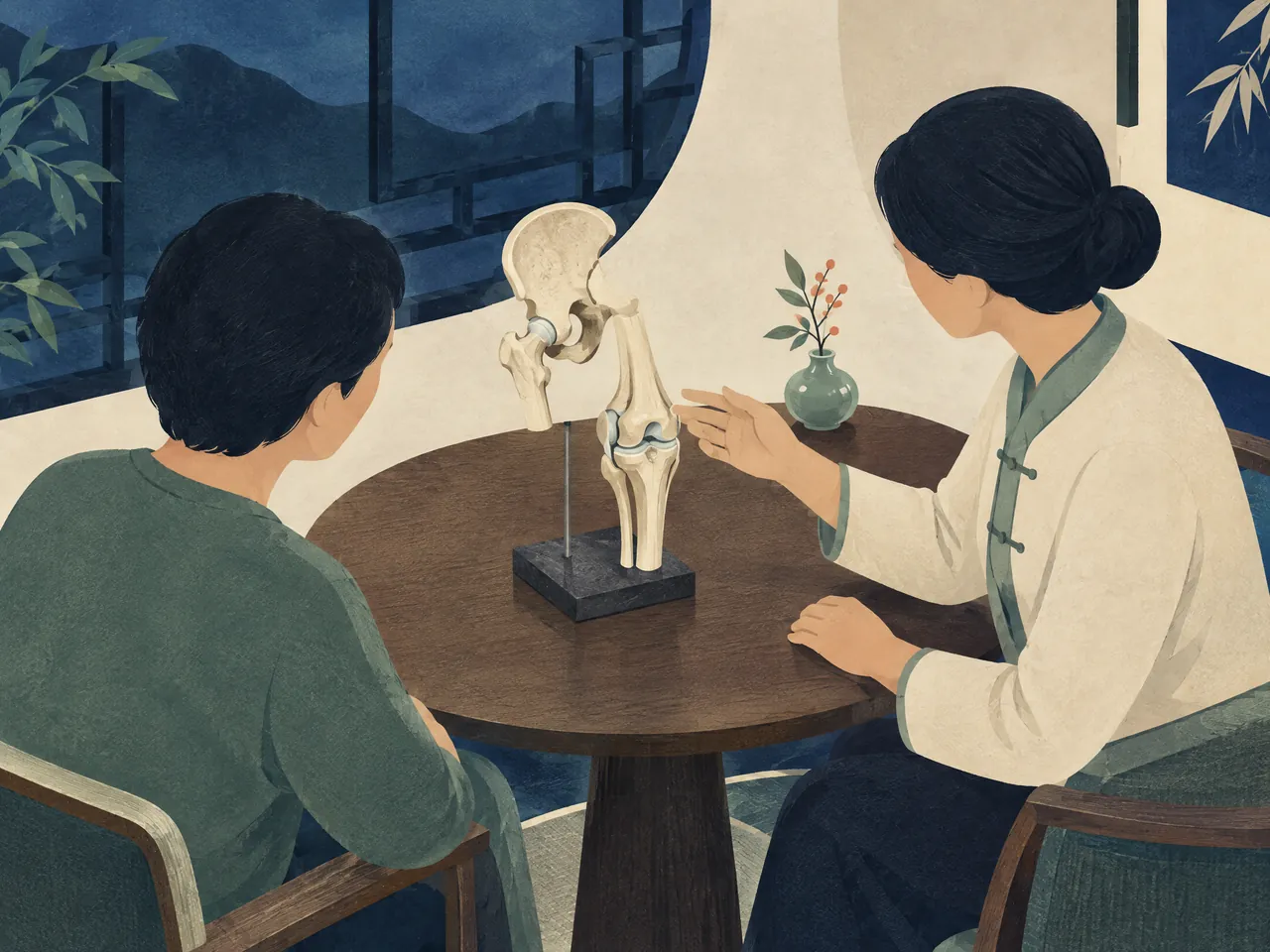
In a TCM consultation, the practitioner may ask how the injury occurred, whether pain is sharp or dull, when swelling appears, which positions trigger symptoms, and how the problem affects walking, stairs, sleep, work, exercise, or caring for family. They may observe guarded movement and ask about prior knee injury, current medicines, health conditions, and any diagnosis or scan already received. In TCM terms, post-injury pain and swelling may be discussed in relation to impaired movement of qi and blood. For the patient, the important outcome is a plan that names the current symptom goal and the situations in which reassessment is needed.
Bring useful information rather than trying to self-diagnose: the date and mechanism of injury, a short record of swelling or locking, relevant reports, and a medication list. Explain whether the knee is worse after a particular duty, such as kneeling at work, carrying a child, or walking downhill. It is also reasonable to ask how treatment will fit with medical advice or physiotherapy. For readers exploring knee discomfort in more detail, meniscus tear knee pain explains why location and pattern are worth describing precisely.
Acupuncture for Meniscus Injury — Meniscus Injury Treatment Hong Kong — Acupuncture for Knee Cartilage Damage: What a Session May Involve
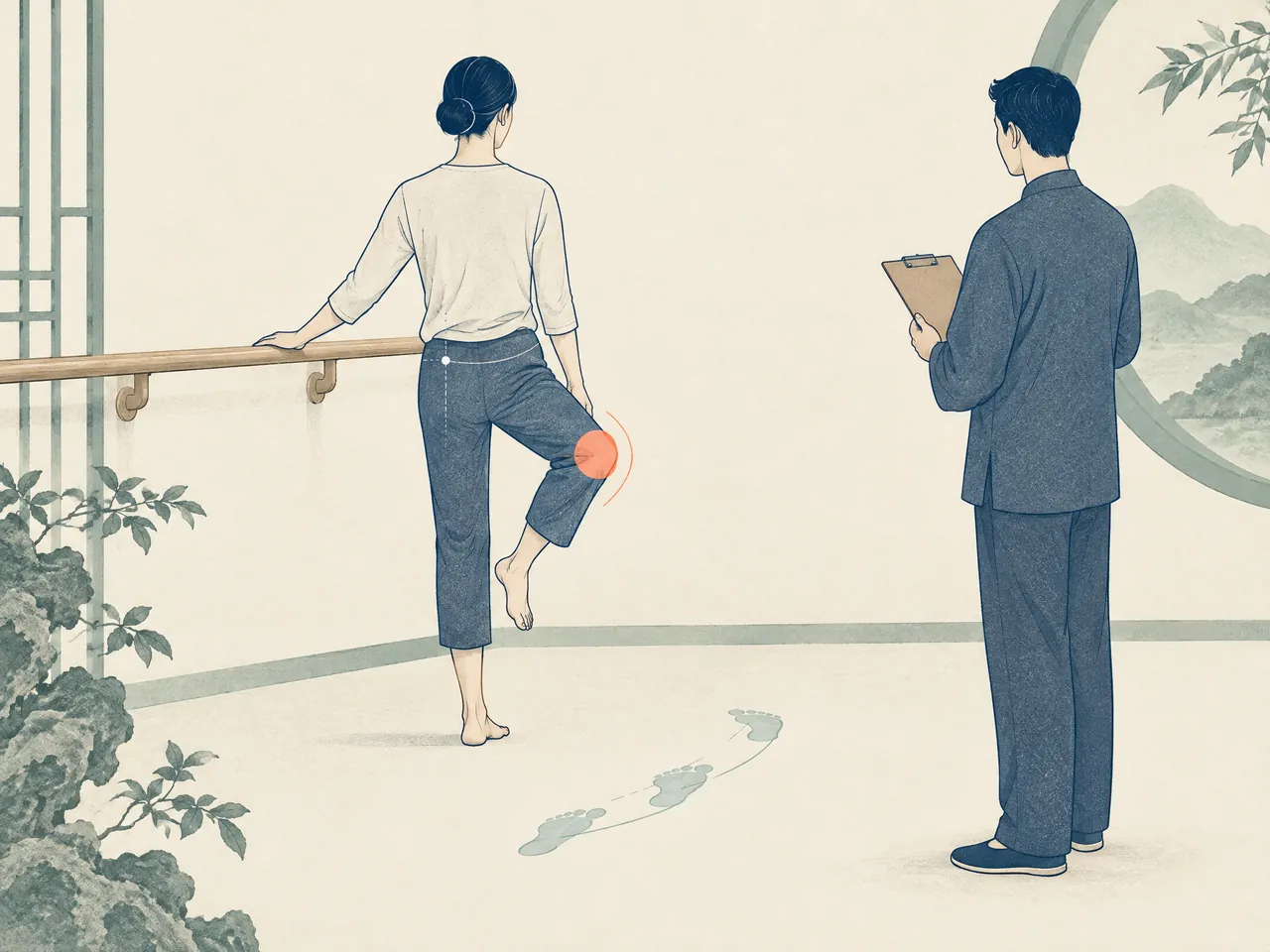
If acupuncture is considered appropriate, a session ordinarily starts with confirming current symptoms and checking for changes since the first assessment. The practitioner selects points according to the individual presentation, which may include points near the knee and points elsewhere on the body. Fine needles are inserted and may be left in place for a period determined by the treatment plan. Sensations can include mild aching, heaviness, tingling, or warmth, but sharp or unexpected discomfort should be mentioned straight away. A session should not be framed as a way to push through a locked joint or return immediately to twisting sport.
Safety is part of the conversation. Tell the practitioner about blood-thinning medication, bleeding concerns, pregnancy, skin infection or irritation near the proposed area, a needle fainting history, and any new diagnosis. The U.S. National Center for Complementary and Integrative Health notes that complications have been linked to nonsterile needles and improper delivery; it also notes that acupuncture needles are required to be sterile and single-use in the United States.[3] These general safety principles support asking about hygiene, consent, anticipated sensations, and what to do if symptoms worsen after treatment.
Acupuncture for Meniscus Injury — Meniscus Injury Treatment Hong Kong — Acupuncture for Knee Cartilage Damage: Limits and Next Steps
The key limit is straightforward: acupuncture for knee cartilage damage cannot repair a torn meniscus. Research discussed by NCCIH covers acupuncture for several pain conditions, including knee pain associated with osteoarthritis, but that is not evidence that acupuncture heals a meniscal tear.[3] It is more accurate to discuss acupuncture as an optional, supportive approach to symptoms after a suitable assessment. If an orthopaedic clinician recommends imaging, rehabilitation, a period of conservative management, or surgery, acupuncture should be considered only in a way that does not delay that plan.
A calm, stepwise decision often works better than choosing a treatment from the name of the injury alone. Protect the knee from movements that sharply aggravate it, follow medical advice on activity and medicines, and watch for changes in swelling, motion, and weight-bearing. If the symptoms are mild and stable, ask what functional markers will show progress, such as walking comfortably, sleeping, or managing stairs. If they are worsening, recurrent, or mechanical, seek re-evaluation. You can also read about meniscus tear treatment without surgery while remembering that non-surgical care is not the same decision for every tear.

Acupuncture for Meniscus Injury — Meniscus Injury Treatment Hong Kong — Acupuncture for Knee Cartilage Damage: When to Seek Medical Assessment
Arrange medical assessment promptly when knee pain is stopping normal activity or sleep, keeps returning, becomes worse, or has not improved with initial self-care.[1] Seek urgent advice after injury for very severe pain, an inability to walk or bear weight, a hot swollen knee, high temperature or feeling unwell, or an inability to bend or straighten the leg.[1] A knee that has changed shape, seems out of place, or is associated with numbness or tingling needs urgent emergency assessment. These features do not establish one diagnosis, but they are not situations to manage by booking routine supportive treatment first.
An orthopaedic opinion may be particularly relevant after a twisting injury with persistent locking, loss of motion, instability, or a major effect on sport or work. AAOS guidance says an acute tear that is displaced or displacing and limits range of motion may benefit from acute surgical intervention.[2] That does not mean every click needs surgery. It does mean a clinician should assess the whole pattern instead of relying on an online description. If you are unsure about function, the practical question Can you walk with a torn meniscus? can help organise what to report, but cannot replace assessment.

Acupuncture for Meniscus Injury — Meniscus Injury Treatment Hong Kong — Acupuncture for Knee Cartilage Damage: Questions to Ask Before Treatment
Before choosing acupuncture, ask what diagnosis has been considered and whether a medical or orthopaedic assessment is advisable first. Ask what symptoms the treatment is intended to support, what changes would trigger referral, and how it can sit alongside exercise, physiotherapy, medicines, or post-operative advice. It is reasonable to ask about the practitioner’s registration, single-use sterile needles, possible local soreness or bruising, and how your response will be reviewed. Clear answers help prevent the mistaken expectation that needles can join torn tissue together.
Also discuss practical loading. Which activities are currently unsafe or simply too painful? Is it better to avoid twisting, deep bending, kneeling, or high-impact exercise for now? When can a planned return to walking, stairs, or training be reviewed? A good plan has a symptom goal and a safety net, not a promise of a fixed result. At TCM Lab, enquiries can be made by WhatsApp so you can describe your knee symptoms, prior assessment, and preferred clinic location before arranging an appointment. The appropriate next step may be a medical referral rather than acupuncture, and that distinction matters.
Care and health guide
Knee discomfort: care information
This directory brings together services, reading, and visit information related to knee discomfort, to help you prepare questions for a consultation.
When knee discomfort affects your day, noting when it occurs, its relation to activity, and what you have already tried can help prepare a consultation; Chinese medicine pain management Hong Kong is a relevant service or reading entry point.
Individual circumstances differ, and acupuncture Hong Kong offers related information to help you understand options and prepare questions.


Your questions, answered
Frequently asked questions
Can acupuncture heal a torn meniscus?
No. Acupuncture cannot stitch, restore, or regrow torn meniscus tissue. It may be discussed for symptom support after assessment, but decisions about rehabilitation, imaging, or surgery depend on the injury pattern, function, examination, and medical advice.
Can acupuncture help meniscus tear pain?
After suitable assessment, acupuncture may be considered as supportive care for pain or restricted movement. It is not possible to predict the same response for every person or tear. It should not replace medical assessment when pain is severe, swelling is marked, the knee locks, or weight-bearing is difficult.
Do I need to see an orthopaedic clinician before acupuncture for a meniscus injury?
Medical or orthopaedic assessment should come first if there was a significant injury, the knee catches or locks, normal motion is lost, pain or swelling is substantial, or you cannot walk or bear weight. With a diagnosed or stable problem, discuss whether acupuncture can safely complement your existing plan.
What should I bring or ask at an acupuncture consultation for knee cartilage damage?
Bring any scan or clinical report, a list of medicines, and notes on the injury event, swelling, catching, and activity limits. Ask what symptom goal is realistic, how safety and hygiene are managed, how treatment fits with physiotherapy or medical advice, and what changes should prompt referral.
Sources and further information
- [1] [1] NHS — Meniscus tear (knee cartilage damage)
Referenced for: Symptoms, self-care context, medical-help warning signs, physiotherapy, and arthroscopy context.
- [2] [2] American Academy of Orthopaedic Surgeons — Management of Acute Isolated Meniscal Pathology
Referenced for: Acute displaced tears limiting range of motion, surgical consideration, and rehabilitation context.
- [3] [3] National Center for Complementary and Integrative Health — Acupuncture: Effectiveness and Safety
Referenced for: General acupuncture definition, evidence context for pain conditions, and safety principles; not evidence of meniscal repair.