
TCM Lab · Health reading
Tennis Elbow Pain, Tennis Elbow Forearm Pain and Tennis Elbow Pain When Gripping
Published Updated
Tennis elbow pain usually sits at the bony outside of the elbow, but it is not always confined there. Tennis elbow forearm pain may run towards the wrist, and tennis elbow pain when gripping can make a kettle, shopping bag, key or mouse uncomfortable. Repeated wrist and forearm use is often relevant, yet a familiar location does not confirm the cause. This guide helps you recognise a common outer-elbow pattern, reduce avoidable load and know when professional assessment is the safer next step.
Appointments are confirmed through WhatsApp. If you have language requirements, please mention them in your enquiry.
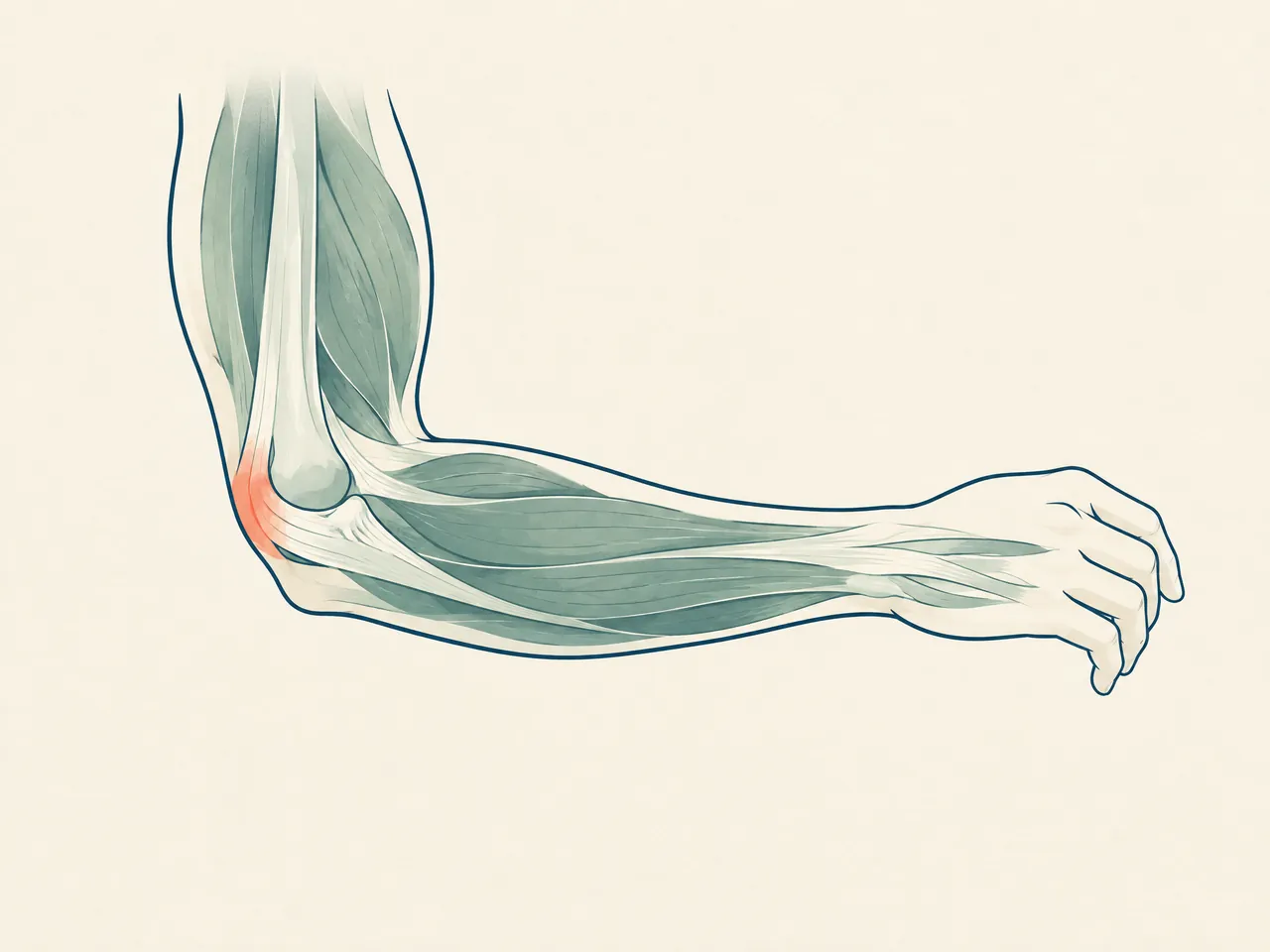
The short answer
Tennis elbow pain commonly causes tenderness or aching on the outside of the elbow. It can spread into the forearm and become sharper when you grip, lift, twist a handle or move the wrist. Repetitive use is one possible contributor, but similar pain can come from other elbow, nerve or neck problems. Reduce activities that clearly provoke it, use comfort measures cautiously and arrange professional assessment when pain persists, is severe, follows an injury or comes with numbness, marked weakness or swelling.
Transparent pricing
See the fees.
Choose your care.
Explore our complete official price list, including first-trial prices, regular prices, packages and branch-specific options.
Opening WhatsApp prepares an enquiry; it does not send a message, take payment or confirm an appointment. Suitability and individual arrangements are confirmed during consultation.
Pain care
All prices in HKDExtracorporeal shockwave treatment
Shockwave treatment for deep-tissue and fascial care. The Kwun Tong clinic offers the multi-area options shown below.
Priced by branch
Branch-specific pricing
Prince Edward: HK$250 per area
Kwun Tong: HK$250 for 1 area / HK$450 for 2 areas / HK$600 for 3 areas
Pain care (manual therapy)
Includes Chinese medicine musculoskeletal assessment, manual joint techniques and tui na.
HK$580 (single session)
Chinese medicine musculoskeletal assessment
Pain care (acupuncture and manual therapy)
Combines acupuncture and manual therapy.
HK$680 (single session)
Combined care
Hair and scalp
All prices in HKDScalp health and hair-loss management
Includes AI scalp analysis, deep scalp and follicle cleansing, and scalp oil-control care.
HK$380 (first trial)
Regular price: HK$680
- 6 sessions: HK$3,480 (HK$580 per session)
- 12 sessions: HK$5,760 (HK$480 per session)
- 20 sessions: HK$8,600 (HK$430 per session)
- 30 sessions: HK$11,400 (HK$380 per session)
Hair acupuncture and Chinese herbal medicine package
Includes scalp acupuncture and 3 days of Chinese herbal medicine that does not require decoction.
HK$580 (single session)
Registered Chinese Medicine Practitioner consultation
- 6 sessions: HK$3,180 (HK$530 per session)
- 12 sessions: HK$5,760 (HK$480 per session)
- 20 sessions: HK$8,600 (HK$430 per session)
- 30 sessions: HK$11,400 (HK$380 per session)
Combined hair and scalp treatment
Combines acupuncture and Chinese herbal medicine with salon-level scalp and follicle care. Packages include complimentary hair-care shampoo and serum.
HK$1,260 (single session)
Combined treatment
- 8 sessions: HK$8,640 (HK$1,080 per session)
- 16 sessions: HK$15,680 (HK$980 per session)
- 20 sessions: HK$18,600 (HK$930 per session)
- 30 sessions: HK$26,400 (HK$880 per session)
Weight management
All prices in HKDFull-body acupoint embedding for weight management
Includes full-body acupoint embedding. Packages include complimentary Chinese herbal medicine for weight management, with the number of included days scaled to the package. Embedding material and the individual treatment arrangement are confirmed during consultation; this is not a cosmetic thread lift.
HK$980 (single session)
No trial session
- 10 sessions: HK$7,800 (HK$780 per session)
- 20 sessions: HK$14,600 (HK$730 per session)
- 30 sessions: HK$20,400 (HK$680 per session)
Facial acupuncture
All prices in HKDFacial acupuncture (basic)
Includes facial acupuncture and meridian-based facial care, including care for facial puffiness.
HK$480 (first trial)
Regular price: HK$680
- 10 sessions: HK$5,200 (HK$520 per session)
- 20 sessions: HK$9,600 (HK$480 per session)
- 30 sessions: HK$13,500 (HK$450 per session)
Facial acupuncture (advanced)
Includes enhanced facial acupuncture with a specially formulated moisturising mask and serum.
HK$780 (first trial)
Regular price: HK$1,180
- 10 sessions: HK$9,000 (HK$900 per session)
- 20 sessions: HK$16,600 (HK$830 per session)
- 30 sessions: HK$23,400 (HK$780 per session)
Chinese medicine
All prices in HKDAcupuncture and Chinese herbal medicine package
Includes a Chinese medicine consultation with pulse assessment, body acupuncture and 3 days of Chinese herbal granules that do not require decoction.
HK$580 (single session)
Chinese medicine consultation with pulse assessment
Tennis Elbow Pain, Tennis Elbow Forearm Pain and Tennis Elbow Pain When Gripping: Recognising the Pattern
The label “tennis elbow” is commonly used for lateral epicondylitis, an overuse-related problem involving tendons on the outside of the elbow. Racquet sport is only one setting in which it may occur. Repeated wrist extension, forearm twisting or forceful gripping can load the region. Official guidance lists gripping objects, moving the wrist, lifting and bending the arm among movements that may worsen symptoms [1]. This can explain pain during a handshake, saucepan lift or screwdriver turn, but it should not be used as a home diagnosis.
Notice the whole pattern instead of judging by one painful moment. Is the most sensitive spot on the outer elbow, or mainly in the forearm, wrist, neck or hand? Did discomfort develop with a workload change, sport, DIY or care duties, or with a fall or sudden pull? Is it present only under load, or does it disturb sleep? These details help a consultation. For a broader description, read tennis elbow symptoms; it can help you describe what you feel without assuming every outer-elbow ache has the same source.
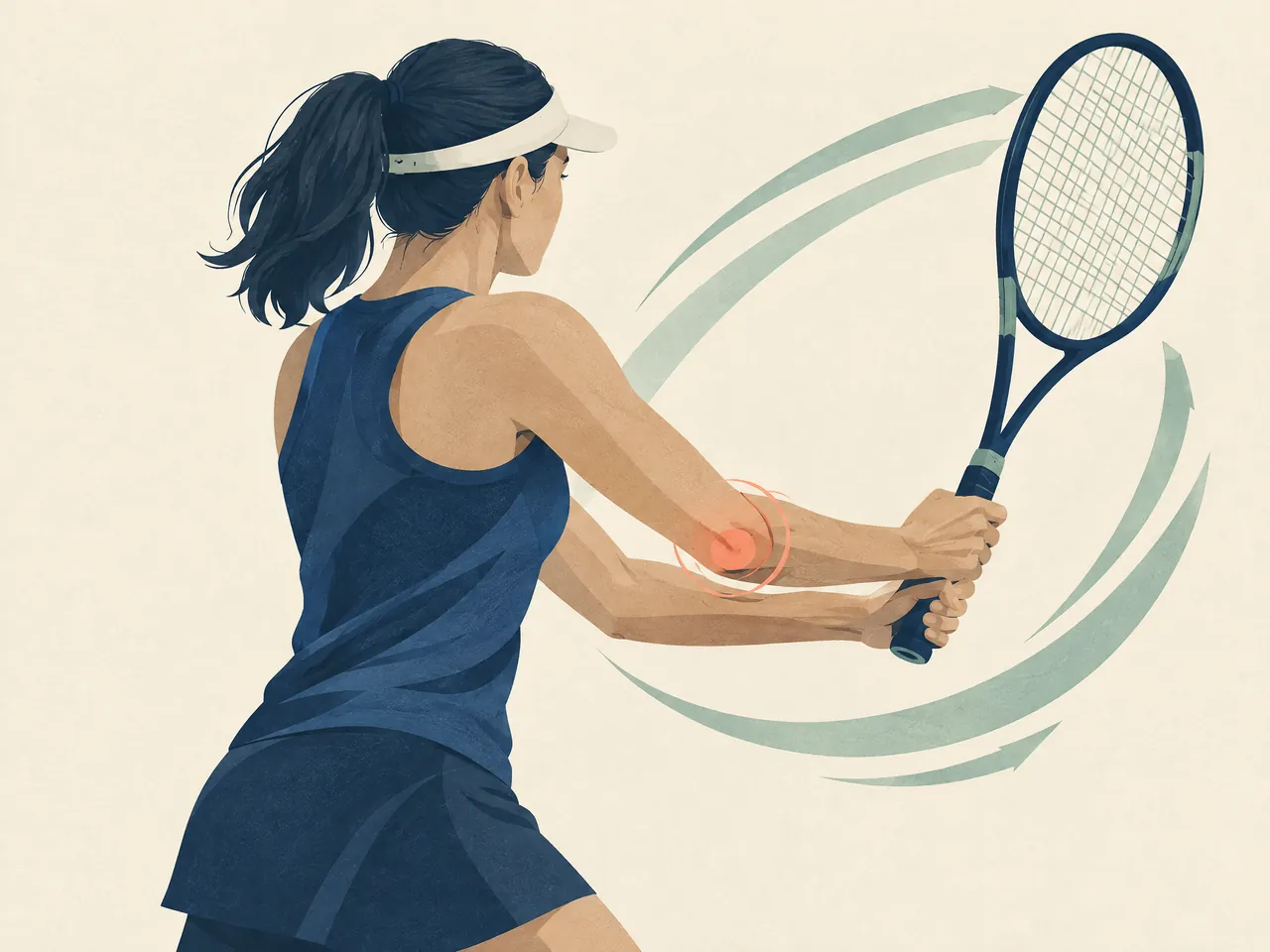
Tennis Elbow Pain, Tennis Elbow Forearm Pain and Tennis Elbow Pain When Gripping: Outer-Elbow Symptoms
A common presentation is local tenderness at the outer elbow, sometimes described as an ache, burn or sharp catch during use. It may extend down the forearm towards the wrist because the muscles and tendons work together across these areas. A pen, phone, mug or racquet may feel harder to hold securely because a firm grip provokes pain. The NHS also lists forearm pain, tenderness or swelling, and difficulty fully straightening the arm as possible features [1]. Symptoms vary, so their intensity cannot confirm the condition.
Separate an immediate trigger from the after-effect. A door handle may cause a brief outer-elbow stab, while the forearm feels sore later. A sustained grip may be more uncomfortable than a loose one. Note the task, hand position and time course if the pattern is unclear, but do not keep retesting a painful movement. If swelling is obvious, the elbow is discoloured, movement is markedly restricted, or pain disrupts activity or sleep, seek assessment rather than treating it as routine overuse [3].
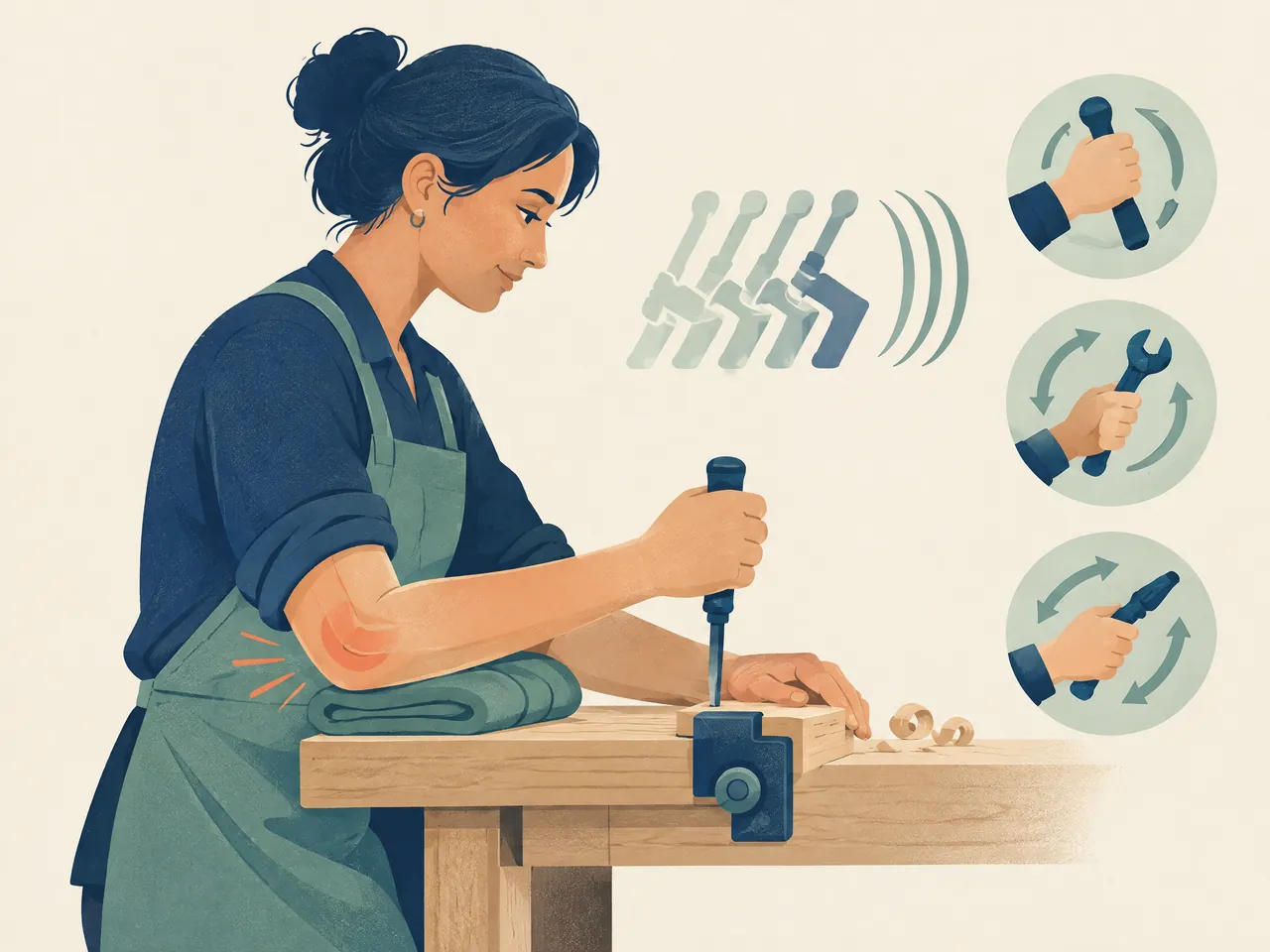
Tennis Elbow Pain, Tennis Elbow Forearm Pain and Tennis Elbow Pain When Gripping: Everyday Triggers
Tennis elbow pain when gripping can appear in work, hobbies and home routines: holding a pan with the wrist extended, wringing a cloth, lifting luggage, pruning, painting, typing, gaming or using a mouse. A task need not be heavy if it is repeated for a long time without a change of position. The NHS notes computer work, sewing, screwdriver use, and repeated wrist and forearm twisting as possible contributors [1]. A rise in repetitions, a tighter grip, longer shifts, unfamiliar tools or less recovery time may matter more than the activity’s name.
Look for a manageable adjustment instead of trying to “push through.” Break a long job into shorter blocks, use two hands for heavier items where practical, keep a load close to the body and vary hand or tool position. A larger handle or lighter grip may help some tasks, but judge changes by your symptoms. If pain is linked to sport, ask a qualified coach or clinician to review technique and equipment. Understanding tennis elbow causes can help identify which part of a routine to change first.
Compare your options
| What you notice | A possible interpretation | A sensible next step |
|---|---|---|
| Outer-elbow tenderness that is worse with gripping, lifting or wrist twisting | A tennis-elbow-like overuse pattern may be possible | Reduce the provoking load and arrange assessment if it persists or limits daily tasks |
| Pain mainly on the inner elbow | A different tendon region or another elbow condition may be involved | Avoid assuming it is tennis elbow; discuss the location and triggers with a clinician |
| Tingling, numbness, hand weakness or neck pain with arm symptoms | Nerve involvement or referred pain needs consideration | Seek professional assessment rather than relying on self-care alone |
| Pain after a fall, deformity, major swelling, redness or inability to use the arm | This is not a routine self-management situation | Seek urgent medical advice or emergency care as appropriate |
On smaller screens, scroll the table sideways to compare all columns.
Tennis Elbow Pain, Tennis Elbow Forearm Pain and Tennis Elbow Pain When Gripping: What Else It May Be
Outer-elbow pain has a recognisable pattern, but a web page cannot diagnose it. Pain after a direct impact may need a different assessment from discomfort that gradually developed with repetitive work. Pain on the inner elbow can suggest a different tendon region; stiffness or a block to movement can raise a joint question; tingling or numbness may indicate nerve involvement. Neck conditions can refer pain into the arm. Orthopaedic guidance notes that clinicians may use history, examination and sometimes tests to rule out arthritis, neck problems or nerve compression [2].
Describe the location, whether pain reaches the wrist or fingers, whether you dropped objects, and whether neck discomfort is present. Mention a fall, a pop, fever, skin wound, growing lump, inflammatory joint disease or previous elbow operation. If symptoms began abruptly after trauma, do not rely on stretches or a strap before assessment. The overview of lateral epicondylitis symptoms is useful background, but cannot replace an examination that distinguishes a tendon problem from another source of arm pain.
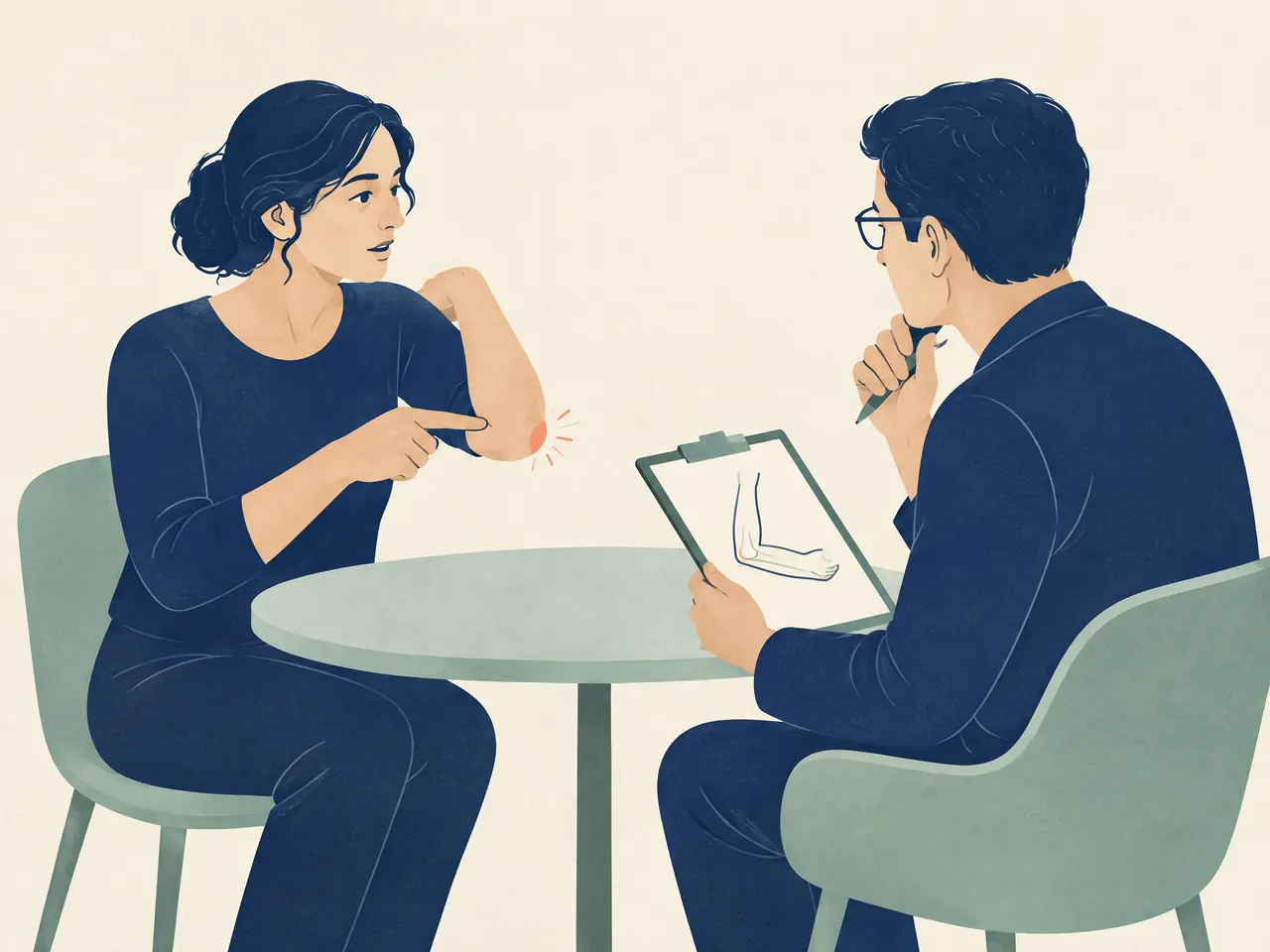
Tennis Elbow Pain, Tennis Elbow Forearm Pain and Tennis Elbow Pain When Gripping: Comparing Pain Patterns
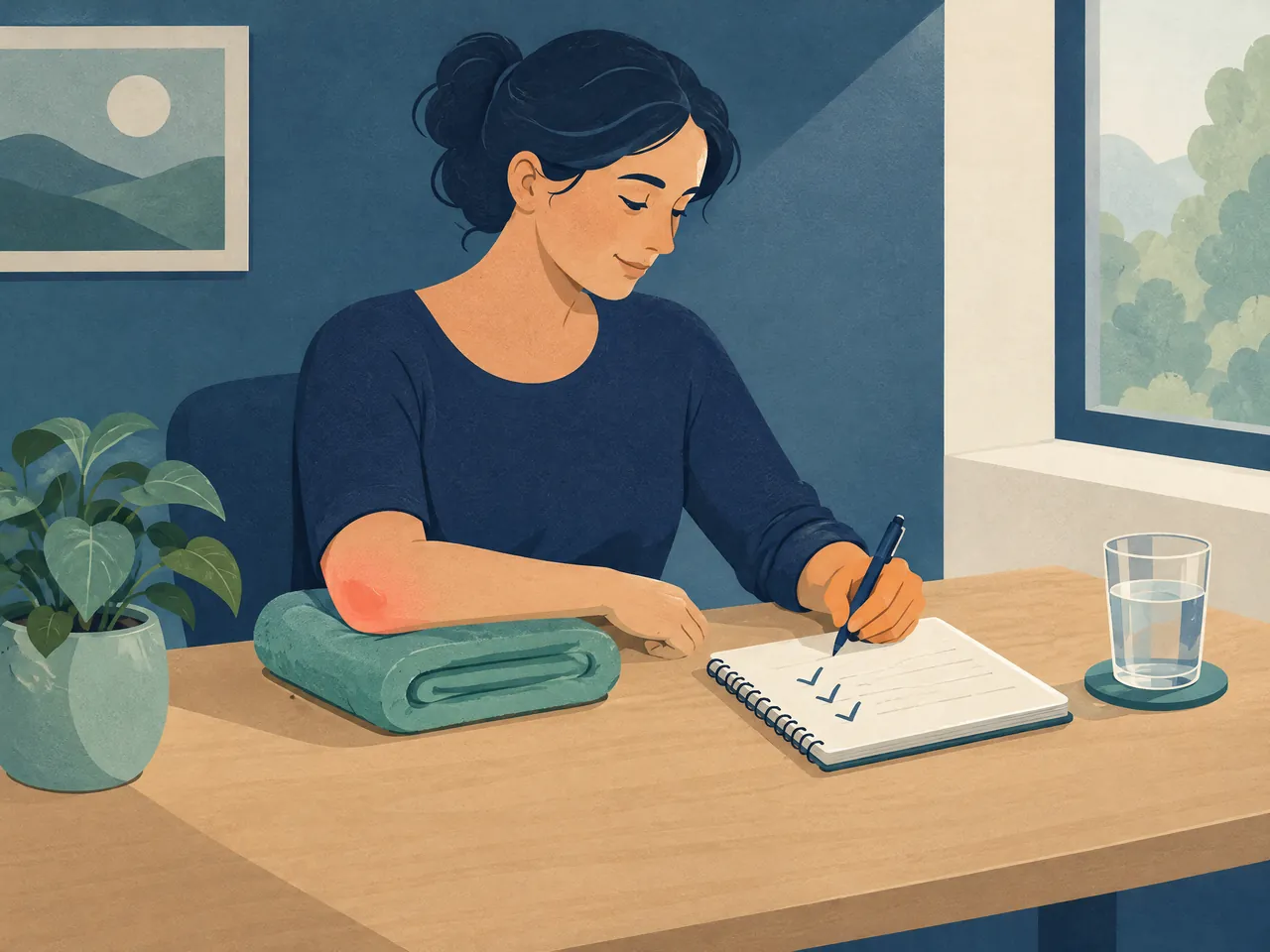
Comparison helps organise observations, not self-diagnose. With a typical tennis-elbow-like pattern, the outer elbow is often tender and gripping, wrist movement or forearm twisting is provocative. Golfer’s elbow is more often associated with the inner elbow. A general joint problem may feel deeper, stiffer or more widespread, while nerve-related problems more often include tingling, altered feeling or weakness away from the painful spot. Referred neck pain can coexist with neck stiffness or symptoms travelling beyond the elbow.
The table turns these distinctions into practical questions. It is not a checklist that proves a diagnosis: outer-elbow pain and a separate neck issue can coexist, and pain can change when work patterns change. Make a note of the relevant row for a healthcare professional. If you have tenderness with swelling, compare observations with tennis elbow tenderness and swelling, then seek timely advice if the features are new, pronounced or worsening.
Tennis Elbow Pain, Tennis Elbow Forearm Pain and Tennis Elbow Pain When Gripping: Why Assessment Matters
Assessment provides more than a label. A clinician can ask about preceding load, examine the tender area, check motion and strength, and decide whether another condition needs investigation. The American Academy of Orthopaedic Surgeons describes examination that includes symptom, activity and injury history, plus tests designed to pinpoint the diagnosis [2]. This is valuable when work depends on your hands: a plan can focus on realistic changes rather than vague advice to rest. It also avoids forcing an exercise that does not suit the problem.
Arrange non-emergency medical advice if pain remains after rest and self-care; the NHS advises seeing a GP if elbow pain is still present after at least two weeks of these measures [1]. Seek urgent help after significant injury if the elbow is deformed, if you cannot use the arm, or if severe pain, rapid swelling, marked weakness or persistent numbness is present. Redness, heat and feeling unwell also deserve prompt attention. Interference with sleep, dressing, work or safe lifting is a reasonable reason to arrange assessment.
Tennis Elbow Pain, Tennis Elbow Forearm Pain and Tennis Elbow Pain When Gripping: Practical Next Steps
For a mild, familiar pattern with no warning signs, reduce the activity that clearly flares symptoms. This might mean changing how you carry bags, pausing repetitive DIY, alternating mouse-hand tasks or temporarily reducing racquet practice. Reduction is not complete inactivity: easy, non-provocative use may be realistic while symptoms settle. The aim is to remove repeated irritation and gradually rebuild tolerance, preferably with individual advice if pain persists. Rest and activity modification are included in nonsurgical care described by NHS and orthopaedic guidance [1] [2].
Choose one or two observable changes, such as shorter sessions and a looser grip, then review whether daily tasks feel easier. If a measure clearly makes pain worse during or after use, stop and reconsider it. A brace or forearm strap is sometimes discussed in conservative care, but suitability is individual; it is not a reason to continue a painful workload unchanged. Assessment may also cover posture, tool handling, sport technique and progressive exercise. TCM Lab can explain its consultation approach alongside conventional evaluation or rehabilitation where indicated.
Tennis Elbow Pain, Tennis Elbow Forearm Pain and Tennis Elbow Pain When Gripping: Heat, Cold and Activity Changes
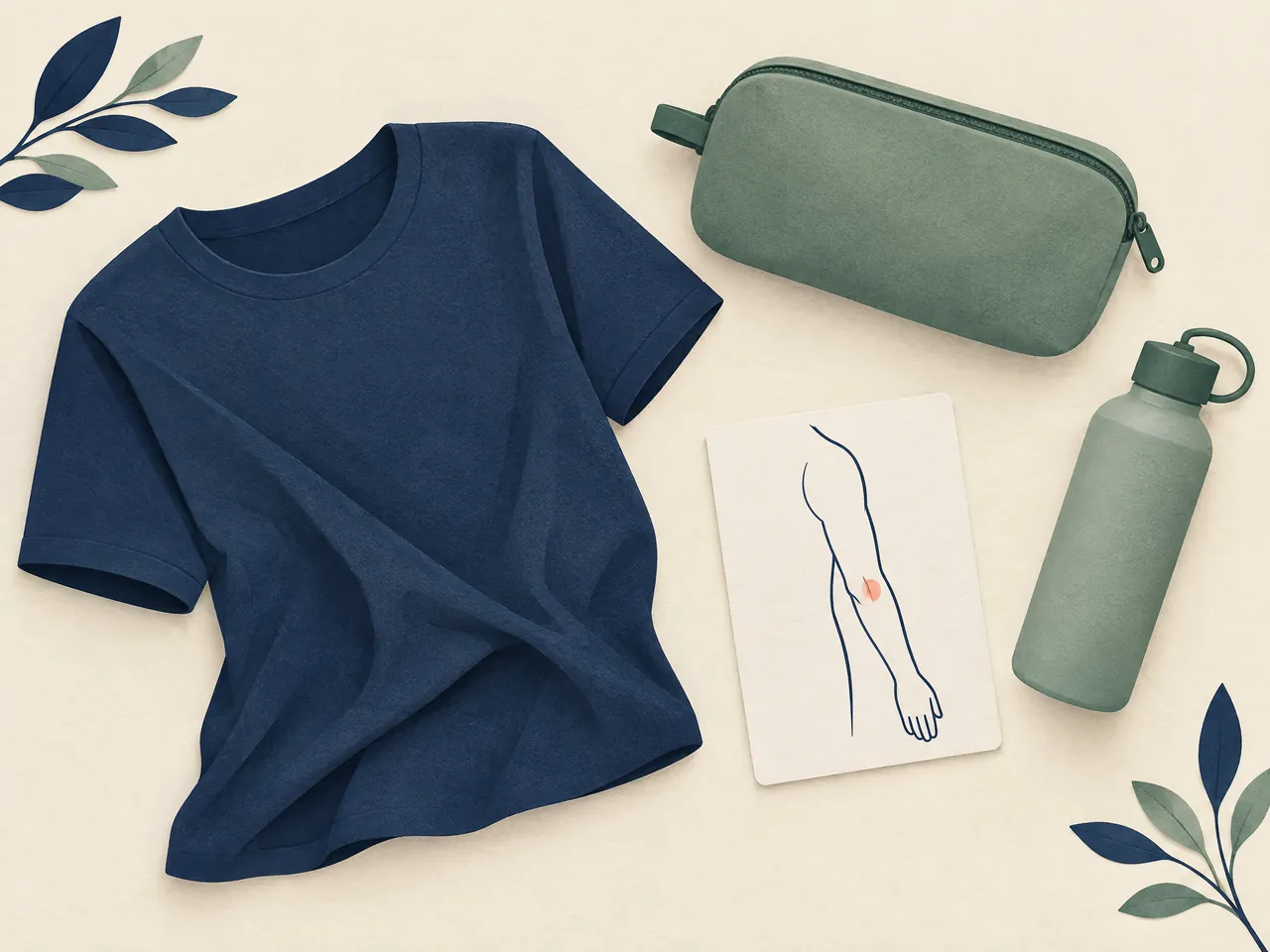
Heat and cold are comfort options, not tests or cures. Some people prefer a wrapped cold pack after an irritating task, while others find gentle warmth more comfortable before movement. NHS guidance suggests a hot or cold pack wrapped in a towel for up to 20 minutes every two to three hours [1]. Protect the skin, never apply an extreme-temperature pack directly and stop if it feels unpleasant, changes the skin or increases symptoms. The important question is whether the overall load on the elbow is decreasing.
Make activity changes specific. Decide how to open jars, lift a laundry basket or complete a report with less repeated force. Use a trolley or both hands when possible, pause before the forearm tires and place frequently used objects within easier reach. Avoid locking the wrist in an awkward position while gripping. These are not a permanent ban on normal life; they help match current demand to the arm’s tolerance. If every adaptation fails or essential tasks remain impossible, seek professional assessment.

Tennis Elbow Pain, Tennis Elbow Forearm Pain and Tennis Elbow Pain When Gripping: Stretching, Strengthening and Care
Stretching and strengthening are often part of rehabilitation, but timing and technique matter. When pain is highly irritable, forceful stretches, heavy gripping drills or online exercise challenges may add load. As symptoms allow, a physiotherapist or other qualified clinician can assess movement and select gradual wrist, forearm and elbow exercises. NHS guidance includes simple exercises and notes that physiotherapy may include wrist and forearm stretching and strengthening [1]. AAOS likewise includes specific forearm-strengthening exercises in conservative care [2].
Traditional Chinese medicine uses its own assessment approach and may be discussed as a complementary option after consultation; it should not replace assessment for injury, nerve symptoms or major loss of function. Do not attempt acupuncture on yourself or expect a fixed number of sessions to resolve every case. Bring medicines, supplements, prior treatments and diagnoses so care can be coordinated. To ask about an assessment, contact the Kwun Tong Chinese medicine clinic or the Chinese medicine clinic Prince Edward. Review the Chinese medicine clinic price list Hong Kong before contacting the clinic.
Care and health guide
Pain-care information
This directory brings together services, reading, and visit information related to pain care, to help you prepare questions for a consultation.
When pain care affects your day, noting when it occurs, its relation to activity, and what you have already tried can help prepare a consultation; Chinese medicine pain management Hong Kong is a relevant service or reading entry point.
Individual circumstances differ, and acupuncture Hong Kong offers related information to help you understand options and prepare questions.


Your questions, answered
Frequently asked questions
What does tennis elbow forearm pain feel like?
It may feel like an ache, tenderness, burning or a sharper pain that begins around the outer elbow and extends down the forearm. It can be more noticeable when you twist the forearm, move the wrist or hold an object. The exact feeling varies, so persistent or changing pain should be assessed rather than identified from sensation alone.
Why is tennis elbow pain worse when gripping a mug or opening a jar?
Gripping recruits the forearm muscles and tendons that cross the outer elbow. A firm hold often combines hand force with wrist stabilisation or twisting, which can provoke a sensitive area. Reduce the force and repetition where possible, but seek assessment if simple activities remain painful or your grip suddenly feels weak.
Should I use heat or ice for tennis elbow pain?
Either may be used as a comfort measure if it feels helpful. Use a pack wrapped in a towel, protect your skin and stop if symptoms worsen. Heat or cold does not diagnose or correct the cause, so pair it with activity changes and seek advice for ongoing pain, swelling, weakness or numbness.
Can acupuncture cure tennis elbow?
Acupuncture may be discussed with a registered Chinese medicine practitioner as a complementary option after assessment, but it is not a guaranteed cure and should not replace rehabilitation or medical evaluation when these are needed. A suitable plan depends on the diagnosis, symptom pattern, medical history and other care already in place.
Sources and further information
- [1] [1] NHS: Tennis elbow
Referenced for: Symptoms, aggravating activities, activity modification, wrapped hot or cold packs, exercise, and when persistent elbow pain should be assessed.
- [2] [2] American Academy of Orthopaedic Surgeons: Tennis Elbow (Lateral Epicondylitis)
Referenced for: Overuse anatomy, symptoms, clinical examination, differential assessment and conservative rehabilitation information.
- [3] [3] Cleveland Clinic: Tennis Elbow (Lateral Epicondylitis)
Referenced for: Plain-language symptom descriptions and indications to seek professional care for pain, impaired movement, swelling or disruption to usual activity.