
TCM Lab · Health reading
allergic rhinitis vs common cold: What is the difference between allergic rhinitis and a common cold? Can acupuncture help allergic rhinitis?
Published Updated
A runny or blocked nose does not automatically mean you have caught a cold. Allergic rhinitis can look very similar at first, yet its pattern is often different: symptoms may begin soon after an allergy trigger, recur in the same place or season, and include a very itchy nose or eyes. A cold is a viral respiratory infection and is more likely to come with sore throat, cough, feeling unwell, headache or mild aches. The distinction matters because avoiding triggers and managing allergies is different from reducing the spread of a respiratory virus. If symptoms are persistent, disruptive or unclear, an assessment can help you choose the right next step.
Appointments are confirmed through WhatsApp. If you have language requirements, please mention them in your enquiry.
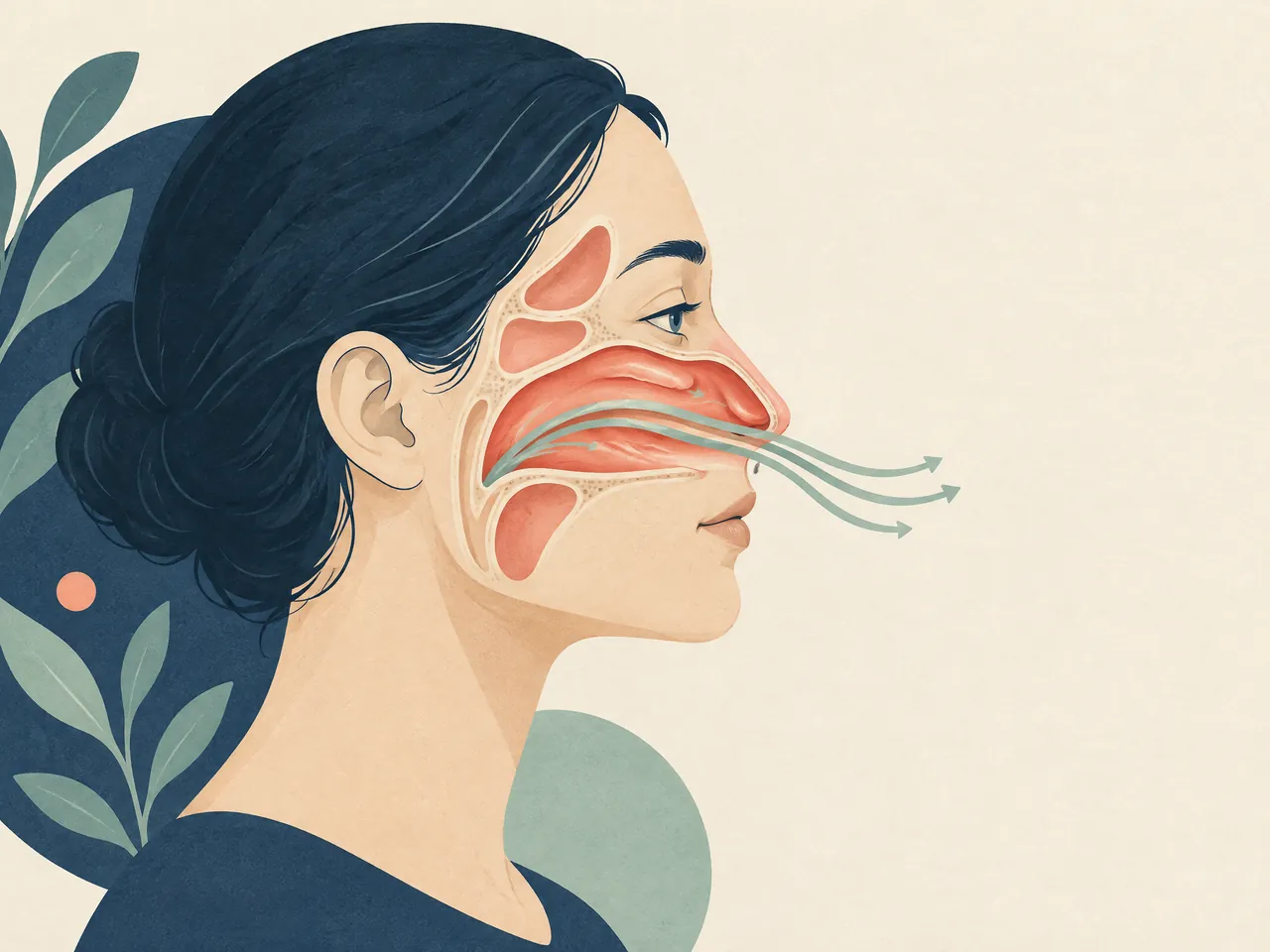
The short answer
Allergic rhinitis commonly causes bouts of sneezing, an itchy or blocked nose, clear discharge and itchy, watery eyes after exposure to an allergen. A common cold is caused by respiratory viruses and more often adds sore throat, cough, headache, mild body aches or a low-grade fever. Acupuncture may be discussed as a complementary, non-drug option after assessment, but it does not replace medical evaluation, trigger management or prescribed treatment.
Transparent pricing
See the fees.
Choose your care.
Explore our complete official price list, including first-trial prices, regular prices, packages and branch-specific options.
Opening WhatsApp prepares an enquiry; it does not send a message, take payment or confirm an appointment. Suitability and individual arrangements are confirmed during consultation.
Chinese medicine
All prices in HKDAcupuncture and Chinese herbal medicine package
Includes a Chinese medicine consultation with pulse assessment, body acupuncture and 3 days of Chinese herbal granules that do not require decoction.
HK$580 (single session)
Chinese medicine consultation with pulse assessment
Hair and scalp
All prices in HKDScalp health and hair-loss management
Includes AI scalp analysis, deep scalp and follicle cleansing, and scalp oil-control care.
HK$380 (first trial)
Regular price: HK$680
- 6 sessions: HK$3,480 (HK$580 per session)
- 12 sessions: HK$5,760 (HK$480 per session)
- 20 sessions: HK$8,600 (HK$430 per session)
- 30 sessions: HK$11,400 (HK$380 per session)
Hair acupuncture and Chinese herbal medicine package
Includes scalp acupuncture and 3 days of Chinese herbal medicine that does not require decoction.
HK$580 (single session)
Registered Chinese Medicine Practitioner consultation
- 6 sessions: HK$3,180 (HK$530 per session)
- 12 sessions: HK$5,760 (HK$480 per session)
- 20 sessions: HK$8,600 (HK$430 per session)
- 30 sessions: HK$11,400 (HK$380 per session)
Combined hair and scalp treatment
Combines acupuncture and Chinese herbal medicine with salon-level scalp and follicle care. Packages include complimentary hair-care shampoo and serum.
HK$1,260 (single session)
Combined treatment
- 8 sessions: HK$8,640 (HK$1,080 per session)
- 16 sessions: HK$15,680 (HK$980 per session)
- 20 sessions: HK$18,600 (HK$930 per session)
- 30 sessions: HK$26,400 (HK$880 per session)
Weight management
All prices in HKDFull-body acupoint embedding for weight management
Includes full-body acupoint embedding. Packages include complimentary Chinese herbal medicine for weight management, with the number of included days scaled to the package. Embedding material and the individual treatment arrangement are confirmed during consultation; this is not a cosmetic thread lift.
HK$980 (single session)
No trial session
- 10 sessions: HK$7,800 (HK$780 per session)
- 20 sessions: HK$14,600 (HK$730 per session)
- 30 sessions: HK$20,400 (HK$680 per session)
Facial acupuncture
All prices in HKDFacial acupuncture (basic)
Includes facial acupuncture and meridian-based facial care, including care for facial puffiness.
HK$480 (first trial)
Regular price: HK$680
- 10 sessions: HK$5,200 (HK$520 per session)
- 20 sessions: HK$9,600 (HK$480 per session)
- 30 sessions: HK$13,500 (HK$450 per session)
Facial acupuncture (advanced)
Includes enhanced facial acupuncture with a specially formulated moisturising mask and serum.
HK$780 (first trial)
Regular price: HK$1,180
- 10 sessions: HK$9,000 (HK$900 per session)
- 20 sessions: HK$16,600 (HK$830 per session)
- 30 sessions: HK$23,400 (HK$780 per session)
Pain care
All prices in HKDExtracorporeal shockwave treatment
Shockwave treatment for deep-tissue and fascial care. The Kwun Tong clinic offers the multi-area options shown below.
Priced by branch
Branch-specific pricing
Prince Edward: HK$250 per area
Kwun Tong: HK$250 for 1 area / HK$450 for 2 areas / HK$600 for 3 areas
Pain care (manual therapy)
Includes Chinese medicine musculoskeletal assessment, manual joint techniques and tui na.
HK$580 (single session)
Chinese medicine musculoskeletal assessment
Pain care (acupuncture and manual therapy)
Combines acupuncture and manual therapy.
HK$680 (single session)
Combined care
allergic rhinitis vs common cold: What is the difference between allergic rhinitis and a common cold? Can acupuncture help allergic rhinitis? — Compare symptoms, duration and triggers
The most useful comparison is not the colour of mucus on one day; it is the overall pattern. Allergic rhinitis is an allergic reaction in the nose. The NHS lists sneezing, an itchy nose, a runny or blocked nose, itchy red watery eyes, cough and an itchy palate among common symptoms, often occurring within minutes of contact with an allergen [1]. A common cold is a viral upper-respiratory infection. Its symptoms can include a runny or blocked nose and sneezing too, but sore throat, cough, headache, mild body aches and low-grade fever are also typical [2].
The table is a guide for describing symptoms, not a home diagnosis. Seasonal pollen, household dust, a pet, mould or a damp indoor space may make an allergy pattern more likely. Close contact with someone who is ill, followed by throat discomfort and a new cough, may make a viral illness more likely. Because the symptoms overlap, a person can be uncertain—and an allergy flare and a cold can occur at the same time. Use the clues to decide whether monitoring, pharmacy advice or clinical review makes sense.

allergic rhinitis vs common cold: What is the difference between allergic rhinitis and a common cold? Can acupuncture help allergic rhinitis? — Symptoms and duration
Itch is a useful clue, not a rule. Repeated sneezing with a tickly or itchy nose, itchy eyes and watery eyes is often more suggestive of allergic rhinitis than a cold. Allergy symptoms can return on waking, while cleaning, after visiting a home with animals, or when outdoor pollen is present. They can continue as long as the trigger is encountered. In contrast, a cold often changes over several days: nasal symptoms may be followed by cough or throat irritation, and people may feel generally unwell. The CDC says colds usually last less than a week, although individual experiences and cough recovery can vary [2].
Ask yourself what happened immediately before the episode. Did you begin sneezing on entering a dusty storeroom, opening a window, handling bedding or sitting beside a pet? Or did a scratchy throat and tiredness build after a household or workplace contact was ill? A symptom diary is more dependable than trying to label every episode from a single sign. It also helps a clinician see whether you are describing a repeating allergy pattern, an infection, another nasal condition, or more than one issue.

allergic rhinitis vs common cold: What is the difference between allergic rhinitis and a common cold? Can acupuncture help allergic rhinitis? — Triggers and warning signs
Common allergic triggers include pollen, house dust mites, animal dander and mould [1]. In Hong Kong, symptoms may be especially frustrating when they are tied to an indoor environment that cannot be avoided, such as bedding, a shared office or a damp room. Strong odours, changes in temperature and humidity can also irritate the nose, even when an allergy is not the main cause. For a closer look at the home environment, read allergic rhinitis dust mites and mould. This is different from assuming that every blocked nose is an allergy.
Seek medical advice when nasal symptoms are getting worse, their cause is uncertain, or they affect sleep and everyday activities; these are situations the NHS highlights for review [1]. People with asthma should seek advice if asthma is worsening. Prompt medical assessment is also important for breathing difficulty, significant wheeze, swelling of the face or lips, severe illness, or a child or vulnerable adult who seems unwell. Persistent one-sided blockage, blood-stained discharge or marked facial pain should be assessed rather than managed as a routine allergy flare.
Compare your options
| Feature | Allergic rhinitis pattern | Common cold pattern | Useful next step |
|---|---|---|---|
| How it starts | May begin soon after exposure to an allergen | Often develops after infection with a respiratory virus | Note recent exposures and contacts |
| Nose and eyes | Repeated sneezing, itch, clear runny or blocked nose; itchy watery eyes can occur | Runny or blocked nose and sneezing may occur; eye itch is less typical | Describe the full symptom set, not one sign |
| Other symptoms | May disturb sleep or daily life while the trigger remains | Sore throat, cough, headache, mild aches or low-grade fever can occur | Consider medical or pharmacy advice if unsure |
| Time course | Can recur or continue with repeated trigger exposure | Usually lasts less than a week according to the CDC | Seek review if symptoms persist, worsen or are disruptive |
On smaller screens, scroll the table sideways to compare all columns.
allergic rhinitis vs common cold: What is the difference between allergic rhinitis and a common cold? Can acupuncture help allergic rhinitis? — Consider supportive Chinese medicine care
If the pattern appears to be allergic rhinitis, conventional care remains important. Reducing exposure where practical and asking a pharmacist or doctor about appropriate treatment can be helpful. The NHS lists antihistamines, steroid nasal sprays and saline options among treatments that may be advised, and notes that over-the-counter decongestant sprays should not be used for longer than five days because they can worsen blockage [1]. Do not stop or alter a prescribed medicine simply because you are considering Chinese medicine or acupuncture.
Chinese medicine can be considered as supportive care once the clinical picture and current treatment are understood. It should not be used to claim that a viral illness is an allergy, to promise a cure, or to replace needed medical care. A consultation is a chance to discuss the pattern of nasal symptoms, daily burden, sleep, known triggers and what has already been tried. Our overview of Chinese medicine for allergic rhinitis explains why an individual discussion is more useful than selecting a fixed treatment from a web page.
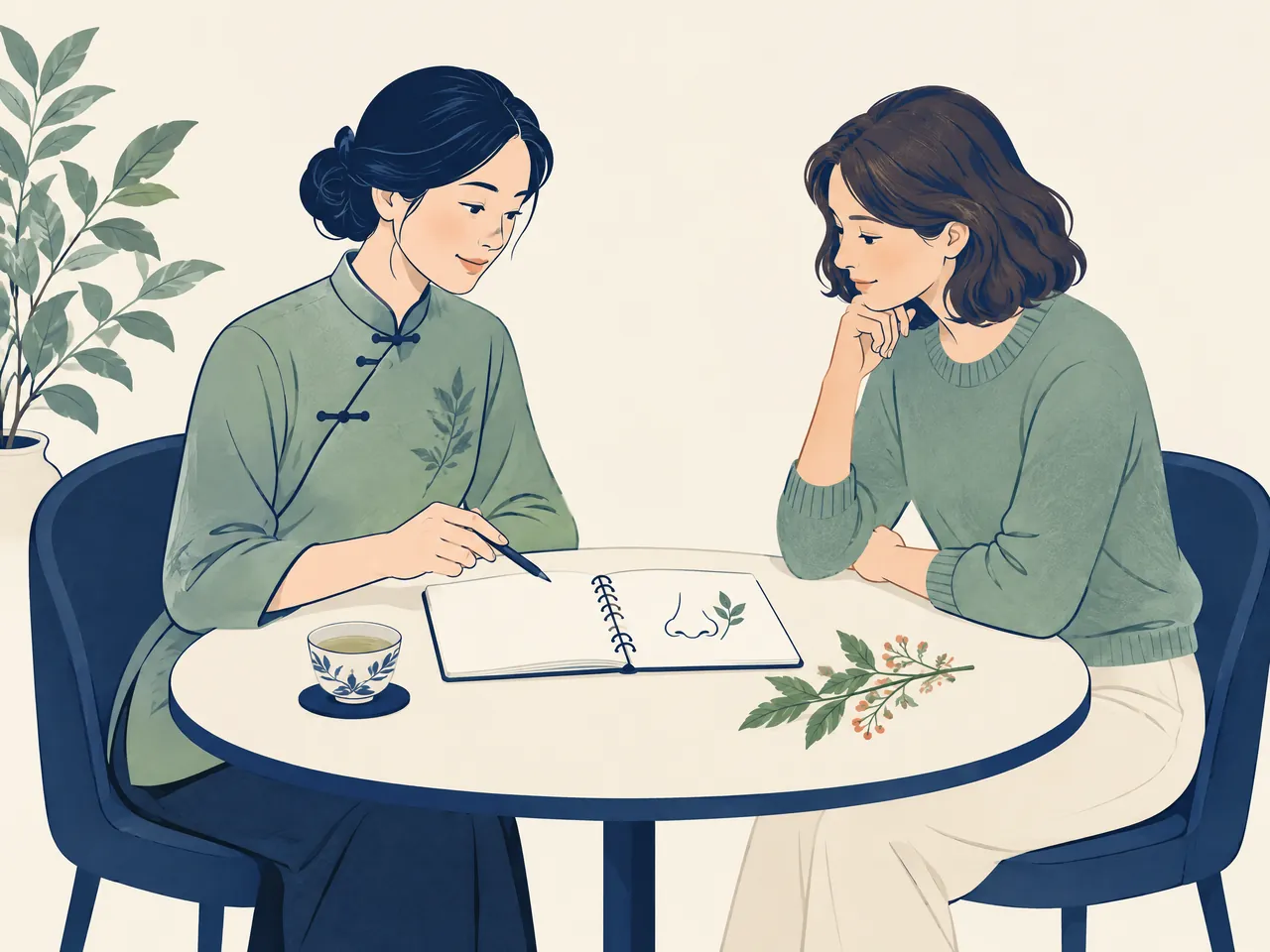
allergic rhinitis vs common cold: What is the difference between allergic rhinitis and a common cold? Can acupuncture help allergic rhinitis? — What a Chinese medicine assessment covers
A registered Chinese medicine practitioner may ask about the timing of sneezing, the feeling of blockage, eye symptoms, sleep, appetite, energy, bowel habits and temperature preference. They may also use the traditional observations of looking, listening, asking and palpation as part of a Chinese medicine assessment. This traditional pattern assessment is not the same as a modern diagnosis of allergic rhinitis, sinus disease or infection. Sharing your medical history and previous allergy testing, if any, helps keep those roles clear.
Bring or photograph every product you use: prescription nasal sprays, tablets, inhalers, eye drops, over-the-counter cold remedies, supplements and Chinese herbal products. Explain if you are pregnant, breastfeeding, have asthma, take regular medication or have reacted to a medicine before. That information matters when discussing acupuncture or herbs alongside conventional care. If your episodes do not include itchiness or clear allergen links, non-allergic rhinitis is another possibility worth discussing with an appropriate clinician rather than self-treating indefinitely.
allergic rhinitis vs common cold: What is the difference between allergic rhinitis and a common cold? Can acupuncture help allergic rhinitis? — Evidence, expectations and medicines
Can acupuncture help allergic rhinitis? The careful answer is that it may be an option for people who want non-drug supportive care, but it is not a guaranteed result. The U.S. National Center for Complementary and Integrative Health reports that some randomised trials suggest acupuncture may improve some allergic-rhinitis symptoms and quality of life. It also notes a 2015 otolaryngology guideline stating that clinicians may offer or refer interested patients for acupuncture [3]. Research findings do not tell us that every individual will respond, nor do they show that acupuncture substitutes for avoiding triggers or using necessary medicines.
Expect a discussion rather than a promised number of visits or a fixed time to improvement. The practitioner should be able to consider your symptom pattern, treatment preferences and medication list, while you continue to watch for signs of an infection or asthma deterioration. Needle safety depends on proper sterile technique and trained delivery; NCCIH notes that complications have occurred with inadequate sterilisation or improper treatment [3]. For a fuller discussion of this complementary role, see Does Chinese medicine help allergic rhinitis?.
allergic rhinitis vs common cold: What is the difference between allergic rhinitis and a common cold? Can acupuncture help allergic rhinitis? — Plan practical next steps
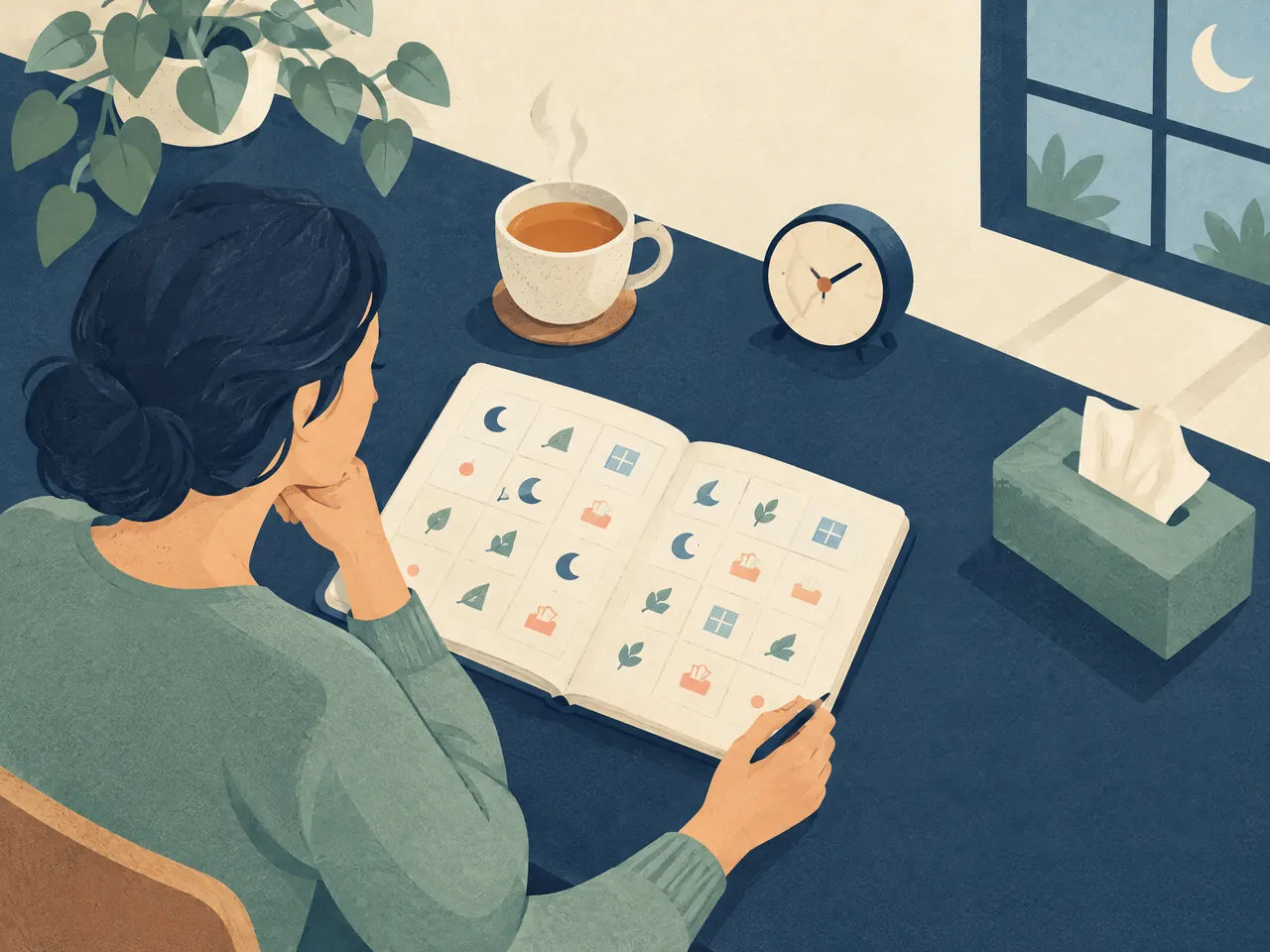
A simple plan reduces guesswork. During an episode, note the date and time, where you were, what you were doing, whether there was dust, dampness, pets, pollen or a strong smell, and whether eyes or nose felt itchy. Add throat pain, cough, temperature, body aches, sleep disruption and any medicines used. This small record can show a predictable trigger pattern, reveal that pharmacy treatment is not enough, or help a clinician recognise when the symptoms are behaving more like a cold than an allergy.
Make the next action proportionate to the pattern. For a familiar mild allergy pattern, reduce known exposure where feasible and seek pharmacist advice if needed. For a new cold-like illness, consider how to limit contact with others and whether testing is appropriate for COVID-19 or flu, particularly if you are at higher risk; the CDC notes that these viruses can resemble a cold but may cause more severe illness [2]. For a diagnosis that remains uncertain or symptoms that keep returning, arrange a clinical assessment rather than cycling through remedies.

allergic rhinitis vs common cold: What is the difference between allergic rhinitis and a common cold? Can acupuncture help allergic rhinitis? — Track symptoms at home
Keep the diary practical enough to use. A phone note with four fields—time, place, symptoms and possible exposure—is often sufficient. Record the severity in your own words, such as “woke twice because blocked” or “ten sneezes after changing sheets,” rather than relying on a number you will not repeat. Include eye itch, palate itch and the effect on work, driving, exercise or sleep. Take the diary to a pharmacist, doctor or Chinese medicine consultation so the discussion begins with real patterns rather than memory alone.
Environmental changes should be targeted, not exhausting. If a pattern repeatedly points to bedding, dampness or an animal, focus on that exposure and reassess. If it occurs everywhere with sore throat and cough, infection may be more plausible. There is no need to eliminate every possible item from your home without a reason. A measured record also protects against a common mistake: attributing every recurrence to “sinus” problems and missing the need for medical assessment when symptoms change.

allergic rhinitis vs common cold: What is the difference between allergic rhinitis and a common cold? Can acupuncture help allergic rhinitis? — When to seek medical advice
Arrange non-urgent medical advice if symptoms are persistent, worsening, unclear, or interfering with sleep, work or normal activity. A clinician can review whether allergic rhinitis, a respiratory infection, non-allergic irritation, asthma or another nasal problem needs attention. This matters before starting or changing any herbal product, and it matters even more if you are using a steroid nasal spray, inhaler or other regular medication. If you already have a treatment plan, follow the prescribing clinician’s instructions for changes rather than making them independently.
If you would like to discuss Chinese medicine as one part of your plan, TCM Lab offers assessment enquiries at its Kwun Tong Chinese medicine clinic and Chinese medicine clinic Prince Edward. You can also review the Chinese medicine clinic price list Hong Kong before enquiring. Bring your symptom record and medicines list, and seek urgent medical care instead of waiting for a consultation if breathing becomes difficult or symptoms are severe.
Care and health guide
Health service information
This directory brings together services, reading, and visit information related to health services, to help you prepare questions for a consultation.
If you are organising health questions, Chinese medicine clinic Hong Kong is a starting point for learning about related services and preparing for a consultation.
People have different needs; acupuncture Hong Kong provides further reading to help you understand options in your own context.


Your questions, answered
Frequently asked questions
How can I tell allergic rhinitis from a common cold?
Look for the pattern. Allergic rhinitis more often brings itchiness, repeated sneezing, clear nasal discharge and itchy or watery eyes after an allergen exposure. A cold more often includes sore throat, cough, headache, mild aches or low-grade fever. Because signs overlap, seek assessment when the cause is unclear or symptoms are persistent.
Can acupuncture help allergic rhinitis?
Acupuncture may be discussed as a complementary non-drug option after an individual assessment. Some trials suggest possible improvement in symptoms or quality of life, but results do not guarantee an individual response. It should sit alongside appropriate trigger management, medical care and prescribed medicines, not replace them.
Can I continue a steroid nasal spray while considering Chinese medicine?
Do not stop, start or change a prescribed nasal spray on your own. Tell every practitioner about nasal sprays, tablets, inhalers, eye drops, supplements and Chinese herbs so care can be coordinated. Any medicine adjustment should be guided by the clinician who prescribes it.
When is a blocked nose not something to manage as allergy at home?
Arrange medical advice if symptoms are worsening, persistent, uncertain or affecting sleep and ordinary activities. Seek urgent care for breathing difficulty, significant wheeze, facial or lip swelling, or severe illness. Persistent one-sided blockage, blood-stained discharge or marked facial pain also needs clinical assessment.
Sources and further information
- [1] [1] NHS: Allergic rhinitis
Referenced for: Symptoms, triggers, self-care options and situations in which medical advice is appropriate.
- [2] [2] U.S. Centers for Disease Control and Prevention: About Common Cold
Referenced for: Cold symptoms, usual course, causes and the potential for other respiratory viruses to cause cold-like symptoms.
- [3] [3] National Center for Complementary and Integrative Health: Seasonal Allergies and Complementary Health Approaches
Referenced for: Summary of acupuncture research, guideline context and safety considerations for allergic rhinitis.