
TCM Lab · Health reading
RICE for ankle sprain: Does acupuncture help an ankle sprain?
Published Updated
A rolled ankle can make every next step uncertain. RICE for ankle sprain care is a practical way to protect the area and manage early swelling: relative rest, wrapped ice, suitable compression and elevation. Does acupuncture help an ankle sprain? It can be discussed as an adjunct after an appropriate assessment, but it is not a substitute for checking a possible fracture, protecting the joint, gradually restoring movement and rebuilding balance. Pain, swelling, bruising and trouble bearing weight can occur with a sprain, yet similar symptoms can also occur with a more serious injury [1].
Appointments are confirmed through WhatsApp. If you have language requirements, please mention them in your enquiry.
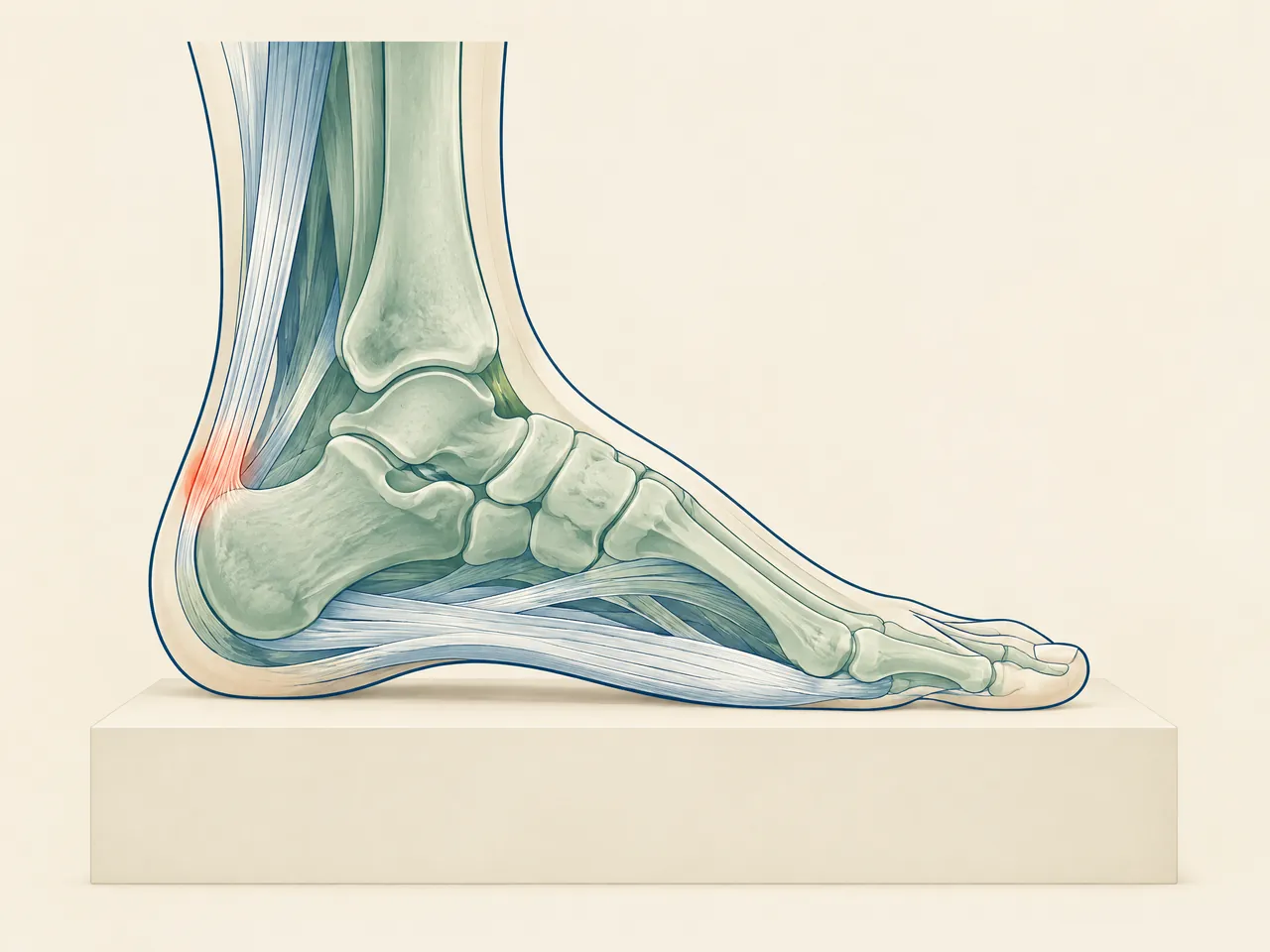
The short answer
RICE for ankle sprain care can help in the first days: protect the ankle, reduce aggravating activity, use ice wrapped in cloth, apply tolerable compression and elevate it. Does acupuncture help an ankle sprain? Current research suggests a possible role, but study quality and methods vary, so it should be an optional complement to assessment and rehabilitation rather than a guaranteed treatment. Seek prompt medical assessment after a crack, deformity, numbness, colour change or inability to take a few steps.
Transparent pricing
See the fees.
Choose your care.
Explore our complete official price list, including first-trial prices, regular prices, packages and branch-specific options.
Opening WhatsApp prepares an enquiry; it does not send a message, take payment or confirm an appointment. Suitability and individual arrangements are confirmed during consultation.
Pain care
All prices in HKDExtracorporeal shockwave treatment
Shockwave treatment for deep-tissue and fascial care. The Kwun Tong clinic offers the multi-area options shown below.
Priced by branch
Branch-specific pricing
Prince Edward: HK$250 per area
Kwun Tong: HK$250 for 1 area / HK$450 for 2 areas / HK$600 for 3 areas
Pain care (manual therapy)
Includes Chinese medicine musculoskeletal assessment, manual joint techniques and tui na.
HK$580 (single session)
Chinese medicine musculoskeletal assessment
Pain care (acupuncture and manual therapy)
Combines acupuncture and manual therapy.
HK$680 (single session)
Combined care
Hair and scalp
All prices in HKDScalp health and hair-loss management
Includes AI scalp analysis, deep scalp and follicle cleansing, and scalp oil-control care.
HK$380 (first trial)
Regular price: HK$680
- 6 sessions: HK$3,480 (HK$580 per session)
- 12 sessions: HK$5,760 (HK$480 per session)
- 20 sessions: HK$8,600 (HK$430 per session)
- 30 sessions: HK$11,400 (HK$380 per session)
Hair acupuncture and Chinese herbal medicine package
Includes scalp acupuncture and 3 days of Chinese herbal medicine that does not require decoction.
HK$580 (single session)
Registered Chinese Medicine Practitioner consultation
- 6 sessions: HK$3,180 (HK$530 per session)
- 12 sessions: HK$5,760 (HK$480 per session)
- 20 sessions: HK$8,600 (HK$430 per session)
- 30 sessions: HK$11,400 (HK$380 per session)
Combined hair and scalp treatment
Combines acupuncture and Chinese herbal medicine with salon-level scalp and follicle care. Packages include complimentary hair-care shampoo and serum.
HK$1,260 (single session)
Combined treatment
- 8 sessions: HK$8,640 (HK$1,080 per session)
- 16 sessions: HK$15,680 (HK$980 per session)
- 20 sessions: HK$18,600 (HK$930 per session)
- 30 sessions: HK$26,400 (HK$880 per session)
Weight management
All prices in HKDFull-body acupoint embedding for weight management
Includes full-body acupoint embedding. Packages include complimentary Chinese herbal medicine for weight management, with the number of included days scaled to the package. Embedding material and the individual treatment arrangement are confirmed during consultation; this is not a cosmetic thread lift.
HK$980 (single session)
No trial session
- 10 sessions: HK$7,800 (HK$780 per session)
- 20 sessions: HK$14,600 (HK$730 per session)
- 30 sessions: HK$20,400 (HK$680 per session)
Facial acupuncture
All prices in HKDFacial acupuncture (basic)
Includes facial acupuncture and meridian-based facial care, including care for facial puffiness.
HK$480 (first trial)
Regular price: HK$680
- 10 sessions: HK$5,200 (HK$520 per session)
- 20 sessions: HK$9,600 (HK$480 per session)
- 30 sessions: HK$13,500 (HK$450 per session)
Facial acupuncture (advanced)
Includes enhanced facial acupuncture with a specially formulated moisturising mask and serum.
HK$780 (first trial)
Regular price: HK$1,180
- 10 sessions: HK$9,000 (HK$900 per session)
- 20 sessions: HK$16,600 (HK$830 per session)
- 30 sessions: HK$23,400 (HK$780 per session)
Chinese medicine
All prices in HKDAcupuncture and Chinese herbal medicine package
Includes a Chinese medicine consultation with pulse assessment, body acupuncture and 3 days of Chinese herbal granules that do not require decoction.
HK$580 (single session)
Chinese medicine consultation with pulse assessment
RICE for ankle sprain and Does acupuncture help an ankle sprain? — understanding the injury
An ankle sprain is an injury to ligaments that help stabilise the joint. It often follows an inward roll of the foot, but the direction, force and location of pain matter. A person may notice immediate pain, then swelling, bruising, tenderness or a sense that the ankle will give way. Those signs do not reveal the exact tissue injury on their own. An examination considers how the injury happened, where the bones and ligaments are tender, movement and ability to bear weight; imaging may be used when a fracture or another injury needs to be ruled out [1].
The useful first question is not simply ‘How swollen is it?’ but ‘Can I safely treat this as a straightforward sprain while I arrange the next step?’ A misstep off a bus, for example, may be manageable with protection and a check of symptoms. A high-energy fall, a loud crack, or pain directly over bone calls for more caution. For comfort ideas once urgent problems have been considered, the related guide to ankle sprain pain relief explains symptom-focused options without treating pain relief as proof that the joint is ready for sport.
Severity is not measured reliably by willpower or by whether someone can finish a commute. Swelling may make shoes tight, and bruising can travel down the foot over the following days. Note the injury mechanism, swelling onset, instability and weight bearing. These details help a clinician decide whether the issue is likely to be an isolated sprain or whether a fracture, a higher ankle injury, tendon injury or another cause needs consideration.

RICE for ankle sprain and Does acupuncture help an ankle sprain? — symptoms and severity
A mild-looking ankle can still deserve a measured plan. Compare it with the other side without forcing it: note swelling, bruising, warmth, pain at rest, pain on movement, and whether the ankle feels reliable when you turn. Do not repeatedly test a painful joint by hopping or twisting it. A support or crutches may be suggested for some injuries, but the right amount of protection depends on the examination and functional ability. The purpose is to prevent another roll while the injury settles, not to avoid movement indefinitely.
Plan around tasks rather than a calendar promise. Standing in an MTR carriage, carrying groceries upstairs and walking on uneven pavements all demand more control than sitting at a desk. If ordinary steps sharply increase pain or swelling, scale back and seek advice. If symptoms are improving, reintroduce simple activities in stages instead of treating the absence of one symptom as full recovery. This is why a gradual sprained ankle recovery plan is more useful than a single predicted healing date.
RICE for ankle sprain and Does acupuncture help an ankle sprain? — when assessment matters
Seek urgent medical help after a crack at the time of injury, a visibly changed shape, numbness or pins and needles, skin that turns blue or grey or feels cold, or rapidly worsening pain. These features may point beyond a routine sprain. The NHS also advises urgent review when a person cannot put weight on the injury or walk more than a few steps, or when swelling and bruising are large or worsening [4]. Do not try to ‘work out’ a suspected fracture by pressing hard on it at home.
Assessment also matters when a supposedly minor injury stalls. Persistent swelling, pain after several weeks, recurrent giving-way, or difficulty returning to ordinary walking deserves a clinical review. The aim is not to label every injury severe; it is to choose the right pathway before stiffness, avoidance of movement or repeated sprains take hold. Bring a list of medicines and relevant health conditions, and say if you are already using a brace, anti-inflammatory medicine, physiotherapy or another treatment so that advice can be coordinated.
Compare your options
| What you notice | Immediate focus | Why the next step matters |
|---|---|---|
| A fresh twist with manageable pain and no red flags | Protect the ankle, use wrapped ice, tolerable compression and elevation; avoid aggravating activity | Early symptom management can make rest and observation safer while you monitor function |
| You cannot take a few steps, or pain and swelling are severe or worsening | Seek prompt medical assessment rather than testing it repeatedly at home | A fracture or a more substantial injury may need to be excluded |
| Walking is improving but stairs, uneven ground or turns still feel unreliable | Discuss progressive movement, strength and balance rehabilitation | Straight-line walking alone does not test the control needed for everyday and sporting demands |
| You are considering acupuncture after assessment | Ask how it would fit with protection, loading and rehabilitation | The evidence is limited and variable, so it should be treated as an adjunct rather than a replacement |
On smaller screens, scroll the table sideways to compare all columns.
RICE for ankle sprain and Does acupuncture help an ankle sprain? — first days of care
RICE is best understood as early symptom management, not a complete rehabilitation programme. Protection may mean pausing the sport or route that caused the twist and using a support or other aid if advised. Relative rest means avoiding movements that aggravate the ankle rather than assuming that all movement is harmful for an extended period. Ice, compression and elevation can make the early phase more manageable, but none can diagnose the injury or repair a torn ligament by themselves. Check the skin and comfort regularly rather than tightening a wrap simply because swelling is visible.
Set up the environment for a safer first evening. Rest with the leg propped on pillows if comfortable, and keep essentials nearby to reduce stair trips. Choose a stable shoe if you must move around rather than a loose slipper that lets the ankle roll again. These small choices reduce accidental loading while you watch how pain and swelling respond.
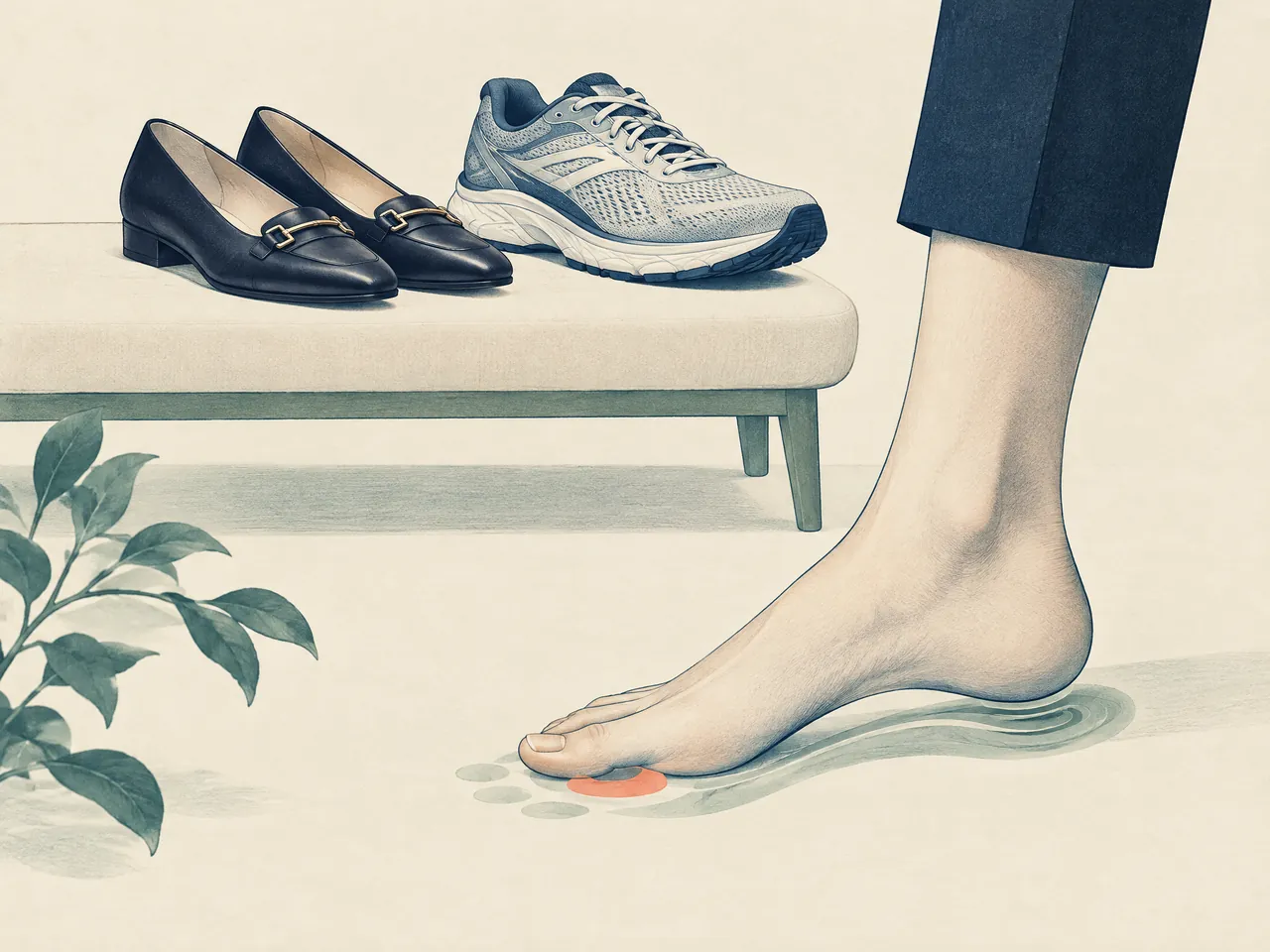
Early advice differs because injuries vary. Some people need more protection; others may begin controlled movement and weight bearing as tolerated. The common ground is to avoid pushing through sharp pain, a feeling of instability or clear symptom worsening. The Hong Kong Sports Institute describes R.I.C.E. for the first 48 hours and pain-free mobilisation as part of continuing care, while its later stages include movement, strengthening and proprioceptive work [2].
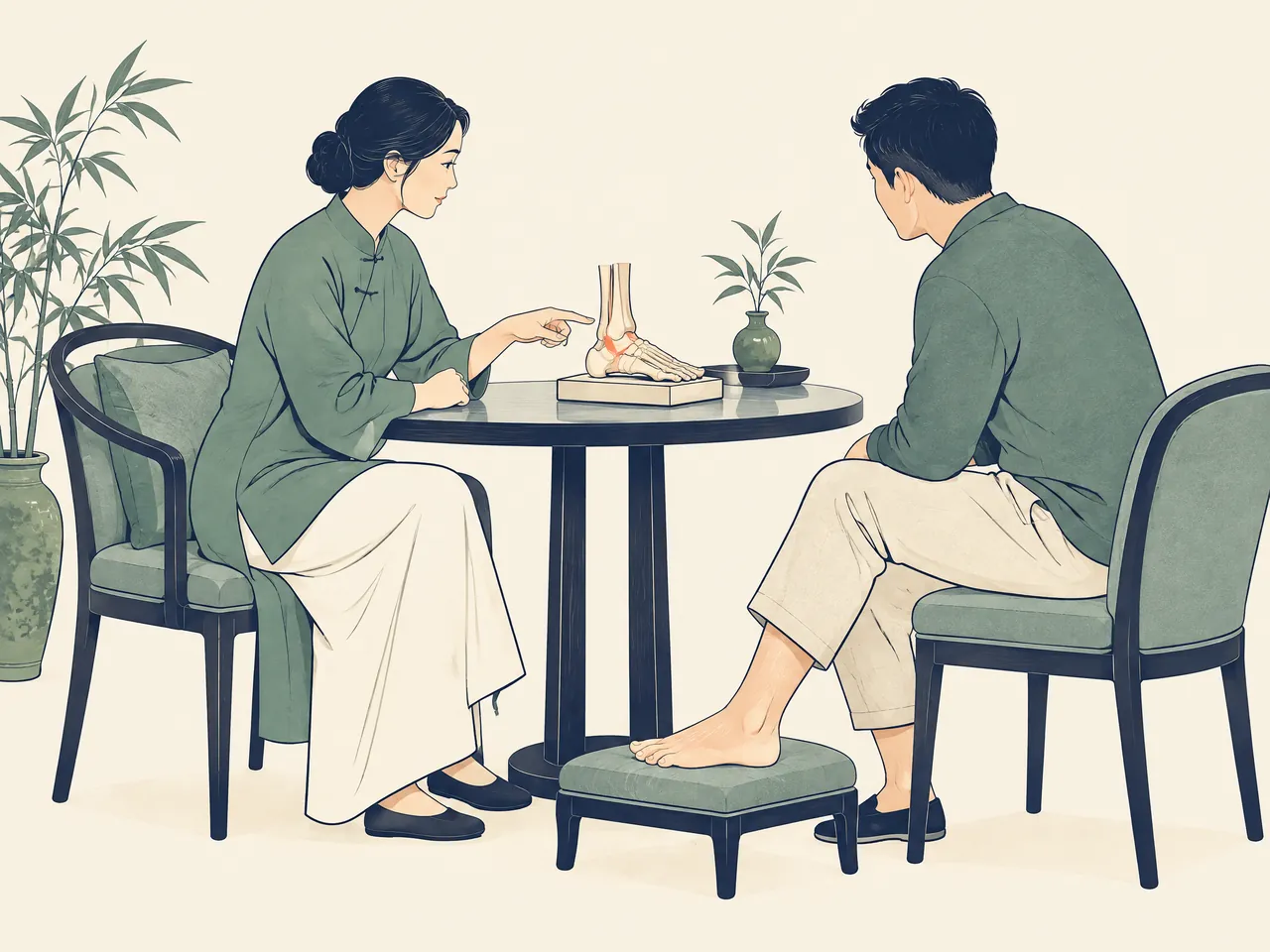
RICE for ankle sprain and Does acupuncture help an ankle sprain? — ice, compression and elevation
Use ice with a cloth barrier rather than placing it directly on skin. A wrapped cold pack can be used for a short period, then removed while you inspect the skin and let it return to normal temperature. Compression should feel supportive, not constricting: loosen it if toes become numb, tingly, cold, discoloured or more painful. Elevation is most useful when it is comfortable and practical, such as while resting on a sofa or in bed. These measures manage symptoms; they do not make it safe to return to pivoting activity the same day.
The question ‘Should I use ice or heat?’ changes with timing and symptoms. In the first couple of days after a fresh sprain, the NHS advises avoiding heat, alcohol and massage while using protection, rest, ice, compression and elevation to help with swelling [4]. Later, an individual may have different comfort needs, but new or increasing swelling should not be masked with a hot pack and ignored. Read the fuller comparison of ankle sprain ice or heat before deciding what fits the stage of your injury.
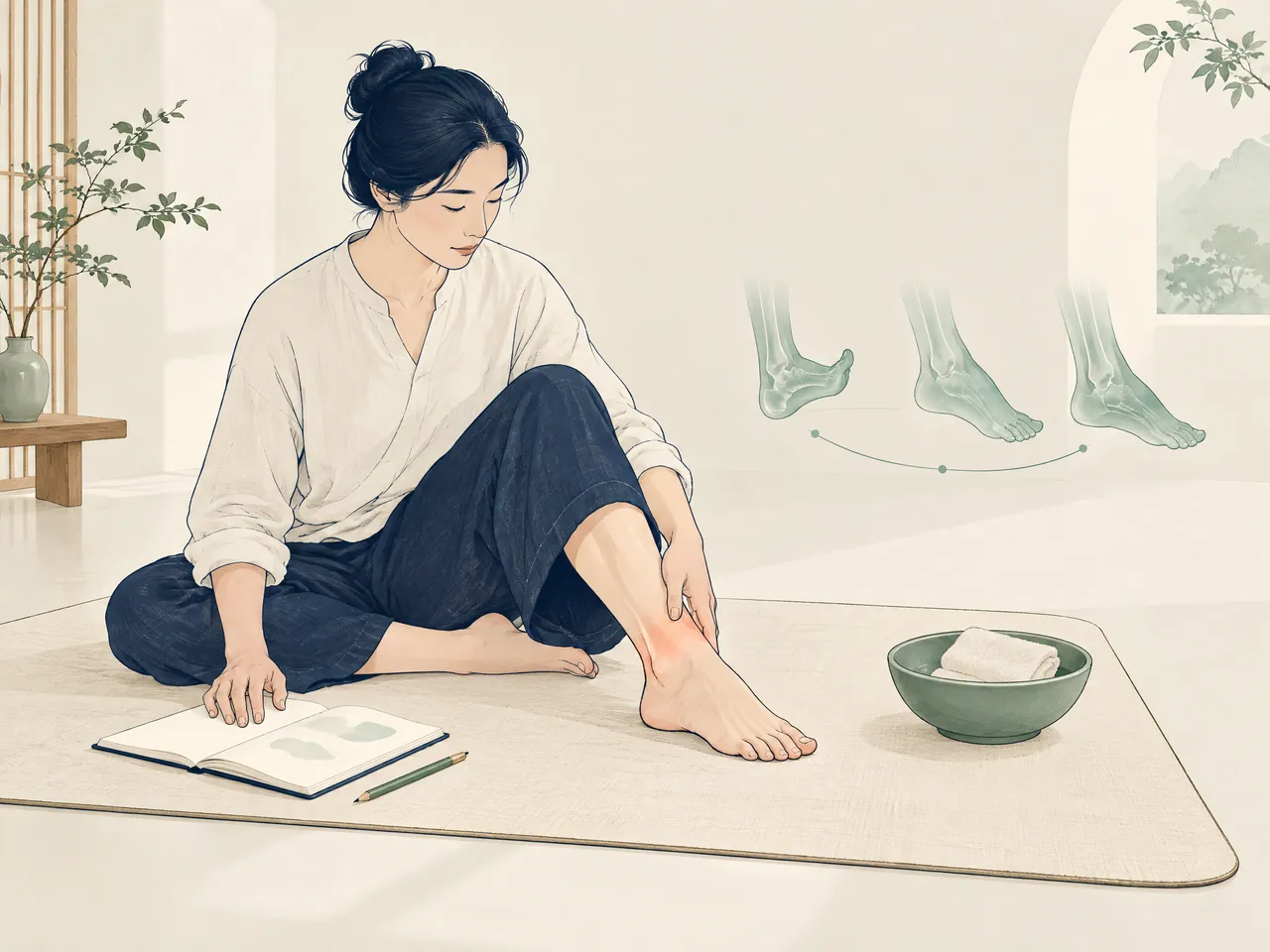
RICE for ankle sprain and Does acupuncture help an ankle sprain? — heat, activity and weight bearing
When pain no longer stops movement, gentle controlled ankle motion may be introduced under appropriate guidance. Think of this as checking tolerance, not training fitness. Slow up-and-down movements or a small range of motion may be enough at first; fast circles, calf raises, hopping and uneven ground ask more of the ankle. Increase only one demand at a time: a little more walking distance, then stairs, then quicker walking, rather than combining all three after a quiet day.
Weight bearing is a decision that can be revisited through the day. If the ankle becomes much more painful, more swollen or less trustworthy after an activity, return to a lower level and ask for advice rather than treating the flare as failure. A clinician or physiotherapist can decide whether a brace, boot, crutches or a different loading plan is appropriate. For people who use acupuncture as part of their care, that appointment should not become a reason to skip this functional progression or to return to sport before the ankle can cope.
RICE for ankle sprain and Does acupuncture help an ankle sprain? — recovery decisions
Recovery is about function as well as discomfort. An ankle may feel better on a straight, flat walk but still struggle with a quick change of direction, a downhill pavement or a bus step. Rebuilding range of motion, strength and balance gives the joint and surrounding muscles a better chance of handling those demands. The AAOS describes a phased approach that progresses from early motion to strengthening, balance retraining and a gradual return to pre-injury activities [1]. The pace depends on the injury and assessment.
Use clear functional markers when deciding what comes next. Can you walk without a marked limp? Does the ankle settle after normal daily movement? Can you safely manage steps and a brief single-leg balance task if this has been advised? An increase in swelling later that day, a sense of giving way or pain with ordinary loading indicates that the current stage may be too demanding. Runners and court-sport players need a structured rehabilitation conversation before cutting and turning.
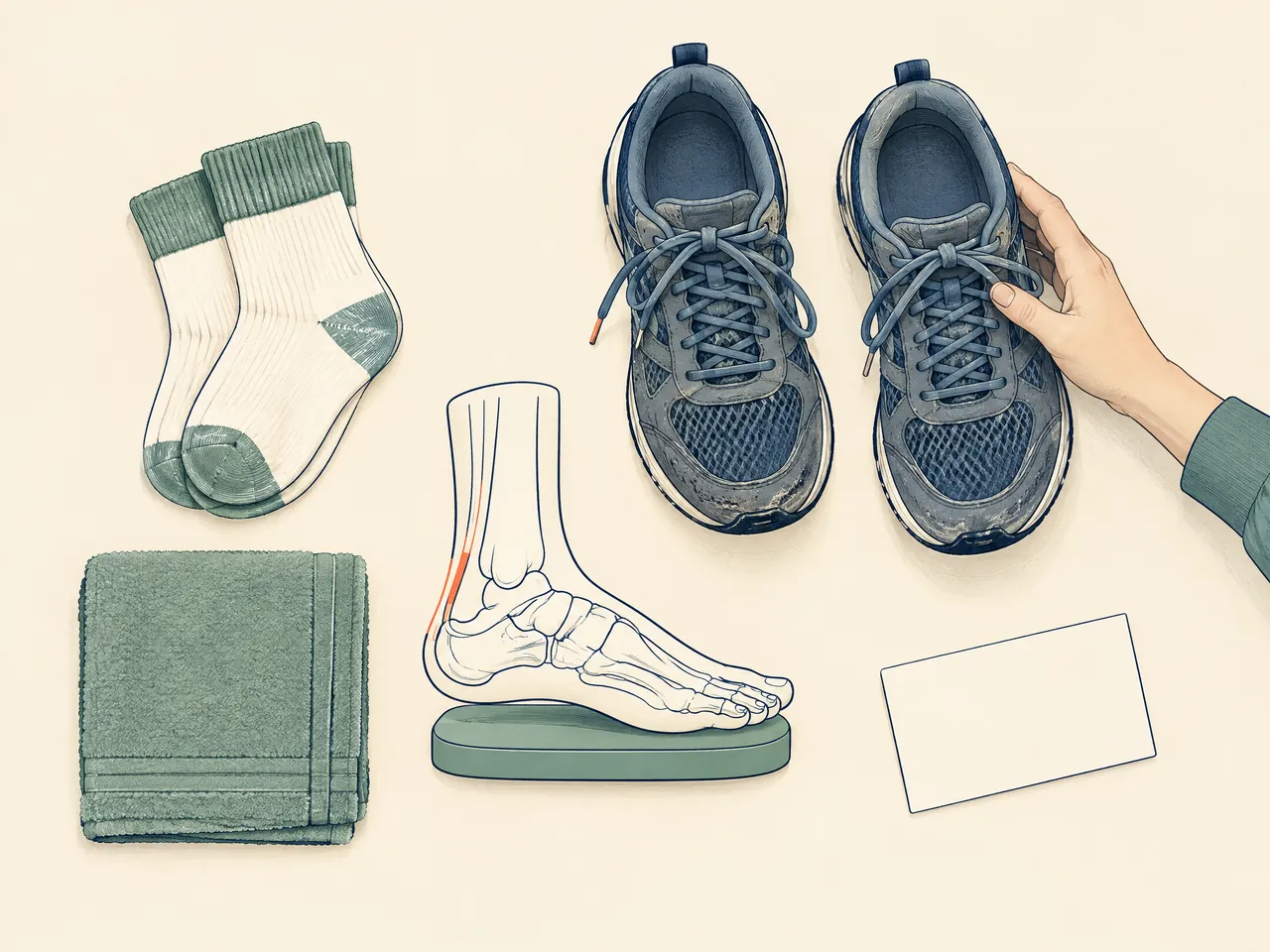
This is also the point to choose providers by role, not by a promise. Medical assessment helps exclude important injuries and clarify loading restrictions. Physiotherapy can guide exercise progression. A Registered Chinese Medicine Practitioner may discuss acupuncture within a broader, individual assessment if it is appropriate to the person and the stage of injury. Good care is coordinated: tell each provider about previous injuries, current medicines, supports and other treatment rather than treating each visit as a separate plan.
RICE for ankle sprain and Does acupuncture help an ankle sprain? — evidence and realistic expectations
Does acupuncture help an ankle sprain? The most careful answer is that it may be considered as a complementary option, but it is not established as a reliable standalone answer for every sprain. A systematic review of 17 studies reported possible benefit, while its authors called for larger, better-designed trials. They also noted small samples, different interventions, methodological problems and limited objective outcomes, all of which make a confident promise inappropriate [3].
That uncertainty changes the decision, not necessarily the conversation. If pain is limiting sleep or movement after urgent problems have been addressed, ask what acupuncture is intended to complement, what would be monitored, and what rehabilitation still needs to continue. Do not expect a fixed number of sessions, a guaranteed recovery date or a substitute for imaging when imaging is indicated. The page on acupuncture for ankle sprain provides a focused starting point for that discussion, while an in-person assessment determines whether it suits your situation.

RICE for ankle sprain and Does acupuncture help an ankle sprain? — rehabilitation and next steps
A sensible next step is to match the plan to your present limitation. If you cannot take a few steps, have red-flag symptoms or suspect a fracture, seek prompt medical assessment. If you can move carefully but daily tasks remain difficult, arrange a clinical review and discuss protection, pain management and progressive rehabilitation. If you are steadily improving, keep the progression modest and watch the response over the next day. This approach makes room for acupuncture as an adjunct without letting it displace the actions that restore stability and confidence.
Before booking a Chinese medicine consultation, prepare a brief injury history: when and how it happened, where it hurts, what activities are currently impossible, previous sprains, relevant diagnoses and medicines, and any scans or reports. You can ask TCM Lab about an assessment at the Kwun Tong Chinese medicine clinic or the Chinese medicine clinic Prince Edward, and clarify language needs and appointment availability by WhatsApp. An assessment can help you decide whether acupuncture is worth discussing alongside—not in place of—medical or rehabilitation care.
Care and health guide
Health service information
This directory brings together services, reading, and visit information related to health services, to help you prepare questions for a consultation.
If you are organising health questions, Chinese medicine clinic Hong Kong is a starting point for learning about related services and preparing for a consultation.
People have different needs; acupuncture Hong Kong provides further reading to help you understand options in your own context.


Your questions, answered
Frequently asked questions
What does RICE for ankle sprain care involve?
RICE refers to rest or relative rest, ice, compression and elevation. In practice, protect the ankle from another twist, reduce aggravating activity, apply ice with a cloth barrier, use a comfortable supportive wrap and elevate while resting. It is early care, not a diagnosis or full rehabilitation plan.
Does acupuncture help an ankle sprain?
Acupuncture may be discussed as a complementary option after suitable assessment. Research suggests possible benefit but has important limitations, including variable treatments and study quality. It should not replace assessment for a fracture or severe injury, or the gradual loading, movement, strength and balance work used in rehabilitation.
When should I seek urgent help for an ankle sprain?
Seek urgent medical help after a crack, obvious deformity, numbness or pins and needles, blue or grey skin, a cold foot, or rapidly worsening pain. Prompt assessment is also appropriate when you cannot put weight on the ankle or walk more than a few steps.
Should I use heat or ice after an ankle sprain?
For the first couple of days after a fresh sprain, wrapped ice is commonly used as part of early care and heat is generally avoided. Do not apply ice directly to the skin. Later choices should reflect symptoms and professional advice; new swelling or worsening pain deserves reassessment rather than simply more heat.
Sources and further information
- [1] [1] American Academy of Orthopaedic Surgeons — Sprained Ankle
Referenced for: Symptoms, assessment, initial care, weight bearing and phased rehabilitation.
- [2] [2] Hong Kong Sports Institute — Sports Medicine Education No. I: Ankle Sprain
Referenced for: Hong Kong sports-medicine education on early R.I.C.E., mobilisation and rehabilitation progression.
- [3] [3] Liu et al. — Acupuncture Therapy for Acute Ankle Sprain: Systematic Review and Meta-analysis
Referenced for: Possible benefit and the evidence limitations of acupuncture studies for acute ankle sprain.
- [4] [4] NHS — Sprains and strains
Referenced for: Early self-care, avoiding heat in the first days and warning signs for urgent assessment.