
TCM Lab · Health reading
Skin Condition Assessment, Chinese Medicine Skin Consultation and Chinese Medicine Dermatology
Published Updated
A skin condition assessment in a Chinese medicine skin consultation is a structured conversation about what is happening on the skin and what has been happening around it. Rather than judging a rash, breakout or patch from one photograph alone, the practitioner may ask about its timing, itch or pain, sleep, digestion, current products, medicines and day-to-day pressures. Chinese medicine dermatology uses this wider picture to discuss an individual plan, while recognising that a persistent, severe or changing skin problem may also need medical or dermatology assessment.
Appointments are confirmed through WhatsApp. If you have language requirements, please mention them in your enquiry.
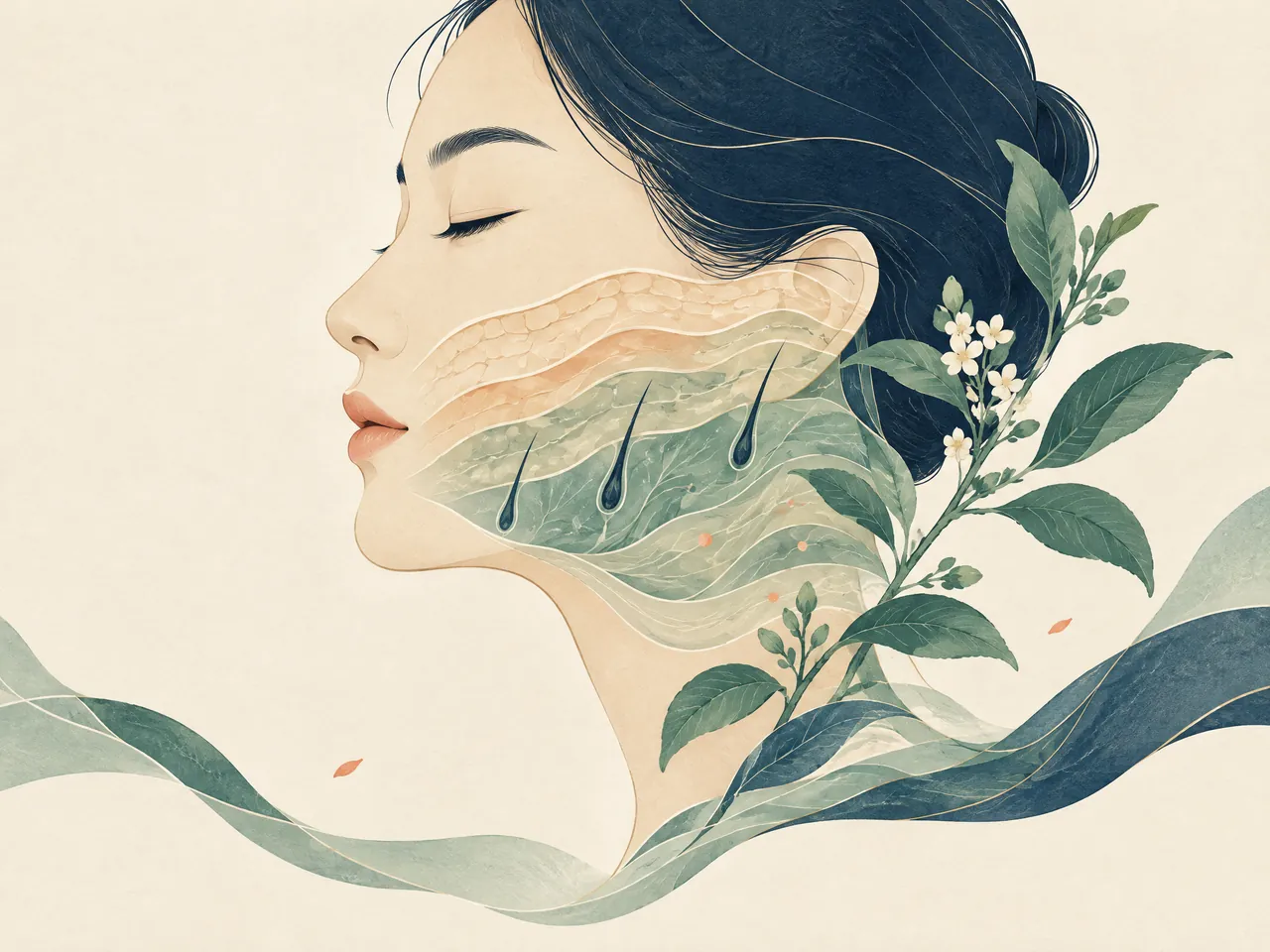
The short answer
A skin condition assessment explores the appearance and course of a concern alongside relevant health history, routines and current care. In a Chinese medicine skin consultation, a registered practitioner may use traditional observation and questions to decide whether discussion of herbal medicine, acupuncture or supportive self-care is appropriate. It is individual rather than a promise of a fixed course or result. Signs of infection, severe allergy or rapid deterioration require prompt conventional medical help.
Transparent pricing
See the fees.
Choose your care.
Explore our complete official price list, including first-trial prices, regular prices, packages and branch-specific options.
Opening WhatsApp prepares an enquiry; it does not send a message, take payment or confirm an appointment. Suitability and individual arrangements are confirmed during consultation.
Chinese medicine
All prices in HKDAcupuncture and Chinese herbal medicine package
Includes a Chinese medicine consultation with pulse assessment, body acupuncture and 3 days of Chinese herbal granules that do not require decoction.
HK$580 (single session)
Chinese medicine consultation with pulse assessment
Hair and scalp
All prices in HKDScalp health and hair-loss management
Includes AI scalp analysis, deep scalp and follicle cleansing, and scalp oil-control care.
HK$380 (first trial)
Regular price: HK$680
- 6 sessions: HK$3,480 (HK$580 per session)
- 12 sessions: HK$5,760 (HK$480 per session)
- 20 sessions: HK$8,600 (HK$430 per session)
- 30 sessions: HK$11,400 (HK$380 per session)
Hair acupuncture and Chinese herbal medicine package
Includes scalp acupuncture and 3 days of Chinese herbal medicine that does not require decoction.
HK$580 (single session)
Registered Chinese Medicine Practitioner consultation
- 6 sessions: HK$3,180 (HK$530 per session)
- 12 sessions: HK$5,760 (HK$480 per session)
- 20 sessions: HK$8,600 (HK$430 per session)
- 30 sessions: HK$11,400 (HK$380 per session)
Combined hair and scalp treatment
Combines acupuncture and Chinese herbal medicine with salon-level scalp and follicle care. Packages include complimentary hair-care shampoo and serum.
HK$1,260 (single session)
Combined treatment
- 8 sessions: HK$8,640 (HK$1,080 per session)
- 16 sessions: HK$15,680 (HK$980 per session)
- 20 sessions: HK$18,600 (HK$930 per session)
- 30 sessions: HK$26,400 (HK$880 per session)
Weight management
All prices in HKDFull-body acupoint embedding for weight management
Includes full-body acupoint embedding. Packages include complimentary Chinese herbal medicine for weight management, with the number of included days scaled to the package. Embedding material and the individual treatment arrangement are confirmed during consultation; this is not a cosmetic thread lift.
HK$980 (single session)
No trial session
- 10 sessions: HK$7,800 (HK$780 per session)
- 20 sessions: HK$14,600 (HK$730 per session)
- 30 sessions: HK$20,400 (HK$680 per session)
Facial acupuncture
All prices in HKDFacial acupuncture (basic)
Includes facial acupuncture and meridian-based facial care, including care for facial puffiness.
HK$480 (first trial)
Regular price: HK$680
- 10 sessions: HK$5,200 (HK$520 per session)
- 20 sessions: HK$9,600 (HK$480 per session)
- 30 sessions: HK$13,500 (HK$450 per session)
Facial acupuncture (advanced)
Includes enhanced facial acupuncture with a specially formulated moisturising mask and serum.
HK$780 (first trial)
Regular price: HK$1,180
- 10 sessions: HK$9,000 (HK$900 per session)
- 20 sessions: HK$16,600 (HK$830 per session)
- 30 sessions: HK$23,400 (HK$780 per session)
Pain care
All prices in HKDExtracorporeal shockwave treatment
Shockwave treatment for deep-tissue and fascial care. The Kwun Tong clinic offers the multi-area options shown below.
Priced by branch
Branch-specific pricing
Prince Edward: HK$250 per area
Kwun Tong: HK$250 for 1 area / HK$450 for 2 areas / HK$600 for 3 areas
Pain care (manual therapy)
Includes Chinese medicine musculoskeletal assessment, manual joint techniques and tui na.
HK$580 (single session)
Chinese medicine musculoskeletal assessment
Pain care (acupuncture and manual therapy)
Combines acupuncture and manual therapy.
HK$680 (single session)
Combined care
Skin Condition Assessment, Chinese Medicine Skin Consultation and Chinese Medicine Dermatology: A Whole-Person View
In Chinese medicine, the phrase whole-person assessment refers to bringing these details together rather than treating a label as the entire story. Traditional observation may include the distribution, colour, dryness, moisture or scale of a skin concern, together with questions about accompanying sensations and general wellbeing. Traditional terms used to describe patterns are a consultation approach; they should not be presented as a biomedical diagnosis. The aim is to understand the individual presentation and decide whether Chinese medicine care can sensibly be discussed alongside, or after, appropriate medical evaluation.
This approach can be especially relevant when a concern feels recurrent or hard to describe in a short appointment. A person may notice that itching is worse at night, that flare-ups coincide with heat or a demanding work period, or that a new cleanser caused burning. Those observations do not prove a cause, but they make the history more useful. For a broader explanation of the scope of Chinese medicine for skin conditions, readers can compare common concerns and the role of an individual consultation.

The consultation should also make space for current conventional care. Bring the names or photographs of creams, supplements and prescribed medicines, and say if a treatment caused irritation or other unwanted effects. Do not stop prescribed treatment, change a diet, or assume a supplement is harmless simply because a new approach is being considered. The NHS specifically advises against changing diet for atopic eczema unless told to by a doctor, a useful reminder that restrictive changes need an appropriate clinical reason [1].
How Skin Condition Assessment, Chinese Medicine Skin Consultation and Chinese Medicine Dermatology Look Beyond the Surface
Looking beyond the surface does not mean overlooking the surface. Clear description is central: is the area dry, flaky, raised, cracked, weeping, painful, itchy or tender? Is it localised or widespread? Has the colour changed? Are there breaks in the skin, discharge, nail changes or hair involvement? A symptom diary and dated photographs taken in consistent light can help show change over time, particularly if the concern is intermittent. The practitioner can then ask focused follow-up questions rather than relying on memory alone.
The wider review may include past skin diagnoses, allergies, family history, recent infections, pregnancy or plans for pregnancy, sleep quality and regular medicines. These are not routine questions for their own sake. They help identify practical constraints, possible interaction questions and reasons a person may need a different service first. For example, a person with a rapidly changing lesion, pronounced pain or symptoms beyond the skin needs a timely medical route, not an extended discussion about general wellness.

Lifestyle and Internal Patterns in Skin Condition Assessment, Chinese Medicine Skin Consultation and Chinese Medicine Dermatology
Daily circumstances are worth discussing because they shape exposure and coping. In Hong Kong, a person may move between air-conditioned offices, outdoor humidity, frequent handwashing, exercise, face coverings, cosmetics or occupational cleaning products. A consultation can ask about these realities without claiming that one lifestyle factor caused a condition. The useful question is often practical: what changed before a flare, what seems to aggravate discomfort, and what is already helping the person manage the day?
Sleep disturbance deserves a specific description. Rather than simply saying sleep is poor, note whether itch wakes you, whether pain makes it difficult to settle, and whether scratching causes broken skin by morning. Likewise, note ordinary meals, bowel habits, alcohol, smoking, stress and exercise only as context, not as a test to pass. Avoid sudden, highly restrictive food plans based on guesswork. The NHS lists a range of possible eczema aggravators, including irritants, heat or temperature changes, stress and infection, but individual triggers are not identical for everyone [1].
Compare your options
| Information to prepare | Why it matters during the discussion | Useful example |
|---|---|---|
| Timeline and dated photos | Shows whether the concern is new, recurrent, spreading or fluctuating. | First noticed last month; photos from before and after a flare. |
| Symptoms and daily impact | Helps distinguish the main priority from the visible appearance alone. | Itch wakes me at night; hand washing stings; no fever. |
| Current and previous treatments | Avoids assumptions and supports a safer conversation about combinations. | Names or photos of prescribed creams, tablets, supplements and skincare products. |
| Relevant health history | May affect suitability, referral needs or questions about interactions. | Known allergies, pregnancy or breastfeeding, other conditions and regular medicines. |
| Your questions and goals | Keeps the visit focused on the decision you need to make. | Do I need medical assessment first? What should make me seek urgent help? |
On smaller screens, scroll the table sideways to compare all columns.
Skin Condition Assessment, Chinese Medicine Skin Consultation and Chinese Medicine Dermatology for Common Concerns
People often book because a familiar word seems to fit: eczema, acne, hives or psoriasis. Those terms are useful starting points, but they are not interchangeable and they do not settle every question. The Chinese Medicine Hospital of Hong Kong lists eczema, psoriasis, alopecia areata and acne among chronic skin conditions addressed in its programme, which reflects the range of concerns that can prompt a Chinese medicine discussion [2]. It does not mean that every dry patch, spot or itchy eruption has one of those conditions, or that one approach suits all of them.
For episodes of raised itchy welts that appear and fade, the history should include timing, duration of each episode, swelling of lips or face, breathing symptoms and possible exposures. This is different from a long-standing dry rash. Read the separate guide to hives for a focused overview, but seek urgent help rather than waiting for a consultation if breathing is difficult or there are signs of a severe allergic reaction.
Eczema, Acne and Psoriasis in Skin Condition Assessment, Chinese Medicine Skin Consultation and Chinese Medicine Dermatology
Eczema is a broad term, and atopic eczema is only one type. The NHS describes atopic eczema as itchy skin that may be dry, cracked, crusty, scaly or thickened, with periods when symptoms get worse and periods when they are better [1]. For someone asking about eczema Chinese medicine, it is helpful to record the location, level of itch, skin products, wet work, flare pattern and treatments already used. A consultation may discuss Chinese medicine options, but it should not replace assessment of suspected infection or persistent symptoms that need medical care.
Acne questions benefit from details about where lesions occur, whether they are tender or deep, whether marks or scarring are a concern, and what topical or oral treatments have been used. Do not assume every facial eruption is acne, and do not add multiple active products at once without advice. The American Academy of Dermatology notes that clearing severe acne can require dermatologist expertise and provides distinct guidance on severe acne, scarring and treatment in pregnancy [4]. Those situations call for appropriately qualified medical advice alongside any complementary discussion.
Psoriasis can involve dry, itchy or sore flaky patches and may have flare-ups. The NHS advises medical review for psoriasis symptoms, treatment that is not working or causing side effects, and recurring joint pain, stiffness and swelling [3]. Sharing a previous diagnosis, photographs of representative patches, and information about scalp, nail or joint symptoms helps prevent an assessment from becoming too narrow. The purpose is not to re-label psoriasis through traditional language, but to understand the person’s current concerns and coordinate sensible next steps.
What to Discuss During a Skin Condition Assessment, Chinese Medicine Skin Consultation and Chinese Medicine Dermatology Visit
Prepare a short timeline before the visit. Include the first day or approximate month you noticed the issue, locations involved, major changes, itch or pain, sleep impact, and anything that made it seem better or worse. Include previous medical diagnoses, tests and treatments, even if they did not help. If you use prescription creams, oral medicines, supplements, over-the-counter remedies or traditional products, bring the packaging or a clear list. This helps the practitioner consider the full picture and avoid assumptions about what is already being used.
A good question list can be simple: What needs medical assessment first? What is the goal of the option being suggested? Could it affect my current medicines or routine? How should I track change? When should I stop and contact someone? If herbs or a topical preparation are discussed, disclose known allergies, pregnancy or breastfeeding, liver or kidney concerns, and all medicines. Ask how to use the product, where not to apply it and what reaction should prompt you to stop. Individual suitability must be assessed in person.
It is also reasonable to explain your preference. Some people want to understand traditional assessment before deciding on any intervention. Others are already receiving dermatology care and want to discuss whether Chinese medicine can be considered as complementary support. A consultation should respect either position. If you want to learn more about a narrowly focused option, the page on acupuncture for eczema explains why an individual assessment, rather than a generic protocol, matters.
Skin Condition Assessment, Chinese Medicine Skin Consultation and Chinese Medicine Dermatology: Options and Safety
Safety is part of the consultation, not an afterthought. Natural does not automatically mean suitable, and a skin concern can worsen for reasons unrelated to a newly started approach. Report a suspected reaction promptly and keep a record of when it began. Do not use acupuncture through visibly infected, significantly damaged or otherwise unsuitable skin without an in-person professional assessment. When receiving care from more than one service, tell each provider about the other treatments so that the plan is not based on incomplete information.
For readers weighing expectations, Can Chinese medicine help eczema? discusses the question in more detail. The honest answer for any individual is that a consultation can explore suitability, but it cannot promise a cure, a fixed number of visits or permanent clearance. Skin conditions may fluctuate, and a treatment plan may need medical reassessment if the course changes.

Herbal Medicine and Acupuncture After Skin Condition Assessment, Chinese Medicine Skin Consultation and Chinese Medicine Dermatology Review
Herbal medicine and acupuncture should be discussed only after a personal review of the skin concern and relevant health information. If herbal medicine is considered, the practitioner should know about prescription medicines, supplements, allergies and pregnancy or breastfeeding. Ask about the intended form of the herbal preparation, how it is to be taken or applied, whether it should be kept away from broken skin, and what symptoms require stopping it. This conversation is more valuable than assuming that a popular remedy is appropriate for everyone with the same label.
If acupuncture is discussed, ask why it is being considered in your plan, what the appointment involves, and whether the present skin condition affects where treatment can be given. Needling does not make an urgent skin problem less urgent. It is not a substitute for emergency care, antibiotics, specialist evaluation or prescribed treatment when those are needed. A practitioner should also know about bleeding risks, needle concerns and any current infection so they can decide whether acupuncture is appropriate at all.

Limits and Red Flags for Skin Condition Assessment, Chinese Medicine Skin Consultation and Chinese Medicine Dermatology
Do not wait for a routine Chinese medicine skin consultation if redness is spreading quickly, the skin is hot, markedly painful or swollen, there is substantial pus or foul-smelling discharge, you have a persistent high temperature, or you feel generally very unwell. For atopic eczema, the NHS advises urgent assessment for blistering, crusting, leaking fluid, pus-filled spots, warmth or swelling, sudden worsening or spread, high temperature and feeling unwell [1]. Breathing difficulty or signs of a severe allergic reaction are emergencies and need immediate emergency help.
Psoriasis also has situations that should not be handled by delay. The NHS says to seek immediate help if skin quickly turns red with joining white pus-filled bumps, or if there are pus-filled changes with systemic symptoms such as fever or feeling hot, cold or shivery [3]. Recurrent joint pain, stiffness or swelling should be raised with a doctor. These signs matter even if a person has had stable skin symptoms before, because a familiar diagnosis does not make a new or severe change routine.
Care and health guide
Health service information
This directory brings together services, reading, and visit information related to health services, to help you prepare questions for a consultation.
If you are organising health questions, Chinese medicine clinic Hong Kong is a starting point for learning about related services and preparing for a consultation.
People have different needs; acupuncture Hong Kong provides further reading to help you understand options in your own context.


Your questions, answered
Frequently asked questions
What should I prepare for a Chinese medicine skin consultation?
Bring a short symptom timeline, dated photos where useful, a list or photos of current medicines and skin products, known allergies, previous diagnoses or tests, and your key questions. Note sleep disruption, itch, pain, skin breakdown, possible aggravators and any treatment reactions. Mention pregnancy or breastfeeding and other health conditions because they may affect what can be discussed safely.
Can Chinese medicine dermatology treat every skin problem?
No. A consultation considers whether Chinese medicine options are appropriate for an individual presentation, but it does not replace diagnosis, testing or specialist care when those are needed. Severe, rapidly changing, infected-looking or medically complex concerns may need prompt assessment by an appropriately qualified medical professional. No consultation can guarantee a fixed outcome or permanent improvement.
Can I use Chinese medicine while I am already seeing a dermatologist?
This may be a topic for an individual consultation, but all current prescriptions, topical products, supplements and treatment plans should be disclosed. Do not stop or alter prescribed care without advice from the clinician who prescribed it. Coordinating information helps each provider assess safety and prevents decisions being made with an incomplete treatment history.
When should I seek urgent help instead of waiting for a skin review?
Seek urgent medical help for rapidly spreading redness, marked warmth, swelling or pain, blistering, leaking fluid, pus, persistent fever or feeling very unwell. Breathing difficulty or signs of a severe allergic reaction are emergencies. If you have psoriasis with rapidly red skin and joining pus-filled bumps, or new recurring joint pain, stiffness and swelling, seek prompt medical advice rather than waiting.
Sources and further information
- [1] NHS — Atopic eczema
Referenced for: Supports the description of atopic eczema symptoms, flare-ups, infection warning signs, urgent-care guidance and the caution against unsupervised diet changes.
- [2] Chinese Medicine Hospital of Hong Kong — Chronic Skin Diseases
Referenced for: Supports the Hong Kong institutional terminology that identifies eczema, psoriasis, alopecia areata and acne as chronic skin concerns; it is not evidence of treatment outcomes for TCM Lab.
- [3] NHS — Psoriasis
Referenced for: Supports the description of psoriasis symptoms, the need to discuss recurring joint symptoms, and immediate warning signs requiring urgent care.
- [4] American Academy of Dermatology — How dermatologists treat acne
Referenced for: Supports the statement that severe acne may require dermatologist expertise and that acne care may involve separate considerations for scarring and pregnancy.